It’s possible that I shall make an ass of myself. But in that case one can always get out of it with a little dialectic. I have, of course, so worded my proposition as to be right either way (K.Marx, Letter to F.Engels on the Indian Mutiny)
Tuesday, May 27, 2025
'Deranged': Critics hound Trump for bragging about God giving him 'everything' on Memorial Day
While praising the sentiment behind Memorial Day, President Donald Trump also took time to praise himself and his good fortune, claiming God favors him as president as he repairs the U.S. republic.
“In some ways I’m glad I missed that second term,” Trump told the 2025 graduating class of West Point “… because I wouldn’t be your president. In addition, we have the world Cup, but we have the Olympics. Can you imagine? I missed that four years, and now look what I have? I have everything. It’s amazing the way things work out. God did that.”
While MAGA faithful lauded the brunt of the speech, the X platform was not short of critics claiming the president inserted himself into a day dedicated to America’s fallen.
“What a disgrace,” wrote Republicans against Trump, of the president’s claim of God’s favor before countless viewers
“On Memorial Day, at the Tomb of the Unknown Soldier, Donald Trump brags about the World Cup, the Olympics and the 250-year anniversary of the start of the Revolution: “Look what I have. I have everything … God did that,'” recounted podcaster and journalist Jim Stewartson, "Disgrace has lost its meaning."
“Trump's West Point commencement speech was not just a narcissistic, deranged, rant; it was an insult to the men and women of the Corps--on the eve of Memorial Day, no less,” wrote CNN, ABC and CBS analyst Jeff Greenfield. “His early departure--breaking from what past Presidents' did--was just another insult.”
“Because nothing honors the fallen quite like turning a military academy into a campaign rally and doubting 40 years of classified tech like it’s a QAnon thread,” posted Democratic Party ally Brian Krassenstein.
Early on, Trump criticized the last administration at the onset of his speech, claiming “I am fixing (a republic) after a long and hard four years.”
“That was a hard four years we went through. Who would let that happen? People pouring through our borders unchecked. People doing things that are indescribable and not for today to discuss, but the republic that is now doing so very well. We're doing so very well right now, considering the circumstances, and will do record setting better with time. We will do better than we've ever done as a nation, better than ever before. I promise you that.”
NBC News Senior White House Correspondent Garrett Haake also noted Trump momentarily started to veer into political rally mode on a day about soldiers.
“… President Trump starts to turn to political/rally mode and seems to catch himself. ‘Who would let that happen? People pouring through our borders…’ he pauses and says that’s for another day- then returns to military sacrifice topic,” Haake posted.
Other critics took issue with Trump’s delivery, complaining “Trump slurred the name of Revolutionary War veteran Abner Hosmer during his Memorial Day speech at Arlington National Cemetery.”
'Recession!': Analysis reveals a change in spending habits — despite what economists say
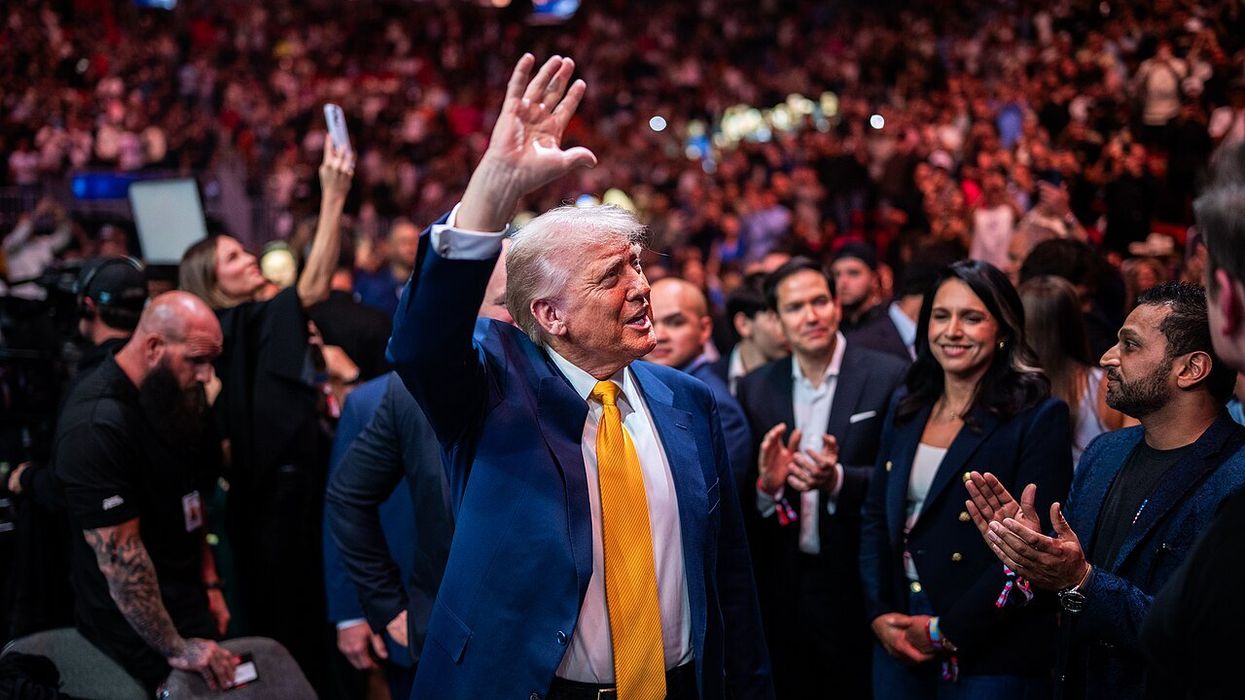
President Donald Trump with FBI Director Kash Patel, National Intelligence Director Tulsi Gabbard and others at the Kaseya Center in Miami on April 12, 2025
(Official White House Photo by Daniel Torok/Flickr)
According to the U.S. Bureau of Labor Statistics (BLS), the United States' unemployment rate was 4.2 percent in April; 177,000 new payroll jobs were added. That jobs report shows that so far, the low unemployment rates that President Donald Trump inherited from former President Joe Biden haven't gone away — at least not yet.
Many economists are warning that if Trump doesn't back down from the steep new tariffs he keeps threatening, the U.S. economy could suffer a variety of problems — including soaring prices, a recession, stagflation, and a weakening of the U.S. dollar.
In an article published by Salon on Memorial Day 2025, Brooklyn-based writer Cara Michelle Smith humorously details some ways in which she is already acting like the U.S. is in a recession.
"I don't need an economist to tell me whether we're in a recession," Smith argues. "Because over the past few months, I've noticed significant changes in how I'm spending money…. Sounds like a recession, no?.... My partner and I typically go out for dinner once a month. Instead, we haven’t had a date night in months."
Smith continues, "We've been eating at home. Freeze-dried meats and nuts, mostly. It’s fun! We're super into the survivalist blogs. Did you know that, in the event of a declared nuclear disaster, the federal government can close all the grocery stores? There doesn’t even have to be a nuclear disaster. They could just say there's one. Then, boom, living off the land! And, if you're smart, the towering stockpile of beans and canned tuna you've amassed in a matter of weeks."
Smith cites some other examples as well.
"Recession indicator!" Smith writes. "My therapist suggested an increase to twice-weekly sessions…. Earlier today, my running shoes fell apart. I put a new pair on credit."
The Brooklyn resident adds, "That should be a recession indicator, but it felt familiar."
Cara Michelle Smith's full article for Salon is available at this link.
Ship pulled free after running aground near Norway home
Oslo (AFP) – Salvagers on Tuesday pulled a cargo ship, which made world headlines for running aground a stone's throw from a house in Norway, back into the water, the head of the company managing the operation said.
A Ukrainian sailor in his 30s was on watch at the time and said he had fallen asleep, according to Norwegian police, who have charged him with "negligent navigation".
The NCL Salten sailed up onto shore just metres from a wooden house around dawn on Thursday.
"It's good to have said hello, but now it's time to say goodbye" the occupant of the house, Johan Helberg, told broadcaster NRK on Tuesday.
The containers on the ship, except for those removed to lighten the bow, are still on board and will be unloaded this evening, Ole T. Bjornevik, the managing director of BOA Offshore told AFP, adding that the operation only lasted 30 minutes.
"She has just been refloated," and an inspection is underway, he added.
The Ukrainian seaman has said none of the cargo ship's collision alarms had worked, prosecutor Kjetil Bruland Sorensen told news agency NTB.
The investigation will also look into whether the rules on working hours and rest periods were adhered to on ship, according to police.
Helberg, also slept through the incident and only discovered the unexpected visitor when a panicked neighbour called him on the phone.
Macron champions 'rules-based order' as France courts Vietnam
Amid rising US-China rivalry in Southeast Asia, French President Emmanuel Macron has pitched France as a stable, rules-driven partner with economic clout and diplomatic balance during his visit to Vietnam.
Issued on: 27/05/2025 - 09:27
France's President Emmanuel Macron, left, and Vietnam's President Luong Cuong pose for photo during a meeting at the Presidential Palace in Hanoi, Veitnam Monday, 26 May 2025. AP - Nhac Nguyen
French President Emmanuel Macron kicked off a high-profile tour of Southeast Asia on Monday with a strong call to uphold a global order "based on law", as tensions mount between the United States and China in the region.
Speaking in Hanoi alongside Vietnamese counterpart Luong Cuong, Macron stressed the importance of a rules-based international framework during what he described as "a time of great imbalance and a resurgence of power-driven rhetoric and intimidation".
His visit comes as Vietnam finds itself navigating choppy diplomatic waters. While sharing strong economic ties with both the US and China, Vietnam is also grappling with Washington’s threats of steep tariffs – potentially up to 46 percent – while locked in territorial disputes with Beijing in the South China Sea.
Posting on X, Macron wrote: "Vietnam naturally emerged as the first stop on my trip to Southeast Asia. This is a new page being written between our two countries, in all areas: economic, scientific, technological, industrial, military, strategic, cultural, academic".
French contracts, 'booming' economy
Macron – looking to position France as a trustworthy partner – offered Hanoi a compelling alternative.
“With France, you have a familiar, safe, and reliable friend,” he told To Lam, the secretary general of Vietnam’s ruling Communist Party.
“In the period we are living in, this alone has great value.”
The French leader brought more than just warm words.
Nearly €9 billion worth of contracts were signed during his visit, highlighting France’s eagerness to tap into Vietnam’s booming economy.
Among the headline deals was budget airline Vietjet’s purchase of 20 Airbus A330-900 aircraft, doubling its fleet of the widebody model.
In addition, France and Vietnam signed an agreement on nuclear energy – a nod to Hanoi’s ambitions to meet rising energy demand while cutting carbon emissions.
Message on transatlantic relations
Macron’s message was also aimed westward. He addressed recent deadly Russian strikes on Ukraine, urging US President Donald Trump to back up tough talk with concrete action.
“I believe President Trump realises that when President Putin says he’s ready for peace, he’s not being truthful,” Macron said, calling for stronger US resolve.
On transatlantic ties, Macron struck a hopeful note. He expressed confidence that trade talks between the European Union and the United States would bear fruit, with an eye towards significantly reducing tariffs.
Yet, the visit wasn’t without its complexities. Human Rights Watch had called on Macron to speak out against Vietnam’s harsh record on political dissent.
The one-party state currently holds over 170 political prisoners under laws that critics say criminalise peaceful activism.
However, in line with his usual diplomatic style, Macron opted to address human rights concerns privately rather than publicly.
France's President Emmanuel Macron was apparently pushed in the face by his wife Brigitte Macron as the couple arrived in Vietnam to begin a tour of Southeast Asia, at Noi Bai International Airport, in Hanoi, Vietnam, 25 May 2025. REUTERS - Chalinee Thirasupa
The visit was briefly overshadowed by a viral video showing Brigitte Macron appearing to push her husband’s face as they landed in Hanoi.
Macron laughed off suggestions of a spat, saying they were “joking” and the moment was taken out of context. “Everyone needs to calm down,” he said, blaming online disinformation – particularly from Russian and extremist sources – for distorting harmless footage.
During his time in Hanoi, Macron paid respects at a war memorial and lunched with Vietnamese leaders at the historic Temple of Literature, where he also enjoyed a traditional music and dance performance.
His Southeast Asia tour will continue with stops in Indonesia and Singapore.
Few diffusers and many bottlenecks: the French labor market according to statistical physics
Why changing careers is so hard: physicists uncover hidden rigidity in the job market - new paper in JSTAT
Graph visualization of the weighted and directed labor market network derived from the transition probability matrix, computed from data spanning the years 2012 to 2020. Each node symbolizes an occupation, with links that illustrate transitions between them. Node sizes correspond to the occupation’s workforce size, while node color indicates its BRIM community (Blondel et al., 2008a). Line widths are proportional to the transition probability. The layout is based on the OpenOrd algorithm (Martin et al., 2011), and the graph was generated using Gephi (Bastian et al., 2009).
Credit: Max Knicker, Karl Naumann-Woleske, and Michael Benzaquen - École Polytechnique Paris
How long have you been doing your current job? Have you ever thought about trying a new profession? How difficult does change seem to you? The current rapid transformation of the labor market is putting many workers to the test: they struggle to keep up and move into new roles, while at the same time companies are having difficulty finding qualified personnel. A new study has analyzed the French labor market using methods from statistical physics, and found that over 90% of jobs today function as bottlenecks: they are easily accessible, but once entered, they become traps from which it is hard to move elsewhere—even when other opportunities are available.
The study, conducted by Max Knicker, Karl Naumann-Woleske, and Michael Benzaquen of École Polytechnique in Paris, and published in the Journal of Statistical Mechanics: Theory and Experiment (JSTAT), provides a detailed mapping of accessibility and transferability characteristics within the French occupational network. It reveals strong structural rigidity in the overall labor system and offers a basis for understanding what kinds of interventions and policy decisions might help to break this deadlock.
Technology, lifestyle changes, migration, and other issues are rapidly transforming the labor market: professions that were in high demand just ten years ago may now be obsolete, while new and growing jobs struggle to find skilled workers. This affects people’s lives directly, and also impacts economic development. To find effective strategies, it is crucial to understand the detailed mechanisms of access and transition between occupations. Doing so requires the analysis of large-scale data, which is where statistical physics, developed precisely to manage large volumes of dynamic information, becomes particularly useful. Knicker and his team applied network analysis tools to data from the last ten years of the French labor market, revealing structural rigidities and vulnerabilities.
One of the study’s strengths is its ability to view the system in its entirety. The researchers did not rely on a sample or projections, but on real, comprehensive data from across France. “We used official data provided by the National Institute of Statistics and Economic Studies through the service of Secure Data Access Center (CASD). In total, we had access to information on about 30 million workers and employers in France, whom we tracked over a 10-year period,” explains Max Knicker, a PhD candidate at the École Polytechnique in Paris, affiliated with the EconophysiX lab and lead author of the study. The team worked with high-resolution administrative data from INSEE (the French National Institute of Statistics), specifically the BTS-Postes (Base Tous Salariés – Postes).
“We then assigned each occupation a score for two key metrics: transferability and accessibility,” Knicker explains.“On one hand, Transferability captures how diverse the set of occupations is that people move into from a given occupation. Accessibility, on the other hand, measures how diverse the origins are of people entering a given occupation, indicating how broadly accessible it is from across the labor market.”
Knicker and colleagues mapped all occupations onto a two-dimensional space defined by these variables, identifying four main clusters or categories of jobs. “Diffuser occupations are those with high transferability but low accessibility, they’re harder to enter but offer a wide range of exit opportunities,” Knicker explains. “Channel occupations are both hard to enter and offer few onward transitions. Hubs are both widely accessible and highly transferable, acting as central nodes in the transition network. Finally, the most common type are condensers — occupations that many workers can enter from diverse backgrounds, but which offer limited options for moving onward.”
Hubs, condensers, diffusers, and channels
“Hubs include jobs like retail sellers, which require a broad but not highly specialized skill set,” says Knicker. “Condensers include caregiving roles: technically, there aren’t many barriers to entry, but once someone enters a condenser occupation it’s hard to transition to something else. As for diffusers—where few occupations enter but from which it’s easy to move elsewhere—we’re talking about roles like technical flight managers or merchant navy specialists: jobs that require specific training to enter, but that training enables transitions to many other areas.”
“Lastly,” Knicker concludes, “channels are jobs that are hard to access and hard to leave. They often involve highly specialized skills, such as industrial welding machine operators.”
“For now, it’s a descriptive analysis. We’re essentially looking at the past, not building predictive models yet. But even this descriptive framework helps us understand how transitions happen,” Knicker explains. “While the broader labor market is undoubtedly undergoing structural shifts due to technological and economic change, we found that the observed occupational transition patterns have remained relatively stable over the past decade. This empirical stability allows us to use the current structure as a meaningful baseline, enabling our metrics to highlight occupations where policy efforts might most effectively ease reallocation bottlenecks.”
According to Knicker, the insights from this and future studies could help guide efforts to promote smoother transitions within the labor market. “With our work, we aim to identify the occupations with the greatest potential to act as levers or bridges, facilitating people’s movement from one job to another.”
Knicker and his team are making their methodology available to anyone who wants to apply it to other contexts—for example, to other European countries or even across the entire EU. One current challenge, however, he explains, is data standardization: some countries have extensive datasets comparable to France’s, while in others the picture is more fragmented. Still, the study just published is only a first step. In the future, Knicker and colleagues hope to track individual career trajectories and integrate other types of data, such as information on specific vocational training.
Graph visualization of the weighted and directed labor market network derived from the transition probability matrix, computed from data spanning the years 2012 to 2020. Each node symbolizes an occupation, with links that illustrate transitions between them. Node sizes correspond to the occupation’s workforce size, while node color indicates its BRIM community (Blondel et al., 2008a). Line widths are proportional to the transition probability. The layout is based on the OpenOrd algorithm (Martin et al., 2011), and the graph was generated using Gephi (Bastian et al., 2009).
Credit
Max Knicker, Karl Naumann-Woleske, and Michael Benzaquen - École Polytechnique Paris.
Journal
Journal of Statistical Mechanics Theory and Experiment
Method of Research
Data/statistical analysis
Subject of Research
Not applicable
Article Title
The Structure of Occupational Mobility in France
Article Publication Date
27-May-2025
Private military firms undermine France’s quiet exit from West Africa
France has restructured its military presence in recent months, closing most of its historic bases in West Africa. However, the arrival of private military companies employing French personnel is undermining the discretion sought by army headquarters in Paris.
According to Peer de Jong, a naval colonel who now heads Themiis, a security, defence, and services company (ESSD) operating in Mauritania, former French soldiers are highly valued for their deep knowledge of African war zones, where they have often been deployed. And, in West and Central Africa, the French language remains a key advantage.
"It's a small world!" he told told RFI's defence correspondent, Franck Alexandre. "French ex-military personnel have an excellent reputation. And then, Anglo-Saxons don't speak French, and that's essential for operating in Africa. The number two at the private security group Bancroft is Frenchman Richard Rouget."
Rouget is a former paratrooper. If Bancroft wants to work in the Central African Republic, according to de Jong, they’ll hire French personnel.
For France, military emergencies and priorities have shifted due to the war in Ukraine. While European armies must now prepare for a potential high-intensity conflict, the fight against jihadism in the Sahel has become a lower priority.
After Mali, Niger and Burkina Faso, the historic bases in Chad, and then in Côte d’Ivoire were handed over at the start of 2025.
The reduction in French personnel has left a vacuum in Africa, increasingly filled by private military companies offering their services to states seeking to outsource a wide range of missions — from logistical support and site security to training and even the protection of public figures.
The Alliance of Sahel States, originally established as a mutual defence pact between Mali, Niger, and Burkina Faso in September 2023, employs the services of Russian proxy forces — initially the Wagner Group, and later Africa Corps.
Many other nations have turned to different private military firms, including the Chinese company Beijing DeWe, which is securing the construction of the Mombasa–Naivasha railway line in Kenya. Meanwhile, mercenaries from Sadat, an international Turkish defence consultancy, are playing an increasingly prominent role in Libya.
In West Africa, private military companies are securing a growing number of contracts. British and American firms, with their extensive expertise in the field, are enjoying notable success.
Recruitment of French personnel is on the rise. Companies such as Bancroft Global Development (USA), G4S (UK, specialising in the management of sensitive installations and secure transport), the Development Initiative (UK, based in Bermuda and specialising in mine clearance), Relyant Global LLC (USA, based in Tennessee, offering logistics and mine clearance services), and Erinys (UK, specialising in risk management and security provision in conflict zones) have all hired former French military staff for operations in Africa.
Western military sources told RFI that the American company Amentum is currently deploying several former French soldiers across Benin, Mali, Burkina Faso, Côte d’Ivoire, the Democratic Republic of Congo, the Central African Republic, Guinea, and even Somalia.
These personnel include at least two former legionnaires and a former telecommunications technician who previously worked at the French Ministry of the Armed Forces. They are serving as part of the US State Department's AfriCap programme.
Private companies and NGOs are increasingly turning to such security expertise, according to a senior French officer who closely monitors the evolving risk landscape in Africa.
“In French-speaking regions, where former French military personnel are recognised and respected, where they’ve previously served, know the terrain, and maintain their networks... Naturally, this appeals to American and British companies,” he explained.
A well-informed source within the armed forces questioned whether this situation should be considered normal.
“These former soldiers remain loyal to France and carry out their duties on the ground,” he told RFI’s Franck Alexandre. “But should we not have French private military companies operating under the control of local authorities? As it stands, French law does not permit this.” France missing out
The growing presence of private military companies in Africa comes as no surprise to Peer de Jong. “In France, we don’t have this tool. We have never privatised the military, so we are lagging behind. Today, the Russians, the Chinese, the Turks, and the Americans dominate this expanding market.”
He also emphasises the strong desire for sovereignty among African states.
“They no longer want a French army; they want service providers—men in civilian clothing,” de Jong adds.
French law, however, prohibits and penalises mercenary activity involving the use of force and weapons.
“For people in Africa, a white man who speaks French and carries a weapon, even in civilian clothes, is still seen as a French soldier or an agent of the DGSE [foreign intelligence service],” a member of staff at army headquarters in Paris told RFI.
French President Emmanuel Macron wanted to promote a vision called Africa-France, to break with the negative image of "Françafrique". ludovic MARIN / AFP
But de Jong believes France is simply missing out on a growing market.
“The Directorate of Defence Intelligence and Security [DRDS, a French intelligence agency] constantly expresses concern over former French soldiers joining private military companies. They argue it damages the image of the armed forces. However, private military companies are a highly effective tool of influence and, what’s more, they are inexpensive, as they are funded by donors such as the European Union.”
The French army is also contending with major disinformation campaigns in Africa, orchestrated by Moscow and its proxies in the Wagner Group. These campaigns have significantly altered both France’s military posture and its communications strategy on the continent.
For over a decade, people have accused French soldiers of committing crimes or seeking to revive "Françafrique". These narratives continue to fuel widespread belief in the existence of secret French bases in Benin and Nigeria..
“This false information circulates widely and even influences discussions within circles of power,” a French soldier recently returned from West Africa told RFI. “It’s pure misinformation with no foundation, but proving that something doesn’t exist is extremely difficult.”
For now, all these experts agree that France is not prepared to officially deploy soldiers—whether from the regular army or private security firms—to Africa again.
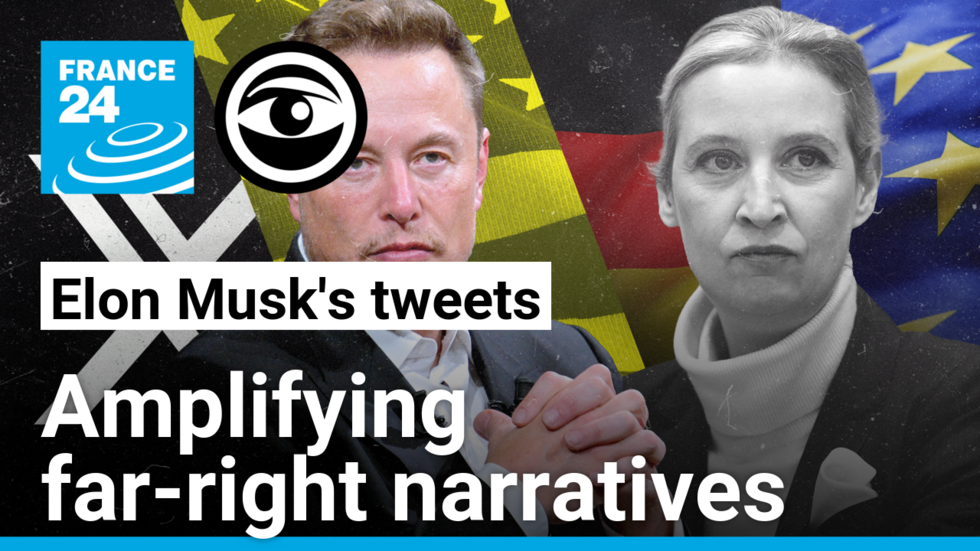
Elon Musk's tweets: Investigating the billionaire's anti-European rhetoric
The FRANCE 24 Observers collaborated with France Info and Belgium's RTBF to analyse the rhetoric of Elon Musk, one of Trump's closest advisers. This two-part investigation, conducted by the Médias Francophones Publics, examines the X owner's social media posts, documenting how the billionaire is propagating anti-Ukraine sentiment and posting tweets in support of the European far right.
"I use my tweets to express myself,” Musk said in 2018. Seven years later, and three years after he bought Twitter, Musk uses his own platform, now known as X, to express himself more freely than ever.
With his criticism of Europe and its institutions, attacks on Ukraine and President Volodymyr Zelensky in recent months, Musk has become a vocal supporter of the US presidential camp's line.
Journalists from Belgium’s RTBF, the FRANCE 24 Observers, and France Info, collaborating under the umbrella of the French-speaking public media association MFP (Médias Francophones Publics), looked at the 15,485 posts published or shared by Musk between November 4, 2024, the day before Trump’s election, and April 4, 2025. Click on the player above to watch the full report. Read our two-part investigation on FRANCE 24's website.
ICYMI
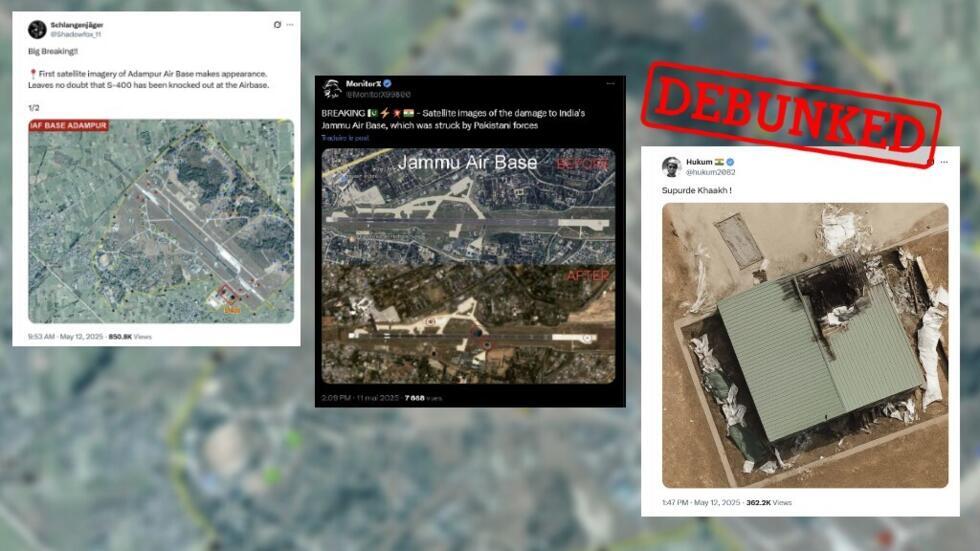
India-Pakistan conflict: AI-generated or edited fake satellite images flood social media Since a ceasefire was agreed on May 10, India and Pakistan are at odds over the exact toll of the four days of clashes that followed an attack in Kashmir. On the social media platform X, internet users from both countries are sharing satellite images purportedly documenting the destruction caused by their respective armies’ strikes. But a number of these images are fake or generated and altered with artificial intelligence.
The weapons have fallen silent but the image war rages on. From May 6 to 10, India and Pakistan engaged in military clashes following a deadly attack on Hindu tourists in Indian-administered Kashmir on April 22. Pakistan claims to have destroyed several pieces of equipment at Indian military bases, but India denounces disinformation and says it successfully hit Pakistani military installations.
On X, Pakistani and Indian internet users have been sharing alleged satellite images to illustrate the damage purportedly inflicted by their respective armies. But several of these images are fake.
An AI-enhanced hangar photo
On May 12, an Indian account posted a satellite image on X supposedly showing the aftermath of an Indian strike. The remarkably clear image prompted admiration. “The picture is so sharp that it looks like it was taken with a drone. Indian satellites are very powerful,” a Facebook account commented.
But this photo is partly fake: it has been altered by artificial intelligence.
Thanks to a reverse image search (click here to find out how), we were able to find the origin of this image on a Reddit forum. The user who shared the image confirms that AI was used to enhance a satellite image of the strike.
A hangar at Pakistan’s Bholari airbase was indeed partially damaged. Our team obtained a satellite image showing the base on May 11 from Maxar. This image shows damage to the hangar’s roof. However, this satellite image has notable differences compared to the photograph shared on X, which confirms that the latter was generated by AI.
Compared to the original photograph, the image shared on X shows several inconsistencies. A low wall located on the left side of the hangar has disappeared, and the roof patterns do not match. The roof strips are arranged horizontally on the left side, while they are positioned vertically on the right side. In the image provided by Maxar, the hangar is visible from a distance. The AI-generated image, on the other hand, is a close-up of the hangar, likely in an attempt to show the damage caused by the Indian strike in a more dramatic way. Fake craters at Jammu base in India
On May 11, a pro-Pakistan online user posted a satellite image purportedly showing damage caused by Pakistani forces on India’s Jammu airbase, in the Indian-administered part of Kashmir.
This image was supposedly taken after Pakistani strikes. It depicts a series of six craters on the airport's runway and adjacent buildings.
However, the open-source intelligence analyst Aurora Intel showed how this satellite image has been graphically altered to add damage.
An image taken on May 11 by the Sentinel-2 satellite shows that the Indian airbase is actually intact. None of the six craters visible in the image shared on X appear on the Sentinel-2 image, which was taken the day after the alleged Pakistani strikes.
Destruction of Indian S-400 missile battery? Image is doctored
Following the alleged loss of one or several Rafale fighter jets, India has allegedly lost another piece of advanced military equipment: a battery of the S-400 missile, the Indian army’s most sophisticated air defence system. This claim comes from pro-Pakistan internet users who posted a satellite image of India’s Adampur airbase in Punjab.
Two craters can be seen in this image, which garnered over a million views on X. These craters are being presented as proof of the battery’s destruction.
The Pakistani army has officially claimed the destruction of an S-400 missile battery in Adampur. However, satellite images presented during a briefing on May 12 show no visible signs of damage. For his part, the Indian government press service stated that Pakistan’s claim was “fake” and “baseless”.
On May 13, the Indian government released a video of a speech held by Prime Minister Narendra Modi at the Adampur base. In the background, the intact tubes of an S-400 missile launcher can be seen.
They argue that the Pakistani forces never claimed to have destroyed the S-400 missiles themselves, but only their radars. So far, however, the Pakistani government has provided no visual and independently verifiable evidence of any such destruction.
Chemical-free farming brings life back to rural France
Faced with widespread chemical pollution and a dramatic collapse in biodiversity, farmers and scientists in western France have been testing a revolutionary farming model for over 30 years. No pesticides, no synthetic fertilisers – just nature. And it works: steady yields, stable incomes, and a thriving ecosystem. A one-of-a-kind collaboration in Europe.
by M Bookchin · Cited by 343 — Illness may occur under "favorable" as well as "unfavorable" environmental conditions. Heart disease, cancer, arthritis, and diabetes-the most important.
“Silent Spring is a devastating attack on human carelessness, greed and irresponsibility. It should be read by every American who does not want it to be the ...
155 pages
Bottled watergate: Why did French government cover for Perrier?
Is it something in the water? Why insist on bottled brands at every meal when in a country like France, it flows freely from the tap – even if it’s not exactly free. We’ll ask about old habits and new realities that force a rethink of what we drink.
Anger bubbling over this week with the French senate concluding that the government “at the highest level” covered up for Nestlé which continued to put the words "natural mineral water" on bottles and cans of iconic brands such as Perrier even though the threat of bacteria and pollution have long forced the Swiss food giant to filter the output of its spring in southeast France. Wherein lies the real issue here… for consumers… citizens…
… and for the planet? We often cover stories about water scarcity. But it’s also water management, in this instance how we provide and distribute drinking water. Whose job is it to make sure that it’s clean, that it’s fairly meted out? And who gets to profit from the service of providing this vital necessity?
Produced by François Picard, Rebecca Gnignati, Juliette Laffont, Jimena Morales-Velasco, Alessandro Xenos.
Our guests
Henri LANDESLecturer, Sciences Po Paris
Philippe MOREAU-CHEVROLETProfessor of political communication, Sciences Po
Audrey LINKENHELDVice-President, Senatorial inquiry committee for bottled water manufacturers
Peter GLEICKAuthor, "Bottled and Sold: The Story Behind Our Obsession With Bottled Water"




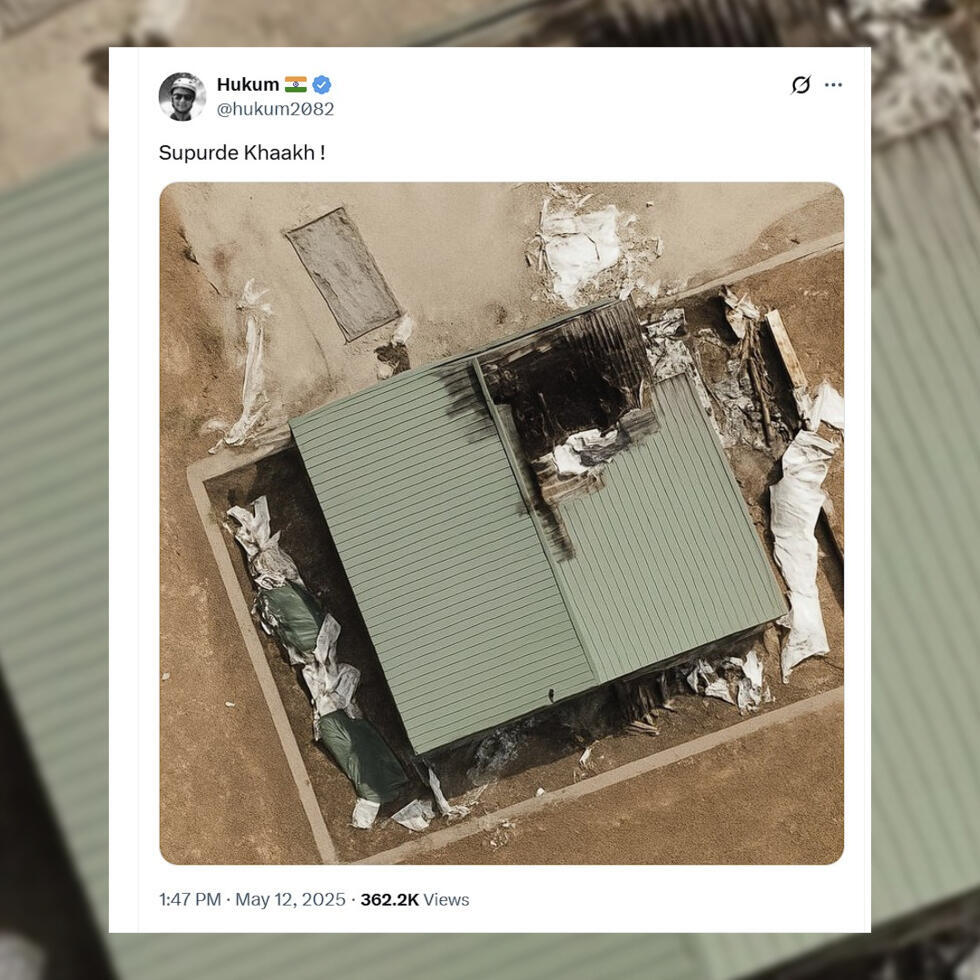 This photograph of a hangar published on May 12, 2025, has been altered using AI. © X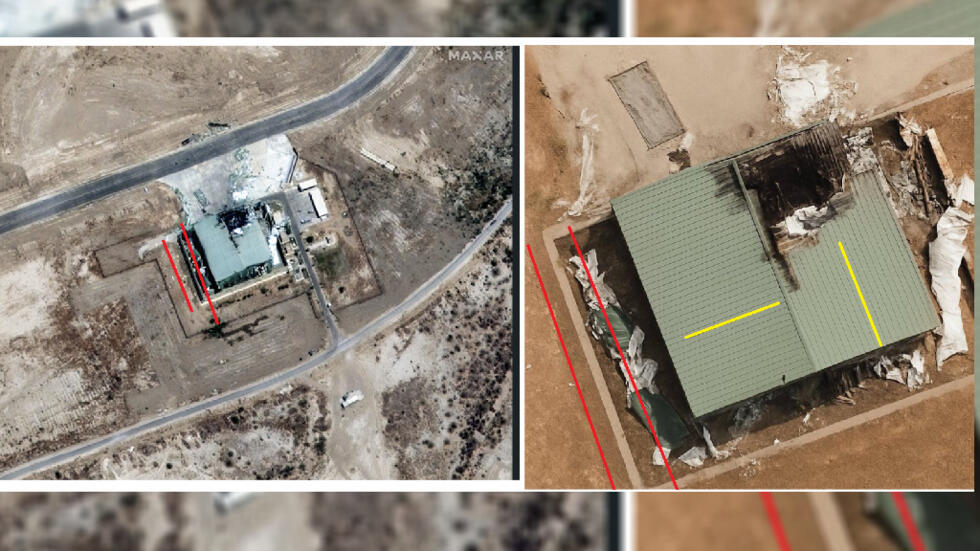
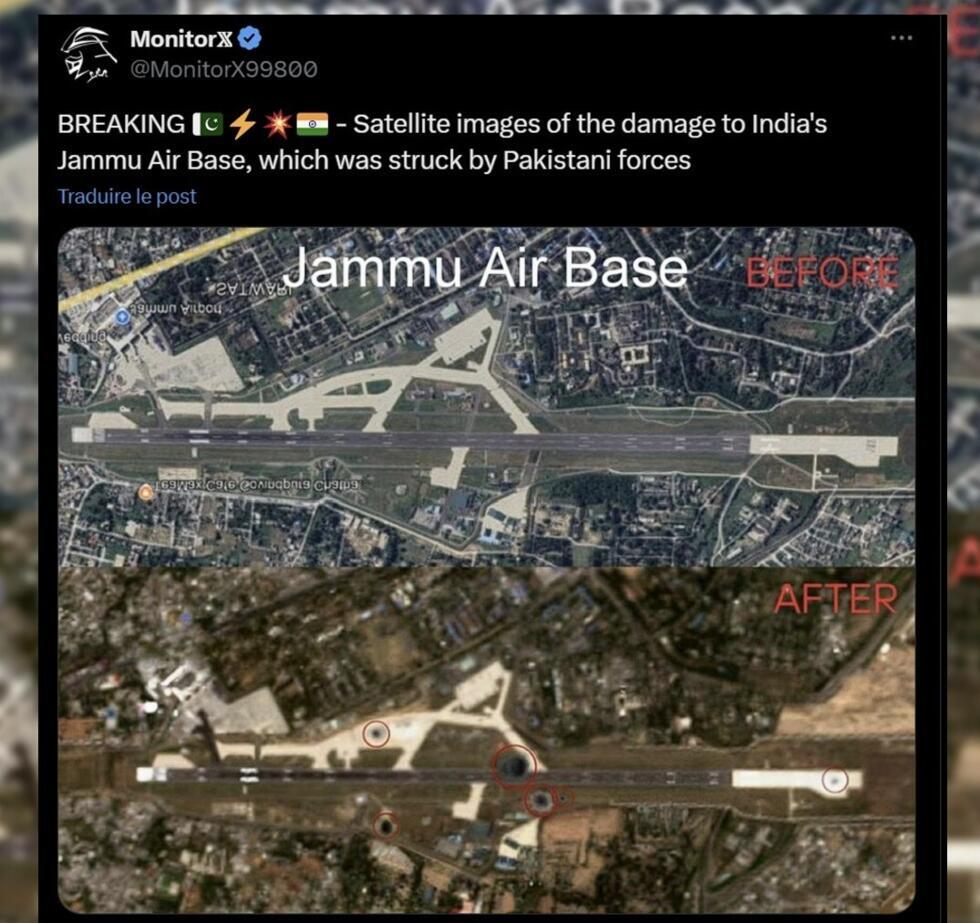
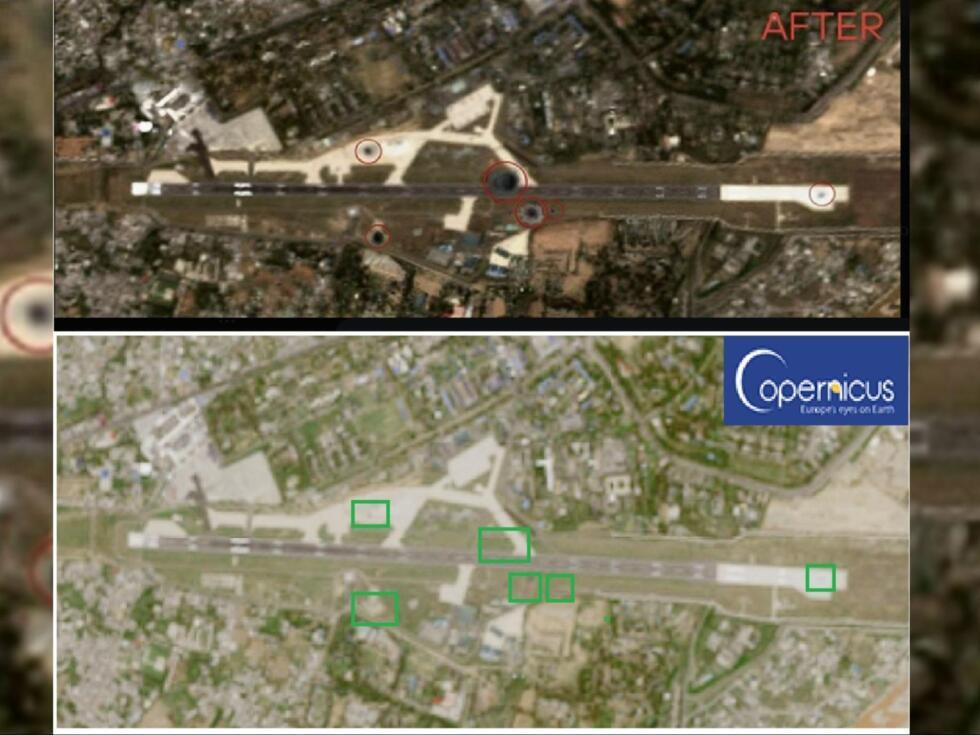
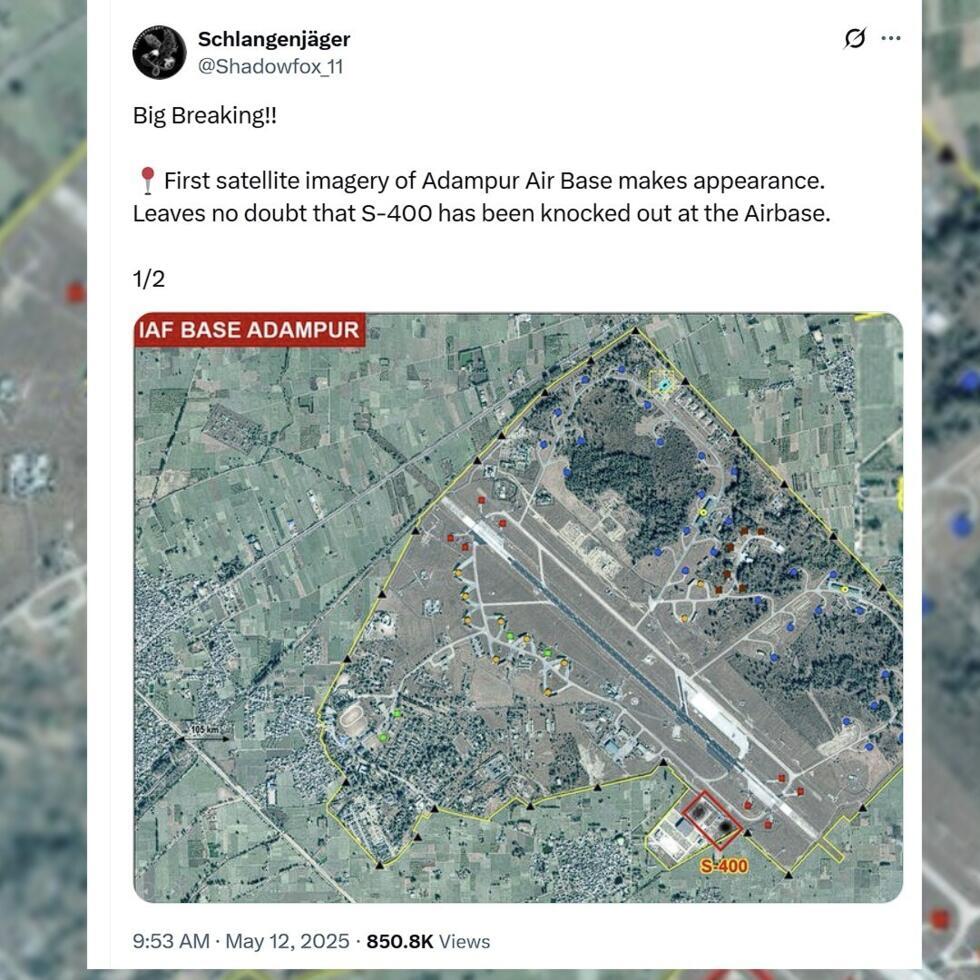
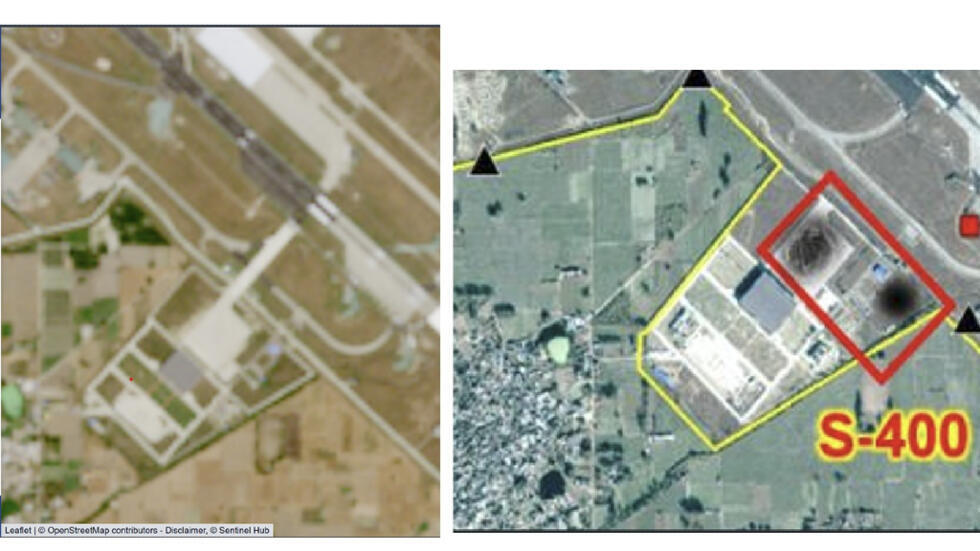 At right is an image shared on X on May 12, 2025, allegedly showing the destruction of an S-400 missile battery. At left is a satellite image taken by the Sentinel-2 satellite on May 11, 2025. No crater is visible in the photo taken by Sentinel-2. © Copernicus / X