Wednesday, August 13, 2025


River otters unfazed by feces and parasites while eating… and that’s good for ecosystems


New study offers first look at diet and ecology of river otters in Chesapeake Bay


Smithsonian

River Otters in Snow 

video: 

Three North American river otters play in the snow on the docks of the Smithsonian Environmental Research Center. Detected with SERC’s night-vision wildlife cameras.

view more 

Credit: Karen McDonald, Smithsonian Environmental Research Center


North American river otters have terrible hygiene when it comes to their food. They eat, play and defecate in the same place. But their unhealthy habits make them ideal for detecting future health threats in the environment, according to scientists. In a new study published Aug. 14, Smithsonian scientists analyzed the otters’ diets and “latrine” habitats in the Chesapeake Bay for the first time. They discovered river otters often eat food riddled with parasites—and that may not be a bad thing for the larger ecosystem.

“River otters are impressive apex predators that play a vital role in ecosystems,” said Calli Wise, lead author of the study and a research technician at the Smithsonian Environmental Research Center (SERC). “The parasites consumed by river otters may also teach us about the health of the environment.”

River otters are among the most elusive animals in the Chesapeake. They’re nocturnal, semi-aquatic and generally shy around people, so live sightings are rare. Once abundant across North America, their numbers dwindled due to the fur trade and habitat degradation. A Maryland reintroduction program in the mid-1990s helped their populations rebound across the state. But even as they bounce back, scientists still don’t have precise estimates as to their population numbers in the Bay region. And many other aspects of their behavior and diets remain obscure.

“It is shocking how little information there is about their biology and ecology,” said Katrina Lohan, co-author and head of SERC’s Coastal Disease Ecology Lab.

Since live otters are difficult to observe, biologists rely on what they leave behind. Specifically, their feces. Otters leave the water periodically to congregate at latrines—sites on land where they eat, socialize and leave fresh droppings as scent marks for other otters. By studying the feces (or “scat”) from otter latrines, scientists can get a sense of what the otters are eating.

The latest study, published in the journal Frontiers in Mammal Science, looked at scat from 18 active latrines on the SERC campus in Edgewater, Maryland. Most were natural sites, such as beaches or riverbanks, but a few latrines appeared on manmade structures like docks or boardwalks. The biologists took the scat samples back to the lab, where they surveyed the samples under the microscope and ran DNA analyses using a technique called metabarcoding.

Finfish and crabs formed the staples of otter diets—accounting for 93% of all prey items in the DNA analysis. The otters also ate amphibians, worms and the occasional bird. The researchers even found evidence that otters ate two invasive fish: the common carp and the southern white river crayfish.

But the DNA analyses also uncovered a host of parasites from six different taxonomic classes teeming in the otter scat. The vast majority were trematodes—parasitic flatworms also known as “flukes.” Other parasites included microscopic dinoflagellates and other flatworms known to infect the gills, skin or fins of fishes. Most of the parasites likely infected the otters’ prey, not the otters themselves—and the otters probably weren’t any worse off for eating them. In fact, Lohan suggested, otters may be helping the overall prey populations by eating parasite-infected animals, since this weeds out sicker fish and crabs. Meanwhile, parasites may be helping the otters catch prey that would otherwise elude them.

“While parasites have negative impacts on individuals, they are extremely important in food webs,” Lohan said. “It is possible that river otters, like other top predators, wouldn’t be able to find enough food to eat without parasites.”

However, a few parasites in the study, such as roundworms and single-celled apicomplexans, are known to infect mammals. The scientists suspect these parasites directly infected the otters themselves, rather than their prey. This study did not detect any parasites in river otters than can infect humans. But some of the parasites were closely related to ones that can cause human disease, including the gastrointestinal disease cystoisosporiasis. As river otters are appearing more often in urban and suburban areas, the likelihood of them encountering something that could affect human health is also rising.

“As river otters move into more urban waterways, they will be increasingly exposed to pollutants and parasites of concern to humans,” Wise said. “As mammals, river otters may be disease sentinels that we can study to learn more about environmental risks to humans.”

Researchers from Frostburg State University, Johns Hopkins University and the University of the Pacific also contributed to this study. A copy of the study will be available on the journal’s website after publication. For photos, an advance copy of the study or to speak with one of the authors, contact Kristen Goodhue at GoodhueK@si.edu.   


 River Otters Eating Crab [VIDEO] | 

A river otter eats a crab at an otter latrine on SERC’s nature trails, and initially refuses to share with his companions. Detected with SERC’s night-vision wildlife cameras.


Four river otters play at a latrine site on SERC’s Fox Creek Nature Trail. Detected with SERC’s night-vision wildlife cameras.

Credit

Karen McDonald, Smithsonian Environmental Research Center)


A North American river otter (Lontra canadensis) wanders through a forest at the Smithsonian Environmental Research Center.


Feces (“scat”) from North American River Otters, in a forest at the Smithsonian Environmental Research Center.


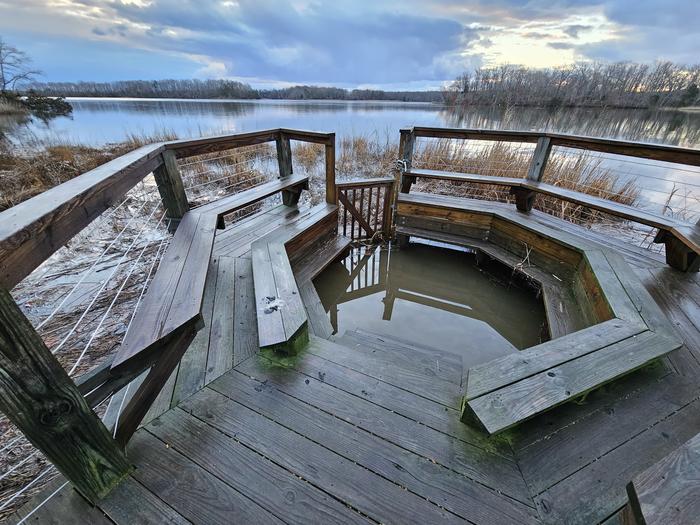
Closeup of otter scat on a wooden marsh overlook at the Smithsonian Environmental Research Center

Credit
Calli Wise, Smithsonian Environmental Research Center


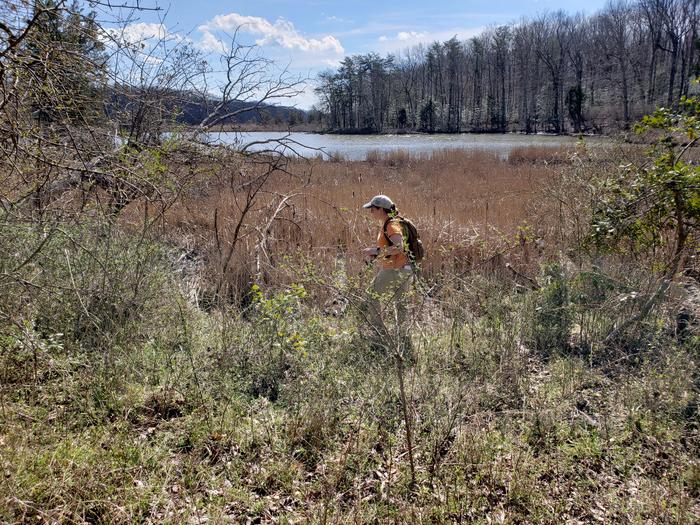
Research technician Calli Wise records understory plant species at one of the river otter study sites.

Credit
Smithsonian Environmental Research Center


People disregard advice when making tough decisions


Insights from investigation of decision-making in people in 12 countries could improve teamwork and cross-cultural relations


University of Waterloo


An international study surveying people in a dozen countries found that when it comes to making complex decisions, people all over the world tend to reflect on their own, rather than seek advice.

Researchers from the University of Waterloo led the new study that surveyed more than 3,500 people from megacities to small Indigenous communities in the Amazon rainforest to learn how they make decisions. This work is the broadest test of decision-style preferences across cultures to date.

The researchers say that by understanding that even in interdependent societies most people prefer to go with the decision made by themselves, irrespective of what others say, can help clarify cross-cultural misunderstandings and realize that we all appear to be juggling similar internal debates.

“Realizing that most of us instinctively ‘go it alone’ helps explain why we often ignore good counsel, be it for health tips or financial planning, despite mounting evidence that such counsel may help us make wiser decisions,” said Dr. Igor Grossmann, professor in the Department of Psychology at Waterloo and first author on the paper. “This knowledge can help us design teamwork better by working with this self-reliant tendency and letting employees reason privately before sharing advice that they might reject.”

The study upends the belief that westerners work things out themselves while the rest of the world leans on others. In fact, intuition and self-reflection beat out advice from friends or crowdsourcing in all countries studied. The amount of that preference varied, depending on the level at which a culture values independence or interdependence.

“Our take-home message is that we all look inward first, yet the wisest moves may happen when solo reflections are shared with others,” Grossmann said. “What culture does is controls the volume knob, dialing up that inner voice in highly independent societies and softening it somewhat in more interdependent ones.”

Nearly 40 authors contributed to this work as part of the Geography of Philosophy Project, which is led by Dr. Edouard Machery, from the University of Pittsburgh.

The study, Decision-making preferences for intuition, deliberation, friends or crowds in independent and interdependent societies, appears in Proceedings of the Royal Society B Biological Sciences.


Mental health care needs urgent reform to include lifestyle interventions


Lifestyle interventions targeting physical activity, nutrition, sleep and smoking, must be a key focus of mental health care, a new Lancet Psychiatry Commission report warns


University of New South Wales


Mental health services must urgently increase investment in lifestyle interventions to improve care and help close the 15-year life expectancy gap faced by people with mental illness, a new Lancet Psychiatry Commission report warns.  

Lifestyle interventions targeting physical activity, nutrition, sleep and smoking are key to mental health care, not optional extras, according to the report by a team of 30 authors from 19 countries.  

“Our lifestyles can change the trajectory of our mental and physical health,” said lead author Dr Scott Teasdale, a dietitian and Senior Research Fellow with UNSW Sydney’s Discipline of Psychiatry and Mental Health and Mindgardens Neuroscience Network.  

"Many people living with mental health challenges face barriers to being physically active, eating a balanced and nutrient-rich diet, getting quality sleep, and quitting smoking. These, in turn, impact their mental health further and contribute to physical health disparities,” Dr Teasdale said.  

Making changes to lifestyle risk factors eases symptoms and improves overall health, making it an important addition to psychological therapy and medication, he said. But people with mental illness need support to make such changes.   

“This is not just about individual behaviour change, it’s about transforming systems to support health and wellbeing,” Dr Teasdale said.   

A roadmap for reform  

The Commission report, Implementing lifestyle interventions in mental health care, outlines a roadmap to improve care worldwide – from bringing in exercise and nutrition specialists to shifting workforce attitudes to prioritise a holistic approach.  

It builds on a 2019 Commission report on protecting physical health in people with mental illness – who die 13 to 15 years earlier than the general population, largely due to preventable conditions like cardiovascular disease and diabetes.  

Researchers reviewed 89 recent lifestyle interventions, targeting physical activity, nutrition, smoking cessation and sleep, to determine the most effective approaches, resulting in eight recommendations and 19 priorities for action. These were reviewed by people with lived experience and a Global South Advisory Group of 14 experts from lower income and conflict-affected countries to ensure they could be adapted across diverse settings.  

Increased funding, upskilling of mental health staff and enabling access to a broader range of allied health professionals will be key to better incorporating lifestyle interventions into care.   

“Mental health services have traditionally focused on medications, crisis care and therapy, and lifestyle hadn’t been prioritised — in funding, training or service delivery,” Dr Teasdale said. “We previously didn’t have the evidence on the benefits of lifestyle changes, but that’s no longer the case.”  

While delivery methods must be tailored to local contexts, many core principles are universal, said senior author UNSW Professor Simon Rosenbaum.  

“We’ve identified common elements that should apply to care, whether you’re in a refugee camp in Bangladesh or a hospital in Sydney’s eastern suburbs,” he said.   

This includes creating psychologically safe environments and ensuring support staff have the empathy and skills to provide trauma-informed, culturally sensitive care.     

“Embedding these interventions must be done in partnership with people who live with mental illness, and with attention to the social and economic realities they face,” Prof. Rosenbaum said.  

Global South Advisory Group co-Chair Professor Pillaveetil Sathyadas Indu, from Kerala University of Health Sciences, said the recommendations were adaptable across diverse settings, including her home country of India.   

“In countries with limited resources, the focus may be on upskilling existing staff and non-specialist workers, and engaging family members, to help deliver lifestyle interventions,” Prof. Indu said.   

 Embedding exercise and nutrition specialists into mental health services at top training and research institutions would also help drive systemic change, she said.  

 Shifting clinical practice in Australia    

The shift to lifestyle-focused care is underway in Australia, with lifestyle changes included in clinical practice guidelines for mood disorders since 2020.   

“An ideal treatment plan no longer starts and ends with medication and psychology support. It now begins with lifestyle changes and psychological support as the foundation, with medication added where needed,” Dr Teasdale said.  

But change has been slow, amid budget constraints and a stretched workforce, and more needs to be done by government, health services and education providers to better embed lifestyle interventions into care.  

While this requires greater upfront investment, it would reduce more substantial health care and societal costs long term, Dr Teasdale said.  

“Improving these lifestyle factors is crucial for the mental wellbeing of every person, and in the prevention and management of mental illness.”  

The report is one of two published by The Lancet Psychiatry Physical Health Commission on Wednesday, with the other, led by University of Queensland, focused on the physical health side effects of medication.  


European Media Freedom Act Comes Into Force As Concerns of Press Freedom Grow

Press Release

by LibertiesEU

The European Media Freedom Act (EMFA) entered fully into force last week (8 August) - with the exception of one article, about the right to customise the media offering. EMFA establishes new EU-wide rules to protect media freedom and pluralism. The EMFA is intended to safeguard the freedom of public and private media to operate free from political or commercial pressure and is responsive to the digital age.

The EMFA includes provisions to protect editorial independence, including protection for journalistic sources from spyware, and to ensure independence for public service media; it provides transparency in ownership and regulates media content removal by large online platforms. The EMFA also requires transparency in state advertising, mandates that impact assessments be carried out before major mergers and introduces overtake audience measurement rules to prevent market manipulation. An independent European Board for Media Services oversees the consistent application of the EMFA, replacing the previous body, the European Regulators Group for Audiovisual Media Services (ERGA).

The EMFA takes effect at a crucial moment. The annual media report by the Civil Liberties Union for Europe (Liberties) warns that media pluralism in Europe is gradually eroding due to ownership concentration, political and commercial influence and attacks on journalists. Press freedom is under attack across Europe, with some states facing an existential battle for press freedom.

“The EMFA provides a legal base to enforce media freedom and pluralism across Member States. If properly enforced, it could lead to stronger protections—including through court action—and set new standards for press independence.It’s essential to monitor media freedom and whether citizens can access trustworthy information free from political or economic interference.

However, many Member States are either unprepared or actively resisting compliance. The National Regulatory Authorities and the European Commission must ensure robust enforcement. It is also important to encourage governments to expand protections beyond the legislation’s scope, particularly when it comes to shielding journalists and media outlets from spyware and surveillance”, said Eva Simon, Head of the Tech and Rights division at Liberties.

About Liberties

The Civil Liberties Union for Europe (Liberties) is a Berlin-based watchdog and advocacy network organisation working to protect and strengthen democracy, the rule of law, and fundamental rights in the EU.

More from Liberties

Deepening Crisis In Media Freedom Across the EU Puts Democracy At Risk: Report 2025

Silenced by Suits: Europe's SLAPP Crisis Undermining Press Freedom

Water should be at center of climate, finance discussions: South Africa’s president


Cyril Ramaphosa calls on international community at African Union Water Investment Summit for building world where water 'recognized as a human right and not weaponized against women, children, and communities'


Nur Asena Erturk |13.08.2025 - TRT/AA


ANKARA

Water should be at the center of climate and finance discussions, South Africa’s president said on Wednesday at the opening of the African Union Water Investment Summit in Cape Town.

The summit has four goals, said Cyril Ramaphosa, which are “to endorse a summit declaration that commits us to scale up investments to improve governance and to increase accountability in the water sector.”

It also aims to “showcase a pipeline of 80 priority investment projects from 38 countries” and to “facilitate matchmaking between governments, financiers, and various partners.”

“And fourthly, we are also gathered here to position water at the highest level of the global political and financial agenda, from G20 and COP30 to the UN 2026 water conference, and beyond,” Ramaphosa added.

“We can clearly say that water must no longer be an afterthought at climate and finance discussions. It must be at the center of discussions. It must be financed; it must be tracked in terms of whether progress is being made or not,” the president stressed, noting that water could be a “driver of economic transformation, innovation, and peace.”

He called for building a world “where water is recognized as a human right and not weaponized against women, children, and communities.”

The summit gathers leaders and officials from African countries, as well as policymakers from across the world.
WHITE STR8 MALE HOMO EROTIC FANTASY BRUTALISM

White House to host 1st-ever Ultimate Fighting Championship fight on July 4 next year


CEO Dana White says historic event will mark America’s 250th birthday, with Octagon set against backdrop of White House and Washington Monument

Gizem Nisa Çebi Demir |13.08.2025 -TRT/AA


ISTANBUL

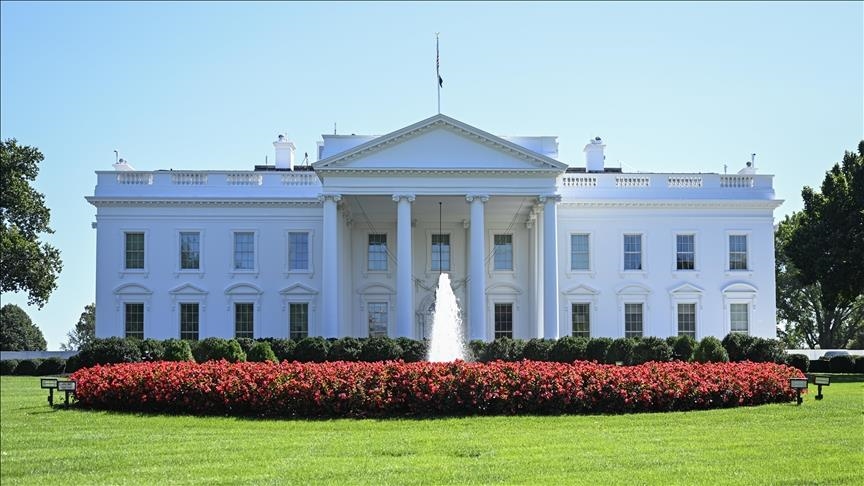
The Ultimate Fighting Championship (UFC) will make history by hosting a fight on the White House lawn next July 4, UFC CEO Dana White announced Tuesday on CBS Mornings.

"It is definitely going to happen," White said, noting that the event will coincide with celebrations of the nation’s 250th birthday.

He added that he spoke with President Donald Trump about the idea on Monday night and plans to meet later this month with Trump and Ivanka Trump to finalize details. No fighters have been selected yet.

A source familiar with the planning confirmed that the White House expects the event to take place. Trump first mentioned his desire to host a UFC fight at the White House last month during the kickoff for the year-long 250th birthday festivities.

White acknowledged potential logistical challenges, as UFC events usually fill stadiums, and seating on the White House lawn would be limited, The Wall Street Journal reported.

Still, he emphasized the symbolic significance:

"Even if there’s only one seat at this thing. This is so monumental and historical and just such a cool thing. All I care about is the Octagon on the lawn and the fight happening with the backdrop being the White House and the Washington Monument."

The announcement comes as UFC finalizes a landmark seven-year streaming deal with Paramount worth an average of $1.1 billion annually.

White and Trump have a long history, with Trump hosting a UFC event at his Atlantic City casino in 2001 and White supporting Trump’s political endeavors, including introducing him at the 2024 Republican National Convention, Politico noted.


WWIII

China's military says it 'drove away' US destroyer near Scarborough Shoal


US claims actions of USS Higgins were consistent with international law


13 August 2025 - 13:55By Ben Blanchard and Beijing Newsroom
The USS Higgins entered Chinese waters “without approval of the government” the Chinese military's Southern Theatre Command said on Wednesday. File photo.
Image: Baz Ratner/ File photo

China's military said on Wednesday it monitored and “drove away” a US destroyer that sailed near the disputed Scarborough Shoal in the busy waterway of the South China Sea, while the US Navy said its action was in line with international law.

The first known US military operation in at least six years within the shoal's waters came a day after the Philippines accused Chinese vessels of “dangerous manoeuvres and unlawful interference” during a supply mission around the atoll.

In a statement, the Chinese military's Southern Theatre Command said the USS Higgins had entered the waters “without [the] approval of the Chinese government” on Wednesday.

“The US move seriously violated China's sovereignty and security, severely undermined peace and stability in the South China Sea,” it added, vowing to keep a “high alert at all times”.

The US Navy's Seventh Fleet said the Higgins had “asserted navigational rights and freedoms” near the Scarborough Shoal “consistent with international law”.

The operation reflected the US commitment to uphold freedom of navigation and lawful uses of the sea, it told Reuters in an e-mailed statement.

“The US is defending its right to fly, sail and operate wherever international law allows, as [the] USS Higgins did here. Nothing China says otherwise will deter us.”

China claims almost the entire South China Sea, despite overlapping claims by Brunei, Indonesia, Malaysia, the Philippines, Taiwan and Vietnam.

The US regularly carries out “freedom of navigation” operations in the South China Sea, challenging what it says are curbs on innocent passage imposed by China and other claimants.

The Scarborough Shoal has been a huge source of tension in the strategic South China Sea, a conduit for more than $3-trillion (R52.5-trillion) of annual ship-borne commerce.

The actions of Chinese vessels in the shoal this week also resulted in a collision of two of them, Manila said, the first such known in the area.

China's coast guard said it had taken “necessary measures” to expel Philippine vessels from the waters.

In 2016, an international arbitral tribunal ruled there was no basis in international law for Beijing's claims, based on its historic maps. China does not recognise that decision.

Reuters

WAR IS ECOCIDE
Militants bomb major gas pipeline in northwestern Pakistan

This was the fourth attack at the same location in less than three months.

13/08/2025, Wednesday


File photo

Explosion in Lakki Marwat district of northwestern Khyber Pakhtunkhwa province caused suspension of gas supply to Punjab, country's largest province, say police

Suspected militants blew up a major gas pipeline in northwestern Pakistan on Wednesday, suspending supply to the country's largest province of Punjab, police said.

The incident, the latest in a series of similar explosions in recent months, took place in the restive Lakki Marwat district of northwestern Khyber Pakhtunkhwa province, local police spokesman Amir Khan told the media.

Suspected militants detonated explosives planted on the pipeline, he said, adding that the explosion caused the suspension of gas supply to Punjab's Mianwali region.

This was the fourth attack at the same location in less than three months.


There was no immediate word claiming responsibility for the explosion. However, security forces blame the outlawed militant network Tehreek-e-Taliban Pakistan (TTP), which has an extensive record of attacking security forces and government installations.

Security forces conducted a search operation in the area to find the perpetrators.

Lakki Marwat has long been a hotbed of terrorism and violence, with TTP militants carrying out several attacks on security forces, particularly police officers, in recent years.
People hand out soap and climb buildings to push for a plastic pollution treaty

AND DR WHO'S HOME PLANET APPEARS

Gallifrey Foundation spokesperson Laurianne Trimoulla hands out boxes of soap to convey their message as she awaits delegates to the plastic pollution treaty talks at the United Nations office in Geneva, Switzerland, Wednesday, Aug. 13, 2025.
 (AP Photo/ Jennifer McDermott) 


By Jennifer McDermott - Associated Press - Wednesday, August 13, 2025

GENEVA — A Swiss ocean protection group is handing out bars of soap to negotiators working on a global accord to end plastic pollution.

The messaging on the cardboard box from the Geneva-based Gallifrey foundation reads “no dirty tricks, vote for a clean plastics treaty.”

As Thai diplomat Jutha Saovabha walked to the treaty talks Wednesday morning, Gallifrey Foundation spokesperson Laurianne Trimoulla stopped him to chat and handed him a soap. Saovabha said it was a lovely gift and he liked the plastic-free packaging.

Nations are crafting the first global, legally binding treaty on plastics pollution. The meeting at the United Nations office in Geneva is supposed to be the last and people are getting creative to put the pressure on to get a deal done.

Here is a look at what they’re doing:

Trimoulla said they chose soap because Switzerland is known for its cleanliness, and democracy. She said it’s a “cheeky” way to deliver a serious message.

The foundation partnered with Friends of the Earth International and the Break Free From Plastic movement to urge delegates to vote on the treaty. Currently, every nation must agree for any proposal to be included in the treaty. If consensus can’t be reached on the last day, the process could become paralyzed. The talks are scheduled to conclude Thursday.

On Wednesday, Trimoulla had about 10 organic soaps left to hand out out of nearly 400. She said many delegates liked the gift, including those from France, Panama, and “even the United States.” The foundation wants the treaty to reduce plastic production, whereas the U.S. supports provisions focused on better waste management and reuse to reduce plastic pollution.

The International Pollutants Elimination Network gave wristbands to UN officials, delegates and plastic waste workers before the talks to measure their exposure to chemicals used to make plastics and show the importance of protecting human health with the treaty. It’s releasing a report Wednesday about the findings.

IPEN cochair Pamela Miller said the treaty is “all about oil versus our health.” Most plastic is made from fossil fuels.

Camila Zepeda, of Mexico, wore one. Zepeda is now leading negotiations for Mexico on an article to address problematic plastic products, including single-use plastics and chemicals.

“I had been reading a lot of research. So I was already sort of wary that we’re already exposed to so many chemicals,” she said. “What I was surprised by, is that all over the world, because this study has been carried throughout different regions, we are all being exposed to those added chemicals in plastics. That is concerning.”

The World Wildlife Fund set up a conveyor belt of plastic waste in the plaza in front of the U.N. office Wednesday. A backdrop showed a turtle, dolphin and a person with open mouths, as if the waste was flowing in.

There was a large red button that said “EMERGENCY”, plus a sign that read “PUSH THE BUTTON, STOP THE PLASTIC FLOOD NOW.” The WWF urged delegates to the talks to push the red button and halt the belt, to represent stopping plastic pollution.

Activists from Greenpeace climbed to the top of the buildings at the entrance to the U.N. office in Geneva and unfurled banners shortly after the negotiations began there last week. Greenpeace said it wanted to show the “undue influence” of the fossil fuel industry at the talks. Most plastic is made from fossil fuels.

“We need to make sure all eyes are on Geneva in this critical moment where we have this once-in-a-generation opportunity to create a safe and healthy world for everyone,” said Graham Forbes, head of the Greenpeace delegation in Geneva.

The banners read “big oil polluting inside” and “plastics treaty not for sale.” They painted a black strip on the road at the entrance to the U.N. office to represent oil.

Much like in Washington, D.C., industry leaders and company executives are meeting with delegates to answer questions and convey their priorities for the treaty, said Chris Jahn, president and CEO of the American Chemistry Council. There was an event before the talks started to showcase a database created by industry to improve transparency about chemical additives in plastics.

“It’s shoe leather lobbying and informal personal engagements, where they need an answer to a question quickly and we provide it to them,” Jahn said. “We’re happy to provide information when it’s useful and we’ll be here as long as we need to, to hopefully get a deal.”

Benjamin Von Wong, a Canadian artist and activist, is heaping piles of plastic waste onto a large sculpture in front of the U.N. office. Delegates to the treaty talks pass by the sculpture daily in a reminder of their responsibility to solve the plastic pollution crisis.

It’s his take on the famous sculpture by Auguste Rodin, “The Thinker” in Paris. There is a male figure in deep thought, like Rodin depicted. But instead of sitting atop a rock, Von Wong’s figure sits atop Mother Earth while cradling a baby and clutching plastic bottles. A strand of DNA intertwines them to highlight the health impacts of plastic pollution.


On Wednesday, Von Wong added more plastic waste to cover Mother Earth.
China raises concerns over Nvidia’s H20 chips with local firms: Report

Authorities press companies including ByteDance, TikTok’s parent company, to use domestic suppliers.

Nvidia said that the products that Chinese officials raised concerns about are 'not a military product or for government infrastructure' [File: Chiang Ying-ying/AP]


Published On 12 Aug 2025

Chinese authorities have summoned domestic companies, including major internet firms Tencent and ByteDance, over their purchases of Nvidia’s H20 chips.

Authorities asked the companies on Tuesday to explain their reasons and expressed concerns over information risks, three people familiar with the matter told the Reuters news agency.

The Cyberspace Administration of China (CAC) and other agencies also held meetings with Baidu and smaller Chinese tech firms in recent weeks, said one of the two people and a third source.

The Chinese officials asked companies why they needed to buy chips made by Nvidia, a US company, when they could purchase from domestic suppliers, the sources said.

Authorities in China expressed concern that the materials Nvidia has asked companies to submit for review with the US government could contain sensitive information, including client data, one of the sources said.

However, the people, who declined to be identified because the meetings were not public, said the companies have not been ordered to stop buying H20 chips.

Nvidia said on Tuesday that the H20 chip was “not a military product or for government infrastructure”.

“China has ample supply of domestic chips to meet its needs. It won’t and never has relied on American chips for government operations, just like the US government would not rely on chips from China,” the statement said.

Baidu, ByteDance, Tencent and the CAC did not immediately respond to requests for comment.


Discouraged use


Earlier on Tuesday, Bloomberg News reported that Chinese authorities have urged domestic companies to avoid using Nvidia’s H20 chips, particularly for government-related purposes.

Several companies were issued official notices discouraging the use of the H20, a lower-end chip, mainly for any government or national security-related work by state enterprises or private companies, the report said, citing people familiar with the matter.

In a separate report, The Information reported that ByteDance, Alibaba and Tencent had been ordered by the CAC in the past two weeks to suspend Nvidia chip purchases altogether, citing data security concerns.

The CAC directive was communicated at a meeting the regulator held with more than a dozen Chinese tech firms, shortly after the administration of United States President Donald Trump reversed the export curbs on H20 chips, according to the Information report.

Reuters could not immediately confirm the reports, and Alibaba did not respond to a request for comment. Top contract chipmaker SMIC rose 5 percent on Tuesday on expectations of rising demand for locally-produced chips.

But even without an outright ban, the concerns expressed by Chinese authorities could threaten Nvidia’s recently restored access to the Chinese market as Chinese companies look to keep in step with regulators.

Nvidia designed the H20 specifically for China after export restrictions on its more advanced AI chips took effect in late 2023. The H20 has since been the most sophisticated AI chip Nvidia was allowed to sell in China.

Earlier this year, US authorities effectively banned its sale to China, but reversed the decision in July following an agreement between Nvidia and the Trump administration.
Threat to revenue stream

Last month, China’s cyberspace regulator summoned Nvidia representatives, asking the company to explain whether the H20 posed backdoor security risks that could affect Chinese user data and privacy.

State-controlled media have intensified criticism of Nvidia in recent days. Yuyuan Tantian, affiliated with state broadcaster CCTV, published an article on WeChat over the weekend claiming that H20 chips pose security risks and lack technological advancement and environmental friendliness.

The scrutiny threatens a significant revenue stream for Nvidia, which generated $17bn from sales to China in its fiscal year ended January 26, or 13 percent of total revenue.

China has accelerated work on domestic AI chip alternatives, with companies such as Huawei developing processors that rival the H20’s performance, and Beijing urging the technology sector to become more self-sufficient.

However, US sanctions on advanced chipmaking equipment, including lithography machines essential for chip production, have constrained domestic manufacturers’ ability to boost production.

On Monday, US President Donald Trump suggested that he might allow Nvidia to sell a scaled-down version of its advanced Blackwell chip in China, despite deep-seated fears in Washington that Beijing could harness US AI capabilities to supercharge its military.

China’s Ministry of Foreign Affairs said on Tuesday that it hoped the US would act to maintain the stability and smooth operation of the global chip supply chain.

The Trump administration last week confirmed an unprecedented deal with Nvidia and AMD, which agreed to give the US government 15 percent of revenue from sales of some advanced chips in China.

China’s renewed guidance on avoiding chips also affects AI accelerators from AMD, Bloomberg also reported. It was not clear, however, whether any notices from Chinese authorities specifically mentioned AMD’s MI308 chip.

AMD did not respond to a request for comment outside regular business hours.