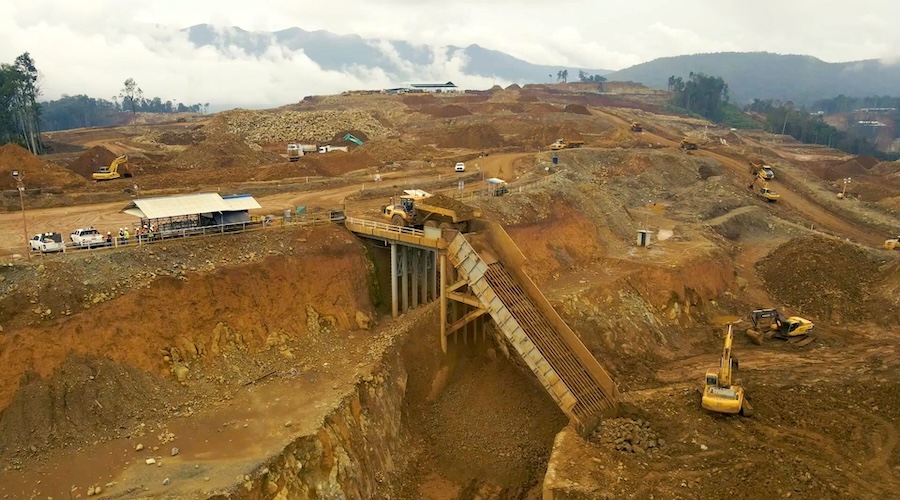
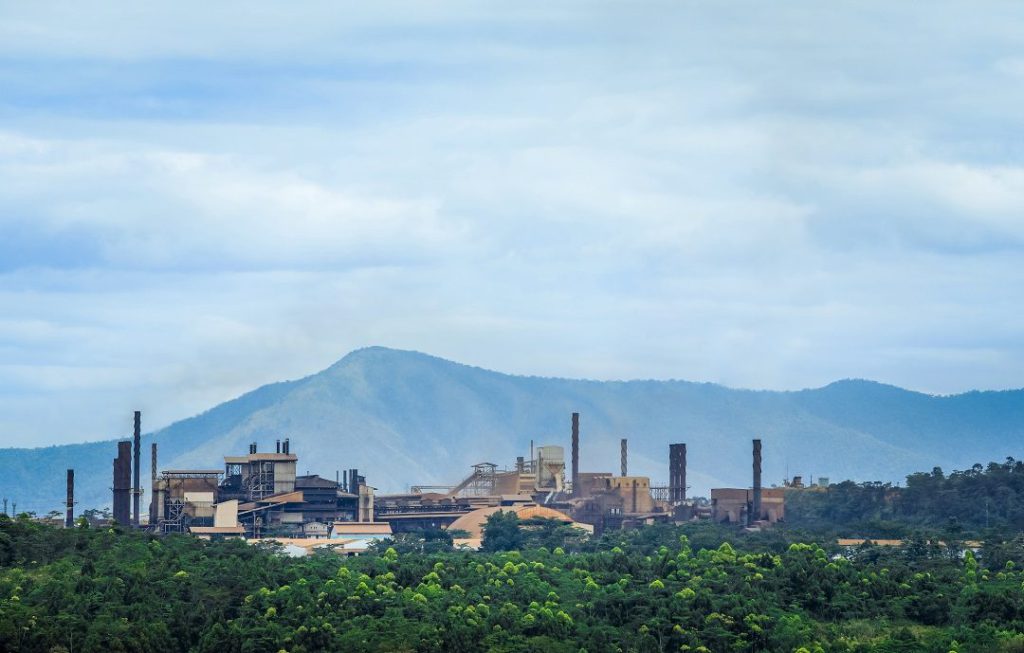
US, EU deepen cooperation on critical minerals with eye to broader agreement

The US and the European Union on Friday deepened their coordination on critical minerals as part of a broader push by Western allies to loosen China’s grip on materials crucial to advanced manufacturing.

US Secretary of State Marco Rubio and European Union Trade Commissioner Maros Sefcovic signed a memorandum of understanding for a partnership on producing and securing critical minerals, with a specific action plan for trade announced separately.
Rubio did not mention China in his remarks, but said the preliminary agreement with Brussels reflected growing awareness among Western allies of the importance of supply chains and critical minerals for their economic success.
China has used its chokehold on the processing of many minerals as geo-economic leverage, at times curbing exports, suppressing prices and undercutting other countries’ ability to diversify sources of the materials used to make semiconductors, electric vehicles and advanced weapons.
“The over-concentration of these resources, the fact that they’re dominated by one or two places, is an unacceptable risk. We need diversity in our supply chains,” Rubio said before signing the memorandum.
Sefcovic told reporters he hoped the memorandum would jumpstart the overall push, and expressed hope that some initial pilot projects to test the price floor mechanism could kick off before the end of the year.
“The direction is clear,” he said. “Critical minerals … are the core of every industry shaping the future.”
US Trade Representative Jamieson Greer, who also met with Sefcovic on Friday, announced a separate action plan to coordinate trade policies on critical minerals to address what they called “the non-market policies and practices that have distorted critical minerals supply chains.”
Greer said Washington and Brussels would explore how trade measures, such as border-adjusted price floors, could strengthen domestic critical minerals industries and downstream sectors critical to industrial competitiveness.
Speaking at the State Department, Sefcovic said the agreements would strengthen the transatlantic relationship and ensure faster work on their joint goals.
“I totally agree with Mr. Secretary (Rubio) that now the real test will be the execution of this project. How can we transform these agreements which we are signing into concrete, tangible projects to deliver for our business operators?”
‘Pervasive non-market policies and practices’
Washington and Brussels first announced their intent to develop an action plan in February when US Vice President JD Vance unveiled plans to create a preferential trade bloc for critical minerals, potentially with coordinated price floors.
Washington already has signed similar action plans with Japan and Mexico.
The US-EU action plan said it was imperative to address “pervasive non-market policies and practices (that) have left critical minerals supply chains of market-oriented economies vulnerable to a myriad of disruptions, including economic coercion.”
The plan said the longer-range view was on developing a plurilateral initiative with like-minded partners on trade in critical minerals that could bolster supply chain resilience for critical minerals for all.
The US and EU will discuss various measures and mechanisms, it said, including coordinated trade policies and mechanisms based on reference prices, such as border-adjusted price floors, standards-based markets, price gap subsidies, or offtake agreements, focusing on mutually agreed select critical minerals and associated supply chains.
They also agreed to examine other possible measures, including standards for mining, processing, recycling, or trade in critical minerals; technical and regulatory cooperation; investment promotion and screening cooperation; and coordinated rapid responses to prevent disruptions and crises. Stockpiling cooperation is another possible measure, it said.
(By Andrea Shalal and Simon Lewis; Editing by Chizu Nomiyama and Paul Simao)
US trade chief says allies need to pay “national security premium” for critical minerals
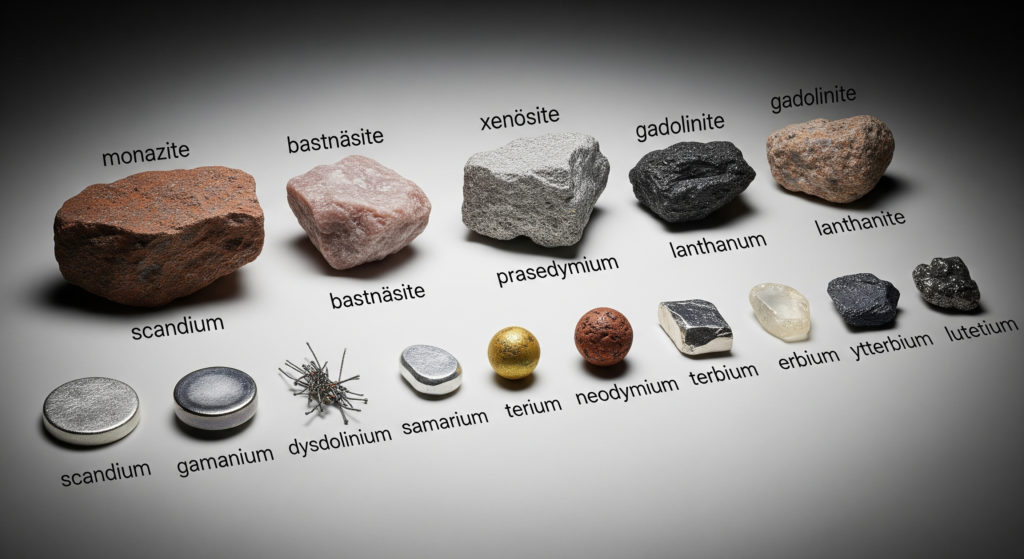
US Trade Representative Jamieson Greer has told American allies they must pay more for critical minerals sourced from outside China, the Financial Times reported on Wednesday.
US allies must be ready to pay a “national security premium” for the minerals, which would be sourced from within a proposed group of trading partners including Europe, Greer told the FT in an interview.
“There is a premium we pay, and I call it the national security premium, and we will all pay a national security premium to have a secure supply chain,” Greer said in the interview.
Greer, who has been drawing up a draft of specific details to share with partners, said he blamed countries’ fixation on business costs for Western reliance on China for key minerals.
“When trading partners express concerns about the economic cost of price floors or mechanisms, I just say: what you’re talking about, which is cost efficiency, this is why we are in the situation we’re in,” Greer said.
Greer has earlier said that there needs to be some kind of price mechanism on rare earth minerals.
The US has been trying to get access to critical mineral reserves, especially rare earth supply chains currently dominated by Chinese players.
(By Chandni Shah; Editing by Christian Schmollinger and Muralikumar Anantharaman)
Norway’s government takes over planning for Europe’s largest rare earth deposit
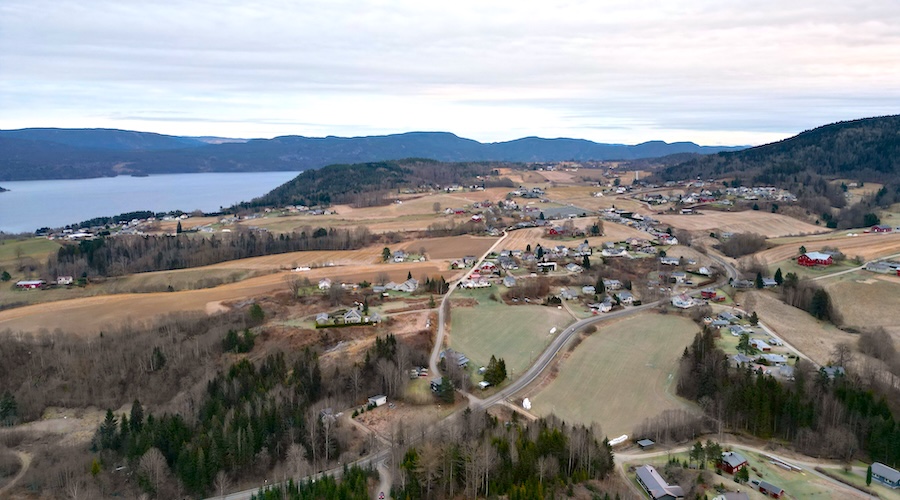
Norway will take over planning for the Fen rare earth deposit – Europe’s largest – to speed up development after a resource upgrade nearly doubled its estimated size, the government said on Wednesday.
Fen was estimated last month to hold 15.9 million metric tons of rare earth oxide in indicated and inferred resources, 81% more than a 2024 estimate, the project’s developer said at the time.
Europe has no operating rare earth mines, and development of the southern Norway project would support the region’s push to reduce reliance on dominant producer China.
“The Fen field could be of major significance for Telemark, Norway and Europe’s supply security and competitiveness,” Prime Minister Jonas Gahr Stoere said in a statement. Telemark is the region where Fen is located.
“To ensure future access to critical minerals, it is important to increase production both in Norway and in other countries with which we cooperate in terms of security.”
About 19% of the oxides are neodymium and praseodymium (NdPr), key materials used in permanent magnets for electric vehicles, wind turbines, electronics and defence applications.
The government said it had stepped in at the request of the local authority, citing the risk of land-use disputes and the need to balance competing national interests.
As elsewhere in Europe, infrastructure projects in Norway – including onshore wind farms – have faced opposition from environmental and agricultural interests, delaying development.
Rare Earths Norway, which is developing the project, has said it expects production to start in late 2031, with output of 800 tons of NdPr by 2032, equivalent to about 5% of European Union demand.
(By Gwladys Fouche; Editing by Mark Potter)