Wednesday, May 27, 2026

 Why is Europe heating up faster than the rest of the world?


Europe is in the grip of an early-season heatwave, with record May temperatures driven by a “heat dome” of hot air over the western part of the continent. Scientists point to human-caused emissions, shifting atmospheric patterns and rapid Arctic warming as key factors amplifying extreme heat across the region.


Issued on:  27/05/2026 - 
By: FRANCE 24

Temperature records for May were broken in France and Britain. © Stephane de Sakutin, AFP

Europe, which is in the throes of a record-smashing heatwave this week, is the world's fastest-warming continent and stretches into an even more rapidly heating Arctic.

After record high temperatures for May were broken in Britain, Ireland and France on Monday and Tuesday, the continent still faces more brutal heat in the coming days.

A so-called "heat dome" of warm air from northern Africa trapped under a high-pressure system over western Europe is behind the sort of heat not usually seen until high summer.

Here is a look at why Europe is warming faster than elsewhere:

A higher degree

The planet is around 1.4C warmer than in preindustrial times, defined as 1850-1900.

By comparison, Europe is around 2.4 hotter than the preindustrial era, according to the EU's Copernicus Climate Change Service.

"Almost all of this heat is driven by the human-induced greenhouse effect from fossil fuel emissions, with the actual distribution of this excess heat determined by (several) factors," Ben Clarke, researcher in extreme weather and climate change at Imperial College London, told AFP.

Changing weather patterns

Shifts in atmospheric circulation have driven more frequent and more intense heatwaves in the European summer, according to Copernicus.

High-pressure systems, which bring settled weather and higher temperatures, have become more common in Europe, Copernicus Director Carlo Buontempo said.

"If you look over the last 20, 30 years, there has been a prevalence, especially in summer, of those sort of anticyclonic conditions that are making heatwaves more likely," Copernicus Director Carlo Buontempo told AFP.

Whether the increased frequency of that specific type of high-pressure system is due to climate change or is just a "statistical fluctuation" is still a scientific debate, Buontempo said.

Such high-pressure systems are also known as "blocking highs" as they can remain stationary and stop other weather systems from moving into a region.

Explaining how they work, Mary Bourke, geography professor at Trinity College Dublin, told AFP: "The sky is exposed to us, there are no clouds. It's a stable mass of air that is bringing warm air down to the surface and taking away moist air, so the air is not only warm, but it's also dry."

Rapidly warming Arctic

Another major reason is geography.

"Europe is connected to the Arctic, which is warming much faster than the rest of the planet," Clarke said.

The Arctic is 3.2C warmer than in preindustrial times, according to Copernicus.

The region's rising temperatures are partly due to a process known as the albedo feedback.

Bright snow and ice reflect much of the sun's heat back into space, but as they melt they reveal darker, heat-absorbing surfaces such as land and the ocean.

"So as sea ice melts it leads to greater absorption of heat, which in turn further warms waters and melts more ice," Clarke said.

Melting snow

In other parts of Europe, the area where snow was very frequent in winter has shrunk, Buontempo said.

"We have many of the historical regions that had a week or more of freezing condition now, not having that. And this means exposing dark land rather than white snow," he said.


Falling air pollution

Stricter air quality regulations have reduced aerosol emissions since the 1980s.

But tackling the pollutant had the side effect of contributing to global warming, as these tiny airborne particles have a cooling effect by reflecting sunlight and making clouds more reflective.

"While a reduction in air pollution is hugely important for respiratory health, it also increases the solar radiation at the surface, as many types of particulate matter deflect sunlight," Clarke said.


Varying degrees

The rate of temperature change varies across Europe.

Eastern and southeastern Europe, and parts of central Europe including the Alps, have warmed by 0.5C-1C per decade over the last 30 years, according to Copernicus.

Western and southwestern Europe, and sub-Arctic Finland, Norway and Sweden, warmed by 0.2C-0.5C per decade.

Svalbard, a Norwegian Arctic archipelago that is home to polar bears, has reached warming of 1.5C-2C per decade.

One of the fastest-warming places on Earth, Svalbard had record high summer temperatures from 2022 to 2024. Last year it saw its fourth warmest summer on record.

(FRANCE 24 with AFP)

Record heat has ‘fingerprints of climate change all over it’. What can Europe expect this summer?
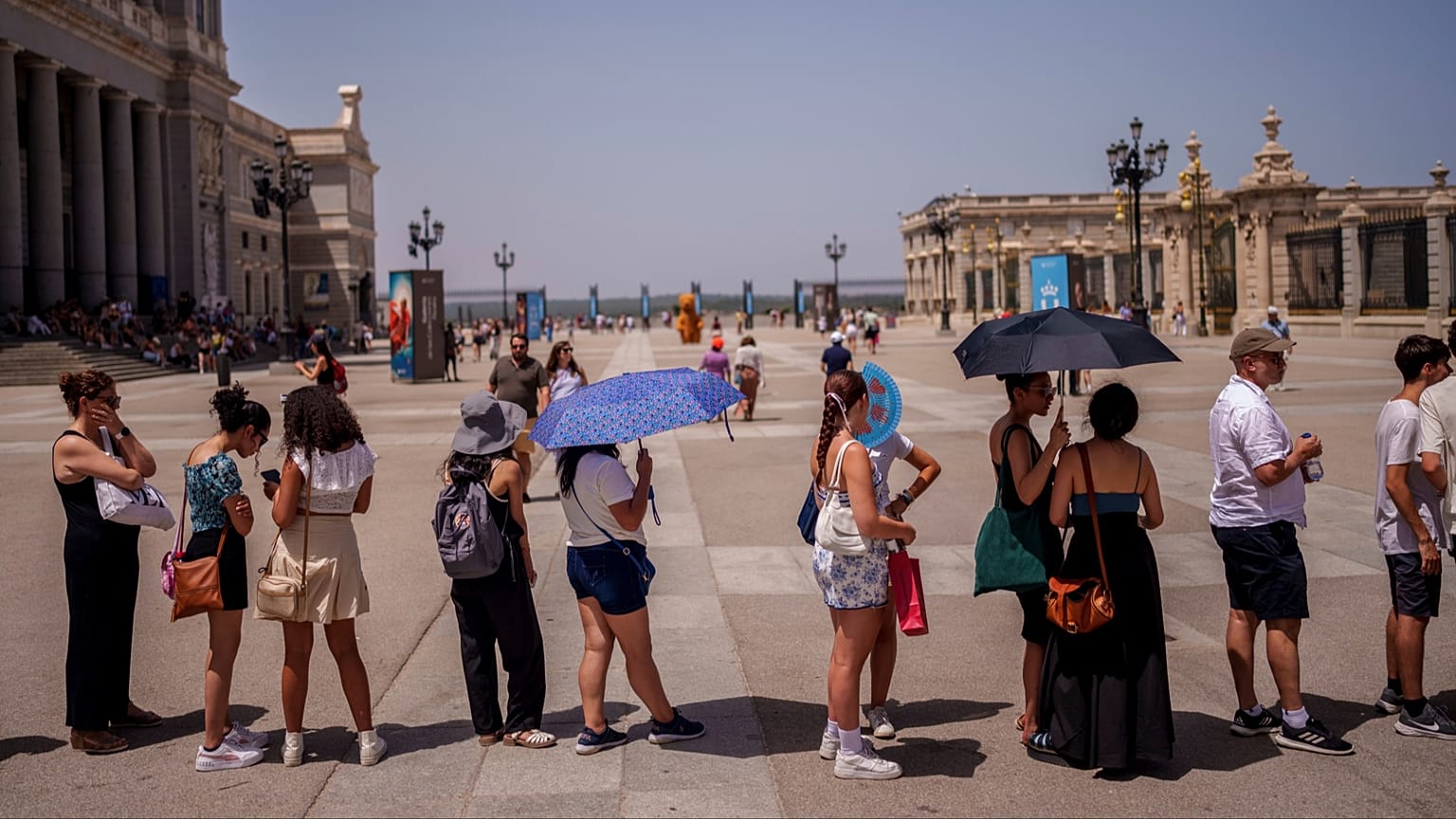
People queue to enter the Royal Palace during a hot and sunny day of summer in Madrid, Spain, Wednesday, July 19, 2023.
Copyright Copyright 2023 The Associated Press. All rights reserved.

By Liam Gilliver
Published on

"The climate we are living in today is simply not the one we grew up with, and our buildings and infrastructure are woefully unprepared for what's next.”

Record May temperatures have sweltered huge parts of Europe, as countries remain trapped under a “powerful” heat dome – but experts warn the worst is yet to come.

France’s weather agency Météo France declared on Monday (25 May) that new monthly highs had been logged at more than 350 weather stations, with the highest temperature of 37.1°C registered near Hossegor, close to Biarritz. The intense heat has been linked to multiple deaths, and shows no signs of shifting.

The UK record for the hottest May day was also broken for a second consecutive day yesterday, as temperatures in parts of London surpassed a scorching 35°C.

According to weather forecaster WFY24, dozens of European capitals witnessed temperatures far above the climatological normal high for this time of year.

London faced the biggest anomaly, with temperatures exceeding 16°C above average May conditions, while Paris (+14°C), Berlin (+11°C), Lisbon (+10°C) and Madrid (+10°C) also faced exceptionally high temperatures. Even cooler regions like Oslo experienced balmy temperatures of 18°C, an additional 3°C from average temperatures for late May.

Is climate change behind Europe’s sweltering May temperatures?

While forecasters have blamed the sustained intense temperatures on a heat dome, which locks in extreme heat, the phenomenon itself is becoming more common due to human-caused global warming.

“This record-breaking heat has the fingerprints of climate change all over it,” says Friederike Otto, a professor of Climate Science at Imperial College London.

“Temperatures on this scale were once exceptional even at the height of summer. Seeing 35°C in the UK during spring is absolutely astonishing, but the science is very clear – climate change makes these heatwaves hotter, longer and far more frequent.”

Otto warns that temperature records will continue until global emissions are cut and countries reach net zero.

“The climate we are living in today is simply not the one we grew up with, and our buildings and infrastructure are woefully unprepared for what's next,” she adds.“While we have made some progress in cutting emissions, it is not fast enough.”

Which countries will be hit hardest by rising temperatures in 2026?

The EU’s Copernicus Climate Change Service (C3S) and the European Centre for Medium-Range Weather Forecasts (ECMWF) predict that summer 2026 will likely be influenced by a “relatively weak atmospheric pressure pattern”.

This can heavily impact temperature by limiting winds, which often leads to stagnant, hot days.

Seasonal temperature is likely to be above average in all regions this summer, with the most confident signal over southeastern parts of the continent – while C3S also points to below-average rainfall in eastern parts of Europe.

Ioanna Vergini, founder of world weather forecast WFY24, tells Euronews Earth that Europe should brace for “compound heat-and-drought in the south, a wildfire arc from Portugal to Greece, followed by flash-floods in autumn.”

For every 1℃ rise in air temperature, the atmosphere can hold around seven per cent more moisture, which can lead to more intense and heavy rainfall.

“Southern Europe remains the most vulnerable hotspot, but central and eastern Europe are warming the fastest and they’re the least adapted to 35°C+ days they now face routinely,” Vergini says. “Cities are where people die.”

Infrastructure such as concrete and asphalt absorbs heat, which keeps outdoor temperatures high, especially in cities. This is known as the urban heat island effect.

How can Europeans deal with extreme heat this summer?

European cities are quickly addressing the need to protect citizens from heat stress. Spain, for example, is home to the world’s most extensive network of climate shelters – providing access to public buildings that have free seating, water and air conditioning.

In Barcelona alone, there are already 400 climate shelters in public buildings such as libraries, museums, sports centres and shopping malls. Other cities are catching onto the incentive, with the General Council of Bucharest approving the establishment of climate shelters earlier this month.

Cities like Paris have also been preparing for rising temperatures for decades, making efforts to turn heat-trapping streets into a “green oasis”. Since 2020, more than 6,000 parking spaces and 1.3 hectares of asphalt have been removed to enable the streets to be greened.

By 2024, there were almost 100 Parisian streets with planters, allowing nature to thrive alongside urban life. Trees and plants improve air quality, creating an added benefit for polluted cities.

More than 100,000 trees have been planted in Paris since 2020 to provide more shade for residents and increase the absorption of heat-trapping gases.

“Know your country’s heat warnings, check on elderly neighbours and don’t trust the night to cool off,” Vergini adds.

“Tropical nights (where the temperature never drops below 25°C) are now routine in southern Europe and compound the daytime stress on the body.”

The expert urges authorities to stop treating heat planning as “reactive” and make sure measurements are scheduled. “Seasonal forecasts give multi-month lead time, what’s missing is the operational use of it,” she says.


Temperatures soar across Europe as 'heat dome' drives May records


A “heat dome” is driving unusually high temperatures across Europe, pushing readings well above seasonal norms. The UK and France have already set May records while Spain and Italy are facing heat alerts and limits on outdoor work. Scientists say climate change is making these kinds of extreme heat events more common.


Issued on: 27/05/2026 - 
By: FRANCE 24


A woman shields herself from the sun with an umbrella during a heatwave in London, Britain, May 26, 2026. © Jack Taylor, Reuters

Forecasters in Europe warned Tuesday of exceptional heat as record temperatures driven by a "heat dome" push temperatures well above seasonal norms across the continent.

The surge follows a record-breaking Monday, with France logging its hottest day in the month of May on record, according to its weather agency, and the United Kingdom also posting unprecedented highs.

A so-called "heat dome" of warm air from northern Africa trapped under a high-pressure system over western Europe is behind the high temperatures not usually seen until high summer.

Restrictions on outdoor work were imposed in parts of Italy, beaches in southwest France filled earlier than usual and farmers reported accelerated harvests as temperatures went beyond 30C across the region.

Scientists say human-driven climate change is amplifying such extremes, with Europe warming faster than the global average and heatwaves growing more frequent and severe.

Temperatures in Spain were expected to peak later this week at 38C, while parts of Italy imposed restrictions on working outdoors.

In the United Kingdom, the Met Office weather agency said Monday was the hottest May day on record, with temperatures hitting 34.8C at Kew Gardens, southwest London, a full two degrees above the previous high.

"This heat would be exceptional in the UK even in mid-summer, let alone May," it said on X.

"The weather here, it's like a mini version of hell. It's boiling. It's like really hot," said 10-year-old Liza Nizari on a visit to London, where temperatures normally average about 17C or 18C at this time of year.

The Met Office forecast a drop later in the week.

Lindy Brand-Daloze, a 66-year-old Australian living in London for 12 years, said: "It's warm, but it's climate change, isn't it? So, you know, (we have) probably got to get used to this."

Scientists say human-induced climate change is making extreme weather events like heatwaves, droughts and floods more intense, resulting in temperature records being broken more frequently.

Met Office meteorologist Greg Dewhurst told AFP the increase in extreme temperatures was "a good indication of climate change in action" and more likely to become "the new norm".

Climate advisers last week warned the UK government that the country was "built for a climate that no longer exists" and urged it to adapt infrastructure like schools and hospitals for a warming planet.

In 2022, temperatures in the UK soared above 40C for the first time since records began.

A record May temperature of 28.8C was recorded at two weather stations in Ireland: Killarney in the southwest and Clonmel in the south, Met Eireann data showed.

A grass fire broke out near Arthur's Seat hill near Edinburgh, sending smoke over the Scottish city that saw temperatures climb to 25C, according to fire fighters and the BBC.

Heatwave alert

Across the Channel, weather agency Meteo-France said that for France as a whole, "Monday was the hottest day recorded for the month of May since measurements began".

It said highs of 33C to 36C in regions were expected, adding that the spell was likely to last at least until the end of the week.

French Prime Minister Sebastien Lecornu was to hold a meeting Thursday with key ministers to go over government preparations for the heatwave.

The capital, Paris, on Saturday notched up its first temperature above 30C of the year, hitting 31.9C.

On Sunday, a man died during a 10-kilometre running race in Paris, civil defence services said, while 10 more had to be taken to hospital in critical condition after a race in the capital's suburb of Maisons-Alfort, the authorities said.

The sweltering heat on Monday melted tennis fans at Roland-Garros in Paris.


Outdoor work restricted

In Spain, the State Meteorological Agency (Aemet) warned the "extraordinarily high temperatures for this time of year" will continue across the country all week, except in the Canary Islands, in the Atlantic Ocean, off the northwest coast of Africa.

"Widespread tropical nights" are also forecast in southwestern Spain from Wednesday, with temperatures peaking from Wednesday to Friday at between 36C and 38C, it wrote on X.

Farther east, Italy's Lazio region, which includes Rome, on Monday approved rules limiting work in conditions "with prolonged exposure in the sun" between 12:30pm and 4pm.

The measures apply, for example, to farms, construction sites and in the logistics sector and apply until September 15.

Similar rules had been put in place last year but only from May 30.

(FRANCE 24 with AFP)


Five of seven people trapped in flooded Laos cave for more than a week found alive, rescuers say

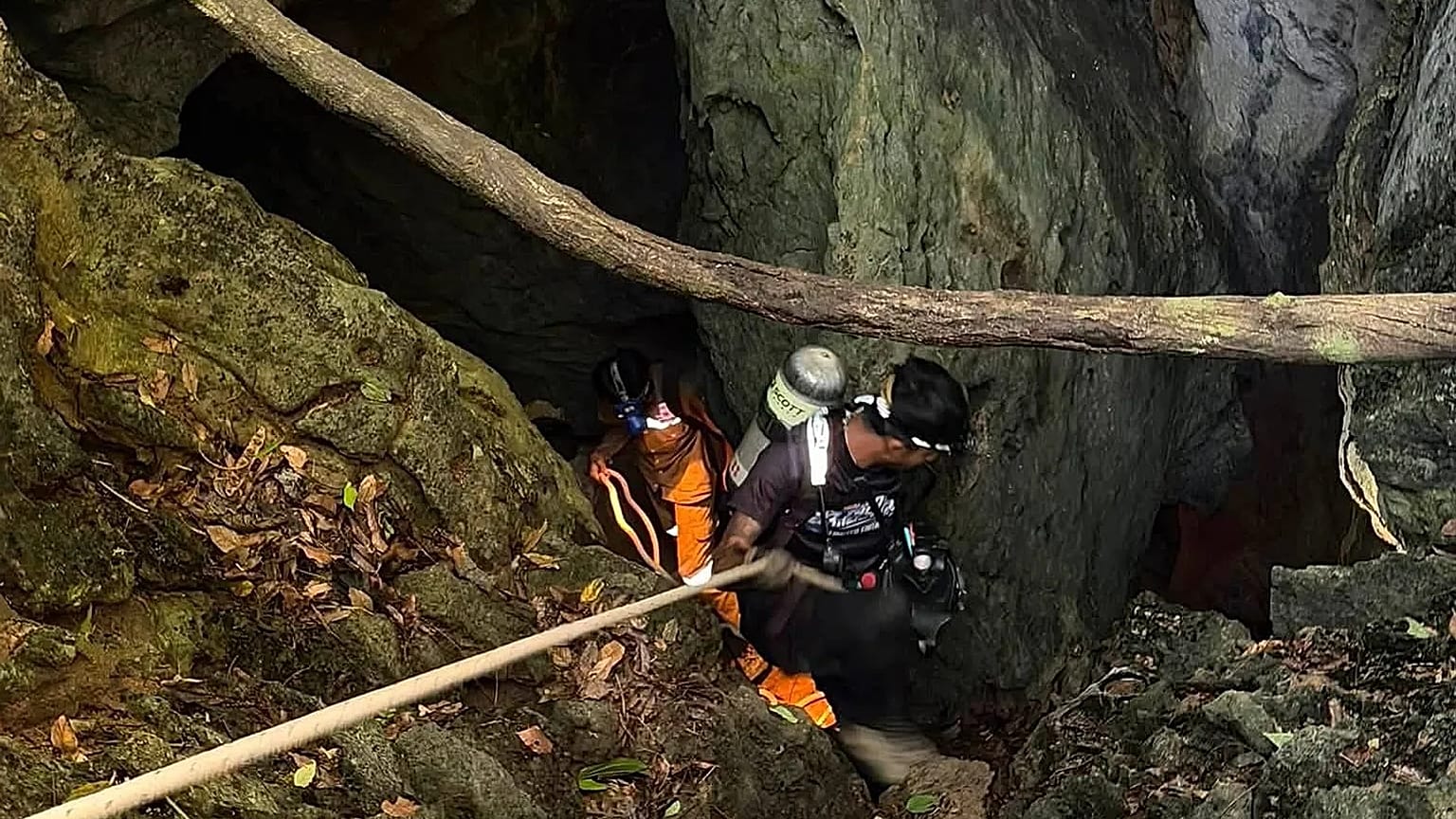
Rescuers try to reach people who have been trapped in a cave in Xaisomboun province, 26 May, 2026
Copyright Metta Tham Rescue Kalasin via AP/Metta Tham Rescue Kalasin via AP


By Gavin Blackburn
Published on

The cave is located in a rugged, remote area in Xaisomboun province’s Longcheng district, about 120 kilometres north of the capital, Vientiane.

Five villagers stuck in a flooded cave in central Laos for more than a week were found alive, rescuers said on Wednesday, but two others remain missing.

The villagers entered the cave in Xaisomboun province on 19 May, but heavy rain triggered flash flooding that blocked the exit and trapped seven people, according to Lao and Thai rescue teams involved in the operation.

Bounkham Luanglath of the Lao organisation Rescue Volunteer for People, which has been working closely with local authorities in the rescue efforts, told the Associated Press news agency that five people were found safe and alive but two more are still missing and the search for them will continue.

“I’m still shaking. Our team made it happen,” he said in a voice message.

A video posted by a Thai rescue group involved in the mission appeared to show the moment divers emerged from the water and discovered the trapped villagers.


Rescuers try to reach people who have been trapped in a cave in Xaisomboun province, 26 May, 2026 AP Photo

In the footage, the villagers, each wearing a headlamp, were sitting on a rock surrounded by floodwater.

Other videos showed rescuers inside and outside the cave cheering, jumping around and hugging each other after the discovery.

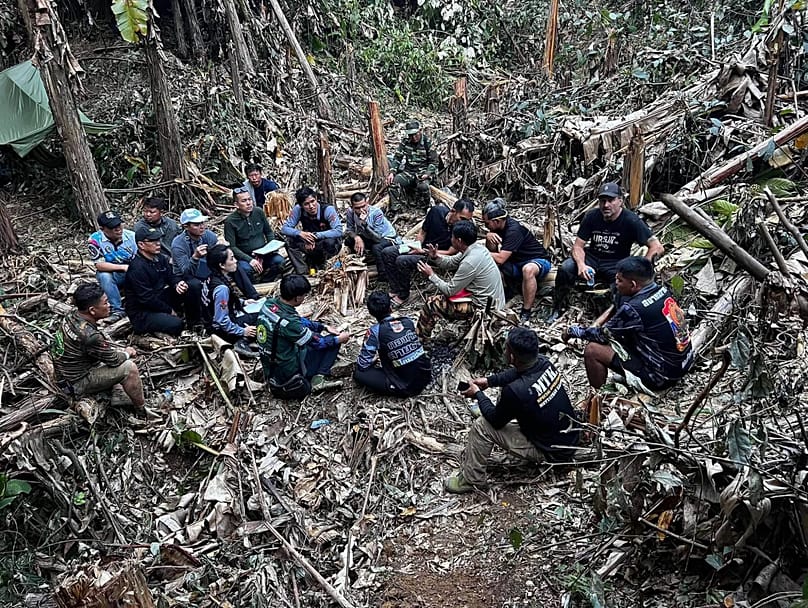
Rescue workers from neighbouring Thailand arrived at the site over the weekend. Those helping include divers from several nations who took part in the complicated 2018 rescue of 12 schoolboys and their soccer coach who were trapped for more than two weeks in a cave in northern Thailand before being safely extricated.

The cave is located in a rugged, remote area in Xaisomboun province’s Longcheng district, about 120 kilometres north of the capital, Vientiane.

Rescuers at the scene have detailed on social media the challenging mountainous terrain and heavy rain that has hampered their work.

Rescuers try to reach people who have been trapped in a cave in Xaisomboun province, 26 May, 2026 Metta Tham Rescue Kalasin via AP/Metta Tham Rescue Kalasin via AP

Videos shared online by Thai rescuers showed that reaching the cave’s entrance requires a steep hike on foot of roughly four kilometres. The entrance is also steep and rocky and barely wide enough for a single person at a time to climb through.

There has been no official confirmation on why the villagers went into the cave. However, Bounkham has said that the cave was frequented by local residents looking for gold, even though authorities had repeatedly warned them against entering the cave because of safety concerns.


Fact check: Viral hantavirus map does not show confirmed cases


By James Thomas
Published on


A map circulating online has been used to falsely suggest that the hantavirus is spreading rapidly in Europe, but its creator says it was intended to track news coverage.

A map shared widely online has been used to falsely claim that the Andes strain of the hantavirus is spreading rapidly across Europe and North America

The pictures are screenshots of a map from HantavirusMap.com, which have spread on X and TikTok in the aftermath of a hantavirus outbreak on the cruise ship MV Hondius.

Social media users are claiming that the red and orange markers on the map show confirmed hantavirus cases across the world, particularly in Europe and North America.

This is, however, misleading. The screenshots from the website do not show new cases of hantavirus but rather aggregate news articles and community alerts from around the world.

For example, when you hover over Spain, the map shows a red alert with the number 18.

This has been misinterpreted as if there are this number of hantavirus cases in Spain, when in reality there are currently two confirmed cases of hantavirus in Spain linked to the MV Hondius outbreak.

The second case concerned an individual who was in preventive quarantine and had close contact with someone identified as part of the initial outbreak, according to Spain's Health Ministry, who stressed that the "risk situation" for the general population remains unchanged.

Online posts misinterpret the map as showing an inaccurate number of hantavirus cases worldwide.
Online posts misinterpret the map as showing an inaccurate number of hantavirus cases worldwide. @kluskachytruska

The website itself has a disclaimer saying that the map shows “news signals, not confirmed cases,” before showing a WHO update on the confirmed number of cases.

The site’s creator, Bas Witkop, told The Cube, Euronews’ fact-checking team, that he built the tool to aggregate public reports and official updates, not to track confirmed infections.

He said people had taken screenshots of the map and added voiceovers claiming it showed confirmed infections, in turn, making the situation appear more alarming than in reality.

Witkop has since added clearer disclaimers and stricter classification rules after seeing online users misinterpret the map.

The European Centre for Disease Prevention and Control (ECDC) said, in its 26 May update, that 13 cases of the virus had been reported in total, including 11 confirmed cases and 2 probable.

Health authorities said that the identification of additional cases was expected, as the Andes hantavirus has a long incubation period.

The agency added that the risk to the wider EU/EEA population "remains very low."

Most hantaviruses spread through contact between infected rodents and humans. The Andes variant of the virus can indeed spread between humans, although health agencies say this requires close and prolonged contact with the symptomatic person.

The hantavirus outbreak on the MV Hondius triggered a wave of online health misinformation.

The WHO has previously warned that misinformation can spread rapidly during health emergencies, creating what it called an “infodemic”, or, an abundance of information that makes it harder for people to find trustworthy guidance on the actual health risks.

Researchers say the outbreak has reignited many of the same online misinformation patterns that spread during the COVID-19 pandemic.


MEPs accuse EU of copy-pasting Microsoft lobbying into data centre law

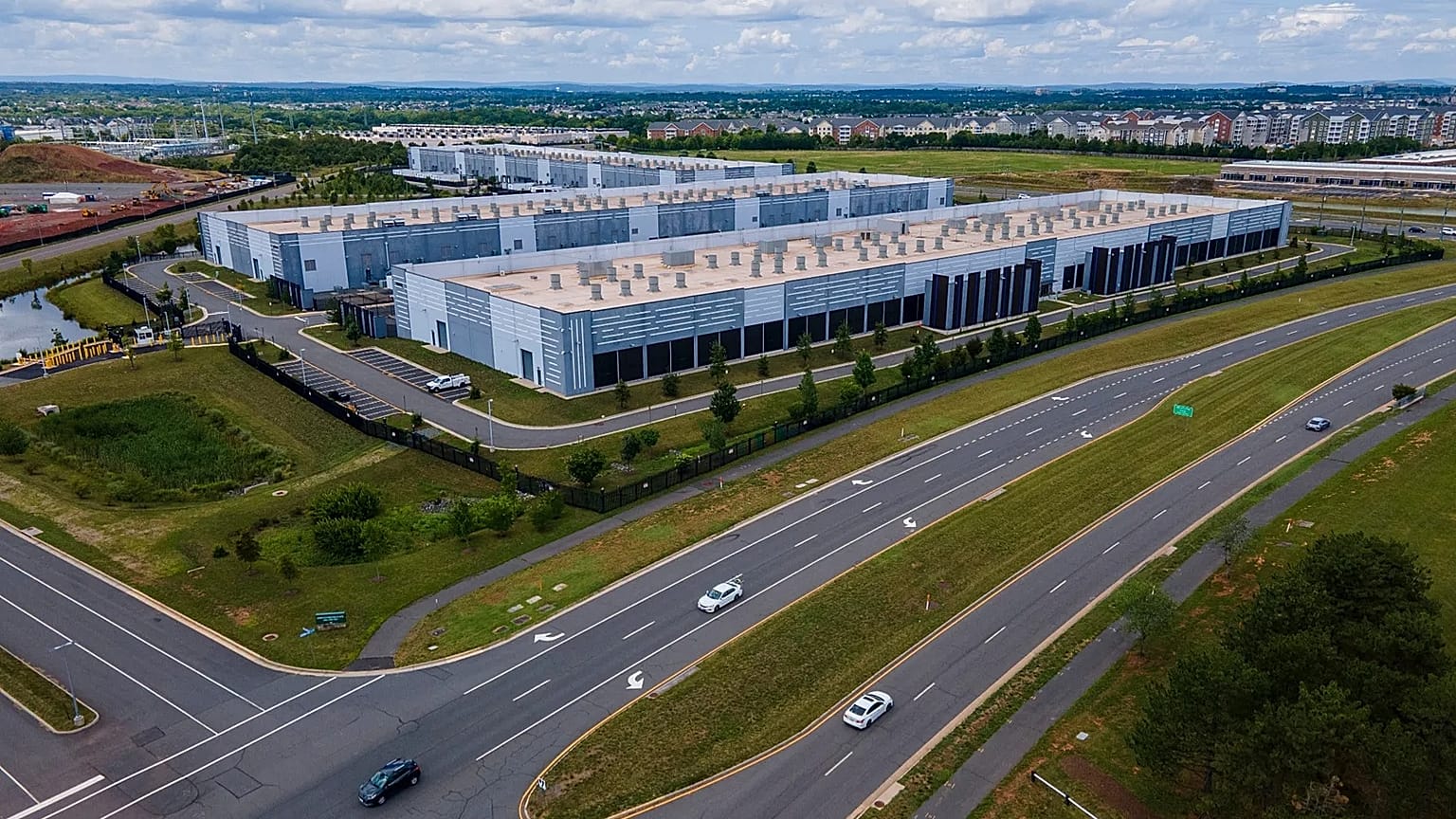
Cars drive past data centres in Virginia, July 16, 2023.
Copyright AP Photo / Ted Shaffrey

By Marta Pacheco
Published on

At the core of the dispute is a European Commission rule on data centre ratings, which EU lawmakers say would significantly restrict public access to information about the environmental performance of individual facilities.

European lawmakers are pressuring the European Commission to make environmental information from highly polluting data centres publicly available in upcoming rules, citing a deep-dive investigation by corporate watchdogs showing the EU executive is “copy-pasting” text suggested by Microsoft.

“It is one thing for Microsoft to seek to protect its interests; it is quite another for the Commission to incorporate its demands almost word for word into European law,” Greens/EFA lawmaker David Cormand (France) told Euronews, commenting on the report by the watchdog Corporate Europe Observatory and AlgorithmWatch.

In a recent letter addressed to Environment Commissioner Jessika Roswal, 35 Green and Socialist MEPs asked the EU executive to delete a Microsoft amendment and restore "full transparency" regarding the environmental impact of data centres.

The signatories argue that the EU executive's draft rules include text "almost word-for-word identical to wording suggested by the US tech company Microsoft and the lobby group DigitalEurope".

"It states that the Commission and the member states will keep all information on individual data centres confidential", reads the letter.

The MEPs argue that the influence of corporate lobby reflects a broader democratic problem in Brussels, where complex laws are often shaped with limited public visibility despite having significant environmental and economic consequences.

Tripling data centre capacity in the EU

The plea comes as the EU executive prepares to present a much-delayed dual strategy on 3 June. According to a leak seen by Euronews, the plan is intended to set out how the bloc will provide energy for artificial intelligence (AI) and data centres and use AI and digitalisation to optimise the energy system itself.

The EU wants to triple its data centre capacity within 5 to 7 years, citing aggressive competition from China and the US's integration of AI into their energy systems. The EU executive claims that without action, the bloc risks falling behind technologically, threatening its future industrial competitiveness.

But for EU lawmakers, it is "extremely worrying" that vital information linked to the environmental impact of data centres is being withheld from the public.

"This is especially concerning given that the rapid build-out of data centres across Europe is putting increasing strain on electricity grids and contributing to rising electricity prices," reads the MEPs' letter, which also notes that AI workloads will increase electricity demand dramatically.

Unlawful provision and environmental footprint

The signatories claim the provision goes far beyond protecting legitimate trade secrets and instead risks placing almost all operational emissions and energy-use data behind closed doors. That, they argue, would undermine the intent of the Energy Efficiency law, which was designed to improve transparency and allow public scrutiny of high-energy industries.

The controversy comes at a sensitive moment for the EU, which is trying to balance two competing priorities: investment in cloud computing and AI infrastructure on the one hand, and legally binding climate and energy efficiency targets on the other.

Currently, there are roughly 3,000 data centres in Europe and roughly 300 so-called hyperscale data centres designed to handle increasingly growing AI data. Ireland, Germany, the Netherlands and the Nordics have the biggest concentration of data centres in the EU.

These facilities are major consumers of electricity and water, and the prospect of many more popping up rapidly across Europe as demand for AI computing grows has raised serious concerns about grid pressure and environmental impact.

While they don't create airborne pollution like factories, data centres contribute indirectly through carbon dioxide emissions from electricity demand, diesel backup generation and construction. Large facilities also typically require huge cooling systems, which leads to water stress concerns during droughts or competition with local communities and farmers.

"The Commission has granted Big Tech an early win: crucial information on individual data centres’ energy use, and their environmental and climate impact will be kept secret – despite the underlying directive explicitly calling for their publication," stated the Corporate Europe Observatory.

"As the Commission is set to put the new ‘updated’ Delegated Act in force soon, the conclusion should be clear: the Commission has to redo its homework and delete the copy-pasted Microsoft amendment."


Nearly a third of Europe's health and social care workers face cancer risks at work, study finds

Nearly a third of Europe's health and social care workers face cancer risks at work
Copyright Canva/Cleared


By Marta Iraola Iribarren
Published on


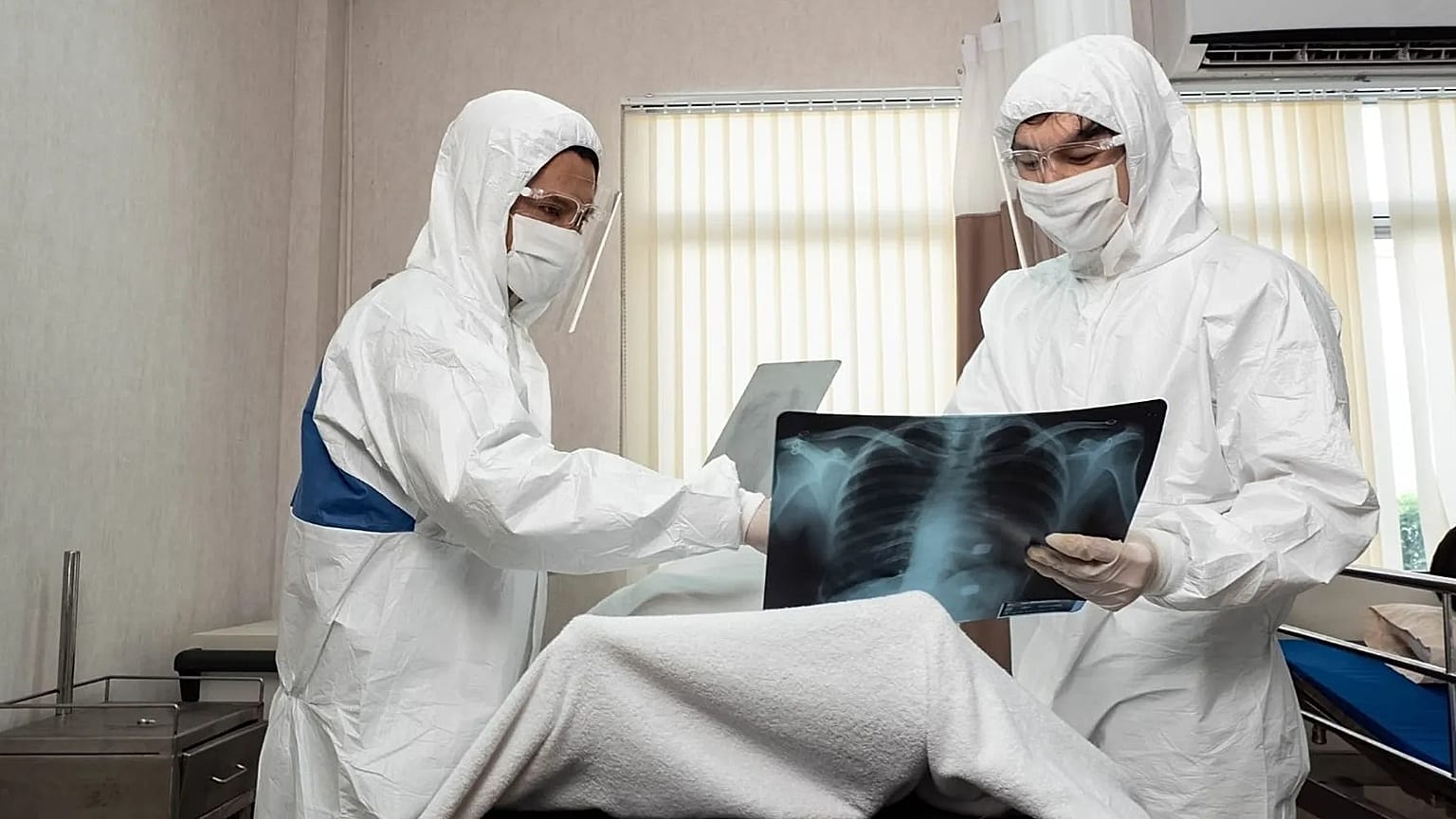
From X-ray machines to anatomy laboratories, a new study has found that nearly a third of Europe's health and social care workers are regularly exposed to cancer-causing risks.

Health and social care workers in Europe are exposed to a wide range of avoidable factors that can contribute to cancer, a new study has found.

Cancer remains the leading cause of work‑related deaths in the European Union, accounting for 100,000 fatalities annually and exposing millions of workers to cancer risk factors in their daily jobs, according to the European Agency for Safety and Health at Work (EU-OSHA).

Now, the Workers' Exposure Survey, conducted by the EU-OSHA, has found that 47.3% of assessed workers across all sectors were exposed to at least one cancer risk factor during the last working week.

The survey included 24,402 telephone interviews from 2022 to 2023 with workers in Finland, France, Germany, Hungary, Ireland, and Spain.

Among health and social care workers, 29.5% reported being exposed to one or more cancer risk factors, and 7.8% to two or more.

“Despite their relevance, risks associated with exposure to carcinogens in the health and social care sector have historically been less visible than in other economic sectors,” said Michelle Turner, senior author of the study at the Barcelona Institute for Global Health (ISGlobal).

“This study highlights the need to develop prevention strategies adapted to real working conditions in this field.”

Health and social care is one of the largest sectors in Europe, employing 11% of the total workforce – more than 21.6 million people. It includes jobs in formal care settings such as hospitals, nursing and care homes, medical practices, and workers who provide home care.

What are the main risks among healthcare workers?

The study estimated worker exposure to 24 known cancer risk factors relevant in the EU working context, such as industrial chemicals, physical risk factors, process-generated substances, and mixtures.

Among health and social care workers, the most common exposures were to ionising radiation (7.4%), diesel engine exhaust emissions (6.2%), solar ultraviolet radiation (6.1%), formaldehyde (5.2%), and benzene (4.8%).

Formaldehyde and ethylene oxide were the exposures most frequently estimated to occur at a high level; both are chemical compounds used for disinfection and sterilization.

How are workers exposed?

People can be exposed to multiple cancer-contributing factors over the course of their working lives.

Workplace exposure is a key priority for cancer prevention, as it brings together large groups of people exposed to high concentrations of hazardous substances over extended periods, notes the European Code Against Cancer.

For health and social workers, risks range from cleaning chemicals to medical procedures involving hazardous chemicals.

Working with X-ray machines and radioisotopes increases exposure to ionising radiation, which, in close proximity and without the necessary protections, can cause cell damage.

The study pinpointed several specific working situations: diesel vehicle drivers and mechanics were most at risk from diesel engine exhaust emissions (DEE), gross anatomy laboratory workers from formaldehyde, and dental technicians making crowns, false teeth, or bridges from respirable crystalline silica (RCS).

Building Fairer Cities: New Insights From Mohenjo-Daro – OpEd


Ruins of Mohenjo-daro in the Larkana District of Sindh, Pakistan.
 Photo Credit: Saqib Qayyum, Wikipedia Commons


May 27, 2026 
By Adam S. Green

Inequality and Urbanism

Today’s cities are hotbeds of inequality. Urban real estate is one of the most expensive kinds of land in the world. It attracts billionaires looking to store their wealth and hedge funds looking to garner predictable returns: New York’s avenues, Paris’s thoroughfares, and Dubai’s dazzling skyscrapers are great at making the rich richer. But they raise the cost of urban life for everyone else.

And yet, plenty of people who are not rich flock to cities, driving the ongoing expansion of urbanism across the globe. In the 21st century, humans became an urban species, with more than 50 percent of the global population living in urban areas. This is because the benefits of living in a city—the opportunities provided by dense networks of interaction, cultural production, and heaps of concentrated resources—outweigh the immense cost of urban life. Inequality is the price we pay for the myriad opportunities that cities bring.

But what if we don’t have to pay this cost? Archaeological evidence from South Asia is rewriting that story of urbanism. My new article in Antiquity reveals that inequality was low in one of South Asia’s first cities and that it decreased as its citizens prospered.

The Measure of an Ancient City


In 2021, I joined the GINI Project, a working group devoted to investigating the long-term dynamics of inequality using archaeological data, a project supported by the Coalition for Archaeological Synthesis.

The idea was to systematically compare evidence from archaeological sites like Mohenjo-daro, an early city that seemed to defy the tradeoffs of urbanism, with comparable data from other time periods, to better understand why inequality is skyrocketing today.

The GINI project adopted the “Gini coefficient,” an economic statistic that captures the level of inequality within the distribution of a particular variable, like income or wealth, in a given population. When all the wealth or income is concentrated in a tiny portion of the population, you get a Gini coefficient of 1. When it’s more evenly distributed, you get a Gini coefficient closer to 0. Archaeologists often apply the Gini coefficient to house areas, which provide a reasonable, but far from perfect, proxy of wealth or income within a given society.

I collaborated with Cameron Petrie and Iqtedar Alam, both based at the University of Cambridge, to measure all of Mohenjo-daro’s 309 excavated houses, contributing these measurements to the GINI database, which includes similar measurements from more than 50,000 residences found throughout the archaeological record. These measurements, and the Gini coefficients we can get from them, tell a striking story.

Every House a Palace

Mohenjo-daro was built more than 4,000 years ago in what is today the Sindh Province of Pakistan. It was one of the first cities in the world, emerging after a 1,000 years of village development throughout the broader Indus River Basin, forming part of the expansive Indus (or Harappan) civilization, which stretched from the Arabian Sea to the foothills of the Himalaya.

Excavations at the Mohenjo-daro began nearly a 100 years ago, uncovering the foundations of hundreds of structures arranged along wide streets. What archaeologists found astonished them—a massive public bath, the foundations of an assembly hall, and huge foundation platforms that could have provided a defense against Indus River flooding.

But it was the city’s numerous houses—replete with second stories and private bathing platforms—that made the biggest impression. The first-ever report on the archaeology of the Indus civilization opens with a description of Mohenjo-daro’s “commodious” and “well-built” houses, which rivaled the palaces seen in Egypt or Mesopotamia. Excavators have documented more than 300 residences from Mohenjo-daro, some dating to the earliest phases of the city’s development.

Further research has revealed that the people who built these houses were masters of Bronze Age technology, producing a huge range of sophisticated objects, like small statuettes, beads and bangles, which could be widely distributed amongst its populace. As I’ve argued elsewhere, there is tons of qualitative evidence that Mohenjo-daro reaped the benefits of urbanism without creating a massive wealth gap between houses.

Ever More Equal

By the numbers, Mohenjo-daro was far more equal than other ancient cities. If you calculate a Gini coefficient from all 309 houses at Mohenjo-daro, you get 0.44. We can compare that number to other ancient cities in the GINI database, like that from Knossos in Ancient Greece, famous for its palaces, where the Gini coefficient was a striking 0.86, or Ur and Ugarit in neighboring Mesopotamia, where Gini coefficients were greater than 0.60. The city clearly followed a different trajectory than many others.

However, 0.44 is pretty far from 0; does it really support the idea that Mohenjo-daro was egalitarian?

Comparing the oldest houses to the newest ones reveals an even more interesting story. Mohenjo-daro’s earliest houses, those found in the deepest levels of its DK-G South Neighborhood, had a Gini coefficient of 0.39. These date to the earliest periods of the city’s occupation, perhaps around 2500 BC. Each subsequent wave of house construction lowered the Gini coefficient, and by the city’s latest levels, its Gini coefficient was only 0.23, the same as we find in the world’s earliest farming villages.

Mohenjo-daro was not only more egalitarian than other ancient cities, it also became more equal over time.

Governing an Egalitarian City

We don’t know exactly how Mohenjo-daro’s citizens kept a lid on inequality. Was it an effect of the broader economic system, which perhaps gave all the city’s residents equivalent access to land and fuel for making bricks? Was it more active, perhaps with communities placing an upper limit on the size of residences, or punishing people who tried to make ostentatious houses? We can’t say for sure.

What we do know is that there is strong evidence for governance at Mohenjo-daro. Its houses used the same brick ratios—a level of standardization unprecedented in the Bronze Age. And the city’s houses were full of standardization stamp seals, tools for carrying out different kinds of economic transactions, as well as weights and measures.

These small tools had big effects, facilitating trade and communication across an expansive area. This penchant for setting and agreeing to shared protocols is evident in Mohenjo-daro’s infrastructure as well. The city boasted one of the world’s earliest systems of public drainage, and its houses conformed to a public street plan. This street plan developed over time. At the same time, the Gini coefficient of houses decreased. It does not seem far-fetched to suggest that the same set of rules produced the city’s street plan and leveled differences between residences.

There is also evidence that governance was inclusive or democratic. Public structures, like the Pillared Hall, which could have allowed hundreds of people to deliberate and make decisions about the city, likely helped facilitate this governance, perhaps providing a forum for discussing the distribution of residence area within the city. Archaeologists are becoming more and more aware of such early forms of democratic governance across the globe.

Prospering in a Fairer Society

Mohenjo-daro’s declining inequality also correlates with an increase in the median size of houses, a proxy for productivity in past societies. As inequality dropped, the total resources people could invest in their housing increased. The city appears to have prospered, a pattern corroborated by claims that later levels at Mohenjo-daro have more evidence for craft production than earlier levels. Ensuring that public goods were maintained and ensuring equitable access to housing seems to have been deliberate.

Still, I don’t think Mohenjo-daro’s declining Gini coefficient was an accident—it’s far more likely that its communities made rules that actively shaped the distribution of housing in the city, and that those same rules channeled labor and resources into goods that could be enjoyed by everyone.


Author Bio: Adam S. Green is a lecturer in sustainability at the University of York. He is an archaeological anthropologist focused on South Asia, specializing in the comparative study of early states through the lenses of technology, the environment, and political economy. Follow him on X @Adam_S_Green.

Credit Line: This article is distributed in partnership with the Coalition for Archaeological Synthesis and has been published on its website.