China blames US-Israeli 'illegal' war for Hormuz crisis and refuses to back Trump's 'just take it' call
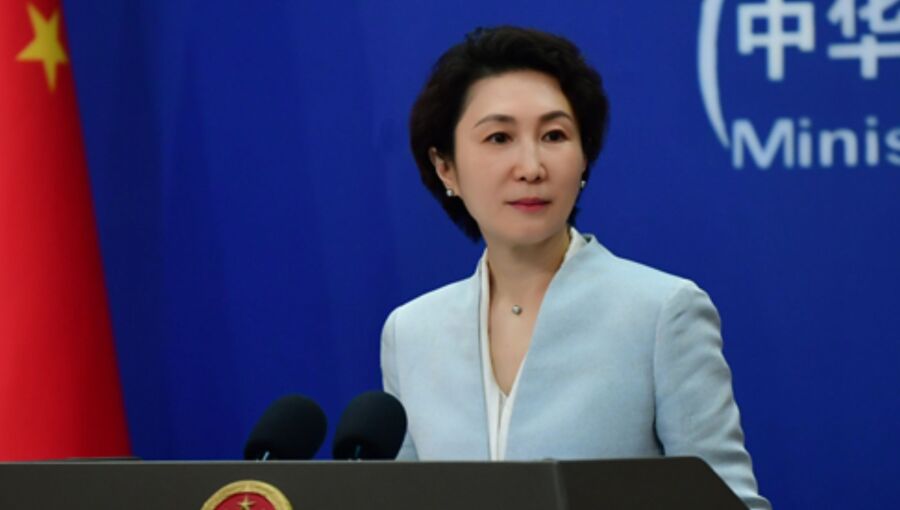
China said on April 2 that the Strait of Hormuz crisis was caused entirely by "US-Israel illegal military operations against Iran" and that only an end to the fighting would restore safe shipping through the waterway, directly rejecting President Trump's suggestion that countries should go to the strait and "just take it."
"Military means do not address the fundamental issue. To escalate the conflict does not serve any party's interest," foreign ministry spokesperson Mao Ning said at a regular press conference in Beijing.
Asked to respond to Trump's primetime comment that countries dependent on Gulf oil should seize the strait for themselves, Mao said: "Only by ending the military actions and restoring peace and stability in the Gulf can the international shipping lane be open and safe."
Mao declined to say whether China would participate in the UK-led 35-nation summit on Hormuz held the same day, saying only that Beijing was "ready to continue to play a constructive role."
She did not commit to any international cooperation effort to secure oil transit.
On whether the China-Pakistan five-point peace plan had been shared with Tehran, Mao said the initiative was public and that "parties have taken note."
She did not confirm reports that Iran had sought security guarantees from Beijing as a condition for agreeing to a ceasefire, saying only that China "supports all efforts for peace."
Mao condemned US-Israeli strikes on Iranian universities, saying attacks on schools were "an egregious violation of international humanitarian law."
Iran's Ministry of Science reported that 20 universities and student dormitories had been hit since the war began, with some professors targeted for assassination.
Asked about reports that Beijing had extended a ban on fuel exports to April while considering waivers for Sri Lanka, Bangladesh and Vietnam, Mao referred reporters to "competent authorities" and said the root cause of global energy shortages "lies in the tense situation in the Middle East."

No comments:
Post a Comment