Saturday, August 30, 2025


England to make chickenpox jab free for children for the first time

UNLIKE ANTI-VAX AMERIKA
A child has chickenpox.
Copyright Canva

By Gabriela Galvin
Published on 

England will join countries such as Germany, Canada, the United States, and Australia, which already include the jab in their routine vaccination programmes.

Thousands of children in England will soon be offered a vaccine to protect against chickenpox for the first time, as the country aims to boost children’s health and cut treatment costs.

The United Kingdom’s government said that beginning in January, general practitioners will offer children a combined vaccine for measles, mumps, rubella, and varicella, which is the clinical term for chickenpox.

It said the move was part of its plan to “raise the healthiest generation of children ever”.

Around half a million children will be eligible each year for the jab, which will be included in the National Health Service’s (NHS) routine vaccination schedule.

England will join countries such as Germany, Canada, the United States, and Australia, which already offer the vaccine on a routine basis.

“We now have extensive experience from a number of countries showing that the vaccine has a good safety record and is highly effective,” Dr Gayatri Amirthalingam, deputy director of immunisation at the UK Health Security Agency, said in a statement.

“The programme will have a really positive impact on the health of young children and also lead to fewer missed nursery and school days,” Amirthalingam added.

Childhood chickenpox causes an estimated £24 million (€27.8 million) in lost income and productivity every year in the UK, the government said.

The vaccine rollout is also expected to save the cash-strapped NHS £15 million (€17.4 million) per year in treatment costs.

Chickenpox, which is caused by the same virus that causes shingles, typically affects children ages two to eight. Symptoms include rash, fever, headache, fatigue, and blotchy skin, and most people recover quickly.

However, babies, adults, pregnant women, and people with weakened immune systems are at higher risk of complications such as pneumonia, liver problems, brain swelling known as encephalitis, and congenital varicella syndrome, which causes lifelong disabilities.

Two doses of the chickenpox vaccine are highly effective at preventing both infection and serious illness.

Chrissie Jones, a professor of paediatric infectious diseases at the University of Southampton, said the UK decision will help reduce disparities in access to the jab

Private vaccinations currently cost around £150 (€174), the government said.

“For the first time all children will be able to access this vaccine whether or not their parents are able to pay for the vaccine privately,” Jones said in a statement.

Elsewhere in Europe, the chickenpox vaccine is required for babies in Hungary, Italy, and Latvia, according to the European Centre for Disease Prevention and Control (ECDC).

It is recommended for those in Austria, Cyprus, Finland, Germany, Greece, Iceland, Liechtenstein, Luxembourg, Slovenia, and Spain.

 

Amnesty calls on governments to reign in Big Tech. But as Trump’s tech threat looms, will they?

This photo combo of images shows logos for Apple, Meta, Google and Amazon. The House on Thursday, Sept. 29, 2022, approved sharply scaled-down legislation targeting the domina
Copyright AP Photo

By Pascale Davies
Published on 

The report said AI is ‘the next phase’ of tech giants’ global ‘dominance’.

Human rights group Amnesty International is urging governments worldwide to break up with Big Tech, arguing that “the concentration of power” of a few companies has profound implications on privacy, nondiscrimination, and access to information. 

report published on Thursday, called 'breaking up with Big Tech,' by the group took aim at Google, Meta, Microsoft, Amazon, and Apple. It urged governments to “rein in Big Tech and put people’s rights first”.

The report comes as tech relations between the United States and Europe turn fragile after US President Donald Trump threatened to impose "substantial” additional tariffs on countries that implement legislation targeting American tech companies.

“These few companies act as digital landlords who determine the shape and form of our online interaction,” said Hannah Storey, an advocacy and policy adviser on technology and human rights at Amnesty.

The report also argued that artificial intelligence (AI) is the “next phase” in tech companies' “dominance”.

“Big Tech companies are rapidly building and deploying AI systems, prioritising speed and scale over fairness and accuracy,” the report said, adding that the biased data AI models are trained on is harmful for users and marginalised communities. It said they could be more vulnerable to harms stemming from algorithmic profiling and biometric mass surveillance.

The Amnesty report alleged that Google and Meta profit from harvesting and monetising vast quantities of our personal data and because of the companies’ market dominance, users have little meaningful choice or control over how their data is used.

"The more data they collect, the more dominant they become, and the harder it is for competitors to challenge their position," the report added. 

Google’s YouTube and Meta’s Facebook and Instagram also use algorithms "optimised for engagement and profit," which emphasise content meant to provoke strong emotions and outrage from users, the report said. 

Amnesty alleged that Facebook was instrumental in the Tigray war in Ethiopia (2020-2022), saying that Meta’s algorithms amplified content that incited hatred and violence against Tigrayans as government officials and pro-government activists used Facebook to “dehumanise the entire ethnic group”.

Amnesty also alleged in 2022 that Facebook prompted violence in the ethnic cleansing of the Rohingya in Myanmar in 2017. 

Meta responded to Amnesty, saying that the report contained “multiple inaccurate claims,” including the one on Tigray, adding that it takes its role “seriously in keeping abuse off our services” and that “privacy is at the core of everything” the company does.

Apple, Amazon, and Microsoft were also highlighted in the report for their market dominance.

Microsoft responded that it is “firmly committed to respecting human rights,” while Apple and Amazon did not respond to Amnesty’s allegations.

Euronews Next has reached out to the five companies for their reaction to the report. 

The recommendations:

Amnesty made a set of recommendations to policymakers, including states and competition authorities, to use competition laws as part of their “human rights toolbox”.

It also urged states to investigate Big Tech for human rights harms, break up companies that are found guilty of doing so, and block mergers and acquisitions that risk harming human rights. 

As for AI, the report said the generative AI sector should be investigated to establish human rights risks and impacts from anticompetitive practices. However, this may be difficult as AI companies notoriously do not share the sources of the data they use to train their models.

Whether the European Union will respond to Amnesty’s requests will stir anticipation, as calls grow for EU leaders to respond to the US tariff threat on governments that regulate American tech companies.


What is a supercell thunderstorm and could climate change make them more common in Europe?

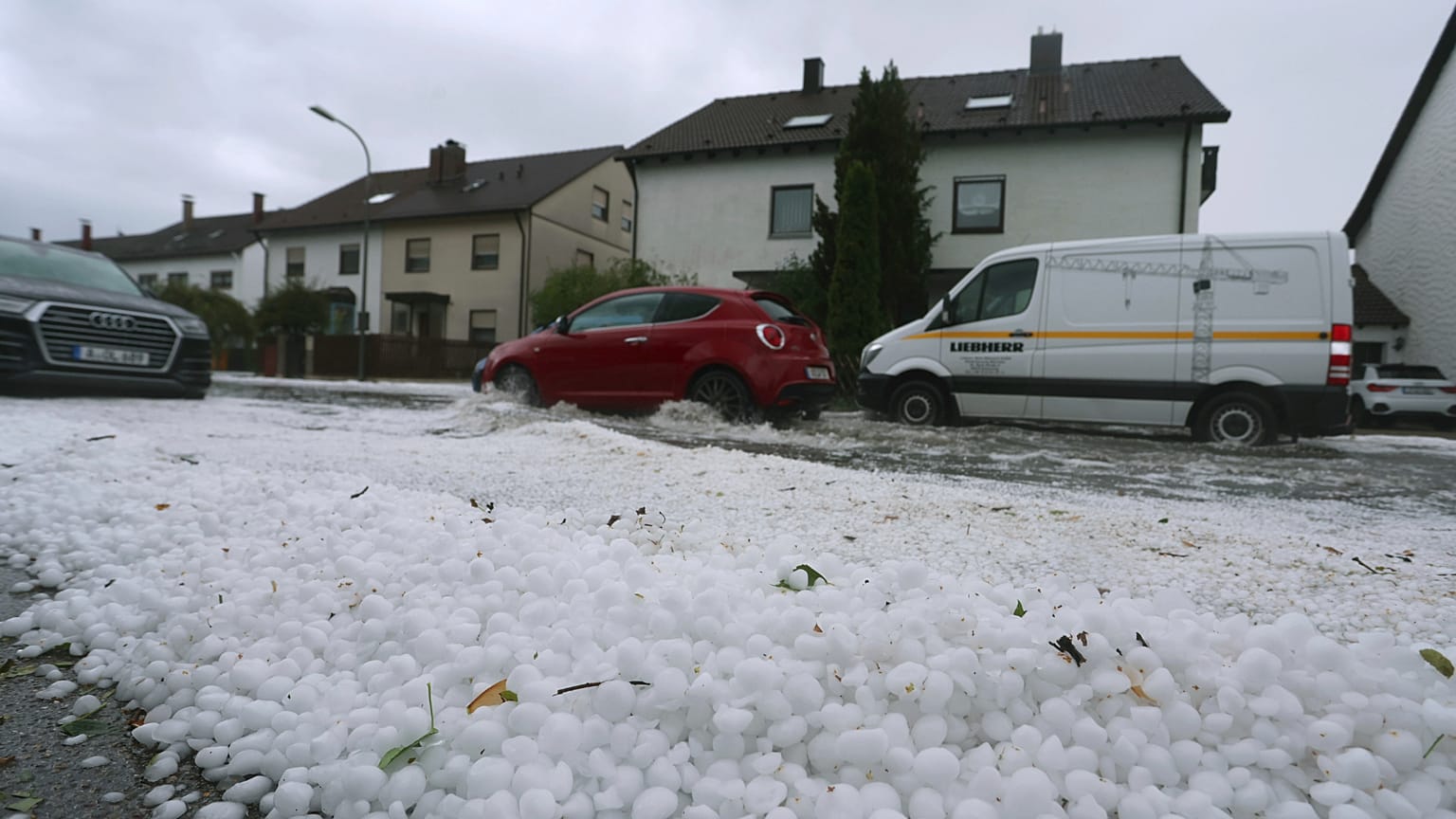
A storm with large hailstones damaged four-fifths of the buildings in a small town in the southern German state of Bavaria in 2023.
Copyright Karl-Josef Hildenbrand/dpa via AP

By Euronews Green
Published on 

As Europe faces more severe weather, experts study the unique conditions behind these destructive storms.

New research has revealed how climate change is intensifying supercell thunderstorms in Europe.

The study, published in Science Advances, warns that the Alpine region and parts of Central and Eastern Europe can expect a significant increase in storm activity.

If global temperatures rise by 3°C above pre-industrial levels, storm frequency on the northern side of the Alps could surge by up to 50 per cent.

These powerful storms are already among the most damaging weather events in Europe, resulting in increasing insurance loss claims in recent years. Understanding how the conditions under which they form and how our warming world is changing them is vital for preparedness, the researchers say.

What is a supercell thunderstorm?

Unlike a typical thunderstorm, a supercell has a deep, rotating column of air inside it known as a mesocyclone. This spinning updraft is what gives them their unique strength and staying power. While most thunderstorms burn out pretty quickly, supercells can last for hours and stretch across vast areas.

They form under conditions where there is warm, moist air near the ground, cooler air higher up and wind that changes direction with height. These elements make the atmosphere unstable, and it starts to spin, setting the stage for a supercell to develop.

Typically occurring in summer, supercell thunderstorms bring strong winds, very large hail and heavy rain. Despite being relatively rare in Europe, these storms account for a significant proportion of thunderstorm-related hazards and financial losses.

The rising risk of damage from supercell thunderstorms

Severe convective storms, including supercell thunderstorms, long-lived windstorms and large hail events, have resulted in increasing insurance loss claims in recent years. In 2023, severe convective storms were the world’s costliest type of natural hazard, reaching total insured losses of nearly €55 billion.

Though they are comparatively rare in Europe, accounting for just a small proportion of the continent's thunderstorms, they can still bring severe localised damage.

In June, a supercell struck L’Hôpital-le-Grand in France’s Loire department, producing hailstones up to 6 cm in diameter, which damaged properties and vehicles.

And another powerful supercell thunderstorm hit Italy in August last week, causing widespread damage across Rimini and Ravenna. It brought intense hail, rain and winds of nearly 100 km/h, which uprooted trees, damaged vehicles and destroyed crops. Trains were disrupted when a tree fell on the Rimini Ravenna line.

How are scientists tracking Europe’s supercell thunderstorms?

Tracking supercells across Europe has historically been challenging due to inconsistencies in national weather radar systems.

Corresponding author Monika Feldmann, from the Mobiliar Lab for Natural Risks and the Oeschger Centre for Climate Change Research at the University of Bern, says this makes cross-border storm detection more difficult.

To overcome this, researchers from the University of Bern’s Mobiliar Lab for Natural Risks and the Oeschger Centre for Climate Change Research, in collaboration with ETH Zurich, developed a high-resolution simulation model.

This model uses digital mapping techniques to simulate storm cells at a very fine scale, offering a far more detailed picture of storm development than was previously possible.

The Alps are a thunderstorm ‘hotspot’

The new modelling identified the Alps as a hotspot for supercell thunderstorms. The region experiences around 38 of these power storms per season on the northern side of the mountain range and 61 on its southern slopes.

With 3°C of warming, the study predicts up to a 50 per cent increase in supercell occurrences in this mountainous region, amplifying risks for countries like Switzerland, Austria, northern Italy, and southern Germany. In contrast, the Iberian Peninsula and the southwest of France could see a decrease.

Overall, researchers estimate an 11 per cent increase in supercell thunderstorms across Europe.

“These regional differences illustrate the diverse effects of climate change in Europe,” Feldmann adds.

The study underscores the urgent need for European countries to prepare for a future with more frequent and intense severe weather events. Infrastructure, agriculture, emergency services, and insurance systems will all need to adapt.

Understanding the conditions that create these supercell storms, Feldmann says, is the key to better preparedness.


France’s largest air traffic control union plans 24-hour strike in September

France prepares for another round of air traffic control strikes in September
Copyright Luna Salome/Unsplash

By Craig Saueurs
Published on 

France’s largest air traffic control union sat out July’s strikes, prompting fears of greater disruption this time.

Travel plans for thousands of passengers this September are set to be disrupted after France’s largest air traffic control union filed a strike motion.

The SNCTA union confirmed it will go on strike for 24 hours, from the morning of 18 September to the end of 19 September. Representing about 60 per cent of France’s air traffic controllers, the union is the largest in the country. 

The strike comes after what the SNCTA described as a breakdown in dialogue with France’s Civil Aviation Authority (DGAC).

In a statement this week, the union said, “For several years now, air traffic control governance has been characterised by mistrust, punitive practices and degrading management methods. It is clear that this fruitless dialogue is now blocking any prospect of progress and reform.”

Travel chaos expected across France and Europe


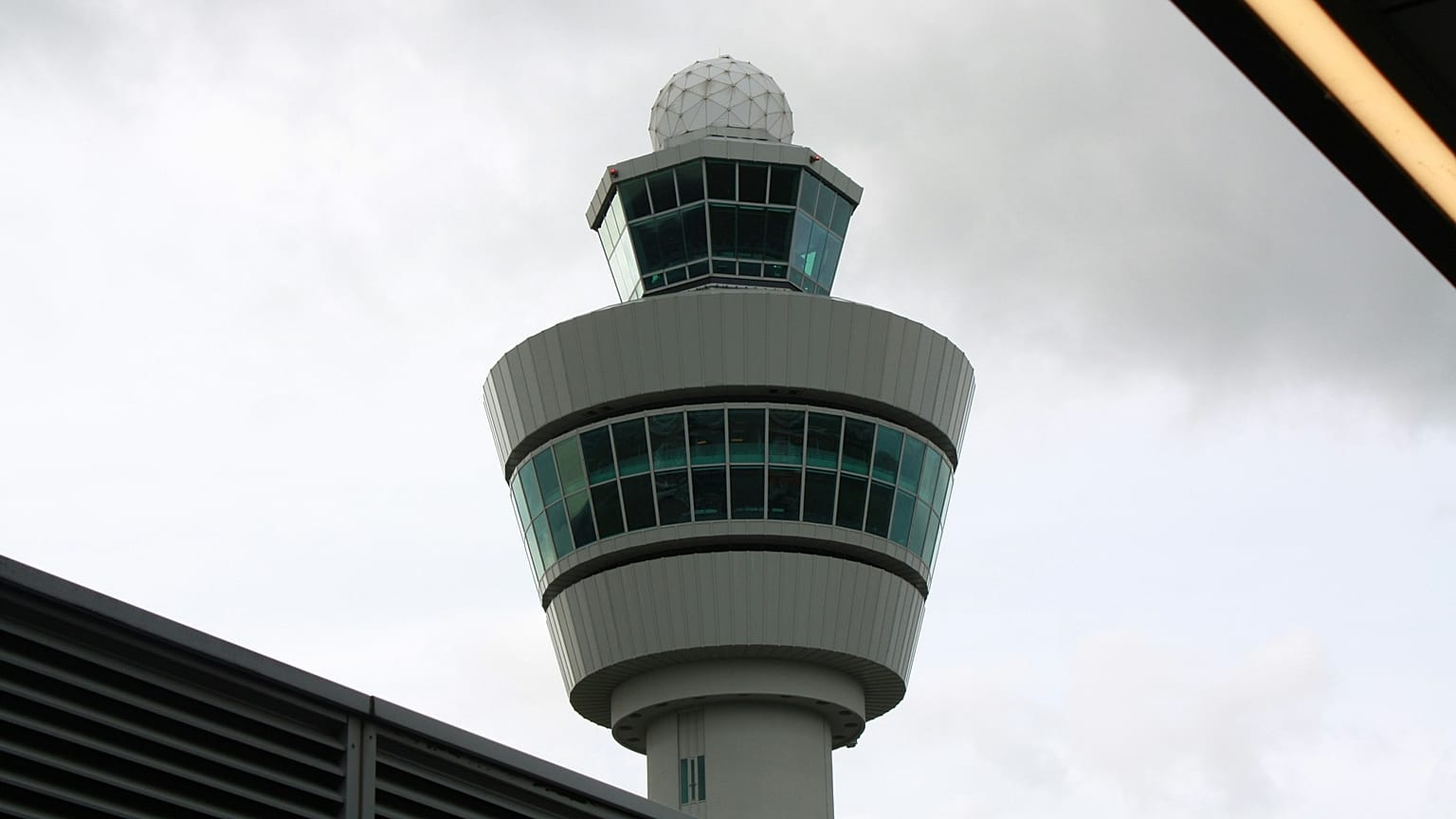
Air traffic controllers at all airports across France, including Paris Charles-de-Gaulle, are being urged to participate. Fellow unions in the sector, UNSA-ICNA and USAC-CGT, have not confirmed whether they will join the action.

Regardless, many flights both to and from French airports are expected to be affected, as well as those crossing French airspace, including routes from the UK, Spain and Italy.

Exact details of cancellations and delays are not yet available, but will be released by France’s Civil Aviation Authority two days in advance of the strike action

Passengers scheduled to fly during the strike period are being advised to remain in contact with their airline for updates.

What previous strikes taught travellers

The last wave of industrial action, on 3-4 July, caused chaos across Europe.

More than one million passengers were impacted by strikes organised by the smaller unions UNSA-ICNA and USAC-CGT, according to European aviation coordinator Eurocontrol. Thousands of flights were cancelled.

Low-cost carrier Ryanair claimed the disruption cost airlines over €100 million, blaming the strikes on “hopeless mismanagement.”

While the SNCTA sat out the July strike, it appears to have taken a 180-degree turn, sparking concerns that September’s disruption could be even greater due to the union's size and influence.

Union calls for pay rise and management reforms

The SNCTA is calling for wages to be adjusted for inflation and for “a profound change in the management of operations” at the DGAC. It also made clear that the strike amounts to a last resort.

“On numerous occasions, the SNCTA has favoured social dialogue and made concrete proposals,” the union pointed out in a statement on Thursday.

Even if other unions do not join, the action could affect thousands of flights. Passengers are being urged to check schedules regularly, contact airlines before travelling and allow extra time for connections, with long delays and cancellations expected across Europe. 


20 years after Hurricane Katrina: Could cuts to disaster preparedness leave the US vulnerable again?

New Orleans recognizes Hurricane Katrina 20 years after it devastated the city
Copyright The Library of Congress/Unsplash

By Craig Saueurs
Published on 

Experts warn that another Hurricane Katrina isn’t just possible, but it’s also likely.

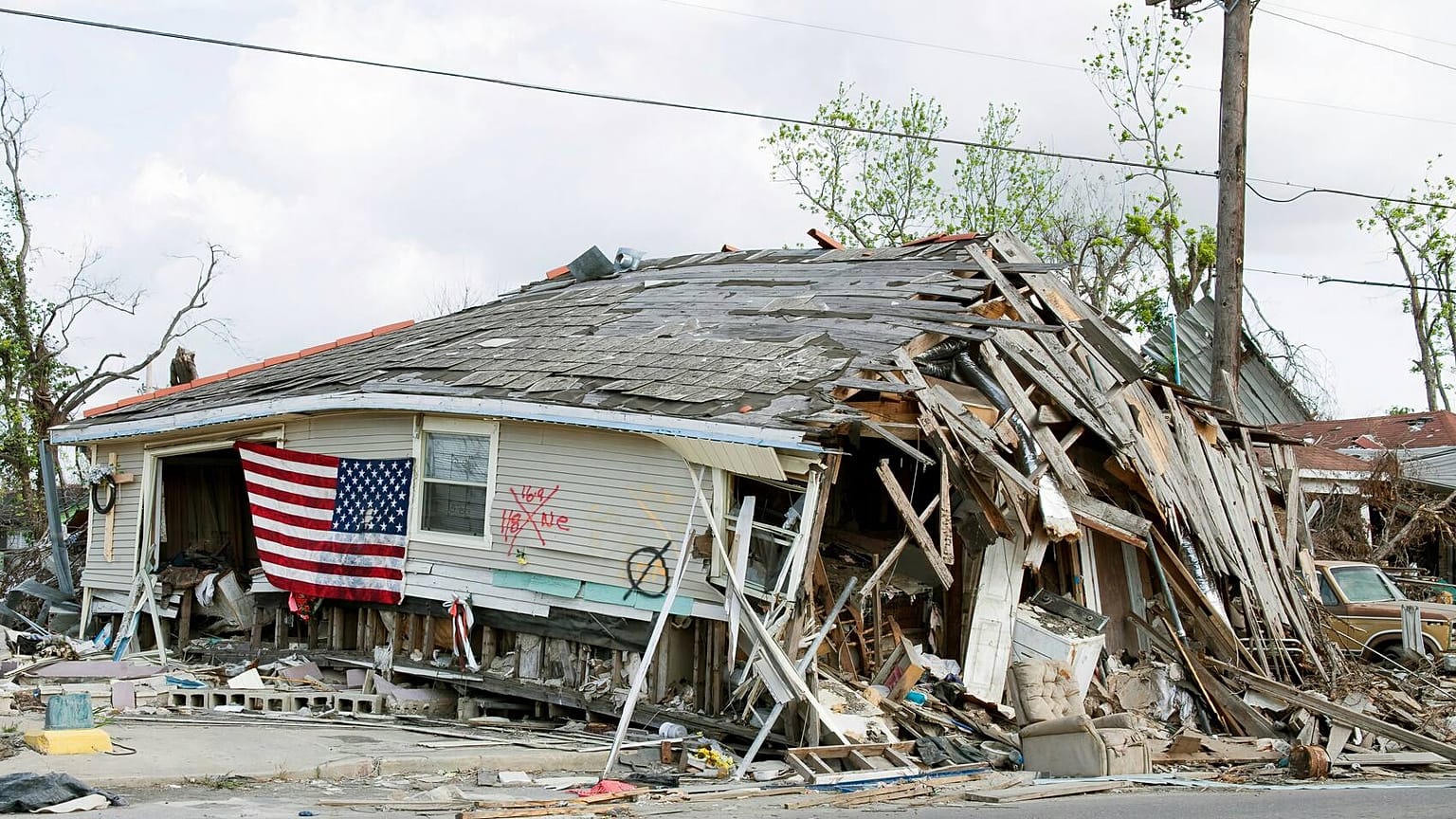
Twenty years ago this week, Hurricane Katrina ripped into Louisiana and left New Orleans flooded. Nearly 2,000 people died. Entire neighbourhoods were lost. It was the costliest storm in US history, and it reshaped how the country responds to disasters.

But the systems built in Katrina’s wake are now under threat.

Scientists and emergency managers are warning that cuts to forecasting and federal response systems risk leaving the US exposed in the midst of hurricane season, and as climate change fuels ever stronger storms.

The storm that changed America

Katrina made landfall on 29 August 2005 as a Category 3 hurricane. The wind was brutal, but it was the flooding that devastated New Orleans.

Built by the Army Corps of Engineers to help ships navigate the Mississippi River, the flood walls and concrete levees surrounding the city failed, leaving 80 per cent of it submerged for weeks.e

Thousands clung to rooftops waiting to be rescued. Others were crammed into the city’s Superdome stadium without food or medicine

In all, 1,833 people died across five states, and the economic cost was staggering. Adjusted for inflation, damages topped $200 billion (€170 billion), according to the National Oceanic and Atmospheric Administration (NOAA).

The city’s population has never recovered. From nearly half a million before the storm, it has dropped to 384,000 today. Many who fled Katrina never returned.

Forecasting gains are suddenly under threat

The scale of the failure forced many changes. FEMA was restructured. And NOAA launched a major research effort to sharpen its hurricane forecasts. New levees were built to protect cities from floodwaters. 

Since 2005, forecast accuracy has improved 50 per cent, according to NOAA data cited by the non-profit Ocean Conservancy. Tracking and intensity predictions have become more precise, saving billions by allowing tighter evacuation zones and faster response.

In the last three years alone, predictions about the tracks hurricanes will follow have improved 8 per cent and intensity forecasts 10 per cent, according to Ocean Conservancy.

Those gains have come from long-term investment. NOAA’s Hurricane Forecast Improvement Project, launched in 2007, built the research backbone for better models and data. Its Hurricane Analysis and Forecasting System, operational since 2023, now provides seven-day forecasts on storm tracks, intensity, surge, rainfall and even tornado risk. Upgrades planned for 2025 now aim to capture how multiple storms interact across vast distances, providing unprecedented detail to forecasters.

But all of this depends on NOAA’s full system being operational – its satellites, ocean sensors, planes, supercomputers and data from international partners. US lawmakers are now weighing cuts that would slash that system and reduce the staff who oversee it.

“NOAA saves lives. Period,” Jeff Watters of Ocean Conservancy said in a press release this week. “Cut any link in that chain and you weaken the whole and put people at risk.”

The warning comes as the Atlantic has started producing stronger storms than ever.

Hurricane Helene in 2024 was the eighth Category 4 or 5 hurricane to hit the US in just eight years – equal to the number that struck in the previous 50 years combined.

FEMA in crisis

NOAA is not the only American agency in turmoil.

According to a letter signed by more than 180 current and former employees at FEMA – the US Federal Emergency Management Agency created by President Jimmy Carter in 1978 – around one-third of the agency’s permanent staff have left since January. It follows criticism and threats of closure from the Trump administration. Senior officials were pushed out while inexperienced political appointees took over, the authors note.

In the letter – titled the ‘Katrina Declaration’ – they accused the Trump administration of ignoring the lessons that lawmakers wrote into the Post-Katrina Emergency Management Reform Act.

“Hurricane Katrina was not just a natural disaster, but a man-made one,” they wrote. “Two decades later, FEMA is enacting processes and leadership structures that echo the conditions [that law] was designed to prevent.”

The letter comes in the middle of a hurricane season that NOAA expects to be above-normal, and just a month after deadly floods in Texas killed at least 135 people, including 37 children. Experts say FEMA’s weakened capacity worsened the death toll.

New Orleans remembers Katrina’s devastation

In New Orleans, the 20th anniversary stands as both a memorial and a warning.

Survivors and community leaders plan to gather in the Lower Ninth Ward, where a levee breach inundated a predominantly Black neighbourhood.

The commemoration, organised by Katrina Commemoration Inc. and Hip Hop Caucus, will include a wreath-laying ceremony, exhibitions from local artists and a brass band second line parade – a New Orleans tradition rooted in African American jazz funerals.

Organisers say the event is also meant to highlight the city’s fragile infrastructure, gentrification and growing vulnerability to climate change. Local leaders are hoping to keep these issues at the forefront of people’s minds as they push for the anniversary to be recognised as a state holiday.

Could Hurricane Katrina happen again?

Experts say yes. Stronger storms, a weakened FEMA and threatened cuts to NOAA make another Katrina not only possible but also more likely.

“The inexperience of senior leaders and the profound failure by the federal government to deliver timely, unified and effective aid left survivors to fend for themselves,” the FEMA letter warns. 

Two decades later, those same conditions are being recreated, the authors argue.

“Hurricane Katrina took nearly 2,000 lives and caused [billions] in damage. We learned hard lessons and built world-class forecasting as a result,” says Watters.

“Cutting those systems now – on the 20th anniversary and at the height of hurricane season – would be reckless.”

Does the EU-US trade deal break WTO rules?

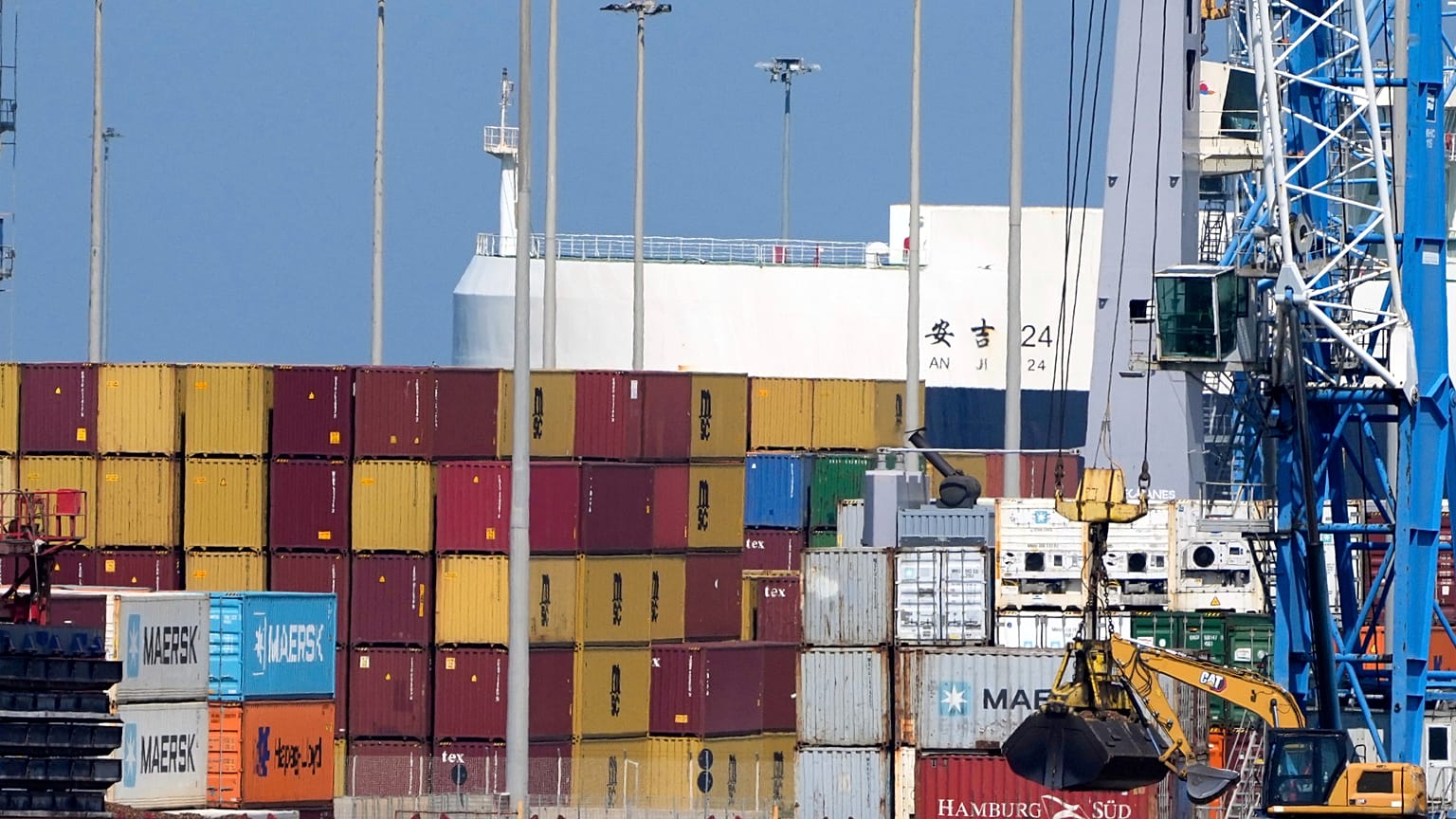
Stacks of containers stand near a cargo ship in the Civitavecchia Harbour, Italy, Thursday, Aug. 7, 2025.
Copyright AP Photo

By Peggy Corlin
Published on 

By granting tariff advantages to the US, the EU risks violating WTO international trade rules. The political impact could be significant.

A fervent defender of a rules-based trading order, the EU has been under attack since its deal with the US, accused of betraying its commitments to the WTO and to multilateralism. But is that really the case?

At first glance, the 21 August deal grossly violates WTO rules: the US President, has unilaterally demanded preferential tariffs for US imports to the EU that breach the Most-Favoured-Nation (MFN) principle.

“From the perspective of WTO rules, the deal is discriminatory. We have fairly clear rules, namely the MFN principle: any tariff advantage granted to one member of the WTO must be extended to all WTO members,” Julien Blanquart, of law firm SheppardMullin, told Euronews.

But by applying 0% tariffs to US industrial goods and certain agricultural products, the EU is indeed offering an advantage that discriminates against its other international partners who do not benefit from the same access to its market.

The Commission points however to an exception to the MFN principle in article 24 of the WTO, which allows free trade areas or interim agreements, provided that they cover the majority of trade.

“The deal is part of an effort to liberalise and lower tariffs in a reciprocal manner,” a senior EU official said, pointing to the joint statement published by the US and the EU on 21 August, which states that the deal is “a first step in a process that can be further expanded over time to cover additional areas and continue to improve market access and increase their trade and investment relationship.”

Political impact

Blanquart underlined however that the framework agreement which has been presented is currently only a political statement and not a treaty which is legally binding.

"At this stage, everything really depends on how the current agreement will be translated into a final deal between the EU and the US, and how it will be notified to the WTO,” he said, adding: “As long as there is no official text, its compatibility with the rules remains legally fragile.”

According to the lawyer, a WTO member country could decide to bring the case before the WTO Dispute Settlement Body and challenge its validity.

However, this body has been paralysed since the US refused to renew the mandates of some of its judges.

Nevertheless, there could be a political impact for the EU, which presents itself as a champion of multilateralism.

“If it's declared non-compliant with WTO rules, it would be yet another blow to multilateralism,” Blanquart added.


The US brings in a navy fleet to Venezuela's coast — but does the Suns cartel exist?

IF YOU HAVE TO ASK THEN NO IT DOESN'T
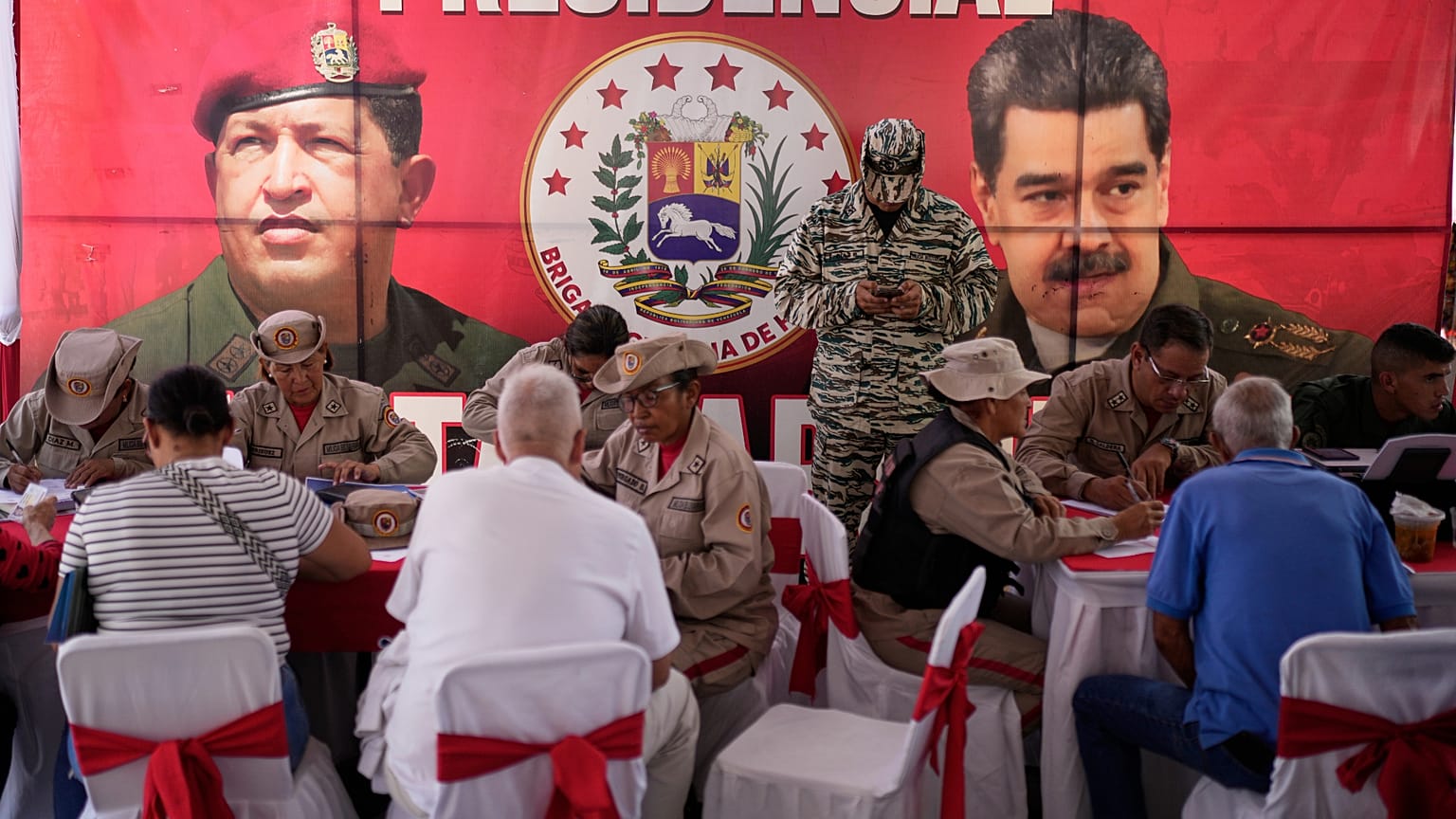
Venezuelans sign up during a national enlistment drive to join the civil militias at a square in Caracas, Venezuela, on 23 August, 2025.
Copyright AP Photo

By Euronews
Published on 

American vessels are expected to arrive off South America next week in an apparent attempt to stop drug trafficking.

The US is sending ships into the waters off Venezuela as part of an effort to curb drug trafficking from Latin America.

Three amphibious assault vessels are due to reach the region by next week, according to an American defence official who spoke on the condition of anonymity.

The confirmation of the deployment comes a week after US President Donald Trump confirmed the move, which will see the American military attempt to stop cartels he blames for the flow of fentanyl and other drugs into the US.

One of the cartels Trump thinks is responsible is the Cartel de los Soles (Cartel of the Suns), a group his administration has designated as a terrorist organisation, despite doubts that it even exists.

What is the Cartel of the Suns?


In July, the Trump administration suggested that the Cartel of the Suns was led by the Venezuelan President Nicolas Maduro and was backed by other “other high-ranking Venezuelan individuals”.

The US government claimed the so-called cartel supports criminal groups such as Venezuela’ Tren de Aragua and Mexico’s Sinaloa Cartel by weaponising drug trafficking against the US.

Both Venezuela and its neighbour Colombia insist that the group has no basis in reality, while Washington’s allies in the region, including Argentina and Paraguay, have fallen behind Trump’s position.

Experts say that there is no evidence of a group of that name with a defined hierarchy, while an anti-drug report from the US State Department in March did not mention it by name.

Insight Crime, a think tank that specialises in corruption in the Americas, said earlier this month that the US’ sanctions against the Cartel of the Suns were misdirected.

“The US government’s new sanctions against Venezuela’s so-called 'Cartel of the Suns' incorrectly portray it as a hierarchical, ideologically driven drug trafficking organisation rather than a profit-based system of generalised corruption involving high-ranking military figures,” it wrote.

The name, which refers to the suns depicted on Venezuelan military uniforms, was invented by the Venezuelan media after two generals were found to have been involved in drug trafficking in the early 1990s, according to the think tank.

US and Venezuela’s tense relationship

The relationship between Washington and Caracas has long been strained, with US officials decrying what they called undemocratic elections last year, which gave Maduro a third presidential term.

The US also strongly condemned the Venezuelan government’s crackdown on protesters after the elections. Several thousand demonstrators were jailed after the disputed vote last July.

The Venezuelan opposition leader Maria Corina Machado, whose ally Edmundo González is recognised by the US as the winner of the 2024 election, has expressed her support for Washington's latest policies regarding Venezuela.

Meanwhile, Maduro and his supporters have stoked fears about a potential US invasion, urging people to enlist in a volunteer militia designed to help the army against external attacks.


US targets Venezuela over ‘Soles’ cartel. Does it exist?


By AFP
August 28, 2025


The US is offering a reward of up to $50 million for the arrest of Venezuelan President Nicolas Maduro - Copyright AFP Schneyder Mendoza

Washington cited Venezuelan President Nicolas Maduro’s alleged role in the “Cartel de los Soles” as it dispatched five warships and thousands of Marines toward the Caribbean country for an anti-drug deployment.

While some of US President Donald Trump’s right-wing led allies in South America — Argentina, Ecuador and Paraguay — have echoed his designation of “Soles” as a terrorist organization, many have doubts such a group even exists.

Venezuela itself, and neighbor Colombia, insist there is no such thing as “Cartel de los Soles.”

Some experts agree, saying there is no evidence of the existence of an organized group with a defined hierarchy that goes by that name.


– View from the US –


The Trump administration in July described the “Cartel de los Soles” as a “Venezuela-based criminal group headed by Nicolas Maduro and other high-ranking Venezuelan individuals.”

It said the cartel “provides material support to foreign terrorist organizations threatening the peace and security of the United States, namely Tren de Aragua and the Sinaloa Cartel” — two major drug trafficking groups.

Washington upped a bounty to $50 million for the capture of Maduro on drug charges.

Yet in March, the latest US State Department report on global anti-drug operations made no mention of the “Cartel de los Soles” or any connection between Maduro and narco trafficking.

The United States did not recognize Maduro’s 2024 re-election, rejected by the Venezuelan opposition and much of the world as a stolen vote.


– Expert opinion –


“There is no such thing, so Maduro can hardly be its boss,” Phil Gunson, an analyst at the International Crisis Group think tank, told AFP of the so-called “Cartel de los Soles.”

And while there was no doubt of “complicity” between people in power and organized crime, “direct, incontrovertible evidence has never been presented” for the existence of an organized cartel by that name in Venezuela.

According to the InSight Crime think tank, the name was ironically coined by Venezuelan media in 1993 after two generals were nabbed for drug trafficking. The sun is a symbol on the military uniform epaulettes of generals in the South American country.

“Rather than a hierarchical organization with Maduro directing drug trafficking strategies, the Cartel of the Suns is more accurately described as a system of corruption wherein military and political officials profit by working with drug traffickers,” InSight Crime said on its website.

Maduro denies any connection to the drug trade, although two nephews of his wife have been convicted in New York for cocaine trafficking.


– What now? –


The United States says its Caribbean deployment is focused on combating drug trafficking, but Caracas fears there is more to it.

Venezuela has deployed warships and drones to patrol its coastline, and Maduro announced he would activate 4.5 million civilian militia members — a number questioned by observers — to confront “any threat.”

According to Mariano de Alba, a London-based geopolitics expert, the US deployment was likely not an attack force.

“If the Trump administration really wanted to provoke regime change” as claimed by Maduro, it would more likely rely on “surprise action,” de Alba told AFP.