Wednesday, September 17, 2025

Jerry of Ben & Jerry's steps down after being 'silenced'

Farah Bahgat 
DW with Reuters
17/09/2025


Jerry Greenfield has left the company after 47 years. He accused Ben & Jerry's owner, Unilever, of silencing the ice cream company's voice on social issues.


Ben & Jerry's was founded in the US state of Vermont in 1978
Image: Jakub Porzycki/NurPhoto/picture alliance

Jerry Greenfield resigned from his position at Ben & Jerry's ice cream company, "with a broken heart," according to a social media post by co-founder Ben Cohen on Wednesday.

The announcement follows years of friction between the co-founders and the company's owner, Unilever, over social and political issues.

It also comes ahead of a planned stock market float of Unilever's ice cream unit, The Magnum Ice Cream Company.

Why did Jerry leave Ben & Jerry's?


Greenfield said the ice cream company "stood up and spoke out in support of peace, justice, and human rights, not as abstract concepts, but in relation to real events."

He said Unilever had promised to maintain that social mission, but "that independence, the very basis of our sale to Unilever, is gone."

Unilever acquired Ben & Jerry's in 2000. Under the deal, the ice cream brand maintained a relatively high amount of autonomy in comparison to other subsidiaries.

In his message, Greenfield went on to say that this lack of independence is happening at a time when the current US administration is rolling back civil and human rights.

"Standing up for the values of justice, equity, and our shared humanity has never been more important, and yet, Ben & Jerry's has been silenced, sidelined, for fear of upsetting those in power," he said.


Ben & Jerry's co-founders appeared at events encouraging Black voters to take part in the 2024 US election, and even developed an ice cream flavor for Donald Trump's rival Kamala Harris: 'Kamala's Coconut Jubilee'
Image: Todd Kirkland/AP Content Services for Ben & Jerry's/picture alliance

Cohen wrote in the same social media post, "[Greenfield's] legacy deserves to be true to our values, not silenced by" Magnum.


Reuters news agency quoted a spokesperson for Magnum as saying that it "disagrees with Greenfield's perspective and has sought to engage both co-founders in a constructive conversation on how to strengthen Ben & Jerry's powerful values-based position in the world."

Ben and Jerry wanted out

Earlier this month, Cohen and Greenfield wrote an open letter calling for Ben & Jerry's to be allowed to become independent again, as Magnum is set to split off from Unilever formally in November.

Cohen and Greenfield said in their letter that they did not want the brand they founded in 1978 to be part of the spun-off venture.

Magnum, which also includes ice cream brands Cornetto and Walls, insisted that Ben & Jerry's is "not for sale" and will remain part of the group.
Which causes did Ben & Jerry's advocate for?

Ben & Jerry's has long taken political stances and advocated for social justice, with the co-founders backing movements such as Black Lives Matter in 2020, and supporting US politician Bernie Sanders' presidential campaign in 2019.


US politician Bernie Sanders also got his own ice cream flavor. In his first run for president in 2016, 'Bernie's Yearning,' and again in 2019, 'Bernie's Back' [FILE: September 1, 2019
]Image: Steven Senne/AP Photo/picture alliance

But the company has been at odds with Unilever since 2021, when Ben & Jerry's announced it would no longer sell ice cream in occupied Palestinian territories, namely Israeli settlements in the West Bank.

Ben & Jerry's announcement to stop the sale of its ice cream in occupied Palestinian territories sparked controversy. Unilever then sold the selling rights to a local licensee in Israel [FILE: July 20, 2021
]Image: Debbie Hill/UPI Photo/Newscom/picture alliance

Last year, Ben & Jerry's sued Unilever for allegedly silencing the company's pro-Palestinian statements. In May, the board condemned Israel's war in Gaza as a genocide, and Cohen himself was earlier arrested at a pro-Palestinian protest in Washington D.C.

Edited by: Sean Sinico
More than 140 environmental defenders killed in 2024
DW with dpa, AFP
17/09/2025

Latin America is the most dangerous region for environmental advocates, with many of the cases remaining unsolved, according to a new report. Indigenous people, farmers and activists are all among the casualties.


Indiginous people are among the victims
Image: Gustavo Basso/DW

At least 142 environmental advocates were killed around the world in 2024, with four more going missing, according to a report by non-governmental organization Global Witness.

Most of the victims were indigenous people or farmers, as well as activists against mining, logging, agriculture, poaching and energy projects.

Those carrying out the attacks were mostly criminal groups, although incidents involving state security forces were also recorded.

Most of the killings remain unsolved.


Which country is most dangerous for 'environmental defenders'?

Colombia is the most dangerous country for so-called "environmental defenders" with 48 people killed, with Guatemala — 20 victims — and Mexico — 18 victims — the next most perilous countries.

More than 80% of the victims were in Latin America, with the current report bringing the total number of deaths recorded there since 2012 to 2,253.

While the worldwide number of deaths in 2024 fell by 28%, from 2023, Global Witness say the real number could be higher due to unreported cases.

The organization emphasized governments' role in protecting environmental defenders by investigating attacks and prosecuting the perpetrators.

Edited by: John Silk

Felix Tamsut Reporter for DW News@ftamsut

Intersex people face high levels of violence in Europe
DW with AFP
17/09/2025

One in six intersex people was physically assaulted in the year 2022, an EU agency report said. Intersex people are the only LGBTIQ group that has not experienced a drop in discrimination since an earlier survey in 2019.

Despite Bulgaria and Hungary being the only EU countries without gender recognition, the rights of intersex people are still not being upheld across the bloc
Image: Patrick Pleul/dpa/picture alliance


Intersex people in Europe face increasing levels of discrimination and harassment, according to a report released Wednesday by the EU Rights Agency (FRA).

The agency said it found the lack of progress alarming as disinformation campaigns online specifically target intersex people. The report includes an online survey of 1,920 intersex people in 30 EU and Western Balkan countries in 2023.

"Intersex people in the EU experience alarming levels of exclusion, discrimination and violence," FRA Director Sirpa Rautio said, calling for "an urgent response."
The nature of discrimination

Intersex people are people born with naturally occurring differences in their sexual makeup. They do not fit the traditional definition of male or female.

LGBTIQ people suffer a range of stereotypes, according to a briefing by the European Parliament about disinformation campaigns concerning LGBTIQ people in the EU. They also experience "negative othering" where they are described as morally corrupt people. None of these stereotypes is proven or can be backed by scientific data.

The FRA report also found that 57% of respondents have undergone a medical procedure to alter their biological makeup without their informed consent. It also found 39% had to undergo "conversion" procedures to change their gender. FRA recommends the EU ban conversion practices across the 27-member bloc.


According to the report, 53% of respondents contemplated suicide the year before the report.

One in three intersex people reported experiencing physical or sexual assault in the five years leading up to the report. That figure is three times higher than the rate for LGBTIQ people overall.

FRA said the LGBTIQ community was being "instrumentalized" in "a climate of increasing or persisting intolerance and bigotry."

The European Parliament briefing also found that most organized religions have teachings that preach an unfavorable view of LGBTIQ issues.

Edited by Sean Sinico

Hauwau Samaila Mohammed Nigerian writer and journalist
Syria says agrees plan with Jordan, US to restore calm in Druze-majority Sweida


Syria, Jordan and the United States have agreed on a plan to restore stability in the southern Syrian province of Sweida after it was rocked by deadly clashes between members of the Druze minority sect and Bedouin tribes in July, Syria's transitional government said Tuesday. The plan includes "launching a process of internal reconciliation" and prosecuting those involved in attacks on civilians.


Issued on: 16/09/2025 -  By: FRANCE 24

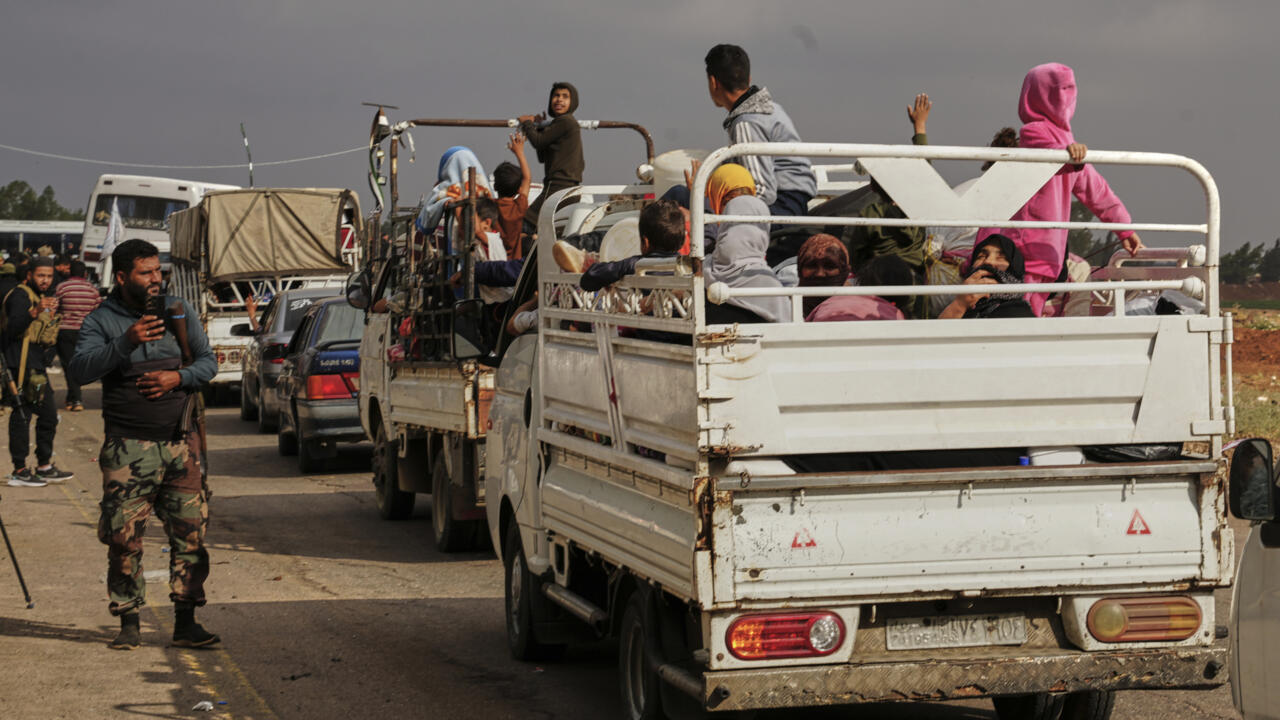
Syrian Bedouin families ride in the back of trucks with their belongings after being evacuated from Sweida following violent sectarian clashes, on July 21, 2025. © Malek Khattab, AP
Syria, Jordan and the United States agreed Tuesday on a roadmap to restore security in a southern Syrian region that saw deadly sectarian clashes in July, including plans to guard main roads and prosecute those who incited violence.

The days of fighting between members of the country's Druze minority sect and members of local Bedouin tribes in the Sweida region left hundreds of people dead. Mistrust remains, and some Druze have been demanding self determination.

Syrian Foreign Minister Asaad al-Shibani told reporters at a news conference in Damascus that the agreement among the three countries includes moves to prosecute those who were involved in inciting the deadly clashes.

It also includes allowing aid to flow into Sweida, restoring services, deploying security forces on main roads in the tense region and working to reveal the fate of missing people and begin a process of internal reconciliation, he said.


He also said the government was working on a plan for the return of those displaced by the violence, who number more than 160,000, according to UN figures. They include Druze internally displaced within Sweida and Bedouins who fled or were evacuated from the province and now see little prospect of going back

Watch moreExclusive: On the ground in Sweida, a Syrian city torn by Druze-Bedouin clashes

He did not give details on how these steps would be achieved.

Jordan’s Foreign Minister Ayman Safadi told reporters at the news conference with al-Shibani and US envoy to Syria Tom Barrack that the security of southern Syria is linked to the security of Jordan.

Jordan borders Sweida province and has spent years fighting drug and weapons smuggling from its northern neighbor.

The clashes erupted on July 13 between Druze militias and local Sunni Muslim Bedouin tribes in Sweida. Government forces then intervened, nominally to restore order, but ended up essentially siding with the Bedouins against the Druze. Atrocities were committed during the days of clashes.

Read moreSyria forms panel to probe civilian attacks in Sweida violence

Israel intervened in defense of the Druze, launching dozens of airstrikes on convoys of government fighters and even striking the Syrian Defense Ministry headquarters in central Damascus.

The Druze religious sect began as a 10th-century offshoot of Ismailism, a branch of Shiite Islam. Over half of the roughly 1 million Druze worldwide live in Syria. Most other Druze live in Lebanon and Israel, including in the Golan Heights, which Israel captured from Syria in the 1967 Mideast War and annexed in 1981.

(FRANCE 24 with AP)
WOMEN, LIFE, FREEDOM
Three years after Mahsa Amini's death, Iranian women have seized 'irreversible' liberties

Analysis

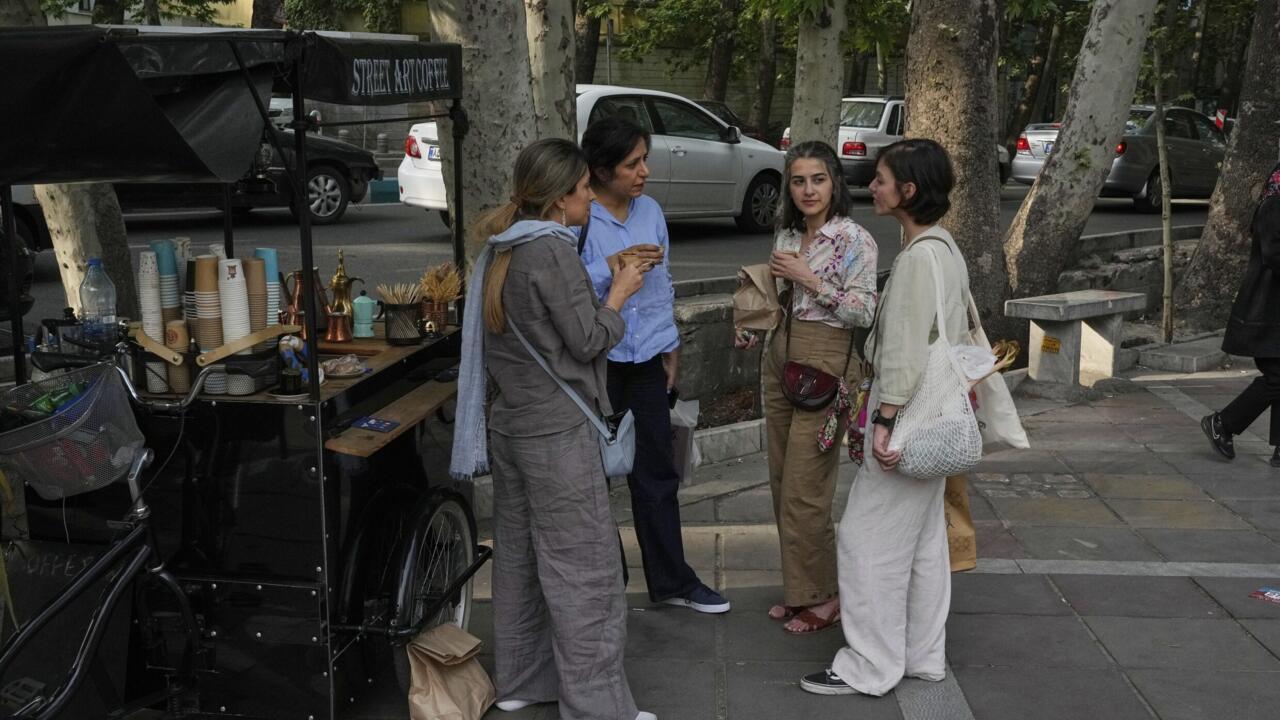
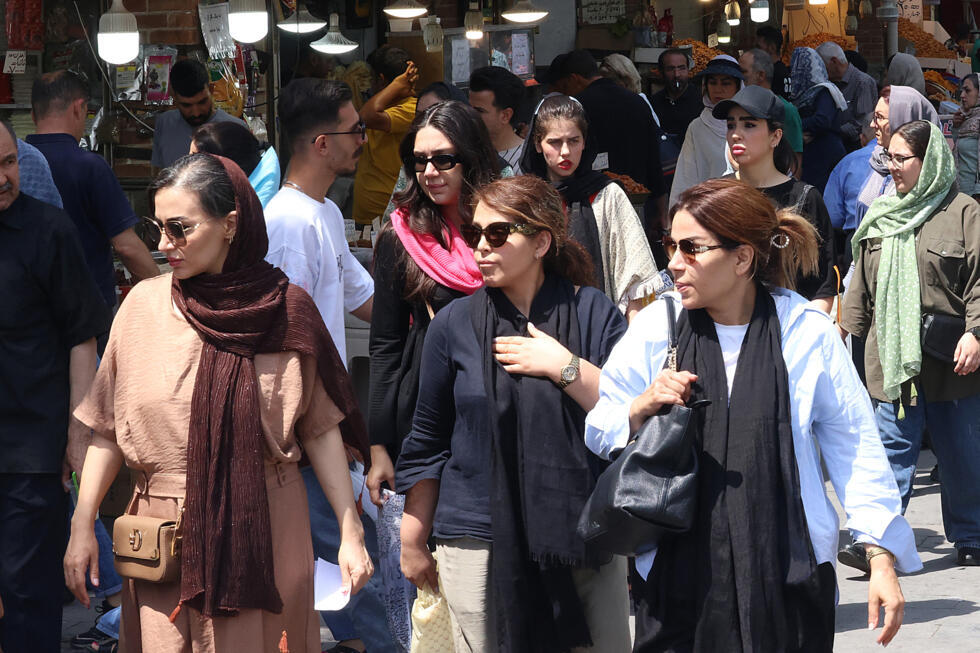
The September 16, 2022, death of Mahsa Amini in police custody sparked massive protests and a deadly crackdown by the Iranian regime. But three years later, Iranian society has witnessed "irreversible" changes. In the streets of Tehran and in provincial towns, women are gradually rejecting the veil and other constraints.


Issued on: 16/09/2025 - FRANCE24
By: Bahar MAKOOI

Iranian women drink coffee on a sidewalk in northern Tehran, on May 3, 2025. © Vahid Salemi, AP


When Ahmad* returned to Iran in May, he did not recognise Tehran's Imam Khomeini Airport. After five years away, his sister was waiting for him in the arrivals hall with a bouquet of flowers, dressed in a white blouse and a scarf casually draped over her shoulders. His niece, standing next to her mother, had her hair tied back in a ponytail and there was no veil or even a scarf in sight.

"I wondered if I was really in Iran," Ahmad confided. "In addition to the emotions of the reunion, I felt uneasy when I saw them behind the glass window of the arrivals hall. I was afraid they would be arrested, because the airport is a secure and highly monitored place. But when I turned my head, I saw other women who were much less covered than them."

Ahmad noticed these changes even among his more traditional family members. A brother-in-law now tolerates his daughter's clothing and socialising. His older sister has abandoned the manto, the long Persian coat that derives its name from the French manteau. She now favours simple, short blazers matched with trousers.

Iranian society has changed significantly in recent years, particularly following the uprisings that erupted after the 2022 death of Mahsa Amini. The 22-year-old Kurdish-Iranian woman was arrested by Iran's morality police for "improperly" wearing her headscarf during a visit to Tehran and died in police custody.


"There has clearly been a before and after, marked by profound transformations, particularly in urban areas," said Jonathan Piron, a historian and Iran specialist at the Brussels-based Etopia research centre. "While the death of Mahsa Amini and the protests that followed did not trigger a political revolution, they did mark a societal revolution."
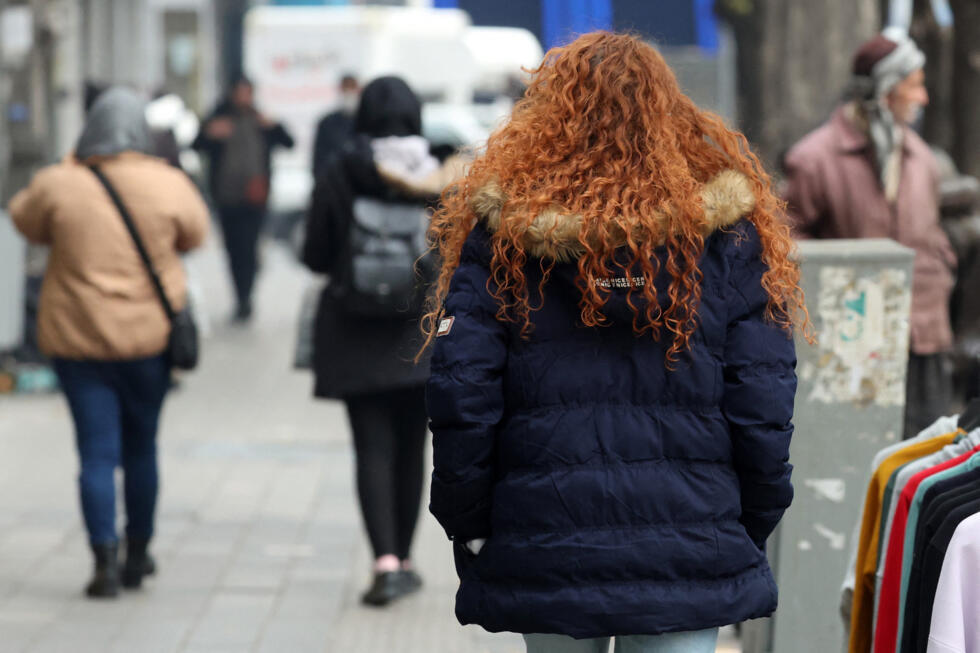
An Iranian woman without a hijab walks on a Tehran street on December 12, 2024. © AFP


Azadeh Kian, a sociologist and director of Paris Cité University's Centre for Teaching, Documentation and Research in Feminist Studies (CEDREF), agrees. "Today, women are taking over public spaces as they see fit. They have won their freedom," explained Kian. "And this movement is irreversible."


A different life for teenagers

Iran today is nothing like the country she grew up in, says Sepideh*, 40, a mother of three, including a teenage daughter, from Tehran.

"Things have moved very quickly over the past three years," noted Sepideh. "I'm from the generation that grew up just after the [1979 Islamic] revolution. Then came the [1980-1988 Iran-Iraq] war. School was frightening; our teachers were very strict and very tough on us. We had to constantly adjust our headscarves. Everything had to be black. White socks were out of the question. I always dreaded the day my daughter would experience the same thing."

So far, her 14-year-old eldest daughter's school experience has been far less severe, Sepideh acknowledges with relief. "I am so happy that my daughter no longer has to go through that," she said, noting that her daughter has abandoned the maqnaé, the hooded veil that is part of the Iranian school uniform for girls. "She and her friends just let it hang around their necks. The administration at her [private] school doesn't say anything."
The police 'look away'

The changes are particularly visible on Tehran’s public transportation, notes Sepideh. "In the subway I take every day to work, I see mothers in chadors [the severe, all-encompassing veil] and their daughters in T-shirts and trousers. I also see groups of students, some veiled, others not, all laughing together. The police see them, sometimes make an annoyed remark, then they look away," said Sepideh.

Iranian women walk past shops in the Grand Bazaar in Tehran on August 13, 2025. 
© Atta Kenare, AFP


Kian believes the Iranian authorities have relaxed their position to avoid a backlash from the populace. "They fear their youth, who were very active three years ago during the 'Women, Life, Freedom' movement, particularly the unprecedented solidarity that this uprising sparked. This intergenerational solidarity has extended even to religious families," she noted.

Iran's laws, however, continue to discriminate against women. In December 2024, the Iranian parliament, dominated by ultra-conservatives, approved the draconian "Law on Protecting the Family through the Promotion of the Culture of Chastity and Hijab", commonly called "The Chastity and Hijab Law". The law, containing 74 articles, imposed strict penalties for women and girls defying the compulsory hijab.

But Iran's moderate President Masoud Pezeshkian paused the implementation of the law, calling it "ambiguous and in need of reform".

Pezeshkian could not have stalled the law without the approval of Iran's supreme leader Ayatollah Ali Khamenei, explains Kian. "For me, the leader has come to terms with the obvious. The Iranian state is forced to make concessions because it has been facing crises on all fronts – economic, political and security – since the 12-day war against Israel," said Kian, referring to the June 13-24 armed conflict between the two countries.
The policy of intimidation remains in place

But the regime's "policy of intimidation" continues, according to Kian. "While the regime cannot put a police officer behind every woman, it continues to arrest women's rights activists, those who campaign for fundamental change, because it considers them a threat," she noted.

While some prominent Iranian women's rights advocates – such as the 2023 Nobel Peace Prize laureate Narges Mohammadi and activist Sepideh Gholian – have been released on temporary leave, they continue to live "with a Damocles sword hanging over their heads", Kian said.


Another immutable bastion of power is the civil code. Women remain subject to deeply discriminatory rules: they receive only half of an inheritance and have limited rights in matters of divorce, child custody and family law. The regime's "last bastion is this civil code," said Kian. "They won't touch that."

Meanwhile, two worlds coexist in Iran and the gap between them continues to widen. "Society is moving forward, living its life independently of religious power," noted Kian.

This evolution can also be seen in women's daily lives. Sepideh, for instance, goes for walks in Tehran's affluent neighbourhoods just to observe the young people's fashion choices. "Colorful shirts over crop tops, long skirts, hair dyed blue, red, or purple... They seem at ease and women my age compliment them," she said joyously. "I've changed too. Two months ago, I was still wearing my headscarf on my commute to work in central Tehran. But now I've taken a step forward, and it's at the bottom of my bag. I only wear it at work."
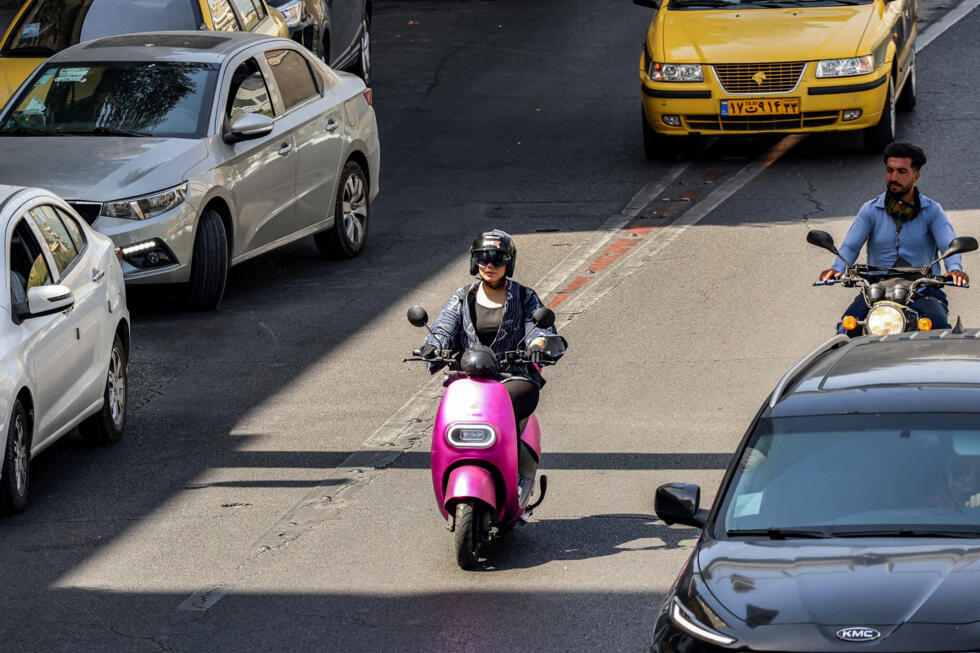
A woman rides a scooter in Tehran on September 15, 2025. © AFP, Atta Kenare


Sepideh admits that she was afraid of men's stares for a long time before taking off her veil. "In some neighbourhoods I pass through, I feared their comments and harassment. But I think they've got used to it." Today, she says, she feels "safe", even without a veil.
Mixed dance classes, women on motorcycles

Darya*, another Tehran resident who grew up after the 1989 Islamic Revolution, credits the guts of Iran's youth. "The bravery of Generation Z has given us courage," she said. The first changes came under reformist former Iranian president Mohammed Khatami’s reign from 1997-2005, Darya explained. "Since the Khatami era, I have worn colorful scarves. Little by little, I began to take off my veil more often. But after the death of Mahsa Amini and all those young people killed in the protests, I never wore the veil outside again, even in more traditional places, such as mourning ceremonies. I am not prepared to make concessions," she said emphatically.

This movement, Piron notes, did not appear suddenly after Amini's death in 2022. "Iran is a society in constant transformation, like everywhere else. The 'Woman, Life, Freedom' movement accelerated the trend that was already present and, above all, spread it throughout the country," he explained.

Iran's provinces were also swept by the movement. The first protests after Amini's death erupted in Saqqez, the young woman's hometown in Iran's Kurdistan region. "Today," says Darya, "girls in the provinces have also stopped wearing the veil, but not everywhere. In the small suburb where my family lives near Shiraz, there are fewer of them. But people's attitudes have changed, and no one makes disparaging remarks to them anymore.”

The changes are not limited to clothing, according to these Iranian women. Although prohibited, mixed singing and dance classes are becoming increasingly common. "More and more women are riding motorcycles," Sepideh notes admiringly. Iranian women are allowed to drive cars and ride motorcycles, but only as passengers. They have been denied motorcycle licenses since the advent of the Islamist regime in 1979.

*Names have been changed to protect the safety of those interviewed in Iran.

This article is a translation of the original in French.


Charity warns one in three French people struggle to afford three meals a day

Anti-poverty charity Secours Populaire Français has published a survey revealing that one in five French people are in a financially precarious situation, with one in three at imminent risk of falling into poverty.


Issued on: 17/09/2025 - RFI


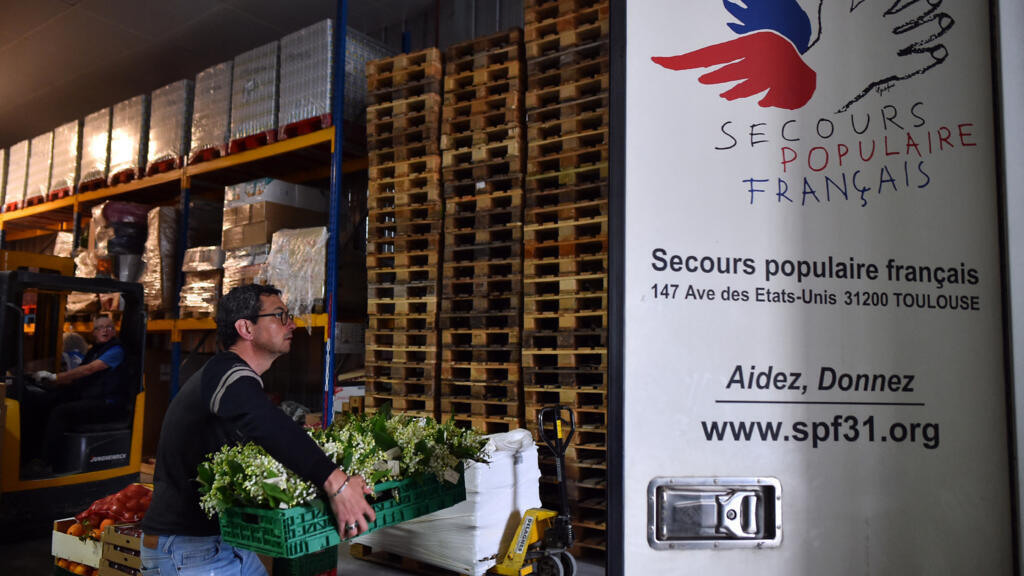
A Secours Populaire volunteer prepares to distribute bunches of lily of the valley, a traditional gift on May Day, to nursing homes during a Covid-19 lockdown in 2020. 
AFP - REMY GABALDA


"Financial instability is becoming increasingly entrenched in France, affecting all aspects of life – whether health, leisure or family life," Henriette Steinberg, secretary-general of Secours Populaire, told news agency AFP.

The charity has published its annual barometer, which shows that a third of French people (31 percent) are struggling to afford enough healthy food for three meals a day.

The survey of 1,000 people, carried out by Ipsos on behalf of Secours Populaire, also found that 39 percent have difficulty paying their electricity bills, while 49 percent can't afford an annual holiday.

One-third say they are at "significant" or "very significant" risk of falling into poverty in the coming months, having insufficient savings to cope with unforeseen events, such as an increase in fuel prices or the need to help a family member.

One in five French people consider themselves to be in a financially precarious situation for various reasons, including insufficient income, unexpected expenses and excessive deb, while three in five (57 percent) said they had a close family member or friend living in poverty.

France's Secours Populaire charity marks 80 years with pleas for time, not money


Fifteen years of decline


This figure of 20 percent is a slight drop from last year's 24 percent. However, despite this "slight improvement" which the charity links to the slowdown in inflation, it calls what the barometer reveals "a social situation that remains very worrying".

"The situation in France has deteriorated’ over the last 15 years said Steinberg, while acknowledging the recent "stabilisation". The charity has published its barometer every year since 2007.

Anne Rubinstein, the inter-ministerial delegate for poverty prevention and control, last week spoke of the "difficulties" encountered by the State in reducing poverty rates – which in 2023 reached their highest level since 1996 in mainland France.

Parental guilt

In 2024, Secours Populaire supported 3.7 million people in France, providing food aid and organising activities to counter the isolation poverty can bring.

In the city of Clermont-Ferrand in central France, requests for Secours Populaire's assistance jumped 30 percent between 2023 and 2024.

Élodie, who volunteers at the local branch of the charity, said: "We have 100 new registrations per month. These are pensioners, foreign students, people whose jobs do not pay enough to lift them out of poverty."

Poorer children hit hardest as scurvy makes a comeback in France

Living on a financial knife edge has a significant effect on mental health, the survey found, with 74 percent of those struggling financially saying they felt "sad, depressed or hopeless".

Of the parents surveyed, half said they felt guilty over not being able to give their children the things they want – with more than 20 percent of children in France living in poverty.


French Socialists press Macron's new government for major budget concessions


Issued on: 17/09/2025 - FRANCE24

Leaders of France's Socialist Party met with new Prime Minister Sebastien Lecornu on Wednesday, seeking to get big concessions on the budget in talks that could shape the final stretch of President Emmanuel Macron's second term. James André has more.


Video by:
James ANDRE


France braces for biggest protests since pension battle as unions fight austerity budget

France braces for a day of nationwide strikes and demonstrations on Thursday against a cost-cutting budget proposal opposed by a united front of unions. Outgoing Interior Minister Bruno Retailleau said 80,000 police would be deployed, adding that the risk of disorder was “significant”. Road traffic, rail and air services are expected to be disrupted and many schools will be closed.


Issued on: 16/09/2025 - By: FRANCE 24


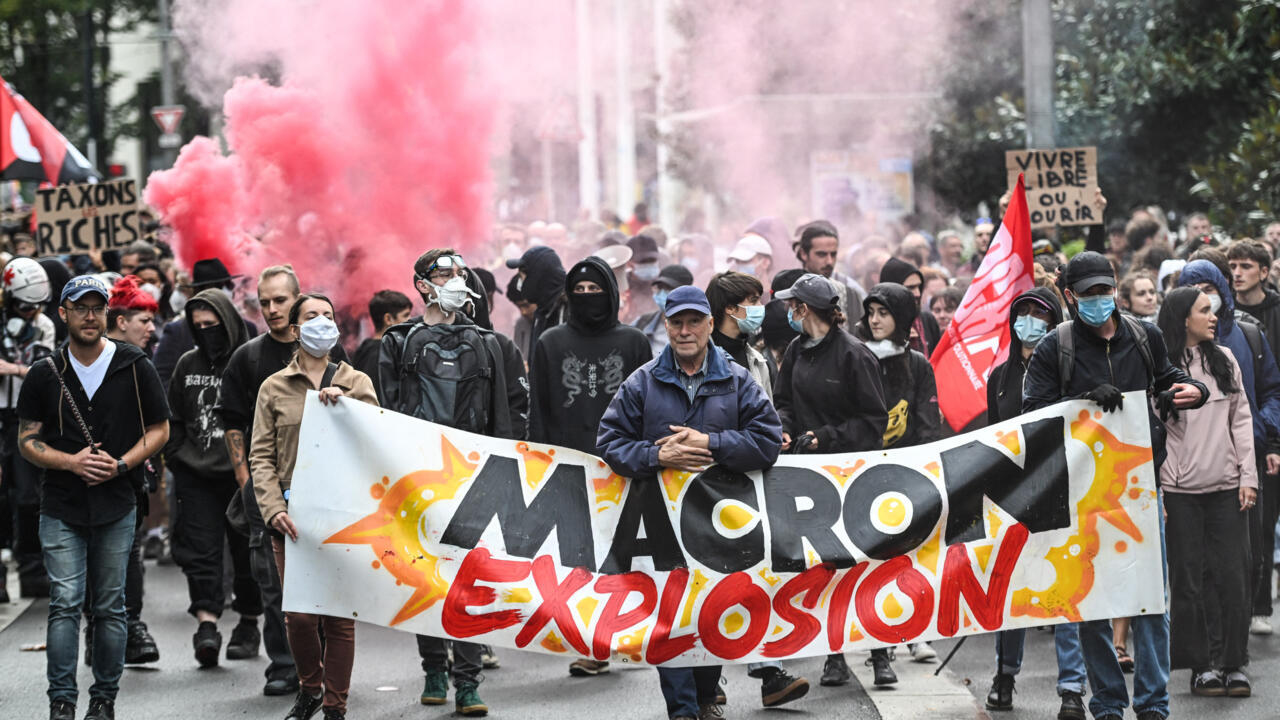
Demonstrators rally in the western French city of Nantes as part of a "Block everything" protest movement on September 13, 2025. © Sebastien Salom-Gomis, AFP


France is bracing for a day of nationwide protests on Thursday, with a source close to the authorities saying some 800,000 people are expected to take to the streets.

In a rare show of unity, trade unions have urged French people to strike in protest at the authorities' "horror show" draft budget designed to reduce France's ballooning debt.

Watch moreThe economic context of France's 'Block Everything' protests

Road traffic, rail and air services are expected to be disrupted and many schools will be closed on Thursday.


The planned demonstrations come after President Emmanuel Macron last week named his close ally Sebastien Lecornu as the new prime minister to resolve a deepening political crisis.

Lecornu's predecessor Francois Bayrou lost a confidence vote in parliament over an attempt to get an austerity budget adopted, which he had hoped would cut the French deficit and tackle a growing debt pile.

Last Wednesday, around 200,000 demonstrators turned out in a show of grassroots opposition to Macron following calls on social media to "block everything".

Read more‘Our voices just aren’t heard’: ‘Block Everything’ protesters meet heavy police response in Paris

Officials expect a much bigger turnout on Thursday, pointing to trade unions' determination to bring out protesting crowds onto the streets as anger simmers over political deadlock and higher living costs.

At least 250 marches are expected to take place on Thursday, a security source said.

A source close to the authorities estimated that around 800,000 people were expected to protest.

The scale of protest action is expected to be comparable to 2023 against the controversial pension reform when between 280,000 and more than a million people demonstrated, depending on the day.

The outgoing interior minister, Bruno Retailleau, told law enforcement officials that "the risks of public disorder are significant due to the presence of small groups of ultra-leftists who will try to infiltrate the official marches".

Retailleau said that no damage to public buildings would be tolerated, warning of the risk of sabotage and blockades from Wednesday night to Thursday morning.

Around 80,000 police will be deployed across the country.

(FRANCE 24 with AFP)
Thousands rally across Slovakia against economic and pro-Russian policies

Thousands of Slovaks rallied on Tuesday in 16 cities, including in the capital Bratislava, to protest the economic and pro-Russian policies of populist Prime Minister Robert Fico. The nationwide demonstrations marked one of the largest shows of opposition since his return to power last year, organisers said.


Issued on: 17/09/2025 - By: FRANCE 24

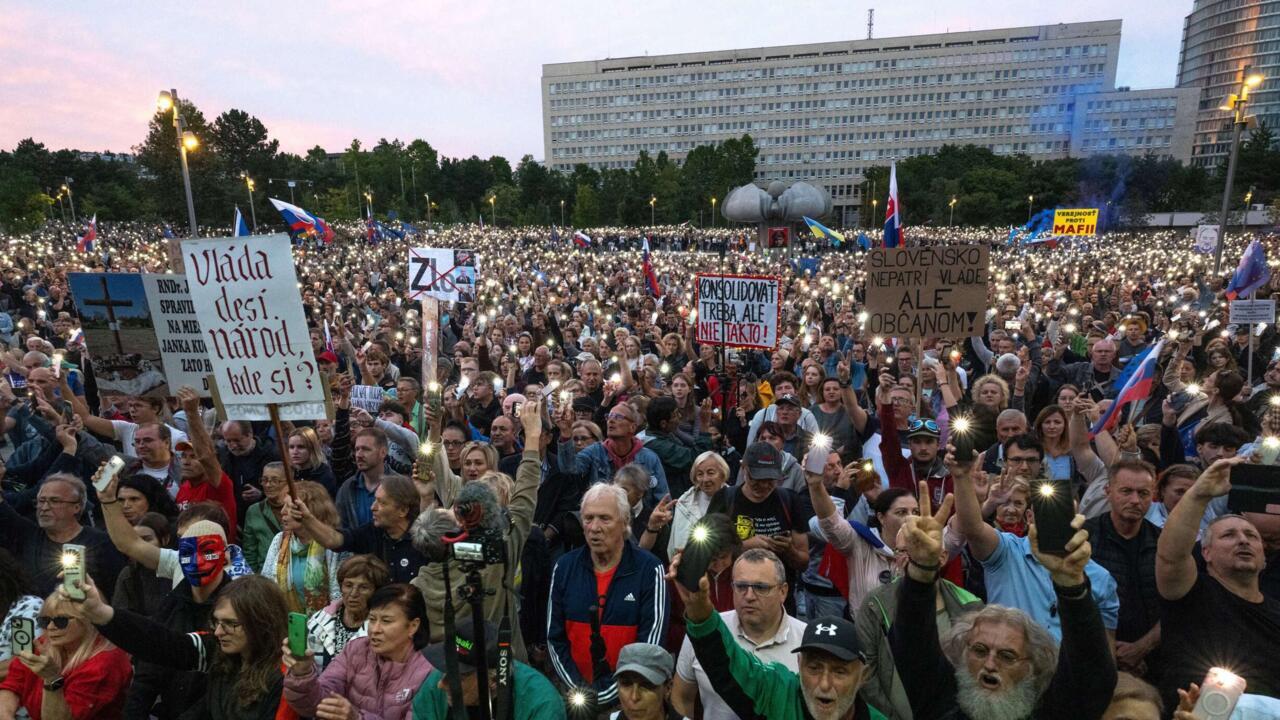
Participants protest against the government's proposed cost-cutting measures during a rally against nationalist premier Fico in Bratislava on September 16, 2025.
 © Joe Klamer, AFP

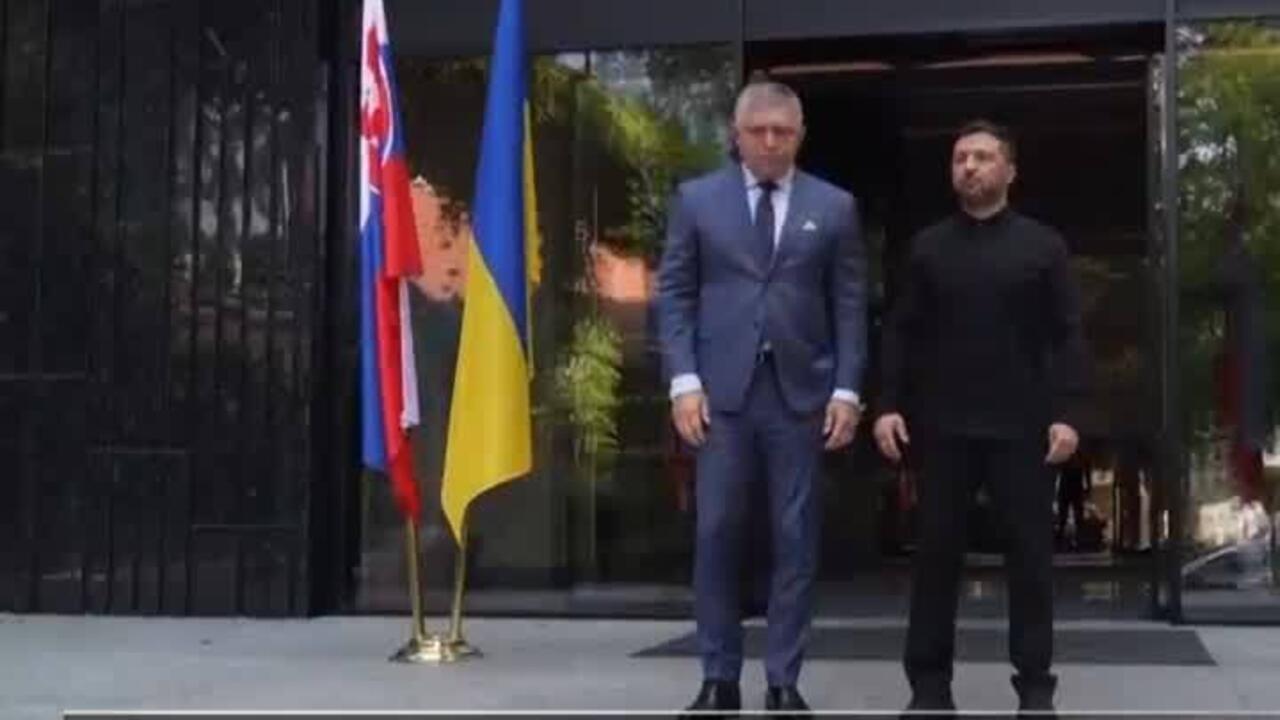
Thousands rallied across Slovakia on Tuesday in a nationwide mass protest against the economic and pro-Russian policies of populist Prime Minister Robert Fico.

The rallies took place in 16 major cities and towns, including the capital of Bratislava.

They latest wave of protests has been fueled by a trip by Fico to China where he met Russian President Vladimir Putin for the third time since the Russian all-out invasion of Ukraine. A package of austerity measures recently approved by the government further angered the protesters.


© France 24
07:24


The government says the measures are necessary to cut a budget deficit that at 5.3% of GDP was the second highest last year among the countries using the common European currency, the euro. The deficit is expected to surpass 5% this year, exceeding the limit of 3% required by the European Union.

The measures include increases in health and social insurance, income tax for higher earners, and value added tax on some food products, as well as a possible reduction of national holidays.

Labor unions and other critics charged ordinary people will be hit most while businesses complain the measures do not include anything to boost the economy.

“The Slovaks are fed up with that,” Michal Šimečka, the head of the Progressive Slovakia party told the crowd at the Freedom Square in Bratislava.

His party led the protests in conjunction with three other political groups, Freedom and Solidarity, the Christian Democrats and the Democrats.

Read moreUkrainian attack halts Russian crude oil flows to Hungary and Slovakia

“We differ from each other but I can guarantee that we will work together,” Šimečka said.

Some of the leaders suggested they organise a general strike against the government.

“We’ve had enough of Fico,” people chanted.

The protests renewed last week to condemn Fico’s meeting Putin along with other authoritarian leaders in Beijing. Fico was the only head of a European Union country to attend a military parade hosted by Chinese President Xi Jinping to mark the 80th anniversary of the end of World War II.

Fico has long been a divisive figure in Slovakia and beyond. He returned to power for the fourth time after his leftist Smer, or Direction, party won the 2023 parliamentary election after campaigning on a pro-Russia and anti-American message.

He has openly challenged the European Union’s policies over Ukraine. His critics have charged that Slovakia under Fico is following the direction of Hungary under Prime Minister Viktor Orbán, who is regarded by many as an autocrat.

(FRANCE 24 with AP)
Climate change caused more than two thirds of heat deaths in European cities this summer, study says


Global warming brought on by humans was responsible for around 16,500 deaths across European cities this summer, according to a preliminary study released by climate scientists and health researchers, who say the death toll could be even higher. This year was the continent’s fourth hottest summer on record.


Issued on: 17/09/2025 - By: FRANCE 24


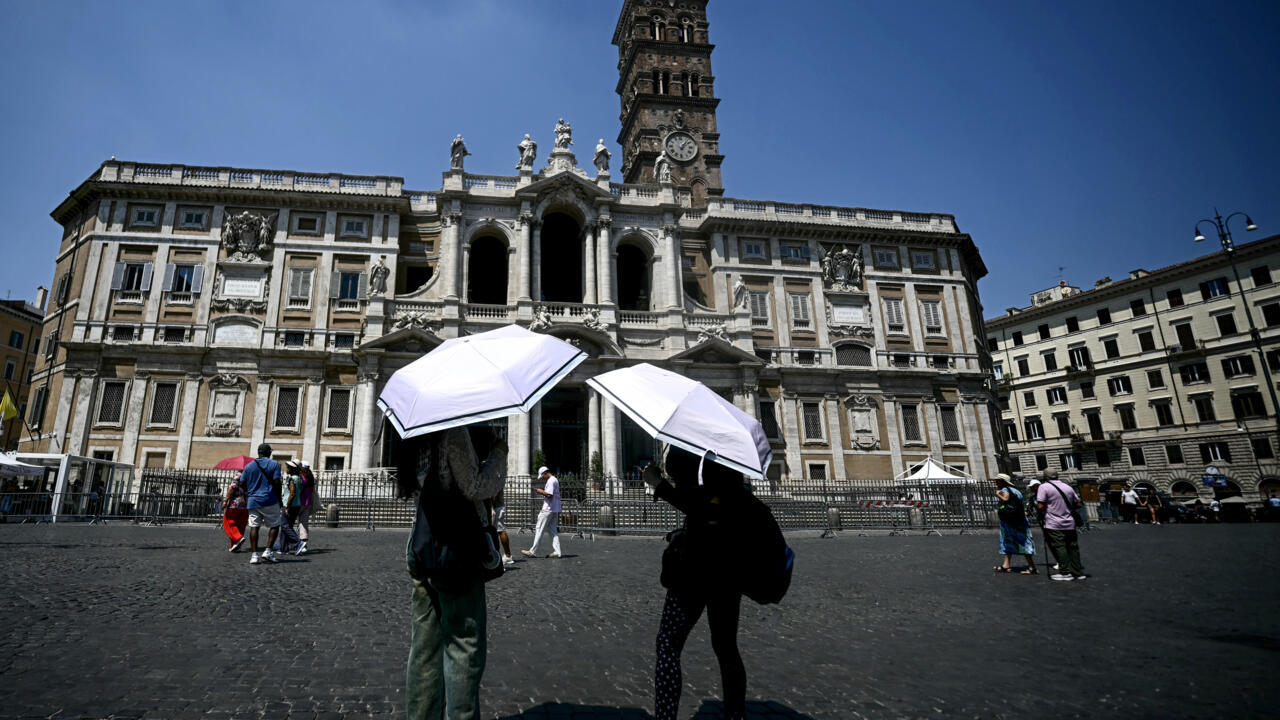
Rome had the highest number of deaths linked to climate change this summer, according a new rapid study. © Filippo Monteforte, AFP


Scientists estimated Wednesday that rising temperatures from human-caused climate change were responsible for roughly 16,500 deaths in European cities this summer, using modelling to project the toll before official data is released.

The rapidly-produced study is the latest effort by climate and health researchers to quickly link the death toll during heatwaves to global warming – without waiting months or years to be published in a peer-reviewed journal.

The estimated deaths were not actually recorded in the European cities, but instead were a projection based on methods such as modelling used in previously peer-reviewed studies.

Death tolls during heatwaves are thought to be vastly underestimated because the causes of death recorded in hospitals are normally heart, breathing or other health problems that particularly affect the elderly when the mercury soars.

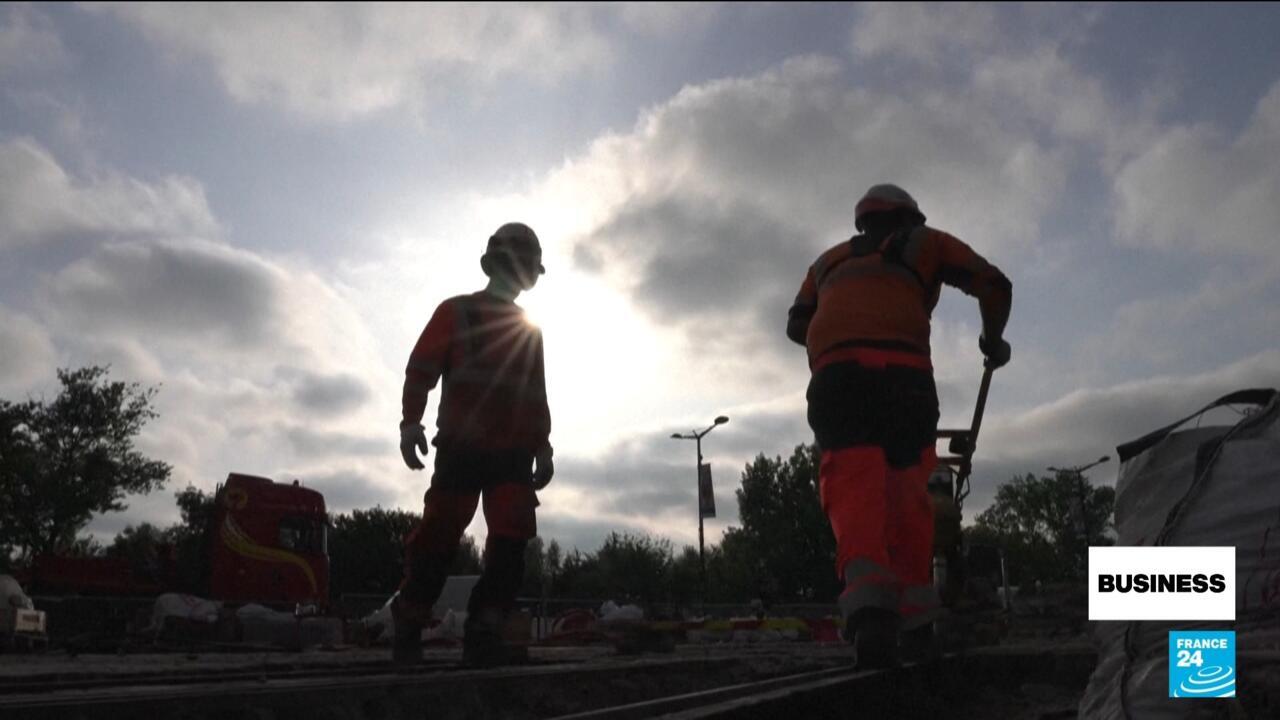
The economic cost of heatwaves in Europe

Business © france24
05:29


To get a snapshot of this summer, a UK-based team of researchers used climate modelling to estimate that global warming made temperatures an average of 2.2 degrees Celsius hotter in 854 European cities between June and August.

Using historical data indicating how such soaring temperatures drive up mortality rates, the team estimated there were around 24,400 excess deaths in those cities during that time.

They then compared this number to how many people would have died in a world that was not 1.3C warmer due to climate change caused by humans burning fossil fuels.

Nearly 70 percent – 16,500 – of the estimated excess deaths were due to global warming, according to the rapid attribution study.

This means climate change could have tripled the number of heat deaths this summer, said the study from scientists at Imperial College London and epidemiologists at the London School of Hygiene & Tropical Medicine.


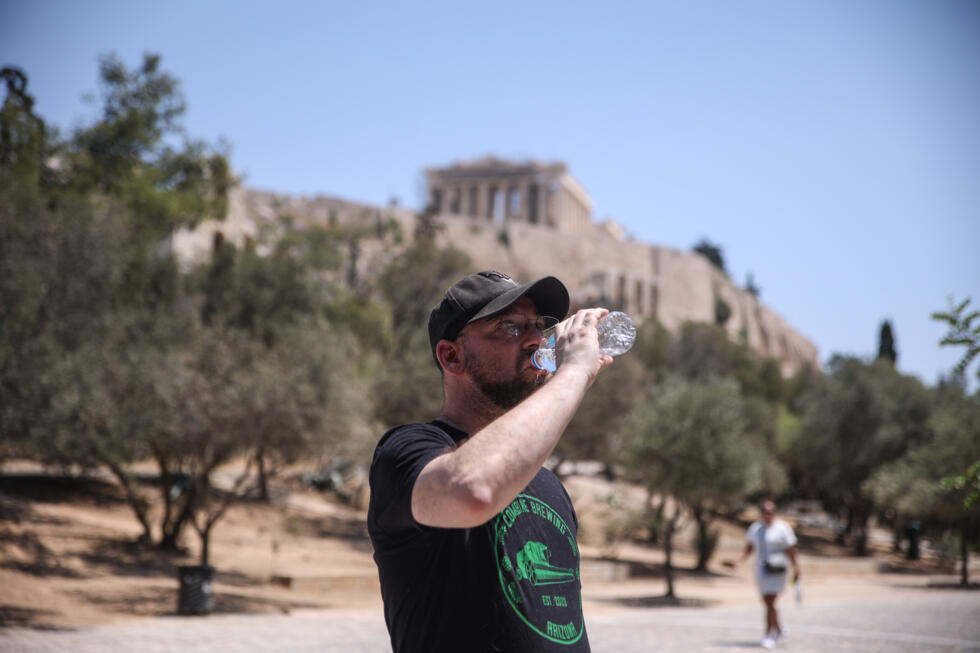
Athens had the second-highest death toll from climate change-driven heat, the study said. © Aris Oikonomo, AFP file photo


The team had previously used similar methods to find a similar result for a single European heatwave that started in late June.

The researchers said they were not able to compare their estimates to actual excess deaths recorded in European cities this summer because most countries take a long time to publish that data.

"It's impossible to get real-time statistics right now," however the estimates are "in the right ballpark," study co-author Friederike Otto told a press conference.
'Even more alarming'

The estimates did reflect previous peer-reviewed research, such as a Nature Medicine study which determined there were more than 47,000 heat-related deaths during the European summer of 2023.

Numerous prominent climate and health researchers also backed the study.

"What makes this finding even more alarming is that the methods used in these attribution studies are scientifically robust, yet conservative," said atmospheric science researcher Akshay Deoras at the UK's University of Reading.

"The actual death toll could be even higher."

The study said that Rome had the most estimated deaths attributed to climate change with 835, followed by Athens with 630 and Paris with 409.

More than 85 percent of the estimated excess deaths were among people aged 65 or over.

The researchers emphasised the study did not represent Europe as a whole because some areas – such as the Balkans – were not included.

"An increase in heatwave temperature of just 2-4C can be the difference between life and death for thousands of people – this is why heatwaves are known as silent killers," study co-author Garyfallos Konstantinoudis said.

This year was Europe's fourth-hottest summer on record.

(FRANCE 24 with AFP)

Spain sees hottest summer on record in 2025

Hauwau Samaila Mohammed
DW with AFP, Reuters
17/09/2025


Meteorologists say climate change means extreme heatwaves during summer will become more common. Spain recorded a heatwave on one-third of days in summer 2025.

August in Spain saw a 16 day heatwave, which resulted in wildfires that killed at least four
Image: Miguel Riopa/AFP/Getty Images

Spain recorded its hottest summer in 2025, according to data released the national meteorological agency AEMET on Tuesday.

The average temperature was 24.2 Celsius (75.56 Fahrenheit), going beyond the previous record of 24.1C set in 2022, and the highest figure since records began in 1961, AEMET spokesperson Ruben del Campo said at a news conference.

"We really are on this trend toward much hotter summers," Del Campo added. The last Spanish summer without a heatwave was in 2014, according to the spokesperson.
Heat waves becoming the new normal

Scientists warn that manmade climate change is causing extreme weather events. Already in June, heat records were being set in Spain, with the mercury rising to 46C in parts of the country's southwest.

Spain endured a 16-day heatwave in August, which sparked wildfires that killed four people. With temperatures of 45C in the south of the country, it was the most intense on record, according to AEMET.

The combination of extreme temperatures with low rainfall created the perfect conditions for wildfires, Del Campo said.

The Carlos III Health Institute estimates the heatwave caused more than 1,100 deaths in mostly people older than 65.

Spain experienced three heatwaves spanning 36 days during the summer.

Scientists sound climate change alarm  01:13


Hauwau Samaila Mohammed Nigerian writer and journalist


Donald Trump in the UK: Protesters beam Epstein images at Windsor Castle

Issued on: 17/09/2025 - FRANCE24

Donald #Trump's #UK state visit is overshadowed by renewed controversy over his ties to Jeffrey #Epstein, as protests, image projections, and political fallout seem to dominate the trip.

Video by: Héloïse MÉLAN