Wolf bites woman in Hamburg shopping area in Germany's first attack in decades
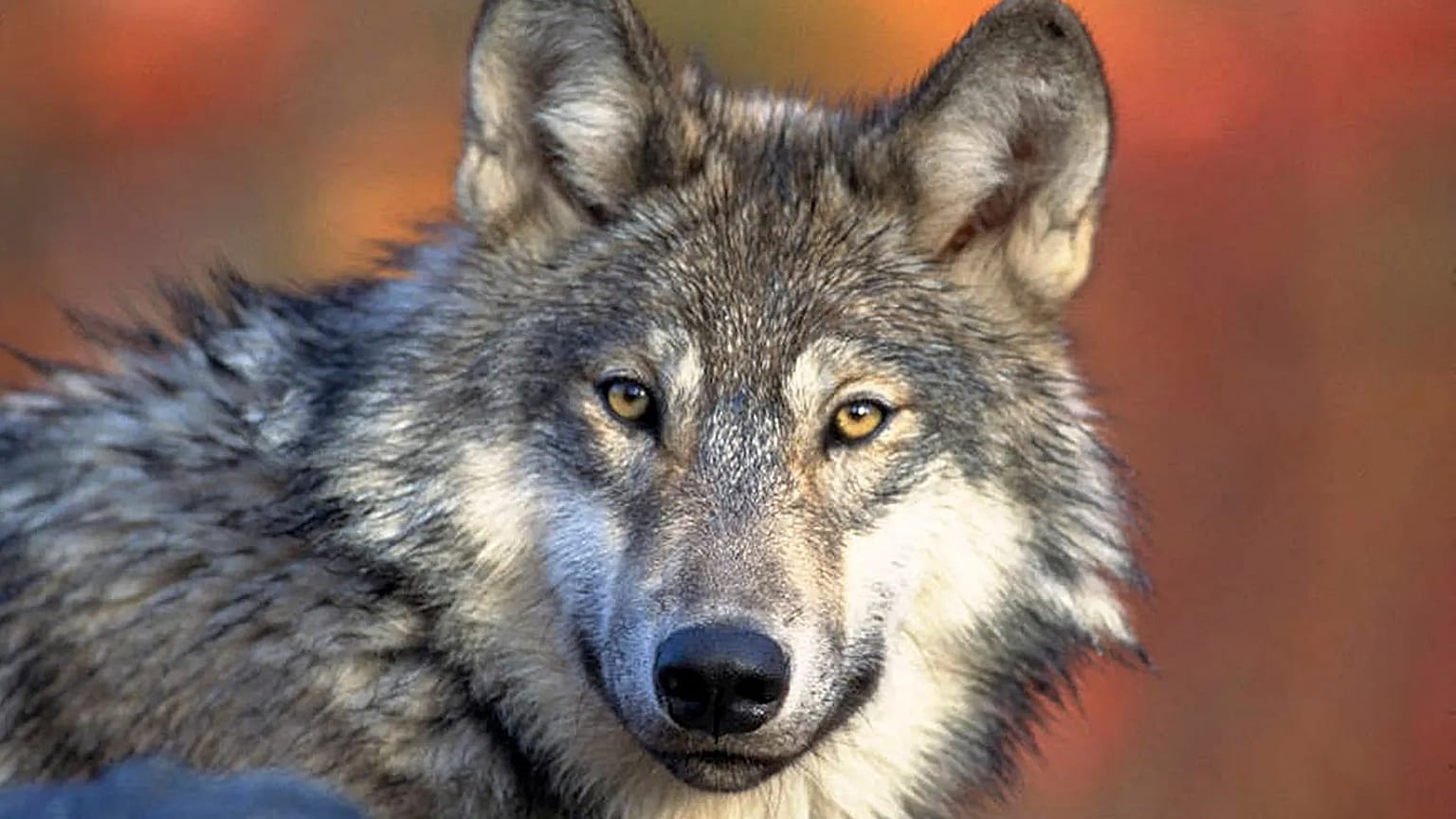
Wolves are now present in almost all EU countries, and their numbers have increased from 11,000 in 2012 to more than 20,000 in 2023. Italy, Bulgaria, Romania and Spain have populations of more than 2,000.
A wolf bit a woman in a shopping district of Hamburg before it was rescued from a lake in Germany’s second city, authorities said, in what is believed to be the first such attack since wolves returned to the country in 1998.
The fire service said that the 65-year-old woman was taken to a Hamburg hospital after the unusual encounter near the Altona station, west of the city centre, on Monday evening.
The daily newspaper Bild said she had sustained facial injuries but police didn't detail where she was bitten or give any explanation about what led to the attack.
Later on Monday evening officers located the wolf at the Binnenalster lake in downtown Hamburg following calls alerting them to a sighting of the animal there and in other locations, police said.

Local media reported that it was removed from the water with a snare and taken to an enclosure on the outskirts of the city.
Officials believe the wolf involved was the same one sighted in Blankenese, an outer suburb of the city, over the weekend.
Experts believe the animal is a young wolf searching for its own territory, accidentally wandering into the city.
Hamburg's regional government noted that wolves generally avoid contact with people and dogs, and the unusual urban environment would be very stressful.
Germany's Federal Agency for Nature Conservation said it was the first time a person was known to have been attacked by a wild wolf since the animals reappeared in the country after 150 years' absence nearly 30 years ago, the dpa news agency reported.
Wolf attacks on livestock in Europe have been a growing concern for farmers for years, however. Last year, the European Parliament voted to change the status of wolves from "strictly protected" to "protected".
Wolves are now present in almost all EU countries, and their numbers have increased from 11,000 in 2012 to more than 20,000 in 2023. Italy, Bulgaria, Romania and Spain have populations of more than 2,000.
Last week, the German parliament gave final approval to legislation making it easier to shoot wolves that kill or wound livestock.

No comments:
Post a Comment