Woke bashing of the week
– From Greta to Packham: How ‘eco zealots’ became the right-wing press’s favourite targets
Today
Left Foot Forward
If the anti-woke clan has a set of favourite villains, the so-called ‘eco zealots’ must rank near the top.
If the anti-woke clan has a set of favourite villains, the so-called ‘eco zealots’ must rank near the top.
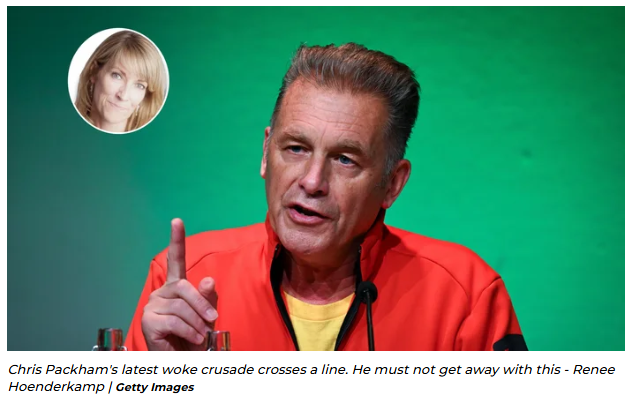
If the anti-woke clan has a set of favourite villains, the so-called ‘eco zealots’ must rank near the top. When they are not delighting in the arrest of Greta Thunberg, detained in December after attending a protest linked to jailed members of Palestine Action, their attention often turns to other environmental campaigners. One frequent target is the veteran naturalist and broadcaster Chris Packham.
In a column for GB News, celebrity doctor and TV presenter Renee Hoenderkamp described Packham as a “vile man.” She reminded readers of a remark he once made suggesting that those who reject environmental action might as well stand in a bucket of oil and set fire to themselves, presenting the comment as literal incitement rather than what it almost certainly was, hyperbolic rhetoric.
Hoenderkamp’s central grievance, however, is Packham’s supposed hostility to farmers. According to her column, “Chris doesn’t care about” rural communities. From trail hunting to pig farming, she argued, his criticism is relentless, and his frequent media appearances make him appear to speak for the public.
Yet this portrayal sidesteps an awkward reality: public opinion is already far more critical of modern farming practices than the column suggests.
During the YouTube documentary Greenwashed, Packham floated the idea of putting shocking images of industrial farming on meat packaging, similar to the warning labels placed on cigarette packets. Critics dismissed the suggestion as extremist but the reaction overlooks a key point: many consumers already have serious concerns about how animals are treated.
Research supports this. A 2025 report by Bryant Research found that between 75% and 96% of the UK public oppose common animal farming practices. According to the report, every practice presented to respondents, from intensive confinement to other standard industry procedures, was judged unacceptable by a large majority.
In other words, Packham’s criticism isn’t not as far removed from public sentiment as his critics imply.
The debate becomes even more complex when investigations into farming conditions are considered. The People for the Ethical Treatment of Animals (PETA) has released footage from British farms, including facilities audited under the ‘Red Tractor’ label, that appears to show animals living in cramped, unsanitary environments and suffering injuries or untreated illnesses.
Campaigners argue that such scenes undermine the reassuring image often presented to consumers. Animals marketed as part of ‘ethical’ British farming are, critics claim, frequently kept in conditions far removed from what’s considered ideal.
Hoenderkamp’s column ultimately broadens into a wider critique of veganism, warning that plant-based diets can lead to deficiencies in nutrients such as vitamin B12, iron and calcium.
While nutritional concerns are legitimate, they are hardly unique to vegan diets. Dietitians regularly point out that well-planned vegan diets can meet nutritional needs, just as poorly planned omnivorous diets can also lead to deficiencies.
The portrayal of environmentalists as reckless “eco zealots” makes for an easy headline, yet it obscures the fact that figures like Chris Packham may use provocative language, but many of the issues they raise, animal welfare, transparency in farming, and the environmental impact of food production, reflect concerns shared by a significant chunk of the public.
Dismissing those concerns with caricatures may generate outrage and clicks on GB News. It does little, however, to address the underlying questions about how food is produced, how animals are treated, and what kind of agricultural system the public actually wants.


No comments:
Post a Comment