Thursday, September 26, 2024


Hanwha Ocean Discontinues Efforts to Acquire Austal
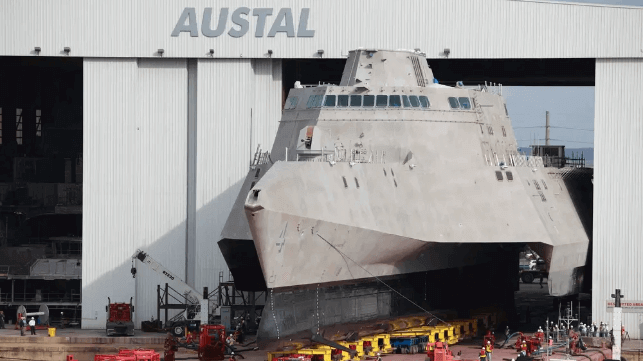
Austal patrol boats
Austal cities a growing orderbook for government and naval work (Austal)

Published Sep 25, 2024 1:13 PM by The Maritime Executive


South Korean shipbuilder Hanwha Ocean is discontinuing its pursuit of Austal after reports of repeated financial offers to take the Australia-based shipbuilder private. Austal had publicly rejected the offer repeatedly saying it doubted the combination could win regulatory approval in Australia and possibly the United States due to the national security nature of the business.

In a statement attributed to Shin Yong-in, Chief Financial Officer of Hanwha Ocean, the company said, “We have decided to discontinue discussions with Austal's management and board of directors regarding the acquisition of Austal (Australian shipbuilding/defense company) as of September 25, 2024, and have notified the other party of this.”

Hanwha Ocean labeled the stock exchange filing a response to market rumors citing reports dating to April of an offer to pay US$673.6 million to acquire Austal. Media reports said the offer was increased several times and stood at just over US$700 million.

The Australian Financial Review is reporting that it saw a letter from Hanwha Ocean’s CEO to the board of Austal saying the decision to not pursue the offer was due to a “wholly unreasonable condition of due diligence access.” AFR reports that Austal’s board insisted on a US$5 million termination fee that the board could invoke at any time if it determined regulatory approval would not be obtained.

Hanwha Ocean, according to AFR, contends Austal’s board had been willing to proceed with the due diligence providing access to the operations but canceled two days before it was scheduled to begin. They contend it was done without notice or explanation but the sticking point was the termination fee.

This comes as both companies have been moving to expand their naval work, especially with the United States, and as Austal is poised to compete in the AUKUS program as tenders are expected for the submarine contraction. Austal just highlighted its expansion of its submarine component work in the U.S. reporting a program to expand capacity at its shipyard in Mobile, Alabama while it is also participating with a private equity investor to buy the neighboring facility of the Alabama Shipyard.

Hanwha Ocean had dismissed the concerns over regulatory issues with the acquisition citing its current work with military projects for Australia and its expanding relationship with the U.S. Navy. Hanwha Ocean was recently certified and received a U.S. Navy support ship for an extended repair project at its yard in South Korea.  The company has also agreed to acquire Philly Shipyard in the United States citing the opportunities to expand into more work with the U.S. Navy and Maritime Administration.

The Australian Financial Review cites Austal’s growth while also noting that the company will require capital to overhaul its shipyard as part of the effort to participate in AUKUS. Last month, Austal reported a strong financial turnaround for FY 2024. While revenues were down as expected by approximately seven percent, the company posted a strong turnaround and profit. Management cited an orderbook valued at A$12.7 billion (US$8.7 billion). They predicted the yards would be busier in FY 2025 noting the company is now undertaking 14 different vessel programs, providing the company with diversity and a long runway of work and revenue.


Private Equity Fund Buys Alabama Shipyard for Austal USA's Sub Program
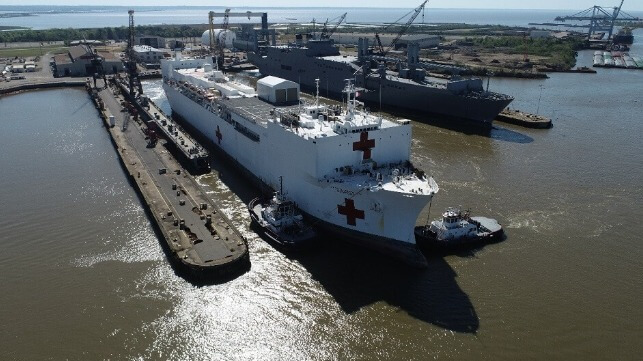
Alabama Shipyard is a busy repair facility with a large book of business for Military Sealift Command (Alabama Shipyard)

Published Sep 23, 2024 3:09 PM by The Maritime Executive


The U.S. Navy has helped finance a major shipyard acquisition agreement on the Gulf Coast, expanding its submarine construction capacity by brokering a de-facto merger of two private shipyard facilities in Mobile, Alabama. 

Working with private equity firm CapZone, submarine builder General Dynamics Electric Boat, Navy-focused shipyard Austal USA and ship-repair contractor Alabama Shipyard, the Navy has sponsored an agreement to expand Austal's submarine module construction business onto the 355-acre site of Alabama Shipyard, which is adjacent to Austal's existing facility in Mobile. 

The deal has several layers. Prime contractor General Dynamics Electric Boat awarded Austal a $450 million contract to expand submarine module production capacity; the Navy provided a $152 million contract directly to Austal as part of the National Sea-Based Deterrent fund; Austal invested in a CapZone-administered federal opportunity zone fund (the USA Fund), alongside other private investors; and the Fund purchased Alabama Shipyard's facility and related assets, with plans to develop 75 percent of the site to support submarine production and workforce training. The site will be renamed the Mobile Naval Yard, and the CapZone fund will hold ownership and responsibility for development and management. 

The agreement includes "contractual mechanisms that support Navy oversight and authorities to safeguard Navy and national security interests," the Navy said. The service has previously addressed concerns about past contract accounting issues at Austal. 

"This Navy initiative is a model for how public-private partnerships can address critical infrastructure needs in the defense and national security sectors," said CapZone CEO Al Puchala. "We developed this platform to activate institutional and private American capital to support government priorities. Our model not only drives financial investments to support the Navy's operational requirements, which are under extreme pressure to meet global threats, but also to spur economic growth and job creation in the region."

The sub indusrial base initiative is one of the Navy's top priorities, and the service is putting billions of dollars into workforce recruitment, financial support and shipyard expansion. To meet the combined needs of the Columbia-class and Virginia-class programs, the Navy says that submarine production has to double, requiring an extra 3.5 to 4.5 million man-hours of submarine module production and outfitting every year. 


No Talks Set with One Week Before U.S. East/Gulf Coast Dock Strike

ILA dockworkers
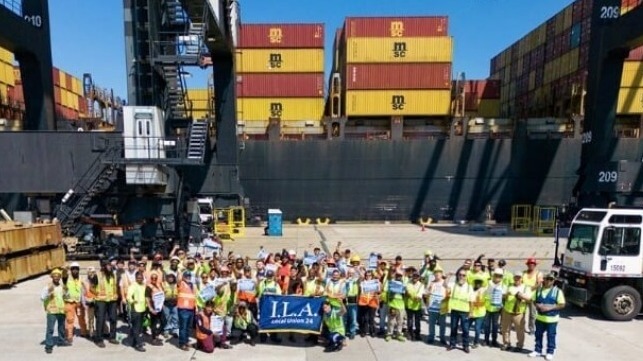
ILA members from Maine to the Gulf of Mexico are set to go on strike on October 1 (ILA file photo)

Published Sep 23, 2024 1:59 PM by The Maritime Executive


The deadlock continues between the International Longshoremen’s Association and the U.S. Maritime Alliance as the first coastwide dock strike since 1977 appears likely and ports, shippers, and carriers make a last-minute scramble. Terminal operators represented by the USMX continue to make overtures while union leaders released a statement saying “We are about to engage in one of the toughest battles our union has faced in decades.”

Negotiations for the master contract that would cover all the ports have been stalled since the anticipated start in June. The ILA initially cited disputes at the local level. While both sides filed notices with the Federal Mediation & Conciliation Service, the USMX notes that mediation could only proceed if both sides agree. 

“This is no indication that the ILA is interested in negotiating at this time,” USMX said in a statement on Monday, September 23, just seven days before the September 30 contract expiration. “Our goal remains the same – we want to bargain and avoid a strike, but time is running out if the ILA is unwilling to return to the table.”

Dennis Daggett, president of the ILA released a statement on Friday, September 20, saying the union “will be on the right side of history.” He cites dockworkers’ role in keeping the supply chains moving during the pandemic while saying they want a “fair and just contract.” The new message says they “deserve fair compensation,” rumored to be a 70 percent increase over six years. He also emphatically states “We will not accept automation replacing,” jobs. He also added a reference to ending members being “benched” for sixty or ninety days “over minor infractions,” as another change in the new contract.

USMX says it has received “outreach” from the Department of Labor as well as the mediation council and other federal agencies and that it is keeping them updated. Last week, Reuters however reported the Biden administration was not intervening to impose a cooling-off period, but last year Acting Labor Secretary Julie Su was acknowledged as having played a critical role in resolving the West Coast dockworkers contract.

“A potential ILA strike will have impacts on supply chains, leading to delays in cargo movement, increased costs, and logistical challenges for businesses relying on U.S. East Coast and Gulf ports. Longer strike durations may exacerbate disruptions, affecting import and export activities, container availability, and overall operational efficiency,” Maersk warned customers in an advisory dated September 21.

Maersk reported it was still accepting export booking while encouraging shippers to expedite movements. They noted that ports are offering extended gate hours recommending that importers retrieve cargo promptly.

There have been some reports that freight forwarders are already experiencing interruptions for inland shipments as some carriers and ports begin to take steps toward an orderly shutdown. Maersk said it is “expediting earlier bookings and prioritizing import container movements,” while warning that terminals will not be able to monitor reefer boxes once the strike begins. 

Maersk says it expects to anchor vessels temporarily with a daily review of the situation to determine port calls and adjustments. Its teams are “exploring alternative cargo acceptance/routing for extended strikes.”

USMX reported that it remains unable to schedule a meeting to continue negotiations on a master contract. Unless the Biden administration invokes a cooling-off period, the ILA has said there will be no extension and it has been planning for a year for a strike that begins on October 1 from Maine to Gulf of Mexico. It will impact roughly half of the containers and a large portion of the Ro-Ro volume in the United States.


Environmentalists Block Port of Marseille Protesting Impact of Cruises

cruise protest
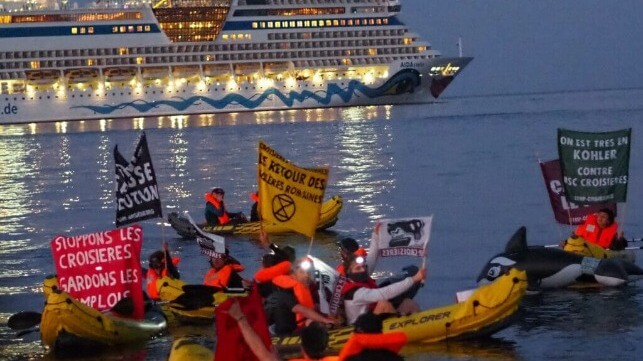
Stop Crisieres blocked the port of Marseille for morethan two hours (Stop Croisieres)

Published Sep 23, 2024 3:47 PM by The Maritime Executive


A group of environmentalists formed a human chain using small boats to block the port of Marseille, France’s large cruise and ferry port on the Mediterranean. The demonstration was designed to call attention to the environmental impact of cruise ships which the group links to global warming.

Approximately 20 individuals from an environmental group calling itself Stop Croisières along with the French arm of Extinction Rebellion used a string of canoes to block the entrance to the Marseille harbor shortly after sunrise on Saturday, September 21. They were holding signs and held media interviews to draw attention to their cause.

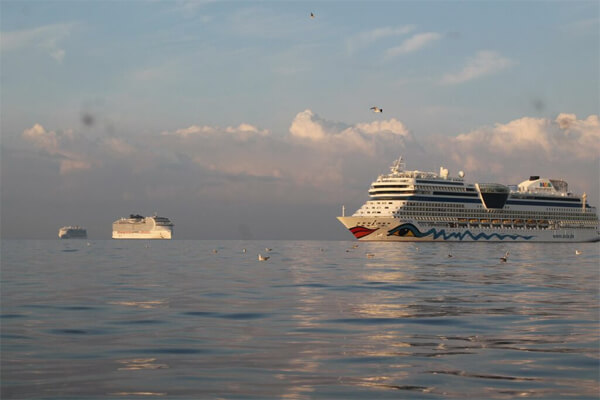
The German cruise ship AIDAstella (71,300 GT) from Carnival Corporation’s AIDA Cruises was inbound and forced to divert to avoid the protestors. Two other cruise ships, Costa’s Costa Smeralda (185,000 GT) and MSC’s MSC World Europa (215,800 GT) were following the AIDA ship into port and were forced to hold offshore. A Corsica Linea ferry was also attempting to enter the port while a Hapag-Lloyd containership was among the vessels in port.

The group cites the dramatic growth of the cruise industry and specifically in Marseille. According to their data, the port received 2.5 million cruise passengers in 2023 up by 1 million from 2022. They also highlighted that cruises surpassed ferries which carried 1.5 million passengers in the port in 2023. They are unhappy that cruise tourism has outnumbered the ferries and are calling for more investment in ferry operations.


Cruise ships forced to wait offshore during the protest (Stop Croisières)


The group cited increased air and water temperatures this past summer in the Mediterranean which set new records. They are calling for the end of the cruise industry demanding that the money spent to electrify the port instead be directed to ferries. They also want the port to abandon the development of a new cruise terminal.

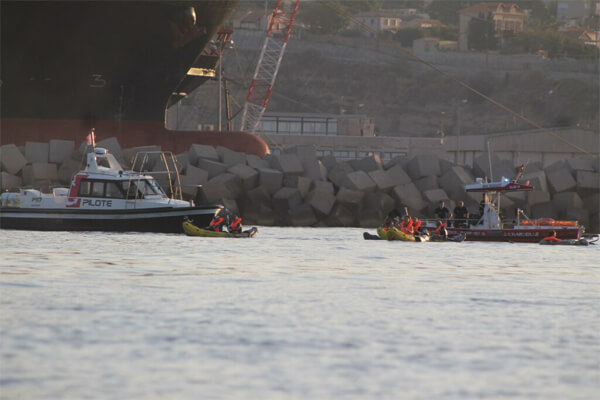
The police responded to Saturday’s demonstration which had begun around 0700 and arrested about 20 protestors. The port was reported after about 2 to 3 hours with port officials saying by 0930 traffic was again moving.


Police arrested the protestors and reopened the port (Stop Croisières)


Newspapers quoted local political leaders denouncing the protest noting that the cruise ship was forced to make an emergency maneuver endangering thousands of passengers. They said that the port is “not a lawless zone.”

The Cruise Line International Association also called it an “illegal and dangerous” demonstration to Agence France-Presse.

It was the latest in a series of efforts across Europe this summer in a loose-knit collective of groups known as ECAN. They reported conducting actions in 20 port cities to call attention to their demands. The Dutch arm of Extinction Rebellion during the summer repeatedly blocked one of the lock gates leading into Amsterdam. It interrupted the arrival of several cruise ships also at least one tanker. Port officials initially let the protest proceed but later called the Dutch police after the group repeatedly blocked the gates over a series of days and weeks.


Container with Lithium-Ion Batteries Catches Fire at Port of Montreal

container fire
Smoke from the battery fire caused warnings in Montreal (CBC News screen shot)

Published Sep 24, 2024 2:39 PM by The Maritime Executive


A container transporting lithium-ion batteries caught fire Monday, September 23, on the dock at the Port of Montreal causing evacuations and warnings for residents to stay indoors for several hours. There were widespread images of smoking blanketing parts of the city and even today people are complaining of a strong chemical smell in the air.

Fire officials said it was a difficult fire due to the nature of the batteries and fears that it would turn into a chemical runaway situation. Reports indicate more than 100 firefighters responded to the two-alarm blaze. CBC said they had to borrow a special drill from fire teams at the city’s airport to access the container.

The first reports of the fire were received around 2:20 p.m. local time in Montreal and shortly thereafter the city issued an alert for residents around the port to remain indoors. They were instructed to close doors and windows and shut off ventilation systems. Between 50 and 100 residents were also evacuated from their homes as a precaution. Electrical power was also turned off in the area.


The container was on the dock and firefighters said it held around 15,000 kg of lithium. One report said the container was coming from Poland and bound for Windsor, Canada raising speculation it was for the auto industry. It is unclear when the container arrived, but the Montreal Gazette reports that Vistula Maersk was on the dock near the scene of the fire.

Because of the nature of the fire, a special hazardous materials intervention team was brought in. They chose to water the container and not attempt to enter. One firefighter suffered a minor injury to his knee during the effort.


By about 7:30 p.m. the shelter order was lifted after the fire was contained, but it continued to burn overnight. The fire was extinguished Tuesday, September 24 by 7:00 a.m.

The Port of Montreal’s team is investigating the fire. A special team was coming in to handle the removal of the material.


Seaspan Finishes Vessel Life Extension of Canadian Coast Guard's Ship

Seaspan
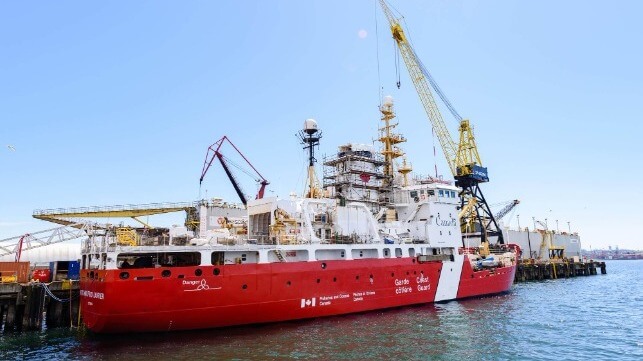
CCGS Sir Wilfrid Laurier

Published Sep 25, 2024 9:17 AM by The Maritime Executive


[By: Seaspan]

Seaspan’s Vancouver Drydock (Seaspan) is pleased to announce the successful completion of the Canadian Coast Guard’s CCGS Sir Wilfrid Laurier’s Vessel Life Extension (VLE). After undocking at the end of April 2024, the vessel completed an in-water work period in preparation for ship commissioning and sea trials.

The CCGS Sir Wilfrid Laurier is one of six Martha Black-class icebreakers operated by the Canadian Coast Guard. This project continued the long history of Canadian icebreakers being built and maintained on the west coast of Canada.

Departing Seaspan on August 17, 2024 following sea trials, this marks the successful conclusion of one of the largest and most complex ship repair and overhaul projects ever undertaken at Vancouver Drydock. The entire project consisted of over 100 separate upgrades including; replacement of the ship’s three 2100kW generator sets, replacement of the propulsion drive cycloconverters, repair and refit of the rudder and shafting, installation of a new towing bollard complete with all new underdeck structure and a new Shipboard Integrated Communication system.

This highly complex project required the technical expertise that the team at Vancouver Drydock is known for on the West Coast, including running new cables and installing new software for upgraded systems such as the propulsion control system (PCS) and new Power Management System, which will ensure optimal efficiency for the vessel. The team also carefully removed the existing ships' piping and cabling to allow installation of the new generator sets.

With the refit complete, the 83m long vessel is now ready to resume its critical duties in Canada’s Coastal and Arctic waters. Seaspan is proud to have played a key role in supporting the Canadian Coast Guard and returning the CCGS Sir Wilfrid Laurier to the water so it can continue undertaking essential services such as scientific research and search and rescue operations.

“We are proud to partner with the Canadian Coast Guard in maintaining their fleet, so they can focus on missions that matter to Canadians, like protecting the longest coastline in the world. This project was both challenging and rewarding, and our team rose to every challenge. Thanks to hard work and dedication, working in collaboration with our CCG partners, we are now even better prepared to take on more work like this in the future," says Paul Hebson, Vice President and General Manager of Vancouver Drydock.

“Keeping our vessels in good working order is critical to ensuring that our personnel can provide Canadians with the services they need throughout the year. Through planned maintenance and refit works, like this important work to extend the life of the CCGS Sir Wilfrid Laurier, we are ensuring that vessels in our fleet remain well maintained and in service,” stated Mario Pelletier, Commissioner, Canadian Coast Guard.

With recent investments in a new drydock and an operations building, Seaspan’s Vancouver Drydock is well-positioned to continue supporting the Canadian Coast Guard, and other domestic and international customers.

Watch the project wrap up video here.

The products and services herein described in this press release are not endorsed by The Maritime Executive.


Video: Turkish Teams Dowse Fire on Elderly Coastal RoRo

fire
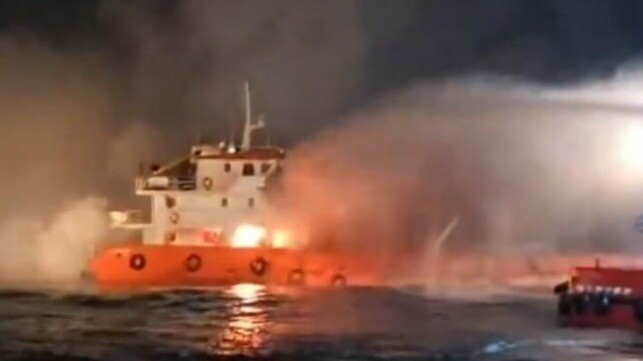
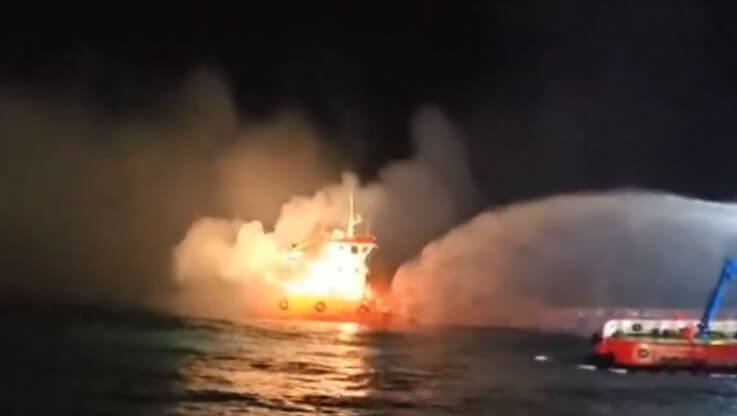
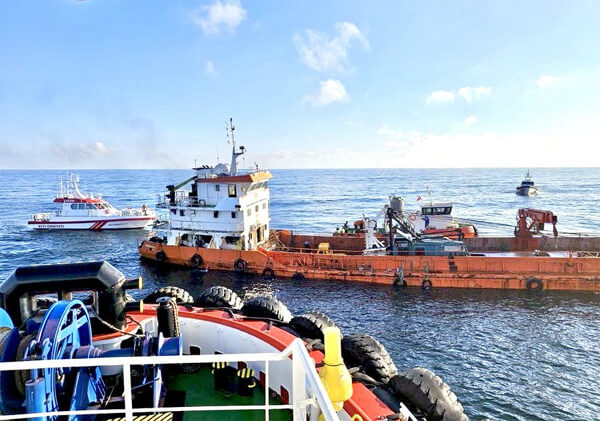
Elderly RoRo transporting equipment caught fire in the Black Sea (KEGM)

Published Sep 25, 2024 2:31 PM by The Maritime Executive


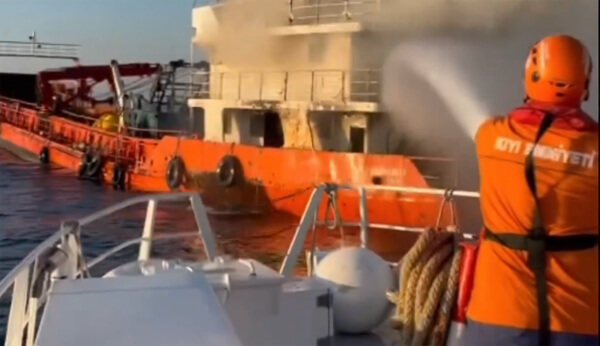
[Brief]  Turkey’s General Directorate of Coastal Safety reports it responded quickly after being informed of a fire on a small coastal RoRo off its Black Sea coast. There were no injuries but efforts were continuing to cool the elderly vessel which is adrift off the coast of Sile.


The vessel named Ariburnu is considered to be elderly with reports it was built in 1944. It operates transporting vehicles, equipment, and possibly passengers from the area around Istanbul and north along the coast of the Black Sea to the city of Zonguldak.


The Directorate said it sent a tugboat and a fast rescue ship after receiving reports last night of the fire. Scenes showed the deckhouse of the 203-foot (62-meter) vessel. It is unclear how many people were aboard the vessel which is reported to be 432 gross tons. 

Fire can be seen in the windows of the deckhouse and smoke is billowing from the vessel. The firefight continued overnight. This morning, the Directorate reports the fire has been extinguished but they are continuing to cool the vessel.


Aquaculture Outpaces Wild Catch in China's Fisheries

Aquaculture farms
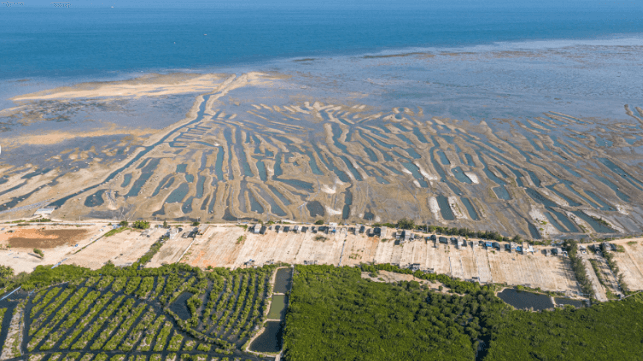
Shoreside aquaculture development (Courtesy Dialogue Earth)

Published Sep 22, 2024 2:35 PM by Dialogue Earth


[By Xie Rouhan]

The world’s population is due to reach 9.7 billion by 2050 and sustainable approaches to feeding the extra mouths are crucial. The fishing sector will play a vital role according to an influential report by the UN Food and Agriculture Organization (FAO).

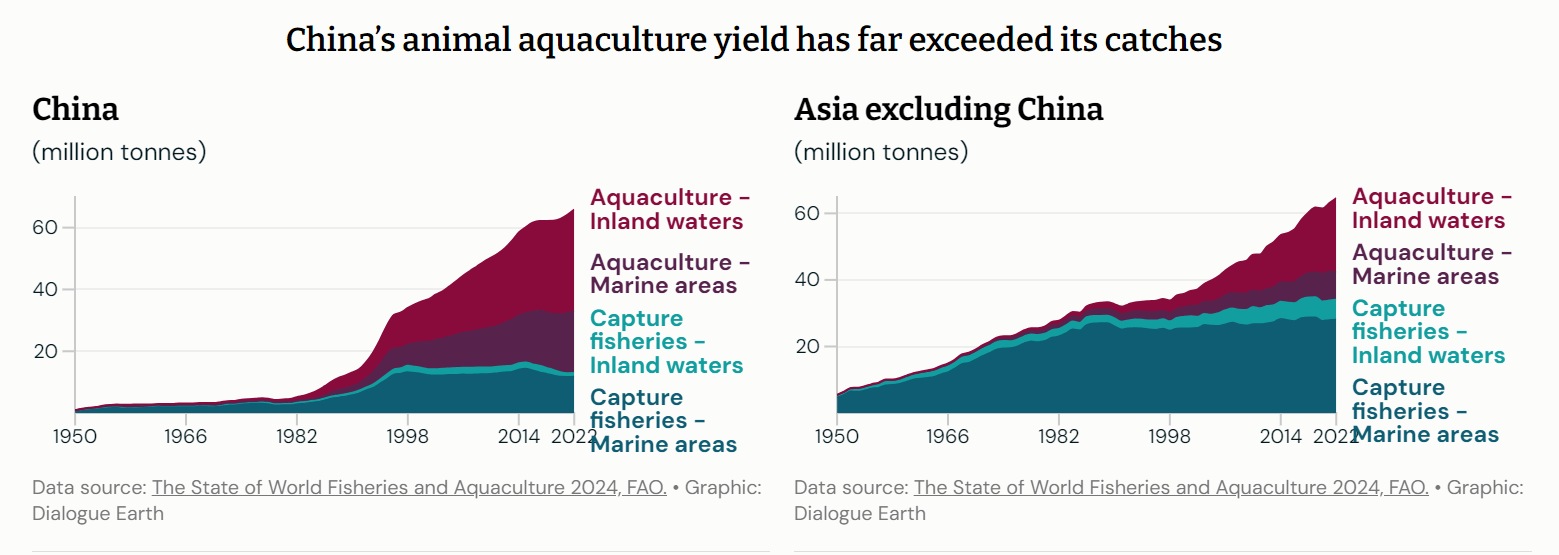
In 2022, production reached a record high, driven by a surge in animal aquaculture that exceeded wild catch for the first time, found the latest State of World Fisheries and Aquaculture report.

China has played a significant role in this transition. It has been the largest source of fish production since about 1989, for both marine wild catch and aquaculture. By 2022, China accounted for nearly 40% of global output.

But its marine catch declined from 14.4 million tonnes in 2015 to 11.8 million tonnes in 2022, a fall of nearly 18%, the FAO report noted. Meanwhile, with more than a decade of development behind it, China has become the main driver of growth in aquaculture production, not just in Asia, but globally.

Addressing coastal fish depletion through aquaculture

The dwindling fish stocks caused by decades of overfishing have pushed China to expand its aquaculture.

China has more fishing vessels than any other nation, with many operating in home waters and overexploiting coastal fishery resources. Ocean warming and acidification due to climate change pose a further threat to China’s nearshore fish populations, including those of the large yellow croaker, sea bream and sandlance.

Tackling the depletion has been at the core of China’s fisheries policy for two decades, with the focus being on reducing wild catch. In 2003, the Ministry of Agriculture and Rural Affairs issued guidelines for reducing the number and capacity of fishing vessels. The ministry subsequently introduced seasonal fishing moratoriums, which have since been extended in both duration and area covered. In 2017, coastal provinces began testing and rolling out quota systems, limiting the netting of designated fish stocks within specific zones.

Challenges for distant-water fisheries

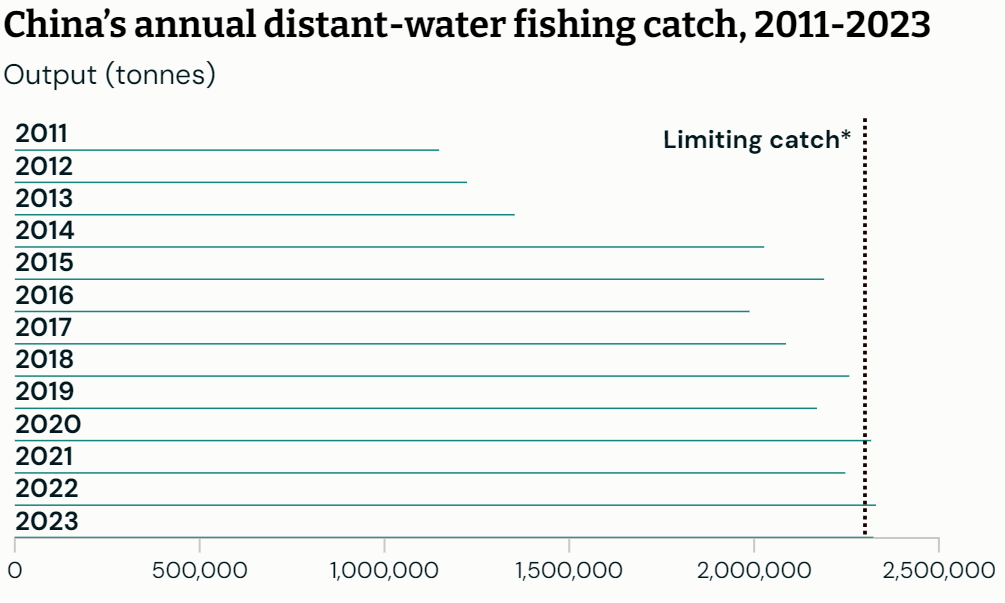
To compensate for the declining domestic catches, China has also expanded its distant-water fishing (DWF) operations since 2000. Production in 2022 was 2.33 million tonnes, up by nearly 4% year-on-year and accounting for almost 18% of national wild catch, according to the China Fishery Statistical Yearbook.

The growth of DWF is controversial internationally, leading to mounting concerns about sustainability and transparency. China’s large-scale operations in West Africa, for example, compete for local fish stocks and affect livelihoods, though other nations are also involved in this region and others.

Some of these operations’ involvement in illegal, unreported and unregulated fishing has drawn the Chinese government to respond with a blacklisting system and other tools for cracking down.

By 2016, China had nearly 2,900 DWF vessels including those under construction, with the number in operation having increased by 66% since 2010, Ministry of Agriculture and Rural Affairs data showed. By 2022, the figure had dropped to 2,551 according to China’s white paper on development of distant-water fisheries.

China has been restricting its DWF operations since 2020. The policy includes self-imposed moratoriums on fishing in international waters and limits on the number of squid boats active in certain areas.

The policy of “developing sustainable distant-water fisheries” was first introduced in the country’s 14th Five Year Plan for 2021-2025. In 2022, the government set a target of limiting DWF catch to around 2.3 million tonnes by 2025, aiming to curb the industry’s expansion and drive “high-quality development”.

With declining marine catch and constraints on distant-water fishing, China began looking to aquaculture to ensure future food security. Its aquacultural output was already four times that of capture fishing by the end of 2020, the last year of the 13th Five Year Plan. The importance of developing the sector was further asserted in the plan that followed.

China’s transition to aquaculture

China is a significant driver of aquaculture worldwide. In 2022, 83.4 million tonnes of aquatic animals were harvested in Asia, up from 77.5 million tonnes two years before. China accounted for 55.4% of this growth, adding 3.3 million tonnes of animal aquaculture between 2022 and 2020, according to the FAO.

The rapid and sometimes haphazard development of aquaculture has brought challenges, including coastal-water pollution from fish farms and uncontrolled use of fishery drugs.

Zhou Wei, head of the oceans programme at Greenpeace East Asia, told Dialogue Earth: “Farming certain carnivorous fish, shrimps and crabs requires large amounts of feed made from wild juvenile fish, which puts wild stocks under pressure. There are concerns about the sustainability of this kind of model.”

China began promoting green aquaculture technologies in 2021 to make the fish-farming industry more sustainable. The measures include controlling wastewater discharge, reducing drug use, and mixing juvenile fish with land-harvested ingredients to create “compound feed”.

In the same year, the government finalised aquaculture planning nationwide to mitigate adverse environmental impacts. As part of this planning work, local and national authorities designated certain zones for general aquaculture, others for “restricted aquaculture” with stricter environmental standards, and others where aquaculture is banned.

However, gaps remain between policy and practice. Zhou says insufficient supporting personnel and skills have held back policy implementation.

She adds there are nearly 200,000 vessels active in China’s coastal fisheries, which employ tens of millions of people. It is an enormous, complex industry with manifold regional differences.

The lack of management capacity and skilled personnel has hindered policy implementation, from expanding research and innovation, to providing alternative employment for fishers.

A major exporter, with imports on the rise

China’s fishery products contribute hugely to global food production, and it remained the world’s largest exporter of such products in 2022, according to the FAO report. Japan, the US and South Korea are its main export destinations, with cuttlefish, squid and cod making up the bulk of those exports.

But its imports have also grown significantly. The report shows that in 2022 China became a net importer of aquatic animal products by value. (In volume terms, it has been a net importer of them since the mid 1980s, with the trade deficit widening in recent years.)

Ecuador, Russia and Vietnam supplied the largest share of those imports. Shrimp, Atlantic cod, lobsters and crabs predominate but feed for livestock and feedstock for the seafood-processing sector are also imported.

The report says this reflects China’s growing demand for foreign products and the outsourced processing work it does on aquatic products from other countries.

These are precisely the trends illustrated by the China Fisheries Association in a 2021 analysis stating that the supply of aquatic products in China “will come to further rely on aquaculture and imports”.

Aquaculture will also become increasingly important globally, with the FAO expecting it to account for 54% of world output of aquatic animals by 2032 – three percentage points higher than in 2022. The transition is set to continue.

Xie Ruohan is founder of the pan-cultural Chinese podcast Anachronism. She holds a master’s degree in political communications from the University of Amsterdam, and has written on issues including climate justice and immigration for Chinese and international media.

The opinions expressed herein are the author's and not necessarily those of The Maritime Executive.


Antarctic Krill Store an Astonishing Amount of CO2 in the Deep Ocean

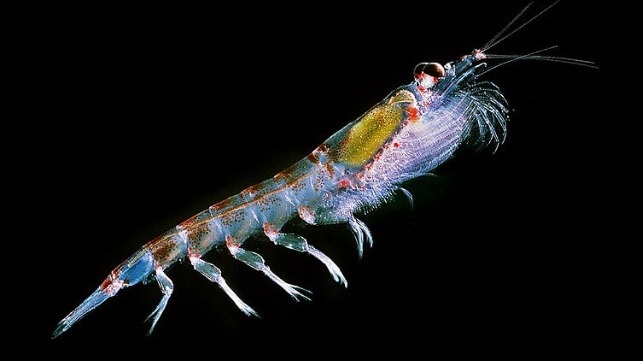
Antarctic krill
Uwe Kils / CC BY SA 3.0

Published Sep 22, 2024 3:07 PM by The Conversation


[By Angus Atkinson, Anna Belcher and Emma Cavan]

Antarctic krill – shrimp-like crustaceans that inhabit the icy waters surrounding Antarctica – may be small (around 5cm) but they have an enormous total biomass, similar to that of the global human population. However, while humans pump ever more carbon into the atmosphere, krill are working in reverse. They are nature’s heroes, helping to transport carbon out of the atmosphere and store it deep inside the ocean.

Krill are best known for the key role they play in Southern Ocean ecosystems. They are central in its unique food web, linking the energy fixed by microscopic marine plants called phytoplankton to a wide range of iconic species including penguins, seals, whales, fish and squid. Krill are also fished commercially, and this major industry is valued at around US$0.3 billion per year.

Not only are they important for the food web and fisheries, our recent study finds they store at least 20 million tonnes of carbon in the deep ocean annually, equating to US$4-46 billion depending on the price of carbon. (By converting estimates of carbon sequestration to dollar values, our study enables a better comparison with other marine environments.)

This krill-driven store in the Southern Ocean is similar in tonnage to the blue carbon stored globally within habitats such as mangroves, saltmarshes and seagrasses. But while krill are valuable in storing carbon, they are also victims of the warming climate, warranting protection alongside these other coastal ecosystems.

Marine plankton such as krill eat microscopic plants to provide the energy they need. But the carbon they don’t use (their poo and other waste products) sinks to the deep ocean, locking it up for hundreds of years.

Krill are super-efficient in this carbon storage because they are much larger than most other plankton and produce large, rapidly sinking faecal pellets. They occur in huge numbers and form dense swarms.

Combined, this causes a carbon superhighway to the deep ocean, through “rain showers” of faecal pellets which sink much faster than carbon trapped in other forms of decaying phytoplankton and debris. Though the swarming nature of krill facilitates this superhighway for carbon, it also makes it difficult to measure just how many krill there are in the Southern Ocean.

Krill act as a carbon store – this film explains how.

Krill swarms are patchy and vary from huge, densely packed “superswarms”, which can be over a kilometre in length, to small diffuse swarms less than 50 metres long. This means that most krill reside in a relatively small number of swarms, making them tricky to quantify.

In our study, we combined a large Antarctic database of krill density, estimates of the carbon in their waste products, and knowledge of how these sink and decay to calculate how much krill-driven carbon gets stored deeper in the ocean.

For the first time, we used a computer model of ocean currents to show these waste products don’t need to reach great depths to achieve storage for at least 100 years, further enhancing the carbon storage potential of krill habitats.

Together, this makes carbon storage from krill equivalent to that of coastal ecosystems featuring mangroves, salt marshes and seagrass. Known as “blue carbon” habitats, these are already valued for their biodiversity and as hotspots of carbon storage.

In contrast, animals such as krill and their ocean habitats are not regularly framed in this blue carbon context. The comparisons provided by our study emphasise the need for a new dialogue in management and conservation of the Southern Ocean. Rather than just considering krill in terms of their value to fisheries, we need to take into account the conservation potential of krill habitats, including their role in carbon storage.

Hope in the high seas

The UN’s recent High Seas Treaty, aimed at conserving biodiversity in areas beyond national jurisdiction, offers some hope for progress. It mentions the need to preserve the ability of large oceanic ecosystems to cycle and store carbon, and nowhere is this need clearer than in the Southern Ocean.

While krill may be heroes of carbon storage, they are also victims of rapid warming and ice loss as our planet warms. This warming has squeezed their suitable habitat into ever smaller areas, and while we do not fully understand the consequences of further warming, the prevailing view among scientists is that it is likely to get worse for krill. In future, they may be replaced by other carbon-storing species – but it is hard to imagine one that does it better than krill.

There could be a positive ending to this story, however. Fishery managers, scientists, conservation groups and the krill fishing industry are working increasingly effectively together. There is still a long way to go with this, but at least they are funding research that is improving management and conservation of these cherished ecosystems.

Angus Atkinson is a Professor of Marine Ecology at Plymouth Marine Laboratory.

Anna Belcher is a Catchment Biogeochemist, UK Centre for Ecology & Hydrology.

Emma Cavan is a Senior Lecturer, Department of Life Sciences, Imperial College London.

This article appears courtesy of The Conversation and may be found in its original form here

Top image: Uwe Kils / CC BY SA 3.0

The Conversation

The opinions expressed herein are the author's and not necessarily those of The Maritime Executive.


The Brazos Life-Saving Station's Heroic Rescue in the Hurricane of 1919

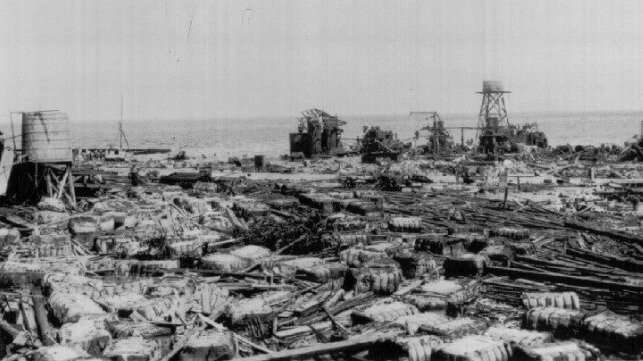
Damage from the devastating 1919 Florida Hurricane (NOAA)

Published Sep 22, 2024 5:08 PM by U.S. Coast Guard News


[By William H. Thiesen, Ph.D., Coast Guard Atlantic Area Historian]

In Texas, Coast Guard Station Number 222, also known as the Brazos Life-Saving Station (currently named the South Padre Island Station), was known for employing several distinguished Hispanic lifesavers. In 1897, surfmen Telesford Pena and Ramon Delgado became two of the first Latinos to join the United States Life-Saving Service. Over the years, Brazos men endured numerous storms and hurricanes, including the deadly Galveston Hurricane of 1900; however, none of these storms proved as memorable as the killer storm of 1919. 

Early September 1919 found Latino lifesavers Pablo Valent, Mariano Holland and Indalecio Lopez serving at the Brazos Station. Valent was born in Corpus Christi, Texas, to Spanish immigrant Antonio Valent and native Texan, Romana Dominguez Valent. In 1912, Valent joined the U.S. Life-Saving Service and would spend most of his career at the Brazos Station. By 1915, he had already advanced to Brazos Station’s Number 1 Surfman (the equivalent to a Boatswains Mate 1st Class) and recognized by his superiors as, “a very efficient man.” Two years older than Valent, Surfman Mariano Holland joined the Life-Saving Service in 1915, the same year it merged with the Revenue Cutter Service to become the modern U.S. Coast Guard. And Surfman Lopez began serving in 1919, only a few months after his discharge from the U.S. Army. He suffered from gas poisoning in World War I, an injury that would plague him until his early death in 1933. 

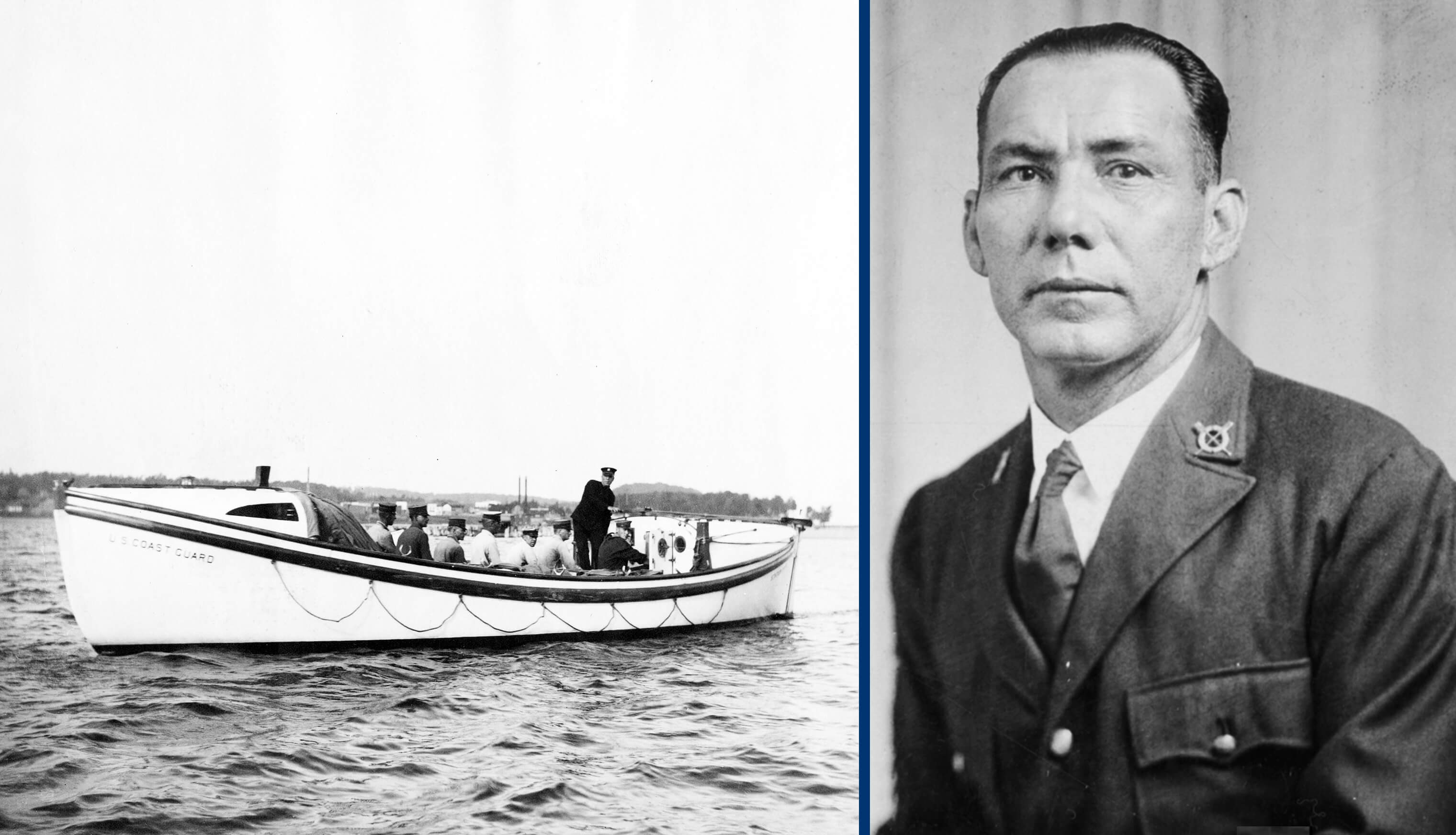
Chief Boatswain’s Mate Pablo Valent (right, USCG service portrait)

Unknown to these men, a tropical disturbance in the Lesser Antilles had spawned a storm, which began to develop into a Category 4 hurricane. The storm grazed the Florida Keys and slipped into the sheltered waters of the Gulf of Mexico. This hurricane later became known as the notorious Florida Keys Hurricane, one of the deadliest storms in U.S. history. In its path sailed numerous unsuspecting vessels, several of which were lost with all hands. 

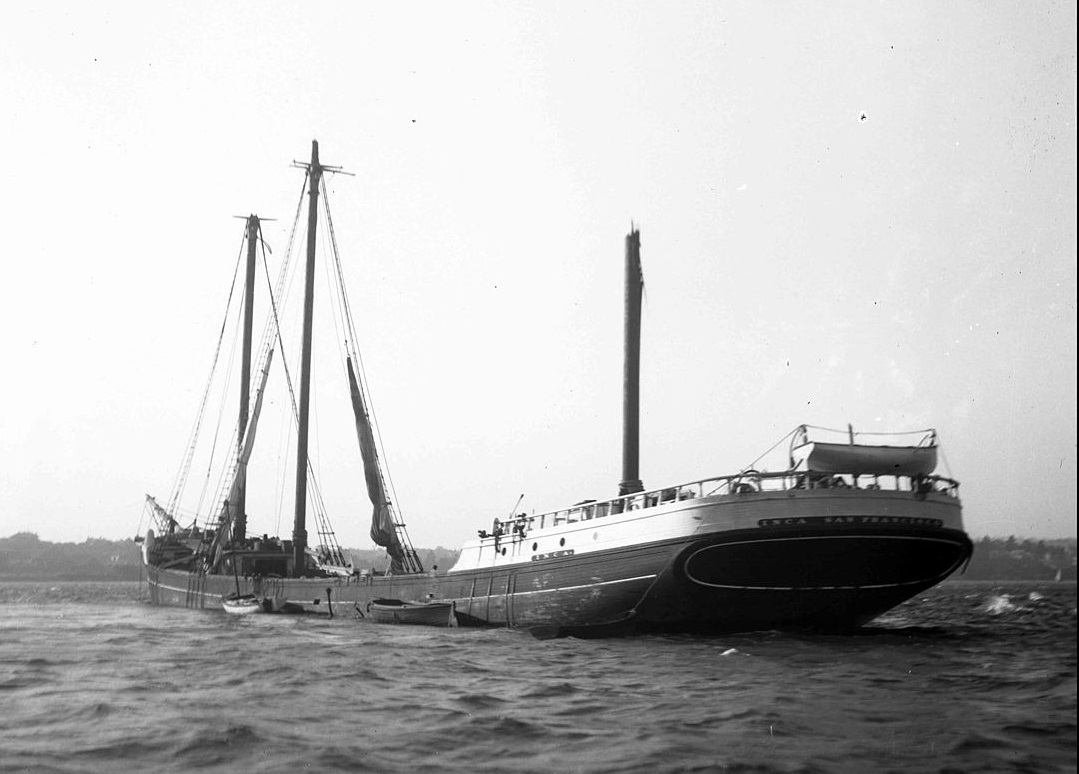
One of the ships in the storm’s path, the 77-ton schooner Cape Horn, had been fishing far out in the Gulf. The storm descended on the schooner and its crew of eight on the night of Saturday, September 13th, capsizing the vessel and flooding the hold. The crew managed to cut away the sails and rigging allowing the mastless vessel to right itself. But for the next two days and nights, some of the crew manned the bilge pumps non-stop to keep the hulk afloat while others clung to the foundering vessel as the storm pushed it toward the Texas coast. 

At daybreak on Tuesday, September 16th, the Brazos Station watchstander spotted the Cape Horn in the distant storm-tossed seas. She was lying low in the water with stumps left for masts and it was obvious that the schooner was about to sink. Station keeper Wallace Reed, Valent, Lopez, Holland, and the rest of the boatcrew knew quick action was required. They launched the surfboat in some of the worst sea conditions ever witnessed in the area. Huge waves broke as far as the eye could see and the bar they had to pass to reach the Gulf was a cauldron of cross currents, roiling seas, and angry whitewater. 

Nonetheless, the crew deployed its Type E 36-foot motor surfboat into the teeth of the storm. The Type E relied on oar power as well as a primitive internal combustion engine. Starting out in the storm-tossed surf, the craft rolled onto its beam-ends throwing the men violently from side to side. The surfboat constantly shipped seas and flew over bruising combers. Several times the surfboat jumped clear of the seas to come crashing down into the trough below. A veteran of 20 years’ service, Keeper Reed had never seen such dangerous and confused seas in his life. 

After battling the elements for two hours, Valent, Lopez, Holland, and the rest of the men managed to reach the foundering schooner. Cape Horn’s dispirited crew managed to hang-on even with heavy seas surging over the schooner’s deck. To avoid wrecking the surfboat against the submerged vessel, the Brazos crew rowed in the intervals between each breaker to accelerate the surfboat to the side of the hulk. Using this method, they snatched off the survivors one at a time, retreated before the next breaker, then returned to take off another victim. 

The lifesavers brought all eight survivors into the boat for the ride back to shore. Unfortunately, the return trip appeared more dangerous than the struggle to reach the ship. The lifeboat was overloaded with 15 men and heavy seas formed huge breakers cascading onto the beach. Turning back was not an option, because the Cape Horn had slipped below the waves shortly after the last survivor left the wreck. As the surfboat neared the shore, Keeper Reed found the surf pummeling the beach and had to choose a landing point two miles from his original embarkation point. Though crewmembers Valent, Lopez and Holland were skilled surfmen, the boat shipped seas constantly as huge waves boarded the surfboat from the stern. 

With his crew soaked and exhausted and the Cape Horn survivors clutching thwarts and gunnels for safety, the odds weighed heavily against a safe landing. Keeper Reed deployed the surfboat’s drogue, a service-issued bucket-like device made of canvas designed to work like a sea anchor. This contrivance controlled the boat’s speed as it surfed over powerful waves and helped Reed keep the boat on course for the beach. 

Disaster struck within 100-yards of land when heavy seas burst the drogue. With huge breakers curling all around and the loss of the drogue, the seas could propel the surfboat into the deadly surf, overturning the watercraft and killing or injuring those in the boat. In more than one such rescue attempt, an entire surfboat crew had been drowned. But Valent, Lopez, Holland, Keeper Reed, and the rest of the crew managed to hold the boat steady using their oars and, with the aid of the boat’s engine, powered the boat onto the top of a towering wave headed for shore. Riding on the crest of the roller, the surfboat sped toward the beach and, without any added effort by the crew, landed high and dry without spilling out any of the 15 occupants. 

The Cape Horn rescue was a complete success. In addition to saving the schooner’s eight men, the Brazos crew skillfully maneuvered their surfboat onto the beach without serious damage to the craft. In its Annual Report for 1920, the Treasury Department noted: 

The rescue of the crew of the water-logged schooner Cape Horn on September 16, 1919, by the crew of Coast Guard Station No. 222 (coast of Texas) affords an instance of wreck service in which superb surfmanship, added to dogged grit, overcame well-nigh insuperable difficulties and brought success to hazardous an effort. 

For their death-defying feat, the Brazos crew, including Valent, Lopez and Holland received a commendation from Coast Guard commandant William Reynolds, in which he wrote, “The conduct of all who embarked upon this perilous enterprise appears to have been deserving of high praise, and I take great pleasure in commending all concerned for the gallantry displayed.” In addition, the American Cross of Honor Society awarded the men the prestigious Grand Cross Medal for their act of “unusual heroism.” And, in 1921, the men received the Silver Life-Saving Medal from the Coast Guard. This was only the second time in service history that Hispanic American lifesavers had received that medal. 

The September 1919 Florida Keys Hurricane was one of the deadliest in Texas history. It came ashore as a Category 3 hurricane and caused immense property damage. In addition, between 600 and 1,000 men, women, and children lost their lives along the South Texas coast. It also heavily damaged the Brazos Station and leveled the Coast Guard Station at nearby Aransas. 

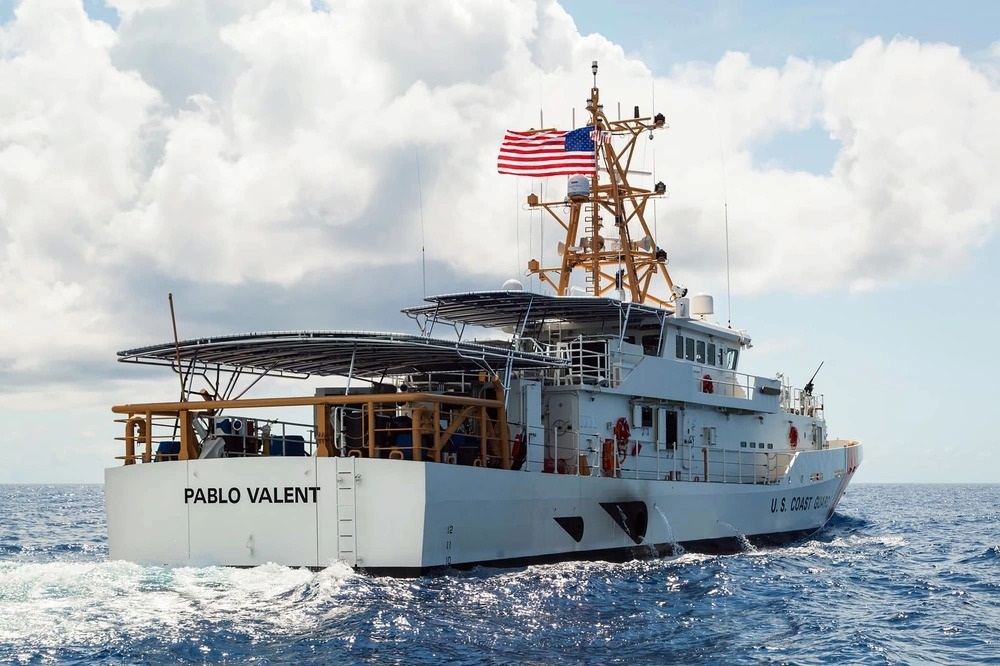
Pablo Valent went on to a successful career in the Coast Guard. In 1935, he took command of the Brazos Station (a.k.a. Port Isabel Coast Guard Station), becoming the service’s first Latino Officer-in-Charge. In 1940, Valent retired after 28 years of service in the Coast Guard and passed away in 1969 at the age of 77. In 2018, Sector Corpus Christi honored Chief Boatswain’s Mate Pablo Valent as namesake of its headquarters building, Valent Hall. And, in 2022, the service commissioned his namesake cutter, FRC Pablo Valent. 

In the finest traditions of the Coast Guard, Hispanic American hero Pablo Valent and the Brazos Station lifesaving crew demonstrated devotion to duty, going into harm’s way so that others might live. 

William H. Thiesen is the Coast Guard Atlantic Area historian. This story appears courtesy of the Long Blue Line and may be found in its original form here

The opinions expressed herein are the author's and not necessarily those of The Maritime Executive.