It’s possible that I shall make an ass of myself. But in that case one can always get out of it with a little dialectic. I have, of course, so worded my proposition as to be right either way (K.Marx, Letter to F.Engels on the Indian Mutiny)
Friday, May 15, 2026
Wreck of Fishing Vessel Nicola Faith Donated to Train Marine Investigators
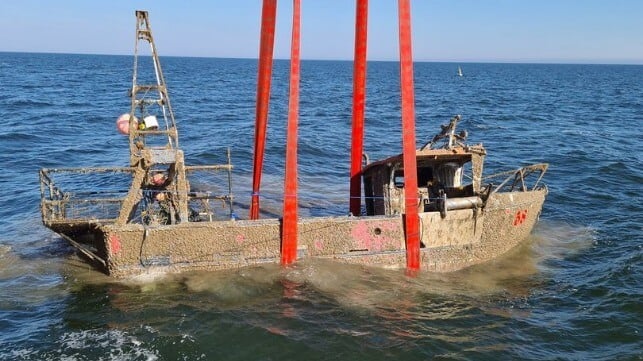
Wreck of a fishing vessel recovered in 2021 will find a new life training future investigators (MAIB)
In a rare occurrence, a fishing vessel that was the subject of intense investigations after her capsizing and sinking in the UK waters will be used to train the next generation of accident investigators. This comes after the Marine Accident Investigation Branch (MAIB) donated the wreck of Nicola Faith to Cranfield University to be used in training investigators.
In January 2021, Nicola Faith attracted unprecedented attention in the UK after she disappeared off the coast of Wales during a fishing expedition. The 9.81-meter steel-hulled vessel that had been built in 1987 had three crew members when she disappeared, all of whom died. The bodies of the three crew members, identified as Ross Ballantine, Alan Minard, and Carl McGrath, washed ashore in different locations, the first of which was discovered 44 days after the accident.
The incident involving Nicola Faith ignited one of the most intense recovery efforts and an intensive investigation into her capsizing and subsequent sinking. Just days after the disappearance on January 27, a vessel owned by Trinity House conducted a side scan sonar search for the fishing vessel around her last transmitted position. The search was unsuccessful, while further searches could still not locate the wreck.
On February 8, MAIB commissioned a survey vessel to carry out an underwater search for the wreck, covering the vessel’s usual area of operation, but still there was no success in locating the wreck. MAIB went on to commission several survey vessels that used side scan sonar to cover a widened search area and re-survey the areas previously searched. The survey operations were severely hampered by storms.
It was not until April 3 that the wreck of Nicola Faith was located 319 meters east of its last transmitted position at a depth of 15 meters, with its identity confirmed 10 days later. In late May, the fishing vessel’s wreck was recovered from the seabed and moved to a local boatyard.
The MAIB investigation found that the vessel had been extensively modified during its life, something that had significantly reduced its margin of positive stability. Originally built as a steel-hulled potter, the vessel was modified to operate as a stern trawler but later converted back for use as a potter.
Investigators were able to conclude that the vessel was habitually operated in an unsafe manner and capsized because it was loaded with catch and pots to the point of instability. They believe that it capsized suddenly with little warning. The crew was trapped on board and taken down with the vessel when it sank.
Years later, MAIB has now decided to donate the wreck of Nicola Faith to Cranfield University for use when training students in accident investigation on its fundamentals of accident investigation course. Also donated is the factual evidence gathered as part of the investigation to enable the university to create a realistic scenario of a fishing vessel capsizing. The scenario will enable trainees to apply and test their knowledge by conducting a simulated accident investigation.
“Recovering Nicola Faith enabled MAIB to conduct a detailed inspection of the vessel and a full investigation into the circumstances that led to its loss. The report made recommendations to improve safety and prevent a similar accident from occurring,” said Rob Loder, Chief Inspector of Marine Accidents.
Following her donation, the vessel will be renamed Pisces II and will replace the vessel Pisces that has been used at Cranfield for many years.
U.S. Coast Guard Finalizes Five-Ship Icebreaker Order With Davie Defense
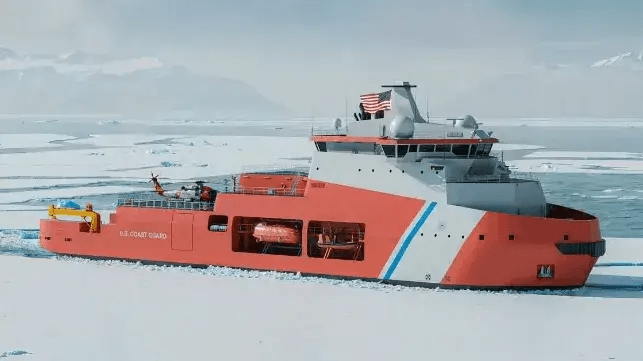
The U.S. Coast Guard has finalized its contract with UK-owned shipbuilder Davie Defense for the delivery of five Arctic Security Cutters, the new medium icebreakers that will complement the capabilities of the American-built Polar Security Cutter.
It is the first of three different Arctic Security Cutter contracts, and it builds on an initial contract with Davie announced earlier this year. The Arctic Security Cutter procurement is one program, but it is on track to order two vessel designs - much like the Coast Guard's twin-class Medium Range Cutter (WMEC) program or the Navy's twin-class Littoral Combat Ship (LCS).
"Finalizing this contract represents decisive action to guarantee American security in the Arctic," said Admiral Kevin Lunday, the commandant of the Coast Guard. "The Arctic Security Cutters will deliver the essential capability to uphold U.S. sovereignty against adversaries’ aggressive economic and military actions in the Arctic."
Davie's first hull is scheduled to deliver by 2028, within President Donald Trump's current term in office. The last of the series should deliver by early 2035. Two will be built at Helsinki Shipyard, and the other three will be constructed at the former Gulf Copper yards in Galveston and Port Arthur, where Davie says it plans to invest up to $1 billion in improvements.
The other two initial contracts went to Rauma Marine Constructions (for two hulls to be built in Finland) and Bollinger (for four hulls to be built to Rauma's design in Louisiana). Two more final contracts will be announced soon, the Coast Guard said in a statement, likely for these two yards. The overall procurement plan calls for a total of 11 vessels.
The Coast Guard is moving fast to commit to shipbuilding and infrastructure contracts. Its historic $25 billion budget boost from Trump's One Big Beautiful Bill Act will expire if unused by 2029. The service has already contracted for more than $13 billion in repair and recapitalization work.
USN’s Third and Fourth Ford Supercarriers Face Further Construction Delays
Mid-body for Enterprise was repositioned in late 2024 to permit Doris Miller to also start assembly (HII)
In a now all-too-common occurrence, the United States Navy is reportedly expecting further delays in the construction and delivery of the third and fourth carriers in the Ford class. USNI News broke the details, reporting that the Navy’s Fiscal Year 2027 budget presentation includes the schedule delays.
The third carrier of the class, named Enterprise, is now reportedly facing an additional eight-month delay, reports USNI News. Enterprise had been scheduled for delivery in March 2028 but had already seen its target date slipping. It had been moved to July 2030, and now the budget reflects the target date as March 2031.
Despite the delay, USNI writes that Enterprise would be completed in just 12 years. It points out that the second ship of the class, the carrier John F. Kennedy, will have taken about 16 years to build. Now, however, the fourth ship, the carrier Doris Miller, is likely to take 15 years, reports USNI.
Delivery of Doris Miller had been scheduled for February 2032. The new budget moves the date to February 2034, a full two-year delay.
Currently, the U.S. only has one shipyard, HII’s Newport News Shipbuilding, that builds the nuclear carriers. In late 2024, the yard had highlighted that it was gearing up to have two of the carriers in assembly at the same time. The yard completed renovations to its dry dock and then repositioned the early-stage assembly for the hull of Enterprise. They highlighted for the first time that two supercarriers would be assembled in the same dry dock at the same time.
Now, according to USNI, the yard is still preparing for the keel laying of Doris Miller. The Navy reportedly cites as an explanation “construction footprint constraints,” which USNI says are limiting the ability to build modules for CVN-81, the future Doris Miller.
In a statement to the outlet, Newport News Shipbuilding reportedly highlighted that the components for the fourth carrier continue steel fabrication and outfitting. However, they told USNI that a cascading series of delays and supply chain issues are impacting the carriers. Delays with Enterprise due to the supply chain reportedly have spilled over to Doris Miller.
All the carriers in the Ford class have faced construction delays of varying lengths. Last year, the delivery of John F. Kennedy was pushed back from August 2025 to March 2027 so that additional modifications could be completed. The carrier has now completed its first sea trials and continues to move forward on schedule.
However, the delay for CNV-79 has placed pressure on the U.S. Navy, which is mandated by the U.S. Congress to maintain an 11-ship carrier fleet. The Navy had highlighted with fanfare that USS Nimitz was completing her final deployment and heading into retirement. Nimitz, however, was given a last-minute reprieve and will continue in active status until Kennedy is ready. Nimitz is currently circumnavigating South America before taking up her final homeport in Norfolk, Virginia.
At the same time, USS Gerald R. Ford is reportedly on her way home after what will be an 11-month deployment. The carrier is anticipated to go into an extended maintenance period that could last for a year or more after the record-setting deployment.
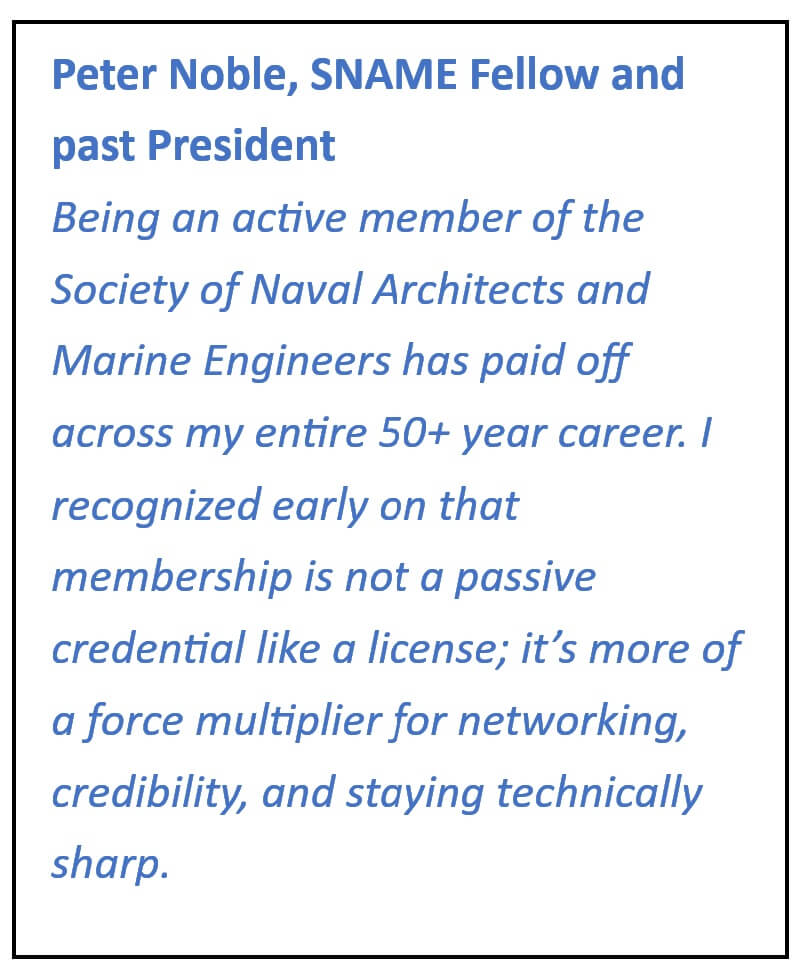
The Society of Naval Architects and Marine Engineers (SNAME) was founded in 1893 by 13 leaders from across the U.S. maritime sector. They were responding to the weakened state of American commercial and naval shipbuilding after the Civil War and created a forum to advance “practical and scientific knowledge” in shipbuilding, marine engineering, and allied professions.
Headquartered in Alexandria, Virginia, SNAME is an independent, nonprofit professional society for naval architects, marine and ocean engineers, and related specialists. Its community includes more than 4,000 members in 69 countries organized into 20 professional sections in five regions: International, Atlantic North, Atlantic South, Central & Gulf, and Pacific. Its membership is broad enough to be globally relevant, but it is its local focus that provides the unparallelled networking and learning opportunities.
SNAME is largely member-funded, with limited sponsorship from companies and government agencies. This independence helps create a noncompetitive space where industry, government, and academia can compare notes, test ideas, and document what works through committees, panels, and publications. The benefits ripple outward to shipyards, engineering firms, equipment makers, owners and operators, ports, and public agencies that rely on better designs and better technical decisions.
In 2026, SNAME’s agenda reads like a roadmap of the modern maritime industrial base: machine learning, robotics, additive manufacturing, digital twins, alternative fuels and power, ice strengthening, port interfaces, dual-use technologies, and secure supply chains. As policymakers press for a U.S. maritime resurgence through public and private investment, naval architects and marine engineers will be central—integrating emerging technologies into producible ships and systems that stay safe, reliable, and sustainable over decades at sea.
SNAME Alignment with U.S. Maritime Industrial Base Aspirations
A closer look at today’s maritime industrial base proposals makes one point clear: many of the hardest problems are engineering problems—and they map directly to the expertise inside SNAME’s membership and technical committees.
Proposals to establish a national maritime policy advisor and a maritime security board will only succeed if they are informed by technical reality. Designers and engineers, including many SNAME members, should help assess feasibility, set practical innovation priorities, and shape standards. A high-level policy mechanism should be able to draw on SNAME committees as a dependable source of real-world expertise.
Long-term, predictable funding for shipbuilding and maritime R&D is essential because ship design and engineering are multi-year endeavors. Stable demand strengthens the professional base—naval architecture, marine engineering, and detailed design—and SNAME supports those professionals through training, technical exchange, and forums that keep practice aligned with the state of the art.
R&D leadership has long been foundational to SNAME. Many members have built reputations as world-renowned subject-matter leaders through committee work, research, and publishing. Any transformation of the U.S. maritime industrial base will need that kind of organized, readily available technical leadership.
SNAME members also bridge the gap between commercial and military shipbuilding—an advantage as policymakers emphasize ships that are commercially efficient yet militarily useful. Designing for dual requirements adds complexity in hull form, propulsion, survivability, and lifecycle support; specialized naval architecture many SNAME members practice.
Talent development proposals—professional hubs, workforce pipelines, and knowledge transfer—align with long-running SNAME activities. University programs at maritime schools train future naval architects and marine engineers, and SNAME’s 49 student sections and engagement in continuing education and professional licensure place the Society at the center of recruiting and development.
As the U.S. maritime sector looks outward for proven practices, SNAME can make global knowledge transfer practical by facilitating professional exchanges that connect members and students with leading design and production approaches worldwide.
SNAME Technical and Research Program
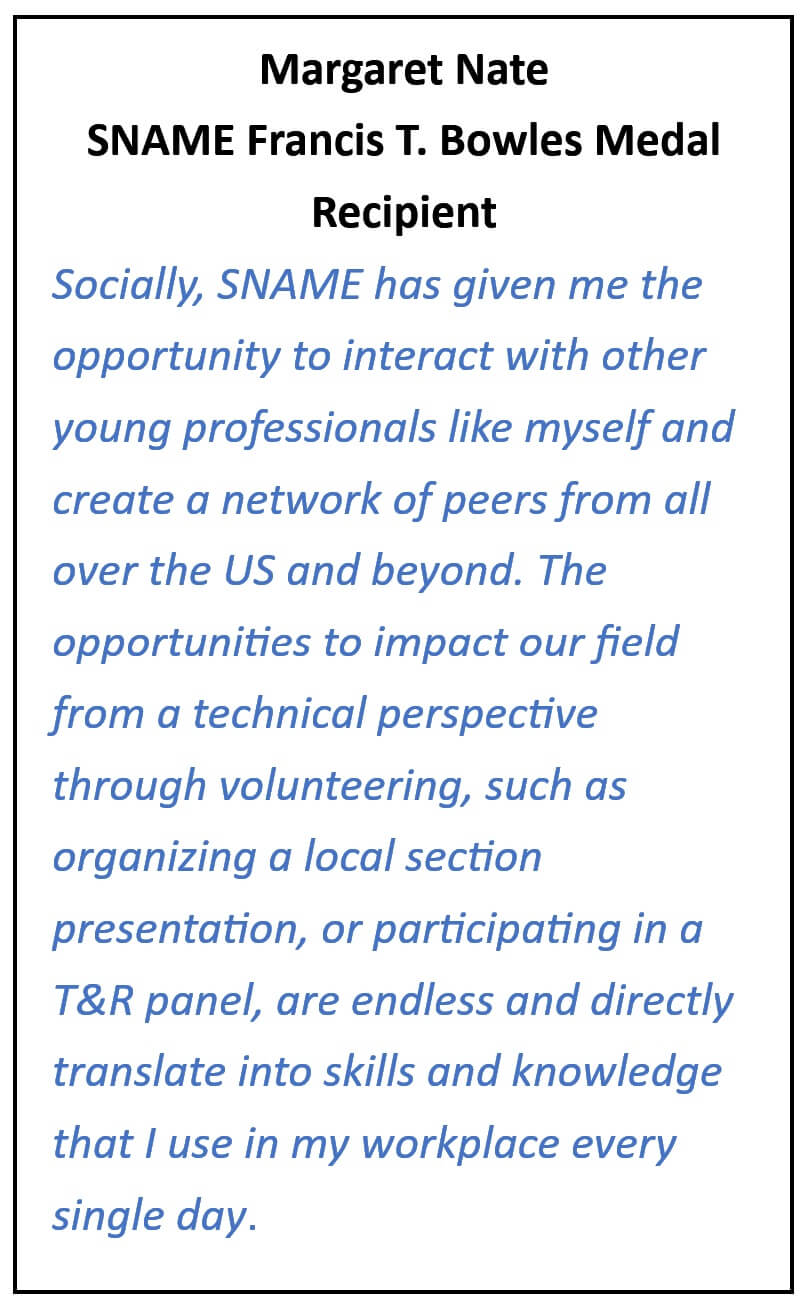
SNAME recently restructured its Technical and Research (T&R) program to reflect new priorities, including themes highlighted in the Maritime Action Plan (MAP). One central question was: what types of vessels does it make sense to build in the United States? Two areas drew particular attention—maritime nuclear power and autonomous marine vehicles.
The T&R program now includes a Maritime Nuclear Power Committee (panels on nuclear-powered ships and floating nuclear power plants) and a new panel on Autonomous Marine Vehicles.
Ship Design
Less flashy—but just as consequential—is work on schedule and cost realism as projects move from concept to Front End Engineering Design, Final Investment Decision, and detailed design. Programs stumble when requirements and engineering maturity aren’t de-risked early; late changes then cascade into disputes, overruns, and delays. SNAME’s cross-sector experience, including lessons from offshore and energy projects, helps teams set achievable assumptions and share practices that improve execution.
Ship Production
SNAME’s Ship Production Committee, working with the National Shipbuilding Research Program (NSRP), is leaning into modular construction, digitalization, and AI—while keeping focus on the fundamentals that determine whether yards can scale: workforce development and productivity. Modularization and distributed fabrication can also broaden the supplier base, supporting the MPZ concept by spreading skilled work across a region.
Together, these efforts position SNAME as a practical partner for rebuilding capacity: convening experts, translating lessons across sectors, and turning ambitious policy goals into designs, standards, and production methods that can be executed and sustained over a ship’s full life.
Maritime Prosperity Zones
The Maritime Action Plan proposes Maritime Prosperity Zones (MPZs) to link supply chains, workforce development, and financing to support new shipbuilding activity. Offshore floating wind is one example of a steel-intensive market where SNAME’s Offshore T&R Committee is positioned to contribute as projects scale.
Sharing Knowledge
A maritime resurgence will be built on shared knowledge as much as steel. That’s where SNAME’s publishing and convening roles matter: trusted technical content, peer review, and forums that let practitioners challenge assumptions and carry proven ideas back to yards, design teams, and fleets.
SNAME shares knowledge through several flagship channels, including:
- T&R Bulletins (guidelines, standards, white papers) produced by technical committees and panels
- Marine Technology magazine and peer-reviewed journals
- Books and reference texts (including Principles of Naval Architecture)
- Regional conferences, symposia, and the annual SNAME Maritime Convention (this year October 28-30th in Houston).
About the Authors
James Watson is a retired U.S. Coast Guard Rear Admiral and an independent maritime consultant. He is a co-author of Zero Point Four and a founding member of Maritime Accelerator for Resilience (MAR). He previously served as SVP at ABS Global Government Services and held senior safety and prevention-policy roles at the U.S. Department of the Interior and the U.S. Coast Guard. He is a proud SNAME member.
Elizabeth Bouchard is the Executive Director of SNAME. Prior this, Elizabeth served as SVP, Regulatory Administration for International Registries, Inc. and as Deputy Commissioner of Maritime Affairs for the Republic of the Marshall Islands Maritime Administrator. Her background is in maritime regulation and policy. She has served as a consultant for energy and shipping companies and as an advocate for the maritime industry in government.
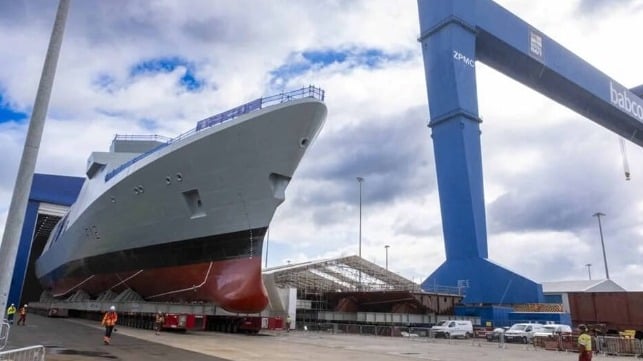
On Wednesday, British defense shipbuilder Babcock told its investors that it would be taking a steep charge due to rework on the first two hulls in the Type 31 frigate class. The Type 31 is a much-needed replacement for the Royal Navy's aging Type 23, and Babcock said that the extra effort is interfering with productivity.
In a regulatory filing, Babcock said that it is experiencing higher than planned amounts of rework, and at a later stage of construction completion - when such work is more costly and complex to carry out. The excess rework is design-related, the company said, and affects only the first two hulls in the series. Vessels three and four are still in the early stages of construction, and are not affected by late-breaking design modifications.
Babcock said that the rework is impeding its efforts to raise yard productivity on the program - and since the contract contains fixed-price elements, the added costs from the extra work will affect its bottom line. The firm says that it will cost about $190 million over time, including extra labor, materials, and provisions for additional program risk. An engineering maturity review is under way.
The affected ships, HMS Venturer and HMS Active, have already been launched and are undergoing outfitting. The UK's national shipbuilding strategy of 2017 envisioned a 2023 in-service date for the first hull; this was later pushed to 2027. Timely delivery is essential, as the service's previous Type 23 frigates are in deteriorating condition and are rapidly aging out of service - just when their capability is needed most to deter an increasingly active Russian Navy.
The design change Babcock cited on Wednesday may relate to the confirmed selection of the Mk41 VLS cell system, the ubiquitous American design for launch of air defense interceptors and cruise missiles, according to British defense media. Several VLS options were proposed earlier in development, but in 2023, then-First Sea Lord Ben Key confirmed that a 32-cell Mk41 package would be aboard the Type 31.
The Mk41 units may be a "fitted-for-but-not-with" capability at the time of delivery of the first hulls, earlier reporting indicates. The ships are built to carry the cell modules, but the modules themselves might be installed during future maintenance availabilities, the service told Naval Technology in 2024 - thereby prioritizing the vessel delivery timeline.
IMO Maritime Safety Committee Convenes in London to Discuss Safety and Security
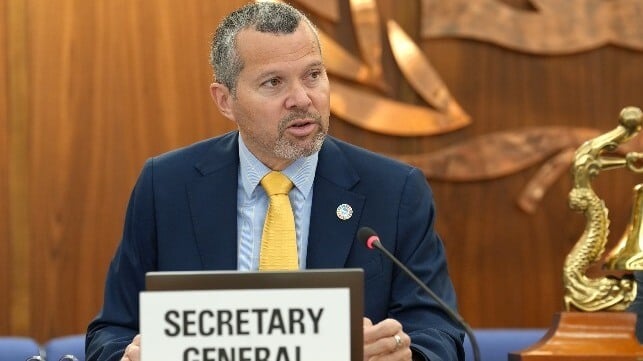
International Maritime Organization Secretary-General, Arsenio Dominguez
IMO Secretary-General Arsenio Dominguez opened the 111th session of the Maritime Safety Committee of the International Maritime Organization today, which brings together IMO's 176 Member States to discuss issues related to the safety and security of international shipping.
Key items on the agenda (18 to 22 May) include the adoption of the first non-mandatory Code to regulate autonomous ships, enhancing maritime security, updates on piracy and armed robbery against ships, and efforts to develop a a safety regulatory framework for alternative fuels.
The Committee will also discuss the impacts on shipping and seafarers of the situation in the Arabian Sea, the Sea of Oman and the Gulf region, particularly in and around the Strait of Hormuz.
Opening the session, Secretary-General Dominguez highlighted the ongoing challenges in the Strait of Hormuz, including 38 verified attacks on international shipping, 11 seafarer fatalities with around 20,000 still effectively stranded. IMO has developed an evacuation plan for vessels and seafarers, to be implemented once it is safe to do so.
"These seafarers are facing sustained security threats and severe psychological pressure. This is an unacceptable situation for a civilian workforce.... The longer this situation persists, the greater the risk of a serious maritime incident," he said.
The meeting runs from 18 May to 22 May.
Browse photo galleries of the MSC 111 opening + press event
Download a recording of the press Q&A with IMO Secretary-General
Download b-roll
Read Secretary-General's full opening statement
IMO incidents page Strait of Hormuz
The products and services herein described in this press release are not endorsed by The Maritime Executive.
In a blow for green shipping, the e-fuel maker Liquid Wind AB has entered bankruptcy administration and will be sold off, raising questions about the future of its methanol plant project pipeline. The industry already faces a supply shortage, and it is as-yet unclear where adequate quantities of e-fuels will come from in order to power shipping's green transition.
Liquid Wind is a specialist in e-methanol, an energy storage process that takes renewable energy and uses it to create a physical commodity - a liquid fuel, suitable for running an internal combustion engine. It is particularly suitable for hard-to-abate industries like shipping, where high energy density and long endurance between refueling stops are fundamental requirements.
The process requires a source of CO2; if the CO2 is derived from biomass combustion, the resulting product is fossil-free and net carbon-neutral. Liquid Wind has six different combined heat and power projects in its sights, each offering a plentiful stream of biogenic CO2 which could be captured and turned into methanol (using plenty of electricity, clean water and a bit of chemistry). It had hoped to have 10 projects under way by 2030, each producing about 100,000 tonnes of green methanol annually; given the low gravimetric energy density of methanol, the output of each plant would be enough to run one ULCV container ship for roughly 125-250 days of steaming, depending upon speed.
On Monday, Liquid Wind was declared bankrupt, and its management was handed to a court-appointed trustee. The entirety of the business is up for sale, including its Finnish and Swedish subsidiaries. The firm did not provide further details.
The bankruptcy comes despite many notable successes - partnerships with major industrial brands like Alfa Laval and Siemens Energy, a successful $44 million equity raise, project sponsorship from the Swedish Energy Agency, and financing from big names like Samsung Ventures and Uniper.
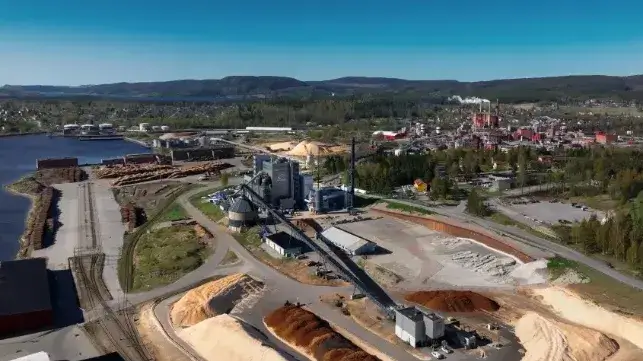
Just days before the announcement, Liquid Wind had submitted its environmental permit application for a project at a combined heat and power plant at Ornskoldsvik. The new e-methanol facility was designed to take biogenic CO2 from a biomass-fueled powerplant on the waterfront, output e-methanol, and provide district heating to nearby buildings using the waste heat from the process. The fuel for the powerplant comes mostly from forest industry waste products, and the electricity would come from nearby renewable-energy projects.
"With strong local collaboration and integration with Ovik Energi’s CHP plant, we can deliver locally produced volumes of sustainable eMethanol—especially in sectors where alternatives are still limited and reliance on imported fossil fuels remains high," said founder and then-chief executive Claes Fredriksson on May 5.
Hapag-Lloyd Calls Q1 "Unsatisfactory" While Warning of Uncertainty
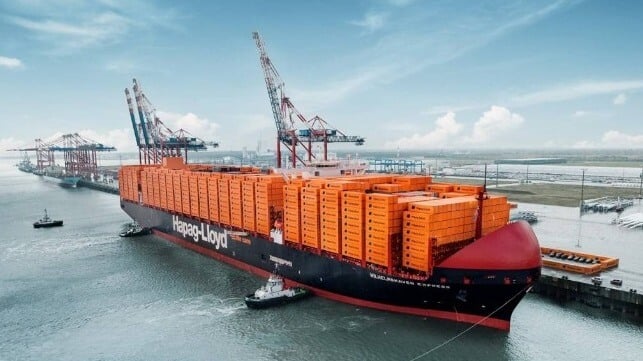
Hapag-Lloyd points to considerable uncertainty and highly volatile markets based on freight rates and the conflict in the Middle East (HL)
Hapag-Lloyd was the latest carrier to report dramatically lower first quarter financial results. Reporting that the company swung to a financial loss for the quarter, management called the quarter’s performance "unsatisfactory" but maintained its financial outlook for the full year.
The world’s fifth-largest container carrier, which is poised to leap forward with the pending acquisition of Zim, said the near-term outlook remains subject to “considerable uncertainty due to highly volatile development of freight rates and the conflict in the Middle East.” While sounding cautious over the challenging, volatile market environment, management told investors the second quarter of 2026 was seeing some improvements. It said the company was experiencing stronger cargo volumes and "healthy" forward booking trends.
“The first quarter of 2026 was unsatisfactory for us, with weather-related supply chain disruptions and pressure on freight rates leading to significantly lower results,” said Rolf Habben Jansen, CEO of Hapag-Lloyd. He cited a nearly one percent decline in volumes while reporting the average freight rate fell 9.5 percent on weaker demand.
The company also pointed to operational disruptions during the first quarter. It said bad weather conditions in Europe and North America had caused disruptions in terminal operations and supply chain issues. Like all of the carriers, it also experienced issues with geopolitical issues and specifically the blockade of the Strait of Hormuz. In late April, the company said it still had four vessels stuck in the Persian Gulf. One ship, however, was able to make the transit during one of the lulls in the fighting. One other ship had come off charter while waiting in the Persian Gulf.
Hapag reported an 18 percent decline in first quarter revenues to $4.8 billion for its shipping segment and $4.92 billion for the group. The company also swung to financial losses on both an EBITDA and group profit level, reporting that overall profit went from $469 million in Q1 last year to a loss of $256 million this year.
Volumes, however, remained stable during the quarter at approximately 3.2 million TEU, which the company noted was largely on par with the year ago. Further, Jansen said the Gemini network (partnership with Maersk) had proven its resilience even under difficult conditions, helping the company to maintain a reliable service offering. The financial results were also helped by the weaker U.S. dollar, which contributed to a reported six percent decline in costs. Costs would have increased 4.6 percent if adjusted for currency.
While a smaller portion of the overall group, Hapag’s terminal operations helped to offset the pressures in ocean shipping. Revenues from its terminals were up for the quarter, in part due to the first incorporation of its acquisition of India’s JM Baxi into the results. Hapag also said it had strong volumes in both Latin America and India.
While Jansen expects the markets will continue to be highly volatile, he said Hapag was moving forward on its strategy while also maintaining rigorous cost controls.
Hapag maintained its financial forecast, which projects group EBIT in the range of a loss of $1.5 billion to a profit of $500 million for the full year.
CMA CGM Pledges $800 Million Funding to Kenya’s Mombasa Port
Mombasa, Kenya looks to expand its port capabilities with the CMA CGM investment (KPA)
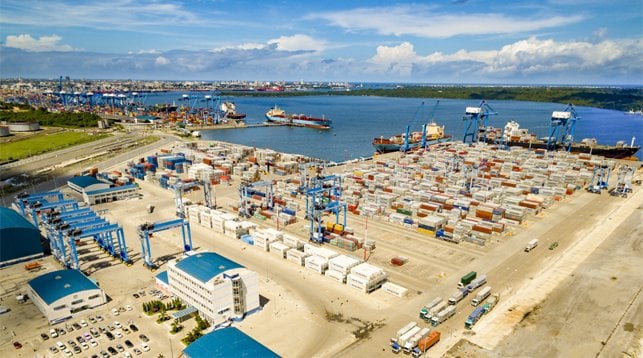
CMA CGM has announced an investment of $800 million in Kenya’s Mombasa Port. The deal was signed on the sidelines of the Africa Forward Summit in Nairobi early this week, co-hosted by France with President Emmanuel Macron in attendance.
The investment will go into upgrading two Mombasa Container Terminals at a time when the Kenyan port is seeing increased cargo flows. Last year, Mombasa Port handled 2.11 million TEUs, recording a growth of 5.5 percent from the previous year.
With these record cargo levels, Mombasa port is said to be operating at almost its full capacity. This has prompted the Kenyan government to introduce some reforms, including transitioning the port into a landlord model. In April, the National Treasury said that it had opened up several Kenya Ports Authority (KPA) assets to private investors. These include Mombasa Port Container Terminal II (berths 20-22) and Mombasa Port Container Terminal (berths 23-224).
The CMA CGM investment is likely happening under this arrangement, as the company has pledged to reinforce its logistics and maritime capacities in East and Central Africa. Mombasa Port is a trade gateway for East Africa’s landlocked countries, including Rwanda, Uganda, and South Sudan.
While Mombasa Port attracted the French deal, Kenya’s greenfield port of Lamu also celebrated an operational milestone this week. The port received MV Baltimore Express, the largest containership to ever dock at any port in East and Central Africa. The Post-Panamax vessel, measuring 369 meters in length, arrived from Oman’s Salalah port. The vessel is operated by the German shipping line Hapag-Lloyd. The vessel is at the port to restow some of the dangerous cargo onboard. In 2025, Lamu’s cargo volume rose by over 900 percent, from 74,380 tons in 2024 to 799,161 tons last year. The growth can be partly attributed to the port’s rising transshipment role.
CMA CGM added that its funding for Mombasa port development follows its recent opening of an African regional office in Abidjan, Côte d'Ivoire. In the past few years, CMA CGM has become heavily involved in port upgrades on the African continent. In Nigeria, for instance, the company is part of the 100 percent electric barge project at the Lekki Deep Sea Port. In Egypt and Morocco, the company has also invested in container terminal infrastructure.
A startup confronts water shortages by pulling it out of the air
The large metallic white box sits in a Southern California parking lot, looking unremarkable until water starts flowing from a hose attached to it. Peer inside, though, and it’s nearly empty but for some wires, tubes and a container of light-colored material.
The water isn’t being conjured out of thin air by magic but by MOFs— metallic organic frameworks. MOFs are nanocrystalline structures engineered at an atomic level to attract specific molecules. In this case that’s H2O and the machine made by startup Atoco is silently harvesting molecules from the surrounding air and storing them in the material’s porous cavities that serve as microscopic water tanks.
Atoco founder Omar Yaghi shared the 2025 Nobel Prize in chemistry for pioneering MOFs and on an April morning he gave Bloomberg News an exclusive demonstration of the commercial prototype of its atmospheric water harvesterin the lot outside the company’s Orange County laboratory.
In the wake of the Iran war, interest in the technology has risen as the giant desalination plants that supply water to tens of millions of people in the Middle East have become military targets. “There’s a new realization of the vulnerability and security risk of centralized water systems,” said Samer Taha, Atoco’s chief executive officer, who is based in Irvine, California.
Set to go into production later this year,the shipping container-sized machine will produce up to 4,000 liters (1,057 gallons) of water daily and can be installed at data centers, hospitals and other critical infrastructure. An off-the-grid model that operates on ambient sunlight and produces less water can be deployed to communities where water must now be trucked in.
“This becomes absolutely essential in alleviating the problems we are facing on our planet in terms of water scarcity,” said Yaghi, 61, a University of California at Berkeley chemistry professor who started Atoco in 2021.
Climate change is only intensifying those risks as drought and heat waves dry up rivers and reservoirs, with half the global population experiencing water shortages, according to the United Nations. In the US, Colorado River flows that supply water to 40 million people are declining dramatically amid record-low snowpack. Communities across the country are battling artificial intelligence data centers that threaten to drain already depleted aquifers while nearly a million Californians lack access to safe drinking water largely due to agricultural pollution. Some 500,000 people in Corpus Christi, Texas, face running out of water next year from a lack of rain.
“You’re going to see more Corpus Christis around the world,” said Wendy Jepson, who researches water security at Texas A&M University, adding that crumbling infrastructure and poor policy decisions are exacerbating the water crisis.
Those cities have few options to acquire water. One is to build plants to desalinate seawater, a multibillion-dollar, years-long undertaking that requires enormous amounts of electricity and harms marine life.
“You have societies and economies that are highly dependent on desalination with few backups and alternatives,” said David Michel, a senior associate for water security at the Center for Strategic and International Studies. He said atmospheric water harvesting is unlikely to replace desalination in the near term but “seems very well placed to extend the water supply.”
Atoco’s technology, which can operate in arid climates, promises the advent of a new decentralized water source, just as solar panels and batteries have allowed homeowners and businesses to tap the sun and insulate themselves from an increasingly unreliable power grid.
For instance, in Ethiopia, where many residents have sporadic access to water, an off-the-grid Atoco atmospheric harvester could supply about eight households in a village. It would take around a dozen of the machines to service a water-efficient data center in California.
Yaghi, the son of Palestinian refugees, grew up in Jordan in a one-room dwelling shared with nine siblings and the family’s cows. The house had no electricity or running water and his task as a child was to fill as many containers as he could find when the government delivered water to his village every week or two.
“We want everyone on our planet to have water independence where you’re in control of your own water,” said Yaghi. “We’re showing this today to show the power of being able to harness an infinite resource of water that is the air.”
The unassuming appearance of the water harvester prototype belies its mind-bending physics. Largely constructed of common elements such as carbon, nitrogen, hydrogen, copper and aluminum, an ounce of MOF material can contain the surface area of a soccer field. (Imagine crumpling up a sheet of paper. It’s now a fraction of its original size but contains the same surface area within the folds.)
After the MOFs invisibly gather H2O, the harvester rumbles to life to apply heat to the material to dislodge the molecules. A condenser converts the water vapor into liquid, which starts pouring from a slender tube. Yaghi fills a glass for Taha and then grinning, drinks from the hose before handing a glass to Gray Davis, Atoco’s legal advisor and a former California governor.
There’s so much water in the atmosphere – more than all the world’s lakes and rivers – that’s constantly being replenished that harvesting H2O wouldn’t disrupt that cycle, according to Atoco.
Atoco expects to make and sell 200 harvesters in 2027.The company isn’t taking orders yet, but it said it has more expressions of interest in purchasing the machines than current production capacity. Samer said the company has been testing the machine with partners around the world, including in the desert southwest of the US. Atoco hasn’t disclosed pricing though it notes the production model will be capable of supplying water for a few cents a liter, which is more expensive than desalinated water.
But since the MOFs only attract H2O molecules, the water is free of PFAS, microplastics and other contaminants often found in the water supply. Atoco and competitor AirJoule Technologies are targeting data centers and semiconductor plants, which need pure water for cooling and manufacturing but often seek to operate in water-stressed communities.
“They’re under all kinds of pressure for water,” said AirJoule Chief Executive Officer Matt Jore, whose company expects to begin production later this year of a MOF-based atmospheric water harvester that can produce 2,000 liters a day. He said the company, a joint venture with GE Vernova, is testing its technology in the Middle East and has seen a spike in interest from the region since the Iran war.
In the US, atmospheric water harvesting could help alleviate water strains from the AI boom, according to Jepson, the Texas A&M professor. “If this kind of technology can be integrated into data centers, you’re offloading the pressure on water systems for people, which potentially is a really huge gain,” she said.
(By Todd Woody)
COAL
Sandvik Ground Support inks deal to establish local US manufacturing joint venture
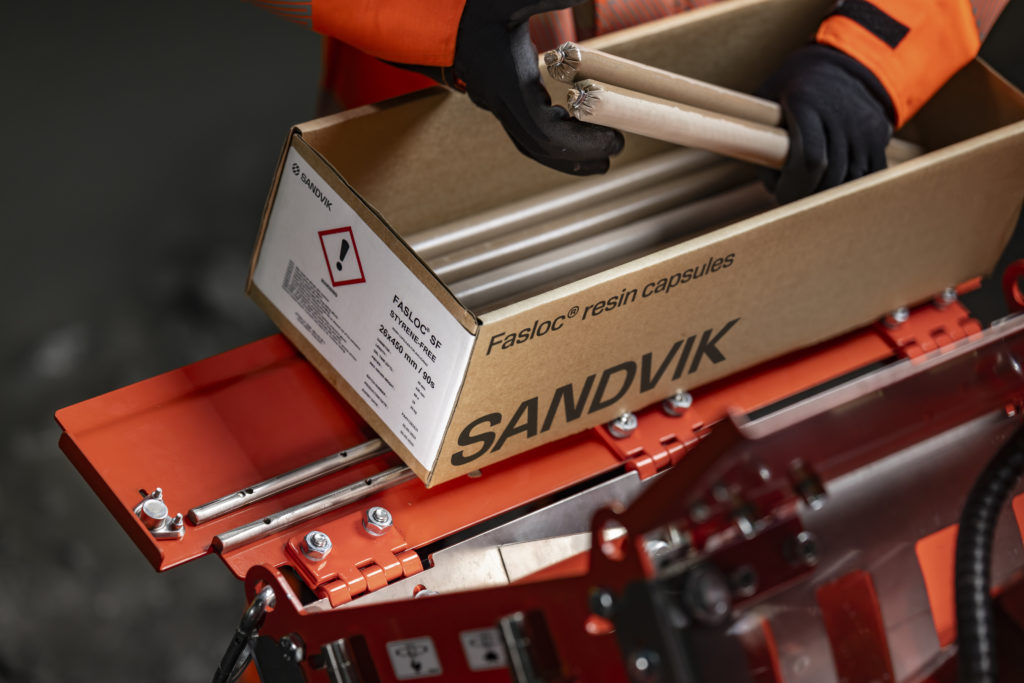
Sandvik has signed an agreement to form a joint venture with Alpha Metallurgical Resources (NYSE: AMR) through which it will establish local manufacturing for its ground support business in the US market.
In addition to the joint venture, in which Sandvik will hold a 51% stake and Alpha 49%, the setup also includes a long-term exclusive supply agreement with Alpha.
“Re-entering the US ground support market with a local manufacturing presence is strategically important, and this initiative will allow our ground support business to strengthen customer relationships, shorten lead times and build a scalable platform for long-term growth in North America,” said Mats Eriksson, president of Sandvik Mining.
“Creating this joint venture with Sandvik is a step in securing our supply chain by manufacturing more of our mining materials here in Central Appalachia,” said Andy Eidson, chief executive officer of Alpha Metallurgical Resources. “We are excited about the expected benefit to Alpha and, more broadly, to West Virginia.”
Production is planned at a new 100,000-square-foot facility in West Virginia, primarily focused on rock bolt and resin capsule manufacturing, but with potential to expand the product offering over time.
In addition to the long-term supply agreement with Alpha, the joint venture will also support sales to third-party customers.
Alpha is a leading US-based producer of high-quality metallurgical coal, which is a critical component in traditional steel production. With a portfolio of mining operations primarily located in Central Appalachia, Alpha serves a global customer base across North America, Europe, South America and Asia.

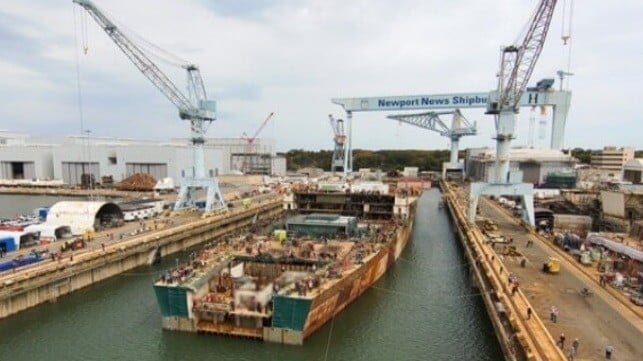
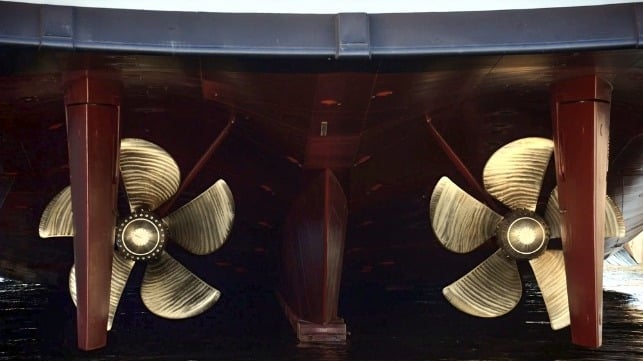
 SNAME members also bridge the gap between commercial and military shipbuilding—an advantage as policymakers emphasize ships that are commercially efficient yet militarily useful. Designing for dual requirements adds complexity in hull form, propulsion, survivability, and lifecycle support; specialized naval architecture many SNAME members practice.
 Ship Production
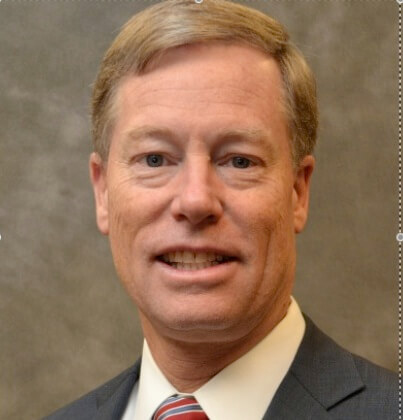 James Watson is a retired U.S. Coast Guard Rear Admiral and an independent maritime consultant. He is a co-author of Zero Point Four and a founding member of Maritime Accelerator for Resilience (MAR). He previously served as SVP at ABS Global Government Services and held senior safety and prevention-policy roles at the U.S. Department of the Interior and the U.S. Coast Guard. He is a proud SNAME member.
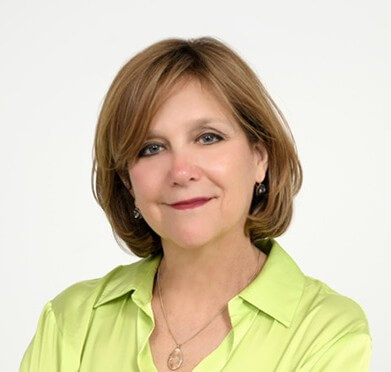 Elizabeth Bouchard is the Executive Director of SNAME. Prior this, Elizabeth served as SVP, Regulatory Administration for International Registries, Inc. and as Deputy Commissioner of Maritime Affairs for the Republic of the Marshall Islands Maritime Administrator. Her background is in maritime regulation and policy. She has served as a consultant for energy and shipping companies and as an advocate for the maritime industry in government.