Tuesday, May 19, 2026

Cities struggle to keep pace as war and climate define urban futures, WUF13 delegates warn


 By Jane Witherspoon & Toby Gregory and Euronews Baku bureau

Published on


Delegates at the World Urban Forum in Baku warned on day three that war and climate change are affecting cities faster than governments can respond, urging a shift away from standardised housing models.

War and climate change are reshaping cities faster than governments can rebuild them, delegates at the World Urban Forum in Azerbaijan's capital warned on Wednesday, as a Ukrainian official said his region alone had restored nearly 30,000 damaged or destroyed structures since Russia launched its full-scale invasion.

"When it comes to the Kyiv region, we have been leading the way in reconstruction," Mykola Kalashnik, head of the Kyiv Regional Administration, told Euronews in Baku.

"Thanks to our president, government, parliament, and international partners, we have managed to rebuild 80% of them. The total number of restored facilities now stands at 24,000."

Kalashnik said Azerbaijan had become a direct partner in that effort. "Azerbaijan is helping us rebuild the Kyiv region. Two projects have already been completed: a school in Irpin, as well as a hospital and a shelter, because our area is dangerous and we need safe underground spaces, which our partners helped us build."

Azerbaijan, with SOCAR among the partners, is involved in delivering a further four projects, he said, including a multi-unit residential building, an arts centre, a sports school for children and youth, and a social infrastructure project.

The cooperation extended beyond construction. Irpin, one of the most heavily damaged cities in the Kyiv region, has established a partnership with Lachin in Azerbaijan's Karabakh region — itself rebuilt after years of conflict. Kalashnik said 100 children from the Kyiv region would attend a health retreat in Azerbaijan this summer.

Climate change was the other dominant theme of the day. Dr Moges Tadesse, chief resilience officer for Addis Ababa, told Euronews the consequences for African cities were already severe.

"Climate change is a global challenge, but it doesn't affect only housing. It affects the economy, it affects also the human life, and it is very disastrous," he told Euronews, calling for greater international investment to help vulnerable countries absorb costs generated largely by wealthier nations.

“I think the global community should invest a lot in order to mitigate the impact of the climate change,” he said.

The demographic pressure arriving alongside the climate crisis is considerable, experts say.

Economist Jeffrey Sachs, president of the Sustainable Development Solutions Network, warned delegates that "Africa will not be rural in 25 years."

Sub-Saharan Africa's urban population is forecast to double within a quarter-century, adding roughly 1 billion people to cities that are already struggling — a shift that will require massive investment in housing and jobs.

In Latin America, meanwhile, the dynamic is moving in the opposite direction: around 20% of households now consist of a single person, a figure that is changing the needs into a demand for smaller, more affordable urban units.

Saudi philanthropist Princess Lamia bint Majid Al Saud pushed back against uniform global housing models. "We don't have a one size fits all, because whatever suits in Saudi Arabia, it doesn't suit in India, it doesn't suit in Europe, it doesn't suit in America," she told Euronews, stating that cities needed to design communities around their own contexts rather than importing solutions developed elsewhere.

The European Union's own housing crisis drew sharp commentary from Matthew Robert Baldwin, the European Commission's deputy director-general leading its Affordable Housing Task Force. He noted that an estimated 20% of housing units across the 27-member bloc sit vacant while short-term rentals surge. "In all these overheated housing markets? That's a scandal," he said.

Baldwin said public investment alone would not be sufficient to address the shortfall.

"All the public money in the world would never be enough. We need to find a clever way to crowd in private finance, that patient and responsible capital not looking for a fast buck, to support affordable housing for everybody," he explained.

The task force has proposed an eight-point plan for improving affordable housing across the bloc.

He struck an optimistic note on the broader global picture, however. "There are many different arrows in our quiver, and for the first time, we've got housing as a priority issue," he said. "Let's take the bull by the horns and challenge it."

The discussions were organised around the launch of UN-Habitat's latest World Cities report, which found that nearly 3 billion people worldwide are affected by inadequate housing, unaffordable costs or lack of access to basic services, while more than 1.1 billion continue to live in slums and informal settlements.

The report said housing prices were rising faster than incomes across many regions, compounded by climate-related displacement and growing inequality.

"Housing problems in cities will increase even more by 2050," said Ben Arimah, head of UN-Habitat's Global Reports and Trends Unit. "Only 25% of the world's population can use mortgages to secure housing. This shows that the financial capacity of the majority of people is insufficient."

The forum continues in Baku through 22 May.

PlayStation Plus price hikes spark backlash from gamers as Sony raises subscription

Generic image of PlayStation controllers
Copyright Unsplash

By Quirino Mealha
Published on

Sony is increasing the price of PlayStation Plus memberships in several markets. The decision has prompted criticism from players who argue that subscription gaming is becoming increasingly expensive.

Sony announced another rise in PlayStation Plus subscription prices on Monday, triggering frustration among users and renewing the debate over the cost of gaming services.

The increase comes only weeks after the company raised prices for the PlayStation 5 console in Europe and other international markets, citing inflation and changing economic conditions.

Under the revised pricing, a one-month PlayStation Plus Essential subscription in the US will rise to $10.99, while the same tier will cost €9.99 in Europe and £7.99 in the UK.

Three-month subscriptions are also increasing in price across those regions. According to Sony, the changes are intended to reflect "global market conditions" and will take effect from 20 May for new subscribers in affected countries.

PlayStation announcing price hikes

Existing members in many regions will retain current prices unless they cancel or alter their plans.

However, according to reports from local media and gaming outlets, users in countries including India and Turkey may see changes applied to ongoing subscriptions as well.

Sony executives have previously indicated that more users are migrating towards premium subscription options, a trend that analysts say gives the company greater room to adjust pricing without significantly harming revenues.

Gamers question value for money

The announcement has generated strong criticism online, with many players accusing Sony of steadily increasing prices while offering limited additional benefits.

Gaming forums and social media platforms were flooded with complaints shortly after the revised fees were revealed.

Some users argued that paying for online multiplayer access should no longer be the standard industry practice, particularly as digital game prices have also climbed in recent years.

Others questioned whether the monthly game selections and catalogue updates justify higher subscription costs.

The backlash illustrates growing tension between gaming companies seeking more stable recurring income and consumers facing rising entertainment expenses.

Subscription models have become increasingly important across the sector, mirroring trends already established in video streaming and music services.

Sony has not announced additional PlayStation Plus changes beyond the current increase. However, analysts expect subscription pricing across the gaming industry to remain under scrutiny as companies attempt to balance profitability with player retention.


Exclusive: Poland’s hydrogen buses confront prohibitive fuel costs, new report claims

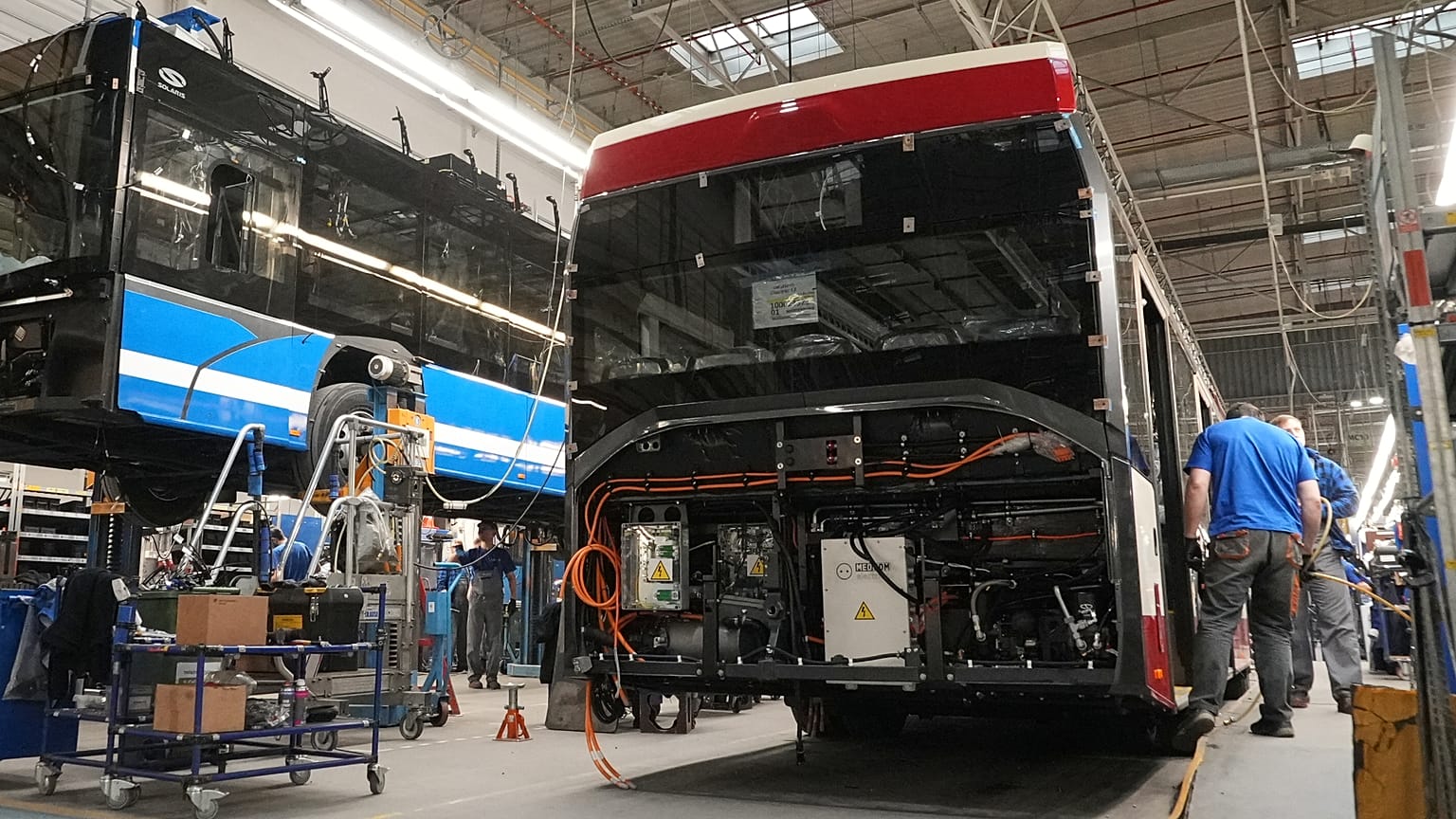
Workers prepare electric buses at the Solaris bus factory in Poznan, Poland, Thursday, Jan. 29, 2026.
Copyright AP Photo / Pietro De Cristofaro


By Marta Pacheco
Published on

The new report argues that despite massive investment in hydrogen-powered buses in Poland, electric buses are less costly and less polluting due to Warsaw's reliance on non-renewable hydrogen. In contrast, Germany emerges as a success story for hydrogen buses.

Poland’s ambitious push to build a hydrogen-powered public transport system is faltering, with several buses halted by soaring fuel costs and fragile infrastructure, according to a new report by the NGO Central and Eastern Europe Bankwatch Network.

Polish municipalities embraced hydrogen buses largely because subsidy schemes covered up to 100% of vehicle purchase costs, while electric buses typically received only 60–80% support, according to the report. But once hydrogen buses entered service, operators discovered the fuel was dramatically more expensive than electricity.

The analysis argues that hydrogen buses were promoted as a shortcut to green transport, backed by generous EU and state funding, but many municipalities are now retreating toward battery-electric alternatives after confronting prohibitive fuel costs and the lack of refueling stations.

Cities like Rybnik reported that hydrogen fleets were more than three times as costly as diesel and four times as costly as hybrids. In Rzeszów, fuel costs over 15 years were projected to exceed the purchase price of the buses themselves, the CEE Bankwatch Network report states.

By the end of April, Poland had 247 hydrogen buses in total, either deployed or contracted by municipalities. 140 buses are already in service, while 107 have been contracted but not yet deployed.

Despite high hydrogen ambitions, Poland had only nine hydrogen refueling stations by the end of 2025 against the 32 envisaged by the government's 2021 hydrogen strategy. In comparison, the country boasts more than 12,500 electric charging stations by early 2026.

Questioning 'zero-emission' buses

Under EU rules to make public buses cleaner and less polluting, every EU country must ensure that some of the buses they buy for public transport use cleaner energy rather than traditional diesel.

This means that when cities or transport authorities purchase new buses, a certain number must run on cleaner technologies such as electric batteries or hydrogen, or use lower-carbon fuels like biofuels.

EU officials touted hydrogen as a flagship technology capable of decarbonising transport while supporting a domestic hydrogen economy. But the technology’s high fuel costs, limited renewable hydrogen supply and immature infrastructure exposed deep structural weaknesses, at least in Poland.

The report also raises concerns about whether buses powered by non-renewable hydrogen should count as "green" public transportation, given that over 97% of the fuel is produced from fossil gas. The NGO argues that hydrogen buses are labeled “zero-emission” only because they emit no tailpipe exhaust, while ignoring emissions associated with their fossil fuel generation.

"Polish hydrogen buses were widely presented as clean and zero-emission, but in practice the fuel was mostly fossil-derived and even the limited electrolytic hydrogen did not meet strict EU renewable standards," reads the study, referring to Poland's use of biomass-generated electricity, which the report argues that it does not qualify as "green energy".

Battery-electric buses, by contrast, advanced rapidly in range, charging infrastructure and economics during the same period, the report argues.

Poland’s electricity sector is rapidly shifting from coal to renewables like wind and solar. According to the energy think tank Ember, renewables generate about 30% of electricity, though coal still accounts for roughly half of the country's electricity production.

Cities including Wrocław, Płock and Żory revised procurement plans after concluding electric vehicles offered lower risk and lower costs, the report claims. Kraków also scaled back its hydrogen ambitions due to uncertainty over fuel supply and infrastructure.

Polish automakers Solaris Bus & Coach and NesoBus have deployed numerous hydrogen and electric vehicles in cities such as Poznań, Konin, Lublin and Wałbrzych.

Dodgy funding

Despite the challenges, the Polish government received on 23 April a new batch of EU funds amounting to €7.2 billion, of which €500 million is intended to unlock hydrogen investments, particularly to boost private sector growth in renewable and low-carbon hydrogen production, according to the European Commission.

With EU grants, Warsaw is considering deploying more than 1,000 electric or hydrogen buses and trolleybuses to accelerate the shift to clean public transport. Questions remain whether the government will prioritise electric or hydrogen buses.

The Polish government didn't respond in time to a request for publication from Euronews.

The CEE Bankwatch Network claims projects involving the procurement of hydrogen buses or the development of hydrogen refuelling stations have received more than €120.7 million in non-repayable grants and nearly €6.08 million in loans, backing the deployment of 163 buses and two stations.

On top of that, 73 fuel-cell electric buses and one refueling station were funded through projects that also included battery-electric buses, charging infrastructure and other investments, which the NGO claims make it impossible to determine the precise share of funding allocated specifically to hydrogen-related components.

"Hundreds of millions of euros from EU public funds spent to artificially create demand for hydrogen in Polish public transport could and should have been used to deploy real, try-and-tested solutions which already offer benefits to local communities and the climate," said the report's author, Diana Maciaga.

Germany's successful hydrogen story

Contrary to Poland, Germany emerges as a hydrogen success story, currently operating over 600 hydrogen-powered public transport buses. The country will soon receive an additional 19 hydrogen buses, after the Polish Solaris Bus & Coach won a tender on 4 May.

Solaris has delivered over 800 hydrogen buses serving passengers in dozens of cities across Europe, with Germany leading the market. France, Italy, the United Kingdom and the Netherlands have also deployed a considerable number of hydrogen buses over the past years.

Laurent Donceel, director for transport, sustainability, and industrial policy at the trade body Hydrogen Europe, said that Poland's early-stage struggles to secure a clean hydrogen supply are "completely normal" given that the country is just getting started in a nascent industry.

The industry group recognises Poland as the "leading EU country in fuel bus production" adding that the potential of all clean-tech transport solutions should be explored, given Warsaw's crucial role in road transport for the country's economy.

"With proper incentives and regulatory support at the EU and national level, it will not take much time for it to catch up to countries like Germany. It's also worth noting that with Poland's current coal-heavy energy mix, clean hydrogen remains the best decarbonisation option," Donceel told Euronews.


EU’s fertiliser rescue plan aims to prevent another farm uprising


By Marta Pacheco
Published on

With fertiliser prices soaring due to the volatility of global markets, the European Commission is attempting to calm struggling farmers ahead of key political talks on the European Union's agricultural budget for the next seven years.

The European Commission is presenting on Tuesday a fertiliser plan aimed at preventing another farm uprising ahead of key negotiations on the bloc's agricultural budget as the ongoing conflict in the Middle East sends fertiliser prices soaring.

After the rural unrest that has shaken capitals from Belgium to France and Germany over the past two years, Brussels appears increasingly worried that sharply rising energy and fertiliser costs could trigger a renewed backlash against the EU’s climate agenda.

EU officials are particularly wary that high fertiliser prices could reduce crop yields, diminish food production and deepen resentment toward green policies at a time when far-right and populist parties are making gains in rural areas across the EU.

In the EU's draft fertiliser plan, which Euronews obtained and which may change slightly before its official presentation, farmers are set to benefit from emergency EU agriculture funds and advance payments under the condition that they switch to more sustainable practices like cutting synthetic fertiliser use and embracing bio-based fertilisers.

While no new funds for farmers are expected in the Commission's plan, it proposes short-term actions to "improve access" to affordable fertilisers, which implies a reshuffling of EU agricultural funds under the Common Agricultural Policy (CAP).

Talking about the fertiliser plan, Christophe Hansen, European Commissioner for Agriculture, recently said that €200 million remains in the CAP's crisis reserve and expressed intentions to "at least double this amount" to support farmers.

A senior Commission official told reporters on Monday that the Commission will provide targeted "exceptional support" to the most affected farmers and more money will be mobilised under the EU budget "to reinforce agriculture research". However, the amount is still under discussion.

Environmentalists have previously said the EU's CAP proposal under the 2027-2034 budget was "highly problematic" and failed to boost funding for protecting and restoring nature and agroecosystems.

"Without dedicated funding for nature or agro-ecosystems, how do they expect to create real change for a sector already suffering the consequences of the climate, nature, and pollution crisis?” read a joint statement from four Brussels-based environmental NGOs.

Working to a deadline

The EU has an annual agricultural crisis reserve of at least €450 million to help farmers cope with market disturbances, animal diseases and extreme weather events. The CAP fund is currently split into two parts, a large one to support active farmers and a smaller one for rural villages.

But the Commission proposed dismantling the traditional farming budget in the next seven-year budget and merging it into a single, larger fund worth €6.3 billion over seven years – a proposal that farmers have resisted.

The industry group Copa Cogeca said the Commission proposal for CAP funding under the next multi-annual budget was "unacceptable", calling for alternatives that respect the nature of the CAP, maintaining it as a "stand-alone policy with two pillars, a secure and independent budget and inflation-proof funding".

EU leaders have set a strict deadline of late 2026 to agree on the exact total amount of cash available under the CAP for the seven-year budget.

A matter of urgency

The Commission's plan also looks at boosting domestic production of fertilisers, which remains 10-15% below where it stood before Russia's full-scale invasion of Ukraine and the resulting surge in gas prices.

The bloc's fertiliser dependency became especially visible during the 2022 energy crisis, when several fertiliser plants scaled back or temporarily shut down production because of unprofitable operating conditions.

With global markets now facing havoc thanks to the closure of the Strait of Hormuz, the Commission said that domestic EU production has also been "highly impacted" by energy prices, particularly when it comes to nitrogen fertilisers, where prices are now 70% above the 2024 average.

Commissioner Hansen regretted the current lack of domestic fertiliser production recognising the bloc's current limitations.

"There are farmers who have to pay to get rid of their farm litter because they're limited in their use of nitrates and nitrogen on their soil," the Luxembourgish Commissioner said. "I think that if the crisis continues, we should also, possibly, review the limits that are currently in place."

Nicoló Giacomuzzi-Moore, executive director at the Commission-backed Circular Bio-Base Europe Joint Undertaking, said that bio-based fertilisers could replace a substantial share of synthetic nutrients, pointing out that studies indicate that substituting just 20-40% of synthetic fertiliser use could significantly reduce costs during price spikes while bringing environmental benefits.

However, even if the industry is seeking recognition to boost market demand, bio-based solutions for farmers are more costly than traditional fertilisers.

Giacomuzzi-Moore warned that Europe is not alone in this race, with third countries "investing massively" and ready to compete ultimately to bring prices down.

“We are certainly among the best in research and innovation," he said. "Now we must become the best at ensuring a reliable path to market and we have to do it urgently."


Iran sets up Hormuz transit authority to charge ships for passage

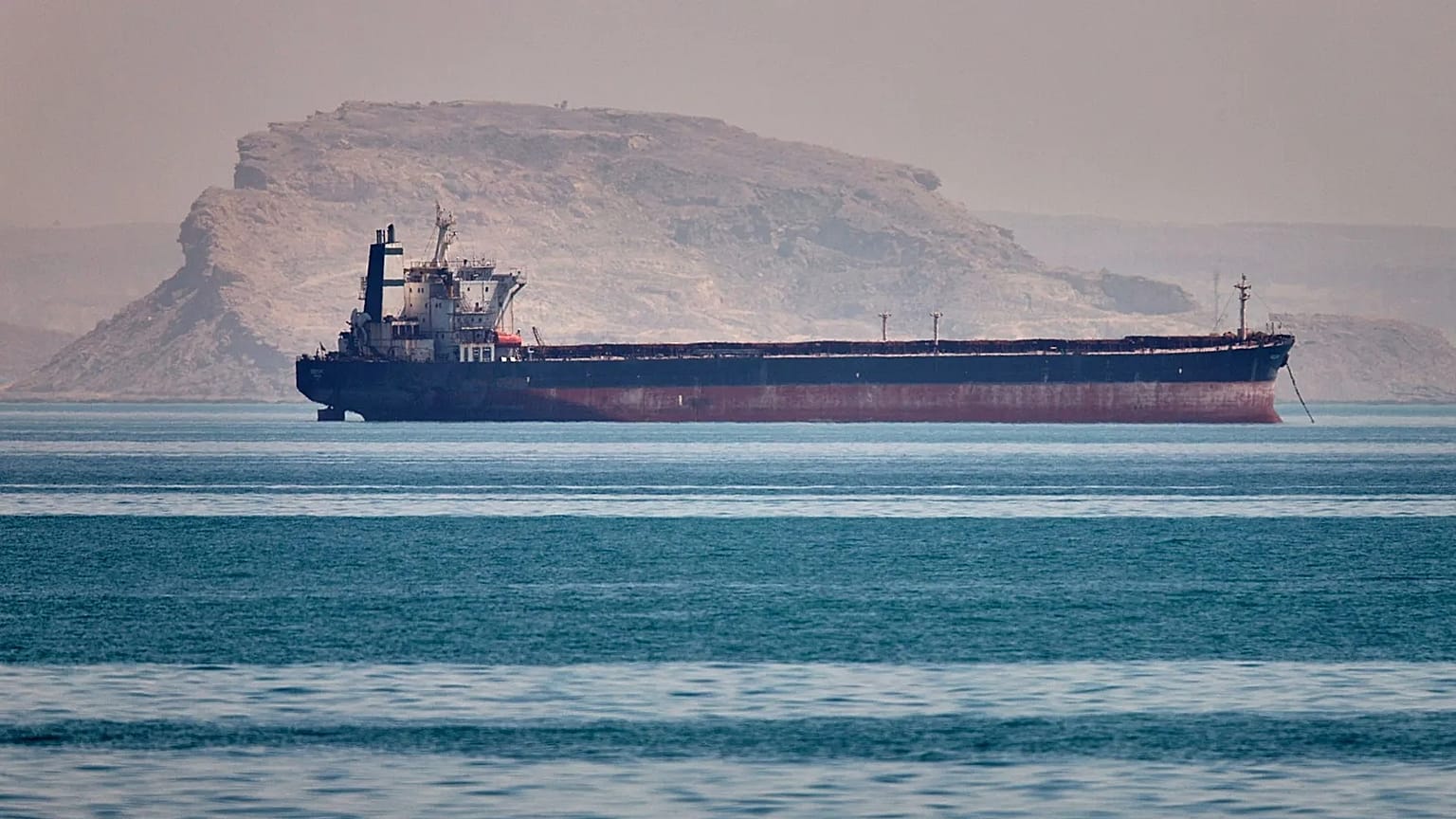
FILE: A bulk cargo ship sits at anchor in the Strait of Hormuz off Bandar Abbas, 2 May 2026
Copyright AP Photo

By Babak Kamiar
Published on

Tehran has launched a formal body to manage and charge ships for transit through the Strait of Hormuz in a highly-contested move as tankers pile up in the waterway and peace talks remain deadlocked.

Iran's Supreme National Security Council announced on Monday the launch of an official X account for the Persian Gulf Strait Authority, the body Tehran says will manage ship transits through the Strait of Hormuz and collect passage fees — formalising a system that has reportedly already been in place since March.

Vessels wanting to transit the strait must apply via the PGSA's official email address, submitting ownership details, insurance, crew manifests, cargo declarations and intended routing.

A transit permit is issued only after the authority approves the submission and a fee is paid. No official tariff has been published. Reports indicate some vessels have already paid up to $2 million (**€**1.7m) per transit, with payment made in Chinese yuan.

The authority functions as an administrative interface with the IRGC Navy, which physically controls transits through the waterway. The IRGC is designated a foreign terrorist organisation by the US and the EU, among others.

The announcement followed weeks of confusion and danger for the ships in the strait. After Tehran said in March it would charge for safe passage, fraudulent operators began offering unofficial transit paperwork in exchange for cryptocurrency payments.

The PGSA appears designed to replace that grey market with a single official channel.

Ebrahim Azizi, chairman of Iran's parliamentary National Security and Foreign Policy Committee, said in a televised interview that Tehran had prepared a mechanism to manage Hormuz traffic through a designated maritime route and that further details would be announced shortly.

He wrote on X that only commercial vessels cooperating with Iran would benefit from the mechanism and that charges would apply.

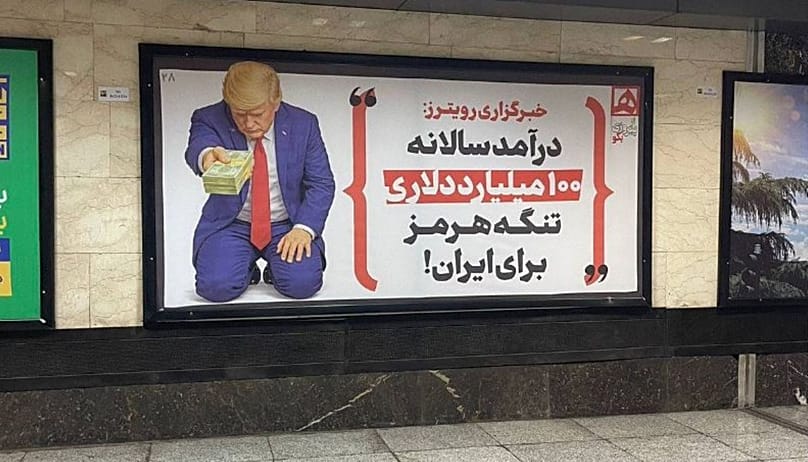
New billboards in Tehran's metro system claim Iran could generate up to $100 billion annually from Strait of Hormuz revenues.

The figure has circulated in Iranian media alongside proposals to monetise data cables running through the waterway.

A billboard displayed in Tehran’s metro depicts Trump kneeling while handing money to Iran.
A billboard displayed in Tehran’s metro depicts Trump kneeling while handing money to Iran. social media

Under UNCLOS — the UN Convention on the Law of the Sea — the Strait of Hormuz falls under the transit passage principle, which protects the uninterrupted flow of international shipping. Iran signed but never ratified the convention.

The US, Gulf states and European countries have all rejected the legality of Iran's fee regime. Regional countries, their European allies and the US have repeatedly stated that free navigation through the strait must be maintained without additional charges or restrictions.

The waterway, around 35 kilometres wide at its narrowest point, carried roughly one-fifth of the world's seaborne oil and liquefied natural gas before Iran effectively closed it to commercial shipping when the war began on 28 February. The US Navy imposed its own blockade of Iranian ports on 13 April.

US outlets reported that the number of oil tankers gathered around Kharg Island — Iran's main crude export terminal — had reached its highest level since the US naval blockade began, suggesting mounting pressure to move stranded oil exports.

Iran's Tasnim news agency reported on Monday that US oil sanctions could be suspended at least during negotiations, while reiterating Tehran's demand for their full removal.

Pakistani media outlets separately claimed that Islamabad had conveyed a revised Iranian proposal to Washington, with Pakistan's Prime Minister Shehbaz Sharif expressing optimism about the resumption of talks.

"When we presented the 14-point plan, the American side raised its considerations, and we in turn presented our own considerations as well," Iranian Foreign Ministry spokesman Esmail Baghaei said of the US proposal.


‘Ukraine is paying the highest price to return home to European values,' Oleksandra Matviichuk says

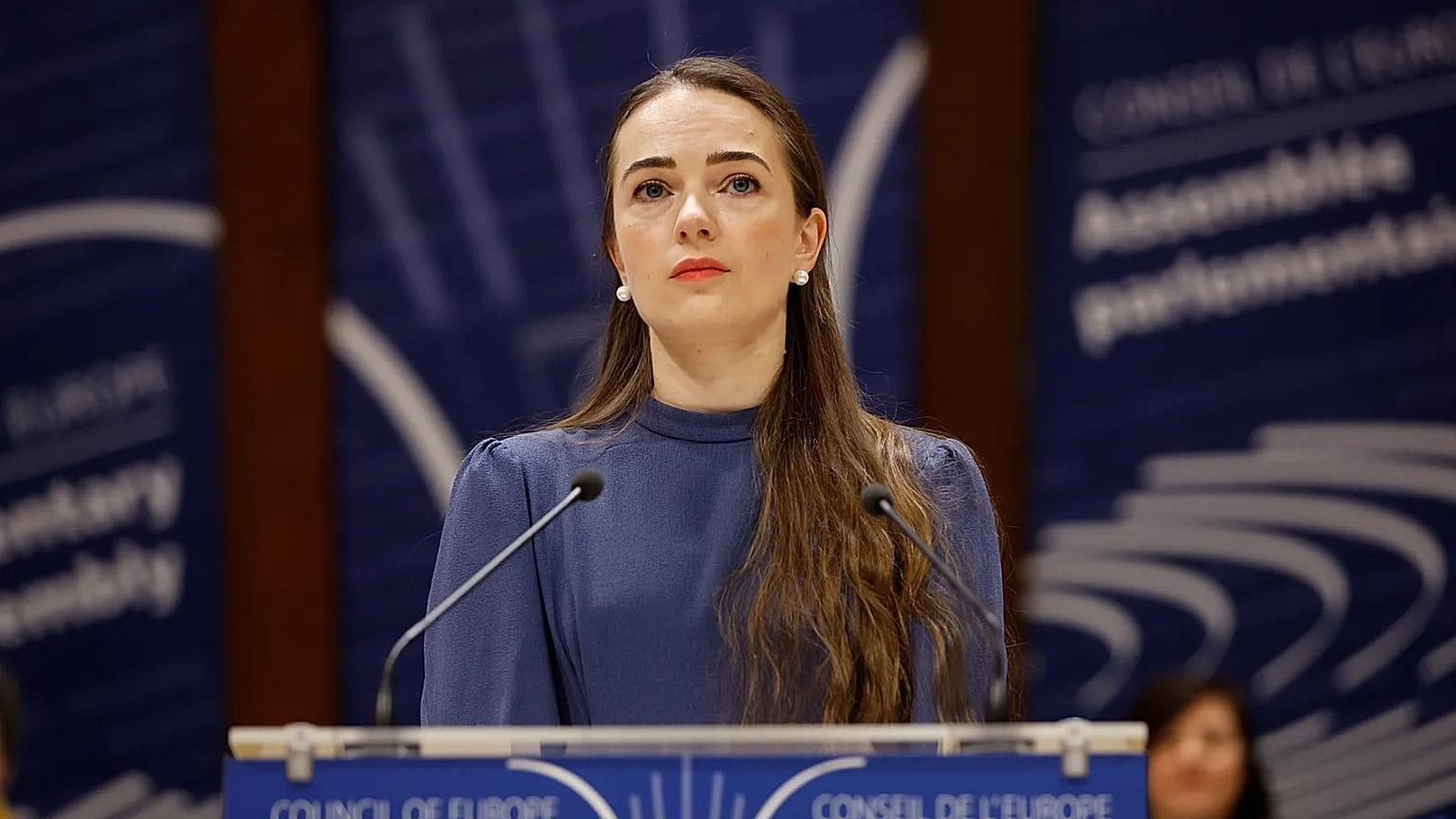
 FILE:  Oleksandra Matviichuk, a Ukrainian human rights lawyer at the Council of Europe Parliamentary Assembly (PACE) in Strasbourg, France, Jan.26, 2023.
Copyright AP Photo

By Sasha Vakulina
Published on

The Ukrainian human rights defender and European Order of Merit laureate said that after three centuries in Russia's shadow, Ukraine is now "back in Europe.”

“For three centuries, we were in (the) shadow of Russian Empire. And I’m here to say, Europe, we are back,” Ukrainian human rights defender Oleksandra Matviichuk declared as she received the European Order of Merit in the European Parliament in Strasbourg on Tuesday.

Visibly emotional, Matviichuk said Ukraine is “returning home to European values.”

“We are paying the highest price for this.”

The head of the Centre for Civil Liberties, which was awarded the 2022 Nobel Peace Prize, Matviichuk is among the first European Order of Merit laureates. She has been recognised for her “significant contribution to European integration and the promotion and defence of European values”.

In her address to the European parliament, she also issued a stark warning, arguing that Russian president Vladimir Putin started Moscow’s full-scale invasion for reasons that go well beyond Ukraine itself.

“He sees Ukraine as a bridge to Europe," she said. "His logic is historical, and that is why people in other European countries, they are safe only because Ukrainians are still resisting and don’t let (the) Russian army move further.”

This, she said, is “why Ukraine is an integral part of European security”.

“The global storm is approaching,” Matviichuk told MEPs and fellow Order of Merit laureates, with former German Chancellor Angela Merkel and former Polish president and Solidarność leader Lech Wałęsa also present.

“The world order based UN Charter and international law has collapsed. These dramatic times test all of us."

“Europe is less about geography, but more about values. Europe must defend freedom and democracy, because only readiness to defend our values defines the society that has a future.”


NATO military chiefs meet as Iran war depletes alliance's arsenal

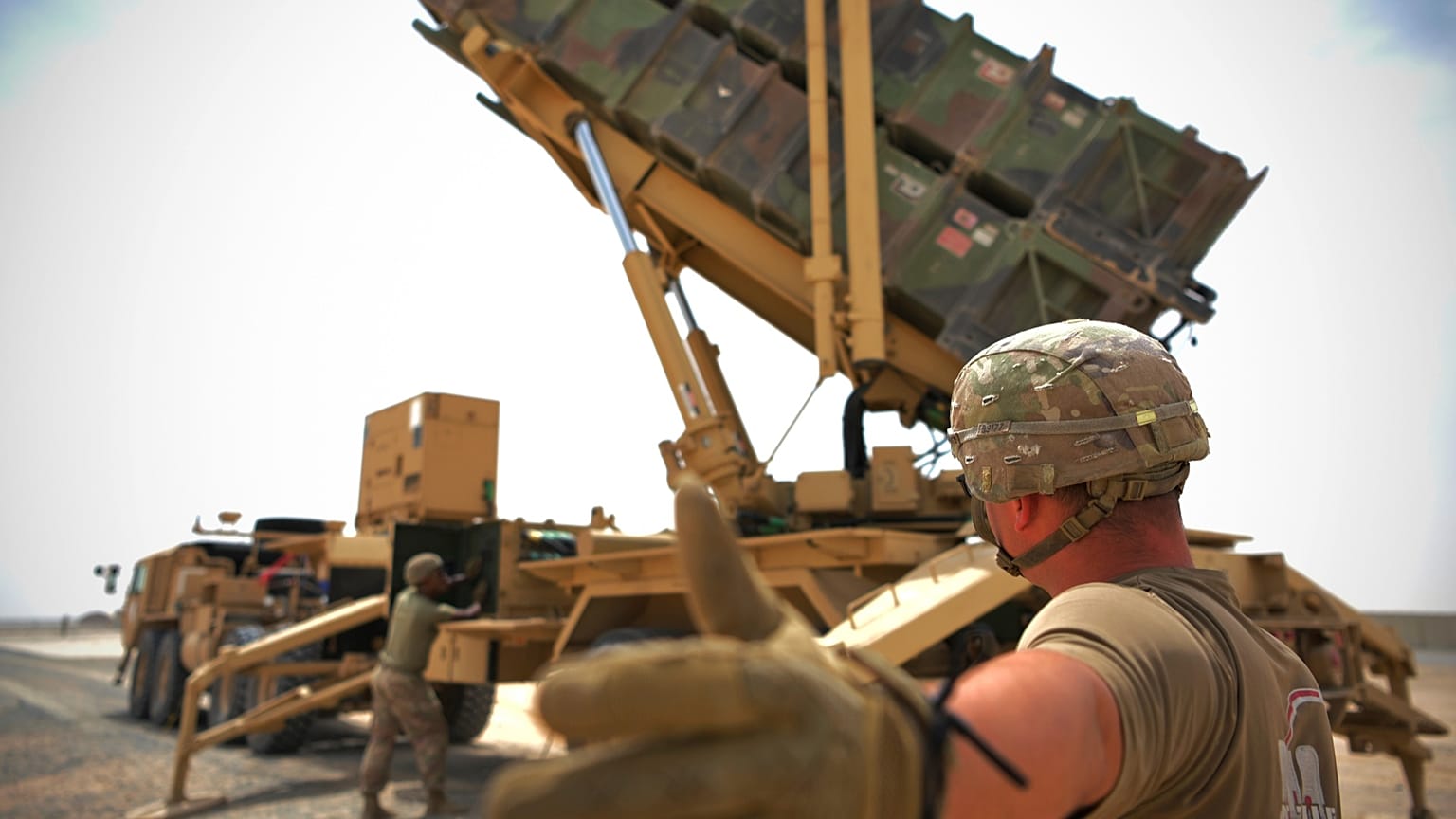
US military personnel at work near a Patriot missile battery at Al-Dhafra Air Base in Abu Dhabi, United Arab Emirates.
Copyright AP Photo


By Shona Murray
Published on

NATO allies are increasingly concerned that the US's massive campaign in Iran is starting to constrain their supplies of top-grade weapons, including interceptors. A meeting of the alliance's military chiefs Tuesday will discuss the urgent need to ramp up weapons production at scale.

The urgent need for NATO allies to ramp up weapons production in light of the war in Iran is high on the agenda for Tuesday's meeting of military chiefs at NATO HQ in Brussels.

The US army is expending vast quantities of high-quality munitions including significant portions of its highly expensive air and missile Patriot defence systems. Figures released from the Pentagon on 12 May show that the Iran war has cost the US military more than $29 billion so far, with no end to the conflict in sight.

NATO allies are concerned that the complex military hardware that bolsters the alliance's security guarantees cannot be replenished in time to keep pace with the US military's consumption of its own supplies.

At this week's summit, military chiefs from all 32 member states will examine the impact that consistent rapid consumption may have on NATO's collective capabilities and deterrent power as Russia continues to threaten allies.

On 15 May an air raid warning was issued in Finland after the military detected drones entering Finnish airspace. Helsinki Airport was temporarily closed, leading to the cancellation and rerouting of many flights.

Tuesday's meeting will be led by Supreme Allied Commander Europe (SACEUR) General Alexus G. Grynkewich, with NATO Secretary General Mark Rutte also attending.

Ramping up fast

The knock-on effect of weapons depletion for Europe is the likelihood US weapons and defence systems purchased by European NATO countries for use by the Ukrainian military won’t be delivered on time, or in some cases at all.

“We’ve been saying for years that military production needed to be ramped up exponentially because of the war in Ukraine, but the Iran war has shown us it’s even more important we do this now,” a senior NATO military source told Euronews ahead of the meeting.

“We need a lot of resources and munitions and the ability to ramp up production quickly. And we just don’t have that, and we need it very fast.”

The source said the ongoing war in Iran, which has choked global supply chains of oil, gas and other commodities from the Gulf as a resultant closure of the Strait of Hormuz, is a prime example of why NATO should have increased its weapons output some time ago.

“Indeed, this is about Iran, but in fact it's also a realisation that we need to be prepared for simultaneous conflicts,” they said.

“We need this at scale, and that’s certainly one of the points SACEUR will be making to allied military chiefs."

'Time is of the essence'

Efforts to end the war through a resolution have floundered in recent weeks. On Sunday, US President Donald Trump warned Tehran the "clock is ticking" as talks continue to drag.

In a post on his Truth Social account, he wrote: "They better get moving, FAST, or there won't be anything left of them. TIME IS OF THE ESSENCE!"

On Monday he then said he'd hold off on the attack after an appeal by Gulf States who informed him "serious negotiations are now taking place" in an effort to resolve the war.

He appeared to be convinced to do so as a deal that is "very acceptable" to the US was possible.

“This Deal will include, importantly, NO NUCLEAR WEAPONS FOR IRAN!” he wrote on his Truth Social platform.

Another key aspect of Tuesday’s meeting will be the delivery of SACEUR’s military assessment of NATO’s overall current capabilities, including the impact of the recent decision by Washington to cancel a force brigade of over 4,000 troops to Poland.

The decision was unexpected, and was taken abruptly even as some of the soldiers and equipment were already in transit.

“SACUER will need to look at this both from a US and European perspective to decide whether to adjust force posture on the continent,” the source told Euronews.