Swedish prosecutors seek prison for oil executives over alleged Sudan war crimes
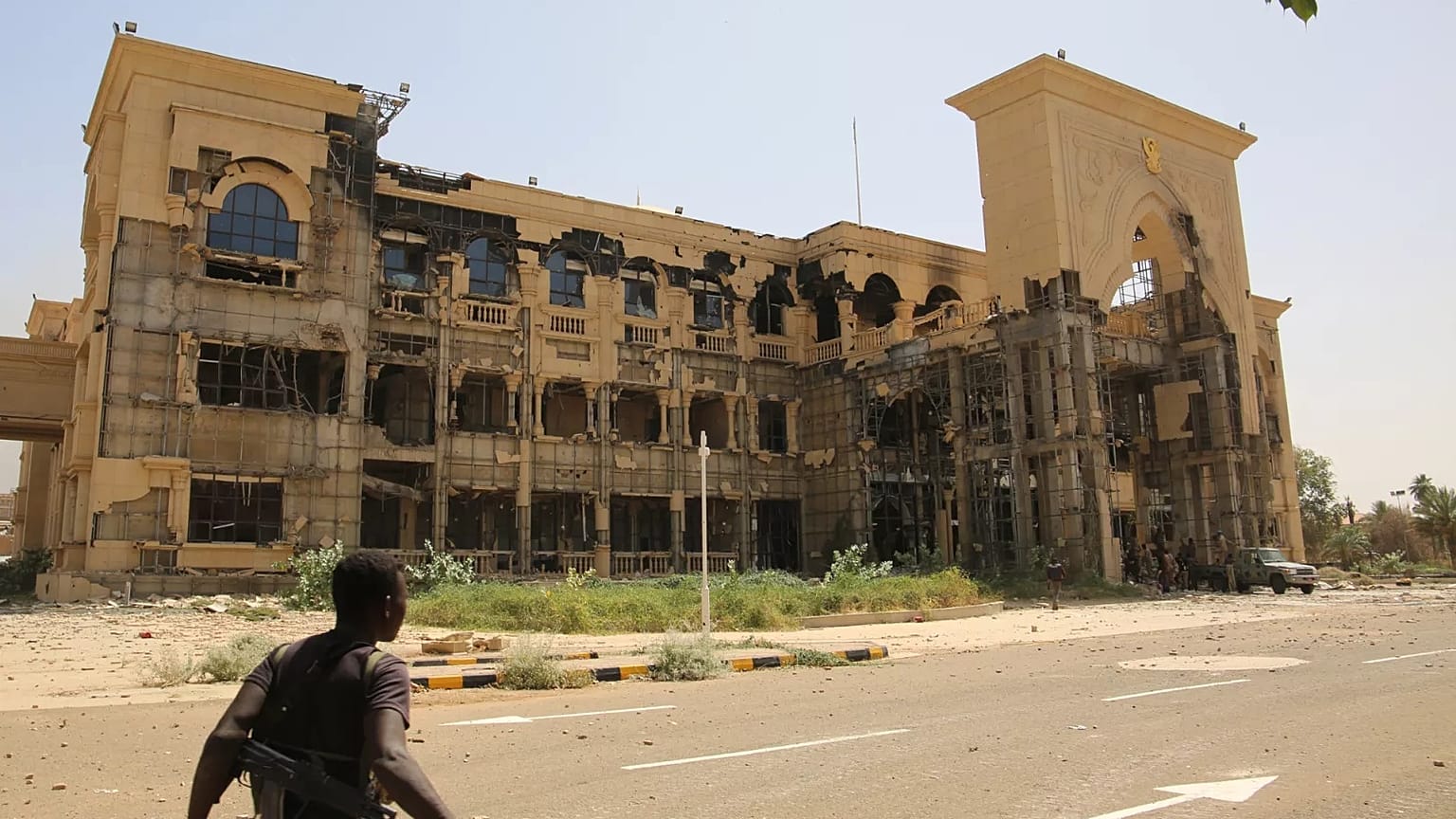
Prosecutors said the accused men were complicit because Lundin Oil had entered into agreements with Sudan's government to make the military responsible for security.
Swedish prosecutors on Thursday called for lengthy prison sentences for two former oil executives accused of war crimes over their business dealings during Sudan's civil war.
Ian Lundin of Sweden and Swiss national Alex Schneiter are accused of asking Sudan's government to make its military responsible for security at the site of one of Lundin Oil's exploration fields, which later led to aerial bombings, the killing of civilians and burning of entire villages between 1999 and 2003, according to the prosecution.
Lundin was chief executive of Swedish family firm Lundin Oil, now known as Orron Energy, from 1998-2002, and Schneiter was vice president at the time.
Both have denied the charges, saying there was no relationship between the company and Sudan's government as claimed by the prosecution.
The prosecutor called for a 10-year prison sentence for Lundin and six years for Schneiter and asked the court to place them in custody at the end of the trial pending the verdict as they posed a flight risk, news agency TT reported.
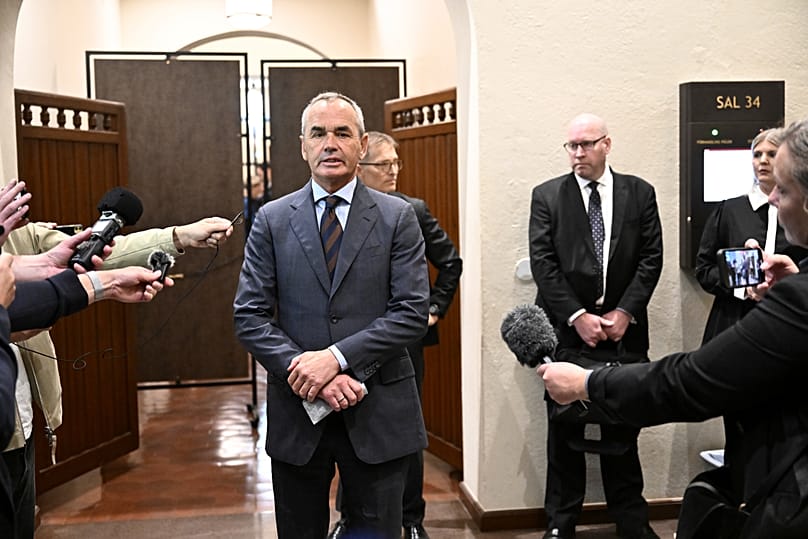
"This concerns involvement over a long period of time, in several different stages, and complicity in crimes against civilians where a very large number of civilians had their lives completely destroyed in the company's and the defendants' pursuit of profit," prosecutor Henrik Attorps told the Stockholm district court on Thursday as he delivered his closing arguments.
The trial opened in September 2023, following a more than decade-long probe and a more than 80,000-page investigation report.
The prosecution argued that after Lundin Oil struck oil in 1999 in the "Block 5A" field in what is now South Sudan, the Sudanese military, together with an allied militia, led offensive military operations to take control of the area and create "the necessary preconditions for Lundin Oil's oil exploration."
It said the accused were complicit because Lundin Oil had entered into agreements with Sudan's government to make the military responsible for security, knowing it meant the military and allied militias would need to take control of areas by "military force," prosecutors have argued.
According to the prosecution, this included aerial bombardments from transport planes, shooting civilians from helicopter gunships, abducting civilians, plundering villages and burning crops.
The trial is expected to wind up in May and no date has been set for the verdict.
Sexual violence 'form of warfare' in Sudan war, UN representative says
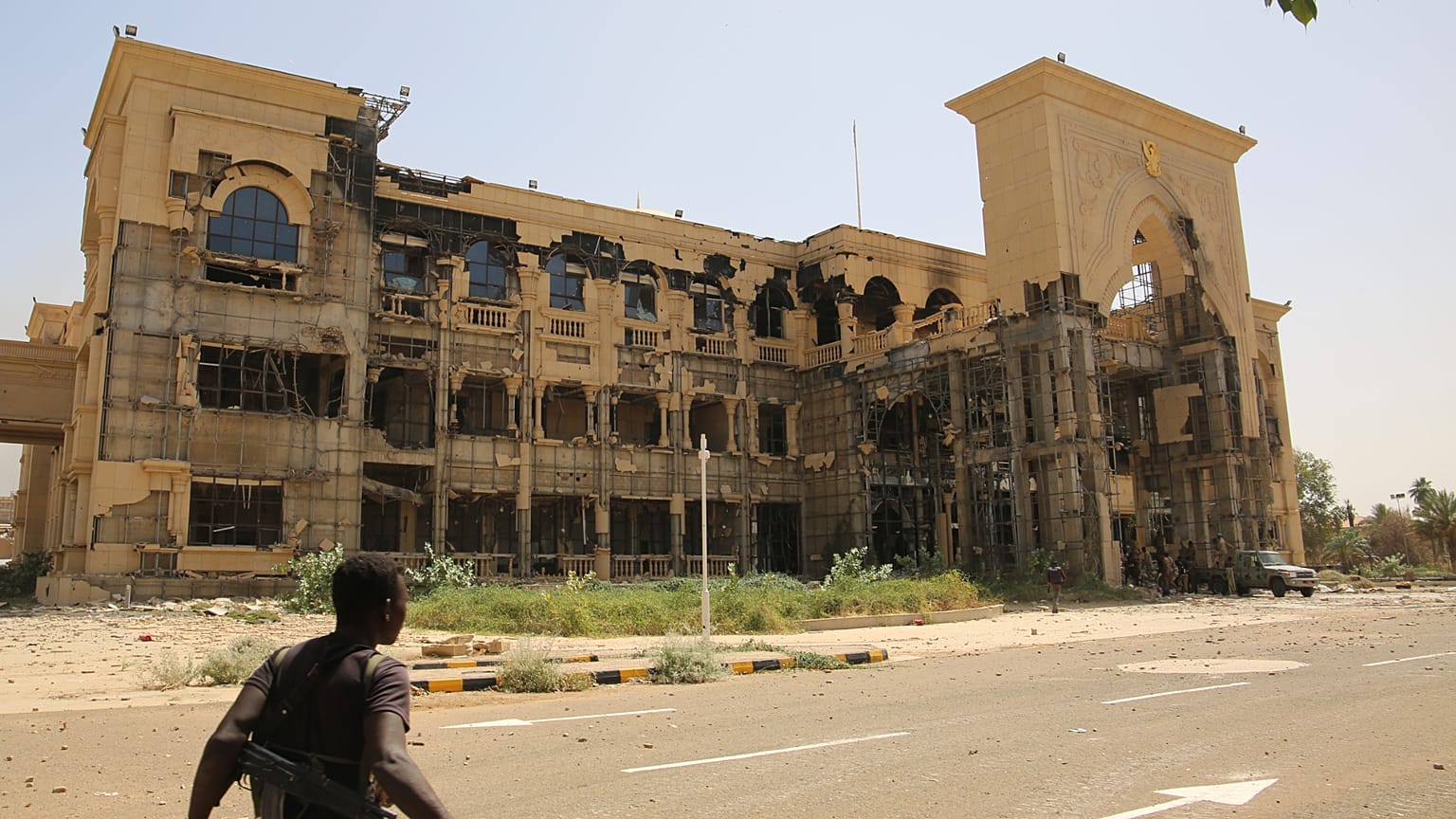
Sexual violence is being used as a weapon of war in Sudan, with women and girls bearing the brunt amid mass displacement and scarce health services, UNFPA country representative told Euronews.
Sexual violence has been weaponised on an unprecedented scale in Sudan's civil war, with women bearing the brunt of attacks aimed at destroying communities, the UNFPA country representative told Euronews.
Sudan's war, which began in April 2023, has spiralled into what the United Nations calls the world's most devastating humanitarian crisis.
Fabrizia Falcione, the international sexual and reproductive health agency's representative for Sudan, said she has never seen conflict-related sexual violence on such a large scale.
"In this conflict, sexual violence is being clearly utilised as a form of warfare itself. And women are the ones who are paying the price," Falcione said.
Parties to the conflict commit sexual violence and rape women and girls to "disintegrate or somehow make a long lasting wound on communities," she said. Women tend to be the ones keeping families and communities together, which makes them a target, according to Falcione.
Falcione has met hundreds of women and girls who escaped violence from Darfur and Kordofan, two Sudanese regions which have been the scene of heavy fighting between the Sudan Armed Forces and the Rapid Support Forces paramilitary group.
"When they arrive, they tell about the violence they suffered, including the instances of rape and sexual violence that they went through," she said.
"I did meet also women who were telling about other women who give birth along the road. And unfortunately, their fate is unknown."
Facing trauma and stigma
Sexual violence survivors face trauma, injuries, the risk of sexually-transmitted diseases and unwanted pregnancies. They also often face stigma, Falcione said.
"Sexual violence and rape have an impact on communities and on societies on the longer term. The children who will be and are born out of rape, the girls, the women who may not be considered as part of the society anymore or of the community because of being survivors of sexual violence."
UNFPA works with communities, families, women, men, boys and girls to overcome stigma. In a country where more than 65% of the population is below 24, Falcione believes young people are a powerful agent of change.
"Unfortunately stigma that is related to sexual violence exists everywhere."
Displaced women's most pressing needs are basic services, including sexual and reproductive health services, Falcione said. Humanitarian workers provide these services in displacement camps but they remain very limited, she said.
UNFPA runs mobile health units to reach women and safe spaces exclusively dedicated for women and girls, "where they can share with other women their trauma," and "get services to overcome trauma, including psychosocial support by skilled people."
Safe spaces also serve as places where women can learn new skills to generate an income to "recreate their lives."
Millions remain displaced
More than 1,000 days into the war, approximately 9.3 million people remain internally displaced across Sudan. Most of them are women and children.
Around 3 million people have returned to their areas of origin, according to the UN's International Organisation for Migration agency (IOM). More than 1 million have returned to Khartoum alone.
Falcione stressed women want to return to the communities they came from. But to do so, they need basic services such as job opportunities and basic health services.
"Women are peacemakers. This war is not a war of the women," she said.

No comments:
Post a Comment