France convenes G7 on critical minerals to curb China’s grip
France has called an online meeting of G7 countries for Thursday to discuss how to break China’s stranglehold on critical materials, Finance Minister Roland Lescure said, announcing plans to rebuild the industry in France.

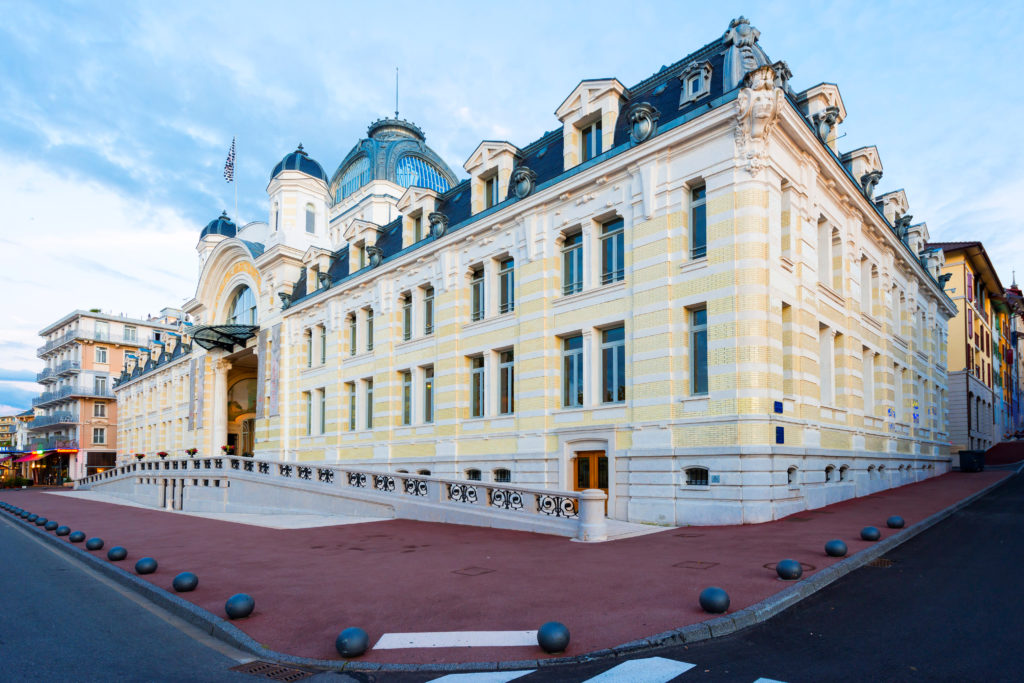
The online meeting with relevant ministers is intended to prepare for a mid-June summit of the G7 leaders in the French spa town of Evian, Lescure told reporters. He was speaking in Lacq, a town in southwestern France that is being primed to be the centre of the country’s rare earth processing activities.
Lescure said China had captured a huge share of the market through heavy investment and pricing policies that drove potential competitors out.
“One of the projects we have in mind within the G7 is to ensure – much as the International Energy Agency was created in the 1970s when OPEC held a production monopoly – that we develop alternatives through international cooperation,” Lescure said.
France’s strategy, which intends to underpin the country’s position in those talks, aims to rebuild a domestic rare earths and permanent magnets supply chain, curbing dependence on China for materials critical to electric vehicles, wind turbines, electronics and defence.
The plan targets the entire value chain, from securing overseas mineral supplies to refining, alloy production and magnet manufacturing in France.
By 2030, France aims to produce rare earth oxides covering 100% of European demand for heavy rare earths and about a quarter of demand for light rare earths, as well as alloys meeting around 10% of European needs.
To boost supply security, the state will loosen access to guarantees for strategic projects, extend and simplify tax credits for green industrial investment until 2028, and channel additional funding through an existing long-term investment program and a dedicated metals fund.
The government also plans to approach international traders about securing critical minerals, potentially offering a French state project finance guarantee.
(By Leigh Thomas, Inti Landauro and Gus Trompiz; Editing by Makini Brice and Susan Fenton)
G7 in talks to set up permanent unit to oversee critical minerals agenda
The Group of Seven countries are in talks to create a permanent secretariat to ensure initiatives to increase critical mineral supplies survive beyond the bloc’s rotating presidencies, five sources familiar with the discussions said.
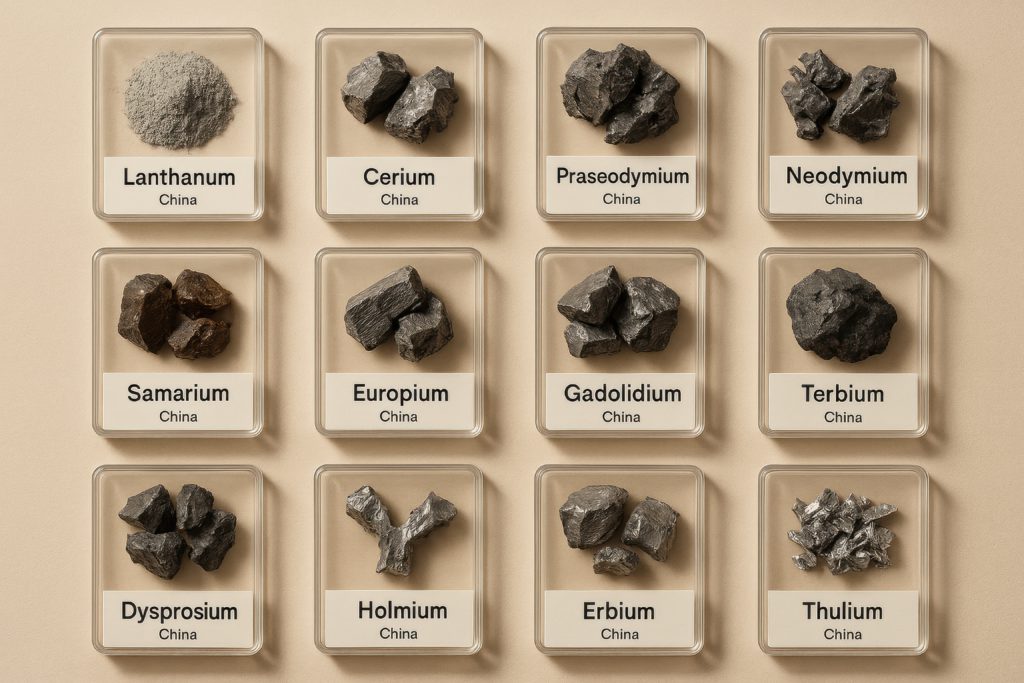
Developed countries around the world are seeking to cut their reliance on China, which dominates production of the minerals needed for defence, the energy transition and manufacturing.
The United States and the European Union last month agreed to deepen their coordination on critical minerals, such as lithium, cobalt and rare earths.
But two of the sources familiar with the discussions said Europe had rejected the idea of single shared stockpile in favour of each country controlling its own reserves.
European governments also do not want the US to lead the project because they are worried access to critical minerals could be restricted in a crisis, the sources said.
The EU since the start of this year has been working on its own pilot stockpile project, spearheaded by Italy, France and Germany.
Secretariat based in Paris?
The sources, who spoke on condition of anonymity because they were not authorized to speak publicly on the issue, said the secretariat could be housed at the International Energy Agency or the OECD. Both are based in Paris.
The five sources said it was unclear when the secretariat could be established but that it could help to execute any decisions on critical raw materials taken at the June G7 leaders’ meeting, which may include stockpiling measures.
A spokesperson for France’s finance ministry declined to comment.
France, which holds the G7’s rotating presidency, called an online G7 meeting for Thursday to discuss how to break China’s stranglehold on critical materials. The meeting is intended to prepare for a mid-June summit of the G7 leaders in the French town of Evian, Finance Minister Roland Lescure told reporters.
The IEA declined to comment on the G7 talks. The OECD did not immediately respond to a request for comment.
What the OECD will propose is unknown, but the IEA is already working on plans to align stockpiling and production of critical minerals, two of the four sources said.
A workshop in Brussels on the IEA’s plans was scheduled for Tuesday, according to documents seen by Reuters, which the IEA confirmed.
“The IEA is holding a workshop in Brussels with government and industry participants to discuss mineral stockpiling,” a spokesperson said.
The meeting aimed to examine technical aspects and understand “industry perspectives for designing effective stockpiling systems,” the spokesperson added.
As of April 20, governments registered to attend the workshop included the United States, Germany and France as well as Canada, Italy and Spain. The European Commission, the EU executive, was also registered to attend.
Companies expected to attend included General Motors, Glencore, Leonardo and Umicore, IEA documents sent to participants showed.
(By Pratima Desai, Julia Payne, Leigh Thomas and Ernest Scheyder; Editing by Veronica Brown and Barbara Lewis)

No comments:
Post a Comment