Monday, March 09, 2026

From Field To Fork: Building A Network To End Agro-Food Waste

Credit: European Cooperation in Science and Technology (COST)


March 9, 2026 
By Eurasia Review


Reducing food loss and waste is crucial in a world where hunger has been steadily rising for a decade, while large quantities of edible food are discarded or spoiled every day. It is recognised as a priority within the UN Sustainable Development Goals and within the European Green Deal’s Farm to Fork Strategy.

Food loss and waste (FLW) is a global issue widely acknowledged by governments and international organisations. While a third of humanity faces food insecurity, with 783 million people still going hungry, an equivalent of one billion meals go to waste every day, according to the UN Environment Agency and the Food Waste Index Report. It provides the most accurate global estimate of food waste at the retail and consumer levels, aligning with the SDGs’ mission.

Key figures from the 2024 report indicate that one-fifth of food produced for human consumption is lost or wasted globally, with 60% of waste occurring at the household level.

Additionally, food loss and waste generate up to 10 per cent of global greenhouse gas emissions, almost five times the total emissions compared to the aviation sector, a UNEP expert highlights.

Beyond being an ethical and economic issue, food waste also drains the environment of its limited natural resources. To tackle this issue, the Food Waste Breakthrough new initiative, was launched during the recent COP30 in Belèm, Brazil, to halve global food waste by 2030 and cut methane emissions by up to 7%.

Food loss – Food waste


The distinction between food loss and food waste lies in where they occur. Food loss happens during production, post-harvest handling, processing, and distribution, whereas food waste takes place at the retail and consumer stages.

Reducing food loss and waste (FLW) protects natural resources and biodiversity, cuts pollution and greenhouse gas emissions, and ensures that the food we produce is used to its fullest. As a result, it plays a vital role in creating efficient, inclusive, resilient, and sustainable agrifood systems, while also strengthening food security, nutrition, and health.
Introducing the COST ActionFoodWaStop

To address this issue, a new collaborative research network, the Sustainable Network for Agro-Food Loss and Waste Prevention, Management, Quantification and Valorisation, FoodWaStop, was established in 2023, bringing together 955 members from 63 countries with a common goal of analysis and prevention of food loss and waste.

The COST Action FoodWaStop aims to reduce food loss and waste through innovative scientific approaches and wide international collaboration of different committed researchers and stakeholders. The initiative seeks to extend the shelf life of perishable Euro-Mediterranean food products and to disseminate research outcomes to stakeholders through practical measures. Practical measures will be provided to grower associations, plant doctors, packinghouse technicians, retailers, food managers, and consumers to reduce fruit and vegetable loss and waste by at least 15%.

“The third annual meeting of COST FoodWaStop Action held in Zadar, Croatia, showed the interest of over 150 participants (90 of them funded by COST and the others self-funded) from 30 countries, with good interactions, making the state of the art of the deliverables together with WG leaders, and planning next initiatives, that includes writing of over 20 joint scientific papers in progress. The local organiser, Slaven Zjalic, WG2 leader, was excellent in the organisation and provided facilities that allowed a smooth interaction over the two days, in which we had 37 presentations and 67 posters,” says Prof. Gianfranco Romanazzi, Chair of Food WaStop.

He adds: “The interest in recycling of food waste is confirmed by the interest in the training school in Cesis, Latvia, on WG4, which received 92 requests for participation of trainees, from 26 countries, as compared to 37 available Grants, and several participants are joining with their own Grants. On the network website, there is news of the call open for 12 STSM for a period from 3 weeks to 3 months in a foreign lab, with a deadline on 6 March. We are happy to see so many young researchers interested in the subject, taking advantage of the networking with more experienced participants and labs, for an improved overall knowledge supporting the reduction of food loss and waste”.

FoodWaStop will establish a knowledge platform to promote innovation, provide guidelines, and foster dialogue with policymakers, with the aim of raising awareness of the social and economic implications of food loss and waste (FLW). Additionally, the Action will support access to high-quality, longer-lasting fresh fruit and vegetables through safe, innovative solutions that reduce food waste and significantly limit the use of synthetic pesticides, directly contributing to the Farm to Fork objectives of the European Green Deal.

A social and interactive platform will be established to facilitate citizen science and support businesses in the transfer and sharing of knowledge. These initiatives will foster the development of next-generation entrepreneurs and scientists who will shape and drive the future of sustainable agriculture.

In conclusion, FoodWaStop represents a timely and collaborative response to one of the most pressing challenges facing modern food systems. Producers, investors, businesses, supply chain actors, consumers of all ages, academia, civil society, and the public and private sectors are all called upon to take urgent, coordinated action to significantly reduce food loss and waste, thereby safeguarding global food security now and for future generations.

“The transnational survey conducted within FoodWaStop confirms that household food waste is fundamentally a behavioural issue,” says Prof. Luca Falasconi, the Action’s Science Communication Coordinator.

“Although measurement remains crucial, real progress depends on understanding the everyday decisions, habits and perceptions that shape consumer behaviour. Empowering consumers with knowledge and practical tools is therefore key to moving from estimating waste to genuinely preventing it. By analysing behavioural drivers and socio-demographic patterns across 70 countries, we provide evidence that can inspire more targeted, effective and scalable prevention strategies,” adds Luca Falasconi.

By fostering innovation, knowledge exchange, and practical solutions across the agrofood value chain, FoodWaStop aims to deliver lasting environmental, economic, and social benefits, contributing to more resilient and sustainable food systems worldwide.

Eurasia Review

Eurasia Review is an independent Journal that provides a venue for analysts and experts to publish content on a wide-range of subjects that are often overlooked or under-represented by Western dominated media.


As for the actual book, Kropotkin's Fields, Factories and Workshops and Colin ... But it was precisely Kropotkin's expectation that our farms would become like.


The Slovenian Choice: Liberal Or Illiberal Democracy – Analysis

Ljubljana, Slovenia

March 9, 2026 
By IFIMES


Slovenia will hold its tenth parliamentary elections since independence on 22 March 2026, under a proportional representation system. The country is divided into eight electoral units, each comprising eleven electoral districts. A total of 1,698,352 registered voters are eligible to participate, with eleven parliamentary seats allocated in each electoral unit. The parliament comprises a total of 90 deputies.

A distinctive feature of the Slovenian electoral system lies in the constitutionally guaranteed representation of national communities. The Italian and Hungarian communities each elect one representative under a majority system, thereby further strengthening their institutional status. Members of these communities cast two ballots – one for the general electoral lists and another for the list of their respective national community – which constitutes a form of positive discrimination grounded in law and aimed at ensuring their effective parliamentary representation. The general electoral threshold for entry into the National Assembly is set at 4 per cent of valid votes; this requirement does not apply to representatives of the Italian and Hungarian communities.

The following parties, coalitions or lists are participating in the parliamentary elections: ● Freedom Movement ● Slovenian Democratic Party – SDS ● The Left and Vesna ● Democrats of Anže Logar ● New Slovenia, Slovenian People’s Party, Fokus Marko Lotrič ● Social Democrats – SD ● Revival – the party of Vladimir Prebilič ● Karl Erjavec – Party of Trust ● Greens of Slovenia + SG Generation Party ● Coalition Alternative for Slovenia (the None of This Party and the For a Healthy Society Party) ● Slovenian National Party – SNS ● We, the Socialists! ● Pirate Party of Slovenia ● Civic Movement Resni.ca ● Pavel Rupar’s Voice of Pensioners.

Elections in Slovenia 2026: between the politics of building and dismantling and the country’s strategic direction

As Slovenia approaches its parliamentary elections, a fundamental question arises regarding the country’s future political and civilisational direction. Current political dynamics place Slovenia at a crossroads. Voters’ decisions will determine whether Slovenia continues on a path of institutional consolidation, social cohesion and European integration, or shifts towards confrontation, polarisation and the erosion of constitutional standards.

The view expressed by Slovenia’s first president, Milan Kučan, that the elections amount to a choice between “politics that build and politics that dismantle” goes beyond routine political rhetoric and points to a broader issue concerning the paradigm of national development amidst global upheaval. Slovenia enters this electoral cycle amid geopolitical, security, energy and environmental, and social transformations that are redefining the balance of power and relativising the relevance of smaller states.

In IFIMES’ assessment, the elections on 22 March are not merely a formal democratic procedure, but a decision with long-term implications for the stability of the political system. Isolated scandals and shortcomings must not overshadow the overall picture of positive change; the key lies in distinguishing systemic reforms — including progress in healthcare, energy policy, climate action and digitalisation — from individual political missteps or communication lapses. Kučan’s warning should therefore not be interpreted as a defence of any particular government, but rather as a call for a rational evaluation of both achievements and shortcomings.

Civilisational and environmental challenges remain a central concern for the future government. Slovenia, as part of the European political space, faces an energy transition, climate risks and security challenges stemming from the war in Ukraine and tensions in the Middle East. The coming government will need to focus on three key priorities: the green transformation of the economy, the bolstering of institutional resilience, and the preservation of the welfare state amidst constraints on public finances.

Against this backdrop, the distinction between “building” and “dismantling” primarily reflects the difference between gradual adaptation to complex changes and radical interventions undertaken without a long-term strategy. The elections, therefore, represent a civilisational test, as voters’ decisions will determine whether Slovenia remains part of the Enlightenment tradition of rational dialogue and democratic culture, or slides into an authoritarian and ideologically dark period.

The International Institute IFIMES emphasises that the ensuing political dynamics will affect not just the composition of the government, but the very stability of democracy, respect for human rights and the quality of public discourse. In this regard, the institutional framework, political culture and the long-term vision for the country’s development will remain paramount.

Symbolic capital, polarisation and Slovenia’s strategic stability


Although the first president of the Republic of Slovenia, Milan Kučan, no longer formally holds the levers of power, he remains one of the most influential symbolic figures of the nation’s transition and independence. His enduring public presence demonstrates that part of the political spectrum remains anchored in the state-building narrative. IFIMES contends that the first president’s symbolic capital exerts a dual effect: it mobilises a segment of the electorate that identifies with stability and continuity, while simultaneously sharpening polarisation among voters who perceive the transitional elite as part of the problem. Consequently, the elections also unfold at a symbolic level — between interpretations of the past and projections of the future.

The Slovenian political space remains divided between two relatively stable blocs, presenting a structural challenge for the incoming administration. IFIMES assesses that the primary hurdle will not only lie in the composition of the coalition, but above all in the capacity to mitigate political and social polarisation. In this context, the politics of “dismantling” manifests itself as the delegitimisation of institutions, the subordination of the rule of law to particular interests and the promotion of conflict as the primary tool of political mobilisation. By contrast, the politics of “building” implies gradual reform, respect for constitutional mechanisms and the pursuit of a broader social consensus.

IFIMES assesses that the forthcoming elections will effectively represent a referendum on institutional stability and the future direction of the country’s development. At a time when a new global architecture is taking shape, a small country such as Slovenia can ill afford internal destabilisation. The main issue is not only which political option will prevail, but whether the post-election dynamics will enable a stable and programmatically consistent government capable of tempering ideological tensions and securing Slovenia’s position at the heart of European integration.

Ultimately, Kučan’s thesis about a choice between building and dismantling is not merely a rhetorical flourish, but a stark warning that political culture and institutional accountability remain the bedrock of long-term national sovereignty and social cohesion.

Slovenia needs a different political culture

Slovenia stands at a crucial political and civilisational crossroads, where the forthcoming elections will determine the country’s future trajectory. An analysis of public discourse, cultural symbols and political statements reveals a clear conflict between the culture of democracy and growing authoritarian tendencies—currents that history identifies with the hallmarks of fascism.

The Slovenian cultural landscape is symbolically tethered to the cultural holiday of 8 February, which reminds Slovenians of the values embodied by France Prešeren, the country’s greatest poet and one of the cultural pillars of Slovenian statehood. Today, culture is not merely a matter of artistic creativity, but a foundation of civilisational standards, rational dialogue and respect for human rights. IFIMES observes that Slovenian society is increasingly drifting away from these principles due to both global and domestic political challenges, while at the same time witnessing the rise of populist and authoritarian tendencies.


The core question remains: will political parties and voters opt to strengthen democratic institutions and cultural values, or will they succumb to a politics of fear, hatred and retrograde ideologies?

The rhetoric and political strategy of the Slovenian Democratic Party (SDS/EPP) are particularly critical. How other political actors define their position on cooperation with the party will directly influence the stability of democracy, respect for human rights and the quality of public discourse.

The Slovenian elections transcend a mere formal political event; they represent a civilisational litmus test. Voters will determine whether Slovenia remains anchored in the Enlightenment tradition, rational dialogue and democratic culture, or slides into authoritarianism and ideological obscurantism.

Slovenian society has the opportunity to demonstrate that culture is not a luxury, but the very bulwark of democracy, which protects the individual and fortifies society’s resilience against extremism. IFIMES will continue to monitor these political and cultural developments with the aim of supporting the stability of the political system, the transparency of institutional governance and adherence to international standards and democratic principles.

The forthcoming parliamentary elections are of central importance for Slovenia’s political and civilisational direction. Voters’ decisions will determine whether the country continues on the path of democratic consolidation and civilisational standards, or risks a descent into authoritarian patterns. The preservation of cultural values, rational dialogue and institutional accountability remains the foundation of long-term stability and social cohesion in Slovenia.
Slovenia’s political landscape ahead of the elections: liberal or illiberal democracy

In the run-up to the forthcoming elections, Slovenia’s political arena is starkly divided between two dominant blocs: the centre-left, led by the Freedom Movement (GS/ALDE) of current Prime Minister Robert Golob, and the centre-right, led by the Slovenian Democratic Party (SDS/EPP) of Janez Janša. The contest between the two camps remains tight, often pushing smaller parties to the margins, as voters resort to tactical voting in an effort to influence the final outcome.

The Freedom Movement is a liberal party and a member of the Alliance of Liberals and Democrats for Europe (ALDE), while the Slovenian Democratic Party is a centre-right, Christian-democratic and conservative party within the European People’s Party (EPP). Certain political aspects, however, point to ideological affinity with the Hungarian party Fidesz led by Viktor Orbán.

Slovenia now faces a choice between liberal and illiberal democracy. The liberal project of the Freedom Movement offers the continuation of an open, European-oriented policy. In contrast, the illiberal alternative, still immature and often controversial in Slovenia’s political landscape, suggests connections with Orbán’s circles, which hinder European integration and cultivate links with Putin’s sphere of influence. Neither approach on its own can fully meet the country’s needs; policy must remain flexible in light of current social, economic and geopolitical challenges. Should Robert Golob form a new government with his Freedom Movement, he would become the first prime minister since Janez Drnovšek to secure a second mandate.

Analysts further caution that Slovenia’s electoral system is outdated and no longer corresponds to the country’s contemporary needs. One proposal under discussion is the introduction of a chancellor-style system modelled on Austria. Proponents argue this would better align with Slovenia’s political culture and facilitate more efficient decision-making, as the current proportional system often hinders development and undermines political stability.


IFIMES

IFIMES – International Institute for Middle-East and Balkan studies, based in Ljubljana, Slovenia, has special consultative status with the Economic and Social Council ECOSOC/UN since 2018. IFIMES is also the publisher of the biannual international scientific journal European Perspectives. IFIMES gathers and selects various information and sources on key conflict areas in the world. The Institute analyses mutual relations among parties with an aim to promote the importance of reconciliation, early prevention/preventive diplomacy and disarmament/ confidence building measures in the regional or global conflict resolution of the existing conflicts and the role of preventive actions against new global disputes.


Residents Of Cities In Russian North Feel Increasingly Insecure Because Of Shortage Of Policemen – OpEd


By 

The shortage of policemen across the Russian Federation has hit residents of cities in the northern portions of that country especially hard and they say they no longer feel secure because there is little chance any police will show up if they call to report crimes, Denis Zagorye of The Barents Observer says. 

Most of the northern regions are suffering from even greater shortages of police than the national average, the journalist reports, citing both regional media (nord-news.ru/news/2026/03/02/?newsid=211461) and interviews with local people (ru.thebarentsobserver.com/zarezut-prihodite-na-severe-rossii-ne-hvataet-policejskih/446058).

The situation is deteriorating in most of them, but the regional governments lack the funds to do anything about it. Instead, Zagorye says, they are relying on Moscow to provide such moneys – but as of now, the central Russian government hasn’t, and people in the north are increasingly alarmed.  

It may very well be that the specter of “a police state without enough police” (jamestown.org/war-against-ukraine-leaving-russian-police-state-without-enough-police/)  will occur in the northern cities of Russia, places where private citizens disproportionately have their own weapons and may use them if they can no longer count on officials to protect them.

Cash In The Constitution: A Swiss Decision On An International Issue – Analysis

With people worldwide concerned about a possible decline of cash, Sunday’s vote could be seen as a signal, says an internationally renowned advocate. But conspiracy theories are never far away from cash, as an analysis with sociological perspectives explains.


March 9, 2026 
By SwissInfo
By Benjamin von Wyl

With Sunday’s national vote, Switzerland has enshrined the preservation of cash in its federal constitution. The official information booklet for the vote, provided by the government, stated that this shift would have no impact on everyday life – nor involve any new tasks or costs.

However, on a symbolic level at least, many people seem to value the fact that cash is now explicitly anchored at constitutional level and not just in normal law – and this includes people outside Switzerland.

An important signal to the world

South African anthropologist and activist Brett Scott told Swissinfo before the vote that it would be an “important moment of signalling to the rest of the world” if Switzerland were to enshrine cash in its constitution. Banks have promoted digital payments for decades, Scott points out. In this context, he adds, it is important when a country takes a clear position that it wants to protect cash.

Scott, who advocates in his books for the preservation of physical money, lists many reasons why cash is important to people. “Some are specific to cash payments, others are more generally about digital society,” he says.

For example, Scott explains, elderly people and people with disabilities or visual impairments depend on cash, as do people with less money, since it’s easier to keep to a tight budget with cash. On top of this, “people with low incomes often don’t trust the banking sector; middle-class people, on the other hand, tend to trust in institutions,” he says. And in general, many people have a “nostalgic attachment” to cash.

Support from various backgrounds

At the societal level, cash supporters can have very different backgrounds. Scott mentions national security experts, for example, who worry about the “serious security threat” when people don’t have access to cash. Equally critical are “libertarian communities concerned about surveillance by digital systems”, people who are against Big Tech or the financial industry, or those who want to maintain an offline life.

But many also value cash for its “informal economy element”, says Scott. “Lots of people like to preserve an informal sphere for themselves – they don’t want institutions between themselves and their life.” Collection plates in church or poker games at home would be strange without cash, Scott adds. Who wants to use a Visa card in church?

It is not expected that the vote on Sunday will slow down the declining importance of notes and coins in everyday life in Switzerland.

Cash from a need for control


The importance of cash in many people’s lives also becomes clear when talking with Swiss sociologist Nadine Frei, who wrote a dissertation on the everyday understanding of money. “In interviews, I often encountered the notion that ‘only cash is real’ – cash is seen as real money in contrast to digital money, to which a certain artificiality is attached,” she says.

Frei thinks this is connected to a need for control. “Money is attributed a seductive power that needs to be resisted and controlled,” she says. “When it’s tangible, it’s viewed with a certain control.” People don’t want to get into debt or spend money on unnecessary things, and many imagine that they can control this better with cash, Frei explains.

“Digital money is associated both with a certain abstraction and an immediacy,” says Frei.

For her, criticism about how digital methods of payments can socially exclude certain groups is often legitimate – yet she also raises proximities to conspiratorial thinking.

From pandemic to cash

Indeed, conspiracy theories often hover around cash. Scott, for instance, saw during the Covid-19 pandemic how his viewpoints ended up in an online video outlining a conspiracy theory about vaccinations and secret microchips.


Frei, who researched the circles of those opposed to health measures in Switzerland during the pandemic, says that “conspiracy narratives dock relatively well onto abstract and invisible processes – as well as onto the abstraction that the financial world involves”. For Frei, conspiracy thinking is characterised by an assumption that certain groups act in secret to steer the course of events. “This notion was evident not only in the coronavirus protests, but also in other areas,” Frei explains.


Criticism of the cash campaign’s connections


On Sunday, Swiss citizens voted on two separate questions about cash. The “Cash is freedom” initiative, a people’s initiative launched by citizens, did not convince a majority. A clear majority did however vote for a parliamentary counterproposal, which emphasised the mandate of the Swiss National Bank (SNB) in ensuring cash supply.

The “Cash is freedom” initiative was launched by the same milieu as the “Stop compulsory vaccination” initiative, which was rejected by just under three-quarters of voters in 2024.

Before the cash vote, Swiss journalist Dennis Bühler researched in the Republik magazine how closely the group around the initiative were connected to various conspiracy narratives, including about the pandemic. In the same article, he argued that in terms of content it was “more or less irrelevant” whether people voted “yes” or “no”.

Asked further by Swissinfo, Bühler explains that he sees no signs “that Swiss politics and/or the SNB want to abolish cash or even to reduce its importance”. Bühler also doesn’t believe that anchoring cash in the constitution could help to “appease conspiracy-minded circles”.

No answers from the initiators


Swissinfo sent questions to the “Cash is freedom initiative” committee about their concerns and their view, which so far have remained unanswered.

Swissinfo also explicitly asked them for their response to the accusations by Bühler, who wrote in Republik that, among other things, it was “not the first initiative with which these circles sow doubt and discord”. The “Stop compulsory vaccination” initiative previously insinuated that “there is a plan to transplant microchips under people’s skin against their will”, he wrote.

In fact, the initiative argued at the time that “neither politics, the pharmaceutical industry nor international organisations” should be allowed to decide “whether an implantable microchip, nanoparticles, genetic manipulation, a vaccination or something else enters our body”.

In a recent debate programme on Swiss public television, SRF, the cash initiative’s initiator, Richard Koller, was directly confronted with the Republik article. In response, Koller said that “we are very much for the people, very much for people”. In doing so, one can’t “look into people’s brains” and can’t know “what will come in the future”, he said. “A popular initiative takes five to six years”, and as an initiative committee, they have “no influence” over how people develop “during this time”.

Whether the criticism of the initiative’s milieu had an influence on why so many fewer people voted for the initial cash initiative than for the counterproposal is unclear.

Swiss voting culture

Around five years ago, Switzerland voted for the first time on part of the pandemic measures. It was almost the only country where voters could do so. In total, the Swiss voted on the Covid-19 law three times. Each time, over 60% voted in favour of the measures.

In general, says sociologist Oliver Nachtwey, who worked on the same studies on Covid protests as Frei, “Swiss democracy contributes to de-radicalisation”. By this he doesn’t mean individual votes, but rather the “basic Swiss understanding that one can launch initiatives and referendums and, if one loses, can make a fresh attempt again later.”

Whether cash in the constitution actually becomes an international signal remains to be seen.


SwissInfo

swissinfo is an enterprise of the Swiss Broadcasting Corporation (SBC). Its role is to inform Swiss living abroad about events in their homeland and to raise awareness of Switzerland in other countries. swissinfo achieves this through its nine-language internet news and information platform.

Child Suicide Exposes Indonesia’s Mental Health Gap – Analysis


March 9, 2026 
 360info
By Fitri Ariyanti Abidin


A recent case of suicide involving a primary school student in East Nusa Tenggara has renewed concerns about child mental health in Indonesia.

A mental health screening of 148,239 students in Bandung found 71,433 children—48.19 percent—show signs of mental‑health issues. Psychologists warn the situation has reached an alarming level and requires professional intervention beyond what school counsellors can provide.

The incident has highlighted a broader pattern of distress among young people and the systems that struggle to support them.

Indonesia has limited national surveillance on child and adolescent mental health. Stigma, cultural norms, and weak reporting systems mean many cases of self‑harm or suicide never enter official records. UNICEF Indonesia reports that adolescents face high levels of psychological pressure, including academic stress, social expectations, and limited access to mental‑health support. These pressures often remain invisible until a crisis occurs.


Globally, suicide kills more than 700,000 people each year, according to the World Health Organization. Nearly 80 percent of these deaths occur in low‑ and middle‑income countries, where young people face multiple social and economic pressures.

Suicide is now among the top five causes of death for adolescents worldwide. Indonesia is not alone in confronting this challenge, but its ability to respond is constrained by limited data and uneven access to care. Many families avoid disclosing suicide attempts or deaths, leaving the crisis largely invisible. Without reliable data, policymakers struggle to design effective prevention strategies or allocate resources where they are most needed.
A hidden burden

Indonesia’s available data suggests a significant but under‑recognised problem. The 2023 Global School‑based Student Health Survey found that 8.7 percent of Indonesian students had seriously considered suicide in the past year, and 10.4 percent had attempted it.

A separate study of more than 2,300 high‑school students across four provinces on Java reported that over a quarter had experienced suicidal thoughts at some point in their lives, while over 40 percent said they had such thoughts in the past 12 months alone. The study also revealed that nearly one in five students had made plans to take their own lives, and more than 4% had attempted suicide.

Underreporting is not unique to Indonesia. Many countries in Asia, Africa, and Latin America face similar challenges. Cultural norms that discourage open discussion of emotional distress, combined with limited mental‑health infrastructure, create conditions where risk of suicide remains hidden.

But Indonesia’s large youth population and the rapid societal changes affecting them make the issue particularly urgent.
What drives suicidality

International research identifies several risk factors linked to suicidal behaviour among children and adolescents. Meta‑analyses show that experiences of childhood maltreatmenti.e., sexual, physical, and emotional abuse and physical and emotional neglect significantly increased risk of suicidal ideation. Childhood sexual abuse, in particular, is strongly associated with suicide planning. Beyond these early-life adversities, mental disorders such as depression and anxiety, are closely linked to suicidal thoughts and behaviour.

Parental mental‑health problems, conflict at home, and low emotional support can heighten vulnerability. Economic hardship can intensify stress within households, especially when combined with academic pressure or social expectations. In the Nusa Tenggara Timur case, financial strain was one of the reported stressors, reflecting how economic pressures can intersect with emotional wellbeing.

At school, bullying victimisation is one of the most consistently identified risks. Studies across Asia show that students who experience bullying are significantly more likely to report suicidal thoughts or attempts. Other factors include chronic illness, sleep disturbances, absenteeism, and loneliness.

Studies among Indonesian students echo these findings. Female students, those with chronic health conditions, and those reporting low resilience, low self‑esteem, or limited family support show higher levels of suicidal ideation. These patterns align with global evidence but are intensified by Indonesia’s limited infrastructure to address mental health disorders.
What protects young people

Evidence shows that strong relationships and supportive environments can reduce the risk of suicide. Adolescents who feel connected to their families and schools, maintain positive self‑perceptions, and engage in regular physical activity are less likely to experience suicidal thoughts.


Family involvement plays a crucial protective role. Supportive parenting helps young people manage stress, recognise emotional changes, and seek help when needed. Over time, these relationships strengthen resilience and coping skills. In Indonesia, where extended families often play a central role in caregiving, strengthening family‑based support systems can have a significant impact.

Schools can also act as protective environments. Regular screening for emotional distress, substance use, and risky behaviours can help identify students who may need support. Research shows that early intervention reduces the likelihood of self‑harm and helps students feel seen and supported. Anti‑bullying programs, peer‑support initiatives, and teacher training in mental‑health literacy can further strengthen school‑based prevention.

Communities matter too. Supportive neighbourhoods and social networks can buffer the effects of poverty, exclusion, and limited access to services. Community‑based care models have been shown to reduce vulnerability and improve mental‑health outcomes. In rural and remote areas, where formal services are limited, community support can be especially important.

Digital platforms and the media play an increasingly important role. Responsible reporting on suicide can reduce harm, while sensational coverage can increase risk. The World Health Organization recommends that media outlets avoid explicit descriptions, refrain from attributing blame, and provide information on support resources. When used responsibly, digital platforms can raise awareness, reduce stigma, and encourage help‑seeking.
Steps toward prevention

Reducing stigma is critical. Public education campaigns can help families and communitiesrecognise signs of distress and respond supportively. Expanding access to youth‑friendly mental‑health services, especially in rural and low‑income areas, would help ensure that young adults receive timely support.

Digital platforms can be leveraged to share evidence‑based information and connect young people with support services.

Suicidality among children and adolescents is a preventable crisis. The Nusa Tenggara Timur suicide case has drawn national attention, but many more young people struggle in silence.

Strengthening family, school, and community support systems — and building a national framework for early detection and prevention — can help protect Indonesia’s young adults from avoidable harm.

About the author and editors:
Fitri Ariyanti Abidin is an associate professor and psychologist at the Faculty of Psychology, and leads the Center for Relationship, Family Life, and Parenting Studies at the Universitas Padjadjaran. Her work focuses on parenting, parenthood, family mental health, and relationship wellbeing, combining academic research with clinical practice.
 
Ria Ernunsari, Sr. Commissioning Editor, 360info
Namita Kohli, Commissioning Editor, 360info

360info

360info provide an independent public information service that helps better explain the world, its challenges, and suggests practical solutions. Their content is sourced entirely from the international university and research community and then edited and curated by professional editors to ensure maximum readability. Editors are responsible for ensuring authors have a current affiliation with a university and are writing in their area of expertise.
The Question Of The Alevi Minority In Turkey And Their Religious Identity – Analysis


Alevi women partaking in Semah ritual in Turkey. 
Photo Credit: SERDAR AYDIN 1, Wikipedia Commons


March 9, 2026 
By Dr. Vladislav B. Sotirovic

Introduction

Despite occasional suggestions from President Recep Tayyip Erdoğan—including floated referendums on EU talks in the mid-2010s—the path to Turkish EU membership remains blocked, fueling debates over whether accession would strengthen European security against radicalism or exacerbate cultural and historical divides.

A current EU political concern is reflected in many controversial issues, and one of those the most important is about whether or not to accept Turkey as a full member state (being a candidate state since 1999). Turkey is, on one hand, governed as a secular democracy by moderate Islamic political leaders, seeking to play the role of a bridge between the Middle East and Europe. However, Turkey is, on the other hand, an almost 100% Muslim country with a rising tide of Islamic radicalism (especially since the 2023 Israeli aggression on Gaza and ethnic cleansing of the Palestinian Gazans), surrounded by neighbors with a similar problem.

There are two fundamental arguments by all of those who are opposing Turkish admission to the EU: 1) Muslim Turkish citizens (70 million) will never be properly integrated into the European environment that is predominantly Christian; and 2) In the case of Turkish accession, historical clashes between the (Ottoman) Turks and European Christians are going to be revived. Here we will refer only to one statement against Turkish accession: it “would mean the end of Europe” (former French President Valéry Giscard d’Estaing) – a statement which clearly reflects the opinion by 80% of Europeans polled in 2009 that Turkey’s admission to the EU would not be a good thing. At the same time, there are only 32% of Turkish citizens who had a favorable opinion of the EU, and, therefore, the admission process, for which formal and strict negotiations began already in 2005, is very likely to be finally abortive.

Islamic fundamentalism and Turkey’s admission to the EU

The question of Turkish admission to the EU is, by the majority of Europeans, seen through the glass of Islamic fundamentalism as one of the most serious challenges to European stability and, above all, identity that is primarily based on Christian values and tradition. Islamic fundamentalism is understood as an attempt to undermine existing state practices for the very reason that militant Muslims (like ISIS/ISIL/DAESH) are fighting to re-establish the medieval Islamic Caliphate and the establishment of theocratic authority over the global Islamic community – the Umma. Nevertheless, religious fundamentalism first came to the attention of the Western part of the international community in 1979 when a pro-American absolute monarchy was replaced with a Shia (Shiia) Muslim anti-American semi-theocracy in Iran. In other words, Iranian Shia Muslim clerics, who were all the time the spiritual leaders of the Iranians, became their political leaders too. The Iranian Islamic revolution of 1979 prompted possibilities of similar uprisings in other Muslim societies, followed by pre-emptive actions against them by other governments.

What can be the most dangerous scenario for Turkey from the European perspective if the accession negotiations fail is, probably, Turkish turn towards the Muslim world, followed by rising influence of Islamic fundamentalism, which can be properly controlled by the EU if Turkey were to become a member state of the club? That is, probably, the most important “security” factor to note regarding the EU-Turkish relations and accession negotiations. Namely, following the 9/11 terror attacks (on Washington and New York), it was becoming more and more clear that it was better to have (Islamic) Turkey inside the EU rather than as a part of an anti-Western bloc of Muslim states.

In general, for Western governments and especially for the US and Israeli administrations, Shia Muslims became seen after the 1979 Iranian Islamic (Shia) revolution as the most potential Islamic fundamentalists and the religious terrorists. Therefore, the oppression of Shia minorities by the Sunni majorities in several Muslim countries is deliberately not recorded and criticized by Western governments. The case of the Alevi people in Turkey is one of the best examples of such a policy. However, at the same time, the EU administration is paying full attention to the Kurdish question in Turkey, even requiring the recognition of the Kurds by the Turkish government as an ethnocultural minority (as different from the ethnic Turks). Why are the Alevi people discriminated against in this respect by the EU’s minority policy in Turkey? The answer is because the Kurds are Sunni Muslims, but Alevis are considered a Turkish faction of the (militant) Shia Muslim community within the Islamic world.

In the next paragraphs, I would like to shed more light on the question of who the Alevi people are and what Alevism is as a religious identity, taking into account the fact that religion, undoubtedly, has become increasingly important in both the studies and practice of international relations and global politics. We also have to keep in mind that religious identity was predominant in comparison to national or ethnic identities for several centuries, being the crucial cause of political conflicts in many cases.

What is Alevism?

The Alevi people are those Muslims who believe in Alevism, that is, in fact, a sect or form of Islam. Especially in Turkey, Alevism is a second common sect of Islam. The number of Alevi people is between 10 and 15 million. The name of the sect comes from the term Alevi, which means “the follower of Ali”. Some experts in Islamic studies claim that Alevism is a branch of Shi’ism (Shia Islam), but, as a matter of fact, the Alevi Umma is not homogeneous, and Alevism cannot be understood without another Islamic sect – Bektashism. Nevertheless, Alevi culture produced many poets and folk songs, alongside the fact that Alevi people are experiencing many everyday life problems in living according to their beliefs in Islam.

The Alevis (Turkish: Aleviler or Alevilik; Kurdish: Elewî) are a religious, sub-ethnic, and cultural community in Turkey representing at the same time the biggest sect of Islam in Turkey. Alevism is a way of Islamic mysticism or Sufism that believes in one God by accepting Muhammad as a Prophet, and the Holy Qur’ān. Alevi people love Ehlibeyt – the family of Prophet Muhammad-, unifying prayer and supplication, prayer in their language, to prefer a free person instead of Umma (Muslim community), to prefer to love God instead of God’s fear, to overcome Sharia reaching to the real world, believing in the Holy Qur’ān’s genuine instead of shave. Alevism has found its cure in human love; they believe that people are immortal because a person is manifested by God. Women and men are praying together, in their language, with their music that is played via bağlama, with semah. Alevism is an entirety of beliefs that depends on Islam’s rules, which are based on the Holy Qur’ān, according to Muhammad’s commands; by interpreting Islam with a universal dimension, it opens new doors to the earth. The Alevi system of belief is Islamic with a triplet composed of Allah, Muhammad, and Ali.

There are many strong arguments about the relationship between Alevism and Shi’ism. Some researchers say that Alevism is a form of Shi’ism, but some of them say that Alevism is sectarian. We have to keep in mind that Shi’ism is the second most common type of Islam in the world after Sunnism. This is a branch of Islam which is called the Party of Ali for the reason that it recognizes Ali’s claim to succeed his cousin and father-in-law, the Prophet Muhammad, as the spiritual leader of Islam during the first civil war in the Islamic world (656−661). In most of the Islamic countries, the Sunnis are in the majority, but the Shi’ites comprise some 80 million believers, or, in other words, around 13% out of all the world’s Muslims. The Shi’ites are predominant in three countries: Iran, Iraq, and the United Arab Emirates. However, Alevism cannot be understood as identical to Sufism, which is the mystical aspect of Islam that arose as a reaction to strict religious orthodoxy. Sufis seek personal union with God, and their Christian Orthodox counterparts in the Middle Ages were the Bogumils.

Undoubtedly, Alevism has some similar issues with Shi’ism; at the same time, there are a lot of differences concerning the general practice of Islam. However, in some Western literature, Alevism is presented as a branch of Shi’ism, or more specifically, as a Turk or Ottoman way of Shi’ism.

Split within Muslims

We have to keep in mind that in this place, the Islamic expansion in the 7th and 8th centuries was accompanied by political conflicts which followed the death of the Prophet Muhammad, and the question of who is entitled to succeed him is still splitting up the Muslim world today. In other words, when the Prophet died, a caliph (successor) was chosen to rule all Muslims. However, as the caliph lacked prophetic authority, he enjoyed secular power but not authority in religious doctrine. The first caliph was Abu Bakr, who is considered, together with his three successors, as the “rightly guided” (or orthodox) caliphs. They ruled according to the Quran and the practices of the Prophet, but, thereafter, Islam became split into two antagonistic branches: Sunni and Shia.

The Sunni-Shia division basically started when Ali ibn Abi Talib (599−661), Muhammad’s son-in-law and heir, assumed the Caliphate after the murder of his predecessor, Uthman (574−656). The civil war ended with the defeat of Ali and the victory of Uthman’s cousin and governor of Damascus, Mu’awiya Umayyad (602−680), after the Battle of Suffin. However, those Muslims (like the Alevi people, for instance) who claimed that Ali was the rightful caliph took the name of Shiat Ali – the “Partisans of Ali”. They believe that Ali was the last legitimate caliph and, therefore, the Caliphate should pass down only to those who are direct descendants of the Prophet Muhammad through his daughter, Fatima, and Ali, her husband. Ali’s son, Hussein (626−680), claimed the Caliphate, but the Umayyads killed him together with his followers at the Battle of Karbala in 680. This city, today in contemporary Iraq, is the holiest of all sites for Shia Muslims (Shi’ism). Even though the Prophet Muhammad’s family line ended in 873, the Shia Muslims believe that the last descendant did not die, as he is rather “hidden” and will return. Those basic Shia interpretations of the history of Islam are followed by the Alevi people, and, therefore, many researchers are simply considering Alevism as a faction of Shi’ism.

The dominant branch of Islam is Sunni. The Sunni Muslims, unlike their Shia opponents, are not demanding that the caliph has to be a direct descendant of the Prophet Muhammad. They are also accepting the Arabic tribal customs in the government. According to their point of view, political leadership is in the hands of the Muslim community as such. Nevertheless, as a matter of fact, the religious and political power in Islam was never again united into a political community after the death of the fourth caliph.

Alevism in Islam

Alevi people believe in one God, Allah, and, therefore, Alevism, as a form of Islam, is a monotheistic religion. Like all other Muslims, the Alevis understand that God is in everything around them in nature. It is important to notice that there are those Alevis who believe in good and bad spirits (and kind of angels), and, therefore, they often practice superstition to benefit from good ones and to avoid harm from bad ones. For that reason, for many Muslims, Alevism is not a real Islam as it is more a form of paganism imbued with Christianity. However, a majority of Alevis do not believe in these supernatural beings, saying that it is an expression of Satanism.

The essence of Alevism is in the fact that Alevis believe that according to the original text of the Quran, Ali, Muhammad’s cousin and son-in-law, was to be the Prophet’s successor as God’s vice-regent on earth or caliph. However, they claim that the parts of the original Quran related to Ali were taken out by his rivals. According to Alevis, the Quran, as a fundamental holy book for all Muslims, should be interpreted esoterically. For them, there are much deeper spiritual truths in the Quran than the strict rules and regulations that appear on the surface. However, most Alevi writers will quote individual Quranic verses as an appeal for authority to support their view on a given topic or to justify a certain Alevi religious tradition. The Alevis generally promote the reading of the Quran in the Turkish language rather than in Arabic, stressing that it is of fundamental importance for a person to understand exactly what he or she is reading, which is not possible if the Quran is read in Arabic. However, many Alevis do not read the Quran or other holy books, nor base their daily beliefs and practices on them, as they consider these ancient books to be irrelevant today.

The Alevis are reading three different books. If, according to their opinion, there is no proper information in the Quran, as the Sunnis corrupted the authentic words of Muhammad, it is necessary to reveal the original Prophet’s messages by alternative readings. Therefore, Alevi believers are looking to (1) the Nahjul Balagha, the traditions and sayings of Ali; (2) the Buyruks, the collections of doctrine and practices of several of the 12 imams, especially Cafer; and (3) the Vilayetnameler or the Menakıbnameler, books that describe events in the lives of great Alevis such as Haji Bektash. Except for these basic books, there are some special sources to participate in the creation of Alevi theology, like poet-musicians Yunus Emre (13−14th century), Kaygusuz Abdal (15th century), and Pir Sultan Abdal (16th century).

The foundation of Alevism is in the love of the Prophet and Ehlibeyt. Twelve Imams are godlike, glorified by the Alevis. Waiting for the last Imam’s (Muslim religious leader) reappearance, the Shia Muslims established a special council composed of 12 religious scholars (Ulema) that elect a supreme Imam. For instance, Ayatollah (“Holy Man”) Ruhollah Khomeini (1900−1989) enjoyed that status in Iran. Most Alevis believe that the 12th Imam, Muhammad al-Mahdi, grew up in secret to be saved from those who wanted to exterminate the family of Ali. Many Alevis believe Mehdi is still alive and/or that he will come back to earth one day. According to Alevis, Ali was Muhammad’s intended successor, and therefore the first caliph, but competitors stole this right from him. Muhammed intended for the leadership of all Muslims to perpetually stem from his family line (Ehli Beyt) by beginning with Ali, Fatima, and their two sons, Hasan and Hüseyin. Ali, Hasan, and Hüseyin are considered the first three Imams, and the other nine of the 12 Imams came from Hüseyin’s line. Just to remind ourselves, the names and approximate dates of the birth and death of the 12 Imams are:

İmam Ali (599-661)
İmam Hasan (624-670)
İmam Hüseyin (625-680)
İmam Zeynel Abidin (659-713)
İmam Muhammed Bakır (676-734)
İmam Cafer-i Sadık (699-766)
İmam Musa Kâzım (745-799)
İmam Ali Rıza (765-818)
İmam Muhammed Taki (810-835)
İmam Ali Naki (827-868)
İmam Hasan Askeri (846-874)
İmam Muhammed Mehdi (869-941).


For the Alevis, to be a really good person is an inalienable part of their life philosophy. It is important to notice that the Alevis are not turned to the Black Stone (Kaaba), which is in Mecca in the Sunni Saudi Arabia, and, as it is known, the Muslim community’s member is supposed to visit it for Hajj at least once in their lives. Alevis’ first fasting is not in Ramadan, it is in Muharram, and it takes 12 days, not 30 days. The second fast for them is after the Feast of Sacrifice for 20 days, and another one is the Hizir fast. In Islam, there is a rule that if a person has enough money, he/she should give a specific amount to a poor person, but the Alevis prefer to donate money to Alevi organizations, not to individuals. As they don’t go to Mecca for Hajj, they visit some mausoleums, like that of Haji Bektaş (in Kırşehir), Abdal Musa (in Tekke Village, Elmalı, Antalya), Şahkulu Sultan (in Merdivenköy, İstanbul), Karacaahmet Sultan (in Üsküdar, İstanbul), or Seyit Gazi (in Eskişehir).

Bektashism

Haji Bektash (Bektaş) Wali was a Turkmen who was born in Iran. After graduating, he moved to Anatolia. He educated a lot of students, and he and his students served a lot of religious, economic, social, and martial services in Ahi Teşkilatı. Haji Bektash started to be popular among the Ottoman elite military detachment, the Janissaries. Nevertheless, he was not of the Alevi origin, but he adopted the rules of the Alevi believers into his personal life. That sect, or a form of Islam, was founded in the name of Haji Bektash Wali, whose members depend on the love of Ali and the twelve imams. Bektashism was popular in Anatolia and the Balkans (especially in Bosnia-Herzegovina and Albania), and it is still alive today.

Over the course of time, Bektashism was improved by taking some features of the old beliefs of Anatolia and Turkish culture. However, Bektashism is the most important part of Alevism, as many rules of Bektashism are incorporated into Alevism. For the Alevi believers, the mausoleum of Haji Bektash Wali in Nevşehir in Anatolia is an important point of the pilgrimage. Finally, in Turkey, Bektashism and Alevism, in fact, cannot be treated as different concepts of Islamic theology.

Problems and difficulties of Alevis in Ottoman history and Turkey

When the Ottoman state was established at the end of the 13th century and at the beginning of the 14th century, it did not have sectarian frictions within Islam. At that time, Alevis occupied a lot of chairs in state institutions. The Janissaries (originally the Sultan’s bodyguard) were members of Bektashism, which means that even the Sultan tolerated in full such a way of the interpretation of the Quran and the early history of Islam. However, as the Ottoman state was involved in the process of imperialistic transformation by annexing surrounding provinces and states, Sunnism was getting more and more important because the Sunni Muslims were becoming a clear majority of the Ottoman Sultanate and, therefore, Sunnism was much more useful for the state administration and the system of governing. The Ottoman state became involved in the chain of conflicts with the Safavid Empire (Persia, today Iran, 1502−1722) – a country with a clear majority of those Muslims who expressed Shi’ism that is a form of Islam very similar to Alevism. The Alevi group, who complained about being more Sunni in the Ottoman Sultanate, became sympathizing Safavid Shah İsmail I (1501−1524) and his state, as it was based on Alevism. The animosity between the Ottoman Alevis and Ottoman authorities became more obvious in 1514 when the Ottoman Sultan Selim I (1512−1520) executed some 40.000 Alevis together with the Kurdish people while going to have a decisive Battle of Chaldiran (August 23rd) in Iran against Shah Ismail I. Till the end of the Ottoman Sultanate in 1923, Alevis have been oppressed by the authorities as the sectarian believers who were not fitting to the official Sunni theology of Islam.

After the end of the Ottoman Empire in 1923, Alevis were glad in the first years of the new Republic of Turkey, which declaratively proclaimed a segregation of the religion from the state, which practically meant that there was no official state religion in the country. The Alevi population of Turkey supported most of the reforms with great hope that their social status would be improved. However, after the first years of the new state, they started to experience some difficulties as, de facto, a religious minority. The 1960s were very important for Turkish society for at least three reasons: (1) The immigration had started from the rural area to the urban area following a new process of industrialization; (2) The immigration abroad, mostly to West Germany, according to the German-Turkish so-called Gastarbeiter Agreement; and (3) A further democratization of political life. As a consequence, in 1966, Alevis established their own political party – Birlik Partisi (Unity Party). In 1969, Alevism, as a minority group, sent eight members to the Parliament according to the results of the parliamentary elections. However, in 1973, the party had sent just one member to the Parliament, and finally, in 1977, the party had lost its efficiency. In 1978, in Maraş, and in 1980, in Çorum, hundreds of Alevi Muslims were killed as a consequence of the conflict with the majority Sunni population, but the most notorious Alevi massacre happened in 1993 on July 2nd in Sivas, when 35 Alevi intellectuals were killed in Madimak Hotel by a group of religious fundamentalists.

Undoubtedly, the Alevi believers still face many problems in Turkey today in connection with freedom of religious expression and the recognition as a separate cultural group. For example, the religious curriculum does not have any information about Alevism, but rather only about Sunnism, which means that Alevism is not studied on a regular basis in Turkey. Alevism is deeply ignored by Turkey’s administration, for instance, by the Presidency of Religious Affairs (est. 1924), which is an institution dealing with the religious questions and problems, but in practice, it is working according to the rules of Sunni Islam. However, on the other hand, there are some improvements in Alevi cultural life, as, for instance, many foundations and other civic public institutions are opened to support it. Nevertheless, Alevis, like Kurds, are not recognized as a separate ethnocultural or religious group in Turkey due to the Turkish understanding of a nation (millet) that is inherited from the Ottoman Sultanate, according to which all Muslims in Turkey are treated as ethnolinguistic Turks. The situation can be changed as Turkey is seeking the EU’s membership and, therefore, certain EU requirements have to be accepted, among others, and granting minority rights for Alevis and Kurds.

Conclusions

Alevism is a sect of Islam, and it shows many common points with Shi’ism. However, we can not say that it is a part of Shi’ism as a whole. Alevi culture has a rich heritage in poems and music because of its worship style. In Anatolia, Bektashism is usually connected with Alevism.

The Alevi people were living in the Ottoman Sultanate and its successor, the Republic of Turkey, usually with troubles, as they, with their religion, did not fit the official (Sunni) expression of Islam.

Today, Alevis in Turkey are fighting to be respected as a separate religious-cultural group that can freely demonstrate their peculiar way of life. As a matter of fact, the Alevi people could not express themselves freely for centuries, including in present-day Turkey, which should learn to practice both minority rights and democracy.

Finally, if Turkey wants to join the EU, surely, it has to provide a maximum of the required standards of protection of all kinds of minorities, including religious and religious-cultural ones. That can be a chance for the Alevi people in Turkey to improve their status within society.


Personal disclaimer: The author writes for this publication in a private capacity, which is unrepresentative of anyone or any organization except for his own personal views. Nothing written by the author should ever be conflated with the editorial views or official positions of any other media outlet or institution. The author of the text does not have any moral, political, scientific, material, or legal responsibility for the views expressed in the article.
Like what your read?

Dr. Vladislav B. Sotirovic

Dr. Vladislav B. Sotirovic is an ex-university professor and a Research Fellow at the Center for Geostrategic Studies in Belgrade, Serbia.


When cultural assimilation became a survival strategy


MARCH 5, 2026

Profssor Corinne Fowlerco-investigator on The Rural Racism Project, led by Professor Neil Chakraborti, discusses new research project findings about racism in the countryside.

In 2025, the Centre for Hate Studies at the University of Leicester released three reports which detailed the research findings of their Rural Racism Project. Led by Professor Neil Chakraborti and funded by a Leverhulme grant, this research project ran between 2023 and 2025. The co-investigators were Professor Corinne Fowler, Dr. Amy Clarke and three postdoctoral researchers: Dr. Viji Kuppan, Dr. Rachel Keighley and Dr. Adrian Yip.

We conducted in-depth interviews with minoritised residents and visitors to rural areas, white rural residents, community organisations and service providers. The research team also embarked on an extensive investigation of online forums, social media and public comments posted below news media articles on the topic of racism in the countryside. Project participants were also asked to produce personal reflections, poems and biographical writing which communicated the emotional experience and impact of racism in the countryside. This combined evidence provided a rich, nuanced and up-to-date description of racism.       

The project produced three reports (The Rural Racism Project: Towards an Inclusive Countryside | The Centre for Hate Studies | University of Leicester). The first is entitled Unpacking Experiences of Hostility, which drew on 115 in-depth interviews. This report focuses on how racism has been experienced, expressed and navigated by minoritised individuals.

The key findings of this report is that rural life is both enriching and attractive to those we interviewed, but that the experience of racism is both common and persistent. Nature plays an essential role in well-being and physical health but the benefits are marred by both interpersonal and institutional racism. Minoritised individuals and groups commonly find it hard to feel they belong in an environment where racism is widely and frequently expressed.

We found that interpersonal racism is frequently expressed through persistent watching and aggressive staring, hostile body language and deliberate exclusion. One commonly reported example was the persistent experience of not being served in a restaurant, café or pub. Participants also told us about overtly threatening behaviours such as name-calling, racial slurs, direct intimidation or threats. The more subtle experiences of racism often go unreported and therefore do not show up on official statistics (ironically, a low statistical incidence of recorded racist incidents in the countryside was levelled at the project team by hostile media as well as the Countryside Alliance).

The first reason for not reporting racism is that complainants’ identity is too obvious, given their visibly minoritised status in majority-white villages and hamlets. One woman of Caribbean heritage told us that, though she had been living in a village for decades, new neighbours conducted a relentless racist campaign against her, hoping to drive her out of the village (and here I have had to omit the details of her neighbours’ overtly racist actions to protect her from being recognised). She feared violent reprisals if she complained to the authorities or reported it to the police.

Another reason is that racist incidents can be as subtle as they are persistent, but often do not amount to criminal offences and cannot be reported or recorded as such. Nonetheless, these experiences are unpleasant and impact negatively upon victims’ mental well-being. Examples of subtle microaggressions that interviewees told us about include being repeatedly questioned about origins and place of birth, being quizzed about the countryside code and being stereotyped or scrutinised.

Racism in the countryside is not merely interpersonal. Some of the worst sufferers from racism were schoolchildren who, when facing racial slurs and physical violence in the playground, found that schools responded inadequately, or did not intervene. One participant was told almost daily that he should go back to Africa, but nothing was done about it. Meanwhile, anti-racist curriculum materials which might help combat such attitudes are scarce or non-existent. We also found that local authorities and service providers routinely dismiss or minimise people’s experience of racism.

In the context of the rise of far-right populism, nationalist and exclusionary ideas about British identity frame minoritised individuals as outsiders, normalising the expression (and harms) of racism. Participants told us that racism was worsened by racist reporting on immigration and social media campaigns by the far right. Minoritised groups face both career stagnation and a lack of skilled job opportunities. Racism, we learned, has disrupted people’s careers, forced their businesses to close and prompted relocation to urban spaces. One interviewee told us that a Facebook campaign was launched against his family with the purpose of driving them out of the village.

Processing racism takes its toll. For minoritised individuals it results in chronic stress, anxiety, fear, exhaustion and anger. Anticipating, or bracing yourself to deal with, racism – as well as the experience of being a visible minority – also places psychological burdens on minoritised individuals. Participants described how they altered their behaviour, accent, language and appearance to avoid or minimize discrimination. Cultural assimilation became a survival strategy in response to the pressure to conform to local norms, behaviours and tastes. Racism also affects White communities by corroding trust, reinforcing social divisions and limiting the opportunities for connection with those from different cultures.

Our second report is called Unpacking Expressions of Hostility. Drawing on close collaboration with 20 community research partners and using creative writing, arts-informed methods and participant interviews, we investigated how racism is embedded in heritage practices, the built environment, cultural memory, and everyday human encounters. As well as highlighting how inequity is hard-baked into local systems and processes, this methodology gave us greater access to people’s internal worlds as well as providing insights into the emotional impact of experiencing racism. We were able to identify prevalent and pervasive myths which were challenged by those we spoke to.

The first myth is that minoritised communities have no affinity with the countryside. Our evidence directly contradicts this, showing that participants’ selfhood is often profoundly shaped by rural landscapes both in England and through memories and traditions associated with the countryside in ancestral homelands like Kashmir or Jamaica.

A second myth was that racism in the countryside is a figment of people’s imagination. The prevalence of this myth was confirmed by our extensive social media and discourse analysis (featured in our third report). Refusals of hospitality, slow service, exclusion from conversation, intrusive questioning about origins or disapproving looks evade admissible proof. Another commonly expressed concern is that the formation of now-popular Black and Muslim walkers’ groups is unnecessary and divisive. This overlooks the role of such groups in responding to genuine real-world exclusion or prejudice by finding safety in numbers or seeking out relaxing time with friends and neighbours.

Our second report also addresses the myth that rural history is White history. This imagines the countryside as untouched by empire, whereas archival and creative work by our collaborators (as well as by prominent historians like David Olusoga and Miranda Kaufmann) reveals the extent to which rural lives have been shaped by colonial labour, the influx of colonial wealth and migration from the colonies. Indeed, we found that these revisionist histories of rural Britain are actively attracting minoritised groups to the countryside. We also found widespread ignorance about the centuries-long contribution of Romany (Gypsy), Roma and Irish Traveller communities to everyday labour, traditions and ecologies of rural England. Their exclusion is not accidental but built into laws, policies, practices and cultural assumptions.

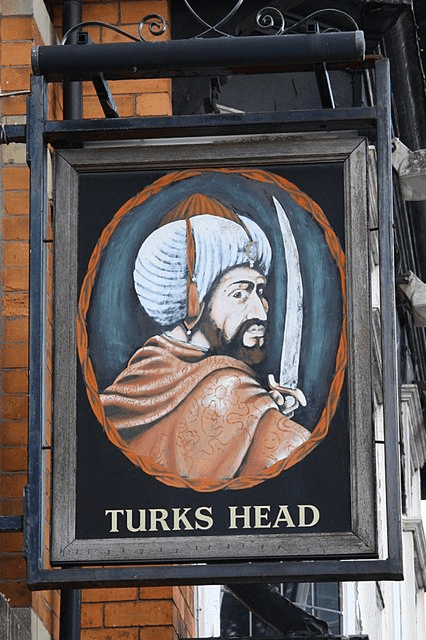
Our third report – Unpacking the Backlash –   collected and analysed 193,000 words from below- the-line comments under news articles as well as social media posts and public debates about rural racism, heritage, and access to the countryside. It found widespread reluctance to explore the colonial history of rural Britain as well as fierce resistance to removing overtly racist pub-names, including The Turk’s Head and The Black Bitch.

We also found frequent claims that the countryside was being invaded by foreigners and assertions that minoritised groups lack affinity with nature or knowledge about how to behave in the countryside. We further found that expertise on this topic was routinely dismissed, with academic rigour, qualifications or methodologies being questioned. Academics who speak or write about these topics are accused of selecting examples of racism based on preconceived beliefs, producing opinion pieces rather than evidence-based work.

More virulent still, was the force of denial that any problem exists. Rather, assertions that racism exists in the countryside were dismissed as figments of victims’ imaginations – an often-repeated question is “are the fields racist?” – and even personal testimony is commonly dismissed as being “made up”. So the battle to recognise that there is a problem presents a major barrier to acknowledging the issue and moving towards an evidence-based understanding of racism in the countryside today. 

Corinne Fowler is Professor of Colonialism and Heritage at the University of Leicester. Her book Our Island Stories: Country Walks Through Colonial Britain is published by Penguin Allen Lane.

Image: https://commons.wikimedia.org/wiki/File:The_sign_of_the_Turks_Head_-_geograph.org.uk_-_1300151.jpg Source: From geograph.org.uk Author: Richard Croft, licensed under the Creative Commons Attribution-Share Alike 2.0 Generic license.