Friday, May 22, 2026

Trump suddenly says US will send 5,000 more troops to Poland

Trump suddenly says US will send 5,000 more troops to PolandFacebook
By bne IntelliNews May 22, 2026

US President Donald Trump said on May 21 that the United States would send an additional 5,000 troops to Poland, in an apparent reversal of earlier moves to reduce the American military presence in Europe.

Trump linked the move, whose details remain unclear, to his apparently good rapport with Polish President Karol Nawrocki.

“Based on the successful election of the now President of Poland, who I was proud to endorse, and our relationship with him, I am pleased to announce that the United States will be sending an additional 5,000 troops to Poland,” Trump said in a statement issued late in the evening Polish time.

The announcement came several days after US media reported that the Pentagon had cancelled a planned rotational deployment of about 4,000 troops to Poland, a decision that sent shockwaves through Poland, which regards itself as the United States’ most loyal ally in Europe.

The cancelled deployment was to involve the 2nd Armoured Brigade Combat Team of the 1st Cavalry Division from Fort Hood, Texas.

According to the Trump administration, the move did not mean an immediate withdrawal of US troops already stationed in Poland, but rather the suspension of the next rotation.

Polish government officials said the decision was temporary and logistical, and posed no threat to Poland’s security.

Polish officials discussed the US troop presence with Trump administration officials in Washington this week. Deputy Minister of National Defence Cezary Tomczyk said after the talks that the United States would maintain a “high military presence” in Poland and that details of the US military presence in Europe would be consulted with Warsaw.

Nawrocki, who was elected in June 2025 with the support of the nationalist Law and Justice (PiS) party, is seen as close to the Trump administration, unlike the more pro-EU Prime Minister Donald Tusk, who has been critical of Trump.

The issue emerged after the announcement that several thousand US troops would be withdrawn from Germany.

Nawrocki said earlier this month that he would ask Trump to send the troops to Poland, while Estonia, Lithuania, Latvia and Romania also sought an increased US military presence after the Germany withdrawal announcement.

Tusk also said Poland would take “any opportunity” to increase the US military presence in the country, but warned against “poaching” troops from other allies in Europe.

The Pentagon has not said whether Trump’s decision concerns troops that had previously been due to come to Poland under the rotation, or units withdrawn from Germany. It is also unclear whether the move represents a permanent increase in allied forces or part of a troop rotation.


The geopolitical chokehold on Taiwan's polymer lifeline

The geopolitical chokehold on Taiwan's polymer lifeline
/ Ryo Harianto - UnsplashFacebook
By IntelliNews May 22, 2026

The conflict in the Persian Gulf has severed one of Taiwan's main industrial lifelines, forcing major plastic producers to slash output as raw material shipments from the Middle East cease. Maritime routes through the Strait of Hormuz are effectively blocked by hostilities between the US and Iran, leaving Taiwan's petrochemical sector, which relies on imports for 98% of its total energy and raw material requirements,scrambling for survival, Streamlinefeed.co reports.

For Taiwan, the sudden evaporation of naphtha and crude oil is not just a market fluctuation but a national security threat that will force an involuntary and painful "detoxification" from its plastic addiction. The "just-in-time" production model, which prioritises low reserves and high efficiency, has proven incapable of absorbing such a massive geopolitical shock.

Formosa production collapses  

The disruption in the Strait of Hormuz has impacted roughly 20% of global petroleum shipments. As a result, commercial freight carriers are abandoning the route en masse to avoid catastrophic insurance premiums and physical destruction. The US military has executed strikes against Iranian vessels and launched "Project Freedom" to escort neutral ships, but shipping remains paralysed, Streamlinefeed.co reports. But as Asia depends on the Middle East for 60% of its light crude oil, and the current blockade has stifled the flow of naphtha across the entire region, times are hard. Within a single month, Taiwan faced a plastic bag shortage, South Korea saw panic over garbage supplies, and Japan struggled to source sanitary equipment, Taipei Times reports.

Meanwhile, Formosa Petrochemical, one of Asia's largest oil refiners, saw its tankers from the Persian Gulf stop arriving in early March. The company imports two-thirds of its naphtha from the region. The shortage forced the firm to shut one of its two production lines, decreasing capacity by 42%, The New York Times reports. While the producer filled orders with stockpiled inventory in March, there was less to go around by April. Company spokesperson Lin Keh-yen said the disruption is more severe than the shocks caused by the COVID-19 pandemic or the invasion of Ukraine. Even if tankers resumed normal passage tomorrow, it would take at least a month for Taiwan's plastic supplies to return to normal.

The petrochemical industry is currently burning through emergency strategic stockpiles while frantically attempting to source alternative raw materials from the US and Northern Europe. However, the logistical reality of rerouting global shipping networks requires months of planning. Financial analysts have characterised the downstream impact as a "recession-level industry decline." Taiwan's highly lucrative export sector, which provides high-grade plastics for medical devices, automotive components, and consumer electronics globally,is now facing severe contract defaults. Production lines are slowing, forcing manufacturers to implement emergency rationing of specific polymer grades to their most critical clients.

Market chaos  

At the Xizhou public market in Taipei, the price of plastic bags and restaurant supplies doubled between March and April. Some retailers are now charging three times what they did before the war. Wholesalers like Yu Chih-ta, who has run a container shop for decades, have stopped receiving new shipments entirely. To stretch remaining supplies, they have raised prices and rationed how many bags customers can buy, according to The New York Times.

Pharmacies have run out of custom plastic prescription bags, switching to paper alternatives that contain plastic sleeves. These paper supplies are also now at risk of disappearing. For food vendors already operating on razor-thin margins, the price hikes are devastating. Some shop managers have started charging customers TWD1 ($0.03) for every plastic bag required. Taiwan’s plastic habit remains among the highest in the world; last year, government data cited by The New York Times showed the island used 229,008 metric tons of plastic bags, which works out to about 50bn bags.

In turn, the Taipei Times argues that the government must now elevate plastic reduction to a key element of national economic and security strategy. In the past, cutting back on plastic was primarily an environmental concern, but supply chain security is now the driving factor. Diversifying raw material sourcing to mitigate reliance on the Middle East is now an undeniable  necessity. This includes international cooperation to develop alternative petrochemical feedstocks and the establishment of strategic reserves to provide a buffer against future shocks.

The Taiwanese government is working to subsidise energy costs for the hardest-hit sectors, but the treasury cannot indefinitely absorb a global commodity shortage. The crisis has injected massive capital incentives into the Taiwanese recycling sector. Companies are racing to innovate chemical recycling technologies to harvest usable polymers from existing waste streams, Streamlinefeed.co reports. What was previously viewed as an expensive ecological novelty is now recognised as a critical matter of national industrial security. Shifting consumer behaviour is also vital. When supply is limited, the public is more amenable to alternatives. Encouraging the use of reusable containers and eco-friendly products could turn a transitory crisis into permanent structural change.

The paralysis of Taiwanese petrochemical output also creates a global ripple effect. In East Africa, economies like Kenya rely heavily on imported Asian polymers for construction and food packaging. A $100 per tonne increase in resin prices translates directly to higher costs for PVC pipes in Nairobi and basic food packaging in Mombasa, Streamlinefeed.co reports. This situation illustrates the perilous nature of hyper-globalisation; a geopolitical dispute in the Middle East directly determines the operational viability of a tech factory in Taipei and a plastic manufacturer in Nairobi.

Who is going to run out of men sooner and be forced to end the war: Russia or Ukraine?

Who is going to run out of men sooner and be forced to end the war: Russia or Ukraine?
 Much has been made of the slow down in Russia's recruitment drive and high casualties but little reporting is devoted to the same problems Ukraine is facing. / bne IntelliNews
By Ben Aris in Berlin May 21, 2026

Who is going to run out of men sooner and have to end the war? Russia or Ukraine? Much has been made of the slowdown of Russia’s volunteer recruitment drive which is now unable to replace the estimated 30,000 dead and wounded a month, but little reporting is devoted to the same problem that Ukraine is facing with its forced conscription problem.

It’s an important dynamic. Once the numbers fall too far armies tend to collapse. The psychology of a soldier is if say 3% of your compatriots die on the frontline then that is seen as an acceptable risk, but if as many as one in four are being killed at some point the soldier starts to believe death is inevitable and will try to leave.

There has been a spate of “Russia is losing the war” commentaries of late as the Armed Forces of Russia (AFR) battlefield progress has slowed to a standstill in the last month and has even reversed.

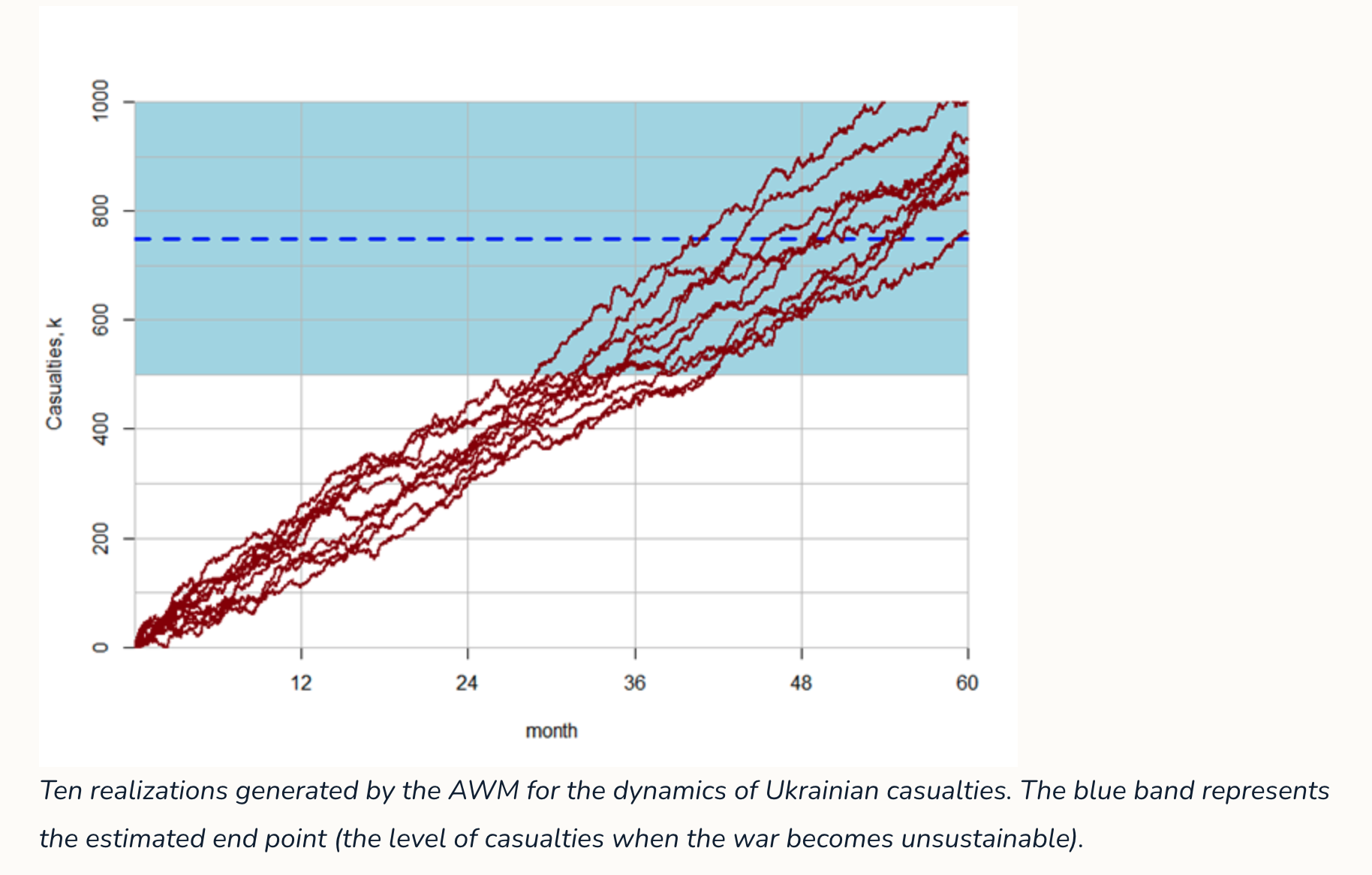
However, according to a note from Peter Turchin, the Project Leader at the Complexity Science Hub in Vienna, who developed a Attritional Warfare Model, or AWM (based on the Lanchester equations), the model suggests that the Russian forces continue to hold the advantage in the war in Ukraine and quantitative models of attritional warfare suggest it is the Armed Forces of Ukraine (AFU), not Russia, that may be approaching a critical manpower threshold.

"The AWM is quite straightforward–essentially, an accounting device. The key assumptions are (1) future dynamics of war materiel production by the contenders, (2) how materiel is translated into casualties, and (3) how the end point is determined," said in the original paper. "But the overall message is very clear. Once the war settled into the attrition phase (by the end of 2022), and it was clear that Western sanctions failed to shut down Russian productive capacity, the eventual outcome became, essentially, a mathematical certainty... ultimately, Russian victory."

A simplified version of this argument is that Russia is bigger and has more people than Ukraine, so without effective sanctions eventually it will just steamroll Ukraine's resistance as it can fight for longer. Turchin points out that a black swan event, like drone innovation, could up-end this assumption, but so far there has been no major breakthrough to give either side a definitiave advnage after over four years of war.

Writing on May 21, Turchin argued that coverage of the conflict had been overshadowed by the escalating confrontation involving Iran, the US and Israel, while western commentary continued to portray the war as either stalemated or turning against Moscow.

“But quantitative models of attritional warfare say otherwise: Russia continues to dominate the battlefield and the eventual outcome, barring a Black Swan event, is inevitable defeat of Ukraine,” Turchin wrote.

Turchin said more recent analysis by Warwick Powell had reached broadly similar conclusions, although using different assumptions about the point at which Ukrainian military capacity would begin to collapse.

Powell’s model assumes “that the beginning of the end for Ukraine will happen when its army size declines below a certain threshold (0.65-0.73 of the initial size of 550,000)”.

“From that point, Ukrainian losses will accelerate and the full collapse will happen once the army size is below 50% of the prior peak,” Turchin wrote, adding that Powell’s model projected “the tipping point will happen in July-September”.

Of course a lot of uncertainty remains as the assumptions are dependent on variables that are difficult to measure, especially the growing role of drone warfare on the battlefield, which are increasingly replacing men. As IntelliNews reported, Ukraine has just introduced robo-soldiers, fully autonomous fighting robots, that have already successfully won one encounter with the AFR.

“What’s important is the casualty rate inflicted on the Ukrainian army by the Russians, and it doesn’t matter whether it’s a result of artillery, air bombing, or drones,” he wrote. Those numbers remain a closely guarded state secret.

Ukraine is struggling much harder to replenish troop numbers after more than four years of war than Russia is. Recent research shows with some confidence (based on budget spending on wages and bonuses) that Russia’s voluntary recruitment drive has fallen to some 20,000 per month, or around 70% of those that have been removed from the fighting.

There is no reliable official figure for Ukraine’s current monthly casualty or recruitment rate. Both Kyiv and Moscow tightly control casualty information, and outside estimates vary widely. Still, Ukraine is believed to be losing as many men as Russia, somewhere in the range of 20,000-35,000 total casualties per month in periods of heavy fighting. At the same time Ukraine is generally estimated to be recruiting or mobilising about 15,000-30,000 personnel per month – again on a par with Russia. However, those are forced recruits who are very reluctant to fight. Separately, Ukraine has reported at least 100,000 cases have been brought against deserters, the total number of which experts estimate to be around 250,000 – significantly higher than Russia’s problem with soldiers going AWOL.

Clearly Bankova is growing increasingly desperate to find fresh troops. Kyiv lowered the mobilisation age from 27 to 25 in 2024 and has intensified recruitment efforts, while European allies continue to pay lip service to the idea of ejecting male military age Ukrainian refugees sheltering in their countries, without taking any action. At home, footage of the increasingly violent snatch squads grabbing men from the street are widely circulating on social media and the violence of the reaction to the press gangs is also escalating.

An article by Branko Marcetic in Responsible Statecraft, reports a sharp rise in complaints against enlistment officers received by Ukraine’s human rights ombudsman, Dmytro Lubinets. Complaints rose from 18 in 2022 to 6,127 in 2025, while violent attacks against enlistment officers increased from five incidents in all of 2022 to 117 just during the first four months of 2026. At least three recruitment officers have already been killed by men resisting recruitment.

2022 — 18

2023 — 514

2024 — 3312

2025 — 6127  

Source: Kyiv Independent

“Warwick estimates that (as of May 14) that on the Ukrainian side net daily loss rate is 900–1,700 units,” Turchin wrote, adding that Powell estimated Ukraine’s effective force had declined to between 320,000 and 380,000 personnel from a peak of 550,000.

“When will these pressures reach the breaking point?” Turchin asked. “Powell thinks by September of this year. But I would be much more cautious, because the nature of such dynamical processes resists precise predictions.” 380,000 personnel from a peak of 550,000.

“When will these pressures reach the breaking point?” Turchin asked. “Powell thinks by September of this year. But I would be much more cautious, because the nature of such dynamical processes resists precise predictions.”

Russian Veterans ‘Simply Don’t Fit Into Existing Political Machinery,’ Kremlin Has Concluded – OpEd


By

Despite Putin’s constant suggestions that veterans of his war in Ukraine represent “the nation’s new elite,” there are ever more signs that in the view of the Kremlin, these people “simply do not fit into the existing political machinery,” according to Olga Churakova, a journalist with the Important Stories portal.

As the 2026 Duma elections approach, she says, “the Russian authorities are as a result are wrestling with a dilemma: they need to bring war veterans into parliament” as Putin wants “without letting them coalesce into a genuine political force” that might challenge the Kremlin leader and his regime (istories.media/opinions/2026/05/19/ne-vremya-geroev/).

In fact, Churakova continues, “the political system itself has no idea what to do with the veterans” when it comes to making them part of the elite.  Consequently, the Kremlin has scrapped plans to bring into the Duma as many as 150 veterans with insiders saying “you can’t bring people” in such numbers as “they are completely non-systemic.” 

First, the Kremlin reduced the number of veterans it planned to have in the Duma to 50 to 70 and more recently, it has cut them back further to about 40. According to Churakova, “the prospect of a new bloc of military deputies clearly makes the Kremlin uneasy;” and the Presidential Administration is trying to figure out how to ensure it controls them.

One thing is clear, she continues, for the Kremlin, “the less consolidated this group remains, the easier it will be to manage them.” And there are other problems: “even at lower levels, the integration of veterans is already floundering” with many veteran-candidates having lost their primaries.

Moreover, “despite the high level of societal respect for  war participants, there is no reliable public data indicating how this reverence translates into actual votes at the ballot box, Churakova says. As a result, “for political parties, running a veteran is a gamble that by no means guarantees victory.”

“All this is unfolding against the backdrop of rapidly deteriorating social sentiment,” she says, and so “the authorities are being forced to maneuver carefully: they are already purging radical deputies from the public sphere to avoid inflaming domestic tensions.  As a result, “the prospect of introducing an unpredictable bloc of veterans suffering from PTSD into the new Duma looks quite risky.”

Churakova concludes: “The Russian authorities have backed themselves into a tight corner of their own making: these “war heroes” are desperately needed as ideological symbols, but they are far too dangerous to be empowered as real political actors.” This is leading the Kremlin to “lose face and quietly retreat from its declared principles.”

Putin Policies Sparking ‘Wave Of Separatism’ In Russian Oblasts Bordering Ukraine – OpEd


By

Vladimir Putin’s decision to appoint generals as the governors of Russian federal subjects shows that the Kremlin currently is no longer trying to suggest that all is well and instead is conducting a policy based on the war continuing for a long time and one in which the interests of these regions will be sacrificed to the war, Abbas Gallyamov says.

The former Putin speechwriter and now prominent Kremlin critic argues that this change is having the unexpected and unwelcome consequence of generating “a wave of separatism in Russian border regions” because the population there now feels as if it has been put at risk” (vot-tak.tv/93315500/kreml-militarizuet-regiony).

Throughout his time as Russian president, Putin has turned to generals, admirals and other siloviki to run Russia’s federal subjects and federal districts, only to discover that they were no less corrupt that the people they replaced and far more ineffective because they knew how to give orders but did not know how to mobilize the population to obey them.

As a result, Gallyamov says, Putin gave up on at least two occasions; but when he launched his expanded invasion of Ukraine, many observers expected him to appoint siloviki as governors. But because Putin wanted to downplay the war in the eyes of Russians, he has generally restricted this approach to the leaders of regions adjoining Ukraine.

For the first four years of the war, Putin “sought to avoid creating the impression of a wholesale militarization of political live and to maintain the illusion that nothing particularly alarming was taking place within the country.” Obviously, “the mass appointment of generals as governors would look like an admission Russia has shifted onto a full wartime footing.”

According to Gallyamov, “the most recent appointments thus appear to mark a turning point,” with Putin sending a general who fought in both Syria and Ukraine to head Belgorod and a civilian administrator who had headed the LPR has been dispatched to Bryansk,” a shift for which there is “a clear rationale.”

“Facing manpower shortages at eh front and a deepening budget deficit at home,” the commentator continues, “the Kremlin feels compelled to employ mechanisms other than financial incentives to recruit individuals willing to sign military contracts.” And naming those who have fought to high positions shows the Kremlin “isn’t joking” about making them an elite.

What this means, however, is that “one can no longer rule out the possibility that afte slr the collapse of the current region, a secessionist movement seeking to withdraw from the Russian Federation could emerge in that region,” perhaps in the shape of a Chernozem Federation or some other grouping.

 A slogan for such a movement “practically writes itself,” Gallyamov suggests: “’Stop Bombing Voronezh.’”  How popular this will be depends on the situation in Russia on the one hand and the brightness of Ukraine’s future “appear at that particular moment.” If the former is bad and the latter good, secession becomes likely.

“This last factor should not be underestimated,” he continues. “The successes achieved by the people of the neighboring country in their post-war reconstruction—and, even more so, their accession to the EU—when compounded by Russia’s own failures and problems, could create a new center of gravity for Russia’s border regions.”

He argues that “the logic would be starkly simple: “Look—the Ukrainians broke away from Russia, and now they have a brilliant future. We need to do the exact same thing.” The dismissal of a popular governor and his replacement by a military figure with a dubious reputation” will only make that outcome more likely.


The baby bust: how a global demographic crisis crept up on everyone

The baby bust: how a global demographic crisis crept up on everyone
From Seoul to São Paulo, fertility rates are collapsing faster than anyone predicted. The consequences for pensions, growth and geopolitical power will define the coming century / bne IntelliNewsFacebook
By Ben Aris in Berlin May 22, 2026

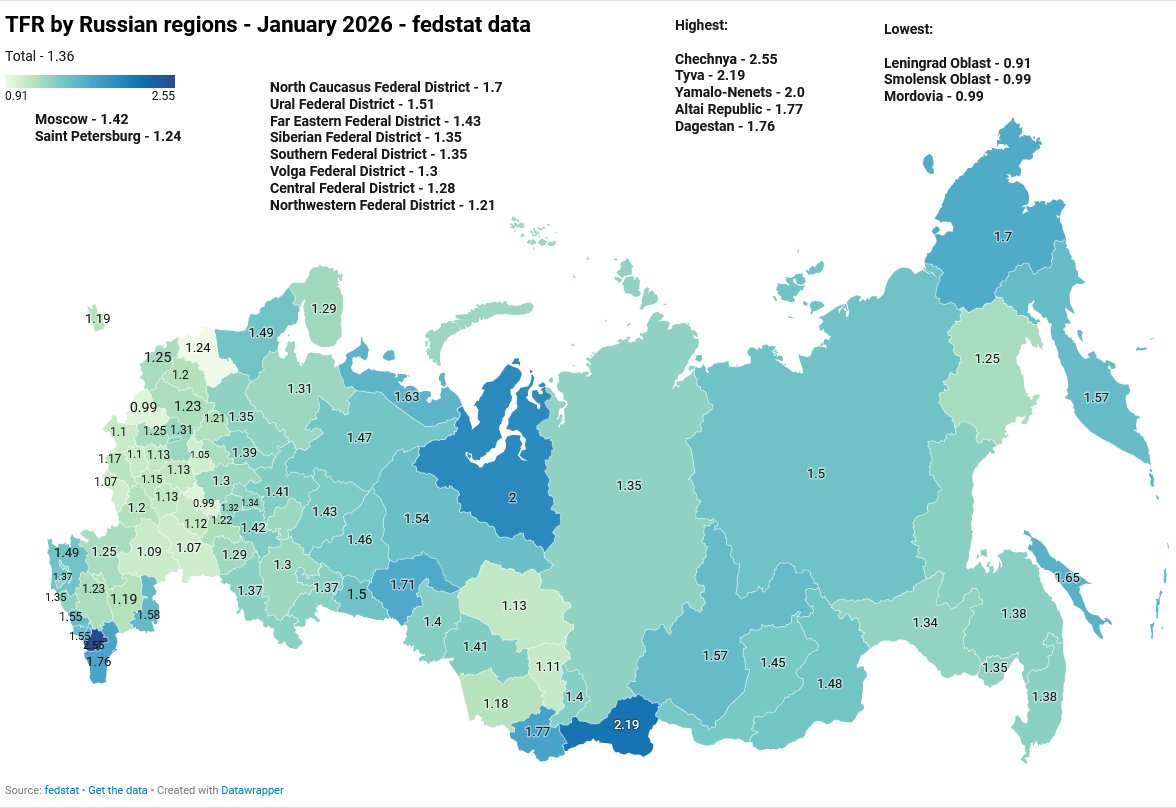
Just a decade ago, the dominant demographic narrative was of "dying Russia" — a population hollowed out by the chaos that followed the Soviet collapse, shrinking through a combination of low birth rates, high mortality and mass emigration. The meme was convenient and, for a while, accurate. It is now obsolete. Russia's problem has become everybody's problem.

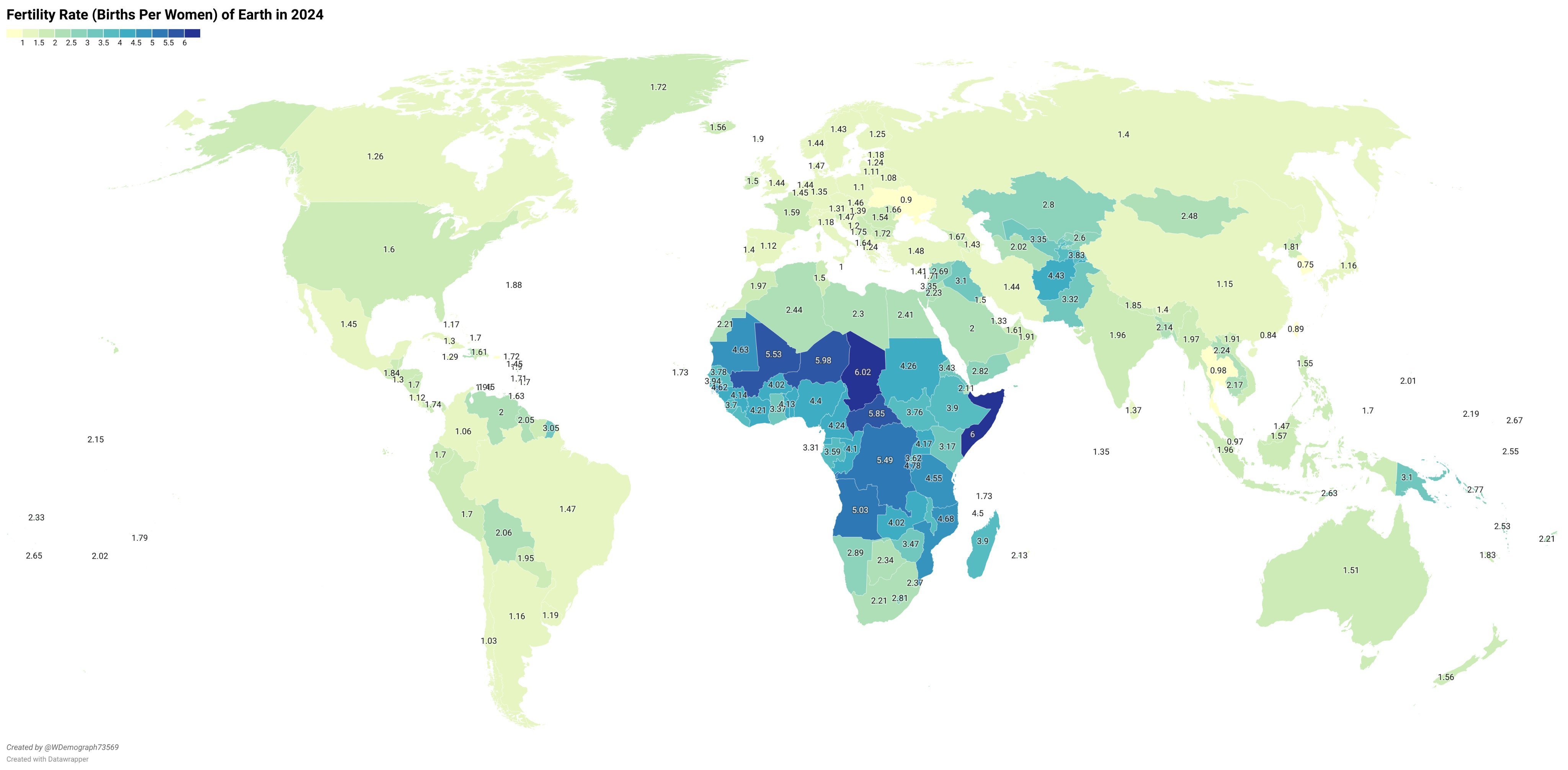
Thanks to what might be called "Putin’s babies" — an aggressive pro-natalist programme launched by the Kremlin at the very start of his rule, combining generous maternity payments, housing support and social pressure — Russia's demographic profile looks considerably healthier than most of the rest of Europe, even if its population is still shrinking along with everyone else's. The uncomfortable truth is that there is now nowhere in Europe where the fertility rate exceeds the replacement level of 2.1 births per woman — except Kosovo, which just scrapes above at 2.01. Every other European country sits below the line.

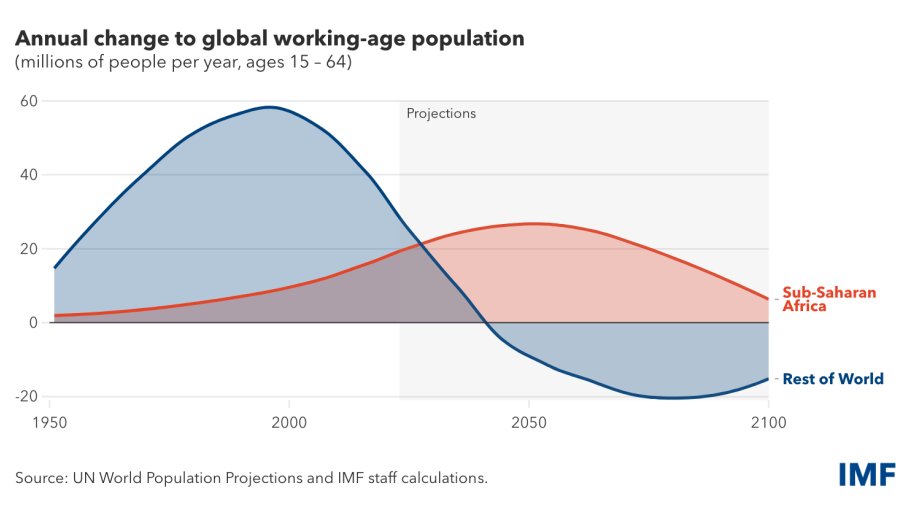
The crisis extends far beyond Europe. In more than two-thirds of the world's 195 countries, the average number of children born to each woman has fallen below replacement rate. In some countries the situation has become catastrophic.
Europe

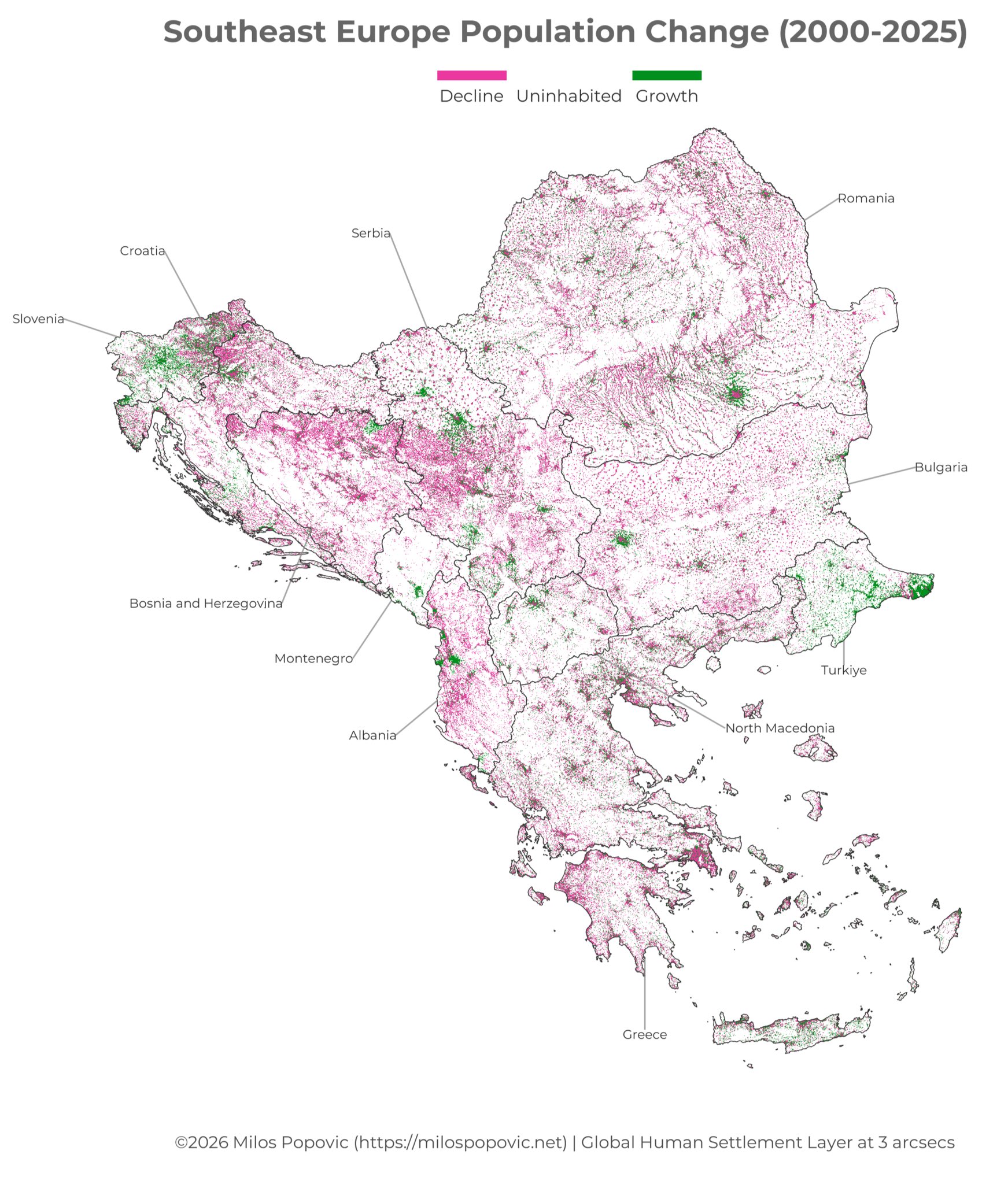
Ukraine has by far the worst demographic in the world. Its mortality rate is three times its birth rate, and the population is in rapid collapse — a crisis dramatically worsened by a war that has carved a deep gouge out of the 25-to-35-year-old cohort and sent millions of women abroad. Ukraine's total fertility rate stands at 0.90, the lowest in the world. Lithuania follows at 1.04 and Poland at 1.08, with the Baltic states and Central Europe close behind. Eastern Europe as a whole has become the epicentre of depopulation.

Even Hungary, with its elaborate suite of ultra-natalist policies — tax exemptions for mothers of four or more children, interest-free loans, subsidised housing — manages only 1.31 children per woman. Bulgaria leads the EU at a still-inadequate 1.62. France records 1.56, a figure somewhat inflated by its overseas territories. Germany sits at 1.3, with a rapidly ageing population of pensioners that it will struggle to sustain financially. In March German Chancellor Friedrich Merz crunched the numbers and concluded: "We can no longer afford our social system."  In Italy, some regions have seen the fertility rate fall below 1.0, as young couples simply cannot afford a second child.

Oxford Economics' assessment is blunt. "With the influx of Ukrainian refugees abating, it would take several hundred thousand more migrants than we project to prevent a persistent fall in the eurozone's working-age population," said senior economist Riccardo Marcelli Fabiani. "Our baseline forecast is for net migration to alleviate some, but not all, of the decline." The eurozone's working-age population is expected to begin shrinking next year.

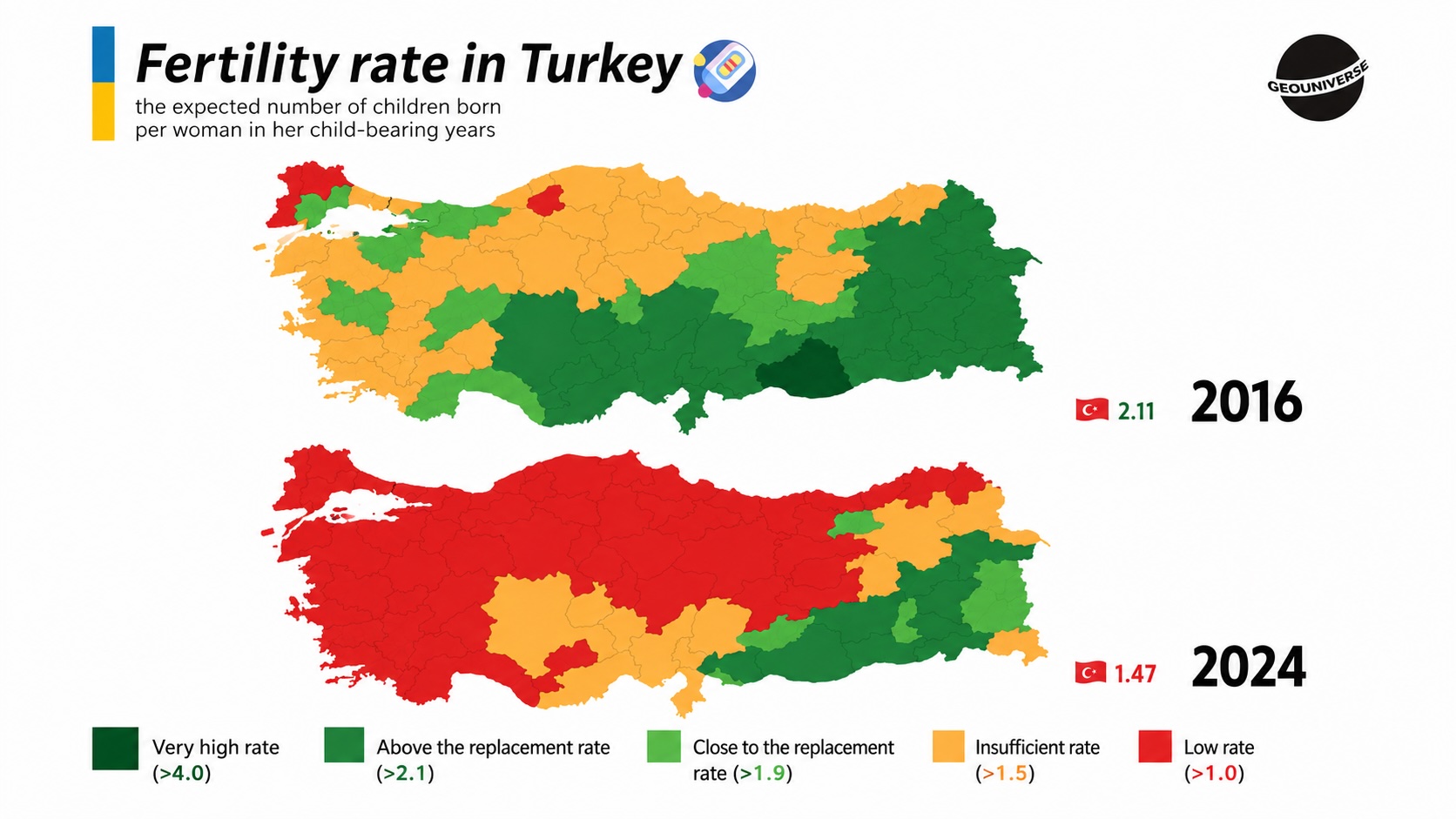
In November, residents of Turkey were reflecting on some disturbing news: fully one half of all families have no children. Turkey, despite being perceived as a relatively young country, is also experiencing a demographic crisis, with a birth rate of just 1.39 — lower than large parts of Europe.
Asia

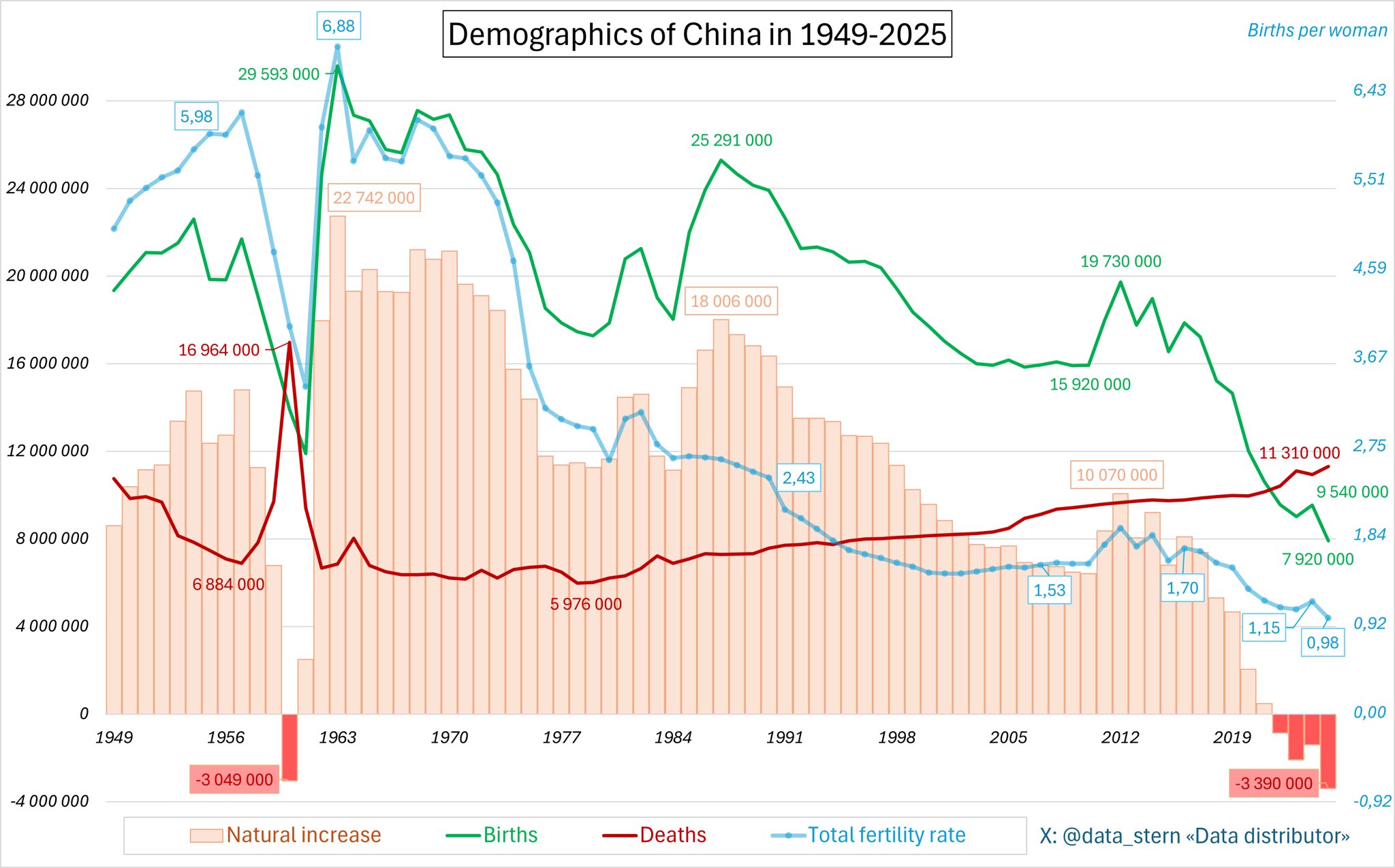
The problem is equally acute in the markets that have typically seen populations grow alongside rising incomes. South Korea leads the world in demographic dysfunction at 0.80 children per woman — the lowest fertility rate ever recorded for a major economy. Taiwan sits at 0.72, Singapore at 0.88, Thailand at 0.87, and China at 0.93. Japan, whose ageing crisis has been extensively documented for decades, records 1.13. Even Malaysia, at 1.41, and the Philippines, at 1.7, are well below replacement.

China's situation stands out. It has long vied with India as home to the most humans on the planet and both were the only countries with over a billion people, but China has not only already lost its lead to India, it is going to lose half its population full stop, according to the IMF.

The legacy of the one-child policy has produced an age pyramid that looks more like a tower. With a working-age population of around 800mn now beginning to contract, the speed of demographic ageing is without precedent in economic history. Oxford Economics estimates that shrinking workforce dynamics will subtract approximately one percentage point from China's potential output growth by the 2050s — a compounding drag that will fundamentally reshape the country's economic trajectory. China's population, currently around 1.4bn, is projected to roughly halve over the coming decades without a dramatic reversal in fertility that shows no sign of materialising.

India remains in a lot better shape, in that its population pyramid still looks like a pyramid. With a fertility rate hovering around 2.0, it will be one of the few Asian countries to see mild population growth over the same period — though even here the middle-class effect is beginning to suppress birth rates in urban and educated cohorts.
The Middle Income Effect

Where has fertility fallen most sharply in the past decade? Not in the richest countries, but in middle-income ones. Turkey, Iran, Argentina, Thailand and Mexico all now have fertility rates well below that of the United States. The explanation lies in economics: as incomes rise to the point where a middle class emerges, birth rates fall. The incentive structure shifts. In poor families, more children mean more hands to work the land and more people to support parents in old age. Once life becomes comfortable and parents become professionals, children come to be seen as expensive choices rather than economic necessities and caregivers have less time to spend on looking after toddlers.

This middle-class effect is already visible at the bottom of India's demographic curve, where urban, educated families are shrinking in size. Latin America presents a similarly stark picture: Brazil at 1.5, Argentina at 1.13, Chile at 1.14, Uruguay at 1.15, Colombia at 1.28, Mexico at 1.38 and Costa Rica at 1.10. The highest fertility rate in the region belongs to French Guiana at 2.76 — an outlier explained by its specific demographic composition.

In the Middle East, Iran records 1.49, while the Gulf states are all well below replacement: Qatar at 1.33, Kuwait at 1.5, the UAE at 1.6, and Saudi Arabia at 2.0. Israel, at 2.87, stands as a striking outlier — one of the highest rates in the developed world and well above its neighbours.

The Exceptions: Africa and Central Asia

Two regions remain genuine exceptions to the global trend, though for different reasons and with different trajectories.

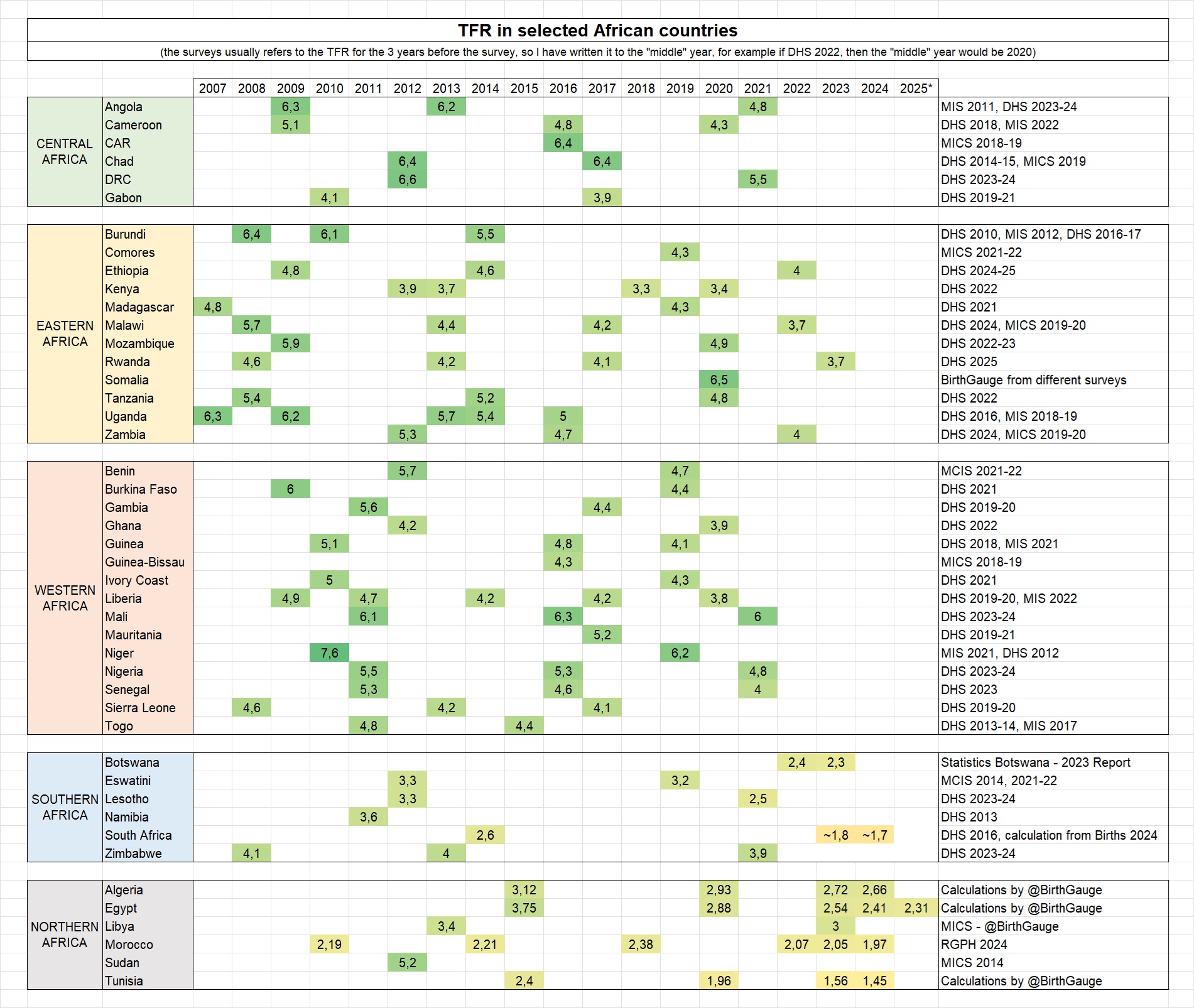
Africa remains the world's primary source of population growth. Only three African countries currently sit below replacement rate: Morocco at 1.97, South Africa at 1.7 and Tunisia at 1.45. Most African countries still record fertility rates of three or more. But the direction of travel is clear and accelerating — rates that stood at six to ten births per woman just fifteen years ago have fallen dramatically. Egypt, Africa's third most populous state, is projected to be the first to fall below two children per woman replacement before 2030 – largely to the middle class growth effect.

Central Asia, and Uzbekistan in particular, represents the other growth hotspot. With an average age below 35 and a rapidly expanding young population, Uzbekistan is bucking the global trend. One of the central challenges facing President Shavkat Mirziyoyev is creating enough well-paid jobs for an increasingly youthful electorate. Kazakhstan, by contrast, saw a 10% decrease in births last year.
What Is Driving the Collapse

The scale of the collapse has surprised even demographers. Just five years ago the United Nations predicted roughly twice as many births as have actually occurred. The demographic deterioration in high and middle-income countries has accelerated sharply in the past decade alone.

Several factors are in play. The Financial Times has reported a link between the spread of smartphones and falling fertility rates — the hypothesis being that social media suppresses the romantic interactions that lead to partnership formation. Staring at your phone all day is not very sexy. The evidence is suggestive but not conclusive, and the decline in many countries began in the 1990s, well before smartphones became ubiquitous.

More concretely, the past half-century has seen a fundamental shift in how economic growth is distributed. Since the 1970s, the gains from productivity growth have increasingly accrued to capital rather than labour — to shareholders rather than workers. Real wages in the United States, for example, have stagnated for decades even as corporate profits, dividend payments and the overall size of the economy have soared.

The cost-of-living crisis accelerating across much of the developed world is another problem: housing costs have risen far faster than incomes, particularly in major cities. Berlin's combination of restrictive planning permissions and rent control — designed to keep accommodation affordable — has produced a split market in which tenants wont leave their rent-controlled accommodation sending up prices in the unregulated new-build apartments. The upshot is a chronic shortage of affordable accommodation that is yet another a powerful disincentive to family formation.

The Economic Reckoning

What impact all this will have on the global and local economies is hard to say. But investors are already taking notice. In Oxford Economics' fourth-quarter 2025 Global Risk Survey, concern about demographic change rose sharply, with 40% of respondents identifying it as a top risk — up from 25% just two quarters earlier. The drivers are straightforward: falling fertility rates combined with accelerating ageing are fundamentally altering the structure of labour supply across most of the world's economies and putting already cash-strapped government budgets under even more pressure.

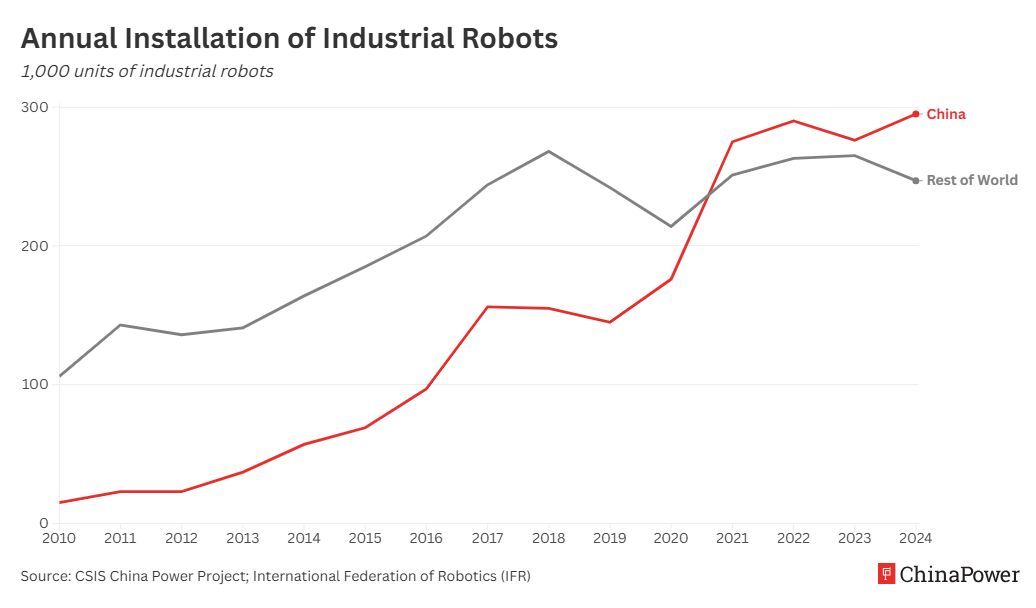
One solution already being studied by governments, investors and corporations alike is to look to artificial intelligence and robotics to fill the gap. McKinsey Global Institute estimates that existing technology could, in theory, automate around 57% of current US work hours. Work in the future will likely be a partnership between humans, AI agents and robots. But the transition raises as many questions as it answers — about which skills remain valuable, which jobs disappear, and how the gains from automation are distributed in societies already struggling with inequality.

The demographic crisis crept up on the world slowly, then arrived very fast. The babies that were not born in the 1990s, the 2000s and the 2010s are the workers, consumers and taxpayers who will not exist in the 2030s, the 2040s and the 2050s. Reversing that arithmetic, where it can be reversed at all, will take generations.