The History And Meaning Of Easter Eggs: Origins, Symbolism & Traditions
Have you ever wondered about the true Easter eggs meaning? Long before they were made of chocolate and hidden in gardens, eggs were profound ancient symbols of rebirth and spring. For Christians, Easter egg symbolism represents the sealed tomb and the glorious resurrection of Jesus Christ. From the royal courts of King Edward I to the legendary red egg of Mary Magdalene, discover the fascinating history of Easter eggs, the true origin of the Easter egg tradition, and exactly why we decorate Easter eggs to celebrate this joyful season.

When we think of Easter, a few familiar images instantly come to mind: colourful spring blooms, playful bunnies, and, most iconically, beautifully decorated eggs. Whether they are carefully painted, intricately designed, or made of chocolate and hidden for a festive hunt, they are a cherished part of the holiday. But what is the true meaning of Easter eggs, and how did this practice begin? Beyond their bright colours lies a fascinating story. By exploring the history of Easter eggs and the origin of the Easter eggs tradition, we uncover a beautiful blend of ancient spring festivals, profound Easter egg symbolism, and evolving cultural practices.
What Do Easter Eggs Really Mean?
At its heart, the egg has long been a universal symbol of new life, renewal, and fertility. This meaning existed well before Christianity, tracing back to ancient spring festivals that celebrated the end of winter and the rebirth of nature. The image of a chick emerging from an egg naturally came to represent fresh beginnings and the cycle of life.
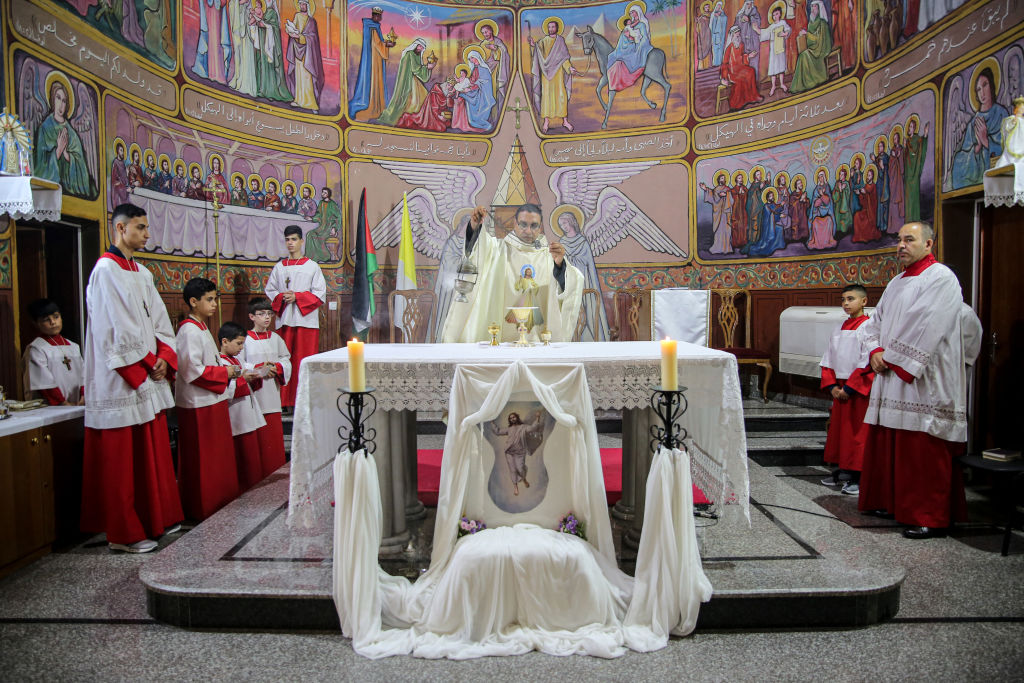
With the rise of Christianity, this powerful symbol was given a deeper spiritual meaning. For Christians, the Easter egg represents the resurrection of Jesus Christ. The hard shell is seen as a symbol of the sealed tomb, while cracking the egg signifies Jesus rising from the dead, bringing with it hope, renewal, and the promise of eternal life.
In many traditions, eggs are also dyed in vibrant colours, especially red, which symbolizes the blood shed by Christ during the crucifixion. Over time, these symbolic practices blended with local customs, eventually evolving into the joyful Easter egg traditions we see today, where meaning, faith, and celebration come together in one simple yet powerful symbol.
Why Are Eggs Part of Easter?
The connection between eggs and Easter developed over centuries, blending ancient customs with Christian practices. Long before the rise of Christianity, many cultures celebrated spring festivals around the time of the vernal equinox. These festivals often focused on fertility and the return of light and life after winter, and symbols like eggs and rabbits (known for their prolific breeding) were likely used in these celebrations. As Christianity spread, it often incorporated existing pagan symbols and traditions, adapting them to fit Christian narratives. The egg, with its potent symbolism of new life, was a natural fit for celebrating the resurrection, the ultimate story of new life in Christian belief.
There was also a very practical reason rooted in religious observance. For centuries, Christians traditionally abstained from eating certain foods, including eggs, meat, and dairy products, during Lent – the 40-day period of fasting and repentance leading up to Easter. However, hens continued to lay eggs throughout this period. By the time Easter Sunday arrived, households often had a large surplus of eggs. What better way to celebrate the end of the fast and the joyous occasion of Easter than by decorating, sharing, and feasting on these accumulated eggs? This practical necessity helped solidify the egg's place as a staple of Easter celebrations.
Legends and Royals: The History of Easter Eggs
The origin of the Easter egg tradition is also steeped in fascinating legends and royal history. One of the most famous stories in early Christianity involves Mary Magdalene. According to Eastern Orthodox tradition, Mary attended a banquet hosted by Emperor Tiberius Caesar. She held up a plain egg and proclaimed, "Christ is risen!" The Emperor laughed, stating that Christ rising from the dead was as likely as the egg in her hand turning red. Miraculously, the egg immediately turned a brilliant red, cementing the tradition of dyeing eggs for Easter.
Historically, the practice of gifting decorated eggs can be traced back to the Middle Ages. One of the earliest recorded instances was in 1290, when King Edward I of England ordered 450 eggs to be covered in gold leaf and decorated. These luxurious eggs were presented as Easter gifts to the royal household, sparking a tradition of elaborate egg gifting that would eventually lead to the creation of the famous, jewel-encrusted Fabergé eggs in the 19th century.
The Ancient Art of Pysanky
When asking why we decorate Easter eggs, one cannot ignore the breathtaking Ukrainian tradition of Pysanky. Unlike standard dyeing, Pysanky involves a complex wax-resist method where intricate folk motifs and geometric patterns are drawn onto the eggshell using beeswax before dipping it into various dyes. These eggs are not meant to be eaten but are preserved as powerful talismans, believed to ward off evil and bring prosperity, showcasing how deeply Easter egg symbolism is woven into global cultures.
How Do You Prepare Easter Eggs?
The most common way involves real chicken eggs:
Hard-Boil Them: Cook the eggs in boiling water until the inside (yolk and white) is solid. This stops them from breaking easily and makes them safe to handle (and eat later if you keep them cold!).
Let Them Cool: Make sure the eggs are cool before you decorate them.
Decorate! This is the fun part:
Dyeing: Use special Easter egg dye kits you can buy at the store. You mix colours with water and vinegar, then dip the eggs in.
Painting: Use non-toxic paints to paint designs on the shells.
Crayons: Draw on the warm, hard-boiled egg with crayons (the wax melts a bit onto the shell). You can even dye them after drawing for cool effects.
Stickers: Use Easter-themed stickers.
Nowadays, many "Easter eggs" are also chocolate eggs (often hollow and filled with candy) or plastic eggs that you can open and fill with small treats or toys.
What Do People Do With Easter Eggs?
Easter eggs are the centrepiece of many joyful springtime activities:
Easter Egg Hunts: Grown-ups hide decorated eggs (real, chocolate, or plastic) around the house or garden, and children race to fill their baskets.
Egg Rolling: A popular tradition, most famously hosted at the White House, where children use long spoons to roll decorated hard-boiled eggs down a grassy hill.
Egg Tapping (or Egg Fights): A traditional game where two people hold a hard-boiled egg and tap them together. The person whose eggshell remains uncracked wins!
Festive Decorations: Beautifully painted eggs serve as stunning centrepieces for the Easter dinner table or are hung on decorative Easter trees.
Sweet Treats: Let’s not forget eating them! While hard-boiled eggs are enjoyed as a breakfast treat, hollow chocolate eggs filled with candy remain a global favourite.
From ancient fertility symbols to representations of Christian resurrection, and from simple dyed hen's eggs to elaborate chocolate creations, the Easter egg has journeyed through history, adapting and accumulating layers of meaning. Whether you're decorating them, hunting for them, or simply enjoying a sweet treat, Easter eggs remain a powerful and joyful symbol of new beginnings, hope, and the enduring spirit of spring. Happy Easter!
Frequently Asked Questions (FAQs)
1. Why do we decorate Easter eggs?
We decorate Easter eggs to celebrate new life and the resurrection of Jesus Christ. Historically, Christians painted eggs bright colours to mark the end of the strict Lenten fast, turning a practical food surplus into a joyful, vibrant celebration.
2. What is the Easter egg symbolism in Christianity?
In Christianity, the Easter egg symbolizes the resurrection of Jesus. The hard outer shell represents the sealed tomb of Christ, and the cracking of the egg represents Jesus rising from the dead and the promise of eternal life.
3. What does a red Easter egg mean?
In Orthodox Christian traditions, Easter eggs are dyed a deep red to symbolize the blood shed by Jesus Christ during his crucifixion on the cross.
4. Who invented the Easter egg hunt?
The Easter egg hunt is widely believed to have originated in Germany. Protestant reformer Martin Luther is said to have organized egg hunts for his congregation, where men hid eggs for women and children to find, symbolizing the discovery of the empty tomb.