Showing posts sorted by relevance for query MARX AND FREUD. Sort by date Show all posts

Sunday, December 14, 2025

Can Psychotherapy Challenge Capitalism?
12.11.2025
TRIBUNE

While psychotherapy is often viewed as an exclusive, individualistic preserve, it also incorporates a strong element of social critique — and its modern history contains startling examples of therapy rooted in radical democratic principles.


Portrait of Austrian psychologist Sigmund Freud (1856 - 1939) as he sits behind his desk in his study, Vienna, Austria, 1930s. (Credit: Authenticated News via Getty Images.)

If I were to ask you to free-associate on the term ‘psychotherapy’, you might not make it beyond a miasma of imagined jargon. Perhaps, for some of you, the term conjures images of philodendrons dangling from bookshelves lined with titles such as Atomic Habits. You might imagine jute rugs bathed in soft light pinned under a coffee table, upon which sits a box of tissues, invoking the solemnity of a votive.

All of which is to say that in the popular conception of psychotherapy, everything is contained in one, private room. It would be fair to say that psychotherapy is largely regarded as a private service for individuals to lay out all manner of experiences, so that they can explore their personal inner tumult.

However, looked at another way, we can see how, in fact, these experiences are substantially social in nature, and that psychotherapy is, in some ways, a reduction of these social experiences to personal events in the psyche. This all serves to illustrate the multitudes of the form — primarily the individual, private position of the client, but also the wider socio-political slant that cannot help but inform their life.

If one traces a line back to the Enlightenment, from thinkers like Descartes up to Freud, and through various paradigms like Behaviourism and modern-day Relational approaches, one can see how the private has become more and more interconnected with the social and the political in psychoanalytical models. Descartes placed human experience inside the vacuum of individual interiority; I think, therefore I am. Danish philosopher Soren Kierkegaard developed ideas about an ethical stage via his ‘stages of becoming’, wherein the individual progresses to a way of life in step with societal expectations (and the existential struggle of adapting to these expectations).

Though Freud’s is primarily a psychology of constitutional factors such as sexual desires and drives, as early as 1908, in ‘“Civilized” Sexual Morality and Modern Nervous Illness’, he considered the socio-political factors of repressive societal demands, and the psychological effects upon the individual. While Freud developed his theories, Structuralists like Ferdinand de Saussure challenged Cartesian assertions about the individual, proposing that one cannot simply extract the individual from their environment in order to understand them.

I work in a primary school (not just with young children, but also with private clients, whose ages range from the teens up to the fifties and beyond). Having trained with a specialism in child psychotherapy, I learned early on of developmental theories, such as the Attachment Theory of Ainsworth and Bowlby, and Bandura’s Learning Theory. Underpinning these theories are the interactions between biology and the environment — the intrinsic and extrinsic, development as a social process: a process of becoming through a matrix of relationships, to others and to the environment.

In the 1960s, English Psychoanalyst Wilfred Bion developed his ideas around containment. This is a process imperative to the child’s primary caregiver, but also to the therapist — and it returns us to the containment of the solitary therapeutic room, which, along with the therapist, is itself a container for the client and their feelings, thoughts, and emotions. The primary challenge I find in psychotherapeutic work is in this sense of containment.

While I can offer up myself and this private room as a receptacle for the client, in order to help to ‘transform’ intolerable psychic material (as it were), the client will of course leave this containment once our fifty minutes is up, and return to the many other containing spaces that constitute the social framework of life. That is to say, I might very well sit with a client in a private space and receive their most painful projections — and if things go extremely well I might assist in helping the client to re-process and integrate these feelings and emotions. But they still have to go home afterwards, potentially to a household where trauma and abuse are prevalent, or at the very least go back out into a world built upon the cold steel transoms and ledgers of capitalism.

My work in schools makes the political very much tangible and makes it clear that psychotherapy is battened to the socio-political. In 2017, a national policy was published called ‘Transforming Children and Young People’s Mental Health Provision’. The paper addressed what I am only too familiar with: the lack of accessibility to mental health services for children and young people; inequalities that help to create mental health issues, which are then perpetuated by other mental health issues; waiting lists for services such as CAMHS being incredibly long, and, as in the case of my school, staff who are overworked and often under-appreciated.

Griffin et al., (2022) analyse this paper and consider how policies are often tantamount to ‘political interventions’, serving to justify and embed certain healthcare ‘pathways’ as a means to an end of justifying a political agenda. For instance, early intervention sounds almost commonsensical when you think of it as a set of programmes to help children to improve their lives at a crucial point in their physical, cognitive, and emotional development. However, it has been argued that such policies lay blame at the feet of the parents rather than the social forces that help to create inequality in the first place. ‘Rather than undermining neoliberal philosophy, social investment approaches sustained and intensified it’, as Gillies et al., (2017) assert.

Looking back over the modern history of psychotherapy will be helpful at this point. There may not have been the exact same concerns back in the 1950s, when Eric Berne — the founder of the Transactional Analysis (TA) method of psychotherapy, and a key influence on my own practice — was writing. But Berne was driven by an ethos of equality, and a desire to make therapy accessible to all.

So why did Berne distance his method from the political, at least outwardly? Claude Steiner, a French-born psychologist, was a friend of Berne’s, and collaborated with him in the development of his theories. In 2010, Steiner wrote of his lifelong assumption that Berne was avowedly apolitical (Steiner himself had studied physics at Berkeley, but made a decision ‘not to make bombs’ and transferred to the study of child development). Berne passed away in 1970, but it wasn’t until 2004 that it was revealed to Steiner through Berne’s son, Terry, that Berne had been investigated by the House of Representatives’ Select Committee on Un-American Activities. Steiner mentions the ‘severe persecution’ Berne was subjected to as he was interrogated, and how Berne lost his government job and had his passport rescinded. What had Berne done? In 1952, he had signed a petition that questioned the treatment of leftist scientists in government.

The nuances of Berne’s narrative cast a long shadow. While authoritative cultural voices today persist in placing the burden on the individual, I spend a good deal of my time worried that I am enabling the continuation of the status quo by helping clients to simply endure their lot. Capitalism induces anxiety in us and then demands that we privately do something about it, as if health is not even slightly socially-determined. This is ‘deliberately induced to block political action’ (Frosh, 2017).

Then I remember the tenets of TA. That Berne sought to strip away hierarchies of power, starting at an interpersonal level. Berne advocated for an accessible therapy for all, free of isolating vernacular and the power-dynamic of the almighty therapist/healer. Berne was anti-elitist and proposed that we all had the ability, through analysis of our communication, to clear the way through game playing into intimacy, and an undertaking of a ‘redecision’ about who we are and how we relate to the world. Via Ego States, he revealed how we not only internalise parental messages but how dominant forces in the world exact their parental force on us. TA shows us that we have the personal potency to change how we engage with this world and from which private position we do so (how we are affected by the world and how we wish to affect the world).

Berne understandably distanced himself from politics during the Red Scare, but there is much for us to take from his commitment to continuing his work regardless, and developing a sociopolitical theory rooted in democratic principles — all despite this very real fear of reprisal from oppressive, authoritative voices seeking to discount his very existence. As we seek to understand the complex interplay between the individual and the social in contemporary psychotherapy, we could do a lot worse than heed his example.

Contributor
Mark Hammond is a Psychotherapist from Gateshead and the author of Victims, Aren't We All?


May 19, 2022 ... 1937, Victor Gollancz, London. Addeddate: 2022-05-19 09:50:42. Identifier: osborn-1937-freud-marx.

In addition to. Hegel, Marx, and Weber, Freud became one of the foundation stones on which their interdisciplinary program for a critical theory of soci- ety ...

Wednesday, February 14, 2007

A Little Eros For Valentine's Day


Alternet had this article about activism and love for Valentines day;
Why Love Is Our Most Powerful, Lasting Form of Activism

Which is very much what I said here;Socialism Is Love

And it got me thinking about the left wing Freudians like Norman O. Brown. One of the philosophers who was widely read in the Sixties and Seventies but who is forgotten now. Yet Brown only recently passed away, five years ago.

His attack on repression and embrace of Eros against Thantos (death) spoke to the crisis of rigidity, authoritarianism and the war culture in America and around the world in that period. Not unlike the situation of world crisis we find ourselves in now.

Like Marcuse's; Eros and Civilization,
and the various works of Paul Goodman and Eric Fromm, and those of Wilhelm Reich, reading Browns work was a liberatory experience.

For Valentines day I can think of no better suggestion than remember Norman. O. Brown.

Brown like Fromm and the radical theologian Harvey Cox a Dionysian Christian,embraced the idea of death and resurrection as liberation, and that the secret gnosis was to embrace life not death, in that Christos was life against death.

Like
Jane Ellen Harrison who in her work Themis described the revolutionary aspect of Dionysus as being the young god who embraces life even in death, against the sterility and rigidity of the old pantheon of dead stone faced Gods of Greece. By the time of the Bacchanae, the Greek pantheon stood as statues in the edifice of State. Appolianic culture was ridden with wars and patriarchy as it was the creator of high culture and civilization of the Greek State.

This dialectic is also reflected in the later works of Harold Bloom and Camille Paglia.

In his work Loves Body....

Brown here draws much more on ethnography and myth, in addition to psychoanalysis, and he strives for a fusion of the pagan/Dionysian with a radical Christian mysticism. (This latter is noteworthy, because it calls upon potentialities in Christianity that are far different either from the “liberal theology” of Brown’s day or from the heavy fundamentalism that is the main face of Christianity in America today. Brown’s emphasis on the joyousness of the Resurrection, on the “resurrection of the body,” is diametrically opposed to the sadomasochistic body hysteria/disgust of Mel Gibson’s Passion of the Christ). Brown also moves from the formidably learned and argumentative discourse of Life Against Death to a more poetic, more willfully fragmentary style of writing. Love’s Body is short on any concrete discussion of how we might get from here to there, from civilized repression to redemption in the body of Dionysus/Christ, but it’s ferociously visionary in a way that stands as a reproach to more timid social, cultural, and religious theorists.


Norman Brown, Playful Philosopher, 89, Is Dead

October 4, 2002
By DOUGLAS MARTIN


Copyright 2002 The New York Times Company

Norman O. Brown, an erudite and spectacularly playful
philosopher whose attempt to psychoanalyze nothing less
than history itself entranced intellectuals, beguiled New
Age seekers and sold many books, died on Wednesday in Santa
Cruz, Calif. He was 89.

His son Thomas N. Brown said he had Alzheimer's disease and
died at an assisted-living residence.

Dr. Brown was a master of philosophical speculation, mixing
Marx, Freud, Jesus and much else to raise and answer
immense questions. Alan Watts, the popular philosopher,
sang his praises. His works joined David Riesman's ``Lonely
Crowd'' and J.R.R. Tolkien's ``Lord of the Rings'' on the
reading lists of undergraduates aspiring to the
counterculture.

Scruffy pilgrims streamed to commune with him, only to
discover a short-haired man who lived in a split-level
house and avoided drugs. A meticulous student of ancient
Greek who was given to long, meditative walks with his
golden retriever, he was not a little perplexed when
magazine and newspaper articles linked him to the new left,
LSD and the sexual revolution.

``I have absolutely no use for the human-potential
movement,'' he said in an interview with Human Behavior
magazine in 1976.

His books were nonetheless gobbled up by scholars eager to
respond to hip-sounding ideas that combined erudition and a
poetical mysticism.

``Reading Brown was a little like taking drugs, only it was
more likely to lead to tenure,'' the sociologist Alan Wolfe
wrote in The New Republic in 1991.

In his ``Life Against Death: The Psychoanalytical Meaning
of History'' (Wesleyan University Press, 1959), he said
individuals and society were imprisoned by an essentially
Freudian ill: repression. He argued that the only escape
was to face death head-on and affirm life.

Maurice Richardson wrote in The New Statesman: ```Life
Against Death' is a running dive off the Freudian
springboard into history's deep end. It is a fascinating
book, discursive, inconsequent, sometimes preposterous, but
full of interesting ideas, product of a learned man in a
tight place, one of those rare genuine stimulators.''

Dr. Brown's book ``Love's Body'' (Random House, 1966)
discussed the role of erotic love in human history,
describing a struggle between eroticism and civilization.
He voted against civilization, a stance that elicited
praise and criticism.

Among his critics was Brigid Brophy in The New York Times
Book Review, who called Dr. Brown's assertion that
schizophrenics might be saner than those without the
disease ``the most preposterous ever made in serious
print.''

His ``Closing Time'' (Random House, 1973), an interweaving
of quotations from James Joyce's ``Finnegans Wake'' with
excerpts from the works of the 18th-century philosopher
Giambattista Vico, was ``an extraordinary tour de force,''
Library Journal said.

Norman Oliver Brown was born in El Oro, Mexico, on Sept.
25, 1913. His father was an English mining engineer, and he
was mainly reared and educated in England, where his tutor
at Balliol College, at Oxford University, was the eclectic
historian Sir Isaiah Berlin. He earned his doctorate in
classics at the University of Wisconsin.

From 1943 to 1946 he served in the Office of Strategic
Services, the forerunner of the Central Intelligence
Agency. He became a friend of Herbert Marcuse, another
intelligence analyst and later analyst of society, and
those philosophers later engaged in spirited intellectual
debates for many years.

In 1938 he married Elizabeth Potter, who survives him. In
addition to her and his son Thomas, of Santa Cruz, he
leaves another son Stephen, who lives near Armstrong,
British Columbia; his daughters Rebecca Brown of Monte Rio,
Calif., and Susan Brown of Iowa City; and five
grandchildren.

Dr. Brown was a professor at Wesleyan University, the
University of Rochester and the University of California at
Santa Cruz.

He was a Marxist by sensibility and intellectual
inclination in the 1930's, and worked in the leftist
presidential campaign of the Progressive Party's Henry
Wallace in 1948. By the early 1950's, he decided that
politics did not answer the important questions, and became
enamored with Freud. He even learned to interpret his
dreams, which had the unwanted side effect of ruining his
sleep.

Sir Stuart Hampshire, an English philosopher who had known
Dr. Brown since they were students at Oxford, said
yesterday in a telephone interview that Dr. Brown was ``a
victim of theories,'' whether those of Marx or Freud. He
said Dr. Brown's idea that it was possible to abandon
Freudian morality in choosing an unrepressed life was ``not
really his life or anybody's life.''

But Sir Stuart praised many of Dr. Brown's intellectual
insights, mentioning in particular his recognition of
Jonathan Swift's hatred of the physical functions of the
body.

``Nobody had ever said that before,'' he said. ``It was
very, very intelligent.''

Jay Cantor, who teaches a mix of literature, philosophy and
psychoanalysis at Tufts University, said yesterday by phone
that Dr. Brown was brilliant at connecting seemingly
disparate subjects to form new insights. A typical example:
``If Freud is true it is because of connections with the
Gospel, and if the Gospel is true it is because of
connections with Marx, and if Marx is true it is because of
connections with James Joyce.''

Dr. Brown typically used memorized quotations to make the
connections, Dr. Cantor said. He added that Dr. Brown had a
modern poet's sensibility in his writings, allowing ``the
symbolism and the history of the words he used to lead his
thoughts.''

``Everything is only a metaphor,'' Dr. Brown wrote in
``Love's Body,'' ``there is only poetry.''

His favorite poetic sentiment was about how we all die with
unlived lives in our bodies. Dr. Cantor suggested that this
referred to ``the difficulty of breaking the mental chains
we carry within us.''


ZIZEK, NORMAN O. BROWN & THE PSYCHOLOGY OF CULTURE
by Richard Koenigsberg


According to Slavoj Zizek, the fundamental level of ideology is that of an
"(unconscious) fantasy structuring our social reality." Ideology is not a
"dreamlike illusion," rather is a "fantasy- construction which serves as a
support for our 'reality' itself." Matthew Sharpe notes that just as an
individual subject's discursive universe will "only ever be unified through
recourse to a fantasy," so too the public ideological frame wherein
political subjects take their bearings can only function through the vehicle
of what Zizek calls "ideological fantasies."

Norman O. Brown's writings in Life Against Death: The Psychoanalytical
Meaning of History allow us to expand upon Zizek's views. In contemporary
theory, concepts such as culture, ideology, discourse and narrative usually
are taken as "givens." These concepts are used to "explain" the mind, but
are not themselves considered to be subject to explanation. However, one may
pose questions such as: Why do particular discourses become dominant within
a given society? Why do some narratives replicate whereas others do not? How
may we account for the structure and shape of particular ideologies, and the
passion with which they are embraced?

Whereas Lacanian theorists view the mind as a product of the symbolic order,
Norman O. Brown seeks to explain the nature of the symbolic order itself.
Brown states that culture represents a set of "projections of the repressed
unconscious." Symbolic objects in culture, according to Brown, exist to the
extent that they perform psychological functions for the subject. Culture,
Brown declares, exists in order to allow human beings to "project the
infantile complexes into concrete reality, where they can be seen and
mastered."


The Freudian Left

The body was also the nexus of repression for Brown, and his “eschatology of immanence” (to use Susan Sontag’s memorable phrase (262)) foreshadows the postmodernism of many from Dilleuze to Irigaray:

With the whole world still in the bourgeois stage of competitive development and war, the thing to remember about Marx is that he was able to look beyond this world to another possible world, of union, communion, communism…And after Freud, we have to add that there is also a sexual revolution; which is not to be found in the bourgeois cycle of repression and promiscuity, but in the transformation of the human body, and abolition of genital organization. (1968, 246)

Brown is at pains to point out that the most basic of Freud’s speculations demand not only a science of culture, but also a revolution:

In a neurosis, according to Freud, the ego accepts reality and its energy is directed against the id… In a psychosis, the ego is overwhelmed by the id, severs its connection with reality, and proceeds to create for itself a new outer and inner world. The healthy reaction, according to Freud, like a neurosis, does not ignore reality; like a psychosis it creates a new world, but, unlike psychosis, it creates a new world in the real world; that is, it changes reality. (1959, 154)

For Brown, who remains the most Freudian of our triumvirate, sublimation (the result of repression) is essentially desexualization wherein the ego, incapable of accepting its own negation in death, dilutes its life and connects its “higher sublimations” (socially accepted transferences of erosic energy such as work and industry) to lower regions of the body in what Brown terms a “dialectical affirmation-by-negation.” If the simplest example of such sublimation-as-desexualizing is infantile thumb sucking, the “most paradoxical” is anality, and Brown concludes his magnum opus, Life Against Death with a simply astonishing deconstruction of “the excremental vision” in western literature and philosophy. In a discussion ranging form Luther’s eschatology, to Berkeley’s tar-water and Kant’s “categories of repression” we find a conclusion of sorts: “It is by being the negation of excrement that money is excrement; and it is by being the negation of the body (the soul) that the body remains a body-ego” (1959, 161).


Norman O. Brown, 1913-2002

Norman O. Brown was born in New Mexico in 1913 and educated at Balliol College, Oxford, and at the University of Wisconsin. His tutor at Oxford was Isaiah Berlin. A product of the 1930s, Brown was active in left-wing politics - for example, in the 1948 Henry Wallace presidential campaign - and his work belongs within the history of Marxist, as well as psychoanalytic, thought. During World War II, he worked in the Office of Strategic Services, where his supervisor was Carl Schorske and his colleagues included Herbert Marcuse and Franz Neumann. Marcuse urged Brown to read Freud, leading, in 1959, to Brown’s most memorable work, Life Against Death. Brown taught Classics at Wesleyan University and was a member of the History of Consciousness Department at the University of California at Santa Cruz. Although Life Against Death made him an icon of the New Left, he successfully eschewed publicity, insisting to the end on his primary identity as teacher.

There is still no better introduction to Life Against Death than the one that Brown wrote in 1959. The book was inspired, he explained, by a felt ‘need to reappraise the nature and destiny of man’. The ‘deep study of Freud’ was the natural means for this undertaking. His motives, Brown continued, were political in the most profound sense of the term: ‘Inheriting from the Protestant tradition a conscience which insisted that intellectual work should be directed toward the relief of man’s estate, I, like many of my generation, lived through the superannuation of the political categories which informed liberal thought and action in the 1930s.’ ‘Those of us who are temperamentally incapable of embracing the politics of sin, cynicism and despair’, he added, were ‘compelled to re-examine the classic assumptions about the nature of politics and about the political character of human nature.’

How did it come about, at the dawn of the 1960s, that Freud appeared as the successor to a ‘superannuated’, but not yet surpassed, Marxist project? Life Against Death addressed this question. Until the 1960s, as Marx had well understood, the overwhelming fact of human life had been the struggle for material existence. The ‘affluence’, ‘cybernation’, and ‘conquest of space’ that were becoming apparent signalled that this struggle need no longer dominate. As John Maynard Keynes prophesied, even a glimpse at ‘solving the economic problem’ would provoke a society-wide ‘nervous breakdown’ or creative illness in which the ends of society would come in for re-examination. Marxism lacked the means for this re-examination but psychoanalysis did not. However, Freud in the 1950s was understood to be a conservative refuter of liberal and Marxist illusions of progress and not as their successor. As Norman Podhoretz - then a student who, along with Jason Epstein, discovered and promoted the book - noted, Brown disdained the ‘cheap relativism’ of Freud’s early critics such as Karen Horney and Erich Fromm and understood that ‘the only way around a giant like Freud was through him’.

Brown’s reading of Freud in Life Against Death had two main theses. first, Brown offered a riddle: ‘How can there be an animal that represses itself?’ Freud’s texts offered a solution. The determining element in human experience, in Brown’s reading, was the fear of separation, which later takes the form of the fear of death. What we call individuation is a defensive reaction to this primal fear and is ‘based on hostile trends directed against the mother’. Driven by anxiety, the ego is caught up in ‘a causa sui project of self-creation’; it is burdened with an ‘unreal independence’. The sexual history of the ego is the evidence of this unreality. Desexualization (the transformation of object-libido into narcissistic libido) is the primary method by which the ego is built up.

While Brown’s emphasis on the infant’s psychical vulnerability was true to Freud, his one-sided denigration of the ego was not. According to Brown, what psychoanalysis considered the goals of development - ‘personal autonomy, genital sexuality, sublimation’ - were all forms of repression. Above all Brown criticized psychoanalysis for endorsing dualism: the separation of the soul (or psyche) from the body. The true aim of psychoanalysis, he argued, should be to reunite the two. This can be achieved by returning men and women to the ‘polymorphous perversity’ of early infancy, a state that corresponds to transcendence of the self found in art and play and known to the great Christian mystics, such as William Blake and Jakob Boehme. The key was to give up the ego’s strivings for self-preservation; genital organization, Brown wrote, ‘is a formation of the ego not yet strong enough to die’. Brown called repression the ‘universal neurosis of mankind’, a neurosis that every individual suffered.

History, or the collective individual, he continued, went through an analogous process of trauma, repression and the return of the repressed. History, then, had the structure of a neurosis. In particular, Brown saw the birth of capitalism as the nucleus of the neurosis, a critical period, somewhat akin to the stage of the Oedipus complex in the evolution of the individual. Just as, in Freud’s original formulation, the infant moved from anality to genitality, so, Brown believed, in the transition from medieval to modern capitalist society, anality had been repressed, transformed and reborn as property. Capitalism at root, Brown argued, was socially organized anality: beneath the pseudo-individuated genitality of early modern society, its driving force was literally the love of shit. The Protestants, he held, had been the first to notice this. Luther, in particular, regularly called attention to the Satanic character of commerce, by which Brown meant both its daemonic, driven character and its excremental overtones of possession, miserliness and control. The papacy’s ultimate sin, according to Luther, was its accommodation to the world, meaning to commerce or the Devil. Once again, as for the individual, Brown viewed death as the portal to life. Max Weber, he argued, in linking Protestantism to capitalism, emphasized the calling but left out the crucifixion. According to Brown, ‘the Protestant surrenders himself to his calling as Christ surrendered himself to the cross’, meaning that a free, unrepressed merging with this world was the path to resurrection and to the transcendence of the soul/body divide.

Life Against Death will always be associated with Herbert Marcuse’s Eros and Civilization, which appeared four years earlier and which inevitably influenced Brown. Whereas Brown articulated his impossibly utopian vision of an unrepressed humanity in prophetic tones, Marcuse distinguished surplus repression - the repression imposed by alienated labour and class society - from necessary repression, the repression that was inevitably involved in separation from the mother, the struggle with the instincts, and death. Both books reflected the historic possibilities of automation, but Marcuse’s added a note of realism missing in Brown’s. Furthermore, in the ecumenical 1960s, the Christian substructure of Brown’s thought was barely noticed, although it became even more prominent in his 1965 Love’s Body. By contrast Eros and Civilization was unremittingly secular. In one sense, however, Brown’s book advanced beyond Marcuse’s. Whereas Marcuse still suggested that most psychic suffering originated in social demands imposed on the individual from the outside, Brown was closer to Freud in grasping the ‘mind-forg’d manacles’ rooted in the painful facts of dependence and separation.

Although published in the 1950s, Life Against Death found its main audience among the polycentric, globally dispersed, revolution-oriented student and youth groups known collectively as the New Left. Just as such ‘extremist’ sects of the Reformation as the Anabaptists, Diggers and Holy Rollers sought to experience salvation on earth, so the New Left rejected Freud’s insistence that repression was inevitable. In doing so, it served as a kind of shock troop, limning the horizon of a new society. Life Against Death spoke to its key preoccupations: the belief that the socio-political world was intrinsically mad, the rejection of the nuclear family, the desire to transcend distinctions and boundaries, to bring everything and everyone together, the rejection of sublimation and the achievement ethic in favour of authenticity, expressive freedom and play. Like Eros and Civilization it rested its claims on the ego’s original, ‘inseparable connection with the external world’. Giving voice to the communal ethos of the time, it provided an underpinning to the New Left’s critique of instrumental reason, its desire for a new connectedness with nature, and its attempt to liberate sexuality from its genital, heterosexual limits; indeed, to eroticize the entire body and the world.

What, finally, can we say about a work whose tone and vision seem almost infinitely alien to our own ‘post-utopian’ times? Brown’s perception of the liberating potential of the modern economy was not wrong, but it required cultural and political transformations that necessarily occurred only in partial and limited ways. If Brown missed the fact that the fantastic power of the modern economy can be and has been harnessed for life, he illuminated its dark and daemonic underside in ways that we have still not fathomed. It is also worth remembering that the dreams that arise in great periods of social upheaval do not disappear for ever. Rather, they go underground, as the 1960s went underground and were reborn in the women’s movement, in the upheavals of 1989, and in the anti-globalization struggles of today. Memorializing Brown’s death is one way to encourage what he believed in above all: rebirth.

Eli Zaretsky


Find blog posts, photos, events and more off-site about:
, , , , , , , , , , , , , , , , , ,

Tuesday, September 15, 2020


Erich Fromm and the Revolution of Hope


August 18, 2020
Length:3140 words


Summary: Marks the fortieth anniversary of the socialist humanist Erich Fromm’s death. First appeared in Jacobin, here https://www.jacobinmag.com/2020/08/erich-fromm-frankfurt-school-marxism-weimar-germany — Editors


The German socialist thinker Erich Fromm is an unjustly neglected figure, certainly when compared with his erstwhile Frankfurt School colleagues, such as Max Horkheimer and Theodor Adorno. Fromm’s analysis of authoritarian culture offers what is in many ways a more grounded alternative to the influential theories of Horkheimer and Adorno, and reveals a distinctly more optimistic and hopeful engagement with the question of radical social change.

Scholarship on the Frankfurt School and critical theory has minimized Fromm’s contribution, continuing a trend that Max Horkheimer himself inaugurated after Fromm’s departure from the Frankfurt Institute in 1939. This has left us with a picture of Frankfurt School critical theory that is rather one-sided, lacking a serious account of Fromm’s thought and his influential critique of authoritarianism.

Fromm’s story shows us that a critique of authoritarian culture – that points out the strong tendencies toward passivity and reaction in the general populace – can retain its central thrust while also maintaining some of the optimism of the original Marxian critique of capitalism, and its orientation towards political action in the here and now.


Early Years

Fromm was born in 1900, into a middle-class, orthodox Jewish family in Frankfurt am Main. His initial plan on leaving school was to become a Talmud scholar; instead, his father persuaded him to study Law at Frankfurt University, where he lasted less than a year before transferring to Heidelberg’s Ruprecht-Karls-University to study “Nationalökonomie” (National Economics).

In Heidelberg, under the tutelage of Alfred Weber (brother of Max), Karl Jaspers, Hans Driesch, and Heinz Rickert, Fromm attended classes on the history of philosophy and psychology, social and political movements, and the theory of Marxism. During this period, Fromm continued his Talmud studies side-by-side with his academic work. The Romantic socialism of his Talmud teacher, Salman Rabinkov, was particularly influential.

Like Max Horkheimer, Fromm refrained from direct involvement in socialist politics during these early years. He was a member of neither the German Social Democratic Party (SPD) nor the German Communist Party (KPD). Fromm’s strongest engagement at this time remained his Jewish studies. He helped set up an influential Jewish Teaching Institute (Freies Jüdisches Lehrhaus), at which he lectured along with figures such as Franz Rosenzweig, Martin Buber, Gershom Scholem, Leo Baeck, and Siegfried Kracauer. He also set up a sanatorium in Heidelberg with his future wife, Freida Fromm-Reichmann, for the specific psychoanalytic treatment of Jewish patients.

Fromm’s interest in Marxism grew from the mid-1920s – in the period that Karl Korsch dubbed the “crisis of Marxism” – during which he studied at the Berlin Psychoanalytic Institute. Fromm, who had by this point renounced Judaism, was part of a group of young dissident socialist thinkers, including Wilhelm Reich and Otto Fenichel, who were concerned with applying the ideas of psychoanalysis to social issues.

This group, like many others in Germany at the time, wanted to understand why socialism had thus far failed to materialize in Germany, despite the fact that it had a large working class and a highly organized labor movement. Influenced by the critique of “mechanical Marxism” that Georg Lukács and Karl Korsch had inaugurated, they tried to identify what might be called the “subjective” barriers to socialism and believed that psychoanalysis could play a particularly important role in illuminating those barriers.


Joining the Frankfurt School

During this period, Fromm made the acquaintance of Max Horkheimer, who was also interested in the potential for psychoanalysis to make sense of the failures of socialism. Horkheimer at this time was affiliated with the famous Frankfurt Institute for Social Research, set up in 1923 by Felix Weil, son of a wealthy businessman father and former student of Karl Korsch. Although the institute was initially modelled along the lines of an orthodox Marxist institute of labour studies, when Horkheimer became director in 1930 its focus shifted toward the interdisciplinary mixing of social philosophy with the empirical social sciences, and particularly the mixing of sociological and psychoanalytical concerns. At Horkheimer’s instigation, Fromm received an invitation to join the Institute, where he and Horkheimer were to be the central intellectual force in these early years, pioneering the fusion of psychoanalysis and Marxism long before Theodor Adorno entered the picture.

At the Institute, Fromm took charge of an innovative empirical study of manual and white-collar German workers. Making use of a detailed questionnaire distributed to some 3,300 workers, the study sought to analyse the relationship between the psychological make-up of the workers and their political opinions. The questionnaire revealed that the majority of respondents associated themselves with the left-wing slogans of their party, but that their radicalism was considerably weaker when it came to more subtle and seemingly unpolitical questions.

Fromm concluded that roughly 10 percent of the participants were “authoritarian,” roughly 15 percent were “democratic/humanistic,” and the remaining 75 percent were somewhere between the two. The authoritarians, he predicted, would support a future fascist political movement, while the democrats/humanists would stand up and oppose them. The problem was that the democratic/humanistic segment might not be strong enough to defeat the authoritarian 10 percent if those in the middle were psychologically unprepared to resist the authoritarians.

Although the study itself wasn’t published until the 1980s, under the title The Working Class in Weimar Germany — partly because of the subsequent breakdown in Fromm’s relationship with Horkheimer — it clearly shone considerable light on what was to transpire under the Nazi regime. It was also a rare example of empirical research into the lives and attitudes of the working class from within the Frankfurt School tradition.

Fromm remained an important part of the Institute’s work for much of the 1930s. He was largely responsible for the relocation of the Institute to the US in response to the Nazi takeover, making personal contact with scholars at Columbia University, where the Institute eventually settled. He was also pivotal to the Institute’s continuing research on authoritarianism, and played a central role in the 1936 Studien über Autorität und Familie (Studies on Authority and the Family) – a 1,000-page preliminary report which helped pave the way for the Institute’s more famous work on The Authoritarian Personality.

However, Fromm’s revision of Freud during this period began to alienate him from Horkheimer. Fromm argued that the key problem of psychology was how individuals relate to one another and to the society around them and not a matter of predetermined libidinal stages (anal, oral, genital, etc.) as was the case in Freud. The burgeoning intellectual relationship between Horkheimer and Adorno contributed further to this sense of alienation. Fromm left the Institute towards the end of 1939.


Fear of freedom

Not long after his departure from the Institute, Fromm broke onto the US intellectual scene with his work Escape from Freedom (1941). The book’s central theme was that Europe had sacrificed its progress over the course of centuries towards ever greater forms of political freedom — and even towards socialism — through its capitulation to fascism. Fromm wanted to explain how Nazism had taken hold in Germany, and why so many individuals had come to support Hitler.

He put forward the notion of a “sadomasochistic” or “authoritarian” character, which combines strivings for submission and for domination to provide the human basis for authoritarian rule. Fromm wanted to transcend simplistic explanations of Nazism that depicted it as an exclusively political or economic phenomenon, without falling back on purely psychological theories (suggesting that Hitler was mad, and his followers equally so). He sought to understand Nazism as both a psychological and a socio-economic problem.

Like most Marxist analyses at the time, Fromm focused on the role of the lower middle classes. He argued that certainsocioeconomic and political changes had left a deep psychological mark, removing traditional supports and mechanisms of self-esteem. Those changes included the declining status of this class in the face of monopoly capitalism and hyperinflation, as well as the defeat Germany had suffered in the First World War.

Fromm identified deep feelings of anxiety and powerlessness upon which Hitler had been able to capitalize. His sadomasochistic message of love for the strong and hatred for the weak — not to mention a racial program that raised “true-born” Germans to the pinnacle of the evolutionary ladder — provided a means of escape from intolerable psychological burdens experienced on a mass basis.

Escape Fromm Freedom was not merely an analysis of Nazism. At the heart of its thesis was the notion that capitalism — particularly in its monopolistic phase — fostered “the development of a personality which feels powerless and alone, anxious and insecure,” and which is therefore tempted to surrender its freedom to strong-man leaders.

Fromm’s analysis explicitly spoke of the conditions for fascism which existed in the US: the effects of the Great Depression, the existence of increasingly mechanized forms of factory work, the prevalence of political propaganda and hypnoid forms of advertising, interacting with a purported psychological tendency toward “automaton conformity” on the part of a significant percentage of the population.


The marketing orientation

Fromm returned to the theme of social conformity fourteen years later in The Sane Society (1955), which identified a widespread, socially patterned “pathology of normalcy” governing advanced capitalist societies. The Sane Societyengaged in an extended critique of mid-twentieth-century US society, which for Fromm was essentially a bureaucratic form of mass-consumer capitalism.

As part of this critique, Fromm utilized the notion of the “marketing orientation” to describe what he saw as the newly dominant personality type in US society. This notion was clearly a social-psychological refraction of the Marxian notion of alienation, with the idea that humans were alienated from themselves and their own powers and capacities. For Fromm, the “marketing orientation” denoted a mode of existence in which people experienced themselves and others as commodities — literally as something to be marketed.

The Sane Society did show a certain affinity with the emphasis of the other Frankfurt School theorists on the integration of the working class into capitalist society. But there was a greater sense in Fromm’s work of the possibilities for change, even if he did not identify a particular social agent that would be responsible for such change. Fromm devoted considerable space to practical alternatives, including an extended analysis of communitarian work practices, such as Marcel Barbu’s watch-case factory at Boimandau.

The Sane Society was also notable for its criticism of aspects of the Marxist project, especially concerning the traditional concept of revolution. Fromm believed that there was a profound psychological error in the famous statement that concludes The Communist Manifesto, suggesting that the workers had “nothing to lose but their chains.” As well as their chains, the workers also had something else to lose: all the irrational needs and satisfactions which had originated while they were wearing those chains.

Fromm argued that we need an expanded concept of revolution: in terms not only of external barriers, but of internal, subjective barriers as well. Such a concept would address the roots of sadomasochistic passions, such as sexism, racism, nationalism, and other deformities of individual and social character that aren’t necessarily going to disappear rapidly in the context of a new society.


Capitalism and love

Fromm continued his analysis of the subjective barriers to a true humanistic socialism in The Art of Loving (1956), perhaps his best-known work. He was adamant that there was a deep incompatibility between “the principle underlying capitalistic society and the principle of love.” The criticism of love — which, for Fromm, is not a phenomenon restricted to its romantic manifestations — was therefore also a criticism of capitalism, and of the ways in which it obstructed genuine forms of love that would be realized in a more human society. Fromm demanded that we analyse the conditions for the possibility of realizing love and integrity in the present society and seek to strengthen them.

During the 1950s, Fromm joined the American Socialist Party–Social Democratic Federation (SP–SDF) and sought to influence its program. The resulting document, published as Let Man Prevail (1958), set out Fromm’s distinctive form of Marxism, which he called “radical humanism.” The text was full of criticism of the USSR as a form of “vulgarized, distorted socialism.”

What Fromm offered in its place was a democratic, humanist form of socialism that placed the human being at the center. He finished with a set of short- and medium-term goals, including proposals to increase grassroots participation in the economic, social, educational, and political spheres.

At the very time when Horkheimer and Adorno were moving further away from organized politics, in the shadow of Auschwitz, Fromm, the most Jewish of all the Frankfurt School thinkers, was moving towards it. He continued on this path in the 1960s. May Man Prevail? (1960) was an analysis of Soviet Communism intended to influence a move to unilateral disarmament during the Cold War.

Fromm’s extended critique of Stalinism and post-Stalinist Khrushchevism also stressed the managerial and bureaucratic similarities between the Soviet and American systems. His text referred approvingly to the anti-colonial revolutions in Asia, Africa, and Latin America, and there were some sharp words directed at Western hypocrisy.


A return to Marx

In Marx’s Concept of Man (1961), Fromm turned back towards Marx. The book contained the first full English translation of Marx’s 1844 Economic and Philosophical Manuscripts, which became a key reference point for Marxist humanism, prefaced by a few short essays on Marx and his philosophy. Fromm sought to restore Marxism to its original form as “a new humanism,” cleansed of the distortions of Soviet and Chinese Communism.

Marx’s Concept of Man helped popularize Marx in the US and challenged some misunderstood views of his thought that predominated in the English-speaking world at the time. The book was not without its problems. In a letter to the Russian-American Marxist Raya Dunayevskaya, Fromm himself admitted that his account of Marx was “too abstract.” All the same, it is notable that Fromm’s engagement focused on the whole of Marx’s work. Fromm rejected the idea of a sharp break between the “early Marx” and the “late Marx,” promoted by figures such as the French Marxist philosopher Louis Althusser.

Fromm’s renewed engagement with Marx continued with the publication of Beyond the Chains of Illusion in 1962. In this work, Fromm further developed his Freudian-Marxist social-psychological theory of social character. This included an attempt to bolster the Marxian theory of ideology that praised the unacknowledged psychological insights in Marx’s work. Fromm also explicitly praised Marx as a thinker of “much greater depth and scope than Freud,” underlining the centrality of Marx to his own project.

Fromm also played a leading role in the publication of Socialist Humanism: An International Symposium (1965). In this volume, he assembled a global collection of humanist Marxists and socialists, drawn largely from Eastern Europe (with many from the Yugoslav Praxis school), but also from Africa and India. Contributors included Herbert Marcuse, Raya Dunayevskaya, Karel Kosík, Gajo Petrović, Mihailo Marković, Léopold Senghor, Ernst Bloch, and Maximilien Rubel.


Dealing with politics

Fromm remained a prominent figure on the US Left over the years that followed, despite living mostly in Mexico. Unlike Horkheimer and Adorno, who refused to criticize the Vietnam War, Fromm was vocal in his anti-war stance. He gave many speeches on college campuses and even wrote speeches for Senator Eugene McCarthy’s 1967–68 anti-war challenge to Lyndon Johnson in the Democratic primaries.

In this capacity, Fromm drafted a long “Memo on Political Alternatives” that identified a series of democratic, grassroots movements, essentially similar to those outlined in The Sane Society, that could form the basis for a mass movement of people. The memo appeared in print as The Revolution of Hope (1968) after McCarthy’s failed presidential bid.

Fromm steadfastly defended himself against critics who accused him of social-democratic reformism, including his old friend Herbert Marcuse. Referring to the apparent hopelessness of Marcuse’s account of critical theory in his 1964 book One-Dimensional Man, Fromm suggested that “if one is not concerned with the steps between the present and the future, one does not deal with politics, radical or otherwise.”

From the late 1960s, after a series of heart attacks, Fromm’s political engagement slackened, and his energies turned more towards academic concerns. Even so, Fromm did not sever his connections with left-wing causes. His 1973 book The Anatomy of Human Destructiveness engaged with contemporary academic discussions of human nature, challenging the view of that nature as innately aggressive and avaricious that would provide intellectual ballast for the neoliberal era.

The last of Fromm’s social and political writings, To Have or To Be? (1976), appeared after he had returned to Europe from Mexico. He took up again the discussion of Marx’s Economic and Philosophical Manuscripts, integrating them with a critique of capitalism’s ecological destructiveness that helped inspire the European Green movement. Once again, Fromm worked the text around his call for practical economic, social, and political reforms, this time moving even closer to Marx in proclaiming what he saw as “the beginning — and rapidly increasing — decline of capitalism.”


A thinker for our age

In one of his few comments on Max Horkheimer and the Frankfurt School, written toward the end of his life, Fromm gave a sense of what he considered to be the nature of “critical theory”:


As far as I know, the whole thing is a hoax, because Horkheimer was frightened . . . of speaking about Marx’s theory. He used general Aesopian language and spoke of critical theory in order not to say Marx’s theory. I believe that that is all behind this discovery of critical theory by Horkheimer and Adorno.

While Fromm’s writings did pay insufficient attention to the waves of labor unrest in the 1950s, ’60s, and ’70s, unlike Horkheimer, he did not view the rise of fascism as having marked the final defeat of the socialist project. Instead, the experience of fascism spurred Fromm deeper into forms of left-wing political engagement, characterized by a spirit of radical hope and optimism, and a return to Marx that was intended to help revive the Left on a mass basis.

In many ways, Fromm is the Frankfurt School thinker most suited to the current age. His vision was attentive to the interrelations between economics, culture, and human emotions, and avoided the pitfalls of either melancholic resignation or schematic determinism. He placed the regressive and reactionary tendencies of the present firmly at the forefront of his analysis, yet also sought to identify tangible avenues for progress.

In a political context that is rapidly moving into dangerous territory, with a recession that threatens to be as deep as the Great Depression, a socialist account that pays no heed to the danger of authoritarianism would be as irresponsible as one that presented it as our inevitable fate. This, along with the engagement with the humanism of Marx, is where Fromm still has many valuable lessons to offer us.

Thursday, March 27, 2025


Braverman, Monopoly Capital, and AI: The Collective Worker and the Reunification of Labor

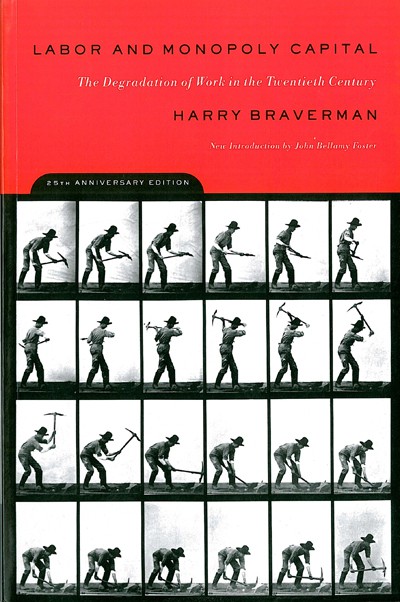
Labor and Monopoly Capital: The Degradation of Work in the Twentieth Century

Automation associated with algorithms designed for computers, raising the possibility of intelligent machines displacing human labor, is an issue that has been around for more than a century and a half, going as far back as Charles Babbage’s Difference Engine and Karl Marx’s famous treatment of the “general intellect” in the Grundrisse and his subsequent concept of the “collective worker” in Capital.1 Yet, it was only with the rise of monopoly capitalism in the late nineteenth and early twentieth centuries that large-scale industry and the application of science to industry were able to introduce the “real” as opposed to “formal” subsumption of labor within production.2 Here knowledge of the labor process was removed systematically from the workers and concentrated within management in such a way that the labor process could be progressively broken down and subsumed within a logic dominated by machine technology. With the consolidation of monopoly capitalism after the Second World War and the development of cybernetics, the transistor, and digital technology, automation of production—and particularly what we now call artificial intelligence (AI)—constituted a growing threat to labor.

This shift was dramatically portrayed in Kurt Vonnegut’s 1952 novel, Player Piano, which drew on his experience working for General Electric. Set in the near future in the fictional town of Ilium in upstate New York, Player Piano depicts a society that had been entirely automated, displacing nearly all production workers. On one side of the river dividing the town, in an area known as Homestead, live the mass of the population, including all those who failed to score high enough on a set of national tests, and who are largely idle or employed in reconstruction and reclamation projects, the few remaining commercial jobs, and the military. The population overall mostly subsists on universal basic income, set at levels far below the wage income that unskilled workers had formerly obtained, though they are able to enjoy twenty-eight-inch TVs. On the other side of the river live the engineers, managers, and civil servants who service the machinery of production, also located on that side of the river, or who conduct public affairs. The novel centers on how the main protagonist, Paul Proteus, a highly esteemed engineer, drives over the bridge to the Homestead side of the river, meeting ordinary people and getting entangled in a mass revolt. Early on in the novel, Proteus explains that “the First Industrial Revolution devalued muscle work, then the second one devalued routine mental work,” while a projected Third Industrial Revolution would be based on computerized “machines that devalue human thinking,” decentering “the real brain work.” Human intelligence would be replaced by machines, or with what a few years after the publication of Vonnegut’s novel would be dubbed “artificial intelligence.”3

Vonnegut’s Player Piano was a product of the widespread concern regarding automation in the 1950s. In November 1958, The Nation published an article titled “The Automation Depression,” in what turned out to be a misguided response to the short economic crisis of 1957–1958.4 The concerns that The Nation and other publications voiced in the 1950s about automation creating mass unemployment were mostly exaggerated at the time. Yet, the general recognition that the growth of large-scale industry with the consolidation of monopoly capitalism after the Second World War—along with the associated Scientific-Technical Revolution (and the emerging Third Industrial [or Digital] Revolution)—represented a fundatmental alteration in the relation of labor and capital was a completely rational concern, then as now. It raised issues that went back to the First Industrial Revolution in the nineteenth century, and which are reemerging today at a still more advanced stage of development with the spread of generative AI.

Perhaps the most perceptive analysis of the general state of automation and its relation to labor in the 1950s originated with Marxist economist and Monthly Review editor Paul M. Sweezy in an anonymous monograph titled The Scientific-Industrial Revolution written for the Wall Street investment house Model, Roland & Stone in 1957. In this report, Sweezy argued that while the steam engine had powered the First Industrial Revolution, the Scientific-Industrial (or Scientific-Technical) Revolution was powered by science itself, a development made possible by the rise of large-scale capital. This gave rise to the “collective scientist,” a concept that he took from Marx’s notion of the collective worker. In referring to automation, Sweezy explained that “the labor process,” in which machinery was increasingly incorporated, was characterized by “a loop” of information involving both workers and machines. “When the human being is replaced by one or more mechanical devices, the loop is closed. The system has been automated.”5

Sweezy referred in this context to a lecture by the U.S. engineer, inventor, and scientific administrator Vannevar Bush, in which Bush theorized the possibility of a self-driving car that would follow the white line on the road even after the driver fell asleep. The larger economic and social implications of such a high level of automation with smart machines, according to Sweezy, were mainly due to labor displacement. “The purpose of automation,” he went on to explain, “is to cut costs. In all cases it does this by saving labor. In some cases, it saves capital too.” With the advent of the transistor, the technological possibilities for expansion seemed endless. Computers, Sweezy predicted, would become not only more reliable but also “pocket-sized.” Mobile radio-telephones operating through networks were also feasible and could be reduced to even smaller sizes than the pocket-sized computer, to fit on a wrist. With the Scientific-Technical Revolution, automation and more versatile intelligent machines meant a “shift to profits” and away from wages in the overall economy. It also meant the conceivable displacement of millions of workers.6

In 1964, the issue of the growth of productivity associated with automation resulted in the publication of the document “The Triple Revolution,” submitted to President Lyndon B. Johnson by the Ad Hoc Committee on the Triple Revolution. There, the main response to what was characterized as the break in the income-through-jobs connection, as a result of the increasing redundancy of industrial workers, was to promote a universal basic income. This, however, was strongly opposed by Leo Huberman and Sweezy in a Monthly Review article on “The ‘Triple’ Revolution” in November 1964. They viewed universal basic income as a short-sighted policy of the kind portrayed in Vonnegut’s novel, which would lead to a dependent and demoralized population, reduced to living off a greatly expanded but chronically deficient welfare system. Instead, they advocated for a more revolutionary movement toward socialism, through public ownership of the means of production, and the implementation of planning by and for the workers.7

None of these issues, however, were taken up in Paul A. Baran and Sweezy’s Monopoly Capital, which was completed in the same year in which the Triple Revolution debate occurred (Baran died in March 1964, and Sweezy avoided introducing new elements into the book when it was published in 1966). Monopoly Capital took for granted the high rates of exploitation and productivity of monopoly-capitalist industry reflected in a “tendency of surplus to rise.” They deliberately stopped short of an analysis of the transformation of the “labor process” along with “the consequences which the particular kinds of technological change characteristic of the monopoly-capitalist period have had.”8 Rather than taking up these issues, they indicated that these elements went beyond the self-imposed limits of their study and would need to be addressed in a more comprehensive treatment of monopoly capitalism.

Nowhere in the 1960s, in fact, was the real nature of the labor process systematically addressed, either on the left or in bourgeois social science.9 It was simply assumed that more advanced technology, which was seen as a fait accompli, enhanced the skill of workers while threatening ever higher unemployment. Discussions of alienation, influenced by Marx, saw the relentless mechanization and automation of production as posing “a catastrophe of the human essence,” in the words of Herbert Marcuse.10 Yet, detailed, meaningful critiques of the labor process under monopoly capitalism were missing.

In his foreword to Harry Braverman’s Labor and Monopoly Capital: The Degradation of Work in the Twentieth Century (1974), Sweezy was to highlight this shortcoming of Monopoly Capital with respect to the labor process, while seeing Braverman’s work as filling this enormous gap. “I want to make it clear,” he wrote,

that the reason Baran and I did not ourselves attempt in any way to fill this gap was not only the approach we adopted. A more fundamental reason was that we lacked the necessary qualifications. A genius like Marx could analyze the labor process under capitalism without having been immediately involved in it, and do so with unmatched brilliance and insight. For lesser mortals, direct experience is a sine qua non, as the dismal record of various academic “experts” and “authorities” in this area so eloquently testifies. Baran and I lacked this crucially important direct experience, and if we had ventured into the subject we would in all probability have been taken in by many of the myths and fallacies so energetically promoted by capitalism’s ideologists. There is, after all, no subject on which it is so important (for capitalism) that the truth should be hidden. As evidence of this gullibility, I will cite only one instance—our swallowing whole the myth of a tremendous decline during the last half century of the percentage of the labor force which is unskilled (see Monopoly Capital, p. 267).11

In contrast, Braverman had a wealth of experience in the monopoly-capitalist labor process and was able to combine this with an extraordinarily deep understanding of Marx’s treatment of the working day in Capital, plus an examination of the entire history of modern management and the development of labor-saving machinery.12 Yet, while Braverman’s Labor and Monopoly Capital served to fill the gap left in Baran and Sweezy’s Monopoly Capital, Braverman at the same time took the description of the Scientific-Technical Revolution developed in Sweezy’s monograph, together with the general analysis of Monopoly Capital, as the historically specific basis of his own analysis.13 Fifty years after the publication of Labor and Monopoly Capital, the work thus remains the crucial entry point for the critical analysis of the labor process in our time, particularly with respect to the current AI-based automation.

Marx, Braverman, and the Collective Worker

Braverman’s basic argument in Labor and Monopoly Capital is now fairly well-known. Relying on nineteenth-century management theory, in particular the work of Babbage and Marx, he was able to extend the analysis of the labor process by throwing light on the role of scientific management introduced in twentieth-century monopoly capitalism by Fredrick Winslow Taylor and others. Babbage, nineteenth-century management theorist Andrew Ure, Marx, and Taylor had all seen the pre-mechanized division of labor as primary, and as the basis for the development of machine capitalism. Thus, the logic of an increasingly detailed division of labor, as depicted in Adam Smith’s famous pin example, could be viewed as antecedent and logically prior to the introduction of machinery.14 In Babbage’s case, Smith’s pin example was reconfigured to account for the economics of both manufacturing (the early factory system under cooperation) and modern industry (or machinofacture). The logic of the capitalist division of labor set the stage for Babbage’s designs of early calculating computers, aimed at the progressive development of the detailed division of labor as a means for promoting surplus value. Hence, there was a direct connection in the emerging theory of management of the nineteenth-century Industrial Revolution between the detailed division of labor, automation, and the development of the computer.15

It was Braverman, following Marx’s lead, who brought what came to be known as the “Babbage principle” back into the contemporary discussion of the labor process in the context of late twentieth-century monopoly capitalism, referring to it as “the general law of the capitalist division of labor.” According to this principle (now often divided into two parts), the division of labor in capitalist conditions was about determining (1) the least amount of labor necessary for each individual task, broken down into its smallest components, thus (2) generating an economy in labor costs, since each individual task could be assigned the cheapest amount of labor necessary for its fulfillment.16

Babbage had explained the benefits of the division of labor in terms of assigning the less demanding tasks (then seen as requiring less muscular effort as well as less skill) to cheaper female or child labor, as opposed to more expensive adult male labor, traditionally artisan labor.17 “By dividing the work to be performed into different processes each requiring different degrees of skill or force,” he wrote, the owner “can purchase exactly the precise quantity of both which is necessary for each process.”18 “The whole tendency of manufacturing industry,” according to Ure, was, if not bound to supersede human labor altogether, at least a means with which “to diminish its cost by substituting the industry of women and children for that of men, or that of ordinary labourers for trained artisans.”19

“In the mythology of capitalism,” Braverman wrote,

the Babbage principle is presented as an effort to “preserve scarce skills” by putting qualified workers to tasks which “only they can perform,” and not wasting “social resources.” It is presented as a response to “shortages” of skilled workers or technically trained people, whose time is best used “efficiently” for the advantage of “society.” But however much this principle may manifest itself at times in the form of a response to the scarcity of skilled labor…this apology is on the whole false. The capitalist mode of production systematically destroys all-round skills where they exist, and brings into being skills and occupations that correspond to its needs. Technical capacities are henceforth distributed on a strict “need to know” basis. The generalized distribution of knowledge of the productive process among all its participants becomes, from this point on, not merely “unnecessary,” but a positive barrier to the functioning of the capitalist mode of production.20

With the advance of the detailed division of labor, as Marx argued in his critique of capitalist production, machinery could be introduced to replace labor altogether, generating what was potentially automatic production, while throwing masses of workers into the relative surplus population, or reserve army of labor, thus decreasing labor costs across the board. The worker where still present was reduced to an appendage of the machine. This whole tendency was evident, as Marx pointed out, in the fact that the vast majority of workers in the textile industry at the heart of the Industrial Revolution in England were women and children, who were superexploited, receiving only a small fraction of the wage of the male artisanal workers that they had replaced, which was not enough for subsistence. All of this fed the development of machine industry and the further exploitation of workers, whose conditions—whether their wages were high or low—placed them at an increasing disadvantage in relation to the enormous productive apparatus that their collective labor had generated, and which was imposed on them like a deadweight to enhance both their exploitation and their displacement by machines.21

Still, in order to develop the division of labor further, it was necessary to break down the resistance of the workers with the aid of science as a direct power within production. This enabled what Marx called the real, as opposed to merely formal, subsumption of the worker within the capitalist production process. As Matteo Pasquinelli states in The Eye of the Master: A Social History of Artificial Intelligence: “Marx was clear: the genesis of technology is an emergent process driven by the division of labour,” while the implementation of the Babbage principle pointed all the way to automation and the dominance of the machine as the means for the enhanced exploitation of labor.22

The incorporation of science, personified by what Sweezy was to call “the collective scientist,” as itself a new emergent power within capitalist production, was only actually possible with the economies of scale and the extension of the market associated with the growth of the giant corporation of monopoly capitalism. Simple management carried out by the owner and a handful of overseers in small-firm freely competitive capitalism would no longer suffice to maintain profitability under the new conditions of the giant, multidivisional corporation following the massive merger waves of the late nineteenth and early twentieth centuries.23

The new approach to management was best captured by Taylor; so much so that scientific management and Taylorism became synonymous terms. Taylorism was summarized by Braverman in terms of three distinct principles: (1) “disassociation of the labor process from the skills of the workers,” (2) “separation of conception from execution,” and (3) “use of this monopoly over knowledge to control each step of the labor process and its mode of execution.” Although Taylor claimed wage increases were integral to the system, at least in the early stages of the employment of scientific management in a given industry, the overall object was to reduce employers’ unit labor costs. “Taylor,” Braverman wrote, “understood the Babbage principle better than anyone of his time, and it was always uppermost in his calculations.… In his early book, Shop Management [1903], he said frankly that the ‘full possibilities’ of his system [of scientific management] ‘will not have been realized until almost all of the machines in the shop are run by men of smaller caliber and attainments, and who are therefore cheaper than those required in the old system.'” Taylor’s own distinctive contribution was to articulate a full-scale managerial imperative for increased job control, to be implemented primarily through deskilling. Hence, within Taylorism, Braverman maintained, “lies a theory which is nothing less than the explicit verbalization of the capitalist mode of production.”24

The full contradictory logic of the capitalist mode of production and the possibilities for a revolutionary socialist response were, for Braverman, only brought out with mechanization and automation, including the introduction of AI (a more advanced form of automation) within monopoly-capitalist production. Here Braverman’s analysis relied fundamentally on Marx’s concept of the collective worker, which Marx used as a category to encompass the totality of the detailed devision of labor, the hierarchy of labor, and the incorporation of labor knowledge into machines. Even in the context of higher levels of mechanization associated with the deskilling and displacing of workers, the labor process, according to Marx, remained organically, and in terms of labor value as its basis, essentially the same.25

Marx’s analysis of the collective worker in Capital transcended his discussion of the general intellect in the Grundrisse, written around a decade earlier. In what came to be known as the “Fragment on Machines” in the Grundrisse, the “general intellect” was incorporated into machines, leading to the apparent elimination of labor—and even of labor value—in production with the growth of automation.26 Braverman himself was to refer in Labor and Monopoly Capital to Marx’s statement in the “Fragment on Machines,” where Marx had written: “The production process has ceased to be a labour process in the sense of a process dominated by labour as its governing agency.”27 The “Fragment on Machines” has sometimes been used erroneously in recent discussions to argue that Marx saw the labor theory of value as being progressively displaced by machine production and automation.28 Yet, this has been refuted by analyses of how Marx’s later concept of the collective worker came to demystify the entire process of mechanization and automation, demonstrating both the continuing centrality of labor and of the labor theory of value.29

Braverman’s approach to the seeming contradiction associated with the subsumption of the labor process to the machine was to focus precisely on Marx’s concept of the “collective worker,” not only as accounting for labor’s everlasting centrality to production, but also pointing to new revolutionary possibilities. In the collective worker, labor as a whole was seen by Braverman, like Marx, as materialized within an organic process, encompassing the hierarchy of labor and mechanization.

Commenting on automation and the collective worker in Capital in response to Ure, Marx had written:

Dr. Ure, the Pindar of the automatic factory, describes it, on the one hand, as “combined co-operation of many orders of work-people, adult and young, in tending with assiduous skill a system of productive machines continuously impelled by a central power” (the prime mover); and on the other hand as “a vast automaton composed of various mechanical and intellectual organs, acting in uninterrupted concert for the production of a common object, all of them being subordinate to a self-regulated moving force.” These two descriptions are far from being identical. In one, the combined collective worker appears as the dominant subject [übergreifendes Subjekt], and the mechanical automaton as the object; in the other, the automaton itself is the subject, and the workers are merely conscious organs, co-ordinated with the unconscious organs of the automaton, and together with the latter subordinated to the central moving force. The first description [related to the collective worker in general] is applicable to every possible employment of machinery on a large scale, the second is characteristic of its use by capital, and therefore of the modern factory system. Ure therefore prefers to present the central machine from which the motion comes as not only an automaton but an autocrat. “In these spacious halls, the benignant power of steam summons around him his myriads of willing menials.”30

In this contradictory posing of the implications of automation by Ure, the first description, corresponding, as Marx suggested, to the phenomenon of the collective worker in general, is consistent with the development of socialist production. The second corresponds to the myth of the machine itself, endowed with a general intellect, and in which labor is either totally absent or reduced to an abject, brainless state. For Ure, “when capital enlists science into her service, the refractory hand of labor will always be taught docility.”31 For Marx, in contrast, the revolutionary response was to enlist science on behalf of the collective worker in such a way as to enhance free social development.

What was to emerge as the culmination of Braverman’s own analysis, building on that of Marx’s Capital, was the development of a revolutionary approach to the division of labor, mechanization, automation, and AI, in which the collective worker was at least potentially the active subject of social labor. Such a view was strongly opposed to the more machine-fetishized characterizations—the preferred view of Ure and Taylor—of a “vast automaton composed of various mechanical and intellectual organs” and functioning as the insurmountable autocrat of production, with the workers reduced to mere appendages.

The Collective Worker, AI, and the Reunification of Production

In Braverman’s critique, modern technology, including automation and AI in the digital age, ultimately represented a powerful tendency to reunify a labor process that had been degraded by the capitalist division of labor. Significantly, all of the tasks used by Smith in his pin example at the beginning of The Wealth of Nations were now united in a single machine, allowing for the reunification of the labor process itself. Yet, capitalism in its monopoly stage, in which the exploitation of labor and the valorization process were still rooted in the Babbage principle, constantly sought to use higher levels of mechanization and automation to reinstitute what was now an increasingly archaic division of labor. As Braverman declared, “The re-unified process in which the execution of all the steps is built into the working mechanism of a single machine would seem now to render it suitable for a collective of associated producers, none of whom need to spend all of their lives at any single function and all of whom can participate in the engineering, design, improvement, repair, and operation of these ever more productive machines.” However, these possibilities technically open to the collective worker as a result of developments in the forces of production are thwarted by the social relations of production of monopoly capitalism. “Thus the capitalist mode of production enforces upon new processes devised by technology an ever deeper division of labor no matter how many possibilities for the opposite are opened by machinery.”32

As Marx himself recognized in his conception of the collective worker, and as Braverman was to highlight in the context of monopoly capitalism, the new technological possibilities for human freedom, in which human beings potentially are the subjects of production, are turned against them. The worker becomes a mere commodified object in a world where capital management uses new machine technology to reinforce the detailed division of labor, treating the ever more “intelligent” machine as itself the subject of production. In Braverman’s terms, Marx’s collective worker was itself degraded under monopoly capitalism. “While production has become collective and the individual worker has been incorporated into the collective body of workers, this is a body the brain of which has been lobotomized, or worse, removed entirely. Its very brain has been separated from its body, having been appropriated by modern management as a means of controlling and cheapening labor power and labor processes.”33

But if Ure’s notion of collective labor as reduced to a machine logic was clearly present under monopoly capitalism, Marx’s collective worker, combined with Sweezy’s collective scientist, stood for the new revolutionary possibilities that emerged as machines became more automated, incorporating knowledge of the labor process developed over the course of human history. With more extended education of workers in science and engineering through polytechnic schools made possible by increased productivity, this could lead to the reunification and enhancement of human labor and creativity. Ironically, the more that this became feasible, the more the capitalist education system was itself degraded, keeping workers under the domination of the Babbage principle, which depended on the devaluation of the knowledge of the worker.

Hence, in monopoly-capitalist society, education is increasingly subjected to the same logic as the detailed division of labor. The imperative of the system in this respect was clear from the start. As Frank Gilbreth, one of the founders of scientific management, wrote: “Training a worker means merely enabling him to carry out the directions of his work schedule. Once he can do this, his training is over, whatever his age.”34 This principle, coupled with the degradation of work, lies behind the intensive degradation of education in public schools in the United States and elsewhere. Science, culture, history, and critical thinking are being systematically removed or deemphasized at the K–12 levels, which are increasingly devoted, particularly in the early grades, to a reductive process enforced by standardized testing. It is as if the system has finally found the means to take full advantage of the classical-liberal political economist Adam Ferguson’s adage, “Ignorance is the mother of industry,” emphasizing that workers are more productive from the standpoint of capital the more mindless they are.35 The digitalization of education, rather than expanding knowledge and creativity, is leading to the opposite: relentless standardization. The goal seems to be to convert the larger portion of the population to what C. Wright Mills called “cheerful robots.”36 With the rise of large-scale language models, coupled with the growth of generative AI capable of incorporating masses of data inputs and artificially synthesizing information in “neural networks” in accordance with predetermined algorithms, university students are increasingly being encouraged to use these technologies as a mechanical substitute for actual learning.37 Rather than a collective worker or a collective scientist, the emphasis is on AI as a collective machine intelligence.

Behind this, in the hidden abode of production, lies the continued degradation of human labor. Google hired one hundred thousand temporary and contract workers to scan books at a rapid pace in time with a rhythm-regulated soundtrack as part of its plan to digitalize all of the world’s books (estimated to be 130 million unique volumes). Although the project has been largely abandoned, it was viewed as a mechanism for the development of generative AI.38 The rise in the number of temporary and contract workers, constituting precarious labor, are the hidden realities of the digital/AI era, obscured by the mystique of “cloud computing.” New platform jobs employ millions of contract workers. Online surveys of the national workforce by business groups such as the McKinsey Global Institute “indicate [that] between 25 and 35 percent of workers” in the United States have “engaged in non-standard or gig work on a supplementary or primary basis in the preceding month. As of 2024, that means at least 41 million people in the United States are engaged in some form of gig [or platform] work,” usually as contingent workers. Although countless jobs are threatened by AI—the estimates of which vary greatly—work is not so much being displaced overall as being made more contingent and precarious.39

Yet, there are opposing tendencies to this seemingly inexorable degradation of work. New revolutionary struggles aimed at “the reconstitution of society at large” inevitably emerge, as Marx famously observed, where expanding human potential, associated with the development of productive forces, is fettered by the social relations of production.40 Today’s class struggles over the labor process are not directed against new digital technology or AI, but against the reduction of human beings themselves to mere algorithms. The collective worker as the embodiment of the general intellect can only control the conditions of production for the benefit of society as a whole under a developed socialism, or an egalitarian and sustainable system of human development.

Notes

  1.  See Matteo Pasquinelli, The Eye of the Master: A Social History of Artificial Intelligence (London: Verso, 2023); Pietro Daniel Omodeo, “The Social Dialectics of AI,” Monthly Review 76, no. 6 (November 2024): 40–48; Simon Schaffer, “Babbage’s Intelligence Calculating Engines and the Factory System,” Critical Inquiry 21, no. 1 (Autumn 1994): 205, 209–10, 220–23.
  2.  Karl Marx, Capital, vol. 1 (London: Penguin, 1976), 1019–25, 1034–38.
  3.  Kurt Vonnegut Jr., Player Piano (New York: Dell Press, 1952, 1980), 12–13, 187. The particular characterizations of the First and Second Industrial Revolutions utilized in the novel were attributed by Vonnegut to the American computer scientist and mathematician Norbert Wiener.
  4.  Rick Wartzman, “The First Time the Nation Freaked Out Over Automation,” Politico, May 30, 2017.
  5.  Paul M. Sweezy (published anonymously), The Scientific-Industrial Revolution (New York: Model, Roland & Stone, 1957), 10, 27–36; Marx, Capital, vol. 1, 461, 483, 544. Paul A. Baran in the 1940s and ’50s had done studies for the Wall Street firm of Model, Roland & Stone in order to obtain additional income. In 1956–1957, however, he was completing The Political Economy of Growth and enlisted Sweezy’s aid in the research. Sweezy ended up writing the monograph The Scientific-Industrial Revolution in order to help Baran. Given the context of a Wall Street firm wishing to offer an optimistic view of investment opportunities, Sweezy was essentially compelled to point the monograph in that direction, which differed considerably from his own views in this respect. However, as he told Baran at the time, the research into the basic science and its social and economic implications that such a project entailed was extraordinarily valuable, and this is where the importance of his contribution lies. See Paul A. Baran and Paul M. Sweezy, The Age of Monopoly Capital, Nicholas Baran and John Bellamy Foster, eds. (New York: Monthly Review Press, 2017), 146, 503.
  6.  Sweezy, The Scientific-Industrial Revolution, 28–30.
  7.  Leo Huberman and Paul M. Sweezy, “The ‘Triple’ Revolution,” Monthly Review 16, no. 7 (November 1964): 417–23. See also George and Louise Crowley, “Beyond Automation,” Monthly Review 16, no. 7 (November 1964): 423–39. In their article, Huberman and Sweezy wrote: “Our conclusion can only be that the idea of universal guaranteed income is not the great revolutionary principle that the authors of the ‘Triple Revolution’ evidently believe it to be. If applied under our present system, it would be like religion an opiate of the people tending to strengthen the status quo. And under a socialist system it would be quite unnecessary and might do more harm than good” (Huberman and Sweezy, “The ‘Triple’ Revolution,” 122). More radical alternatives to a universal basic income (short of socialism) are guaranteed full employment and a policy of universal public services. On the latter, see Jason Hickel, “Universal Public Services,” Jason Hickel (blog), August 4, 2023.
  8.  Paul A. Baran and Paul M. Sweezy, Monopoly Capital (New York: Monthly Review Press, 1966), 8–9, 72.
  9.  See John Bellamy Foster, introduction to Braverman, Labor and Monopoly Capital, xi–xiv,
  10.  Herbert Marcuse quoted in Bruce Brown, Marx, Freud, and the Critique of Everyday Life (New York: Monthly Review Press, 1973), 14.
  11.  Paul M. Sweezy, foreword to Braverman, Labor and Monopoly Capital, xxv–xxvi.
  12.  On Braverman’s role as a production worker, see Braverman, Labor and Monopoly Capital, 4–5.
  13.  Braverman, Labor and Monopoly Capital, 115. In addition to Sweezy’s account of the Scientific-Technical Revolution and “the collective scientist,” Braverman incorporated Sweezy’s analysis of “the age of synthetics” based on the development of organic chemistry.
  14.  Adam Smith, The Wealth of Nations (New York: Modern Library, 1937), 4–5.
  15.  Pasquinelli, The Eye of the Master, 53–76.
  16.  Braverman, Labor and Monopoly Capital, 55–58; Pasquinelli, The Eye of the Master, 17, 104.
  17.  Charles Babbage, On the Economy of Machinery and Manufactures (Cambridge: Cambridge University Press, 2009, facsimile of original published by Charles Knight in 1831), 143–45, 186.
  18.  Babbage, On the Economy of Machinery and Manufactures, 137–38.
  19.  Andrew Ure, The Philosophy of Manufactures (London: Charles Knight, 1835), 19–23.
  20.  Braverman, Labor and Monopoly Capital, 57.
  21.  Marx, Capital, vol. 1, 544–45, 798–99; Karl Marx, Grundrisse (London: Penguin, 1973), 693–705.
  22.  Pasquinelli, The Eye of the Master, 109.
  23.  Braverman, Labor and Monopoly Capital, 175; Richard Edwards, Contested Terrain (New York: Basic Books, 1979).
  24.  Braverman, Labor and Monopoly Capital, 77–82; Frederick Winslow Taylor, “Shop Management,” in Frederick Winslow Taylor, Scientific Management (New York: Harper and Brothers, 1947), 105; Foster, introduction to Braverman, Labor and Monopoly Capital, xvii.
  25.  Marx, Capital, vol. 1, 464–69, 544; Pasquinelli, The Eye of the Master, 99, 104–5, 108–10, 116–18; Braverman, Labor and Monopoly Capital, 308, 320–21; Rob Beamish, Marx, Method, and the Division of Labor (Urbana: University of Illinois Press, 1992), 110–13, 126–32.
  26.  Marx, Grundrisse, 693–705.
  27.  Braverman, Labor and Monopoly Capital, 118–19.
  28.  See Paulo Virno, Grammar of the Multitude (New York: Semiotext[e], 2004), 105–6.
  29.  Looked at from a value standpoint, as Michael Heinrich has explained, Marx’s treatment of the collective worker broke through the mythology of the machine and the notion of the “general intellect.” It was linked to his further development of value theory (beyond the Grundrisse) through distinctions between value and exchange value, and concrete and abstract labor, and through his development of the concept of relative surplus value. The ultimate purpose of the introduction of machinery in capitalist production, according to Marx, was to enhance the rate of surplus value or the exploitation of the worker (both individual and collective). Michael Heinrich, “The ‘Fragment on Machines’: A Marxian Misconception in the Grundrisse and its Overcoming in Capital,” in Marx’s Laboratory: Critical Interpretations of the Grundrisse, Riccardo Bellofiore, Guido Starosta, and Peter D. Thomas, eds., (Chicago: Haymarket, 2013), 197–212. See also Cheng Enfu, The Creation of Value by Living Labour (Canut, Turkey: Canut International Publishers, 2005), 109–11.
  30.  Marx, Capital, vol. 1, 544–45; Ure, Philosophy of Manufactures, 13, 18.
  31.  Ure, Philosophy of Manufactures, 368.
  32.  Braverman, Labor and Monopoly Capital, 320.
  33.  Braverman, Labor and Monopoly Capital, 321.
  34.  Frank Gilbreth quoted in Braverman, Labor and Monopoly Capital, 309.
  35.  Adam Ferguson quoted in Marx, Capital, vol. 1, 483.
  36.  John Bellamy Foster, “Education and the Structural Crisis of Capital,” Monthly Review 63, no. 3 (July–August 2011): 6–37; C. Wright Mills, The Sociological Imagination (Oxford: Oxford University Press, 1959), 175.
  37.  Jason Resnikoff, “Contesting the Idea of Progress: Labor’s AI Challenge,” New Labor Forum, September 10, 2024, newlaborforum.cuny.edu; Katy Hayward, “Machine Unlearning: AI, Neoliberalism and Universities in Crisis,” Red Pepper, August 25, 2024, redpepper.org.uk.
  38.  Moritz Altenried, The Digital Factory (Chicago: University of Chicago Press, 2022), 3–4; Jennifer Howard, “What Happened to Google’s Effort to Scan Millions of University Library Books?,” EdSurge, August 10, 2017; “How Many Gig Workers Are There?,” Gig Economy Data Hub, accessed October 23, 2024.
  39.  The IMF estimates that AI will “affect” 40 percent of the world’s jobs, and 60 percent in the advanced economies. What this actually means and the timeline, setting aside the hype, is unclear. H. Daron Acemoglu, an MIT economist, has estimated that “only a small percent of all jobs—a mere 5%—is ripe to be taken over, or at least heavily aided, by AI over the next decade.” Kristalina Georgieva, “AI Will Transform the Global Economy. Let’s Make Sure It Benefits Humanity,” IMF Blog, January 14, 2014; Jeran Wittenstein, “AI Can Do Only 5% of Jobs, Says MIT Economist Who Fears Crash,” Bloomberg, October 2, 2024. On precariousness, see R. Jamil Jonna and John Bellamy Foster, “Marx’s Theory of Working-Class Precariousness,” Monthly Review 67, no. 11 (April 2016): 1–19.
  40.  Karl Marx, A Contribution to the Critique of Political Economy (Moscow: Progress Publishers, 1970), 21; Karl Marx and Friedrich Engels, The Communist Manifesto: 150th Anniversary Edition (New York: Monthly Review Press, 1998), 2.
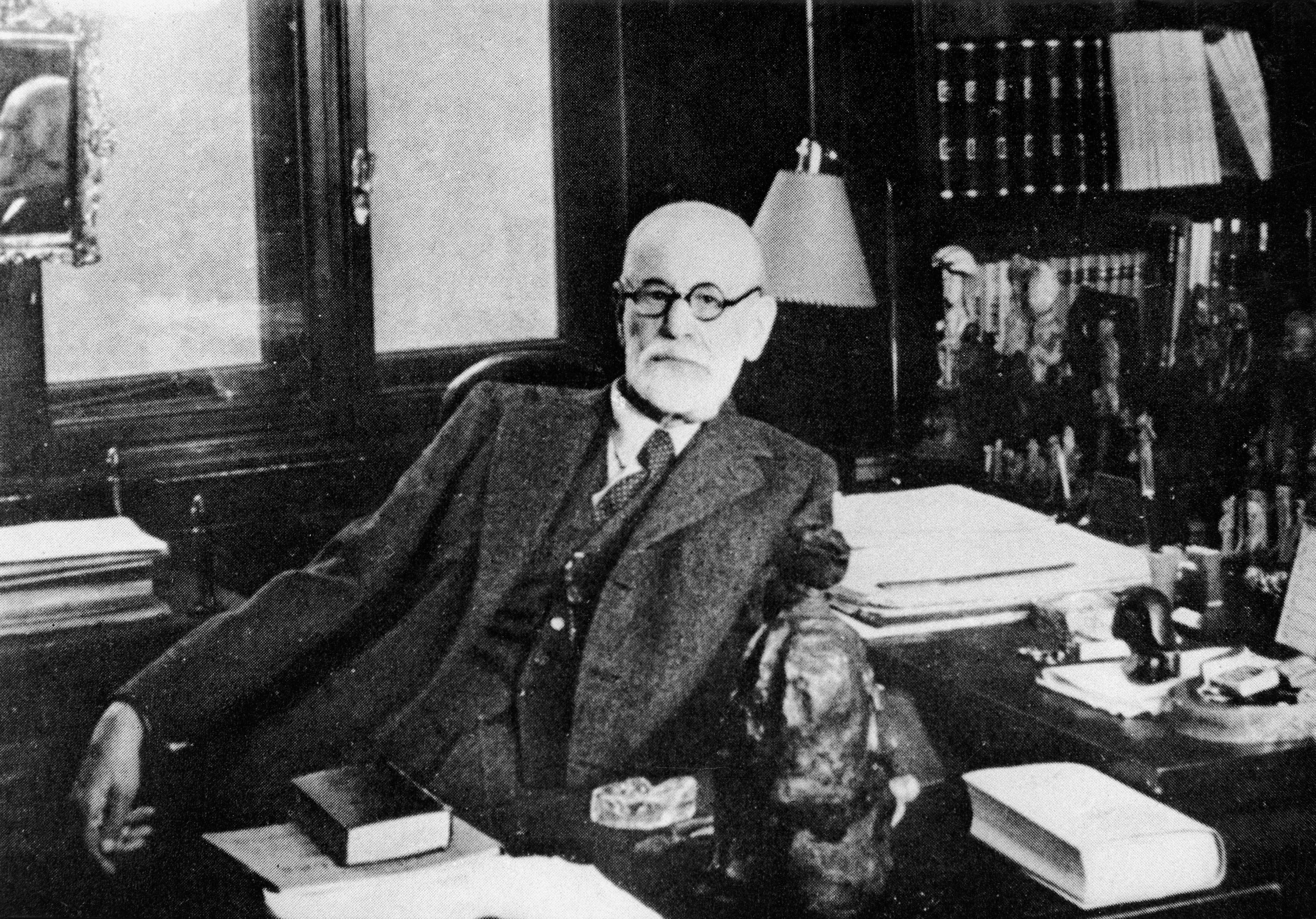
2024Volume 76, Number 07 (December 2024)