Kremlin leverages Siberian rare earths to exploit Europe’s mineral shortage and break sanctions
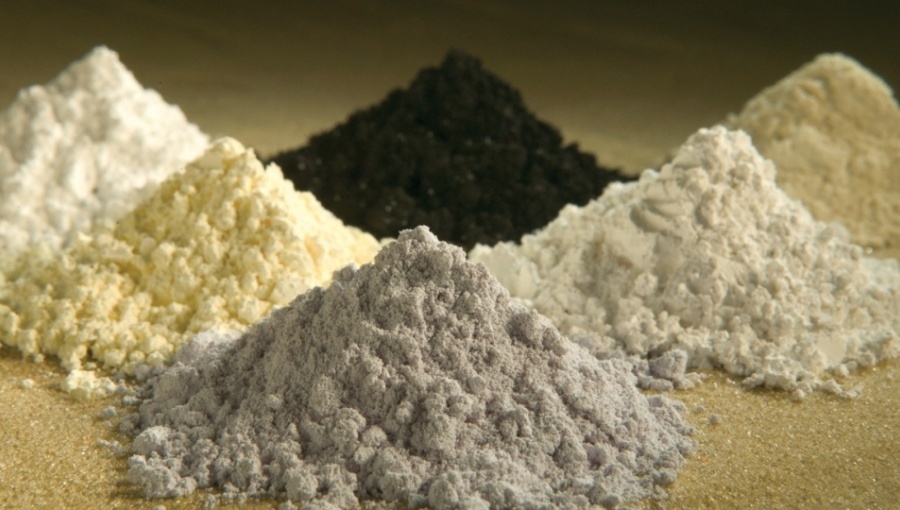
The Kremlin is positioning a $9.2bn mining development in Siberia as a geopolitical critical minerals bargaining chip to use in potential peace talks with the West, leveraging global anxiety over access to rare earth metals (REMs) to gain some leverage, according to a recent policy brief published by the European Council on Foreign Relations.
The project — known as the Angara-Yenisei Valley — aims to transform a remote region of Siberia into a major hub for the extraction and processing of lithium, germanium, and other critical minerals essential to technology and in short supply, as Moscow seeks to present itself as an alternative to the Chinese monopoly over the hard to find minerals and metals.
“Russia is actively preparing to use the Angara-Yenisei Valley as a geopolitical bargaining chip in future peace negotiations,” wrote Kirill Shamiev, a fellow at ECFR, in the brief. He argued that as European and US leaders explore possible diplomatic paths to end the war in Ukraine, Moscow hopes the strategic value of its mineral resources will create a powerful incentive for re-engagement.
Russian President Vladimir Putin is playing to US President Donald Trump’s minerals diplomacy where he has linked mineral concessions to the majority of the peace deals he has been negotiating in his first year in office – starting with tying aid to Ukraine with a minerals deal signed on April 30 last year.
The US has been caught napping, having allowed China to build up a virtual monopoly over the production and processing of critical minerals and REMs over the last decade, while the rest of the world has largely ignored the sector, relying almost completely on imports from China.
After China, Russia has some of the largest deposits of the minerals in the world and is already a significant producer of some of them like enriched uranium and the platinum-group metals (PGMs), as well as plentiful deposits of more mundane metals.
Trump has made it very clear that he wants to do business with Russia and gain access to these natural resources. Putin has made it plain that he understands this desire and has dangled various projects and joint ventures under the American nose. During the Alaska summit on August 15, the two presidents also discussed a joint venture to exploit REMs in Alaska, among the several options on the table.
Access to REMs has shot up the agenda after China began to strangle supplies to the West as part of a trade row with the US over tariffs last year.
The EU is also in the firing line as it has almost no deposits of its own and is now signing trade deals, like last week’s EU-India “mother of all trade deals” that includes mineral concessions and supplies.
According to Shamiev, EU imports of rare earth elements fell 29% in 2024 due to the stricter Chinese export licensing controls, leaving key sectors — including defence and high-tech manufacturing — exposed. “Countries like Estonia, which already import 88% of their rare earths from Russia, face a dangerous dependency,” he wrote, warning that logistical convenience risks becoming “an opening for Russian bullying.”
Moscow plans to increase its global share of rare earth supply from 1.3% to 10% by 2030 and start to compete with China as the sole source of the minerals. The Kremlin is relying on the Angara-Yenisei Valley to lead the effort. The Kremlin has designated the site a special economic zone, offering tax incentives to foreign investors in the hope of attracting European and US capital and technology, despite existing sanctions.
“Russia’s proven rare earth reserves—about 28.7m tons—rank among the world’s largest, but Russia lacks the latest technologies for extraction and processing. Chinese partners are reluctant to share them and Western sanctions complicate things further,” says Samiev.
Oversight of the project has been assigned to high-ranking officials, with former Defence Minister and now Security Council Secretary Sergey Shoigu responsible for its development and First Deputy Prime Minister Denis Manturov serving as chairman of its supervisory board — signalling the political importance the Kremlin attaches to the initiative.
While no formal offer has emerged, Russian officials believe Europe’s weak growth and potential trade frictions with Washington could make cooperation on raw materials politically acceptable. Ultimately, Shamiev warns that this economic “carrot” is designed to fracture European unity and secure the stability of the Putin regime.
“The Kremlin is betting that economic pragmatism will override sanctions,” Shamiev warned. “By exploiting Europe's desire for strategic autonomy from China, Moscow hopes to fracture EU unity and entrench Russian leverage in any eventual settlement.”
Analysts say the strategy represents a long-term effort to reshape Russia’s postwar relationship with the West — one grounded not in energy dependence, but in control over the materials essential for green and digital industries.

No comments:
Post a Comment