The cult of Mithras: Archaeologists find signs of ancient men-only mysterious religion in Germany
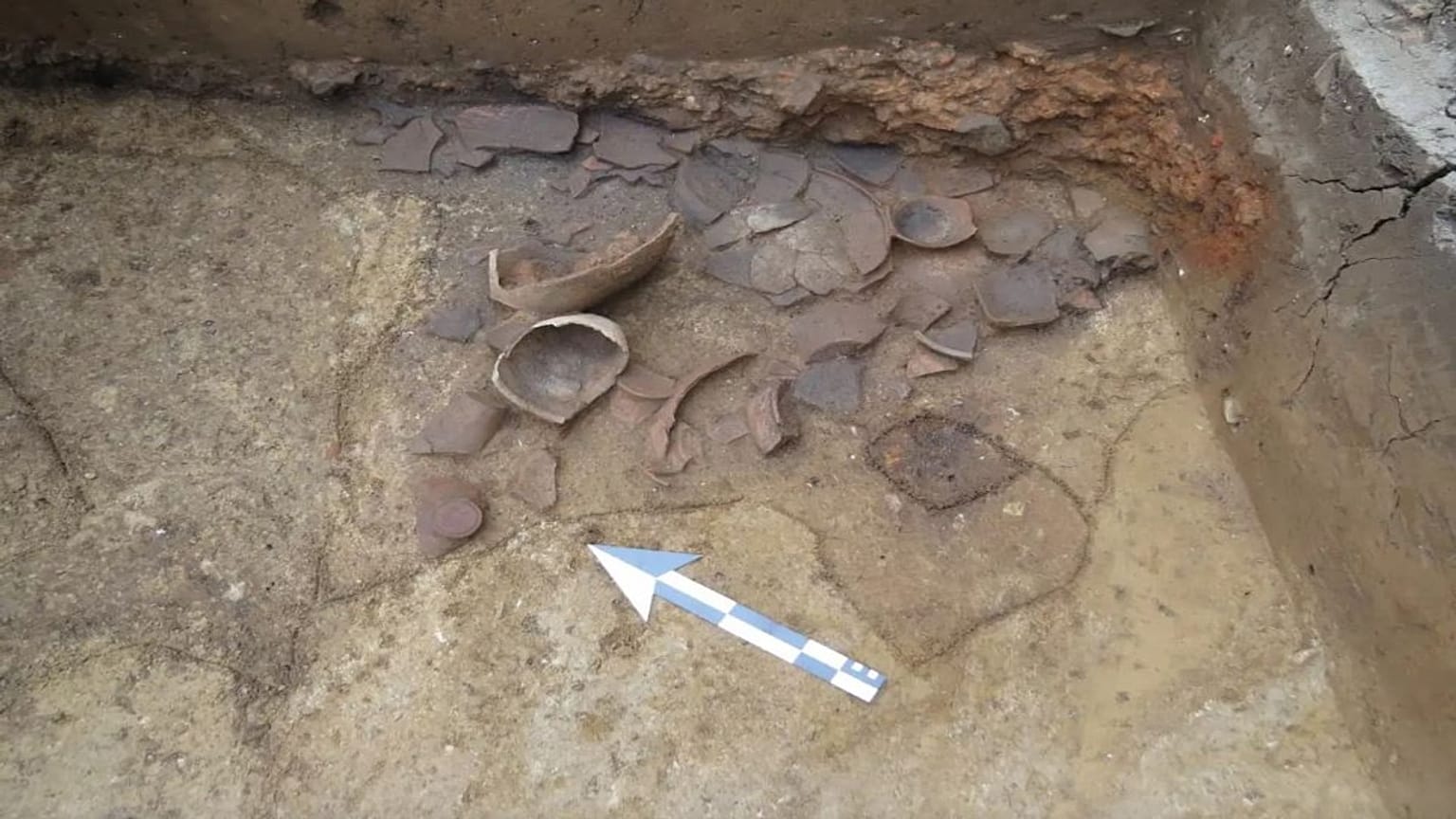
German archaeologists have discovered new insights into Bavaria's Roman past from an ancient buried temple where Roman legionaries once worshipped the sun god Mithras.
During recent excavations in Regensburg’s old town, German archaeologists uncovered a temple dedicated to the god Mithras
Because the building was originally constructed in wood, only a few structural remains have survived. Finds such as an inscribed votive stone and fragments of metal votive plaques, however, clearly point to its use as a place of worship.
Further evidence of the still enigmatic Mithras cult includes shards of a ceramic vessel decorated with snakes, incense chalices and handled jugs. Experts assume that ritual banquets were an integral part of the cult of Mithras.
Coins, including specimens from the reign of Emperor Hadrian (AD 117–138), make it possible to date the temple to between AD 80 and 171. This makes it the oldest of the nine Mithraea so far known in the Roman province of Raetia, in what is now Bavaria.
Raetia, a Roman province in central Europe that existed roughly from the 1st century BC to the 5th century AD, encompassed parts of what is now southern Germany, Switzerland, Austria and northern Italy.
The cult of Mithras, or Mithraism, was a mysterious religion. It was particularly widespread in military and commercial centres, and Roman legionaries were often among its followers. Only men were admitted. A local community typically consisted of around 15 to 40 members.
In ancient Persia, Mithras was called "Mitra" and was a god of covenants, loyalty and justice. The Romans turned him into a sun god. The Roman Mithras cult adopted many elements from Persian mythology, but also developed its own fundamental rituals and symbols. The motif of the "tauroctony" (from Latin taurus, bull) became central: Mithras kills the bull as an act of cosmic renewal.
The Romans had a graded system of initiation, with seven levels known to us: Corax (raven), Nymphus (bridegroom), Miles (soldier), Leo (lion), Perses (Persian), Heliodromus (sun-runner) and Pater (father), each with its own symbols, rituals and presumably tests or ordeals.
With the spread of Christianity, the secret cult disappeared.
Only now has the significance of the discovery become clear
The finds were made in the run-up to a construction project. In cities with a long history such as Regensburg, archaeologists must first be brought in before new buildings can be erected. Specialists actually made the discovery back in 2023, but only now, after intensive investigations, has its full significance become clear.
Like other Mithras temples, this roughly seven-metre-long timber structure was designed as an elongated building and partially sunk into the ground. Followers of the mystery cult probably descended via a ramp into the sanctuary.
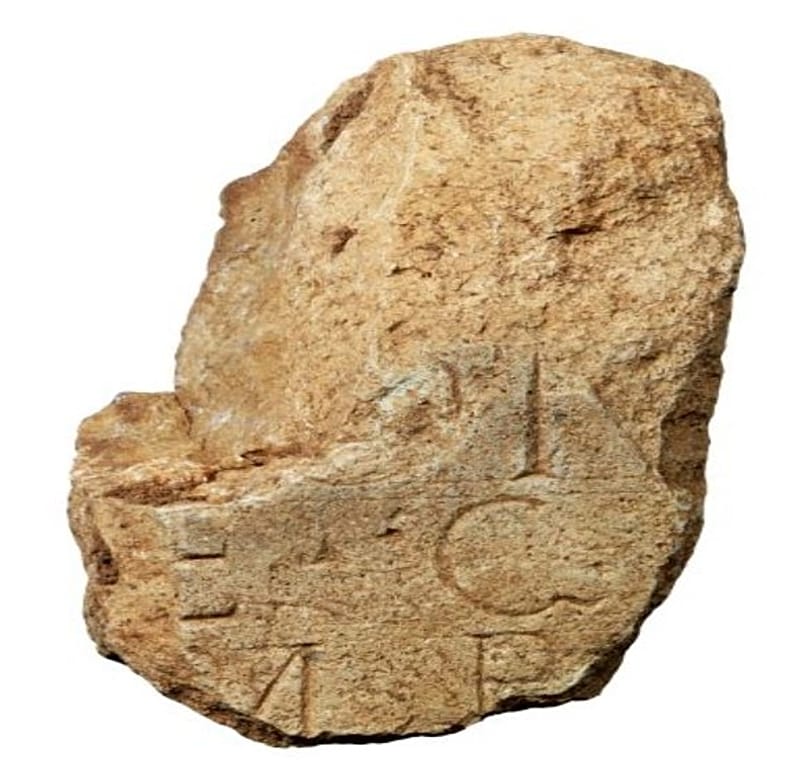
In the middle there was a trench-like depression, while raised platforms were built along the sides on which the faithful could sit or recline. Mithras temples were modelled on caves in their design, because one of the central motifs of the mythology is Mithras killing a bull in a cave, explained Stefan Reuter to Bavarian public broadcaster B after he analysed the finds
The temple was once illuminated by candles and oil lamps. The ceramic vessels and handled jugs that have been found suggest there were extensive ritual feasts. Analysis of the food containers is still under way. It already appears certain that high-quality food was consumed.
The finds from the temple are to be put on display at Regensburg’s Historical Museum, which is currently redesigning its Roman galleries. In the new exhibition, the Mithras sanctuary will play a prominent role.

No comments:
Post a Comment