Showing posts sorted by relevance for query YEMEN. Sort by date Show all posts

Tuesday, December 30, 2025

A war within a war: Yemen’s latest conflict

By AFP
December 30, 2025


A Saudi air strike damaged military vehicles in the port of Makalla, but the UAE inisisted there were no weapons aboard - Copyright AFP STRINGER
David STOUT, Haitham EL-TABEI

Yemen has been fighting a crippling war with itself since Iran-backed Houthi rebels ousted the government in 2014, triggering a Saudi-led military intervention.

Now, a new conflict is brewing within the conflict, involving rival armed factions loosely grouped under the government but separately backed by the United Arab Emirates and Saudi Arabia.

The confrontation could tear apart the already-fractured government and threaten slow-moving peace negotiations with the Houthis, including a UN-brokered ceasefire that has largely held since 2022.

It began earlier this month when the Southern Transitional Council (STC) — a UAE-backed secessionist group and key government partner — seized military bases, checkpoints and oil fields and captured in most of resource-rich Hadramawt province and swaths of neighbouring Mahrah.

Saudi Arabia, Yemen’s wealthy neighbour and chief supporter of the government, has hit back, striking what it called a weapons shipment from the UAE to the separatists on Tuesday.

The UAE denied sending weapons to the STC, saying it was shipping vehicles to its own forces in Yemen.

Here’s a guide to the latest events and what could happen next.


What’s happening now?


Tensions escalated on Tuesday when the Saudi-led military coalition attacked a shipment of weapons and combat vehicles that it said was sent from the UAE for the separatists.

STC positions were also hit by airstrikes on Friday, following calls from Riyadh for a withdrawal from Hadramawt and Mahrah.

A Yemeni military official said around 15,000 Saudi-backed fighters were amassed near the Saudi border, but had not been given orders to advance.

“The standoff risks upending Yemen’s fragile three-and-a-half-year truce, renewing a war that has repeatedly played to the advantage of the Iran-backed Houthis,” wrote April Longley Alley, a senior fellow at the Washington Institute, in an analysis.

“It could also further strain relations between key US allies Saudi Arabia and the UAE.”

Abu Dhabi is key supporter of the STC, with UAE flags reguarly seen at the separatists’ rallies.


What does the STC want?


The STC appears to be launching a bid for greater self-determination over territories it controls or even outright independence, according to observers.

Headed by Aidaros Alzubidi, the STC is a coalition of groups that want to bring back South Yemen, which existed from 1967 to 1990, when it reunified with North Yemen.

They now control almost all of South Yemen’s former territory.

“The Southern Transitional Council is betting that if the South can be united under a single leadership –- its own, of course –- it can cordon the South off from the Houthis in the North, utilise oil and gas revenue, and create a stable and functioning state,” wrote Gregory D. Johnsen, a non-resident fellow at the Arab Gulf States Institute, in a recent analysis.

Such a move “is a tall order, and it will likely be contested both internally and externally”, Johnsen added.


Why is Saudi ‘sleepless’ over Hadramawt?


Hadramawt is Yemen’s largest province — compromising roughly a third of the country’s territory — and its wealthiest.

It home to most of the country’s petroleum deposits that are vital to government revenues, and borders Saudi Arabia to the north.

And its ports are away from the Red Sea hotspot that regularly comes under Houthi fire.

But, for the Saudis, the province that abuts its southern border is about more than just land and wealth.

For generations, Hadramawt families have been a force in the Saudi economy and make up a sizeable portion of the business community.

Seen as having entrepreneurial skills and grit, migrants from Hadramawt have long flourished in Saudi Arabia — from running family restaurants to starting multi-billion dollar construction consortiums.

Losing control and influence over Hadramawt to a militia backed by the UAE would be both a psychological and strategic blow to Riyadh.

“If I’m Saudi Arabia, I’d be sleepless if I lose Hadramawt,” said Farea al-Muslimi, a research fellow at Chatham House’s Middle East and North Africa Programme.


Can the Saudis stop the separatists?


The latest conflict pits the Saudi alliance against a militia keen to exert control over territory that it sees as historically distinct from the rest of Yemen.

The decade-long, largely fruitless fight against the Houthis may not give Riyadh much cause for optimism.

Despite spending billions in a decade-long campaign including withering air strikes, the Saudi-led campaign has failed to bring the Houthis to heel.

Military experts cite the south’s more open terrain as playing to Saudi Arabia’s possible advantage. An air campaign alone, however, is unlikely to dislodge their forces.

Airstrikes “can never make a significant difference in battles if there is no ground war”, said Muslimi.

What do we know about deadly conflict in Yemen?

The war in Yemen, now in its second decade, is one of the world’s most devastating conflicts, involving local factions, regional powers and international interests.
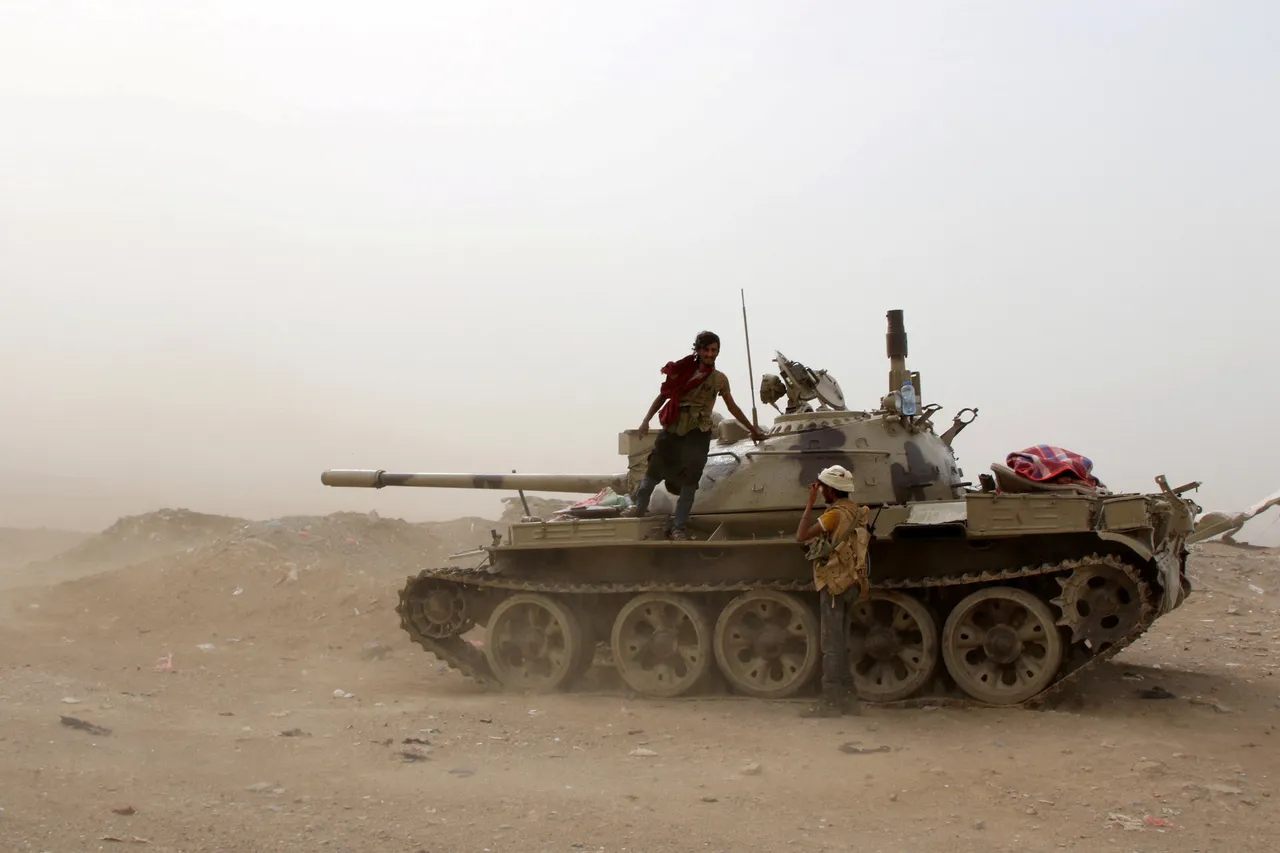

 Members of UAE-backed southern Yemeni separatist forces stand by a tank during clashes with government forces in Aden / Reuters

TRT WORLD
12/30/2025

On Tuesday, a Saudi-led coalition targeted a large quantity of weapons and combat vehicles — destined for UAE-backed separatist Southern Transitional Council (STC) forces —that were being offloaded from ships at a port in Yemen.

Historically its ally, Saudi Arabia slammed the UAE for backing STC, which has recently claimed control over swathes of territory in southeastern Yemen. This marked the most significant escalation between the two Gulf nations.

The STC has been part of the coalition fighting alongside the internationally recognised government against the Iran-backed group Houthis, which holds Yemen's capital, Sanaa, and the heavily populated northwest.

The Houthis gained global prominence after the start of Israel’s genocidal war on Gaza in October 2023, when they started attacking commercial vessels in the Red Sea in what they said was solidarity with Palestinians in Gaza, prompting the US and Israel to carry out strikes on Houthi targets. The Houthis have stopped their strikes since an October 10 ceasefire came into effect between Israel and Hamas.

The over two-decade conflict in Yemen has led to a devastating humanitarian crisis, with the UNICEF reporting in March 2025 that one in two children under five in Yemen is malnourished.

What is behind the current escalation in Yemen?

The unification

Yemen, situated between Saudi Arabia and an important shipping route on the Red Sea, was split into northern and southern states until 1990.

South Yemen agreed to unification with the north after a factional civil war in 1986 that wiped out its political leadership, and as its main financial patron, the erstwhile Soviet Union, collapsed.

Meanwhile, in the north, the Houthis emerged in the late 1990s, fighting guerrilla wars against the government.

The vast majority of Houthis are followers of Zaidi Shiaism and are backed by Iran.

In 2004, the group's founder launched a rebellion against the state, leading to six wars between 2004 and 2010. The group is led by Abdul Malik al Houthi.

Arab spring

Protests erupted across Yemen in January 2011, calling for an end to President Ali Abdullah Saleh’s 33-year rule.

Key tribal groups and military commanders defected to the opposition, triggering clashes in the capital, Sanaa.

Saleh was seriously wounded in a June bombing and flown to Saudi Arabia for treatment before returning months later.

In November 2011, Saleh finally signed a deal transferring power to his deputy, Abdrabbuh Mansour Hadi.

In late 2014, the Houthis seized control of much of Sanaa after weeks of protests.


Houthis take control

By early 2015, the group had placed President Hadi under house arrest, prompting his resignation.

He later fled to the southern city of Aden, rescinded his resignation, and denounced the Houthi takeover as a coup.

As Houthi rebels advanced south, President Hadi fled Yemen for Saudi Arabia.

Later that month, a Saudi-led coalition launched Operation Decisive Storm, citing a request from Hadi to restore his government.

In May 2015, former president Saleh formally allied with the Houthis, despite years of rivalry.

UAE-backed STC

By 2017, the war had triggered what aid agencies described as one of the world’s worst humanitarian crises, with widespread displacement, cholera outbreaks and growing fears of famine.

In December 2017, fighting erupted in Sanaa between the Houthis and Saleh’s forces after Saleh broke with the group.

Saleh was killed, consolidating Houthi control over much of northern Yemen.

In January 2018, the UAE-backed STC seized control of Aden after clashes with forces loyal to President Hadi.

The STC and the Hadi government, however, formalised a new power-sharing agreement in Aden in December 2020.

On 7 April 2022, Hadi announced in a televised speech that he was resigning from office and transferring power to the newly formed eight-member Presidential Leadership Council, chaired by Rashad al-Alimi.

While the internationally recognised government has formally been based in Aden since fleeing the Houthis in early 2015, it has spent much of that time operating from the Saudi capital, Riyadh.

Its head, Rashad al-Alimi, and Prime Minister Salem Saleh Bin Braik both left Aden for Riyadh when the STC took over.

Since the April 2022 UN-brokered truce between Saudi-backed coalition forces and the Iran-backed Houthis, open warfare has paused, but peace has remained elusive.

Yemen tells UAE forces to leave as tensions escalate

The UAE-backed STC, which seeks a separate state in Yemen's south, has in recent weeks swept through swathes of the country.


12/30/2025
TRT/AA


Fighters from Yemen’s UAE-backed Southern Transitional Council during a military operation in Abyan province, southern Yemen, Dec. 15, 2025. / Reuters

Yemen's presidential council has ordered all forces of the United Arab Emirates to leave the country within 24 hours, and cancelled a security pact with the UAE as tensions rise in the years-long infighting in which regional powers back different factions.

The Presidential Leadership Council on Tuesday also imposed a state of emergency and a 72-hour ban on all border crossings into the territory they hold.

"The Joint Defence Agreement with the United Arab Emirates is hereby cancelled," according to a statement from Yemen’s Presidential Leadership Council head Rashad al-Alimi on Tuesday. At the same time, a separate decree from him announced a 90-day state of emergency, including a 72-hour air, sea, and land blockade.

The statement came as the Saudi-led coalition said it targeted a large quantity of weapons and combat vehicles destined for Southern Transitional Council (STC) forces that were being offloaded from ships at Mukalla port in Yemen.

In remarks reported by the Saudi Press Agency, Coalition Forces spokesperson Major General Turki al-Maliki said two vessels arriving from the UAE port of Fujairah entered the port of Mukalla on December 27-28 without securing official authorisation from the coalition’s Joint Forces Command.

The UAE-backed STC, which seeks to revive the formerly independent state of South Yemen, has in recent weeks swept through swathes of the country, expelling government forces and their allies.
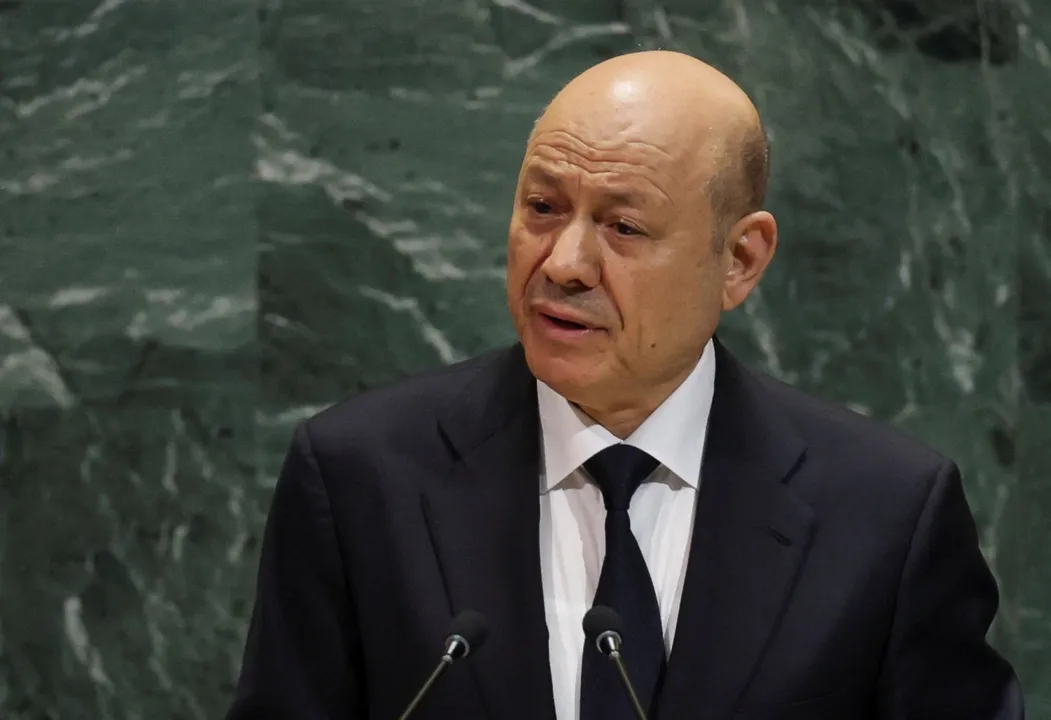


Yemen’s Presidential Leadership Council head Rashad al-Alimi orders UAE forces out within 24 hours. / AA


Tensions escalated after the STC took control of the Hadramaut and Al-Mahra provinces in December after clashes with government forces.

Alimi ordered the STC to hand over the territory, calling their advance an "unacceptable rebellion" in a televised address.

Meanwhile, Saudi Arabia has said the UAE should respond positively to Yemen’s demand to withdraw its forces within 24 hours and to cease any military or financial support to any party.

A Saudi foreign ministry statement also expressed regret over the pressure exerted by the UAE on STC forces, pushing them to carry out military operations near the southern borders of Saudi Arabia.

Yemen’s presidential council government is a patchwork of groups that also includes STC members and is held together by shared opposition to the Iran-aligned Houthis.

The Houthis pushed the government forces out of Yemen's capital, Sanaa, in 2014 and secured control over most of the north.


Saudi Arabia slams UAE's backing of STC in Yemen as a 'red line' and national security threat

Saudi Arabia said the UAE should respond positively to Yemen’s demand to withdraw its forces within 24 hours and to cease any military or financial support to any party.

12/30/2025
TRT/AA
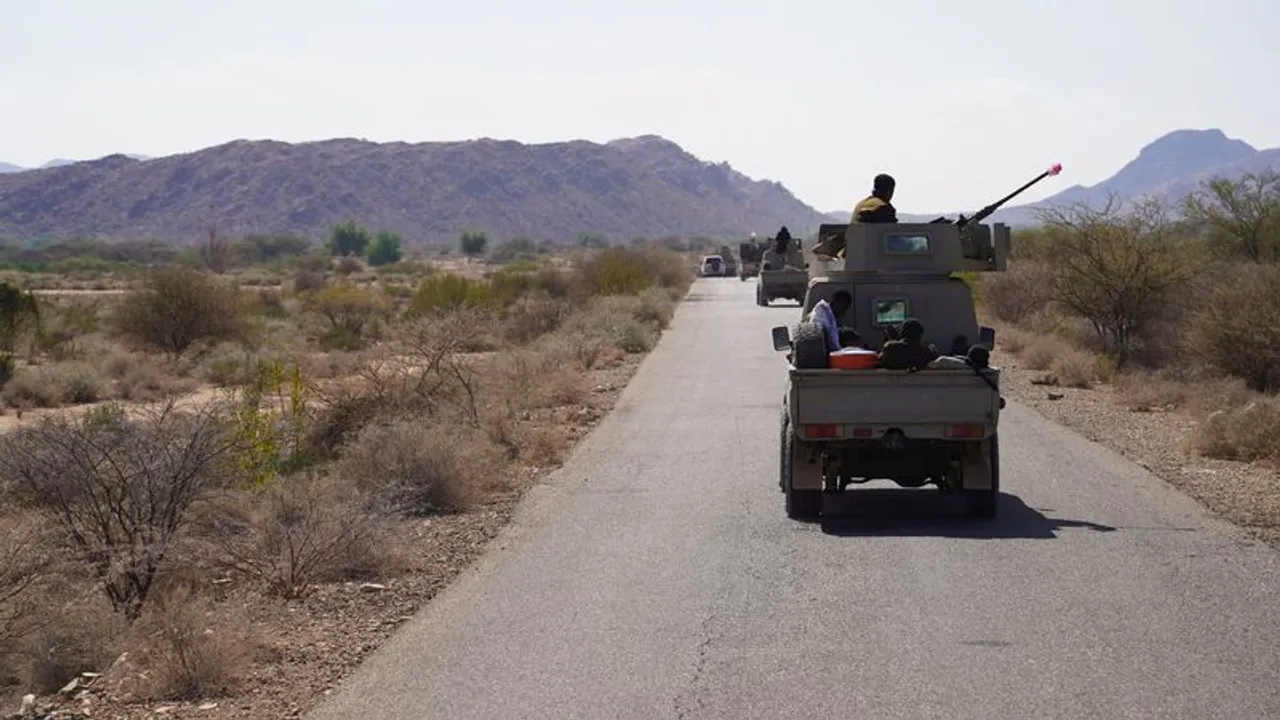
Tensions escalated after the STC took control of the Hadramaut and Al-Mahra provinces. / Reuters


Saudi Arabia has said the UAE's support for the separatist Southern Transitional Council's (STC) offensive in Yemen is a threat to it and regional security and called for it to respond positively to the Yemeni Presidential Leadership Council's demand to withdraw its forces from Yemen within 24 hours.

The UAE's actions in Yemen "constitute a threat to the Kingdom's national security, as well as to security and stability in the Republic of Yemen and the region," read a statement by the Saudi foreign ministry published online on Tuesday, which added that the "steps taken by the brotherly United Arab Emirates are extremely dangerous.”

“The Kingdom stresses that any threat to its national security is a red line, and the Kingdom will not hesitate to take all necessary steps and measures to confront and neutralise any such threat.”

The statement came as the Saudi-led coalition said it targeted a large quantity of weapons and combat vehicles destined for Southern Transitional Council (STC) forces that were being offloaded from ships at Mukalla port in Yemen.

According to the Saudi-led coalition, the ships came from the UAE port of Fujairah and entered the port of Mukalla on December 27-28.

Meanwhile, Yemen's presidential council ordered all forces of the UAE to leave the country within 24 hours and cancelled a security pact with Abu Dhabi as tensions rose in the years-long infighting in which regional powers back different factions.

Saudi Arabia said the UAE must cease military or financial support to any party.


“The Kingdom stresses the importance that the brotherly United Arab Emirates accept the Republic of Yemen’s request for all its forces to leave the Republic of Yemen within twenty-four hours and halt any military or financial support to any party within Yemen.”

The UAE-backed STC, which seeks to revive the formerly independent state of South Yemen, has in recent weeks swept through swathes of the country, expelling government forces and their allies.

Tensions escalated after the STC took control of the Hadramaut and Al-Mahra provinces in December after clashes with government forces.

Yemen’s presidential council government is a patchwork of groups that also includes STC members and is held together by shared opposition to the Iran-backed Houthis.

The Houthis pushed the government forces out of Yemen's capital, Sanaa, in 2014 and secured control over most of the north.


Saudi Arabia bombs Yemen over shipment of weapons for separatists that arrived from UAE
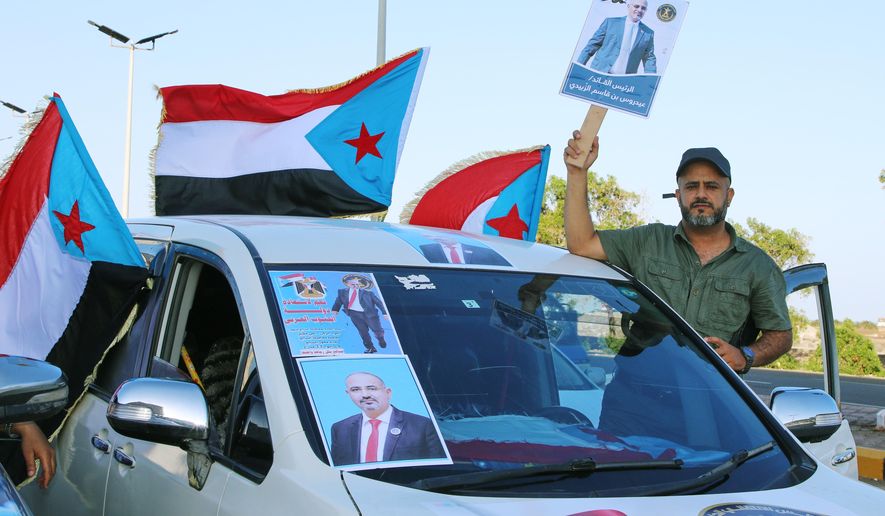
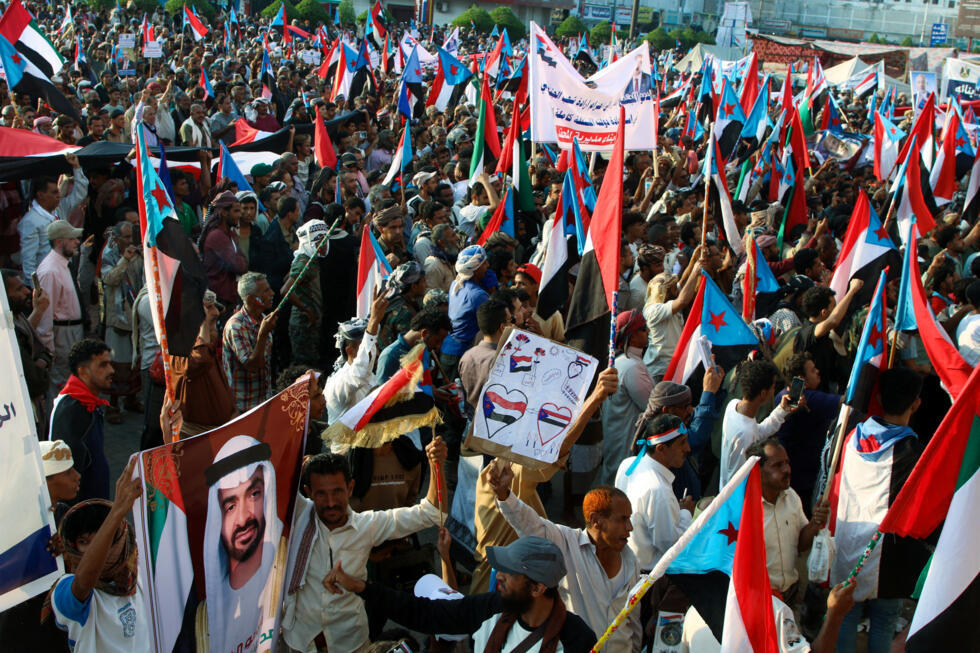
Supporters of the Southern Transitional Council (STC), a coalition of separatist groups seeking to restore the state of South Yemen, hold South Yemen flags and a poster of their leader, Aidarous al-Zubaidi during a rally, in Aden, Yemen, Dec. 25, …more >

By Associated Press - Monday, December 29, 2025

DUBAI, United Arab Emirates — Saudi Arabia on Tuesday said it bombed the port city of Mukalla in Yemen over a shipment of weapons for a separatist force there that arrived from the United Arab Emirates.

The attack signals a new escalation in tensions between the kingdom and the Southern Transitional Council, which is backed by the Emirates. It also further strains ties between Riyadh and Abu Dhabi, which had been backing competing sides in Yemen’s decadelong war against the Iranian-backed Houthi rebels.


A military statement carried by the state-run Saudi Press Agency announced the strikes, which it said came after ships arrived there from Fujairah, a port city on the UAE’s eastern coast.

“Given the danger and escalation posed by these weapons, which threaten security and stability, the Coalition Air Forces conducted a limited military operation this morning targeting weapons and combat vehicles unloaded from the two ships at the port of al-Mukalla,” it said.

There was no immediate comment from the UAE.

Friday, March 17, 2023

Iran has agreed to halt weapons shipment to Houthis, says WSJ

Anwar Iqbal Published March 17, 2023 

In this July 8, 2020 photo, Houthi fighters man a machine gun mounted on a military truck as they parade during a gathering of Houthi loyalists on the outskirts of Sanaa, Yemen.
— Reuters/File

WASHINGTON: Iran has agreed to halt covert weapons shipments to its Houthi allies in Yemen as part of a China-brokered deal to re-establish diplomatic relations with Saudi Arabia, The Wall Street Journal reported on Thursday.

This “move could inject new momentum into efforts to end one of the region’s longest-running civil wars”, said the newspaper while commenting on the development.

For years, Saudi Arabia and Iran have backed opposing sides in the Yemen conflict, fueling a war that has had disastrous humanitarian consequences and spilled beyond the country’s borders.

US and Saudi officials, who spoke to WSJ, said if Tehran stopped arming the Houthis, it “could put pressure on the militant group to reach a deal to end the conflict”.

A spokesman for the Iranian delegation to the United Nations declined to comment when WSJ asked whether Tehran would suspend arms shipments. Tehran publicly denies that it supplies the Houthis with weapons.

Last week, Saudi Arabia and Iran signed a China-backed agreement to re-establish diplomatic ties seven years after they were severed. This prompted speculations that Iran would now press the Houthis to end attacks on Saudi Arabia.

One Saudi official told WSJ that the kingdom expects Iran to respect a UN arms embargo meant to prevent weapons from reaching the Houthis. “A cutoff of weapons supplies could make it harder for the militants to strike the kingdom and seize more ground in Yemen,” WSJ commented.

Hans Grundberg, the special UN envoy for Yemen, flew to Tehran earlier this week to discuss Iran’s role in ending the war, and then on to Riyadh. Tim Lenderking, the special US envoy for Yemen, met Saudi officials in Riyadh on Wednesday to make another attempt to reinvigorate stalled peace talks.

The top priority is to extend a cease-fire that has held in Yemen for nearly a year. The formal truce expired in October, but the rival factions have continued to largely honour the cease-fire. Diplomats want a new deal on extending the cease-fire before the start of Ramadan next week.

More than 150,000 people have died as a direct result of the war. Airstrikes by the Saudi-led coalition killed thousands of Yemeni civilians, fueling calls for the US and its allies to cut off military support to Riyadh.

In the past three months, the US military and its allies have claimed seizing four ships off the Yemen coast carrying more than 5,000 assault rifles, 1.6 million rounds of ammunition, dozens of antitank missiles, and fertilizer, which can be used to make explosives.

Published in Dawn, March 17th, 2023

After the Saudi-Iran deal, will Tehran force the Houthis to peace talks?

It is clear that the Houthis have a relationship with the Islamic Republic and that the Saudi-Iran deal could change the course of the conflict in Yemen, expert says.

By MOHAMMED SAYERS/THE MEDIA LINE
Published: MARCH 17, 2023 

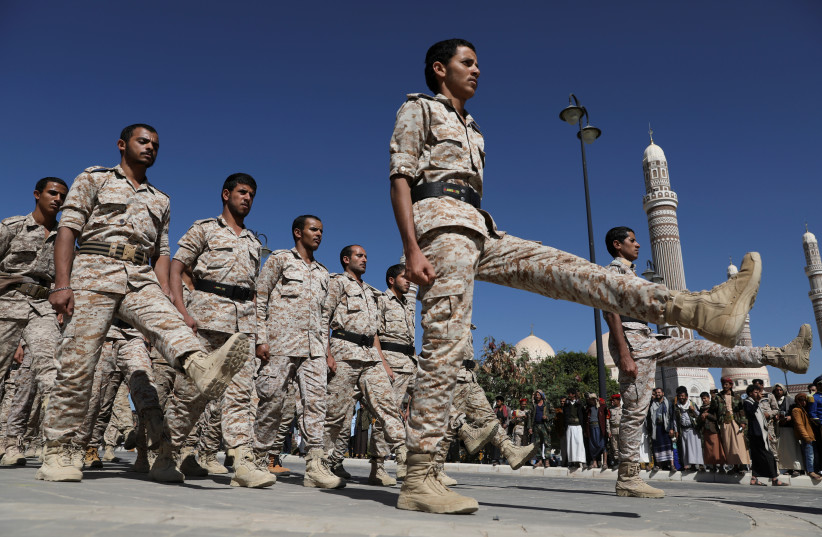
Newly recruited Houthi soldiers march during the funeral of Houthi fighters killed during recent fighting against government forces, in Sanaa, Yemen, December 6, 2021.
(photo credit: REUTERS/KHALED ABDULLAH)


UN envoy to Yemen Hans Grundberg arrived in the Iranian capital, Tehran, on Sunday as part of his efforts to put an end to Yemen’s nearly decade-old civil war. Grundberg met with Iranian Foreign Minister Hossein Amir-Abdollahian for consultations over the situation in Yemen, including the latest prospects for peace, a possible prisoner exchange and the country’s humanitarian crisis. During the meeting, Amir-Abdollahian said the Islamic Republic backs any negotiations which would help establish peace and stability in Yemen.

The visit to Tehran came just days after Saudi Arabia and Iran signed an agreement ending the years-long diplomatic rift between the two countries.

The Iranian mission to the United Nations also reaffirmed that Amir-Abdollahian promised UN Secretary-General Antonio Guterres to host talks that would put an end to the crisis in 
Yemen

Iran's links to Yemen's Houthis

Many analysts and observers see a strong relationship between the Islamic Republic of Iran and the Ansar Allah movement, the armed wing of the de facto authority in Yemen (DFA) - which rules the north of the country, known collectively as the Houthis.

This relationship is seen in speeches by Houthi officials, including the leader of the movement, Abdul-Malik al-Houthi. It is also evidenced by attempts to smuggle weapons from Iran into Yemen, as well as the presence of Iranian military experts in Yemen.

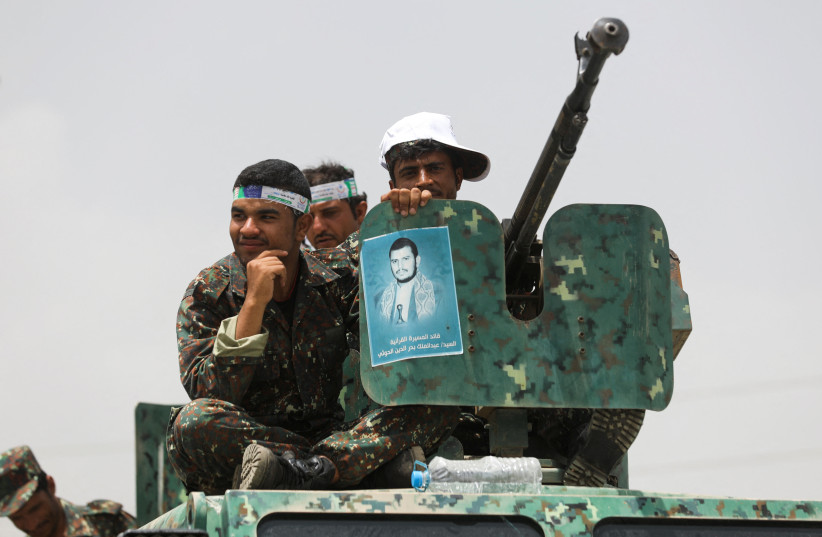
Houthi police troopers sit atop an armored personnel carrier securing a rally held to mark the Ghadeer day, in Sana'a, Yemen on July 17, 2022 
(credit: REUTERS/KHALED ABDULLAH)

Many observers believe that the Saudi-Iran agreement will have an effect on the decisions and actions of the DFA, and that it will compel the Houthis to agree to enter into peace negotiations.

Wedad al-Qadi, a lecturer at Sanaa University who specializes in political sociology, told the Media Line that it is clear that the Houthis have a relationship with Iran and that the Saudi-Iran deal could change the course of the conflict in Yemen.

“The Houthis implicitly admitted the existence of a relationship with Iran, just like the Lebanese Hezbollah group did.”Wedad al-Qadi

“The Houthis implicitly admitted the existence of a relationship with Iran, just like the Lebanese Hezbollah group did,” she said.

Qadi says that any change in Iran’s policy in the region will be implemented by its proxies, including Ansar Allah, Hezbollah and the Popular Mobilization Forces.

“The same applies to the members of the internationally recognized government (of Yemen) – their polices will match those of Saudi Arabia’s new policies toward the Houthis; if the conflict between them is over, then so will the conflict between their proxies,” she concluded.

There also appears to be a connection between the changes in Yemen’s civil war and the Saudi-Iran deal.

First, there was the truce between Saudi Arabia and the Houthis, followed by the Oman-sponsored talks between the internationally recognized government of Yemen (IRG) and the Houthis. After that, the Saudi-Iran agreement became public and, around the same time, the ongoing negotiations in Geneva between the Houthis and the IRG began to resolve some thorny issues including the issue of prisoners of war on both sides.

Houthi officials have denied the existence of any relationship or influence of the Saudi-Iran deal on the Houthi’s decision to participate in the talks. “That decision depends on sovereign conditions stipulated by Ansar Allah,” according to Sharaf al-Mahdi, a DFA supervisor in the Council of Ministers in Sanaa.

Mahdi told The Media Line that “the recent negotiations between the Ansar Allah group and the IRG aims mainly at concluding the prisoners issue.” He added that “any future talks regarding political settlement is conditioned on the Gulf state’s exit from Yemen,” referring to Saudi Arabia, which leads a coalition of Arab countries in support of the internationally recognized government of Yemen.

“This is too far-fetched; we are an independent state with full sovereignty. The Saudi-Iran deal has no impact on Ansar Allah’s vision for Yemen’s crisis. The Yemeni issue is not Iran’s issue.”Sharaf al-Mahdi

When confronted with the idea that the war in Yemen is tied to the Saudi-Iran deal, Mahdi vehemently rejected the premise. “This is too far-fetched; we are an independent state with full sovereignty. The Saudi-Iran deal has no impact on Ansar Allah’s vision for Yemen’s crisis. The Yemeni issue is not Iran’s issue,” Mahdi said.

Official Houthi spokesperson Mohamed Abdel Salam tweeted praise for the Saudi-Iran normalization, saying that it is time for the resumption of normal relationships in the region and the Iranian “scarecrow” used to provoke the war on Yemen is no longer valid.

The meetings between the IRG and the Houthis are still in progress in Geneva within the framework of negotiations aimed at concluding an agreement on an exchange of prisoners of war, setting up a mechanism for paying public sector employees’ salaries, and resolving economic issues before entering into a comprehensive political settlement.

Yemenis hope that this round of negotiations will bring peace to the war-torn country which has been described by the UN as the world’s worst humanitarian disaster.

Thursday, April 13, 2023

Houthis set sights on international recognition as Yemen peace talks progress

Critics say Saudi Arabia and Houthis looking out for own interests as other Yemeni actors are left in the dark on talks


Houthi political leader Mahdi al-Mashat meets with Saudi and Omani delegations at the Republican Palace in Sanaa, Yemen on 9 April 2023 (Reuters)

By Rayhan Uddin
MEE correspondent in Sanaa
Published date: 13 April 2023 

In the Yemeni capital, significant diplomatic activity is afoot: Saudi and Houthi officials are meeting publicly for the first time since the civil war broke out in 2014.

On Sunday, Saudi Arabia’s ambassador to Yemen, Mohammed Al-Jaber, was pictured shaking hands with Houthi political chief Mahdi al-Mashat in Sanaa, ahead of peace talks that also included an Omani delegation.

"The fanfare and attention around the joint Saudi-Omani delegation’s visit to Sanaa underlines... that Yemen’s conflict has reached a crucial inflection point," said Adam Baron, an adviser at the Centre for Humanitarian Dialogue.

"There is a visceral feeling of something jarring in seeing these photos after all that's happened," Baron added, despite the fact that such meetings "have been occurring in private".

One of those present on Sunday, Houthi leader Ali Qarshah, only six years ago had a $5m price tag placed on his head by the Saudis, as part of a list of 40 figures suspected of "terrorist activity".

But after eight years of hostility and devastation, in what has widely been described as the world’s worst humanitarian crisis, momentum is building for a permanent ceasefire.

For the Houthis - the rebel group that seized the capital in 2014 and forced the internationally recognised government to flee to Saudi Arabia - an agreement could set the path to permanent recognition and further territorial gains.
'Saudi surrender'

Houthi fighter Yunis, 22, who fought on the front line in the key strategic city of Marib, is overjoyed at the prospect of a Saudi deal.

"I am happy, and I feel I am living the best days in my life. This development has made thousands of fighters believe they are on the right direction," he told Middle East Eye.

But he struck a warning: "We will continue fighting if this peace effort leads nowhere."

In March 2015, a Saudi-led coalition, which included the United Arab Emirates, intervened on behalf of the Yemeni government to push back the Iran-aligned Houthis after they took control of Sanaa.

Coalition air strikes killed thousands of civilians, according to UN reports, while the Houthis launched missiles and drones at civilian infrastructure in Saudi Arabia and the UAE.

A six-month truce brokered by the UN that ended in October is still mostly holding, giving long-awaited respite to Yemenis.


'We will continue fighting if this peace effort leads nowhere'
- Yunis, Houthi fighter

The Saudi visit to Yemen comes just weeks after a broader reconciliation between Riyadh and Iran, brokered by China.

On Saturday, Saudi officials arrived in Iran to discuss procedures for reopening Riyadh's embassy in Tehran and consulate in Mashhad as a result of the deal.

Yunis believes that Riyadh’s delegation arriving in Sanaa is proof of "Saudi surrender".

"Saudi Arabia and its allies had refused to talk with us directly. They described us as militias and terrorists," he said. "They bombed us mercilessly, thinking they would defeat us."

The talks this week will centre around a timeline for foreign fighters to leave Yemen, the payment of wages for public sector workers, and lifting restrictions on the country’s airports and ports in Houthi-controlled areas.

On Thursday, nearly 900 detainees will be flown between Yemen and Saudi Arabia as part of the largest prisoner exchange between the two countries since October 2020.
Talks 'nothing to do with Yemen'

Nadwa al-Dawsari, a researcher at the Middle East Institute, said that Riyadh and the Houthis, who hold much of Yemen's north, are only looking after their own interests during the discussions.

"These talks have nothing to do with Yemen. These talks are between the Saudis and the Houthis," she told MEE. "They've got nothing to do with the other actors inside Yemen."

Dawsari said Saudi Arabia aims to "wash their hands of Yemen" after years of criticism for waging war on its neighbour.


Sanaa's Old City: A world heritage site threatened by war and neglect
Read More »

"The Houthis' objective is still to seize control over all of Yemen," she said. "Once that deal is signed, well, the Houthis will just march into Marib and will march into the rest of Yemen."

She added that the Houthis have long aimed to establish military power and control over enough of the country to "force the international community" to recognise them politically.

"Now the moment has come," Dawsari said.

Saudi Arabia played a role in re-organising the Aden-based Presidential Leadership Council (PLC), a disparate collection of anti-Houthi forces in the country that serve as the executive body of the internationally recognised government.

The PLC, whose eight members include figures from the separatist Southern Transitional Council and a nephew of former autocrat Ali Abdullah Saleh, have largely been kept in the dark during this week’s discussions.

"The PLC designated the Houthis as a terrorist group and now [they] are forced to sign a deal with the Houthis," said Dawsari. "That can tell you the level to which these groups are involved or not involved in these talks."

The Aden-based government has welcomed the de-escalation talks, despite appearing to be sidelined by its ally, Riyadh.

The fighter Yunis said the Houthis will continue to have the upper hand in Yemen’s north, and would not allow foreign influence

'Iran has won this war… They have empowered their ally in Yemen and they did it without direct intervention'
- Nadwa al-Dawsari, researcher

"Saudi Arabia played a role in appointing Yemeni officials in the Aden-based government in southern Yemen. Such a scenario will not happen in northern Yemen," he said.

There is foreign influence over the Houthis, though, in the form of their ally, Iran.

"Iran has won this war. Iran has done a brilliant job with the Houthis. They have empowered their ally in Yemen and they did it... without direct intervention," said Dawsari.

She also believes that Saudi Arabia is hoping for one of two options in the future: "Either the Houthis will abandon Iran and be friends with the Saudis... or Iran will somehow de-escalate.

"This is just wishful thinking on the Saudi side," she said.

Aaya al-Shamahi contributed to this report

Despite hope, Yemen peace talks are oversold, experts say

Jennifer Holleis
April 13,2023

Neither the ongoing negotiations between Saudi Arabia and the Houthi group, nor the upcoming prisoner swap, are tangible signals for an upcoming end of the war as most Yemeni factions remain excluded.

This week's hearty handshake by the Saudi ambassador to Yemen, Mohammed bin Saeed al-Jaber, and the political head of the Houthi rebels, Mahdi al-Mashat, has kindled a glimmer of hope that there could be an end to the war in Yemen. Since Sunday, Saudi and Houthi delegations have been holding peace talks in the Houthi-controlled capital, Sanaa.

The main topics on the negotiating table are a six-month truce between the two warring parties — the Saudi-backed internationally recognized government and the Iran-aligned Houthis — the reopening of the Houthi-controlled airport in Sanaa and the Red Sea port in Hodeida, the lifting of the Houthi blockade of the government-controlled city of Taiz, the resumption of oil exports from government-held oil fields via Houthi gateways and the consolidation of Yemen's economy.

However, despite the international hope that has accompanied this latest round of talks, there are some doubts peace could be imminent.

One reason is that Yemen's Presidential Council, the executive body of the internationally recognized government, was not included in the negotiations, nor were any other Yemeni parties, such as the separatists of the Southern Transitional Council.

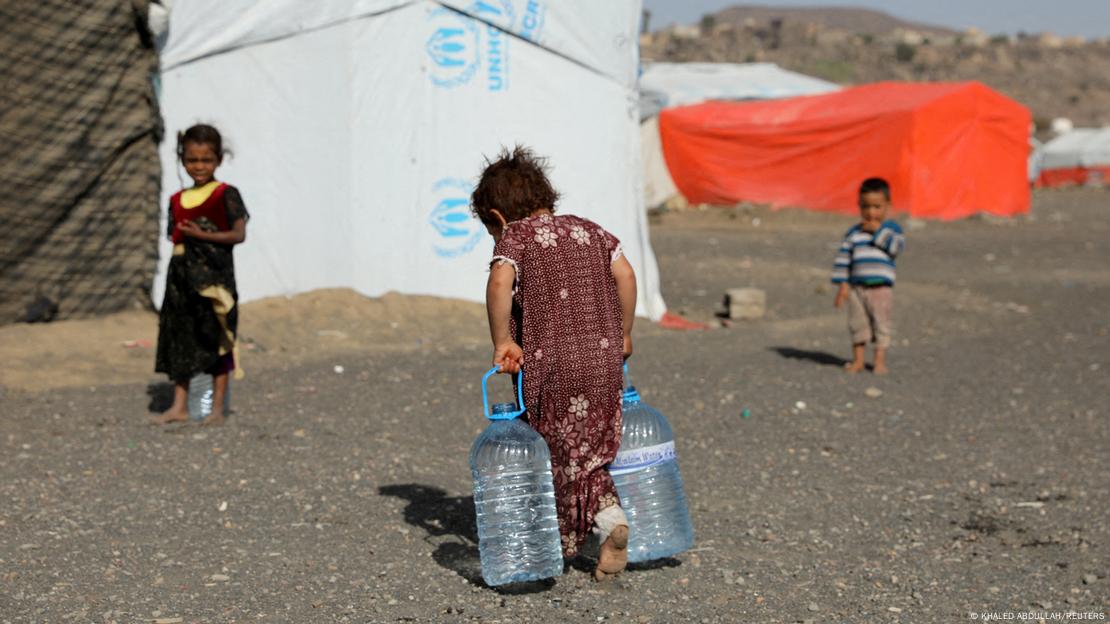
According to official UN figures, millions of Yemenis now depend on international aid for survival
 KHALED ABDULLAH/REUTERS

Yemen's two main political factions, the Houthis and the government, have been at war since 2014 when Iran-backed Houthi rebels seized Sanaa and ousted the government. In 2015, the situation escalated when a Saudi-led coalition of nine countries intervened in an effort to restore the internationally recognized government in the city of Aden, on the Red Sea coast.

The brutal conflict — widely seen as a proxy war between Saudi Arabia and Iran — has caused almost half a million deaths and resulted in the internal displacement of thousands of people. According to the United Nations, at least one-third of the population of 31 million is fully dependent on international aid. The situation in the war-torn country is widely considered one of the world's worst humanitarian crises.


Peace talks 'may even increase the risk of a disintegration'

Marwa Baabbad, director of the Berlin-based think tank Yemen Policy Center Germany, doesn't think the current talks are actually aimed at ending the war. "Major differences between the Yemeni parties must be addressed to open a window for sustainable peace", she told DW.

"Oman's purpose was not to broker a wider Yemen national peace but to convince the Houthis to end their cross-border attacks, and ease the relationship between the Saudis and the Houthis," she said.

The Houthi group could indeed be next on Saudi Arabia's list of efforts to mend ties with regional enemies, after agreeing to reestablish diplomatic relations with archenemy Iran in March after seven years of frozen ties. And it's no secret that Saudi Arabia has become highly interested in exiting the costly proxy war in Yemen.

Abdulghani Al-Iryani, a senior researcher at the Sanaa Center for Strategic Studies, told DW he believed Yemen was being used as a pawn. "Saudi Arabia is pursuing short-term objectives at the expense of its long-term interests in durable stability and security in the region," he said.

"Saudi Arabia has given the Houthis the right to represent Yemen at the expense of all other parties," he added, warning that this, in combination with the Houthis' unwillingness to share political power, could accelerate the destabilization of the country.

"The current talks may even increase the risk of a disintegration of the state, as the other parties will not agree to live under Houthi control," Al-Iryani said.

He referred, above all, to a movement in the country's south that has been following its own agenda since 2017. The separatists of the Southern Transitional Council, or STC, will, in Al-Iryani's view, most likely increase their efforts to declare a unilateral secession.

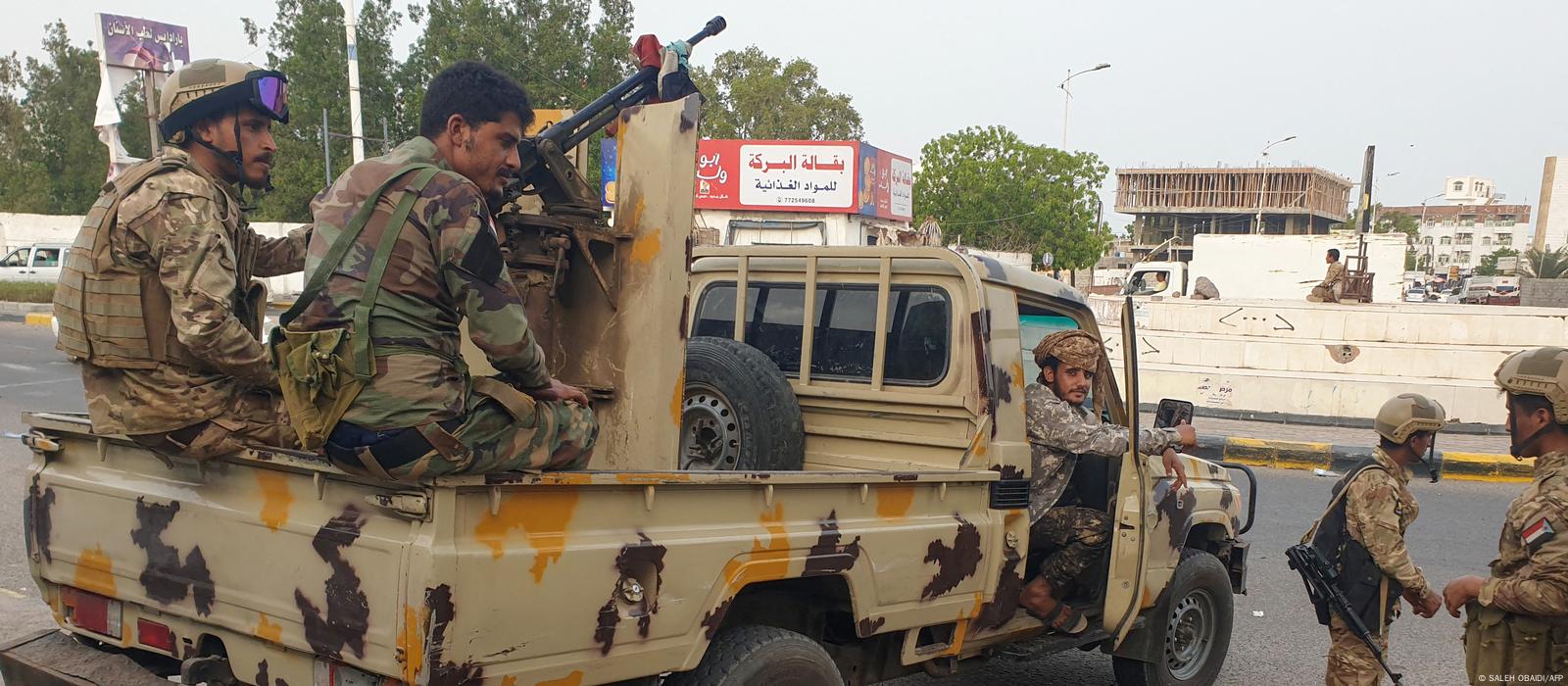
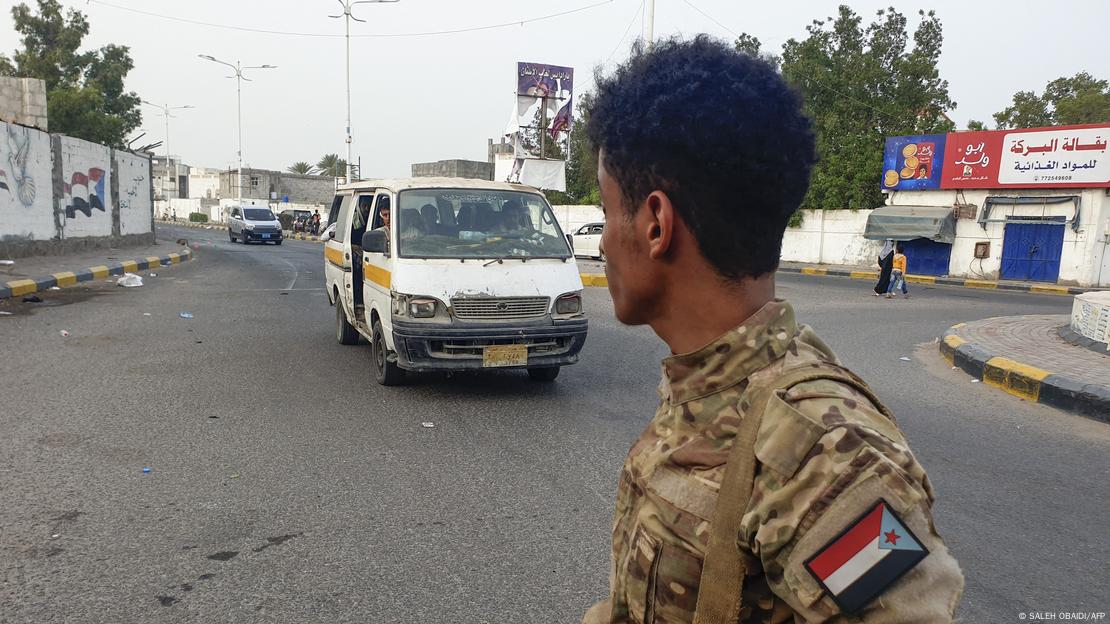
Yemen's Southern Transitional Council might soon ramp up efforts to separate, destabilizing the country even further
SALEH OBAIDI/AFP

This could lead Yemen into further instability. "Neither the STC are ready to control all of the south, nor the Houthis can control all of the north, so we are facing the disintegration of the Yemeni state and not a separation into two states," he said.

He also doubts there would be international recognition for the Houthis or the STC as new governmental bodies.

This would, in turn, negatively affect international investment and could slow down reconstruction once the war ends.
Peace requires reconstruction, reconciliation and economic recovery

Hisham Al-Omeisy, a conflict analyst and senior Yemen adviser at the Brussels-based European Institute of Peace, also doubts that the exclusive peace talks between Saudi Arabia and the Houthis could lead to tangible peace.

"Yemen has 21 governorates with 333 districts, each with its own unique problems. Without inclusivity, without a bottom-up approach in Yemen, any peace process is not going to be sustainable," he told DW.

Al-Omeisy said Yemen needed reconstruction plans, pathways to reconciliation and economic recovery to achieve peace. "And without all of that, and without trust-building measures as well, we are overselling the current peace talks."

The UN-brokered prisoner swap is most likely to start this week, with hundreds of families hoping to be reunited
TWITTER OF ABDULQADER AL-MORTADA/AFP

Meanwhile, hopes are rising that a UN-brokered prisoner swap will actually take place later this week. In March, the Yemeni government promised to release 706 detained Houthis, while Houthi rebels said they would release 181 prisoners in exchange.

As of Thursday morning, the first 14 prisoners had been exchanged, with Majid Fadael, the official spokesman for the government delegation negotiating the exchange, confirming the swap on Twitter.

Edited by: Martin Kuebler

Wednesday, July 24, 2024

Tensions in Yemen could lead to ‘devastating’ regional escalation, says UN envoy

Despite renewed communication efforts between the Yemeni government and Houthi rebels, Hans Grundberg, the UN envoy to Yemen, warned the UN Security Council that growing international tensions have reached a “new and dangerous level,” and ongoing domestic disputes could plunge Yemen back into a “full-scale war”.

SAUDI BACKED GOVERNMENT VS 
HOUTHI INDIGENOUS REBELS


Issued on: 24/07/2024 - 
Protesters lift placards, flags of Yemen and Palestine, and rifles during a rally in the Huthi-controlled capital Sanaa in solidarity with Palestinians on July 19, 2024. © Mohammed Huwais, AFP
By:NEWS WIRES
ADVERTISING


The UN envoy for Yemen warned Tuesday that recent developments in the Red Sea, Israel and inside the country “show the real danger of a devastating region-wide escalation” — but he also pointed to a glimmer of hope.

Hans Grundberg said Yemen’s warring parties — the internationally recognized government and Houthi rebels – informed him Monday night “that they have agreed on a path to de-escalate a cycle of measures and countermeasures which had sought to tighten their grip on the banking and transport sectors.”

But he warned the UN Security Council that seven months of escalating actions reached “a new and dangerous level last week” which saw a Houthi drone attack on Tel Aviv and Israeli retaliatory attacks on Yemen’s key port of Hodeida and its oil and power facilities.

He said Houthi attacks on ships in the Red Sea and surrounding waterways continue and the rebels are escalating their crackdown “on civic space and on international organizations.” Airstrikes on Houthi targets by the United States and United Kingdom are also continuing, he said.

Grundberg also warned that escalating economic issues have been “translating into public threats to return to full-fledged war.”

Yemen has been engulfed in civil war since 2014, when the Iranian-backed Houthis seized much of northern Yemen and forced the internationally recognized government to flee from the capital, Sanaa. A Saudi-led coalition intervened the following year in support of government forces, and in time the conflict turned into a proxy war between Saudi Arabia and Iran.

While fighting has decreased considerably since a six-month truce in 2022, Grundberg told the council that clashes have been reported along numerous frontlines this month “and we have witnessed an increase in military preparations and reinforcements.”

Rivalry between the Houthis and the southern government have fueled an economic divide, with the rivals establishing separate and independent central banks and different versions of the country’s currency, the riyal.

Grundberg told reporters after the briefing that the rivals informed him Monday night that they reached agreement on four points to de-escalate the months long standoff on the banking sector and the operation of Yemenia Airways.

He told the council the “understanding” followed months of contacts with his office, which warned of the risk to the Yemeni people that “the deepening weaponization of the economy” would pose.

“I welcome the parties’ decision to choose a path of dialogue and I look forward to engaging further with the parties to support them in implementing their commitments with regard to the banking sector and Yemenia Airways,” he said. “The aim remains a unified currency, a unified and independent central bank, and a banking sector free of political interference.”

Nonetheless, while Grundberg welcomed the willingness of both sides to engage on economic issues, he said, “I reiterate my warning to the council that we risk a return to full-scale war and all the predictable human suffering and regional implications that entails.”

Grundberg told reporters the four points are similar to commitments the two sides made in September to engage in dialogue.

He said he told the council in closed consultations after the meeting that “we have been here before and that previous opportunities have slipped in the past because they never translated into structured dialogue on underlying issues.”

The UN special envoy said he will provide all the support the rivals need to implement the measures they agreed to, and expects them to translate their commitments to de-escalation into action.

These include the need for monetary policy coordination, progress toward a unified central bank and currency, and guarantees to ensure the central bank’s independence from political interference, he said.

“Stopgap measures could serve as band-aids but being serious about building an economy that benefits all Yemenis means that the parties have also to engage on underlying longer-term issues,” Grundberg said.


Daily newsletterReceive essential international news every morningSubscribe

Yemen is the Arab world’s poorest country and faces one of the world’s worst humanitarian crises.

Acting U.N. humanitarian chief Joyce Msuya told the council that Yemen’s GDP has shrunk by more than half since the conflict began, and a recent World Bank analysis found it contracted even further in the last year.

The fall in the value of the riyal has driven already sky-high food prices further out of reach for millions of people, she said.

“I urge the parties to seize this opportunity to find sustainable solutions to these challenges,” Msuya said. “Millions of people across the country depend on it.

(AP)

Will Israeli bombs undo Yemen's peace process?

Cathrin Schaer | Safia Mahdi in Yemen
DW
JULY 23,2024


Israeli strikes on Yemen only seem to make the Houthi rebel group they're targeting more popular. 

But could they also have an impact — positive or negative — on Yemen's stalled peace process?


Israel regularly bombs Syria, Lebanon and Iraq, but this weekend was the first time the country had bombed Yemen
Image: ANSARULLAH MEDIA CENTRE/AFP


After their jets hit what the Israeli military described as "Houthi targets" in Yemen last weekend, advocacy organizations and Yemeni locals were quick to push back.

"What happened today in Hodeida is a disaster that will only harm civilians," Basem Ganani, a Yemeni journalist, wrote on social media. Israeli bombs had hit cranes in the northern port city, fuel depots and a power station, he said.

It was completely dark and extremely hot, said Nahla al-Qudsi, a Hodeida journalist in her 30s. The power was cut off and all communications were also down. "That really made us scared," she told DW. "As if the fires and the extreme heat were not enough."

The Israeli military was retaliating against the Houthi rebel group, which controls this part of Yemen. Early on Friday morning, the Houthis had managed to fly a drone into central Tel Aviv for the first time. The resulting explosion caused one death and injured eight.

The ensuing Israeli airstrikes on Saturday killed six and injured as many as 80 others in Hodeida.

"The Israeli airstrikes on Hodeida caused significant damage, targeting essential infrastructure such as fuel storage facilities and power plants," Fatima Abo Alasrar, a Yemen expert at the Washington-based Middle East Institute, or MEI, told DW. "This has led to severe shortages [...] The people of Hodeida are living in fear and anxiety, unsure of what might happen next."

"Already, fuel lines throughout the country have hourslong wait, with people anticipating shortages," added Arwa Mokdad, an independent Yemen researcher based in the UK. "Hodeida is also the main port in Yemen. This will make it even more difficult for aid to enter the country."

The Houthi rebel group has been fighting Yemen's internationally recognized government for more than nine years. As a result of the ongoing civil war, over half of Yemen's population, an estimated 21 million people, is dependent on humanitarian assistance, the United Nations has said.

Houthis more popular than ever

Besides the negative impact on civilians in the city, another of the main criticisms of the Israeli attack is how it benefits the Houthi group itself.

Most recently the Houthis have been disrupting maritime traffic off the coast of Yemen because, the Iran-allied rebel group says, it is opposed to the Israeli military campaign in Gaza.

"They [the Houthis] now feel that their narrative of animosity toward Israel was justified," explained Abo Alasrar. "Their engagement with Israel appears to be more of a strategic move to strengthen their narrative and rally internal support, rather than a genuine effort to support the Palestinians."

Polls regularly show that almost all Yemenis staunchly support the Palestinian desire for statehood and equal rights. But not everyone agrees with the Houthis.

A lot of ordinary people in Yemen are unhappy with the way they run things, said Abo Alasrar. The Houthis have also increased recruitment and have even tried to draft children into their ranks. "That is deeply alarming and frightening for the local population," she noted.

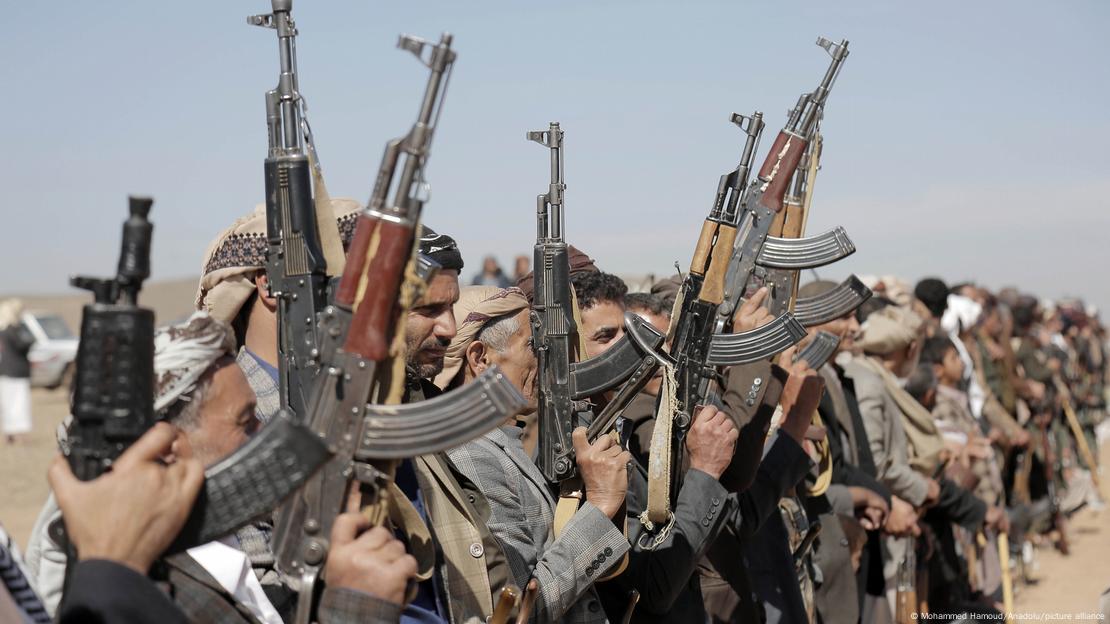
The Houthis are a staunchly Islamist group that has recently been accused of kidnapping aid and NGO workers
Image: Mohammed Hamoud/Anadolu/picture alliance

However, bombing the Houthis tends to make them better liked.

"When faced with an external threat, people will turn towards their own countrypeople," said independent researcher Mokdad. "The bombings have skyrocketed Houthi popularity and will allow them to pursue more extreme political actions."

This may not be the last time Israel bombs Yemen, either. The Israeli military "is preparing for the possibility that it will have to launch another attack on Houthi targets," Israeli newspaper Haaretz reported on Monday.

There might even be assassinations of Houthi leaders outside Yemen, said Farea al-Muslimi, a research fellow at the UK-based think tank Chatham House.

Yemen 'stuck in a stalemate'

There could also be destablilizing, domestic political repercussions.

After nine years of civil war, the Houthi rebel group controls large parts of Yemen. Houthi opponents include the internationally recognized government, with close ties to Saudi Arabia, and separatist groups in the south of Yemen backed by the United Arab Emirates.

Lately, fighting between the Houthis and a Saudi-led military coalition has largely subsided and, despite slow progress, there are still hopes for a negotiated resolution.

Mokdad explained the current situation in Yemen: "In the Houthis' eyes, they have won the war and see no point in ceding to the internationally recognized government, which has been based in Riyadh for years now. Meanwhile, the internationally recognized government does not want to cede power either. They can't win," she pointed out. "But they can't lose either. This leaves us stuck in a stalemate."

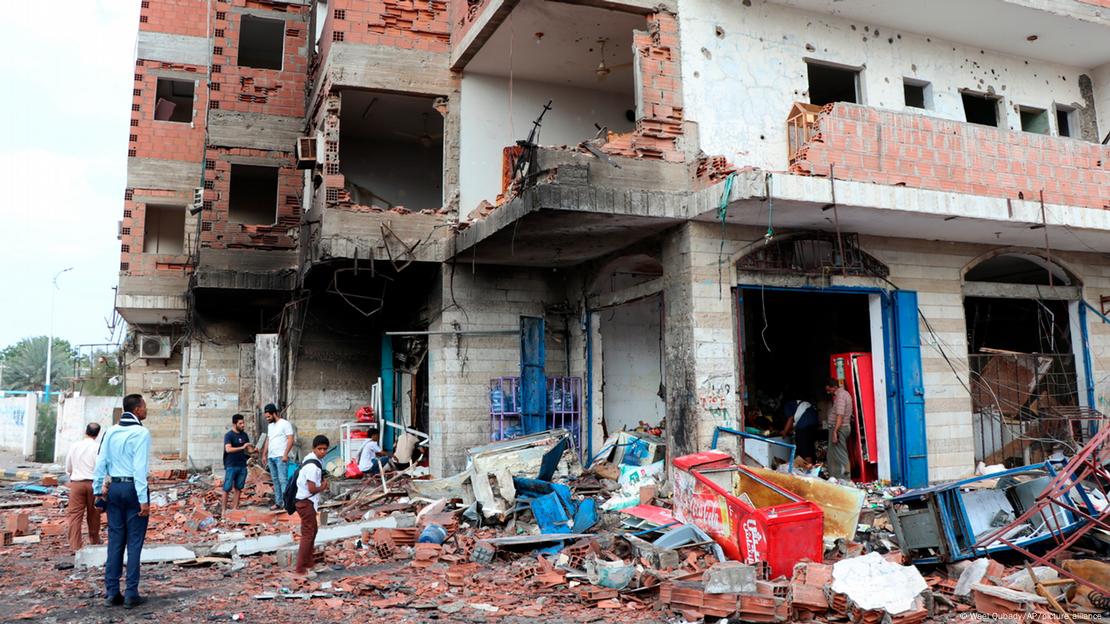
Yemen's civil war, which has claimed over 150,000 lives, calmed after a June 2022 cease-fire deal
Image: Wael Qubady/AP/picture alliance


Could Israeli bombs tip the balance?

Al-Muslimi fears the moribund peace process could be damaged if the Houthis take revenge on targets closer than Israel, and resume firing on Saudi Arabia, Bahrain or the United Arab Emirates.

Mokdad notes that the more popular the Houthis get, the more they will ask for when negotiating.

Meanwhile, MEI's Abo Alasrar thinks the recent Israeli raid on Yemen could be something of a "game changer" because it will bring more international attention to efforts to cut off Houthi funding and supplies and their access to infrastructure like ports.

However, none of the experts that DW spoke with believe further Israeli strikes can have any kind of positive effect, nor will it make the Houthis — who have been fighting the Saudis, and recently the UK and the US — back down.

The Houthis have said they would stop attacking maritime traffic in the Red Sea and Israel if the conflict in Gaza stopped. There's no reason not to believe them, analysts say. As Timothy Lenderking, the US' special envoy to Yemen, said in March on US political channel, C-Span, "the first step that is going to help us get [a settlement in Yemen] is a cease-fire in Gaza."

Peace in Yemen could still be on the table, said Mokdad. "But it will require external actors to stop escalating an already tense political situation. It is time to sit down and talk, even with those we disagree with. War created our problems," she said, "but diplomacy can end them."

Houthis launch more strikes after Israel bombs Yemeni port  02:38


Edited by: Martin Kuebler

Friday, January 02, 2026

Yemen is back from the brink, but frenemies Saudi Arabia and UAE have much to negotiate


ANALYSIS

The UAE this week announced a withdrawal of its troops from southern Yemen, marking a de-escalation in year-end tensions with its ally Saudi Arabia. But 2026 offers little hope for a strategic patch-up between the two Gulf powerhouses. That could mean more trouble for Yemen, the region, and the international community in the world’s chokehold zone.


Issued on: 02/01/2026
FRANCE24
By: Leela JACINTO


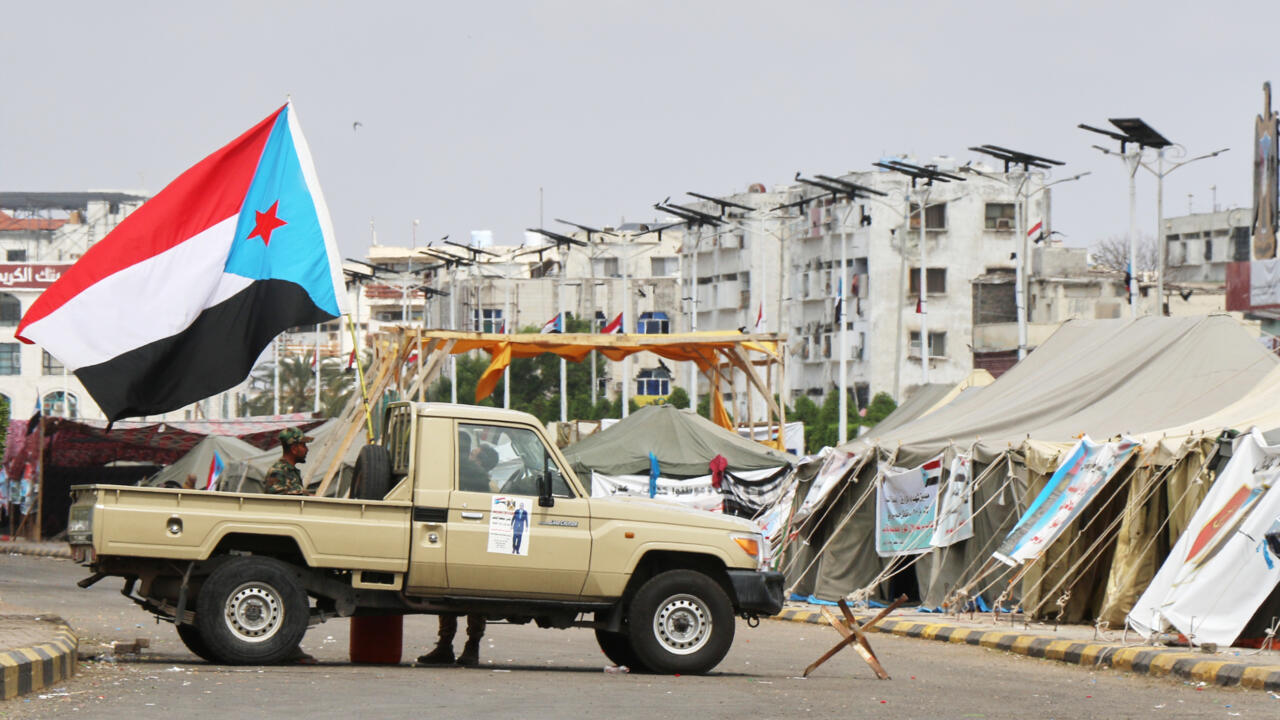
Southern Transitional Council (STC) soldiers under a South Yemen flag man a check point, in Aden, Yemen, December 31, 2025. 

The New Year kicked off with Yemen, an unstable country straddling a strategic maritime corridor between the Gulf of Aden and the Red Sea, seemingly back from the brink.

After an explosive, public blowout in the last weeks of 2025 that saw Saudi Arabia bomb an alleged arms shipment from the United Arab Emirates (UAE) to its proxies in Yemen, tensions have cooled. Abu Dhabi denied the arms shipment accusations, but nonetheless complied with a 24-hour deadline to withdraw its forces in southern Yemen.

READ MOREWhat we know about the Saudi-led air strikes in Yemen

Saudi Arabia and the UAE came together in a military coalition in 2015 to prevent a takeover of Yemen by Iran-backed Shiite Houthi rebels. But a decade later, the two Gulf powerhouses, who officially refer to each other as “brotherly” countries, have turned into frenemies. Ambition has driven a wedge between Saudi Crown Prince Mohammed bin Salman and UAE President Mohammed bin Zayed al-Nahyan and a once-close relationship between the two royals has been ripped by a divergence of strategic vision.

The Houthis have not been vanquished, but the coalition against them is hanging by a thread. Riyadh backs the internationally recognised Yemeni government under the Presidential Leadership Council (PLC), an unwieldy umbrella body that includes the Islah party, which the UAE accuses of ties to the Muslim Brotherhood and the party denies. Abu Dhabi supports the Southern Transitional Council (STC), which is also within the PLC, but has secessionist aspirations that are at odds with its coalition partners.

The year may have begun with the UAE pulling its “counterterrorism teams” from southern Yemen, but few expect Abu Dhabi to stop wielding its influence and economic heft in a geostrategic coastal zone.

On the regional front, Emirati interests in the Red Sea area are increasing exponentially. Its co-signatory to the Abraham Accords, Israel, ended 2025 with the surprise recognition of the breakaway region of Somaliland, just across the Gulf of Aden from Yemen. Meanwhile the Houthis continue to target Red Sea shipping lanes and Israeli cities under Iran’s “axis of resistance” banner.

Finally, the latest Saudi-UAE spat in Yemen unfolded in the volatile southern region that has long been an al Qaeda stronghold and offers ideal terrain for jihadist groups.

It may not be a very happy new year for Yemenis who have borne the brunt of a devastating conflict, nor for the international community scrambling to cope with the fast-moving pieces on the Middle East chessboard. By the end of the week, Saudi air strikes had already slammed southern separatist camps, causing deaths and injuries, according to a senior STC official.

‘Mixed messaging’


In southern Yemen, this week's de-escalation came just as swiftly as the dramatic escalation. On Thursday, the UAE-backed STC said Saudi-aligned government forces would enter territories it had seized in recent weeks.

In its statement, the STC said it would continue to operate in the regions but had agreed to the deployment of the Riyadh-backed National Shield government force. “Today, we launched an operation to integrate the southern National Shield forces so that they can assume the responsibilities and missions that fall to our armed forces,” they announced.

But in Yemen, the devil lies in the official statement details. “We are seeing mixed messaging,” said Mohammed Al-Basha, founder of the Basha Report, a US-based risk advisory, in a post on X, noting that while Saudi-aligned figures claimed National Shield forces “will take over security” in Hadramawt, “STC influencers say an agreement was reached to share security responsibilities, tasks, and even garrisons and bases”.

The current crisis was sparked by the STC’s lightening sweep in early December from its heartlands around the southwestern port city of Aden towards the east, seizing parts of the resource-rich Hadramawt and Al Mahra provinces.

Yemen’s history has been marked by a north-south divide, with its southern coastal regions – centred around the ancient strategic port of Aden – culturally distinct from the northern area which includes the capital Sanaa. The STC is the latest iteration of longstanding southern secessionist movements fed by grievances against the north.

Over the past few years, “the STC ran most of the south”, said Basha. “Any diplomat, envoy, journalist going to the south did not see any symbols of the Republic of Yemen, it existed only on paper.”


STC supporters hold a poster of UAE President Mohammed bin Zayed al-Nahyan at a rally in Aden, Yemen, January 1, 2026. © Fawaz Salman, Reuters

Defining ‘the south’

The “southern question”, as it’s known in Yemen policy circles, is a legitimate issue, analysts concede. But in its current form, there are two “major points of contention”, according to Elisabeth Kendall, president of Girton College at the University of Cambridge and a seasoned Yemen expert.

“One is, does the southern cause mean a separate southern region, or does it mean a separate southern state that's independent and sovereign? And two, how big is that southern region or state? Is it just the southern heartlands, the four governorates that are in and around Aden? Or does it include the two vast eastern governorates of Hadramawt and Al Mahra? The Saudis would argue that it does not include Hadramawt and Al Mahra because they border Saudi Arabia,” she added.

The easternmost Al Mahra governorate also borders Oman, a neutral Gulf country that has strained to contain a spillover of the Yemeni conflict into its own Dhofar region that has seen rebellions in the past. “Neither Saudi Arabia nor Oman want a UAE-influenced state on their borders,” Kendall said.

Within Yemen, there are divides between the southwestern and eastern states, notes Basha. “There's no cohesiveness, even though the STC is the largest political bloc. In theory they could run the south, but they don't have the support of the east,” he noted.

While the eruption of the “southern question” exposed the faultlines with the east, it did little to address Yemen’s core security issues. “Two groups are benefiting from everything that's happening right now in the east and the south. It's the Houthis and AQAP,” noted Basha, referring to al Qaeda in the Arabian Peninsula. “The Houthis are sitting back, watching the anti-Houthi coalition fight each other, watching the two regional backers have a very public divorce,” he explained. “And al Qaeda loves to flourish wherever there's a vacuum.”

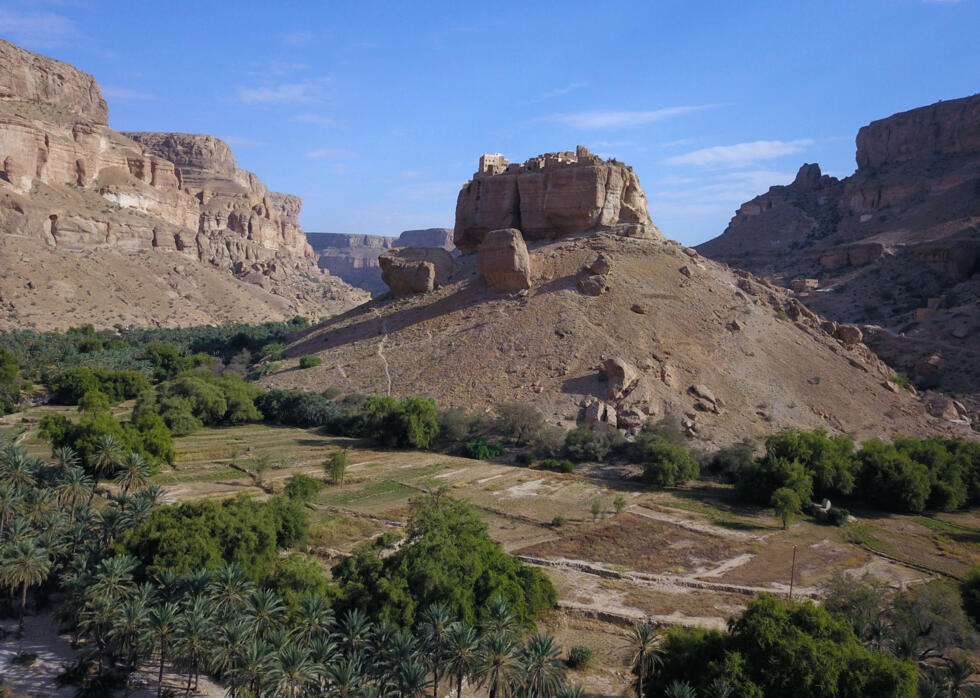
File photo taken October 20, 2020, of the picturesque Haid al-Jazil village perched on a rock in Dawan directorate in the Hadramawt governorate. © AFP file photo

One of the key reasons for the STC’s lightening sweep to the east in December was the fear that the Saudis could reach a peace deal with the Houthis, leaving the Shiite rebels in a commanding position in the north while sidelining southern powerbrokers.

A prisoner swap between the Houthis and the Yemeni government last year sparked some hopes for a peace deal. But given the complexities of the conflict, expectations are low.

“In 2026, will we see a peace deal between the Saudis and the Houthis? Absolutely, yes. Is it going to be implementable on the ground? I am not sure,” said Basha. “The real problems in Yemen will appear after a peace agreement is signed,” he added, predicting that the country’s myriad armed groups are likely to “just either fight each other for territory and resources, or collapse, or join AQAP, or form other militant groups”.
Realpolitik sidelines nation-building

While the UAE agreed to troop withdrawal from southern Yemen to avert a military confrontation with Saudi Arabia, analysts question whether it will mark an end to Abu Dhabi’s funding and support for its proxies in the region.

The 2025 crisis in Yemen has put a spotlight on the UAE’s increasingly assertive foreign policy and extension of its sphere of influence in Middle East, Africa and the seas in between.

“These maritime locations are supremely important geopolitically. The area that the UAE seeks to extend its influence in, via the STC, is right on that very important corner of the Arabian Peninsula, where the Gulf of Aden meets the Red Sea,” explained Kendall.

Yemeni territory includes the island of Perim, located in the Bab el-Mandeb Strait, which is a gateway for oil tankers heading to Europe via the Suez Canal. Further east lies Socotra, an archipelago and UNESCO World Heritage Site that is also a part of Yemen.

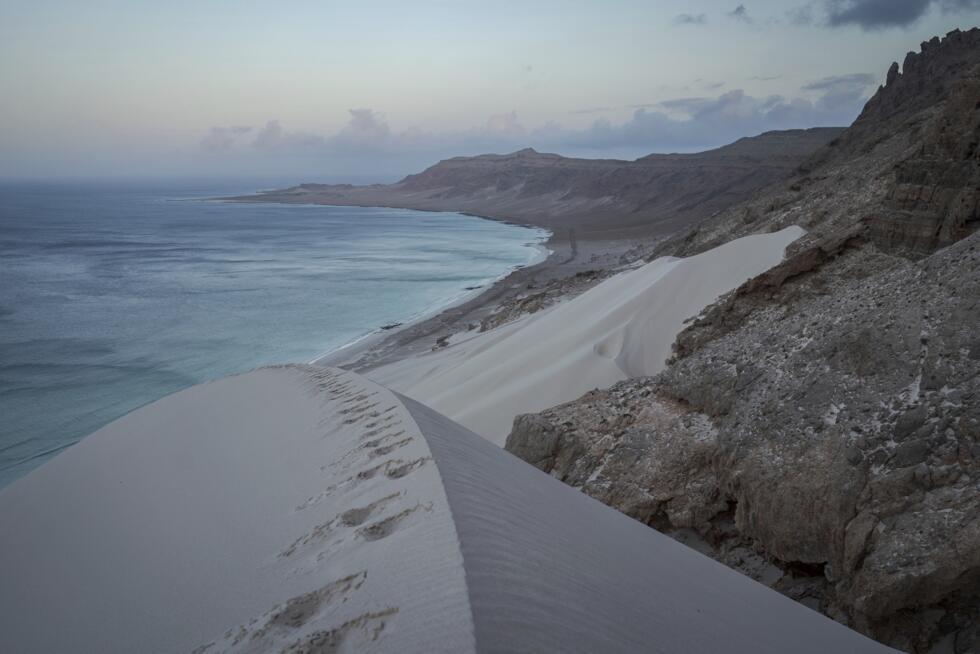
Sand dunes plunge into the sea on the Yemeni island of Socotra on September 21, 2024. © AP file photo


Satellite imagery reveals an expanded network of airstrips, military and intelligence bases built by the UAE, according to investigative reports. They extend from Socotra in the Indian Ocean to Yemen’s Arabian Peninsula coast to the Horn of Africa.

The UAE’s strategic partnership with Israel, strengthened by the Abrahams Accord, has also come under the spotlight during the recent tensions in Yemen.

Israeli media last month speculated about the resulting benefits of an independent southern Yemen under Abu Dhabi’s patronage. Arab outlets noted The National’s interview with Aidarous Al Zubaidi, head of the UAE-backed STC and also vice president of the Saudi-backed PLC, wherein he said he believed “we will be part of the [Abraham] accords”.

While this may be music to the Trump administration’s ears, it adds credence among local populations to the Houthis' self-declared role as defenders of the Palestinian cause.

Last month, when Israel suddenly recognised Somalia’s breakaway region of Somaliland, it raised eyebrows in Middle Eastern capitals and policy circles – and protests in Mogadishu.

Israel's recognition of Somaliland drives divides

It also drew attention to the UAE’s goals in the region. Noting Abu Dhabi’s strategic sweep from Perim island in the west to Socotra in the east, Kendall remarked that the UAE “has a stranglehold on the Gulf of Aden. Add to that, the fact that it was silent when its ally in the Abraham Accords, Israel, expressed its solidarity with the breakaway ‘nation of Somaliland’ on the other side of the Gulf of Aden, and it looks like that whole area is encircled by the UAE.”

Meanwhile across the Red Sea in Sudan, UN sanctions monitors have described what they deemed credible allegations that the UAE provided military support to Sudan's paramilitary Rapid Support Forces (RSF) in the civil war against the Sudanese army. Abu Dhabi denies the allegations.

The problem, many analysts say, is not Abu Dhabi’s goal of increasing strategic influence, but its effects on weak states. The UAE bases its foreign policy on “realpolitik and doesn't mind working with secessionist movements or with minorities”, said Basha. “You see that with the Rapid Support Forces. You're seeing that with the southerners in the STC. The Saudis are completely against that.”

This year, until and unless the two Gulf brotherly nations-turned-frenemies manage to sort out their differences, Yemen – and the wider Middle East – is unlikely to enjoy a lasting peace.

Gulf countries edgy after very rare and very public spat between Saudi Arabia and UAE

2 January 2026
COMMONSPACE.EU


The very public, and very rare, spat between Saudi Arabia and the United Arab Emirates, which saw Saudi planes bombarding cargo in Mukalla in Southern Yemen, which had just been unloaded from two ships that arrived from the UAE port of Fujairah, has caused concern among the four other GCC countries, and other neighbours in the region.

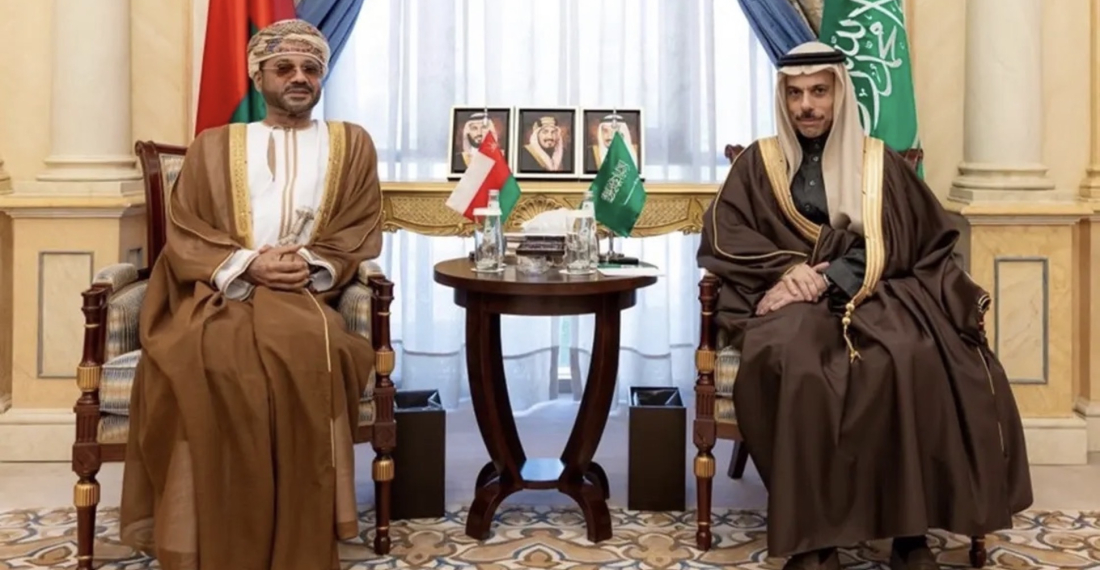
Omani Foreign Minister Badr Al Busaidi visited Riyadh on Wednesday for talks with Saudi Foreign Minister Prince Faisal bin Farhan on the developments in Yemen, which have raised concern across the region.

Oman's Foreign Ministry said the meeting between the ministers “addressed efforts to contain the escalation of violence and ways to support the political process aimed at addressing the root causes of the crisis”.

Tension has risen in recent weeks after the military takeover of Mahra and Hadhramaut, which share a 700km border with Saudi Arabia, by the Southern Transitional Council. The STC is the largest faction within the forces of the ruling Presidential Leadership Council, led by Rashad al-Alimi.

In Riyadh, Mr Al Busaidi and Prince Faisal discussed “achieving a comprehensive and sustainable settlement that preserves the sovereignty of the Republic of Yemen over its security and stability, while also taking into account the aspirations of its people and the higher national security interests of neighbouring countries and the rest of the region”, Oman's Foreign Ministry said.

Oman has played a vital mediation role in Yemen since Houthi rebels seized the capital, Sanaa, in 2014, forcing the government to flee south. A Saudi-led coalition, including the UAE, intervened at the request of the government to counter the Houthis, who control most of the north.

On Monday ( 28 December) the UAE announced that it was heeding calls by Mr Alimi, backed by Saudi statements, which called for the withdrawal of UAE forces from Yemen. This in turn raised concerns about internationally backed efforts to counter terror groups there.

Gulf countries have called for calm and restraint following the recent escalation. GCC members, Bahrain, Qatar, Oman and Kuwait, said they were monitoring the situation closely, highlighting the important role played in the past by Saudi Arabia and the UAE in supporting “stability and security” in Yemen.

Bahrain expressed its “confidence in the leadership of the Kingdom of Saudi Arabia and the United Arab Emirates and their ability to contain any differences in viewpoints within the framework of a unified Gulf

Qatar and Kuwait commended statements issued by the UAE and Saudi Arabia, which reflected “a commitment to prioritising the interests of the region, strengthening the principles of good neighbourliness and adhering to the foundations and principles upon which the GCC Charter is based”, Qatar's Foreign Ministry said.

Beyond the Gulf, Egypt said it was confident that the UAE and Saudi Arabia would approach the recent developments “wisely”, adding that it will continue to work with all sides towards de-escalation.

Jordan's Foreign Ministry said it held in high regard the “wisdom of the leaderships of the sisterly kingdom of Saudi Arabia and the United Arab Emirates in addressing the situation in Yemen”, which reflects their keenness to preserve Yemen's security and interests.

The STC, which is seeking to re-establish a separate state in southern Yemen, said on Wednesday that “the south does not harbour any hostility towards any country in the region or its Arab surroundings, especially the kingdom of Saudi Arabia, with which the south has deep and long-standing historical ties”.

Source: commonspace.eu, with the National (Abu Dhabi), Al Jazeera (Doha) and agencies.

Picture: Oman's Foreign Minister Badr Al Busaidi and Saudi Foreign Minister Prince Faisal bin Farhan in Riyadh on Wednesday, 31 December. (Photo courtesy of the Foreign Ministry of Oman).