Tuesday, March 31, 2026


Social media slams Donald Trump as he shares AI-generated images of Presidential Library skyscraper

Social media slams Donald Trump as he shares AI-generated images Presidential Library skyscraper
Copyright AP Photo - EricTrump X

By David Mouriquand
Published on 

An AI-generated video of the Donald J Trump Presidential Library has been shared online. Social media users were quick to criticise the project, pointing out that while the skyscraper features a lot of gold, there's one notable absence: Books.

Donald Trump has unveiled plans for his Presidential Library in the form of an AI-generated Miami skyscraper.

He shared images of the Donald J Trump Presidential Library on Truth Social – a branded building which also features a ballroom, an Air Force One aircraft, gold escalators, and a huge gold statue of Trump in the pose of his 2024 assassination attempt.

“Over the past six months, I have poured my heart and soul into this project with my incredible team at [The Trump Organization],” the president’s son Eric Trump wrote on X. “This landmark on the water in Miami, Florida will stand as a lasting testament to an amazing man, an amazing developer, and the greatest President our Nation has ever known.”

It didn’t take long for people to rip into the project and notice one glaring omission: Books.

Indeed, no books can be seen in the library... An oversight which speaks volumes about Trump and the limitations of AI.

"It's just a monument to himself", one person wrote online, while another commented: “How ironic a library for a guy that can't read.”

“The gold statue in Trump’s new library (of himself) looks awfully familiar to a few others from around the world,” California Governor Gavin Newsom and regular Trump critic wrote on X, referencing China and North Korea.

Further criticism was swift, with many slamming the fact that the Trump family – who are supposed to be worth billions – are crowdfunding the project...

Check out some of the reactions below, which reference the absence of books, the poor timing of such an announcement, and the Epstein files:

In case you were wondering about the location of the library, Trump legally declared himself a Florida resident in 2019. The native New Yorker changed his permanent residence to his Mar-a-Lago Club in Palm Beach, Florida.


Wolf bites woman in Hamburg shopping area in Germany's first attack in decades

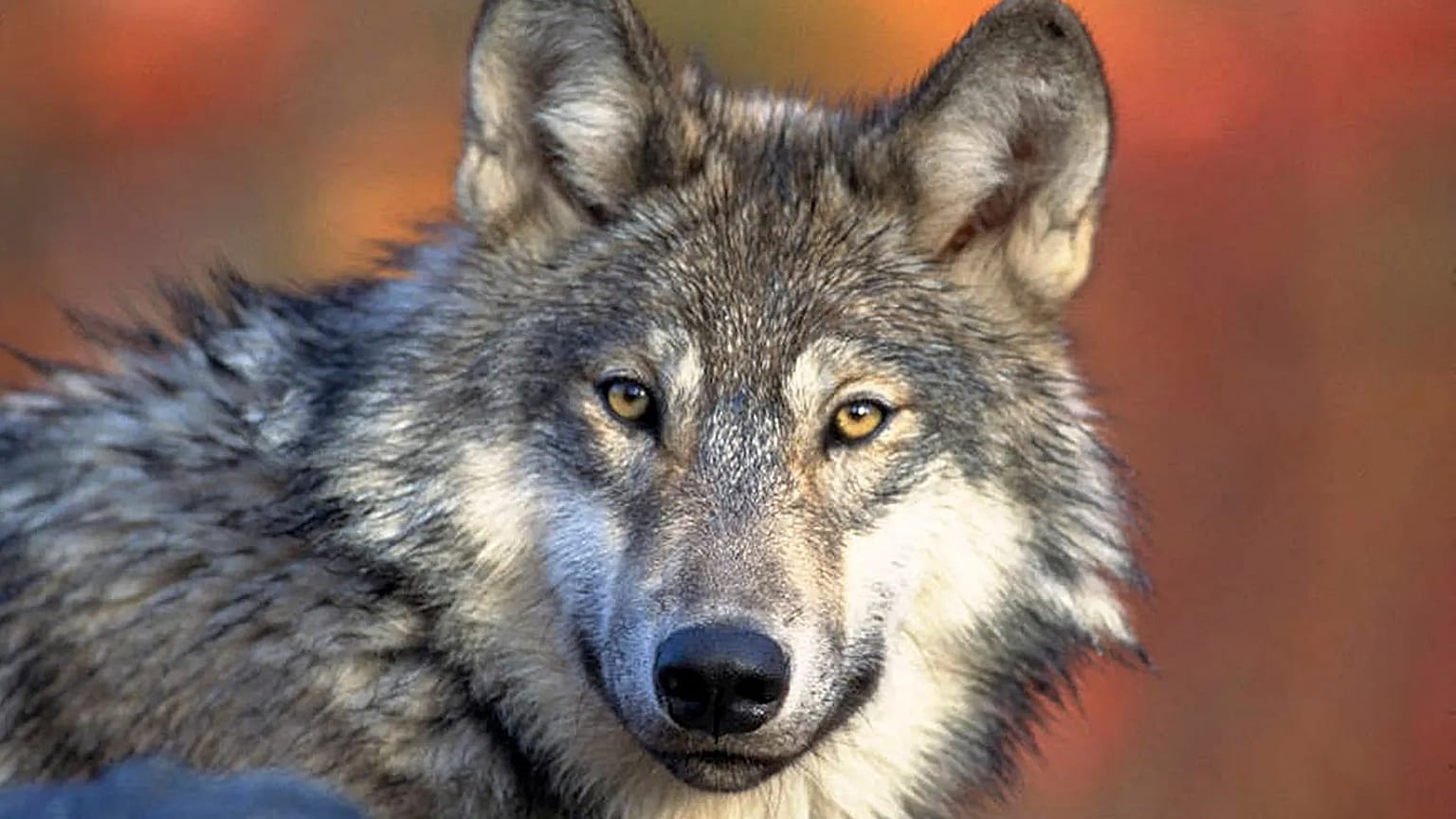
This photo provided by the US Fish and Wildlife Service shows a grey wolf, 18 April, 2008
Copyright AP Photo


By Franziska Müller & Gavin Blackburn
Published on 


Wolves are now present in almost all EU countries, and their numbers have increased from 11,000 in 2012 to more than 20,000 in 2023. Italy, Bulgaria, Romania and Spain have populations of more than 2,000.

A wolf bit a woman in a shopping district of Hamburg before it was rescued from a lake in Germany’s second city, authorities said, in what is believed to be the first such attack since wolves returned to the country in 1998.

The fire service said that the 65-year-old woman was taken to a Hamburg hospital after the unusual encounter near the Altona station, west of the city centre, on Monday evening.

The daily newspaper Bild said she had sustained facial injuries but police didn't detail where she was bitten or give any explanation about what led to the attack.

Later on Monday evening officers located the wolf at the Binnenalster lake in downtown Hamburg following calls alerting them to a sighting of the animal there and in other locations, police said.

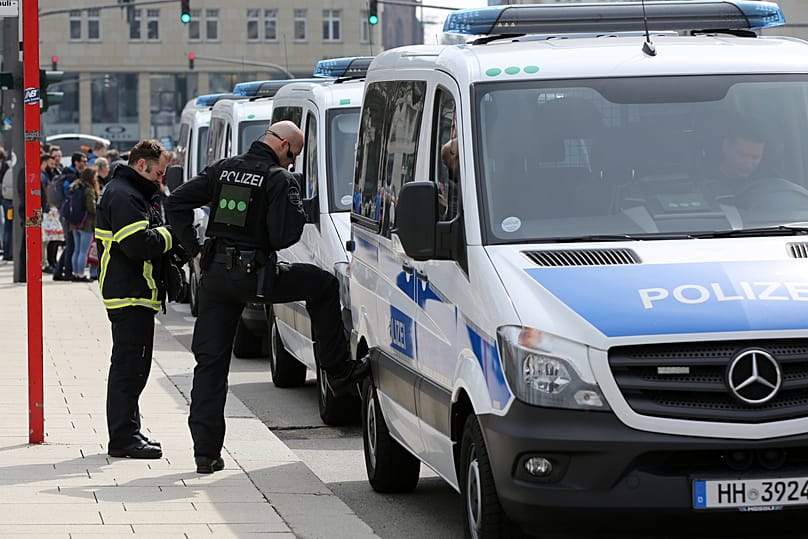
Police on the street in downtown Hamburg, 12 April, 2018
Police on the street in downtown Hamburg, 12 April, 2018 AP Photo


Local media reported that it was removed from the water with a snare and taken to an enclosure on the outskirts of the city.

Officials believe the wolf involved was the same one sighted in Blankenese, an outer suburb of the city, over the weekend.

Experts believe the animal is a young wolf searching for its own territory, accidentally wandering into the city.

Hamburg's regional government noted that wolves generally avoid contact with people and dogs, and the unusual urban environment would be very stressful.

Germany's Federal Agency for Nature Conservation said it was the first time a person was known to have been attacked by a wild wolf since the animals reappeared in the country after 150 years' absence nearly 30 years ago, the dpa news agency reported.

Wolf attacks on livestock in Europe have been a growing concern for farmers for years, however. Last year, the European Parliament voted to change the status of wolves from "strictly protected" to "protected".

Wolves are now present in almost all EU countries, and their numbers have increased from 11,000 in 2012 to more than 20,000 in 2023. Italy, Bulgaria, Romania and Spain have populations of more than 2,000.

Last week, the German parliament gave final approval to legislation making it easier to shoot wolves that kill or wound livestock.


Real wages in Europe near pre-pandemic levels, but Iran crisis clouds outlook

Demonstrators take part in a march organized by Italy's main labor unions, in Rome's St. John Lateran square, Saturday, Oct. 16, 2021.
Copyright Copyright 2021 The Associated Press. All rights reserved


By Servet Yanatma
Published on 

The post-pandemic surge in inflation across Europe reduced the purchasing power of advertised wages in major economies. In some countries, wages have now caught up, but in others they still lag behind.

European inflation surged in 2022 to levels not seen in 40 years. It peaked above 11% in the EU, mainly driven by a rise in energy prices after Russia’s invasion of Ukraine.

This surge eroded workers’ purchasing power across advanced European economies as consumer prices rose faster than wages.

Have wages recovered? Not yet. They remain below early 2021 levels although many major European economies are close to catching up, according to analysis done by the Indeed Wage Tracker based on advertised wages on their platform.

Indeed has constructed a cumulative real wage index, rebased to 100 in January 2021.

Values above 100 mean that cumulative advertised wage growth has outpaced inflation. Values below 100 indicate that workers’ purchasing power remains lower.

As of January 2026, real wages based on job postings are still below January 2021 levels in seven major European economies. However, most are close to recovering, except for Italy and Spain. In the euro area, the index stands at 96.2.

The Netherlands shows the strongest recovery at 99.7, followed by the UK at 99.5. Ireland and Germany (both at 99.1) are also close to the 100 level. In France, the index is 98.1.

Spain matches the euro area average at 96.2 while Italy has the lowest level at 89.9. This means that if a worker earned €1,000 in January 2021, their real wage in January 2026 would be €899 after accounting for nominal wage growth and inflation.

Why real wages in Europe have not recovered?

Pawel Adrjan, Director of Economic Research at Indeed, emphasised that Russia's invasion of Ukraine was the trigger that drove a surge in energy and food prices, which pushed eurozone inflation above 10% in 2022 and opened up the real wage gap across Europe.

“There are several reasons the gap persisted for a long time and still persists in some countries,” he told Euronews Business.

According to him, there are two main reasons. The first is that wage-setting in Europe adjusts slowly and incrementally, with collective bargaining cycles locking in pay rises for multi-year periods.

Inflation increased rapidly and turned more persistent than originally expected, and wages had to play catch-up over a long period.

Second, central banks like the ECB eventually reacted by increasing interest rates to bring down inflation.

This started to cool the labour market, which is seen in the Indeed Job Postings Index coming down from 2022-23 onwards in major economies like Germany, France and the Netherlands.

But it also weakened the bargaining power of unions and individual workers in subsequent wage negotiations, further delaying the catch-up in real terms.

Inflation vs weak wage growth

Adrjan noted that the inflation shock was a common driver everywhere, but the degree to which wages have responded differs across countries.

In the US and UK, nominal wage growth was strong enough to broadly close the gap, due to tight labour markets driven by high demand for workers, as well as large minimum wage increases and labour supply constraints in the UK.

In Germany and the Netherlands, delayed but robust collective bargaining increases have brought them close to full recovery.

For France and Spain, it's more balanced: wage growth has recently exceeded inflation.

Italy is an outlier

“Italy is the extreme case. The problem there is overwhelmingly on the wage growth side, with posted wages barely growing at all, meaning the gap is actually still wide,” Adrjan cotninued.

The paradox is that Italy's job postings are well above pre-pandemic levels but this strong hiring demand has not translated into pay growth, consistent with the fact that the labour market was still less tight than in other large European economies.

Lower-paid workers hardest hit by wage lags

Indeed data does not show the real wage evolution by occupation. Adrjan stated thatgenerally, lower-paid workers in standardised roles are the most exposed to longer adjustment delays because their wages adjust less frequently and are more tightly anchored to minimum wage floors.

When asked when workers can realistically expect real wages to recover, and about the impact of the Middle East crisis, Pawel Adrjan pointed to possible risks linked to the Iran conflict.

He noted that before the Iran war, most northern European economies were within a percentage point or two of full recovery and the European Commission projected aggregate EU real wages would close the gap this year or next.

Pawel Adrjan, Director of Economic Research at Indeed
Pawel Adrjan, Director of Economic Research at Indeed Indeed

“The conflict has raised the risk that this timeline will not be met and that countries where purchasing power has essentially recovered will see real wages decline again. Current high energy prices are essentially a second inflationary shock that is hitting before the first one has been fully absorbed,” he said.

If the conflict is short, recovery may be delayed by only a few months for countries close to the finish line.

“If disruption persists through the summer refill season, we may see a replay of the 2022 dynamic that will push recovery back to 2027-28 for many workers,” he added.

 

Travelling to Spain for Easter? Flight disruption as airport staff call 'indefinite' strikes

The stoppages will coincide with a peak travel period, when millions of passengers pass through Spanish airports.
Copyright Phil Mosley

By Rebecca Ann Hughes
Updated 

The stoppages will coincide with a peak travel period, when millions of passengers pass through Spanish airports.

Travellers heading to Spain this Easter are being warned of severe flight disruption as airport staff begin strikes on Monday 30 March.

Spanish unions have called for industrial action at several major airports, with workers responsible for baggage handling, aircraft turnaround, boarding, and other essential ground services all set to walk out.

The stoppages coincide with a peak travel period, when millions of passengers pass through Spanish airports.

Here’s what travellers need to know.

Major Spanish airports brace for strike disruption

Airport ground staff are striking during the busy Semana Santa (Easter Holy Week) travel period.

The walkouts have been called by Spanish unions including UGT, CCOO and USO, following disputes over salaries, working conditions, and the push for sector-wide labour agreements.

Staff of the company Groundforce, which has contracts at 12 Spanish airports, will begin an indefinite strike from Monday 30 March. It will see stoppages on Mondays, Wednesdays and Fridays, during three time slots: from 5am to 7 am, from 11 am to 5 pm and from 10 pm to midnight.

Other handling staff have planned 24-hour strikes from 2-6 April. Should no deal be reached, these may continue on a recurring basis up to 31 December, including at weekends.

The industrial action will affect some of Spain’s most trafficked airports, including Madrid-Barajas, Málaga-Costa del Sol, Alicante-Elche, Palma de Mallorca, Barcelona-El Prat, Gran Canaria, Tenerife Sur and Norte, Lanzarote, Fuerteventura, Valencia, Ibiza and Bilbao.

Travellers should prepare for queues and delays

As per government legislation, a minimum service is guaranteed. This means flights are expected to operate, however travellers should be prepared for delays and schedule changes.

Limited ground staff means flight turnaround times can be longer, causing ripple effect delays for subsequent services.

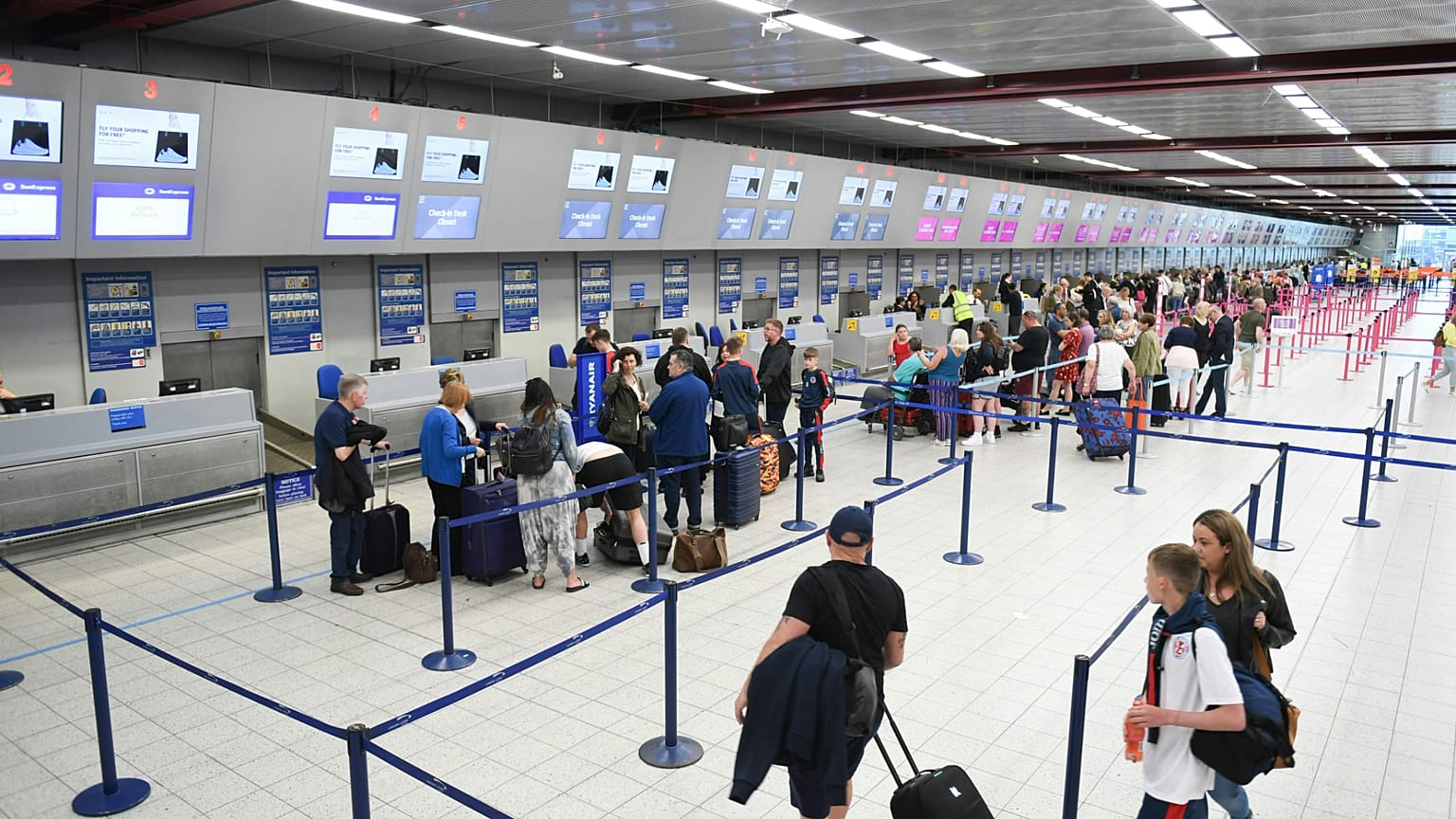
At affected airports, passengers should also budget for longer check-in and bag drop queues, baggage handling delays and slower boarding and disembarkation processes.

Travellers are advised to stay updated on their flight status through airline or airport websites, arrive early for check-in and use hand luggage if possible instead of checking bags.

Passengers with flights cancelled by the strikes are entitled to rebooking on an alternative flight or a full refund.

Airlines are also obliged to provide stranded travellers with food and accommodation if necessary.

Singapore’s path towards nuclear energy use

Singapore’s path towards nuclear energy use
/ Mick Truyts - UnsplashFacebook
By bno - Surabaya Office March 31, 2026

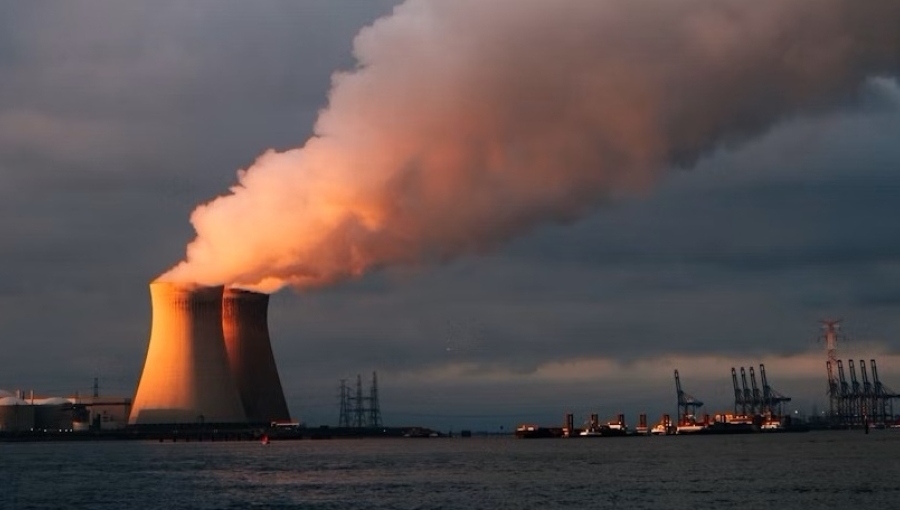
The National Environment Agency (NEA) of Singapore is commissioning three comprehensive studies focused on nuclear safety and environmental protection. The city-state is making a shift, from passive observation to active preparation with research and policy exploration. As reported by World Nuclear News, this isn't a sudden political pivot toward building reactors; rather, it is a calculated expansion of Singapore’s long-term strategy, anchored in rigorous risk assessment and the development of local technical expertise.

The new studies are chosen to complement the Energy Market Authority’s (EMA) ongoing feasibility work, as they aim to scrutinise international safety benchmarks and what the potential ecological footprint of nuclear power is within the specific context of Singapore, followed by the broader Southeast Asian region. Singapore is making a statement that it’s building the intellectual infrastructure necessary to decide if nuclear energy belongs in its future power grid.

A "capability-first" philosophy

Singapore has historically maintained a distance from nuclear power, a pragmatic stance given its status as a high-density island with no natural resources and zero room for error. Traditional nuclear plants present spatial and safety hurdles that are far more daunting for a small city than for a large nation. Because of these constraints, the government approaches the issue not with a "rush to policy” but by focusing on institutional maturity and independent evaluation instead.

The three new studies reflect this commitment to foundational knowledge. The first one focuses on a deep dive into safety benchmarking. On this, experts will analyse global standards for reactor design and accident prevention.

Working alongside the first study, the government is also proactively reviewing the environmental oversight and regulatory frameworks that govern nuclear facilities worldwide as a comparison study and to see how they might be adapted locally.

A specific investigation into local impact will be conducted, examining the unique environmental consequences of any potential deployment on or near the island. This multi-pronged approach suggests that the goal isn't immediate construction, but rather the cultivation of a sophisticated ability to navigate the complexities of nuclear technology.

Research and policy approach

The current trajectory marks a significant departure from 2012, when a government study concluded that then-current nuclear technology was ill-suited for a compact urban centre. However, that same study left the door ajar, recommending that Singapore monitor "next-generation" developments. Today, that recommendation is bearing fruit.

Singapore’s improvement coincides with Small Modular Reactors (SMRs) popularity, as it changed the math with how its designs often feature passive safety systems and smaller footprints. SMRs align better with Singapore’s geographical limitations.

As the urgency of the climate crisis has transformed nuclear power from a theoretical fallback into a potential pillar of the nation’s 2050 Net-Zero goal. Looking back, several milestones underscore this evolution across several fronts. In 2022, the EMA released a study on how nuclear could eventually meet 10% of the nation's electricity needs, marking a shift in how the technology is perceived by policymakers. Following that, in 2024, a Memorandum of Understanding was signed with the UAE’s nuclear agency. This paved the way for human resource development and international knowledge sharing.

Additionally, the hiring of technical firms like Mott MacDonald to conduct deep-dives into the maturity and safety of advanced reactor designs indicates that the government is looking for data-driven answers to satisfy its stringent safety requirements.

Looking toward the future

The diplomatic dimension is also expanding. High-level discussions between Singaporean leaders and partners in South Korea - a global nuclear tech leader - highlight a growing interest in SMR technology. While Minister Tan See Leng has reassured the public regarding current energy security, the volatile nature of global oil and gas markets is forcing a serious look at all low-carbon alternatives.

However, the conversation online—as captured by platforms like The Online Citizen, suggests that the nuclear "question" isn't purely technical. It is a test of civic trust. Critics argue that a society defined by engineering competence must also be willing to discuss the ethical weight of a decision that carries consequences for centuries.

Ultimately, nuclear power offers a rare "baseload" source of carbon-free energy, which is why Prime Minister Lawrence Wong emphasised the need for continued study in his 2025 Budget speech. Singapore is not just importing expertise; it is building a homegrown capacity to judge whether this technology can be implemented safely. While a final decision remains years away, nuclear energy has officially moved from the fringes to the centre of Singapore’s long-term survival strategy.


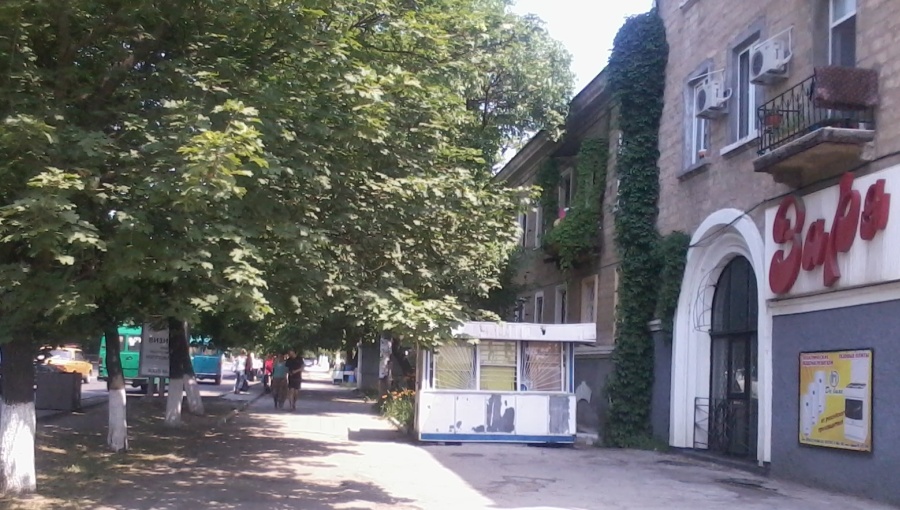
Moldova’s separatist Transnistria faces second year of economic collapse

Moldova’s separatist Transnistria faces second year of economic collapse
/ bne IntelliNewsFacebook
By Iulian Ernst in Bucharest March 31, 2026

The separatist Transnistrian region of Moldova is preparing its 2026 budget amid a deep economic crisis, following an estimated contraction of nearly 18% in 2025, according to a statement from the executive authorities in Tiraspol. The region faced scarce and problematic gas supplies last year, after it lost the direct free gas supplies from Russia in January 2025.

Officials are also outlining a Budget and Tax Policy Concept for 2027 and the medium term, reflecting ongoing economic strain and external pressures. The first deputy prime minister said implementation of the framework will depend on several conditions, including uninterrupted natural gas supplies, stable access to foreign payments, a steady exchange rate, and no escalation of sanctions or external shocks.

While Russia is still providing financial support to the region, Moldova is gradually enforcing a national taxation and customs regime on the separatist territory, building up at the same time a budget for financing the economic integration of the region in view of joint EU accession.

The region's economic downturn in 2025 was driven largely by an energy crisis and disruptions to gas supplies. Industrial production declined by 27.3%, while foreign trade turnover fell by 28.5%. Gross domestic product dropped by almost 18% in real terms, while inflation reached 14.7% following a sharp increase in tariffs.

Early indicators for 2026 suggest a feeble rebound. Industrial output in January and February increased by nearly 70% compared with the same period a year earlier, although it remains about 20% below 2024 levels.

External trade continues to lag. Exports have declined by almost 60%, and imports are down 24.5%, pointing to subdued economic activity. Inflation has eased significantly to 1.7%, indicating reduced price pressures after the previous year’s surge.

Authorities said the medium-term budget will retain a strong social focus while aiming for gradual fiscal consolidation. Tax policy will prioritise predictability, targeting a tax burden of around 28% of GDP, within a margin of plus or minus one percentage point.

Planned state support will be directed towards key sectors including industry, agriculture, import substitution, information technology, domestic tourism and energy efficiency, as the region seeks to stabilise its economy under continued constraints.


Transnistria: A Conflict Unfrozen but Not Thawed - CSIS

Feb 18, 2026 · For more than three decades, Transnistria has existed as one of Europe’s frozen conflicts—a breakaway region of Moldova sustained by Russian economic subsidies and military …