Iran’s oil sales soar past pre-war levels
Iran’s oil exports have bounced back to surpass pre-war levels, data from analytics firm Kpler show, as regional producers have scaled back production due to difficulties exporting the commodity through the Strait of Hormuz in the Persian Gulf.
According to Kpler, since the outbreak of the US-Israeli war against Iran on February 28, nine tankers have loaded Iranian oil and departed the Persian Gulf, mostly heading towards China, which has been identified by tracking firms as the main buyer of Iranian barrels over the past few years.
Data indicate that tankers have been loading an average of 2.1mn barrels of Iranian crude oil per day, exceeding Iran’s daily exports of 2mn barrels in early February and before the conflict began.
At least 13.7mn barrels of Iranian oil have made their way from the narrow waterway to China since the start of the war, according to figures obtained from ship-tracking companies, Tasnim News Agency wrote on March 12.
While major shipping companies have halted operations in the region, tankers linked to Iran continue to sail through the strait.
The increase in Iranian oil loadings comes despite vessels being hesitant to brazenly navigate the Strait of Hormuz, an artery through which 20% of the world’s oil passes.
Iran’s Islamic Revolutionary Guard Corps (IRGC) has targeted at least 15 vessels since the start of the conflict for ignoring warnings about the waterway’s closure.
The IRGC says passage through the strait is unsafe due to crossfire between parties involved in the conflict. Iran is exporting more oil than it did before the war, demonstrating that Tehran maintains control over this strategic waterway.
Meanwhile, Persian Gulf oil producers, ranging from Saudi Arabia to Iraq, have reduced their output and are trying to find alternative routes other than the Strait of Hormuz.
Disruptions to oil flow in the strait have led to a sudden surge in prices, with oil fluctuating between $80 and $120 per barrel during wartime, now hovering around $100 per barrel.
Market intelligence firm IIR Energy announced that nearly 1.9mn barrels per day (bpd) of crude oil refining capacity in the Persian Gulf had been shut down due to the conflict and disruptions to oil shipments passing through the Strait of Hormuz.
According to the industry monitor, the idle refining capacity includes production fluctuations in Bahrain, Iraq, Kuwait, Qatar, Saudi Arabia, and the United Arab Emirates.
Furthermore, according to a report by JP Morgan, if the Strait of Hormuz were to be blocked for two weeks, the Persian Gulf’s oil supply could fall to around 3.8mn bpd.
Iran’s oil exports have bounced back to surpass pre-war levels, data from analytics firm Kpler show, as regional producers have scaled back production due to difficulties exporting the commodity through the Strait of Hormuz in the Persian Gulf.
According to Kpler, since the outbreak of the US-Israeli war against Iran on February 28, nine tankers have loaded Iranian oil and departed the Persian Gulf, mostly heading towards China, which has been identified by tracking firms as the main buyer of Iranian barrels over the past few years.
Data indicate that tankers have been loading an average of 2.1mn barrels of Iranian crude oil per day, exceeding Iran’s daily exports of 2mn barrels in early February and before the conflict began.
At least 13.7mn barrels of Iranian oil have made their way from the narrow waterway to China since the start of the war, according to figures obtained from ship-tracking companies, Tasnim News Agency wrote on March 12.
While major shipping companies have halted operations in the region, tankers linked to Iran continue to sail through the strait.
The increase in Iranian oil loadings comes despite vessels being hesitant to brazenly navigate the Strait of Hormuz, an artery through which 20% of the world’s oil passes.
Iran’s Islamic Revolutionary Guard Corps (IRGC) has targeted at least 15 vessels since the start of the conflict for ignoring warnings about the waterway’s closure.
The IRGC says passage through the strait is unsafe due to crossfire between parties involved in the conflict. Iran is exporting more oil than it did before the war, demonstrating that Tehran maintains control over this strategic waterway.
Meanwhile, Persian Gulf oil producers, ranging from Saudi Arabia to Iraq, have reduced their output and are trying to find alternative routes other than the Strait of Hormuz.
Disruptions to oil flow in the strait have led to a sudden surge in prices, with oil fluctuating between $80 and $120 per barrel during wartime, now hovering around $100 per barrel.
Market intelligence firm IIR Energy announced that nearly 1.9mn barrels per day (bpd) of crude oil refining capacity in the Persian Gulf had been shut down due to the conflict and disruptions to oil shipments passing through the Strait of Hormuz.
According to the industry monitor, the idle refining capacity includes production fluctuations in Bahrain, Iraq, Kuwait, Qatar, Saudi Arabia, and the United Arab Emirates.
Furthermore, according to a report by JP Morgan, if the Strait of Hormuz were to be blocked for two weeks, the Persian Gulf’s oil supply could fall to around 3.8mn bpd.
India negotiates with Iran for safe passage of fuel carriers
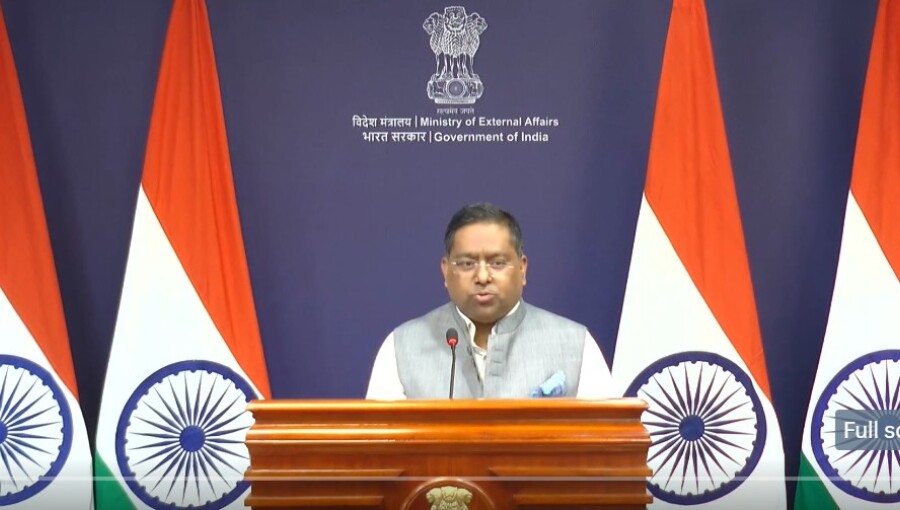
India is feeling the bite of the global energy crunch after the ongoing war in the Strait of Hormuz and the wider West Asia region has made it risky for cargo ships to transit through the region without getting hit by Iranian weapons.
According to a March 12 2026 press briefing by India's Ministry of External Affairs(MEA), their minister incharge Dr. S. Jaishankar has held three separate conversations with Iran’s Foreign Minister Seyed Abbas Araghchi.
During these conversations, Jaishankar has purportedly discussed India’s national interests and energy security needs being affected by the attacks on shipping originating or transiting through the West Asia region.
While official government sources don’t talk about an agreement being reached with Iran, it is likely that India has secured some sort of arrangement, with Tehran agreeing to not target vessels bound for India that pre-notify their presence to Iranian authorities.
Iran has reportedly made similar arrangements with Bangladesh, which has also requested higher supplies of diesel from India which is a major exporter of refined petroleum products. India's MEA has acknowledged the request but has said that it remains under review.
However, the enforceability of these arrangements is uncertain, as misidentifications during combat operations are a phenomena no country or forces are unacquainted with and since the beginning of military operations against Iran, the US Air Force has lost three F-15 fighter jets to friendly fire.
Iran which has suffered decapitation strikes against its leadership including its former Supreme Leader Ayattolah Ali Khamenei is even less likely to be able to effectively coordinate the various branches and commanders of its forces operating weapons platforms across the country and in the Strait of Hormuz which can sink vessels.
As a result, this gap in leadership and communication could easily lead to accidental targeting of vessels heading to countries Iran has made transit agreements with.
According to a press release by India’s Ministry of Petroleum & Natural Gas, 70% of India’s crude imports are routed outside Strait of Hormuz, however over 60% of its liquified petroleum gas (LPG) which is the main cooking fuel for Indian households and the restaurant industry have been impacted.
New Delhi has increased domestic LPG production by 25% and has taken steps to increase inventory and availability to consumers by invoking the Essential Commodities Act.
India consumes around 189mn metric standard cubic metres per day(MMSCMD) and produces around 97.5MMSCMD, leaving 91MMSCMD which is slightly less than half of its requirement dependent on foreign supplies.
While Indian social media is already abuzz with people comparing the cost of cooking with electric induction stoves over the ubiquitous LPG stoves it remains to be seen if the transition is temporary or will remain a trend even after the conflict ends and energy supplies become normalised.
New Delhi has also clarified that “28 Indian-flagged vessels are operating in the Persian Gulf region. Of these, 24 vessels are located west of the Strait of Hormuz carrying 677 Indian seafarers, while 4 vessels are east of the Strait with 101 Indian seafarers onboard”.
Furthermore, while there has been no official acknowledgement of the fact, it is understood that China has a deep maritime transit relationship and energy dependency on Iran. Beijing is also believed to have supported Tehran through decades of US, Western and UN sanctions with both cash and military supplies including advanced hightech components for its military industrial complex.
As such, it is highly likely that Iran is paying back those favours or more accurately continuing the favourable deals it cuts with Beijing even under the ongoing kinetic-threat rich environment in the Persian Gulf region.
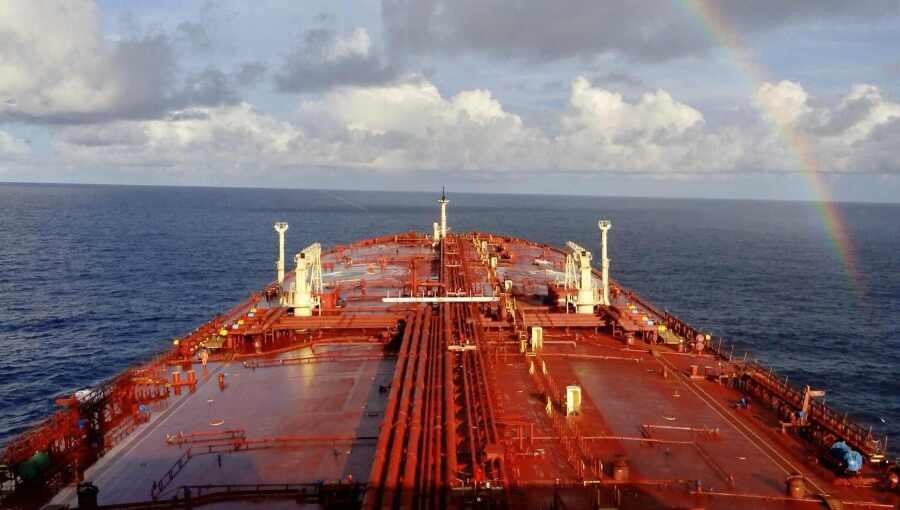
Iran has officially agreed to grant safe passage to Bangladeshi oil and LNG ships passing through the Strait of Hormuz, Middle East Monitor has reported.
As per the new deal, Bangladeshi ships need to inform Iranian authorities before entering the Strait of Hormuz to ensure secure passage. The move comes as the Bangladesh authorities boost efforts to stabilise the supply of fuel in the local market, Middle East Monitor said in a post on social media platform X.
A consignment of 27,000 tonnes of diesel recently docked at Chattogram port in Bangladesh, with four more vessels like to arrive soon. Bangladesh is also planning to source 300,000 tonnes of diesel from other sources to meet energy demand in April.
Local Bangladeshi media has not confirmed this news. New Age reported on March 13 that Dhaka has sought safe passage for its vessels. Energy, power and mineral resources minister Iqbal Hasan Mahmud on March 12 said that they were expecting a positive reply from Tehran soon in this regard. This has been not been greenlit by Tehran yet, the newspaper reported.
Bangladesh, which imports about 6.2mn tonnes of crude and refined petroleum products, relies heavily on the Strait directly and indirectly, New Age added.
It imports about 1mn tonnes of crude oils from Saudi Arabia and the United Arab Emirates while 5.2mn tonnes of refined petroleum oils from China, India, Malaysia, Indonesia and Thailand.
Meanwhile, Bangladesh has formally requested the United States grant a temporary waiver that would allow it to buy crude oil from Russia, saying this was needed to maintain stable energy supplies in the domestic market, The Daily Star reported.
Dhaka wants an arrangement similar to the one extended to India, which has been allowed to continue importing Russian crude under a temporary waiver despite Western sanctions linked to the war in Ukraine.
Bangladesh’s finance and planning minister Amir Khosru Mahmud Chowdhury confirmed that the matter was raised during discussions with US officials.
Dhaka says that access to discounted Russian crude could help ease pressure on its foreign exchange reserves and stabilise domestic fuel supplies. The government has said the request reflects the need to protect economic stability at a time of volatile global energy markets.
During the meeting with the US ambassador to Bangladesh, Brent Christensen, Bangladeshi officials noted that India had already been granted a temporary exemption to continue purchasing Russian oil, and said Bangladesh should be considered for a similar arrangement.
According to the report, US officials indicated that the request would be conveyed to authorities in Washington for consideration. Dhaka is now awaiting a response from the US administration on whether such a waiver could be granted.
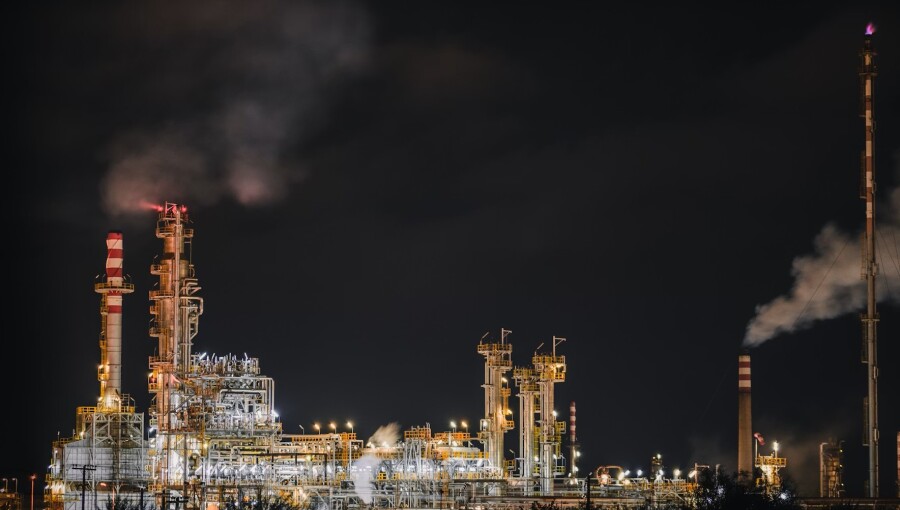
India now sources approximately 70% of its crude oil imports via supply lines that bypass the Strait of Hormuz, significantly cutting the country’s exposure to disruptions resulting from the prevailing tensions in the Middle East, the government of India said in a recent press release.
Senior officials from India’s oil and gas ministry, foreign ministry, ministry of ports, ministry of shipping and waterways and ministry of information and broadcasting provided details about the steps taken by the India government during a press meet held in New Delhi on March 11.
India’s daily crude oil consumption stands at 5.5mn barrels. Officials said diversified sourcing from around 40 countries has helped secure volumes in excess of what would normally have arrived through the Strait of Hormuz during this period. Two additional crude cargoes are already on their way to the country and will help in further boosting supplies in the days ahead. Indian refineries are operating at very high-capacity utilisation levels, in some cases exceeding 100%, they said.
The government is also focusing on the natural gas sector. India’s cumulative natural gas demand is about 189 mmscmd, out of which about 97.5 mmscmd is produced locally. Approximately 47.4 mmscmd of supply has been impacted by the force majeure conditions. This has resulted in sourcing from alternative suppliers and routes. Indian gas supplies have secured LNG cargoes from new sources and two shipments are currently on the way to India, the officials stated.
To take care of the distribution part, the government issued a Natural Gas Control Order on March 9, 2026 under the Essential Commodities Act to prioritise supplies for vital industries. Piped natural gas for domestic cooking usage and compressed natural gas for transport will continue to get full supply, while the industrial sector connected to the gas grid will get about 80% of their previous six-month average allocation. Fertiliser plants will get about 70%, and refineries and petrochemical plants will cut usage by approximately 35% so that priority sectors remain protected.
The government has also announced emergency measures to address the liquefied petroleum gas supplies. Approximately 60% of India’s LPG consumption is met through imports, and about 90% of the imports are routed through the Strait of Hormuz. To effectively handle the disruptions, refineries and petrochemical complexes have been asked to reroute streams such as propane, butane, propylene and butane to the LPG pool, boosting local LPG output by almost 25%. Almost the whole of the domestic LPG production is now being directed toward household demand.
In case of non-domestic LPG priority is being given to vital entities like hospitals and educational institutions. A committee has been set up to review allocations for commercial consumers such as hotels and restaurants.
Authorities said few instances of panic booking and hoarding were reported, but the average LPG delivery time remains 2.5 days. Steps such as expanding the Delivery Authentication Code system to about 90% of consumers and hiking the minimum gap between bookings from 21 days to 25 days have been announced to handle demand and stop diversion.
The officials also stated that 28 Indian-flagged ships are at present operating in the Persian Gulf. Out of these 28 vessels, 24 vessels are carrying 677 Indian seafarers and are located west of the Strait of Hormuz, while four ships with 101 Indian seafarers are located to the east of the strait.
Advisories have also been issued by the government requesting Indian-flagged ships to take into account enhanced security protocols. Ship managers, recruitment companies and Indian missions in the area have been asked to ensure help wherever needed. Port operations across India continue to be normal, while the government is monitoring vessel movements and cargo flows to maintain export-import trade.
In its update, the Ministry of External Affairs said that there are around 10mn Indians residing in the Gulf Cooperation Council countries. Advisories have also been issued by Indian missions from time to time. These missions have also helped stranded travellers, mostly tourists and transit passengers, to fly back to India via flights from cities such as Muscat, Riyadh and Jeddah.
Approximately 9,000 Indian nationals are residing in Iran at present. The Indian mission there is in close touch with the community, while students and pilgrims have been relocated from Tehran to safer areas in the country. Help is also being provided for land border crossings into Armenia and Azerbaijan for onward travel to India.
Officials confirmed that two Indians died and one remains missing following attacks on merchant vessels in the region.
Meanwhile, the Ministry of Information and Broadcasting said the Indian home secretary has held talks with various state governments and advised strict action against hoarding and black marketing of essential items while making sure that availability of supplies remain uninterrupted. States and union territories have also been directed to appoint official spokespersons and provide verified updates through government channels.
Officials said the government remains vigilant about the developments in the Middle East while coordinating across ministries to safeguard India’s energy security, maritime trade and the welfare of its citizens residing overseas.

No comments:
Post a Comment