‘The case for capping rents’
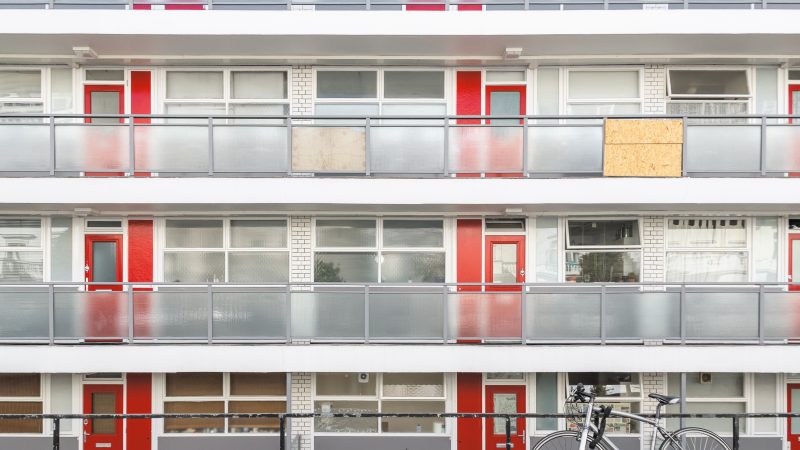
The implementation of the Renters’ Rights Act on 1st May was a moment of real significance to 9 million households who currently pay their rent to private landlords in England. Yet, as welcome as these reforms are, I believe the time is right to go further and to begin a discussion on rent controls.
The headline change to the law recently brought about by the Government was the ending of invidious no-fault evictions, but the other measures are equally life changing for renters. From now, rents can only be increased on one occasion each year, subject to the landlord serving notice on the tenant which can then be challenged at a tribunal to determine a reasonable rent increase.
The disgraceful practice of rental bidding has been banned and discrimination against renters who have children or receive benefits is now illegal. These are all positive steps from the Government that will give greater security and peace of mind for so many people, but we need to do more.
The cost of living is the overwhelming concern of hard-pressed families in Dagenham and Rainham. I see it every week through my casework. A significant element of those cost-of-living pressures for private renters has been the scale of rent increases since 2010. In this period average rent costs have risen by 45% so that in England the average monthly private rent is £1,340, greatly outstripping increases in income for most people.
Lowest income renters face particularly acute pressures – paying about half of their income on rents – with 40% reporting difficulties in meeting their housing costs. Looking at recent studies, particularly a report by the Joseph Rowntree Foundation on tax reform and rent controls, it is clear to see that people living in cities like London are more likely to be paying a larger proportion of their income on private rent.
Whilst I understand the arguments against rent controls – one being the theory that it would result in the mass sale of property, flooding the market and leading to a crash in house prices – I think this is short-termism.
Many of our European neighbours have rent control systems. It isn’t a radical idea. France, Germany and Ireland have limitations on rent increases in areas experiencing a tight housing market. Ireland refers to these as ‘rent pressure zones’. I believe a similar model could be trialled in the UK at a local authority level in areas with significant social and economic pressures.
Before discarding this idea it is worth noting that, for more than 70 years from the First World War, the UK had rent controls of some form in place. The system was only brought to an end with the Housing Act 1988 as part of the Thatcher blitz on deregulating the economy and wider society.
As well as the financial impact high rent is having on families who are struggling, high private sector rents are also having a massive impact on the nation’s welfare budget and driving so many councils to the brink of collapse. The Housing Benefit bill has ballooned to well over £30 billion a year, with the majority of this going to private landlords. In addition to this sum, a further £3 billion is paid by local authorities on top of the HB payments.
Given the focus that exists on curbing welfare spending as well as seeking ways to ease the cost of living, now is the time to look again at rent controls.
However, as important as I think rent controls would be, to really get to grips with the chronic dysfunctional nature of housing demand and supply, a major increase in the stock of social rented homes must form the foundation of any strategy to tackle the housing and cost of living crises.
If this government can deliver a seismic shift in the supply of truly affordable rented homes coupled with rent controls, I believe we can finally begin to address the levels of desperate housing need in areas like my constituency of Dagenham and Rainham.


No comments:
Post a Comment