A very Labour coup
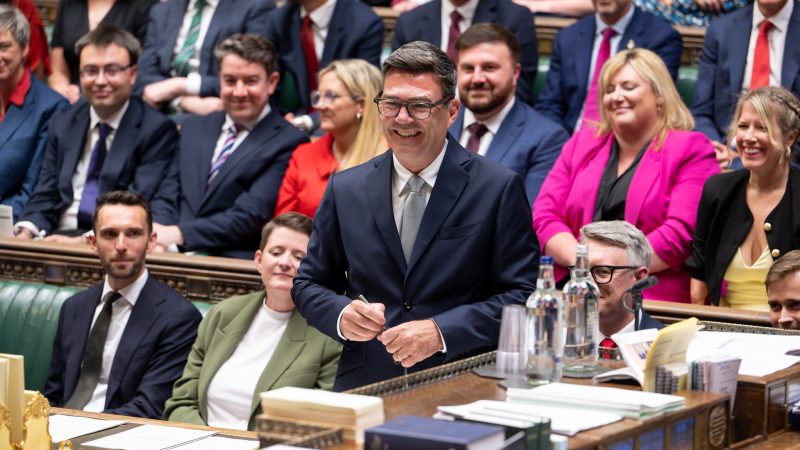
After months of lost political capital, MPs calling for him to stand aside and his authority draining away, Keir Starmer took to the all too familiar podium outside Number 10 and announced his resignation as Prime Minister.
Regardless of whether you wanted Starmer to leave Downing Street or not, it was a hugely emotional moment. It is hard not to feel personal sorrow for someone who has concluded he is no longer the right person to have the honour of leading the nation. The breaking of his voice as he talked about his wife and his children spoke of the man and his values.
However, I was also left with a feeling of disappointment at how we have ended up in this position less than two years into the parliament. The optimism of July 4, 2024 seems far away now as the party takes a gamble on changing leader – a move we condemned the Conservatives for over and over again. And yet, over the last few months, this moment felt all but inevitable. No Prime Minister could have realistically survived the Mandelson saga, electoral wipeout across the country, the worst personal approval ratings in history, and their biggest rival returning to Parliament to challenge them.
Despite this, on a truly historic day, there was also the prospect of some hope. As Andy Burnham made a triumphant return to the corridors of Westminster, MPs lined up (quite literally for the photo call) to support his bid for the leadership. With Wes Streeting dropping his challenge for the top job, it now seems like only a matter of time before Prime Minister Andy Burnham walks into Number 10.
Whoever does go on to become party leader needs our full support, regardless of our feelings about the nature of recent events. Divided parties don’t win elections – and ours has been split down the middle for far too long. Burnham has proved it is possible for Labour to make a recovery in the party’s heartlands and that a teal tidal wave is not guaranteed in 2029. If he does emerge from this contest as leader, he will have an enormous task on his hands, and he’ll need all of our support to see off the threat of Nigel Farage.
The commentariat will be quick to pick at Starmer’s faults while in office, but I will always be grateful for the work he did to make Labour a credible force in British politics again – and for the often overlooked achievements during his time in Downing Street; free breakfast clubs, workers’ and renters’ rights, bringing rail into public ownership, expanding devolution and cutting small boat crossings.
While I find myself frustrated that Labour has ended up in this situation, I will be grateful to Starmer for his service to the nation – and for putting the country above his personal ambition when it mattered most.
Unions join forces to try to stop Ed Miliband becoming Chancellor
Two of Britain’s biggest trade unions have joined forces in a bid to prevent Ed Miliband from being appointed Chancellor […]
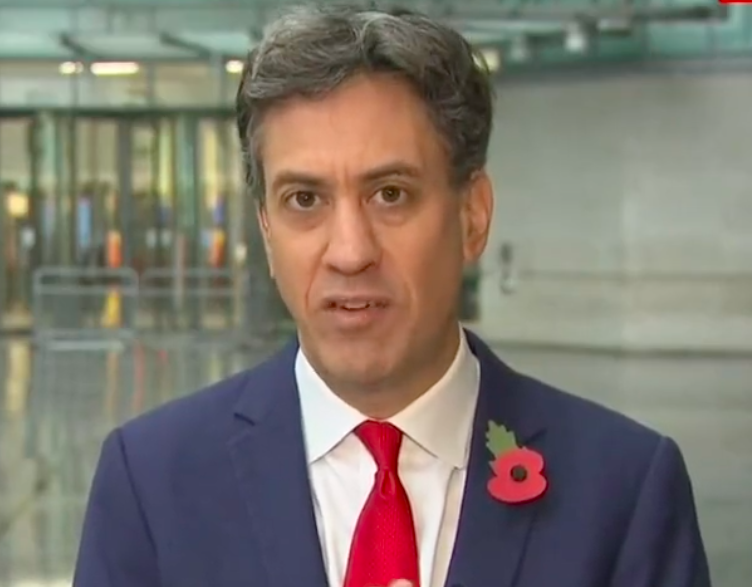
Two of Britain’s biggest trade unions have joined forces in a bid to prevent Ed Miliband from being appointed Chancellor over his rush towards net zero policies which they say undermines industries and workers’ jobs.
Although Andy Burnham, who is expected to replace Keir Starmer as Prime Minister without a contest, has not made clear who he wants as his pick for Chancellor, several names have been mooted, including Ed Miliband, Wes Streeting and Shabana Mahmood.
Unions are said to be most opposed to Miliband, arguing that his policies towards the North Sea oil have damaged jobs in the sector and would undermine job security.
The FT reports that both Unite and the GMB have teamed up to oppose Miliband, with Gary Smith, General Secretary of the GMB, reported to have met Burnham and told him his views on the Chancellorship, telling Burnham that the impact of net zero policies on the North Sea Oil and gas industries was ‘shameful’ and ‘economic madness’.
Last week, Sharon Graham, the General Secretary of Unite, Labour’s biggest financial backer, warned Burnham not to make Miliband chancellor, saying that the country needed someone at the Treasury who ‘doesn’t decimate industry’.
Graham told the Times: “It is no secret that I disagree with Ed on almost every issue relating to a workers’ transition. Ed only seems to be interested in one side of the equation, rushing Britain to net zero with almost no thought for jobs, skills and national security.
“In my view, a Labour chancellor needs a vision for Britain that understands the skills we have, nurtures those skills and sees Britain as an industrial force that can lead in industries, not decimate them.
“Good investment in British industry is a no-brainer. Anyone who does not get that it matters where things are made and produced should not be chancellor.”

No comments:
Post a Comment