Friday, August 18, 2023


Water managers warn that stretches of the Rio Grande will dry up without more rain
Water managers warn that stretches of the Rio Grande will dry up without more rain
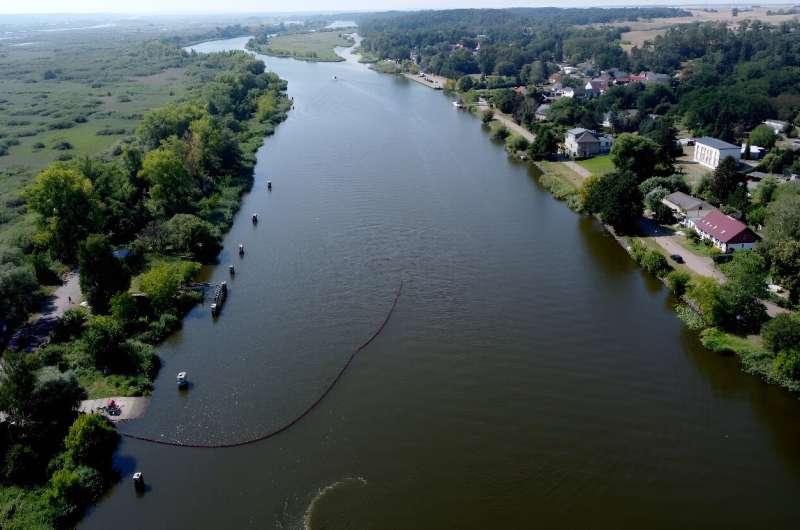
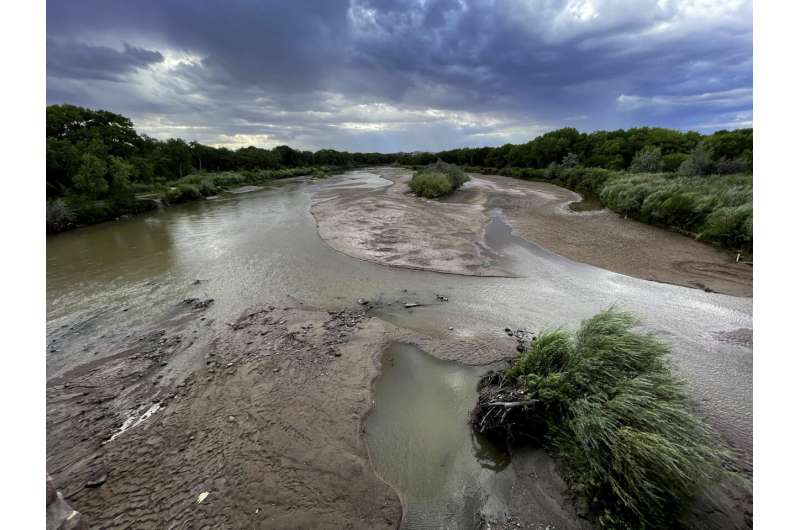
Sandbars are expanding in the Rio Grande as flows decrease through Albuquerque, N.M., 
on Thursday, Aug. 17, 2023. Water managers are warning than more stretches of the river 
near New Mexico's largest city are expected to go dry without more rain.
 Credit: AP Photo/Susan Montoya Bryan

The ongoing lack of rain and hot conditions have left one of North America's longest rivers in dire shape again, prompting water managers on Thursday to warn farmers in central New Mexico who depend on the Rio Grande that supplies will be drying up in the coming weeks.

That means stretches of the river through the Albuquerque area are expected to go dry—much like last year.

Water managers and fish biologists at the Middle Rio Grande Conservancy District and the Bureau of Reclamation say they're working to mitigate the effects on the endangered silvery minnow—a shimmery, pinky-sized native fish.

Water users in the Middle Rio Grande have been given notice to anticipate changes in availability and delivery schedules soon.

Due to a higher-than-normal irrigation demand and lower than expected natural river flow, the conservancy district began releasing  on July 17 from the San Juan-Chama Project, which brings water from the Colorado River Basin into the Rio Grande Basin via a system of diversion dams, tunnels, channels and other infrastructure. About 40% of the current irrigation supply is from project storage releases, with the rest from natural river .

Irrigation district officials expect water from the project to run out before Aug. 23, leaving them to rely solely on natural flows to continue making water deliveries through the fall.

"The lack of rainfall is difficult on its own, coupled with the challenges of not being able to store water for summer releases, is disheartening, but we are doing our best to work with water users in the middle Rio Grande Valley to deliver what is available," Jason Casuga, the irrigation district's chief executive, said in a statement.

The Bureau of Reclamation will release water to supplement flows in cooperation with the  district and the U.S. Fish and Wildlife Service to target specific areas of the river with known silvery minnow habitat and to manage the rate of anticipated river drying.

The Rio Grande went dry in Albuquerque for the first time in four decades in August 2022 due to persistent drought.

Over the past 20 years, the Bureau of Reclamation has leased about 700,000 acre-feet—or 228 billion gallons—of water to supplement flows through the Middle Rio Grande for endangered and threatened species.

The silvery minnow has been listed as endangered since 1994. It inhabits only about 7% of its historic range and has withstood a century of habitat loss as the nearly 1,900 mile-long (3,058-kilometer) river was dammed, diverted and channeled from Colorado to New Mexico, Texas and northern Mexico.

© 2023 The Associated Press. All rights reserved. This material may not be published, broadcast, rewritten or redistributed without permission.


A race to save fish as Rio Grande dries, even in Albuquerque

Models suggest Grand Canyon could see increase in heat-related illnesses due to climate changeModels suggest Grand Canyon could see increase in heat related illnesses due to climate change
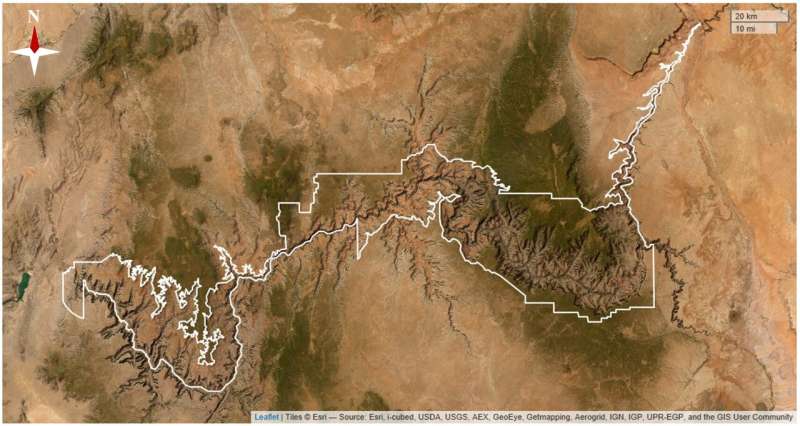
Map of the study site with Grand Canyon National Park boundaries depicted in white. Park 
boundary data are publicly available through NPS IRMA and base map data is publicly 
available. Credit: PLOS ONE (2023). DOI: 10.1371/journal.pone.0288812

A pair of resource stewardship researchers at the U.S. National Park Service's, Natural Resource Stewardship and Science Directorate, working with a colleague from the University of Pennsylvania, has found via modeling that it is likely more visitors to Grand Canyon National Park will experience heat-related injuries as the region warms due to climate change.

In their study, reported in PLOS ONE, Danielle Buttke, Gregor Schuurman and Brinkley Raynor used data from a variety of sources to predict the increase in heat-related illness in the coming years.

Grand Canyon National Park is one of the most visited parks in the U.S. despite its reputation as an extremely hot region. Temperatures at the bottom of the canyon average near 60°C (140°F) during the  and can be even hotter on trails leading down because the dark-colored walls absorb heat.

Such temperatures can lead to heat-related illnesses if visitors are not properly prepared—approximately 77 cases of such illness, on average, are reported at the park each year.

In this new effort, the researchers note that as temperatures rise in the area in the coming decades, it is likely that an increasing number of people will experience one or more heat-related symptoms, such as light-headedness, nausea, vomiting, , and in some cases, death.

To predict such an increase, the research team used  to predict temperature and humidity increases at the park. They then used statistical models to make predictions about the number of people likely to visit the park in the coming years. Combining the two models allowed them to make predictions about how many people may be at risk of heat-related illnesses up to the end of this century under two scenarios—one where temperatures increase by 3°C and the other where it increases by 5°C.

The team found that unless restrictions are put in place at the park, heat-related illnesses are likely to rise. Under the , they found that the number of people experiencing such illnesses could rise to between 138 and 254 each year.

More information: Danielle E. Buttke et al, Predicting climate-change induced heat-related illness risk in Grand Canyon National Park visitors, PLOS ONE (2023). DOI: 10.1371/journal.pone.0288812


Journal information: PLoS ONE 


© 2023 Science X NetworkIn the summer heat, know how to recognize—and prevent—heat stroke


Greenpeace slams Poland's new river protection law

Polish firefighters set up a floating dam to catch dead fish from the river Oder in August 2022
Polish firefighters set up a floating dam to catch dead fish from the river Oder in
 August 2022.

Environmentalists on Friday slammed the passing of a controversial law in Poland on the revitalization of the Oder river, which was hit by toxic algae growth last year that caused mass fish deaths.

A toxic algae bloom hit the river on the Polish border with Germany last summer, with at least 300 tons of dead fish pulled from the  as tensions spiked between the two countries.

In response to the environmental disaster, Warsaw passed a new law Thursday evening which includes provision for new water treatment plants, and is intended to put more stringent requirements on industrial sites.

But Greenpeace said the government had "ignored the voice of the public and scientists" in passing the law, in a statement on the social media site X, formerly known as Twitter.

They criticized what they said was a lack of consultation and said that the bill will "not protect the Oder" and will continue to be polluted.

The World Wildlife Fund (WWF) had previously criticized the bill for focusing on "further regulation of the Oder (and other rivers), which will further destroy the ecosystem and its ability to clean itself."

The law allows the building of new infrastructure including the modernisation of sewer systems and constructing new water treatment plants, estimated to cost some 9.5 billion zlotys ($2.3 billion).

The new law also forces large industrial sites, such as mines, to invest in systems to reduce saltwater discharges.

The toxic algae growth was sparked by the introduction of high levels of salt into the waters, according to the German environment ministry, which said that there was a "lack of available information" on the cause.

Poland also blamed  for the mass fish deaths, but said the disaster had most likely been caused by  as a result of high temperatures and very low water levels.

Polish and German authorities on either side of the river have said they are determined to stop future disasters happening, but have clashed over responsibility and the best way to keep the algae in check.

© 2023 AFP


Germany says mass fish deaths in Oder river a 'man-made disaster'

 21ST CENTURY ALCHEMY

It's so metal: Scientists confirm nickel plays a key role in an ancient chemical reaction

It's so metal: Scientists confirm nickel plays a key role in an ancient chemical reaction
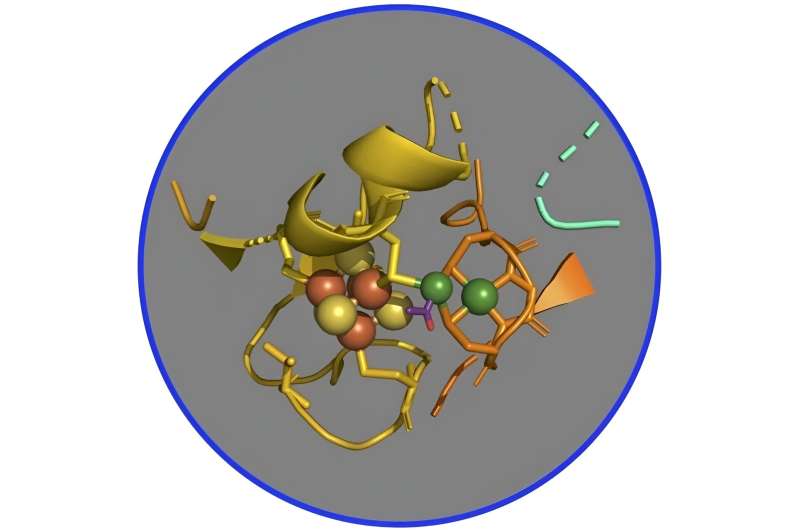
The active site of ACS with a newly formed acetyl group bound to catalytically active nickel,
 shown in green. Credit: Macon Abernathy/SLAC National Accelerator Laboratory

Carbon dioxide (CO2) is the most abundant greenhouse gas causing climate change but has existed on Earth long before humans started releasing it into the atmosphere at unprecedented levels. As such, some of the planet's earliest organisms evolved to harness and make use of this gas that is otherwise harmful to humans and the planet.

One of those processes, called the Wood-Ljungdahl pathway, only occurs in the absence of oxygen and is thought to be the most efficient carbon-fixation pathway in nature. But exactly how the pathway proceeds from one step to the next has remained unclear.

Now, scientists at the Stanford Synchrotron Radiation Lightsource (SSRL) at the Department of Energy's SLAC National Accelerator Laboratory, University of Michigan, Northwestern University, and Carnegie Mellon University have discovered the previously unknown inner workings of the Wood-Ljungdahl pathway.

Their findings, published in the Journal of the American Chemical Society last month, not only shed light on one of the oldest chemical reactions on Earth, but may also lead to improved carbon capture techniques for climate change mitigation efforts.

"Before this study, we knew that in order for the Wood-Ljungdahl pathway to generate carbon for organisms to use, it starts with ," said Macon Abernathy, a research associate at SSRL and co-author of the study. "Then it converts CO2 to carbon monoxide and a methyl group and through some kind of chemistry magic merges them into a form of carbon that can be used by the organism."

For years, scientists postulated that the pathway operates through a series of nickel-based organometallic intermediates, which form metal-carbon bonds. Specifically, researchers have focused on a complex of two nickel-iron-sulfur proteins, called CO dehydrogenase and acetyl-CoA synthase (CODH/ACS), which are the primary enzymes that catalyze the conversion of carbon dioxide into energy and structural carbon for building cell walls and proteins.

But confirming this hypothesis has proven tricky as the enzyme complex needs to be purified in an atmosphere lacking oxygen, like that of early Earth 4 billion years ago when these proteins and this pathway emerged. Furthermore, the intermediate compounds are often unstable and the reaction can quickly become inactive. In addition, the presence of other atoms of nickel and iron in the CODH interferes with study of ACS, the target of this study.

To circumvent these challenges, the researchers developed a more active, ACS-only version of the protein—no CODH—and used X-rays at SSRL to understand its metals and how they work inside the enzyme. The team applied X-ray spectroscopy, a technique in which scientists study the interference of light that is absorbed by, released from and then bounced back to the metals in a complex—here the ACS—to identify changing chemical bonds as the reactions take place.

In short, the scientists confirmed their long-standing hypothesis.

"What we found is that there is a very intricate bit of organometallic chemistry that's going on where a single nickel site in the enzyme is doing all the fun stuff," said Ritimukta Sarangi, senior scientist at SSRL and a corresponding author on the study.

The team learned that although the enzyme has a cluster of two nickels bound to four atoms each of iron and sulfur, the reaction always takes place at one specific nickel within the cluster, said Steve Ragsdale, a professor at the University of Michigan and corresponding author on the study. "The carbons, such as , the , and the acetyl group, all bind to the nickel closest to the iron and sulfur, and it's very clear that they don't bind to any of the other metals."

The researchers also noticed that the nickel-containing protein undergoes major changes in its structure at each one of the intermediate states, Ragsdale said. "That's something that was not really part of our original hypothesis. We were just thinking about the basic chemistry being nickel-based. But then we see all these other changes that take place in the protein, which was a little bit surprising."

Although the researchers had strong ideas about how the reaction works, seeing it in action was nonetheless impressive, said Abernathy.

"It's such precise fine tuning of nature to arrive at this elegant system that does this catalysis," Sarangi said. "I just love that, and our ability to use X-ray spectroscopy, which is an extremely powerful tool for figuring out what's going on in nature. SSRL's Structural Molecular Biology Resource has a world-leading biological X-ray spectroscopy program that enables the study of such complex ."

Besides his appreciation for the natural beauty of the Wood-Ljungdahl pathway itself, Ragsdale said he hopes that research to better understand these natural processes, and perhaps enhance those processes, could lead to methods for mitigating  and developing  capture to make chemical feedstocks and fuels. "I think that we have to understand the basic biochemistry behind the process first," he said, "before we'll be able to make progress in enhancing some of these pathways as they exist in nature."

More information: Mehmet Can et al, Characterization of Methyl- and Acetyl-Ni Intermediates in Acetyl CoA Synthase Formed during Anaerobic CO2 and CO Fixation, Journal of the American Chemical Society (2023). DOI: 10.1021/jacs.3c01772

Researchers develop arrays of tiny crystals that deliver efficient wireless energy

Researchers develop arrays of tiny crystals that deliver efficient wireless energy
Credit: University of Colorado at Boulder

Imagine a person on the ground guiding an airborne drone that harnesses its energy from a laser beam, eliminating the need for carrying a bulky onboard battery.

That is the vision of a group of University of Colorado at Boulder scientists from the Hayward Research Group.

In a new study, the Department of Chemical and Biological Engineering researchers have developed a novel and resilient photomechanical material that can transform  into  without heat or electricity, offering innovative possibilities for energy-efficient, wireless and remotely controlled systems. Its wide-ranging potential spans across diverse industries, including robotics, aerospace and biomedical devices.

"We cut out the middle man, so to speak, and take light energy and turn it directly into mechanical deformation," Professor Ryan Hayward said.

Hayward and his team describe the  in a report published July 27 in Nature Materials.

The material is composed of tiny organic crystals that start bending and lifting things when exposed to light. The research shows that these photomechanical materials offer a promising alternative to electrically-wired actuators, with the potential to wirelessly control or power robots or vehicles. Also, improving the efficiency of direct conversion of light to work offers the potential to avoid cumbersome systems for thermal management as well as heavy electrical components.

The research contrasts with previous attempts involving delicate crystalline solids that changed shape through a photochemical reaction, but often cracked when exposed to light and were challenging to process into useful actuators.

"What's exciting is that these new actuators are much better than the ones we had before. They respond quickly, last a long time and can lift heavy things."

The Hayward's Lab innovative approach involves using arrays of tiny organic crystals within a polymer material that resembles a sponge due to its tiny holes. As the crystals grow within the micron-sized pores of the polymer, their durability and energy production upon light exposure are significantly enhanced. Their flexibility and ease of shaping make them highly versatile for a wide range of applications.

The crystals' orientation allows them to perform tasks when exposed to light, such as bending or lifting objects. When the material changes shape with a load attached, it operates like a motor or an actuator and moves the load. The crystals can move objects much larger than themselves. For example, as seen in the image above, the .02 mg strip of crystals successfully lifts a 20 mg nylon ball, lifting 10,000 times its own mass.

CU Boulder researchers also include lead author Wenwen Xu, a former postdoctoral researcher in Hayward's group, (now with the Sichuan University-Pittsburgh Institute) and Hantao Zhou (now with Western Digital), one of Hayward's graduate students.The work also involved collaborators at the University of California Riverside and Stanford University.

Looking ahead, the team aims to advance control over the material's movement. Currently the material can only go from a flat to a curved state by bending and then unbending. Their objective is also to increase efficiency, maximizing the amount of mechanical energy produced out in comparison to the light energy input.

"We still have a ways to go, particularly in terms of efficiency, before these materials can really compete with existing actuators," Hayward says. "But this study is an important step in the right direction and gives us a roadmap for how we might be able to get there in the coming years."


More information: Wenwen Xu et al, Photo-actuators via epitaxial growth of microcrystal arrays in polymer membranes, Nature Materials (2023). DOI: 10.1038/s41563-023-01610-4


Journal information: Nature Materials


Provided by University of Colorado at Boulder 
New ferroelectric material could give robots muscles


Japanese squirrels found to develop human hereditary diseases with aging

Japanese squirrels found to develop human hereditary diseases with aging
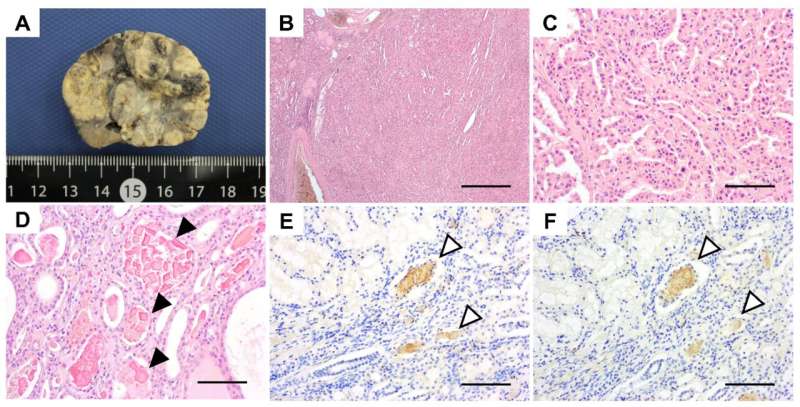
Renal cell carcinoma and urinary casts in Japanese squirrels. Kidneys of case 5 (A–C) 
and case 2 (D–F). (A–C) Eleven cases were diagnosed as renal cell carcinoma. Grossly, 
multiple nodules were observed (A), with proliferation of tubular epithelial cells in each 
nodule (B and C). (D–F) In 23 cases, there was a characteristic formation of polygonal 
urinary casts with a rhombic or prismatic structure (black arrows) in the renal tubular
 lumen. The casts were immunolabeled for immunoglobulin kappa chain (E) and lambda
 chain (F) (white arrows). Scale bars, 500 Âµm (B), 100 Âµm (C–F). 
Credit: The Journal of Pathology (2023). DOI: 10.1002/path.6150

A research group led by Dr. Tomoaki Murakami from the Tokyo University of Agriculture and Technology has revealed that fibrinogen Aα-chain amyloidosis, a previously unreported disease in animals other than humans, is highly prevalent in Japanese squirrels (Sciurus lis). In this study, they compared the pathology with that of humans, and suggested the importance of Japanese squirrels in the comparative pathological analysis of fibrinogen Aα-chain amyloidosis.

The researchers published their results on August 8th in the Journal of Pathology.

Amyloidosis is a disease group in which amyloid, generated by misfolding of host proteins, deposits in several organs. Fibrinogen Aα-chain amyloidosis is an inherited disorder in which fibrinogen Aα-chain, a protein involved in blood coagulation, becomes amyloid and deposits in the renal glomeruli, resulting in renal failure.

The disease was first reported in 1993, but a definitive treatment has not been established due to the small number of patients and many unknowns about the pathogenesis. In this study, the researchers found that fibrinogen Aα-chain amyloidosis occurs extremely frequently in Japanese squirrels, and compared the pathogenesis of this disease with that in humans.

The research team first conducted histopathological analysis on the whole body organs of a total of 38 captive Japanese squirrels that died at five zoos in Japan between 2018 and 2022, and found that 29 cases (76.3%) had suffered systemic amyloidosis characterized by severe glomerular amyloid deposition.

"I was amazed because it is rare to see such a high incidence of amyloidosis in one animal species," said Susumu Iwaide, the first author and a graduate student in Laboratory of Veterinary Toxicology at TUAT. They performed -based proteomic analysis and immunohistochemistry, and identified fibrinogen Aα-chain as a precursor protein. "Interestingly, amyloid exclusively deposited in the glomeruli but not in the tubulointerstitium in the affected kidney, which is same as the ," said Iwaide.

Further analysis using mass spectrometry found that approximately 100  in the C-terminal region of the fibrinogen Aα-chain accumulate in amyloid deposits, which coincides with human disease. Gene analysis revealed no mutations in the amyloid-forming region between amyloidosis-affected and non-affected squirrels.

Statistically, there was a significant association between the development of amyloidosis and aging. In addition, some affected individuals were close descendants of wild-protected squirrels. "We concluded that the reduced genetic diversity due to breeding in the zoo does not cause fibrinogen Aα-chain amyloidosis in Japanese squirrels, but an age-related disease inherent to the species," said Iwaide.

In human fibrinogen Aα-chain amyloidosis, mutations exist in the gene of the amyloid-forming region in individuals who develop the disease, leading to the change of the amino acid sequence. This indicates that the amino acid sequence of the C-terminal region of the fibrinogen Aα-chain is important for maintaining protein stability. Considering that the amyloid deposition pattern in the kidneys of Japanese squirrels was identical to that of human disease, fibrinogen Aα-chain seems to have a common mechanism of  formation across .

"The study of animal diseases is important not only for maintaining the health of wildlife and pets, but also for a better understanding of human pathology. Since fibrinogen Aα-chain amyloidosis in Japanese squirrels occurs at a very high frequency, we want to elucidate why Japanese squirrels are susceptible to  Aα-chain amyloidosis in detail to develop treatments for the incurable , as well as to maintain the health of Japanese squirrels," Iwaide added.

More information: Susumu Iwaide et al, Fibrinogen Aα‐chain amyloidosis outbreaks in Japanese squirrels (Sciurus lis): a potential disease model, The Journal of Pathology (2023). DOI: 10.1002/path.6150


Journal information: Journal of Pathology 


Provided by Tokyo University of Agriculture and Technology

Veterinary researchers uncover novel amyloidosis

Study shows how the meat and dairy sector resists competition from alternative animal products

Dairy
Credit: CC0 Public Domain

A new Stanford study reveals how meat and dairy industry lobbying has influenced government regulations and funding to stifle competition from alternative meat products with smaller climate and environmental impacts. The analysis, published Aug. 18 in One Earth, compares innovations and policies related to plant-based meat alternatives and lab-grown meat in the U.S. and European Union.

"The lack of policies focused on reducing our reliance on animal-derived products and the lack of sufficient support to alternative technologies to make them competitive are symptomatic of a system still resisting fundamental changes," said study lead author Simona Vallone, an Earth system science research associate in the Stanford Doerr School of Sustainability at the time of the research.

A growing problem

Livestock production is the agriculture sector's largest emitter of the potent greenhouse gas methane, due to emissions from ruminants such as cattle, sheep, and goats. It's also the main direct cause of tropical deforestation, due to pasture expansion and feed crop production.

Numerous studies have demonstrated that dietary changes hold great potential to reduce humanity's ecological footprint, especially a reduction in red meat consumption. At the same time, Western-style meat-heavy diets are becoming more popular around the world.

The researchers reviewed major agricultural policies from 2014 to 2020 that supported either the animal food product system or alternative technologies, and compared government spending on both systems. They also looked at related lobbying trends.

They found that governments consistently devoted most of their agricultural funding to livestock and feed production systems, avoided highlighting food production sustainability dimensions in nutrition guidelines, and attempted to introduce regulatory hurdles, such as narrow labeling standards, to the commercialization of meat alternatives. Major U.S. meat and dairy companies actively lobbied against environmental issues and regulations to tip the scales in their favor.

In the U.S., about 800 times more public funding and 190 times more lobbying money goes to animal-source food products than alternatives. In the EU, about 1,200 times more  and three times more lobbying money goes to animal-source food products. In both regions, nearly all plant-based meat patents were published by a small number of private companies or individuals, with just one U.S. company, Impossible Foods, owning half of the patents.

Among the anecdotes cited by the study:

  • EU cattle producers were highly dependent on direct subsidy payments, which constituted at least 50% of their income during the study period. Some of these payments incentivized farmers to maintain herd size, keep pasture in production, or increase overall output.

  • In 2017, following a European Court of Justice ruling, dairy terms such as milk and cheese could no longer be used to market most alternative milk and dairy products. Similarly, a proposed amendment to the U.S. Federal Food, Drug, and Cosmetic Act would prohibit the sale of alternative meats unless the product label included the word "imitation" and other clarifying statements indicating the non-animal origin.

Restoring competition

This past June, the U.S. Department of Agriculture approved the sale of lab-grown chicken, the first such authorization to cultivated meat producers in the country.

The Stanford study points to recent policy developments as similar glimmers of hope for a shift to more sustainable diets. In the U.S., the Inflation Reduction Act passed last year includes investments in technical and financial assistance to support farmers and ranchers implementing practices to reduce greenhouse emissions or sequester carbon.

In the EU, a policy proposal set for debate this fall aims at accelerating a sustainable transition of the food system to support climate mitigation solutions, and reduce biodiversity loss and environmental impacts.

To ensure a fair marketplace for alternative meat products, policymakers should craft legislation that ensures meat's price reflects its environmental costs, increases research on alternative meat and dairy products, and informs consumers on alternatives to  via dietary guidelines, according to the researchers.

"It's clear that powerful vested interests have exerted political influence to maintain the animal-farming system status quo," said study senior author Eric Lambin, the George and Setsuko Ishiyama Provostial Professor at Stanford and senior fellow at the Stanford Woods Institute for the Environment. "A significant policy shift is required to reduce the food system impact on climate, land use, and biodiversity."

More information: Simona Vallone, Public policies and vested interests preserve the animal farming status quo at the expense of animal product analogs, One Earth (2023). DOI: 10.1016/j.oneear.2023.07.013www.cell.com/one-earth/fulltex … 2590-3322(23)00347-0


Journal information: One Earth 


Provided by Stanford University Dataset confirms that a vegan diet is dramatically better across a range of environmental measures


The power of plants and how they are changing the way we eat and live

The power of plants and how they are changing the way we eat and live: UNM Newsroom
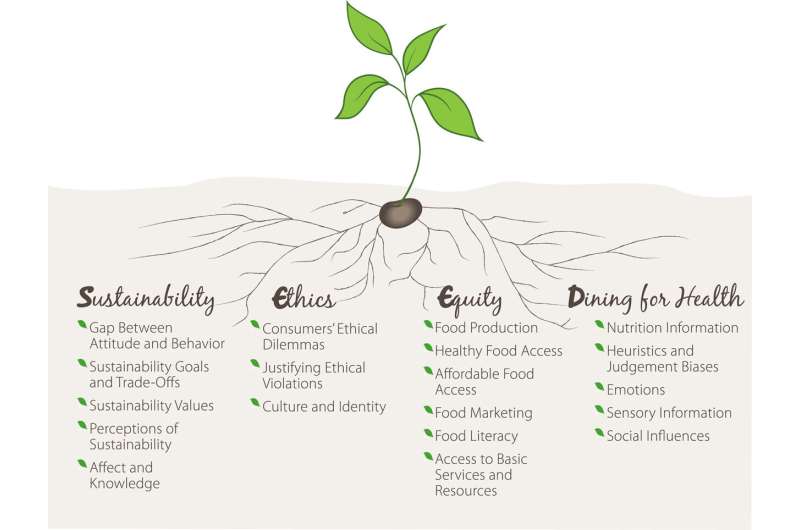
SEED framework for growing value-based eating. SEED values 
(Sustainability, Ethics, Equity, and Dining for health) promoting plant-based 
diets are changing the way consumers choose what foods to eat and not to
 eat. The impact on our food system depends on how consumers integrate 
these values to make food decisions in the future. 
Credit: Journal of Consumer Psychology (2022). DOI: 10.1002/jcpy.1328

Plant-based eating and veganism have been around for decades, but more people are choosing plant-based diets than ever before. Plant-based eating means eating more fruits, vegetables, nuts, grains and beans while eating less or no meat, dairy or animal products. A UNM business school researcher has studied the reasons behind this trend.

Lama Lteif, an assistant professor of marketing at the UNM Anderson School of Management, in her 2023 article, "Plant Power: SEEDing our Future with Plant-based Eating," shared a new way to look at why people are choosing plant-based diets and the benefits of this shift. She built on data from the 2021 Rockefeller Foundation report to explain people's food choices. Her work features a framework showing the values that drive consumers toward plant-based eating. The framework is called SEED: Sustainability, Ethics, Equity and Dining for Health.

Plant Power is the first research article of its kind, "because it is at the intersection of consumer health and the climate crisis. Understanding the reasons that drive consumers to choose a  is good for people and the environment," said Lteif.

The SEED Framework

As more people relate to the values in the SEED framework, they are changing their  to reflect these beliefs.

"By understanding how these values influence decision-making, individuals and marketers alike can make better choices for themselves, inform their , and give more attention to the issues that mean the most to them," Lteif explained.

Those who relate to the Sustainability value have growing concerns about animal farming and its role in climate change. People have learned that eating less meat can reduce their carbon footprint and help ease the effects of global warming.

Next, Lteif explained that a person's belief system, or code of Ethics, can also affect their eating choices. Within this group is a growing concern for animal safety and well-being during meat and dairy production. Animal handling practices can include cramped living conditions, overcrowding or inhumane treatment. By not eating these foods, those holding this value hope to show their concern and support better animal treatment.

Food Equity refers to offering all people  to food and the ability to cook and store the food that allows them to thrive. There is a growing awareness that many people do not have access to plant-based food or the means to keep it fresh. More so, underserved communities, including communities of color, often have less access to healthy, affordable, plant-based foods. Improving access can improve people's health and well-being by eating more healthy foods and allowing them to make choices that reflect their values.

Lastly, the Dining for Health value supports the connection between food and health. A plant-based diet is rich in fiber, vitamins, minerals and antioxidants, which help improve gut health and absorbing of nutrients that support the immune system. Because of this, a diet that is rich in fruits and vegetables can help reduce the risk of certain cancers, type 2 diabetes, heart disease and more.

Plant-based eating and its impact on the future

Lteif, a former nutritionist, combines her passion for helping others make healthy food choices with a curiosity about the drivers behind people's eating choices. She likens these value-based choices to a seed's root system, where the "SEED values connect and as a group can influence a person's eating habits. If embraced by society as a whole, these values can transform systems to be more friendly to our environment, more fair and more nourishing."

Lteif explained that Gen Z, those aged 35 and younger, are leading the way with alternative food choices due to their concerns about climate change and the environment. She believes learning more about the other value groups and the reasons keeping others from making healthy food choices is important. She would also like to explore ways to encourage more people to adopt a plant-based diet.

A great benefit of eating more fruits and vegetables is more demand for restaurants,  and eateries that offer vegan-friendly options. This increase in offerings makes it easier for people to make healthier choices today than ever before.

The work is published in the Journal of Consumer Psychology.

More information: Melissa G. Bublitz et al, Plant power: SEEDing our future with plant‐based eating, Journal of Consumer Psychology (2022). DOI: 10.1002/jcpy.1328

Journal information: Journal of Consumer Psychology


Provided by University of New Mexico 


Vegan diet has just 30% of the environmental impact of a high-meat diet, major study finds


Vegan trend in Europe: In Germany, milk substitutes from plants are most popular alternative

Vegan trend in Europe: In Germany, milk substitutes from plants are most popular alternative
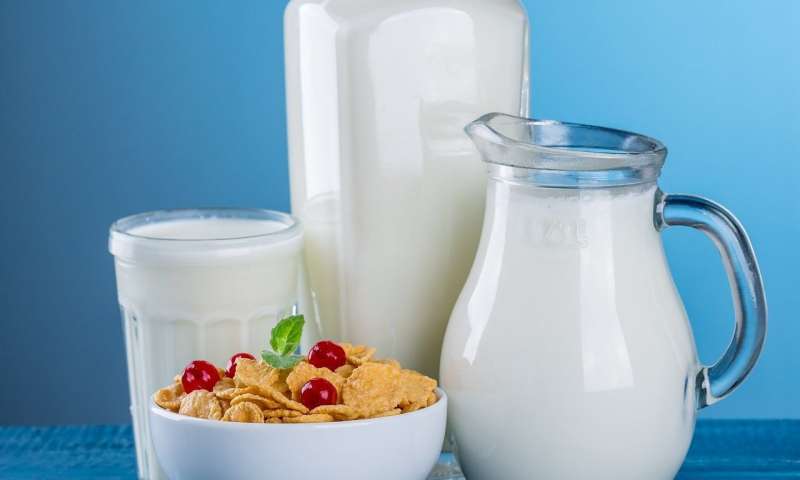
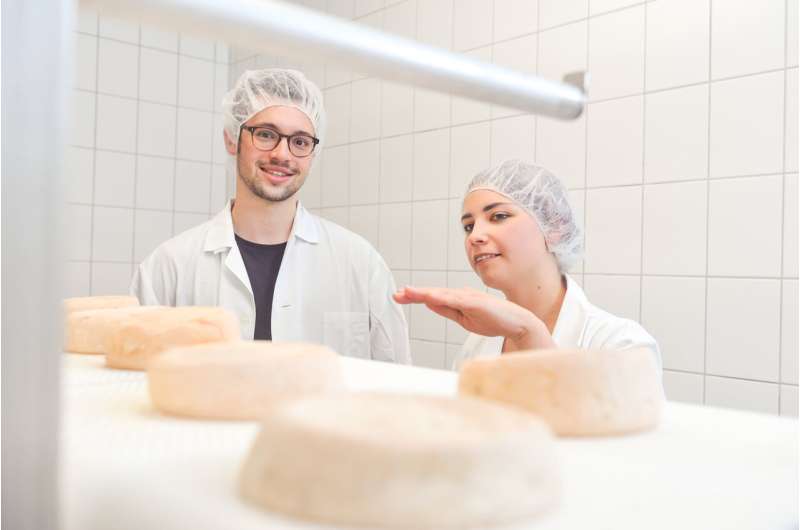
Plant-based alternatives to dairy products do not have to copy the original—but in addition to tasting good, they should have a pleasant mouthfeel and a varied product range, according to the results of a study carried out by the University of Hohenheim. Credit: University of Hohenheim / Max Kovalenko

Plant-based alternatives to dairy products do not have to copy the original—but in addition to tasting good, they should also have a pleasant mouthfeel and a varied product range, according to the results of a recent acceptance study. To obtain the results, the University of Hohenheim in Stuttgart surveyed consumers in a total of six European countries. This revealed major cultural differences—but also commonalities that providers should pay attention to.

Of all the countries studied, Germany has the highest sales and the greatest market potential for these plant-based alternatives. "The strong innovative power in this area is evident in many small startup companies," stated Dr. Beate Gebhardt, head of AK BEST at the University of Hohenheim. "For example, of all the countries studied, Germany has the most new plant-based alternative  coming to market."

However, milk and  substitutes derived from plants are also becoming increasingly popular throughout the European market. Their sales in Europe increased by 49% between 2020 and 2022. However, according to an EU regulation, only products derived from the milking process of animals may bear designations such as "milk" or "dairy."

The plant-based alternatives to cream, quark, cheese, or yogurt are made from grains, oilseeds, or legumes, among other things. Because their carbon footprint is significantly better than that of their animal-based counterparts, they are seen as having the potential to promote change towards a more sustainable food system.

Acceptance study in six European countries

Within the European market, however, the acceptance of the new products is distributed differently, knows Rebecca Hansen from the Department of Agricultural Markets at the University of Hohenheim, who investigated this question as part of her dissertation. To do this, she evaluated 3,086 responses collected as part of the project "The V-PLACE—Enabling  in vegan or vegetarian food products."

She looked for differences and similarities in the willingness of people in Denmark, Germany, France, Italy, Poland, and Spain to turn more to plant-based "dairy products." The six countries were selected so that at least one country was represented in Northern, Southern, Eastern, and Western Europe, reflecting the different market situations in Europe for plant-based foods. The results have been published in the journal Food Quality and Preference.

"However, the sample can only be considered representative to a limited extent," Hansen said, "since only people who either already consumed plant-based 'dairy products' or were toying with the idea were included in the study. People who were not interested in it at all were not considered."

Germany: Health, animal welfare, and the environment play a major role

In the scientists' view, the Germans are unique in their particularly critical attitude when it comes to . This, together with aspects such as health and the environment, plays a major role in deciding how often people consume plant-based "dairy" products. In particular, those who chose a vegetarian or vegan lifestyle were 34% more likely to consume the plant-based alternatives more often.

"This confirms our assumption that the decision to consume plant-based 'dairy' products is largely determined by ," Dr. Gebhardt said. "In addition, social norms and cultural traditions influence Germans less than people in other countries in this regard."

Nutrition habits rooted in the culture of different countries

This is demonstrated by the example of Poland as a kind of counterpart to Germany: There, animal dairy products are touted as healthy and beneficial overall. In the researchers' view, this may explain the aversion to plant-based "dairy" products, especially among people who care about health issues. However, there is also a financial factor: If the price of these foods increases, the willingness to consume them decreases. In addition, respondents in Poland often criticized the  as being too sweet or too greasy.

"Dietary behavior is complex," Dr. Gebhardt stated. "It is shaped not only by the individual beliefs of consumers in conjunction with socio-demographic factors and the cultural environment, but is also influenced by political programs and environmental issues."

Taste, texture, and variety need to be improved

French consumers are also difficult to convince of the benefits of plant-based dairy alternatives. Against the background that the consumption of cheese made from animal milk has a long tradition there, they seem to attach great importance to the sensory enjoyment of this food.

A similar picture was seen in Italy and Spain: Sensory and taste concerns prevented prospective buyers from consuming the plant-based alternatives to dairy products. If, on the other hand, the product characteristics such as price, taste, variety, and also availability met the requirements of the respondents, the probability of consuming these foods on a daily basis also increased.

"As our results show, prospective consumers who are only beginning to consider consuming plant-based 'dairy' products in particular are put off by the unsatisfactory product attributes. They want more varieties and a better taste or mouthfeel," summarized Hansen.

Substitute products must taste good, not necessarily copy the original

"To reach more consumers, manufacturers therefore need to develop products with improved formulations or more product variants. This is especially important in Italy or France, where the importance of sensory enjoyment is culturally ingrained."

In Dr. Gebhardt's experience, consumers do not necessarily expect a copy of the animal-based original. "However, the taste, i.e., the culinary quality of the food, must be good. This might mean that the product offers a new, distinct taste experience."

More knowledge increases willingness to buy, in all educational strata

"In addition, curiosity motivates consumers to try new food products," she said. Individuals who are fundamentally open to plant-based alternatives are more likely to maintain or even intensify their consumption of plant-based dairy products, according to their assessment.

Something common to all people who consume plant-based "dairy" products or are open to it is that they want information about it. Consumers who value high-quality food also actively search for it.

"Questions arise like: What is the product made of? What does the production process look like? Is it healthier? Is it more sustainable? How can I prepare it?—and answers to all of these should be easy to find," the two scientists agreed. In their view, easily accessible information on the packaging or at the point of sale would be best. Recommendations in dietary guidelines to consume fewer animal dairy products or evidence from the scientific community to choose more plant-based "dairy" products could also be an important signal to consumers.

The researchers were surprised by another result of the study. "Contrary to our expectations, education level and other sociodemographic factors do not have a statistically validated influence on the frequency of consumption of plant-based 'dairy' products," said Dr. Gebhardt.

More information: Rebecca Hansen et al, Hype or hope? What consumer motives tell us about the prospects for plant and animal-based dairy products in six European countries, Food Quality and Preference (2023). DOI: 10.1016/j.foodqual.2023.104910

MILKWEED