‘Putting biodiversity in our hands’: British wildlife will soon be celebrated on banknotes
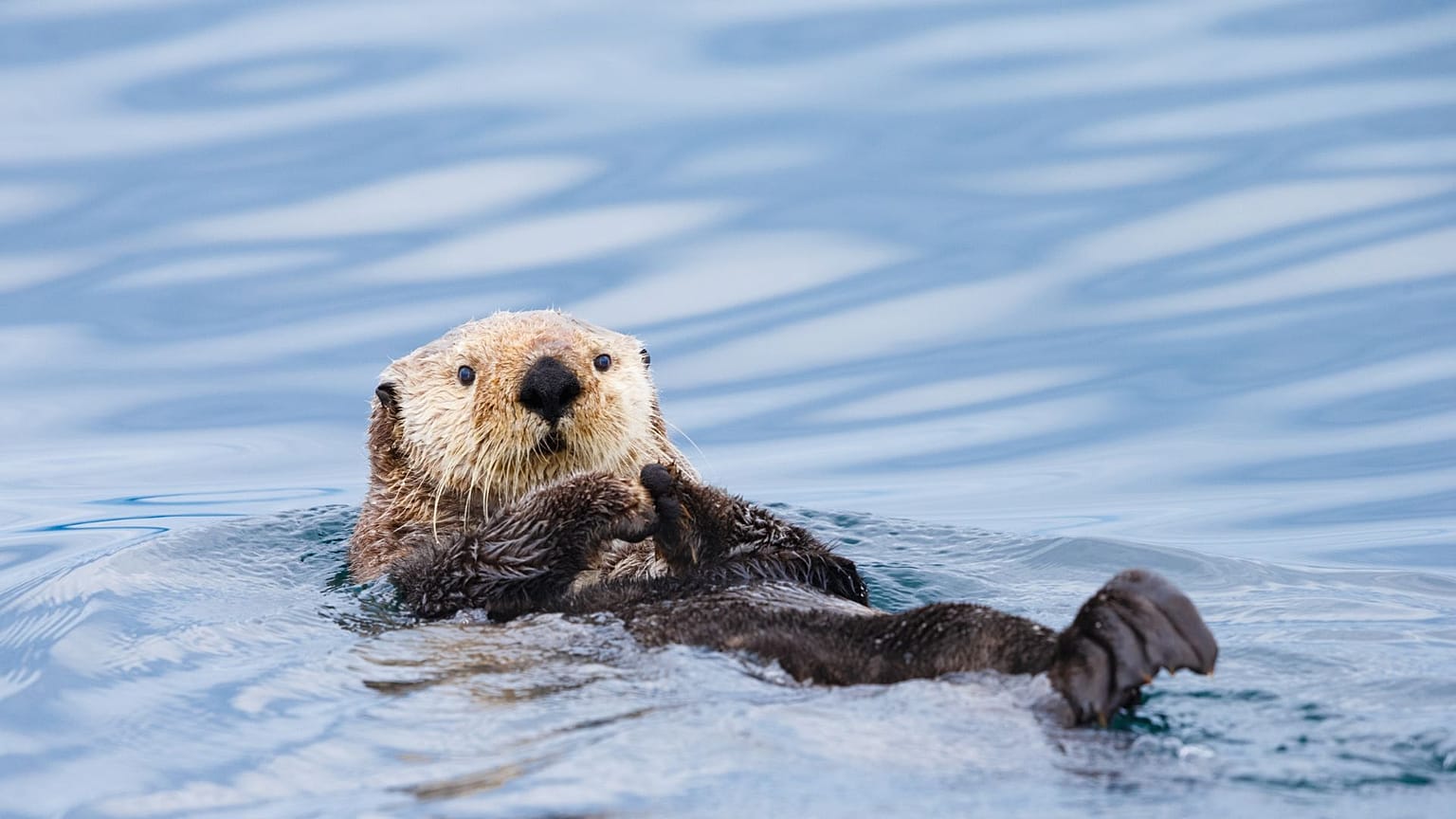
More than 26,000 people voted to put nature on sterling notes.
Historical figures like Winston Churchill will soon be replaced by native wildlife on UK banknotes.
In a public consultation run by the Bank of England, the theme of nature came out on top. The exact plants and animals that will be on the notes will be chosen later this year.
“Nature is more than just scenery, it is the living thread that binds our landscapes, our history, and our future together,” says Scottish wildlife filmmaker Gordon Buchanan, who is part of an expert panel compiling the list. “To protect nature is to protect the quiet, resilient heartbeat of the land itself.”
Not only could the new notes inspire wildlife conservation, they’re also well positioned to protect the economy.
“The key driver for introducing a new banknote series is always to increase counterfeit resilience,” says Victoria Cleland, chief cashier at the Bank of England.
“Nature is a great choice from a banknote authentication perspective,” she adds, because it lends itself to developing security features that are easy for the public to recognise and distinguish.
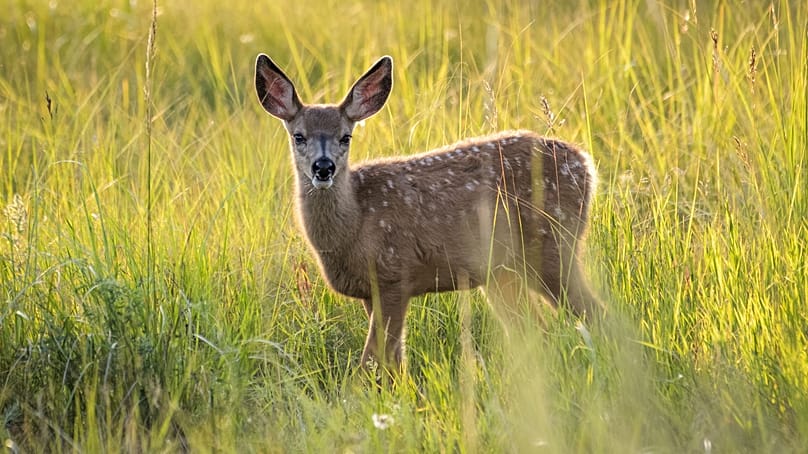
Symbolic recognition of UK wildlife ‘overdue and significant’
Nature was the most popular theme among 44,000 respondents in the July 2025 consultation, capturing 60 per cent of the vote.
It will replace the current historical figures featured on the reverse side of banknotes, which include writer Jane Austen, artist JMW Turner and scientist Alan Turing, as well as the WWII Prime Minister.
“This is a powerful reminder of how deeply people feel connected to and value British wildlife,” says Ali Fisher, founder and director of sustainability consultancy Plans with Purpose. “It’s a beautiful opportunity to put biodiversity literally in all our hands.”
Architecture and Landmarks was the second most popular at 56 per cent, followed by Notable Historical Figures (38 per cent), Arts, Culture and Sport (30 per cent), Innovation (23 per cent) and Noteworthy Milestones (19 per cent).
“The wildlife of the UK is not separate from our culture. It sits in our football crests, our folklore, our coastlines and our childhoods,” says wildlife presenter and activist Nadeem Perera, another panel member. “Giving it space on something as symbolic as our currency feels both overdue and significant.”
The RSPA has called for Britain's "least-loved" wildlife – such as pigeons, gulls and foxes – to feature on the new banknotes. The charity says this could help change perceptions of "misunderstood" animals and encourage people to see the value of all wildlife.
“What about the pigeons who have been our friends for thousands of years, or rats, with their amazing memories, or even gulls, with their amazing levels of intelligence?," says Geoff Edmond, wildlife expert at the RSPCA. "They are all fascinating wild animals in their own right – and deserve recognition too.”
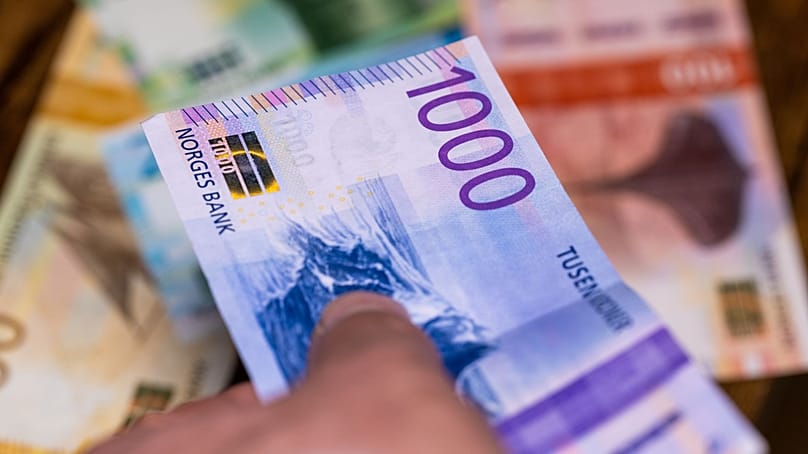
From Norway to Switzerland: Which other European countries champion nature on their notes?
The Bank of England won’t be the first in Europe to give nature a place on its banknotes. Scottish notes already include animals such as mackerel, otters and red squirrels.
Norway’s latest krone series celebrates its long coastline by featuring wave motifs and Atlantic cod and herring.
Switzerland began shifting away from featuring famous personalities on its banknotes in 2016, with wind, water and light among the stars of its ‘many facets of Switzerland’ series. Butterflies, the Alps and dandelion seeds now grace its currency, with a new series set to double-down on native plants and Alpine landscapes in the 2030s.
Nature could also replace architecture on future euro banknotes, with the European Central Bank considering designs featuring birds and rivers across Europe.
Following a contest for EU designers to submit proposals in 2025, the shortlisted themes are ‘Rivers and birds: resilience in diversity’ and ‘European culture: shared cultural spaces’. A final decision is expected to be made in 2026.
“In a cost‑of‑living, climate and nature crisis, small cultural shifts like this matter,” says Fisher. “They help normalise the idea that our natural world is worth celebrating, protecting and investing in.”
Nigel Farage slammed for manufacturing outrage over change to banknotes
Left Foot Forward
The right is losing it over the results of a public consultation on banknotes
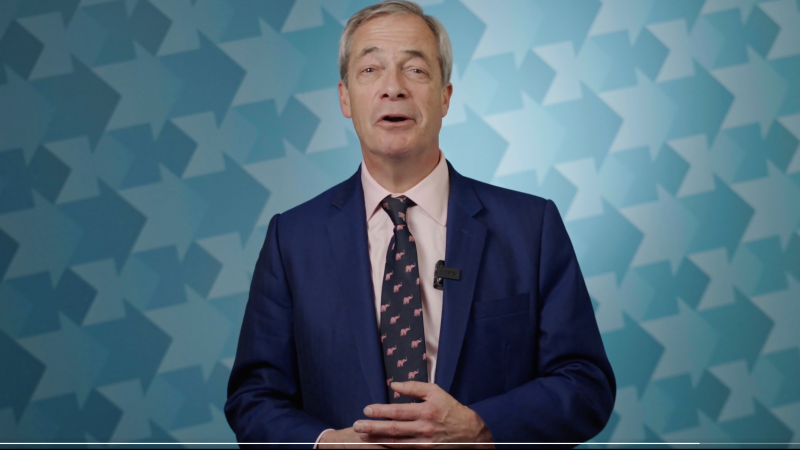
Nigel Farage has been slammed for manufacturing outrage over the decision to replace historical figures on bank notes with animals.
Farage posted a video on X saying the decision is “woke” and shows how “PC-mad and loony everyone has gone, including the Bank of England”.
Despite the change meaning historical figures including Jane Austen and Shakespeare will be removed from banknotes, Farage expressed outrage at how Winston Churchill will be replaced with a “badger”.
The decision came from a public consultation by the Bank of England. The consultation, which received 44,000 responses, found that nature was the most popular theme to put on the next set of banknotes.
While 60% of respondents selected nature, less than 40% selected historical figures.
The badger is an example of one of the animals that could be put on the banknotes.
The badger is one of several animals that could feature on the notes. A panel of experts will now draw up a wildlife shortlist for the public to vote on.
The governor of the Bank of England will make the final decision, however it will likely be a few years before new designs enter circulation.
Luke Charters, the Labour MP for York Outer, slammed Farage for “manufacturing outrage” over the banknote changes, adding that “Farage and Reform UK have spent months attacking the Bank of England itself”.
The Reform leader has also been lobbying the Bank of England to halt its bond-selling programme and urged the central bank to embrace cryptocurrency, which Reform’s largest donor invests in.
Farage has even suggested he would replace the Bank of England Governor with someone aligned to his agenda.
Charters said: “Politicians leaning on central banks is how you spook markets and undermine confidence in the economy.
“Bank of England independence, brought in by the last Labour government, exists for a reason. To keep markets and household finances stable.”
Other figures on the right have also been complaining about the results of the consultation.
Robert Jenrick MP wrote on X: “It says it all that Rachel Reeves is replacing Winston Churchill on our banknotes with a squirrel.”
Conservative MP Tom Tugendhat has written an op-ed for the Telegraph in which he claims that “the new badger banknotes tell a dismal story of national decline”.
Meanwhile, fellow Tory MP Nick Timothy said: “If Nelson, Wellington or Churchill offend anybody living in this country…
“They are welcome to leave.”
Olivia Barber is a reporter at Left Foot Forward

No comments:
Post a Comment