Trump open to shifting US troops from Germany to Poland
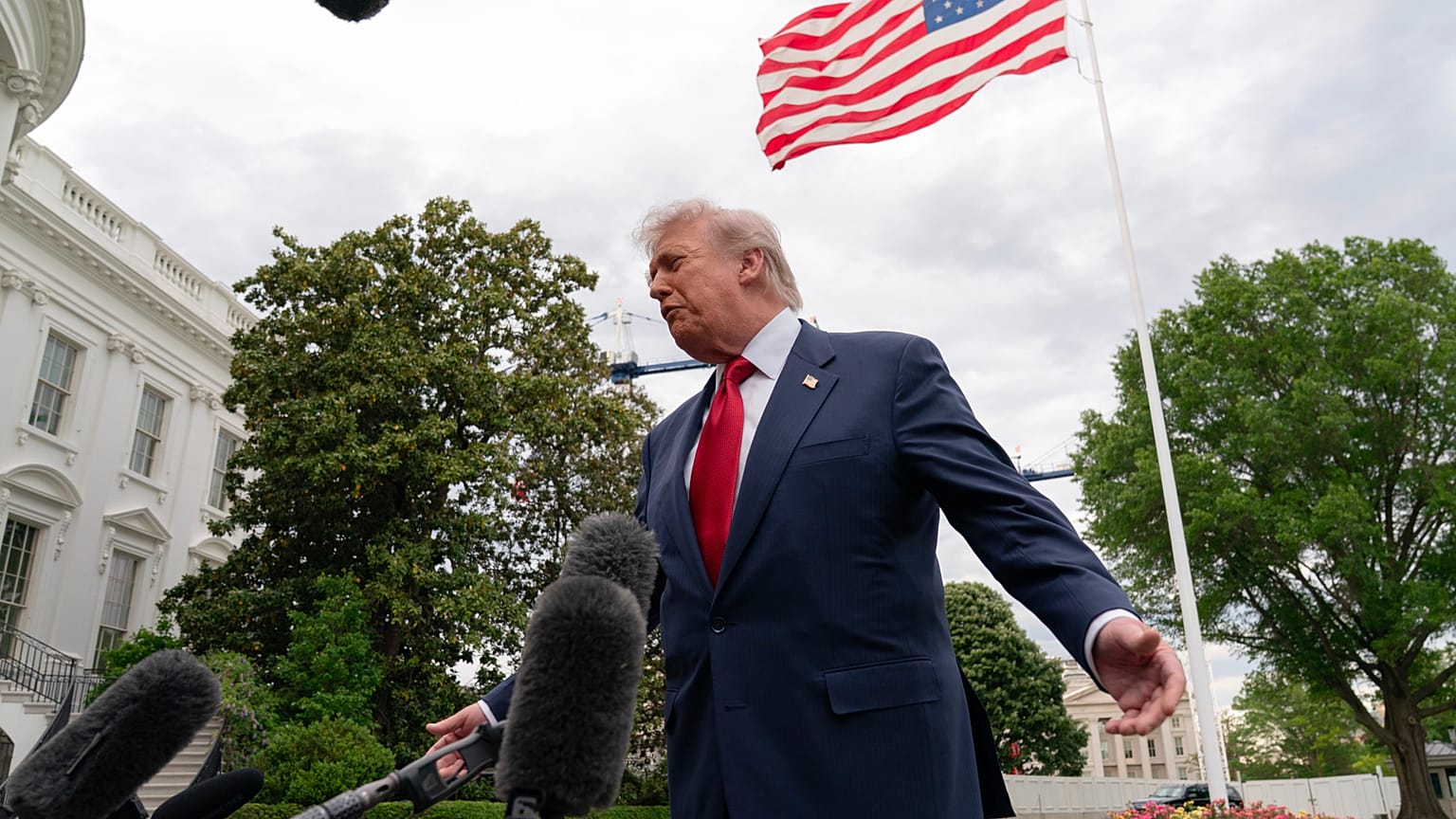
Will US troops withdrawn from Germany be moved to Poland? When asked, US President Donald Trump said Warsaw favours the idea, and it is feasible.
US President Donald Trump has admitted he is considering moving some of the American troops being withdrawn from Germany to Poland.
The statement was made during a conversation with journalists at the White House and fits into a broader debate over a new NATO balance of power in Central and Eastern Europe.
When asked about the possibility of relocating some of the forces to Poland, Trump replied that "it's possible," stressing the very good relations with the Polish authorities. In his remarks, he also referred to President Karol Nawrocki, whom he had previously backed publicly.
"Poland would like that. We have excellent relations with Poland. I have excellent relations with President [Nawrocki]. Remember, I endorsed him, and he won – even though he was trailing badly, he still won. He's a great fighter, a terrific guy, I like him a lot, so it's possible... I might do it," Trump said.
Trump announces partial withdrawal
According to media reports, the US administration plans to withdraw around 5,000 troops from Germany over the next six to twelve months. Trump has suggested, however, that the scale of the reduction could be even greater. At present, some 35,000 to 37,000 American service personnel are stationed in Germany.
A few days ago, Nawrocki declared that Poland is ready to host American troops withdrawn from Germany and has the necessary military infrastructure. Warsaw views any increase in US forces as a way to strengthen regional security and NATO's eastern flank.
"We already have the infrastructure in place, and it is in the interests of Poland, Lithuania and the Baltic states for as many American troops as possible to be stationed here," Nawrocki says.
The decisions are set against a backdrop of tensions between the Trump administration and Berlin. As early as his first term, Trump criticised Germany for spending too little on defence and announced a reduction in the US military presence on its territory. In 2020, however, a similar plan for a partial withdrawal of troops ultimately did not go ahead.
Experts point out that what may prove crucial is not only the number of troops, but also where they are deployed.
"The US forces in Germany have their military importance, and an even greater political and historical significance. From our point of view, the American military presence in Germany should remain, that is clear. But once this reduction is underway, we should be making a strong case for those troops to be moved to Poland. That is in our interest. And Poland should send a clear signal on this," Tomasz Szatkowski, a former Polish ambassador to NATO, said recently in an interview with Euronews.
Can US law stop Trump from withdrawing troops from Europe?
A 2026 US defence law does not prevent troop withdrawals from Europe, but imposes consultations and justifications for major cuts that make such a move more difficult.
The US is set to withdraw around 5,000 troops from Germany, according to the Pentagon — a move that has raised concerns about a broader reduction of US forces across Europe.
There are around 36,000 US troops currently in Germany alongside several key military hubs, including Ramstein Air Base, command headquarters and a medical centre that treated casualties from wars in Afghanistan and Iraq.
An estimated 80,000 to 100,000 US service members are stationed across Europe, depending on rotations.
Such bases consolidate NATO's presence in Europe, hosting US forces and supporting joint training and operations with allies.
The planned reduction of 5,000 troops amounts to around 14% of the total number of service members stationed in Germany. Those set to withdraw include a brigade combat team and a long-range fires battalion that the Biden administration planned to deploy when it was in power. They will now not be stationed in Europe.
Sean Parnell, spokesperson for the Pentagon, which houses the US Department of Defense, said that the decision follows a "thorough review of the Department's force posture in Europe and is in recognition of theatre requirements and conditions on the ground."
The announcement to withdraw troops — which came after German leader Friedrich Merz issued a rebuke of the Trump administration's actions in Iran — is in line with threats US President Donald Trump has made in the past.
At the end of his first term in 2020, the president announced plans to withdraw around 9,500 US troops from Germany. The idea faced backlash from Congress before it was ultimately halted by the Biden administration, which took power in 2021.
Despite criticism from Republican and Democratic lawmakers of his recent proposal to pull troops, Trump doubled down on Saturday, telling reporters in Florida that his administration would be "cutting a lot further" than the 5,000 already mentioned.
Is Trump able to wind down large numbers of US troops in Europe?
Several analysts and commentators have pointed out that a piece of US defence legislation, which became law this year, places restrictions on the Pentagon from making significant cuts to the number of troops deployed in Europe.
Under Section 1249 of the National Defense Authorisation Act for 2026, administrations are limited in how they can use Pentagon funds to cut troop numbers.
According to the law, the Pentagon cannot use its budget to reduce troop levels in Europe to below 76,000 for more than 45 days unless it meets certain conditions.
These include certifying that the cuts are in the interests of US national security, consulting NATO allies on the move beforehand and submitting a detailed report to Congress.
There is also a waiting period, meaning large reductions in troop numbers cannot take place immediately.
Beyond legal limits, analysts note that withdrawing troops from Europe is complex and expensive.
Analysis by Liana Fix from independent US think tank the Council on Foreign Relations, notes that US forces in Germany are embedded in global command structures, meaning that relocating them is logistically complex, costly and could weaken military readiness.
On the German side, officials have so far downplayed the immediate impact of losing 5,000 troops, with Defence Minister Boris Pistorius describing the move as "foreseeable", and pushing for Europe to take more responsibility for its own safety.
German Foreign Minister Johann Wadephul and Chancellor Friedrich Merz equally projected calm in the wake of the news, with Merz telling a television interview on Sunday: "They are constantly redeploying their troop units worldwide, and we are affected by that too."
Critics and politicians pointed out that the threat of not stationing Tomahawk missiles on German soil poses a bigger risk than troop withdrawal, as it leaves Berlin with a missile gap that it could not replace on its own accord.

No comments:
Post a Comment