What we know about Congo's new Ebola outbreak
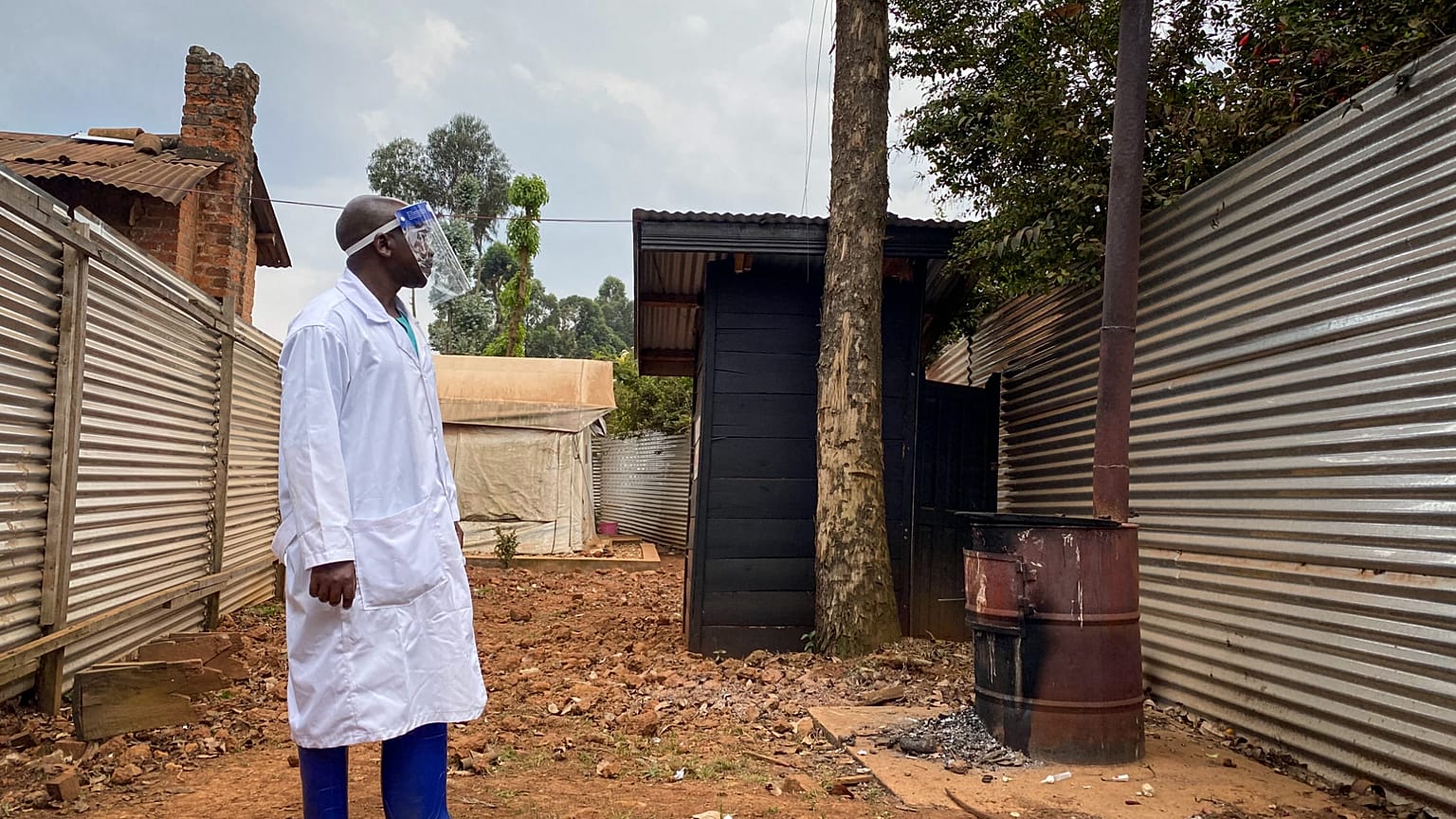
Congo’s new Ebola outbreak has caused 65 deaths and 246 suspected cases so far.
Africa’s top public health authorities have confirmed a new Ebola outbreak in Congo.
The new outbreak has caused 65 deaths and 246 suspected cases, the Africa Centres for Disease Control and Prevention said in a statement on Friday.
Here’s what to know about the health crisis:
Where did the outbreak start?
The suspected Ebola cases have mainly been recorded in Ituri's Mongwalu and Rwampara health zones. Suspected cases have also been reported in Bunia, the capital of Ituri province.
Ituri is in a remote eastern part of Congo with poor road networks, and is more than 1,000 kilometres from the nation’s capital, Kinshasa.
So far, only four of the deaths reported are laboratory-confirmed cases, but the new outbreak was confirmed after many suspected cases.
Authorities are worried about the risk of further spread
One major concern, the Africa CDC said, is the proximity of affected areas to Uganda and South Sudan. Bunia, Ituri's main city, is near the border with Uganda.
The agency said there's also a risk of further spread due to intense population movement, including that related to mining, and the security crises in affected areas. Attacks by armed groups have killed dozens and displaced thousands in parts of Ituri province in the past year.
There are also gaps in contact listing, the Africa CDC said, as local authorities race to find those who might have been exposed to the virus.
What is Ebola?
The virus was first discovered in 1976, near the Ebola River in what is now Congo. The first outbreaks occurred in remote villages in Central Africa, near tropical rainforests. Ebola disease is a severe, often fatal illness affecting humans and primates.
The virus is transmitted to people from wild animals such as fruit bats, porcupines and primates. Ebola spreads through direct contact with the blood, secretions, organs or other bodily fluids of infected people, and with surfaces and materials contaminated with these fluids.
Symptoms include fever, fatigue, headache, muscle pain, sore throat, vomiting and diarrhoea. Severe cases can progress to bleeding complications, multi-organ failure, and death.
The average Ebola disease case fatality rate is around 50%. Case fatality rates have varied from 25–90% in past outbreaks, according to the World Health Organization (WHO).
Is there a vaccine for Ebola?
“While Ebola remains a serious disease, outbreak prevention, response, and treatment have improved significantly over the past decade,” said Daniela Manno, clinical assistant professor at the London School of Hygiene & Tropical Medicine.
“There are now vaccines available for some viruses causing Ebola disease, which can help protect healthcare workers and reduce transmission when deployed rapidly around confirmed cases and their contacts in a strategy known as ring vaccination.”
However, access to the vaccines is not always easy in Congo due to structural barriers and a lack of funding.
During last year’s outbreak, which lasted three months, the WHO initially faced significant challenges in delivering vaccines, which took a week after the outbreak was confirmed.
Congo is Africa’s second-largest country by land area and often faces logistical challenges in responding to disease outbreaks due to bad roads and long distances between population hubs.
During the last outbreak, health officials were concerned about the impact of recent United States funding cuts.
The US had supported the response to Congo’s past Ebola outbreaks, including in 2021 when the US Agency for International Development (USAID) provided up to $11.5 million (€ 9.8 million) to support efforts across Africa.
Congo’s 17th Ebola outbreak
The latest outbreak is Congo’s 17th since the disease first emerged in the country in 1976.
It comes around five months after Congo’s last Ebola outbreak was declared over in December, after 43 deaths. Before then, the last outbreak, in the northeastern Equateur province in 2022, killed six people.
An Ebola outbreak from 2018 to 2020 in eastern Congo killed more than 1,000 people, the most deaths after the 2014-2016 outbreak in the West African countries of Guinea, Sierra Leone and Liberia that killed more than 11,000 people.
How can an outbreak be controlled?
“Non-pharmaceutical interventions are cornerstones of Ebola outbreak response,” said Anne Cori from the School of Public Health at Imperial College London.
“These interventions include active case finding and isolation, contact tracing, and safe burials, as Ebola is very deadly (about half of infected people die) and particularly infectious around the time of death,” she added.
The WHO identifies community engagement as key to successfully controlling any outbreak.
Outbreak control relies on using a range of interventions, such as clinical care, surveillance and contact tracing, laboratory services, infection prevention and control in health facilities, safe and dignified burials, vaccination, when possible, and social mobilisation.
New Ebola outbreak in remote Congo province leaves 65 dead, 246 infected
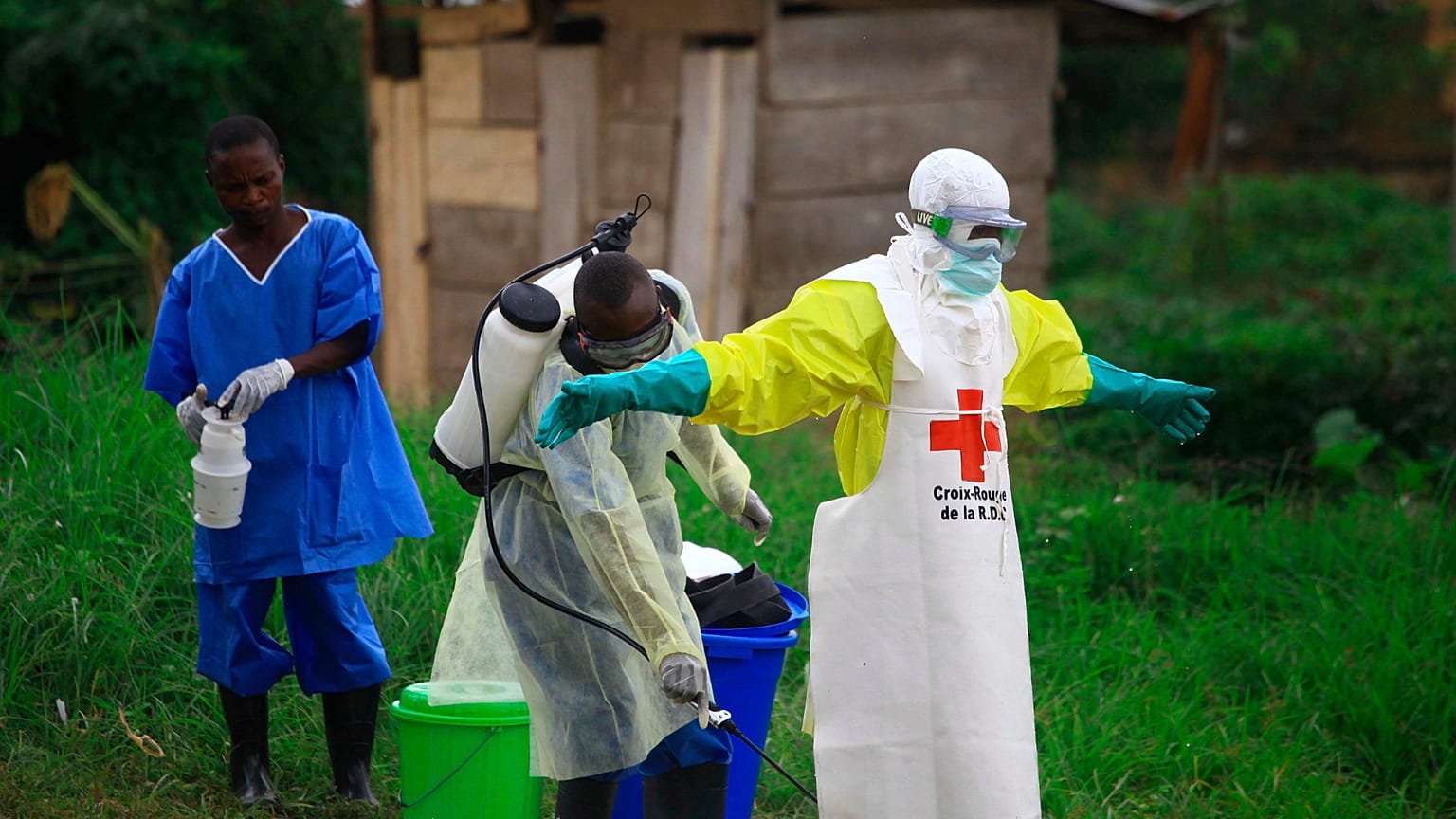
Congo is suffering a new Ebola outbreak with 246 suspected cases and 65 deaths recorded so far, according to the Africa CDC.
The Africa Centres for Disease Control and Prevention, the continent's top public health body, on Friday confirmed a new Ebola outbreak in Congo’s remote Ituri province, with 246 suspected cases and 65 deaths recorded so far.
The Ebola virus is highly contagious and can be contracted through bodily fluids such as vomit, blood, or semen. The disease it causes is rare, but severe and often fatal.
“Four deaths have been reported among laboratory-confirmed cases. Suspected cases have also been reported in Bunia, pending confirmation,” the agency said, referring to the capital of Ituri province, near the border with Uganda.
It said preliminary laboratory results have detected the Ebola virus in 13 of 20 samples tested.
While more tests are still needed to identify the strain, tests suggest that it is not the Zaire variant, which is one of the deadliest.
The latest outbreak comes around five months after Congo’s last Ebola outbreak was declared over after 43 deaths.
Ituri is in a remote eastern part of Congo characterized by poor road networks, and is more than 1,000 kilometers from the nation’s capital of Kinshasa.
Africa CDC said it is concerned about the risk of further spread due to intense population movement, mining-related mobility in Mongwalu, insecurity in affected areas, gaps in contact listing, and control challenges.
“Given the high population movement between affected areas and neighbouring countries, rapid regional coordination is essential. We are working with DRC, Uganda, South Sudan and partners to strengthen surveillance, preparedness and response, and to help contain the outbreak as quickly as possible,” said Jean Kaseya, Director General of Africa CDC in a statement.
The agency said it is convening an urgent high-level coordination meeting on Friday with health authorities from Congo, Uganda, and South Sudan, together with key partners, including United Nations agencies.
“The meeting will focus on immediate response priorities, cross-border coordination, surveillance, laboratory support, infection prevention and control, risk communication, safe and dignified burials, and resource mobilisation,” it said.
The health agency is urging communities in affected and at-risk areas to report symptoms promptly, avoid direct contact with suspected cases, and support response teams working to protect communities, and to follow guidance from national health authorities.
Congo has seen multiple Ebola outbreaks
This is the 17th outbreak in Congo since the disease first emerged in the country in 1976. An Ebola outbreak from 2018 to 2020 in eastern Congo killed more than 1,000 people.
An earlier outbreak that swept across West Africa from 2014 to 2016 also killed more than 11,000 people.
The new outbreak will create more worry for the Central African country, which has been battling various armed groups in the east, including the M23 rebel group, which launched a rapid assault in January last year and has since occupied key cities.
Ituri in particular is also battling violence from the Allied Democratic Force, an Islamic State-linked militant group which has killed dozens there and in other parts of the east.
Congo, Africa's second-largest country by land area, often faces logistical challenges in responding to disease outbreaks.
During last year's outbreak, which lasted three months, the World Health Organization initially faced significant challenges in delivering vaccines due to limited access and scarce funds.

No comments:
Post a Comment