Pt
China-backed South African platinum project to cut 70% of workforce
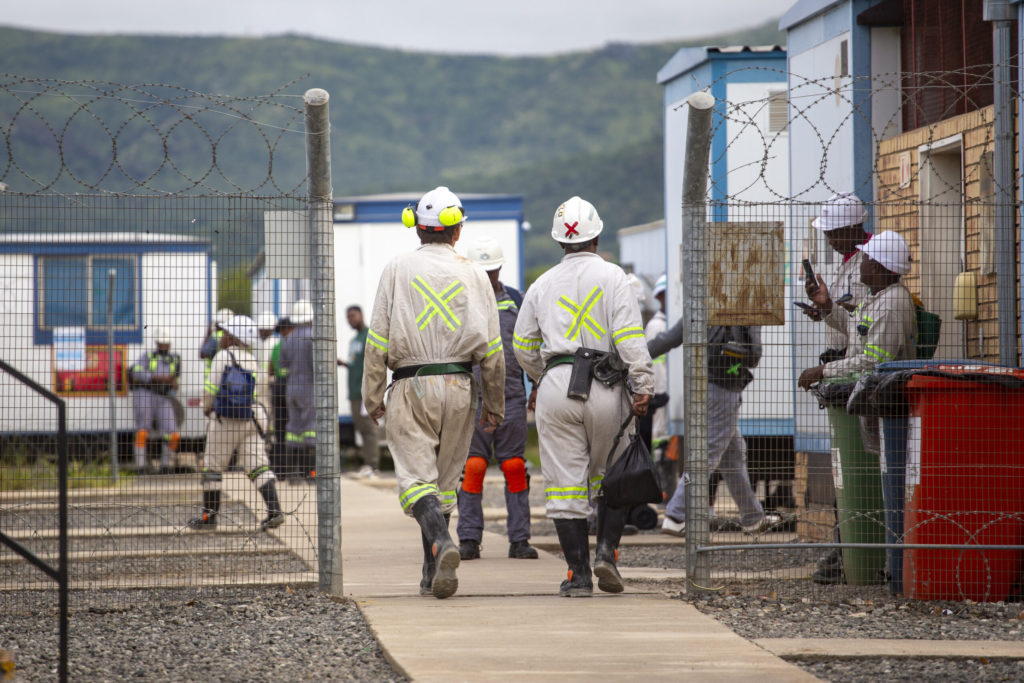
Wesizwe Platinum will lay off nearly 500 workers, or around 70% of the workforce, at its Bakubung mine in South Africa, it said on Thursday, as it shifts from phased development of the delayed project to a single-stage ramp up.

While South Africa accounts for more than 70% of the global supply of the metal used in autocatalysts that reduce vehicle exhaust emissions, new platinum projects like Bakubung are increasingly rare.
Platinum miners are apprehensive about expanding production as the industry faces a long-term threat from electric vehicles, which do not require autocatalyst metals.
Chinese-backed Wesizwe is abandoning its original plan for a phased ramp-up for Bakubung that would have started with 1 million metric tons of annual production.
The project, which has been in development for around 15 years, will now follow a single-stage ramp-up to 3.5 million tons per year, Wesizwe said in a statement.
“This revised strategy will necessitate a reduction in the number of employees required to establish and sustain the production profile contemplated in the updated business plan,” the company said.
“The proposed restructuring is expected to affect approximately 497 employees across various staff levels and disciplines throughout the business,” it added.
Wesizwe, whose anchor shareholder is China-Africa Jinchuan Investment, said maintaining the current headcount of 706 employees would not be sustainable.
The Bakubung platinum project is running behind its production schedule due to a combination of factors including funding delays, Covid-19 disruptions, labour unrest, community protests and a cyberattack.
Wesizwe did not offer a timeframe for when the project might enter production under the new plan.
(By Nelson Banya; Editing by Joe Bavier)
Russian Platinum plans November launch of Arctic mine
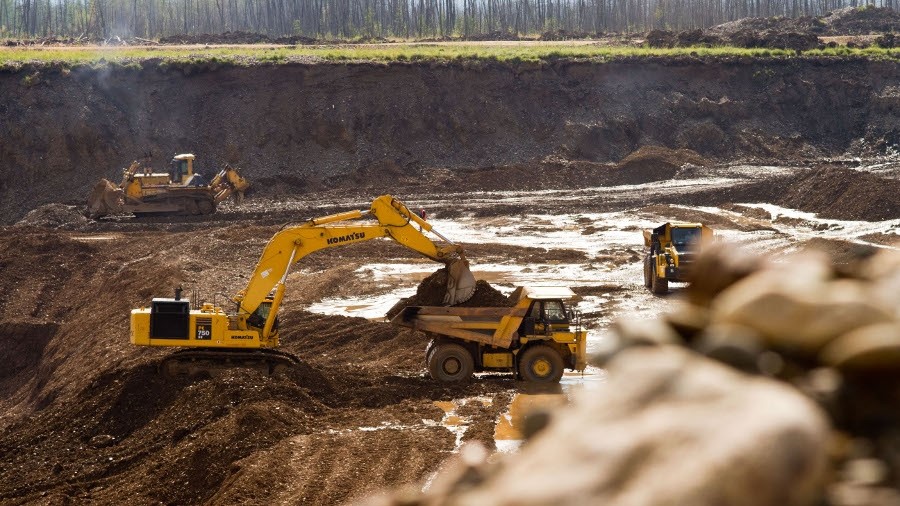
Russian Platinum plans to start production at its Arctic polymetallic project in November, the company’s owner said on Thursday.
Currently only metals giant Nornickel produces platinum group metals in Russia.
Russian Platinum had planned to launch the first stage of the project in 2024, but postponed it due to difficulties accessing equipment amid Western sanctions.
“We expect to obtain our first output in November this year,” Musa Bazhaev said at the St Petersburg Economic Forum.
The company has licences for the Chernogorskoye deposit and the southern part of the Norilsk‑1 deposit, which contain copper‑nickel ores with high platinum group metal content mainly used in emissions‑control catalysts and electronics.
These deposits are located near Nornickel’s core assets and the companies agreed in 2018 to create a PGM alliance, but it collapsed in 2020 due to opposition from Rusal, one of Nornickel’s biggest shareholders. After that, the parties signed five‑year offtake agreements in 2021 for concentrate supplies from the Chernogorsky plant to Nornickel’s Global Palladium Fund.
Nornickel, the world’s largest palladium producer with around a 40% market share, said in a market review late last year that Russian Platinum’s project could add about 0.5 million ounces of palladium and 0.2 million oz of platinum to Russia’s output annually.
Capital expenditure on Russian Platinum’s project has already reached 500 billion roubles ($6.72 billion), Interfax reported, citing Bazhaev.
Bazhaev said a second phase of the project is expected to bring on stream the southern part of Norilsk‑1, with output reaching 15 million tons of ore and 55 tons of PGMs annually.
That would make Russian Platinum a major global supplier, Bazhaev said, but did not give a timeframe for when the second phase would start operations.
He also said Russian Platinum could return to partnership discussions with Nornickel.
($1 = 74.3500 roubles)
(By Anastasia Lyrchikova; Editing by Susan Fenton)

No comments:
Post a Comment