Newcomers are buying homes faster as Canadian-born ownership rates decline: StatCan
Updated:
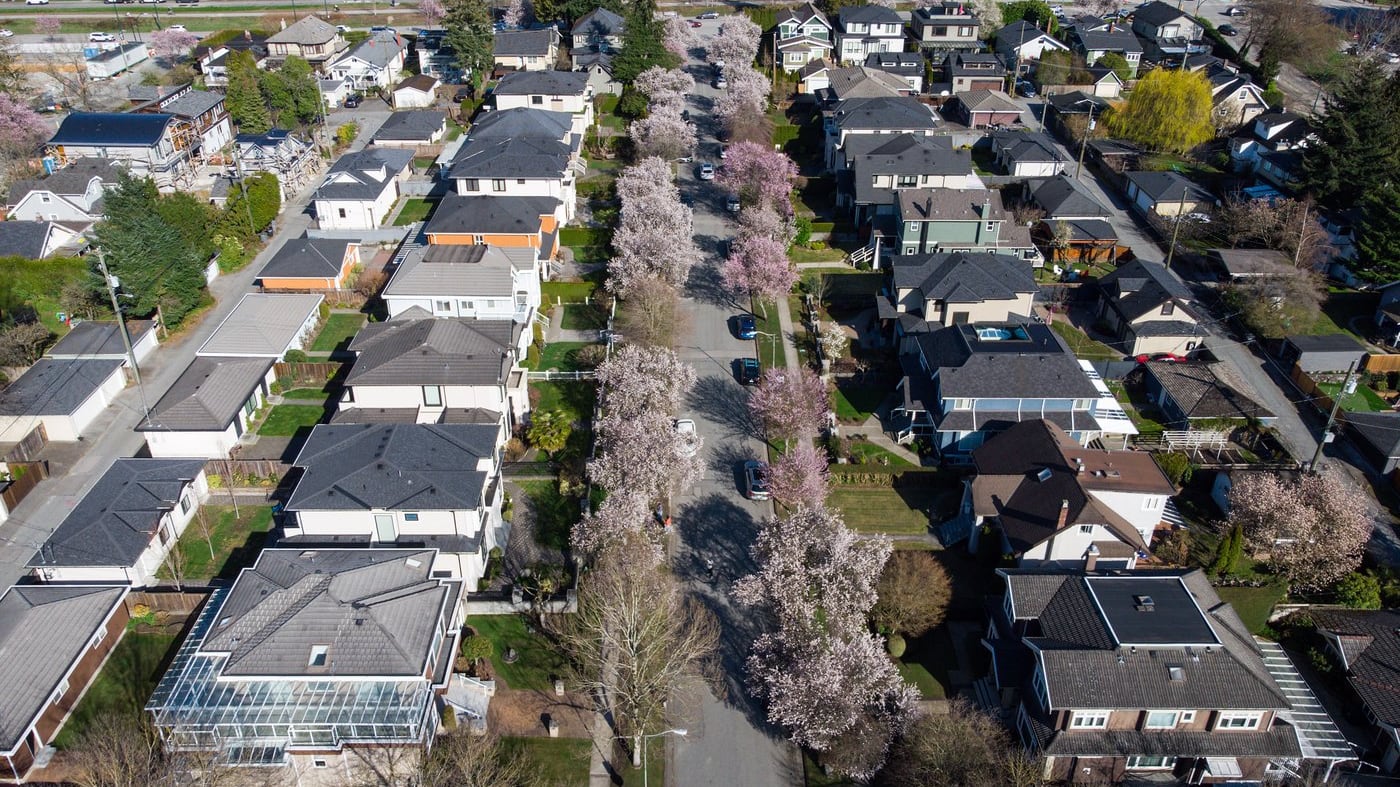 Cherry blossom trees line a residential street in Vancouver, on Tuesday, April 4, 2023. THE CANADIAN PRESS/Darryl Dyck
Recent immigrants to Canada are increasingly becoming homeowners, with new data from Statistics Canada showing that homeownership rose between 2018 to 2021, even as rates declined among Canadian-born individuals.
The findings, released Tuesday by StatCan, examined how immigrants admitted as permanent residents between 2017 to 2021 progressed toward homeownership in their first five years after arriving in Canada.
The report analyzed homeowners across seven provinces and found that newcomers are entering the housing market faster than previous cohorts, despite rising prices and affordability challenges.
In Ontario, the homeownership rate among immigrants in their fifth year after admission climbed from 35.7 per cent in 2018 to 40.2 per cent in 2021.
During the same period, the rate among Canadian-born residents aged 25 to 54 fell from 50.7 per cent to 47.8 per cent.
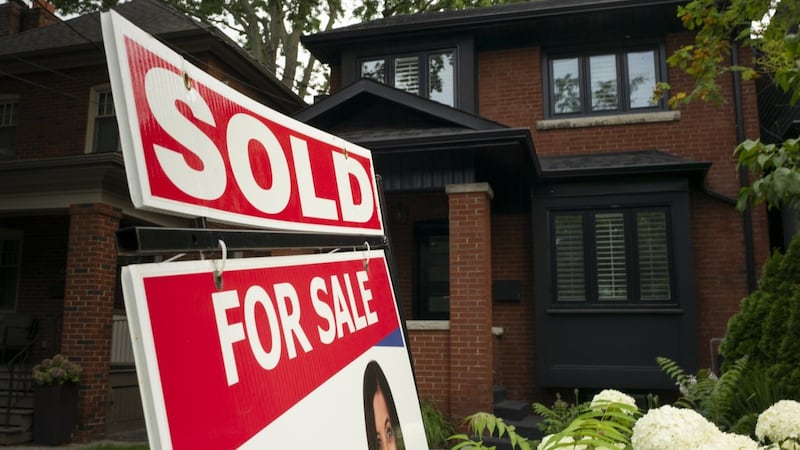
The study found that the time spent in Canada plays a critical role. Most immigrants begin by renting, building credit histories and increasing their earnings before purchasing homes.
By their fifth year in Canada, economic class immigrants had ownership rates approaching those of Canadian-born residents. In British Columbia, for example, economic immigrants recorded a homeownership rate of 40.1 per cent, compared with 43.3 per cent among Canadian-born residents.
Regional differences also emerged, as recent immigrants in the Maritime provinces and Manitoba had homeownerships rates comparable to those of Canadian-born residents, while newcomers in Ontario, Alberta and B.C. continued to lag behind, reflecting higher housing costs in those provinces.
The study found that more than 85 per cent of immigrants who owned homes during their first year as permanent residents had already spent time in Canada as international students, temporary foreign workers or asylum claimants, before obtaining permanent residency.
Homeownership patterns also varied by immigration class and place of birth. Economic-class immigrants posted the highest ownership rates, followed by family-sponsored immigrants, while refugees had the lowest rates.
Among regions of origin, immigrants from East Asia recorded some of the highest homeownership levels in Ontario, Alberta and B.C.
Despite achieving homeownership, recent immigrants often faced greater financial strain. First-time immigrant homebuyers generally earned lower incomes than Canadian-born buyers, but purchased more expensive properties.
In B.C., the median home purchase price for recent immigrants reached $660,000, compared with $580,000 for Canadian-born buyers.
The report suggests many newcomers rely on larger mortgages and prioritize home equity over retirement savings. Recent immigrant buyers were significantly less likely to contribute to Registered Retirement Savings Plans (RRSPs) in the year they purchased a home.
The study concluded that while homeownership remains a key role indicator of economic integration, recent immigrants may be more financially exposed to fluctuations in housing markets, due to higher debts levels and lower retirement savings.

Dorcas Marfo
Opens in new windowJournalist, CTVNews.ca

No comments:
Post a Comment