Markets may be underestimating how the Iran war could hit the global economy
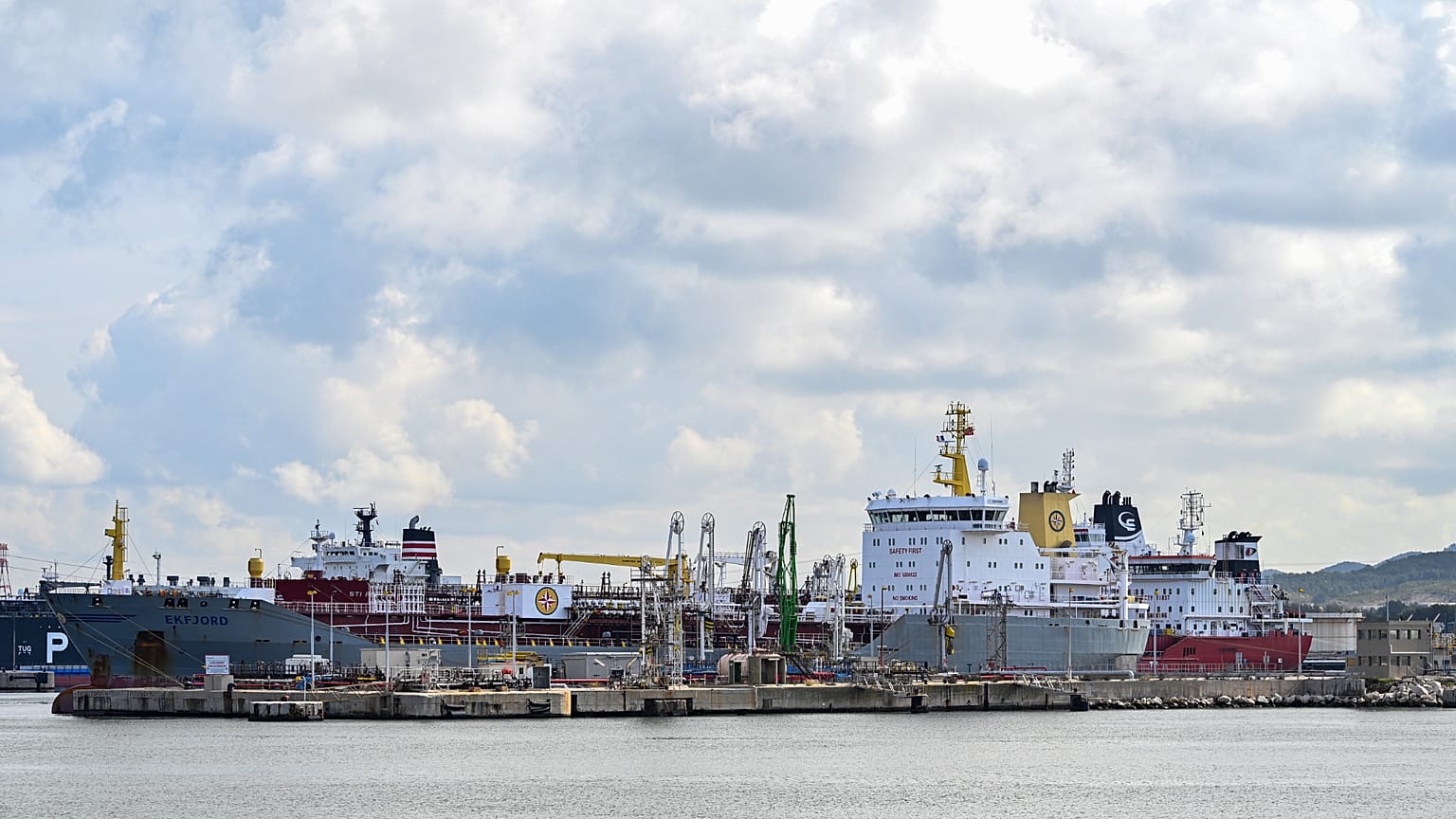
Beyond the battlefield, the Iran war is exposing fragile economic chokepoints from energy routes to fertilisers and industrial gases, raising concerns among economists that supply disruptions could shape global prices and trade long after the conflict ends.
Markets may be underestimating how damaging the Iran war could become for the global economy if the conflict drags on longer than investors expect, economists say.
“In my view, markets are underestimating the risk of a prolonged war,” Frederic Schneider, a senior fellow at the Middle East Council on Global Affairs, said.
If the war continues for another month and energy prices rise sharply, he said the consequences for the global economy could become severe.
“The worst-case scenario would be an economic slump combined with an interest rate hike to curb inflation,” Schneider said. Such a combination could trigger the bursting of asset bubbles and potentially lead to another debt crisis similar to the one seen in 2008.
Energy markets at risk
Much of the economic risk centres on the Strait of Hormuz, the narrow waterway linking the Gulf to global energy markets.
About a fifth of the world’s oil supply passes through the strait, along with a significant share of liquefied natural gas shipments that are crucial for energy security in Asia and Europe.
“The Strait is the most important global chokepoint for hydrocarbons and fertilisers and a key transshipment hub between Asia and Europe,” Schneider said, adding that even limited disruption there can quickly affect prices worldwide.
The shock is not limited to oil. Natural gas from the Gulf remains critical for countries in East Asia and for parts of Europe that are still adjusting to the loss of Russian gas following the war in Ukraine.
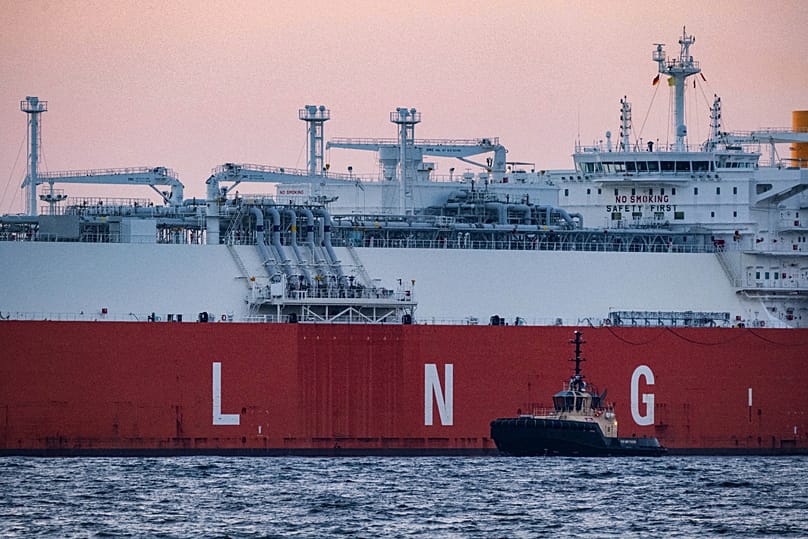
Higher fuel costs can spread through the wider economy because many industries depend heavily on transport and energy.
“The most important shockwave is certainly hydrocarbons, not only oil but also natural gas,” he said, noting that energy markets are often the first channel through which geopolitical conflict spreads into the global economy.
Hidden supply chain risks
Some of the consequences may also emerge in less obvious sectors. Schneider pointed to helium, which is produced as a by-product of natural gas extraction.
Qatar accounts for roughly a third of global supply, and the gas is essential for semiconductor manufacturing and medical imaging equipment.
Disruptions to production or shipping could therefore affect technology and healthcare industries far beyond the Middle East.
Other industrial materials could also face pressure. Sulphur, another by-product of hydrocarbon production used in copper processing and other industrial activities, could become harder to source if energy supply chains are disrupted.
Fertiliser and food pressure
Agriculture may face pressure as well if the conflict disrupts fertiliser production or trade. Schneider said the timing of the war could prove particularly sensitive because the current planting season is underway in many parts of the world.
“Another shock that may be longer-lasting even if the conflict were to end soon is the fertiliser bottleneck,” he said, explaining that reduced fertiliser supply during the spring planting period could translate into smaller harvests later in the year and higher food prices.
Even if the fighting itself proves relatively short-lived, some economic damage may linger.
Repairing damaged infrastructure and bringing shut-down energy capacity back online could take several months, Schneider said, prolonging supply bottlenecks across multiple industries.
The conflict may also reshape how businesses view the region. Global shipping companies could begin reassessing the risks of operating in the Persian Gulf, Schneider said, while investment, tourism and international talent may become more cautious about returning to the region.
Risk of stagflation
Rising energy prices could also complicate the task of central banks, which have spent the past two years trying to bring inflation under control.
Sustained increases in oil and gas costs could push prices higher again, forcing policymakers to delay interest rate cuts or even tighten monetary policy, Schneider said.
If the war drags on for weeks rather than ending quickly, the economic consequences could become far more severe.
A prolonged conflict combined with sustained energy price increases could create the conditions for stagflation, a rare combination of high inflation and weak economic growth that is difficult for policymakers to manage, he warned.
The Gulf region, Europe, East Asia and many developing economies would likely face the greatest pressure under such a scenario, although even the United States could feel the impact despite its growing energy independence.

No comments:
Post a Comment