No Time to Stop: Maintenance & Machinery Reliability in Cruise Operations
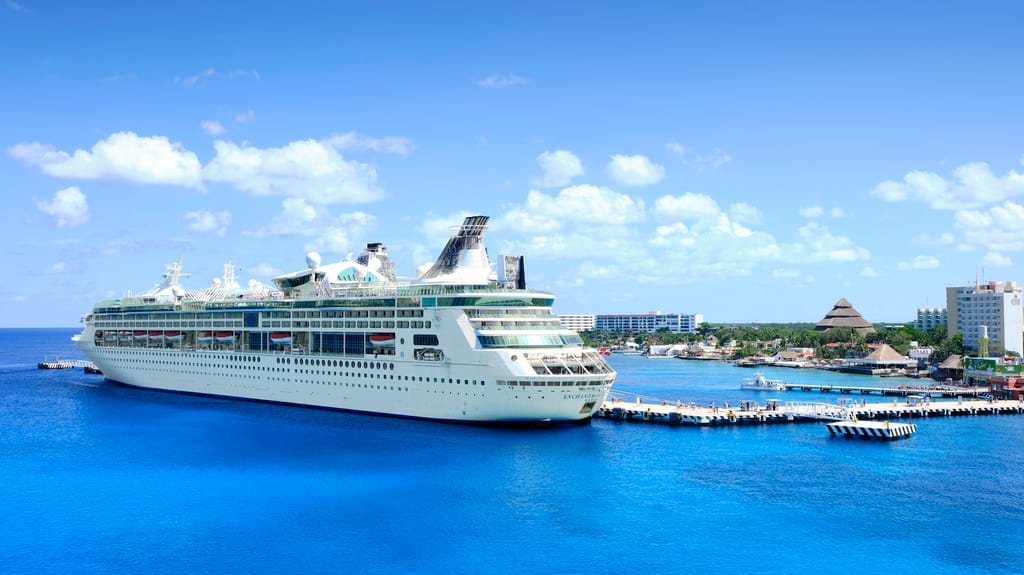
In cruise shipping, reliability is not simply an engineering target. It is the foundation of the entire voyage experience. A cruise ship may be designed with redundancy, automation, planned maintenance systems, and class-approved equipment, but it still operates in a demanding commercial environment where time is limited, and expectations are high. Unlike many vessels that can absorb delay as part of cargo operations, a cruise ship carries passengers whose itinerary, comfort, and safety depend on continuous technical performance.
This creates one of the most difficult challenges in modern cruise operations: keeping a highly complex vessel running safely while having very little time to stop. Propulsion machinery, generators, stabilizers, HVAC systems, freshwater production, wastewater treatment, elevators, galley equipment, refrigeration systems, and safety equipment must all remain reliable across changing routes, climates, and port schedules. A technical defect on a cruise ship is rarely just a technical defect. It can become a passenger issue, an itinerary issue, a regulatory concern, and, in serious cases, a liability exposure.
The Problem with Limited Repair Windows
The maintenance challenge begins with the cruise schedule itself. Cruise vessels often operate on repeated itineraries with short port stays and limited repair windows. Technical teams must plan inspections, servicing, corrective maintenance, and contractor attendance around passenger movement, port operations, bunkering, stores loading, safety drills, and hotel operations. Even when the ship is alongside, the vessel is not truly inactive. Air conditioning, lighting, elevators, galleys, refrigeration, freshwater, sewage systems, and hotel services continue to operate. For the technical department, the ship remains alive even when the engines are stopped.
This means that maintenance planning must be more disciplined than simply following calendar intervals. Modern cruise operations require risk-based maintenance decisions. Equipment should be assessed not only by manufacturer recommendations, but by operational consequences. A minor defect in a non-critical system may be managed until the next port call, while a developing problem in a generator, chiller plant, steering system, fire-detection loop, wastewater plant, or stabilizer system may require immediate escalation. The key question is not only "what is wrong?" but "what happens to the voyage if this system fails?"
Risk-Based Maintenance and Early Detection
Machinery reliability also depends heavily on early detection. Many major failures begin as small warning signs: abnormal vibration, temperature deviation, repeated alarms, oil analysis results, pressure fluctuation, unusual noise, increased consumption, or minor leakage. In a busy shipboard environment, these weak signals can be overlooked when the vessel is under schedule pressure. A strong technical operation treats these indicators seriously before they become failures. Condition monitoring, trend analysis, and disciplined reporting are therefore not administrative exercises; they are practical tools for protecting the voyage.
Spare-part planning is another major pressure point. Cruise ships cannot always rely on immediate shoreside support, especially when operating in remote regions or on tight itineraries. A missing spare part can convert a manageable defect into an operational disruption. Technical managers must therefore understand not only what parts are required, but which parts are voyage-critical. Inventory decisions should be guided by equipment criticality, supplier lead time, route availability, class requirements, and the potential consequences of failure. Over-reliance on last-minute procurement creates unnecessary risk.
Dry Dock Is Not the Whole Strategy
Dry dock remains essential, but it cannot be the only maintenance strategy. A ship that depends entirely on a dry dock to restore reliability is already operating reactively. Dry dock should be used for major overhauls, statutory work, structural repairs, underwater work, class surveys, and significant upgrades. However, daily reliability is built during normal operations. Planned maintenance, defect closeout, crew competence, spare management, and condition monitoring between dry docks determine whether the vessel arrives at its next major repair period in a controlled condition or in a state of accumulated technical debt.
Cruise ships also face a unique challenge because technical systems are closely connected to passenger perception. On a cargo vessel, a machinery issue may remain largely invisible if the ship can continue safely. On a cruise ship, passengers immediately feel the effect of air-conditioning failure, elevator outages, toilet system problems, hot-water issues, galley delays, internet failure, or excessive vibration. These issues may not always threaten seaworthiness, but they can damage the guest experience and create complaints, compensation demands, and reputational consequences. Technical reliability must therefore be understood as part of service delivery as well as marine safety.
Compliance, Crew Competency, and Commercial Pressure
Class and regulatory requirements add another layer. Cruise ships must remain compliant with statutory certificates, safety management systems, environmental rules, lifesaving appliances, fire systems, and machinery standards. When repairs are postponed, the technical team must understand whether the issue affects class, flag, port-state expectations, or safe manning obligations. Temporary repairs and operational limitations may be acceptable in certain circumstances, but they must be properly assessed, documented, and approved where necessary. Poor documentation can turn a manageable technical issue into a compliance problem.
Crew capability is central to machinery reliability. Modern ships are equipped with sophisticated automation and monitoring systems, but technology does not replace engineering judgment. Officers and engineers must understand the machinery, not merely respond to alarms. Training should focus on fault diagnosis, emergency response, system interdependence, and the operational consequences of technical decisions. A technically strong crew can often prevent disruption by identifying the correct problem early. A poorly trained crew may lose valuable time responding to symptoms rather than causes.
The relationship between technical operations and commercial operations must also be managed carefully. Commercial pressure is unavoidable in cruise shipping, but it should not override technical judgment. The safest operators create a culture where technical concerns can be escalated before they become emergencies. A delayed departure may be costly, but sailing with an unresolved critical defect may be far more expensive. The role of technical management is to balance voyage continuity with safety, compliance, and long-term reliability.
The Liability Dimension
From an insurance and liability perspective, machinery failures can have wide consequences. A propulsion problem may lead to deviation, missed ports, passenger claims, tug assistance, or salvage involvement. A blackout can affect safety systems and passenger welfare. A wastewater system failure can create environmental exposure. A fire-related machinery defect can involve crew injury, passenger risk, and regulatory investigation. In many cases, the technical cause becomes the starting point for a much larger claim chain.
The practical solution is a more integrated maintenance philosophy. Cruise operators should combine planned maintenance, condition monitoring, spare-part forecasting, defect trend review, class planning, and operational risk assessment into one clear technical picture. Maintenance should not be treated as a back-office engineering function. It is a front-line risk-control system that protects passengers, crew, itinerary, reputation, and financial performance.
Conclusion
The modern cruise ship has little room for technical complacency. Its systems are too interconnected, its schedule too compressed, and its public exposure too high. Keeping the vessel running is not simply a matter of fixing machinery when it breaks. It requires anticipation, planning, discipline, and the confidence to act before a defect becomes a voyage disruption. In cruise operations, there is often no time to stop, which is exactly why maintenance planning must start long before the machinery fails.
The Eight-Hour Test: How Cruise Ships Complete a Turnaround Day
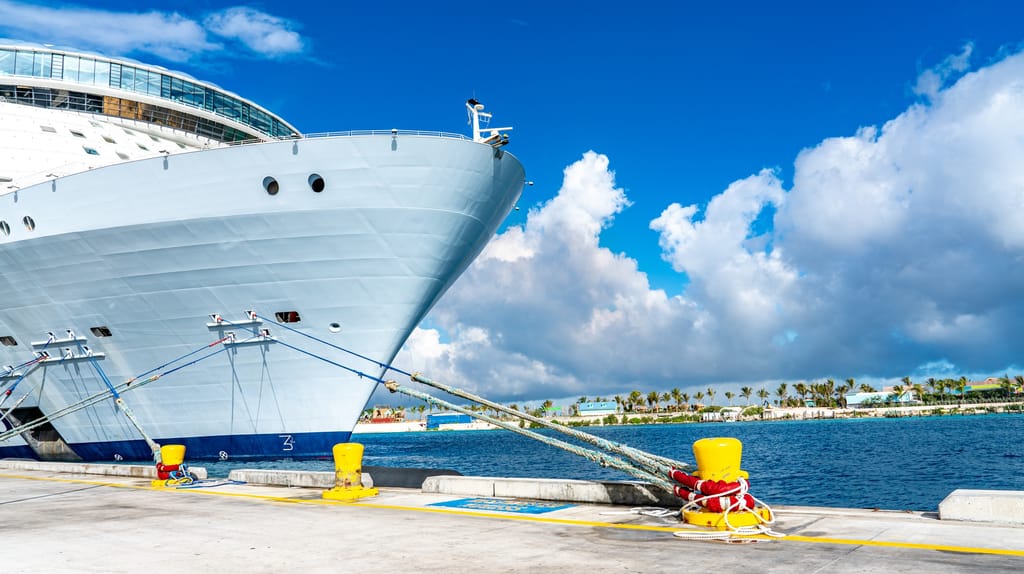
A cruise ship's turnaround day is often viewed from the passenger side as the end of one holiday and the beginning of another. For the vessel's crew and technical teams, however, it is one of the most demanding operational periods of the entire voyage cycle. Within a compressed window, thousands of passengers disembark, thousands more embark, luggage moves in both directions, provisions arrive, waste is discharged, inspections may take place, fuel or lubricants may be supplied, contractors may board, crew changes occur, and the ship must be prepared to sail again safely and on time.
This is why turnaround should not be treated as only a hospitality or terminal operation. It is a coordinated marine operation with significant technical, safety, and liability consequences. The ship may be alongside, but operational risk does not disappear. In some ways, it increases because many departments and outside parties are working at the same time in a limited space under strict time pressure.
Congestion, Time Pressure, and Sequencing
The first challenge is congestion. Turnaround involves simultaneous activity across the gangway, shell doors, mooring areas, stores-loading zones, waste-landing points, bunker stations, luggage routes, passenger terminals, engine spaces, and hotel areas. Each individual task may be routine, but the combination creates a complex risk environment. A contractor carrying equipment, a forklift moving provisions, a waste truck operating near the berth, passengers moving through the terminal, and crew preparing safety systems may all be part of the same operational picture. If coordination is weak, safe individual activities can create unsafe collective conditions.
Time pressure is the second challenge. Cruise ships operate on published itineraries, and departure delays can affect port slots, pilotage, weather routing, fuel consumption, guest satisfaction, and the next port call. This pressure can lead to shortcuts if the operation is not properly controlled. A strong turnaround operation recognizes that speed is important, but sequence is more important. The objective is not simply to finish quickly; it is to complete the necessary work in the correct order, with proper communication and risk controls.
Passenger Movement and Gangway Safety
Passenger movement creates one of the most visible risks. During disembarkation and embarkation, gangways, terminals, elevators, stairways, and public areas experience heavy traffic. Elderly passengers, children, mobility-impaired guests, and large volumes of luggage can increase the risk of slips, trips, falls, and congestion-related incidents. From a technical and safety perspective, gangway condition, lighting, handrails, weather exposure, tidal movement, ship movement, and terminal interface must all be monitored. A gangway is not just an access point; it is a controlled safety zone.
Stores loading is another area that deserves close attention. Cruise ships require large quantities of food, beverages, hotel supplies, spare parts, chemicals, cleaning products, and technical stores. Loading operations often involve cranes, forklifts, pallets, shell doors, elevators, and internal distribution routes. The risk includes dropped objects, lifting accidents, damaged provisions, blocked escape routes, fire-door obstruction, and contamination of food or sensitive supplies. The technical department must ensure that stores related to engineering, safety equipment and environmental systems are received, checked, and routed properly without interfering with passenger operations.
Bunkering, Waste Discharge, and Environmental Control
Bunkering and lubricant supply can create additional exposure. Even when fuel transfer is routine, it remains a high-consequence operation. Spill prevention, hose condition, communication with suppliers, scupper control, emergency shutdown arrangements, drip trays, documentation, and weather conditions all matter. The risk is greater when bunkering occurs alongside passenger embarkation, stores loading, or waste discharge. These operations must be separated, sequenced, or controlled so that one activity does not compromise another. A small spill during turnaround can quickly become a regulatory issue, a delay, and a reputational problem.
Waste discharge is equally important. Cruise ships must land garbage, food waste, recyclables, sludge, or other permitted waste streams in accordance with port requirements and environmental rules. The challenge is not only disposal, but documentation and segregation. Incorrect handling can create compliance issues and operational delays. Technical and environmental officers must confirm that waste streams are properly recorded and transferred to approved reception facilities. On a busy turnaround day, paperwork can be treated as secondary, but environmental documentation is part of the evidence that the ship operated correctly.
Maintenance and Contractor Control
Technical maintenance during turnaround requires careful judgment. Port time may provide the only opportunity to repair equipment, inspect systems, change parts, or bring contractors on board. However, this work must be assessed against sailing requirements and operational interference. A repair that disables a critical system too close to departure can create a delay or force the ship to sail with limitations. Work permits, isolation procedures, hot-work controls, enclosed-space entry, testing requirements, and class or flag approval must be considered. Turnaround is a useful maintenance window, but it is not an excuse for uncontrolled work.
Contractor management is another recurring issue. Contractors may be familiar with shoreside industrial work but less familiar with cruise ship operations, passenger movement, shipboard emergency procedures, or restricted areas. They may board for HVAC repairs, elevator maintenance, galley equipment service, automation work, safety-system testing, or hotel refurbishment. Every contractor should be properly briefed, supervised, and integrated into the permit-to-work system. A contractor accident or defective repair can expose the vessel to operational, legal, and insurance consequences.
Crew Change and Operational Handover
Crew changes also affect operational continuity. Joining crew members may need familiarization, safety briefings, cabin assignments, documentation checks, and department handover. Signing-off crew may still be involved in operational duties until relieved. Poor handover can lead to missed information about defects, pending work, temporary arrangements, or equipment limitations. In technical operations, handover quality is not a formality. It directly affects the ship's readiness for the next voyage.
A disciplined turnaround strategy begins before the vessel arrives in port. Departments should conduct pre-arrival planning that identifies critical activities, responsible persons, expected contractors, stores, waste operations, inspections, maintenance tasks, bunkering plans, and potential conflicts. The goal is to build one shared operational picture. When each department plans only for itself, the ship may meet individual task requirements while still creating overall risk.
iCommunication during turnaround must be clear and structured. Deck, engine, hotel, security, terminal staff, port agents, and contractors should understand what is happening, when it is happening, and who has the authority to stop an unsafe activity. Escalation procedures are essential. If a gangway becomes unsafe, a fuel-transfer issue arises, a contractor cannot complete work, or a critical defect is discovered, the ship must have a clear process for decision-making. Delay is not an option, but confusion may result in a risk.
From a P&I and liability perspective, turnaround incidents can create significant exposure. Passenger injury, crew injury, contractor accidents, pollution, cargo or provision damage, delay claims, equipment failure, and regulatory non-compliance can all begin during a few compressed hours alongside. The fact that the ship is in port does not reduce the operator's duty of care. In some respects, the number of interfaces with third parties increases the need for control.
Conclusion
The most effective cruise operators treat turnaround as a formal risk event rather than a routine port call. That means planning, sequencing, supervision, documentation, and post-operation review. Near misses should be recorded and discussed. Repeated congestion points, contractor delays, equipment failures, baggage bottlenecks, or unsafe passenger-flow issues should be analyzed. Each turnaround provides data that can improve the next one.
The "eight-hour test" is therefore not simply whether a ship can clear one group of passengers and welcome another. It is whether the vessel can complete a dense sequence of marine, technical, hotel, environmental, and safety operations without losing control of risk. A successful turnaround is not measured only by an on-time departure. It is measured by whether the ship sails with its systems ready, documentation complete, passengers safe, crew aligned, and unresolved risks properly managed.
Cruise ships are designed to deliver seamless experiences, but behind that appearance is a highly compressed operational reality. Turnaround day exposes the vessel to some of its most concentrated risks. Managing that risk requires more than efficiency. It requires technical discipline, interdepartmental coordination, and the willingness to slow down when safety requires it. In modern cruise operations, the ship's most important test may occur not at sea, but during the few hours when everyone believes it is simply getting ready to leave.
Priyatham Sanjeeva Reddy, Ramidi currently works in maritime technical and operational roles with a focus on the intersection of ship technical operations and risk management. The views expressed in the article are presented independently and do not represent those of any employer or organization.
The opinions expressed herein are the author's and not necessarily those of The Maritime Executive.

No comments:
Post a Comment