Thursday, July 23, 2026

'Demented old man at the helm': Trump skewered for Truth Social diplomacy 'failure'


Nicole Charky-Chami
July 23, 2026 
RAW STORY


White House Press Secretary Karoline Leavitt confirmed on Thursday that President Donald Trump has used Truth Social to announce changes to the Saudi nuclear deal, sparking backlash online.

Leavitt told reporters during a White House press conference that Trump had made the public comments despite the fact that he had not consulted them this time.

"As you know, the president just put this statement out a few hours ago," Leavitt said. "I don't believe he's had a call with MBS in the hours since. However, this is something that he has raised in previous conversations and has also said many times in the past."

Social media users responded to the change.

Journalist Aaron Rupar shared a clip from the press conference and noted the significant shift.

"Leavitt confirms that Trump is unilaterally changing the terms of the Saudi nuclear deal via Truth Social posts without even contacting any Saudi officials," Rupar wrote on X.

Others were quick to point out the president's move.

"This is why Trump is a failure on the world stage," Vince Wilson, a YouTube creator and liberal political commentator, wrote on X. "It’s all theatrics."

U.S. politics and culture historian Joanne Freeman suggested Trump's post represented a repeating pattern.

"He will never stick with any deal," Freeman wrote. "He will never accept that he has lost…anything. He sees nothing but himself. Pretty clear by this point."

Oeishik a political commentator, with more than 11,000 followers, openly mocked Trump's tactic.

"That's one way to do diplomacy, I guess. In this upside-down world," Oeishik wrote.

Denison Barb, a progressive commentator with more than 19,000 followers, responded on X, When you have a demented old man at the helm no one knows what's going on."


Trump DOJ withdraws subpoenas against NYT reporters over Qatari jet story: report

Matthew Chapman
July 23, 2026 
RAW STORY


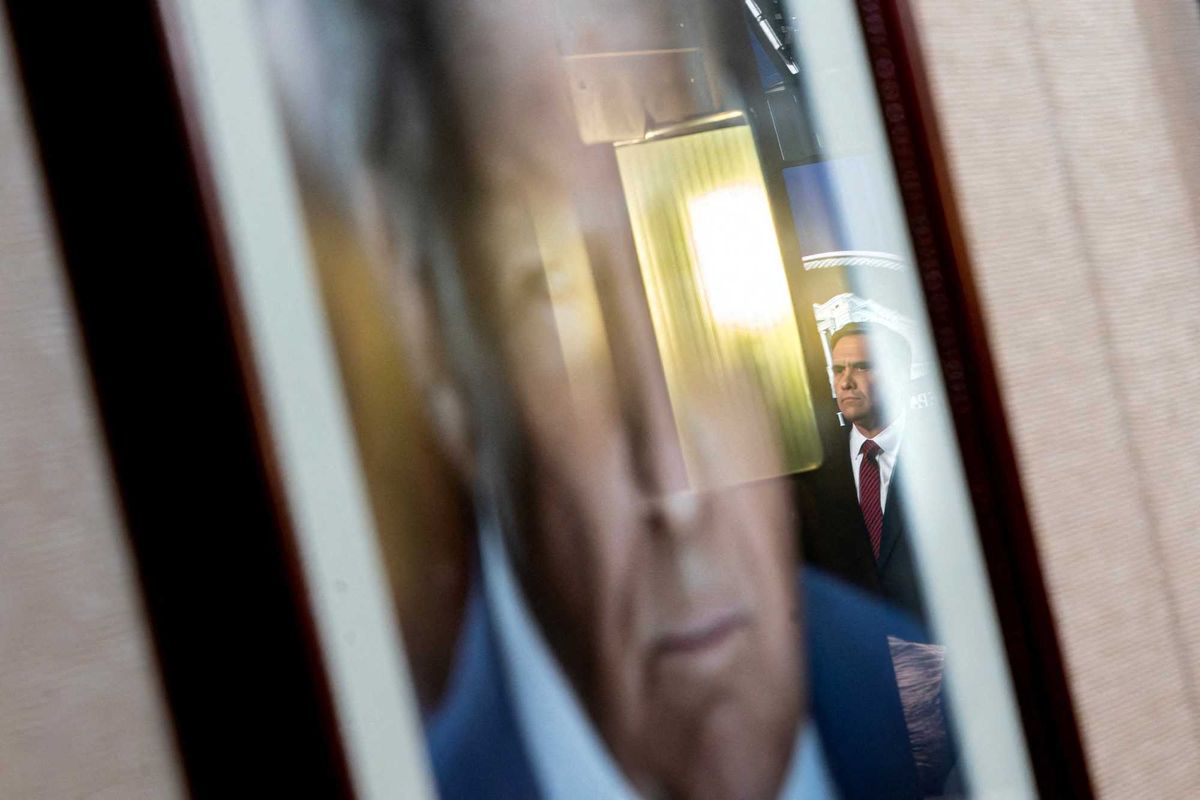
Acting U.S. Attorney General Todd Blanche is seen reflected in a photograph of U.S. President Donald Trump while announcing a second indictment of former FBI Director James Comey during a press conference at the Justice Department in Washington, D.C., U.S., April 28, 2026. REUTERS/Nathan Howard

Federal prosecutors in President Donald Trump's Justice Department have withdrawn a controversial set of subpoenas against New York Times reporters.

According to the Associated Press, the subpoena withdrawals "followed a remarkable back and forth between a visibly irritated Judge Arun Subramanian and government attorneys. They come at a time when the Trump administration is vigorously going after news organizations whose reporting and coverage it doesn’t like — and also trying to crack down on leaks inside the government."

The subpoenas applied to three New York Times reporters who broke news about security problems with the Qatari jet intended to be the president's new Air Force One.

The leak of that information prompted a massive scramble at the DOJ to find who was responsible for spilling it, which focused on trying to extract it from the reporters themselves, a move that some have argued likely violated the DOJ's own press freedom guidelines.

In the exchange in court, Subramanian "said he otherwise would have granted the newspaper’s request to reject the subpoenas because laws and regulations pertaining to subpoenas served on journalists maintain that they should be issued as a last resort in an investigation," forcing DOJ's hand to withdraw them.

Jen Psaki throws Trump's words in his face over damning 'confession' about his Qatari jet

Matthew Chapman
July 20, 2026
RAW STORY


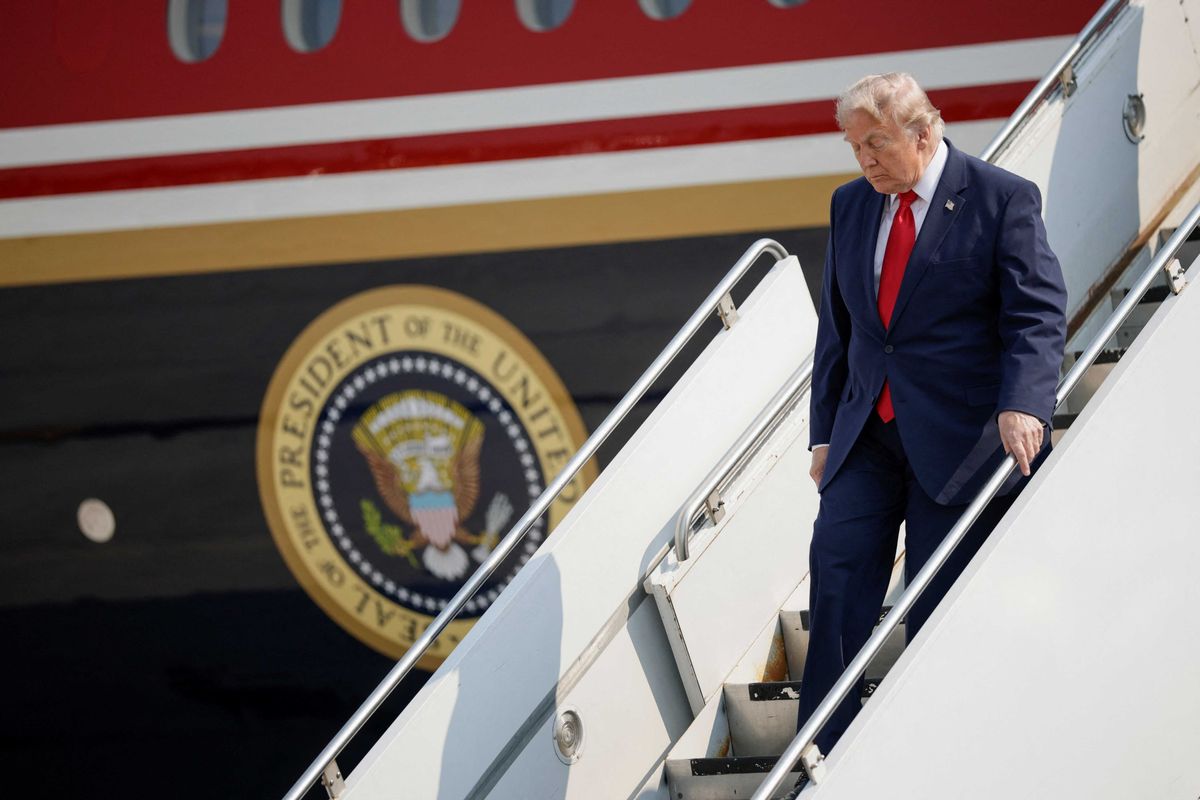
U.S. President Donald Trump disembarks the new Air Force One, a plane gifted by the Qatari government, as he arrives at Bismarck Municipal Airport in Bismarck, North Dakota, U.S., July 1, 2026. REUTERS/Evan Vucci

President Donald Trump is changing his story in real time about the temporary mothballing of his new Air Force One gifted to him by the Qatari government, MS NOW's Jen Psaki said on Monday evening — finally admitting that it had been a security issue all along while targeting the journalists who forced him to come clean.

"Remember that despite literally switching back to the old Air Force One plane before leaving the NATO summit earlier this month, despite the Secret Service telling reporters on that flight to keep their blinds down for safety, Trump denied to reporters that there were any safety concerns," said Psaki, playing a clip of the president from earlier this month.

In the clip, a reporter asked Trump, "So, you're saying there's no security concern?" and he replied, "No. Why would there be?"

"That was Trump being really cagey about the Qatari plane less than two weeks ago," said Psaki — an attitude completely different from what he told reporters yesterday.

In the second clip, when a reporter noted to Trump that the plane reportedly has no missile defense system, he replied, "Well, it has a lot. And it has a lot of capability. But as I understand it, in about a month or so, they're going to send it to have it be maxed out. So they're going to be sending it, and they'll have it maxed out. It'll take about a month."

"That's right — after insisting there were no security concerns, Trump now says the plane is going to be taken out of service so it can be 'maxed out,' as he called it, or upgraded," said Psaki — basically a confession that the New York Times story on the jet's vulnerabilities was spot on the money.

Despite this, however, "the administration has spent the past few weeks not just denying the New York Times reporting about the new plane, but trying to get the journalists behind it to out their sources," said Psaki. "A week and a half ago, federal agents showed up at the homes of the Times reporters who broke that story and served them with subpoenas. And today, we learned that the Trump administration has since sought the phone records of one of the reporters' mothers and two of the reporters' spouses."


Trump’s Captive Nations Week Proclamation Focuses More On Threats In US Than On Those Elsewhere – OpEd


July 23, 2026 
By Paul Goble


Key Takeaways:

Captive Nations Week Proclamations Have Evolved: Originally focused on communist repression, the annual declarations have broadened over time, with Biden emphasizing opposition to repression by any regime (listing Russia first) and Trump framing it as a defense of American liberty against communism and socialism both abroad and at home.

Biden’s Approach Was Internationalist and Inclusive: His 2022 proclamation highlighted nine repressive regimes (only three communist) and stressed U.S. solidarity with global human rights advocates, linking domestic and foreign repression.

Trump’s 2026 Proclamation Is More Domestic and Ideological: Trump focused almost entirely on the threat of communism to American values, emphasizing religious liberty, free markets, and national sovereignty, while vowing never to allow the U.S. to become communist or socialist.


Since the US Congress in 1959 required that the president declare the third week of July Captive Nations Week, the content of those declarations have evolved as the world has changed and as US policy has as well. Up until the collapse of the Soviet bloc and the USSR, they focused on peoples being repressed by communist governments there.

Then, since the victories over communism in 1989 and 1991, these proclamations focused in the first instance on the often tragic situations of peoples living in the remaining communist countries, in particular China. But in the last several years, these presidential messages have moved in two new and very different directions.

In 2022, then-president Joe Biden broadened the targets of the message from those who continue to call themselves communist to all those who act as the communists have mindful that communism is evil not because of its name but because of its action (windowoneurasia2.blogspot.com/2022/07/biden-reinvigorates-captive-nations.html).

In his proclamation Biden made three key points: First, Captive Nations Week is not about anti-communism per se but rather against repression, regardless of what the states carrying it out call themselves. Only three of the regimes he lists among the world’s most repressive are communist – Cuba, North Korea and the People’s Republic of China.

The other six are either former communist countries or have never been communist – Russia, Iran, Belarus, Syria, Venezuela, and Nicaragua – and it is no accident that the US president listed Russia first among all these countries, not because of its communist roots but because of its continuing imperialist and repressive behavior.

Second, Biden was explicit that governments which repress their peoples at home as all nine of these countries do seek to repress others abroad through various kinds of repression. Russia’s invasion of Ukraine is only the most obvious case of this; and it is no surprise in the current environment that the American president focuses on that.

And third, and this may be the most important aspect of his message, Biden made it clear that Americans can’t remain unconcerned about such repressive be it within countries or between them and their neighbors. They must “stand in solidarity with the brave human rights and pro-democracy advocates around the world.”

In his proclamation this week, President Donald Trump goes in a different direction. He does not mention a single country communist or not for attention with one singular and unprecedented exception. He says that the American commitment to the cause of liberty must “hold firm” not just abroad but “at home as well” (whitehouse.gov/presidential-actions/2026/07/captive-nations-week-2026/).

“Today,” President Trump says, “communism remains the gravest threat our Nation faces, and my Administration is confronting it with relentless determination. Under my leadership, we are defending the sacred rights at the heart of our Republic: life, liberty, the pursuit of happiness, and the freedom to worship Almighty God without fear.”

“That same promise drives us to usher in a new Golden Age of prosperity, safeguarding the free market that fuels our greatness and unleashing the boundless abundance of our economy for every citizen,” Trump continues, arguing that by “preserving these blessings, America offers hope to every captive people who dream of sharing in them and to the nations yearning to be free.”

President Trump continues: “For over 250 years, our Nation has stood as the world’s beacon of liberty, and during Captive Nations Week, we vow never to forget the oppressed suffering under communist regimes. America will never be a communist country, and we will never bow to socialism or the evil ideologies that seek to destroy the essence of who we are as a people and what we stand for as a Nation.”

And he concludes: “We stand with all who yearn to breathe free, are imprisoned for speaking truth, punished for their faith, and denied the abundance that liberty alone can bring. Together, we will continue to champion peace, prosperity, sovereignty, religious liberty, and human dignity around the world – and as long as America stands, the cause of freedom will never be extinguished.”

China Primer: Understanding The People’s Liberation Army (PLA) – Analysis


Soldiers with the People's Liberation Army at Shenyang training base in China. 

DoD photo by Staff Sgt. D. Myles Cullen, U.S. Air Force.


July 23, 2026 
Congressional Research Service (CRS).
By Caitlin Campbell


Key Takeaways:

PLA Is Undergoing Major Modernization: The People’s Liberation Army is transforming from a large, low-tech ground force into a more technologically advanced, joint, and power-projecting military, with goals of “world-class” status by 2049, accelerated informatization/intelligentization by 2027, and basic modernization by 2035.

Key Capabilities and Structure: The PLA includes four services (Army, Navy, Air Force, Rocket Force) and four service arms (Aerospace, Cyberspace, Information Support, Joint Logistics). It features a large navy, advanced missiles, expanding nuclear forces,
 cyber/space capabilities, and growing global reach, though joint operations and leadership cohesion remain uncertain.

U.S. Policy Focus: Congress and the Pentagon view the PLA as the “pacing challenge.” Issues for Congress include funding, oversight of U.S.-China military competition, export controls, and balancing deterrence with broader priorities amid China’s military buildup and nuclear expansion.


Overview


The People’s Liberation Army (PLA) serves the Communist Party of China. Established in 1927, it carried that party to victory in the country’s civil war, which concluded with the 1949 founding of the People’s Republic of China (PRC, or China). Since 1978, PRC leaders have sought to transform the PLA from an infantry-heavy, low-technology, ground forces-centric military into a leaner, more networked, high-technology force with an emphasis on joint operations and power projection.


PLA Organization


The PLA encompasses four services (the Army, Navy, Air Force, and Rocket Force) and four service arms (the Aerospace Force, Cyberspace Force, Information Support Force, and Joint Logistics Support Force). The party oversees the PLA through its Central Military Commission (CMC), which serves some functions similar to those of the U.S. Joint Chiefs of Staff. The CMC also oversees a paramilitary force, the People’s Armed Police (which includes the China Coast Guard), and China’s militia forces. Xi Jinping, the general secretary of the Communist Party of China and PRC president, chairs the CMC.


In 2015, Xi launched the most ambitious reform and reorganization of the PLA since the 1950s. This overhaul appears to have two overarching objectives: (1) reshaping and improving the PLA’s structure to enable joint operations among the services; and (2) eliminating pervasive corruption and ensuring PLA loyalty to the party and Xi. More than a decade later, Xi’s effort to reshape the PLA remains a work in progress. He has continued to adjust the PLA’s command structure, and since 2022 appears to have removed or sidelined more than 100 senior officers, including several CMC members. The CMC, which had 11 members when Xi came to power, now has one sitting member aside from Xi. The scale and opacity of these personnel changes have led some experts to raise questions about the PLA’s political cohesion and combat readiness.

China’s Military Strategy and Goals

The stated goal of China’s national defense policy is to safeguard the country’s sovereignty, security, and development interests. The concept of “active defense”—the defining characteristic of PRC military strategy since 1949—prescribes how China can use defensive and offensive operations and tactics to achieve these goals in the face of a militarily superior adversary.

China’s military strategy focuses in large part on preparing for a possible conflict involving the United States over Taiwan—the self-ruled island of 23 million people off the coast of mainland China over which the PRC claims sovereignty. (See CRS In Focus IF12481, Taiwan: Defense and Military Issues.)

The PLA also seeks to secure and defend China’s territorial claims in the South and East China Seas, and along the China-India border. As PRC economic and diplomatic interests and influence have expanded, China’s leaders have tasked the PLA with global missions such as distant sea lane protection, United Nations peacekeeping operations, and the protection of PRC citizens abroad. The PLA established a naval base in Djibouti in 2017, inaugurated a “Joint Logistics and Training Center” at Ream Naval Base in Cambodia in 2025, and “has likely also considered basing in” 21 other countries around the world, according to the U.S. Department of Defense (DOD, which is “using a secondary Department of War designation” under Executive Order 14347 dated September 5, 2025).

PLA Modernization and Key Capabilities

A guiding principle of PLA modernization and strategy since the mid-2000s has been the concept of “informatization,” or the application of advanced information technology across all aspects of warfare. More recently, China’s leaders also have called for the “intelligentization” of the PLA, reflecting their expectations that artificial intelligence and related technologies will have a transformational effect on warfare.

Xi has set the goal of shaping the PLA into a “world-class” force by 2049, the 100th anniversary of the PRC’s founding and the year by which Xi has stated he aims to achieve “the great rejuvenation of the Chinese nation.” Xi publicly set two interim goals: to “accelerate” informatization and intelligentization by 2027 and to “basically complete” military modernization by 2035. Key features of the PLA today include the following:An approximately 332-ship navy (numerically the world’s largest) that includes modern and advanced platforms such as submarines, aircraft carriers, large multi-mission surface vessels, and uncrewed systems, and that advances the PLA’s ability to conduct naval combat operations in its immediate periphery and sustained noncombat operations further afield.

Air forces increasingly capable of providing long-range airpower projection and air and missile defense capabilities, featuring uncrewed systems and a fighter jet fleet of 2,200, comprising primarily advanced (fourth-generation and some fifth-generation) aircraft.
A diverse ground-based missile force featuring 2,750 ballistic missiles of short- to intermediate-ranges, 400 intercontinental ballistic missiles, and 300 ground-launched cruise missiles. The PLA fields some missiles that can carry conventional or nuclear warheads, as well as anti-ship missiles and missiles armed with hypersonic glide vehicles.
An expanding and diversifying nuclear force, featuring a nascent nuclear triad (the ability to launch nuclear weapons from land-, sea-, and air-based platforms) and, according to DOD, an estimated nuclear warhead stockpile “in the low 600s,” estimated to exceed 1,000 warheads by 2030.

Sophisticated cyber espionage and attack forces designed to disrupt an adversary military’s ability to mobilize in conflict.

Space capabilities to locate, track, and target forces on earth, as well as counterspace capabilities such as anti-satellite missiles, co-orbital satellites, electronic warfare, and directed-energy systems.

The extent to which the PLA is able to leverage these capabilities effectively—particularly in a coordinated or “joint” fashion—is unclear. The PLA last fought a war in the 1970s. In some areas, according to some observers, the skillsets of PLA leaders and operators may not be keeping pace with technological advances in equipment. A decade into Xi’s sweeping reform and reorganization, it is unclear whether the PLA’s leadership, bureaucracy, and command structures may undergo further change. Analysts have debated the impact that frequent personnel changes, corruption, opacity, a highly centralized command and control apparatus, and an intense focus on political education and party fealty may have on the PLA’s operational effectiveness. DOD assessed in 2025 that Xi’s anti-corruption campaign and associated personnel changes could improve readiness in the long term, but “very likely risk short term disruptions” in operational effectiveness.

China’s Defense Expenditures

China is the world’s second-largest spender on defense after the United States. Economic growth has supported a steady increase in the PRC’s defense budget since the 1990s. China’s official 2026 defense budget is around $281 billion. Experts estimate China’s defense spending is much higher than it reports (e.g., DOD estimated that in 2024, defense spending was 32-63% higher than China’s official budget).

China seeks to augment its military investments by leveraging commercial advances—particularly in high-technology areas—through a multi-pronged “military-civil fusion” strategy. PRC defense companies have benefitted from foreign joint ventures and technology licensing, and reportedly from the theft of foreign technology.

Issues for Congress

U.S. policymakers and observers have often described China’s military buildup as a threat to U.S. and allied interests. Since 2021, DOD has referred to China as the “pacing challenge” for the U.S. military. This assessment reflects concerns about PLA capabilities (many of which appear designed to counter U.S. military power), China’s growing economic and geopolitical power, and PRC leaders’ statements about the country’s regional and global intentions. Several government and nongovernmental assessments have concluded that the PLA’s ability to challenge U.S. military superiority in some areas has increased over time. Observers have debated whether China could prevail in a regional conflict—for example, over Taiwan—in the coming years. The 2026 National Defense Strategy states that the Trump Administration seeks “to ensure that neither China nor anyone else can dominate us or our allies,” and to achieve “a balance of power in the Indo-Pacific that allows all of us to enjoy a decent peace.”

Policymakers and experts also have debated how best to respond to China’s growing military capabilities and nuclear arsenal in the face of competing priorities and limited resources. Some have argued the United States must pursue military primacy over China to ensure the United States can credibly deter—and if necessary, deny, and punish—PRC military adventurism. Others have assessed that maintaining long-term U.S. military dominance over China in the Western Pacific is unrealistic in light of China’s growing military resources and “home field” advantages, and U.S. domestic challenges and global commitments. Based on this assessment, some experts have argued the United States should seek to deter PRC aggression in ways that do not rely on force-on-force dominance in all domains and scenarios (e.g., relying more on allies and partners). As Congress deliberates approaches for addressing China’s growing military prowess, Members may consider legislative tools available for advancing congressional intent.


Selected Legislative Tools


Authorizations and Appropriations. The annual National Defense Authorization Act (NDAA) has been the primary legislative vehicle by which Congress has sought to enhance the United States’ ability to compete with China in the national security realm. NDAAs have included numerous provisions explicitly and implicitly aimed at competing with China. Congress has also funded through appropriations legislation programs aimed at enhancing U.S. military competitiveness vis-a-vis China.

Policy Oversight. Congress has directed the executive branch to submit numerous reports pertaining to China’s military, U.S.-China military competition, and related issues. Some such reports have been produced on a regular (often annual) basis. Some of these reports are classified or exclusively for Congressional recipients; others are public. Since 2001, pursuant to the NDAA for FY2000 (P.L. 106-65, as amended), Congress has required DOD to submit the Annual Report to Congress: Military and Security Developments Involving the People’s Republic of China. DOD often refers to the report, published most recently in December 2025, as the “China Military Power Report.”

The FY2000 NDAA established limits on, and enhanced Congressional oversight of, U.S.-China military exchanges and contacts by prohibiting any DOD interaction with the PLA that would “create a national security risk due to an inappropriate exposure” of the PLA to certain operational areas of the U.S. military (e.g., force projection operations, advanced joint combat operations, and access to a DOD laboratory).


About the author: Caitlin Campbell, Analyst in Asian Affairs

Source: This article was published by the Congressional Research Service (CRS).

About CRS
The Congressional Research Service (CRS) works exclusively for the United States Congress, providing policy and legal analysis to committees and Members of both the House and Senate, regardless of party affiliation. As a legislative branch agency within the Library of Congress, CRS has been a valued and respected resource on Capitol Hill for nearly a century.
View all posts by CRS →
Sovereign Wealth Funds Need Legal Clarity As Their Scale And Mandates Expand – Analysis

July 23, 2026 
By Yan Liu

Sovereign wealth funds have become some of the most powerful players in global finance. They now manage more than $16 trillion in total assets, up from about $3 trillion in 2008. Their ability to act nimbly, diversify public wealth, and invest for the long-term have important and lasting benefits for citizens today and future generations.

As funds have grown, their mandates have rapidly expanded beyond cushioning government budgets and stewarding intergenerational savings to roles as diverse as building infrastructure and implementing social and industrial policy. Increasing geopolitical fragmentation has intensified the appeal of these funds as countries seek to be more self-reliant. Funds can boost domestic resilience, preserve national wealth, advance national development objectives, and foster economic dynamism. With projects spanning private equity, real estate, and technology, they have become some of the world’s most influential investors.


While these funds are key players in managing public funds, their massive and complex footprint could pose critical vulnerabilities. Vague and overlapping mandates can weaken accountability and weigh on performance. Weak governance can allow misappropriation, as shown by the high-profile failures of some funds. Funds operating as parallel fiscal authorities and bond buyers without clear fiscal anchoring may risk distorting government budgets, obscuring public debts, and complicating tax treatment cross-border.


Looking across borders, funds partnering on projects concentrate their risk exposures, making a shock to one investor a risk to all. National objectives may also diverge, for instance one partner prioritizes domestic job creation while another focuses on financial returns, weakening governance and investor credibility. And if relations among partner countries sour, it can be difficult to protect assets or exit a project.

These vulnerabilities can be mitigated, however, through strong laws. Internationally accepted guidelines and practices such as the Santiago Principles, developed in 2008 by 26 funds with IMF support, have served as a valuable guide. However, as funds have grown significantly in size, complexity and diversity since then, it is important to examine more closely how funds are structured and governed.
Getting mandates right

Start with the mandate, the binding legal framework that serves as an institutional roadmap by specifying fund objectives, functions, and powers.


When clearly articulated, these objectives anchor decision-making and align investment strategies with national priorities. Commodity exporters, for instance, prioritize short-term fiscal stabilization, as shown by Chile’s Economic and Social Stabilization Fund. Wealthier economies focus on long-term savings, as seen with Norway’s Government Pension Fund Global, the New Zealand Superannuation Fund, and the Future Ireland Fund.

The Indonesia Investment Authority, meanwhile, demonstrates how emerging and developing economies tend to emphasize development objectives, including economic diversification. In some circumstances, multiple objectives may be warranted. In historically oil-dependent economies such as the United Arab Emirates, wealth funds may combine stabilization and economic diversification roles. For Singapore’s two funds, by contrast, the overriding objective is long-term savings, with Temasek supporting strategic sectors and domestic economic development, while GIC invests internationally.

Pursuing multiple mandates, however, can involve difficult tradeoffs. Clear purpose is essential for guiding fund managers while preserving each mandate’s binding force. Overly broad mandates with multiple and potentially conflicting objectives in a single fund can create risks. Risks are heightened when mandates expand without corresponding governance and oversight adjustments.

Legal separation—whether through separate funds or clearly segregated sub-funds—is often a better way to pursue different mandates while ensuring clarity and operational coherence. The Nigeria Sovereign Investment Authority provides a clear example, with its stabilization, future generations, and infrastructure funds legally ring‑fenced. Norway, meanwhile, operates a single fund as a long-term savings vehicle, investing exclusively abroad with a strong legal framework. Its stabilization function is achieved through the fiscal framework, which limits annual budget transfers to expected returns on the fund.


These examples also highlight that a fund’s legal form should follow its mandate. Stabilization funds designed to manage liquidity and short‑term fiscal volatility are often structured simply as accounts managed by separate units in central banks or treasuries. Savings funds, which typically pursue higher‑risk, less liquid investments, require a more extensive legal framework, including independent boards with fiduciary duties and robust internal controls. As some funds assume domestic and strategic roles, they may resemble state‑owned holding companies, and be better governed under corresponding law.
Governance and integration

Once the legal form is fit for purpose, the next step is grounding governance in law with statutory allocation of powers, enforceable fiduciary duties, transparent reporting, and effective oversight. As wealth funds move into more complex direct and unlisted investments, governing bodies must be legally empowered to exercise informed, independent supervision of partnerships and transactions. Laws requiring that board members have a balanced set of skills and expertise, institutionalized audit and risk management, and robust internal control functions act together to ensure good governance.

To avoid funds serving as shadow treasuries—without institutional controls and oversight, or with undue political influence—they should be explicitly integrated into the broader fiscal and public finance legal framework.

Funds are best placed to enjoy operational autonomy when it is clearly defined in law. This includes defining rules on deposit and withdrawal and oversight by the legislature and civil society. Coherence between a fund’s legal framework and fiscal laws is essential to its resilience and legitimacy, and the overall effectiveness of public spending.
Legal backbone

Given sovereign wealth funds’ growing scale and strategic importance, robust legal frameworks are essential to ensure each best serves the people of their countries. They also help ensure the sector can help foster global financial stability. Law should be the foundation of funds’ effectiveness, not a constraint.

The Santiago Principles underpin governance. But growing complexity calls for renewed scrutiny of their assumptions, and more targeted operational guidance to translate them into robust domestic legal frameworks. Since these high-level principles were largely designed for passive, index‑based investors, they do not fully capture the more granular governance and disclosure issues raised by today’s more active investment models, including state-owned enterprises, direct investments, unlisted equity stakes, private equity transactions, and co-investments.

Through bilateral and multilateral surveillance, financial-sector assessments, and technical assistance, the IMF supports countries in anchoring funds in sound public law, fiscal discipline, and public accountability. Applying the Santiago Principles meaningfully in today’s transformed investment landscape requires the renewed collective engagement of all stakeholders. The IMF is ready to support such efforts.


Source: This article was published by IMF Blog

About Yan Liu
Yan Liu is General Counsel and Director of the Legal Department of the International Monetary Fund. She advises the IMF’s Executive Board, management, staff, and country membership on all legal aspects of the Fund’s operations, including its lending, surveillance, capacity development, regulatory and advisory functions.
View all posts by Yan Liu →
Turkey’s Defence Exports To GCC States – Analysis

The Turkish-made Anka-S uncrewed aerial vehicle can operate for 30 hours. 
TURKISH AEROSPACE INDUSTRIES


Key Takeaways:

Turkey Has Become a Major Arms Exporter to the Gulf: Turkish defence exports to Gulf states (particularly the UAE, Saudi Arabia, and Qatar) have grown significantly, accounting for nearly half of Türkiye’s total arms exports between 2000–2025, driven by combat-proven systems like Bayraktar drones, armoured vehicles, and missiles.

Shift from Sales to Strategic Partnerships: Cooperation is evolving beyond traditional arms sales toward technology transfer, joint production, training, and co-development (e.g., EDGE Group–Baykar integration of munitions with AKINCI and TB2 drones), reflecting deeper defence-industrial ties.

Broader Geopolitical Context: Normalisation after the 2021 Al-Ula Declaration, Gulf diversification of security partners, and Türkiye’s faster delivery and fewer end-use restrictions have facilitated expanded cooperation, positioning Ankara as an important emerging defence player in the region.


Türkiye has emerged as one of the world’s fastest-growing defence exporters and transformed its indigenous defence industry into a key instrument of foreign policy and regional influence. This transformation has been driven by the Presidency of Defence Industries (SSB), which coordinates export strategy, alongside firms such as Baykar, Roketsan, Otokar, and Nurol, whose platforms account for the bulk of Turkish deliveries to the Gulf states.[1] According to the latest Stockholm International Peace Research Institute (SIPRI) report, Türkiye accounted for 1.8 per cent of global exports of major arms during 2021–25, up from 0.9 per cent in 2016–20, making it the world’s 11th largest arms exporter.[2] Notably, the volume of Turkish arms exports increased by 122 per cent from 2016–20 to 2021–25, reflecting the rapid expansion of its indigenous defence industry and growing international demand for its combat-proven military systems.

The SIPRI Trend Indicator Value (TIV) is a metric used to measure the volume of international transfers of major conventional weapons, reflecting the military capability and quantity of weapons transferred. It does not reflect the actual financial value of arms transfers. SIPRI TIV data for 2000–2025 indicate that the Gulf has remained a major market for conventional arms imports, with Saudi Arabia recording the highest cumulative import volume (40,237 million TIV), followed by the United Arab Emirates (25,560 million TIV) and Qatar (16,183 million TIV).[3]Although import levels have fluctuated over time, Gulf States have consistently relied heavily on external suppliers for major defence acquisitions.


Figure 1 demonstrates the growing regional orientation of Türkiye’s defence exports, with the United Arab Emirates (20.52 per cent) and Saudi Arabia (12.12 per cent) emerging as its largest export destinations. Together with exports to Qatar, Bahrain and Iraq, nearly half of Türkiye’s total arms exports are directed to West Asia, including the Gulf region.
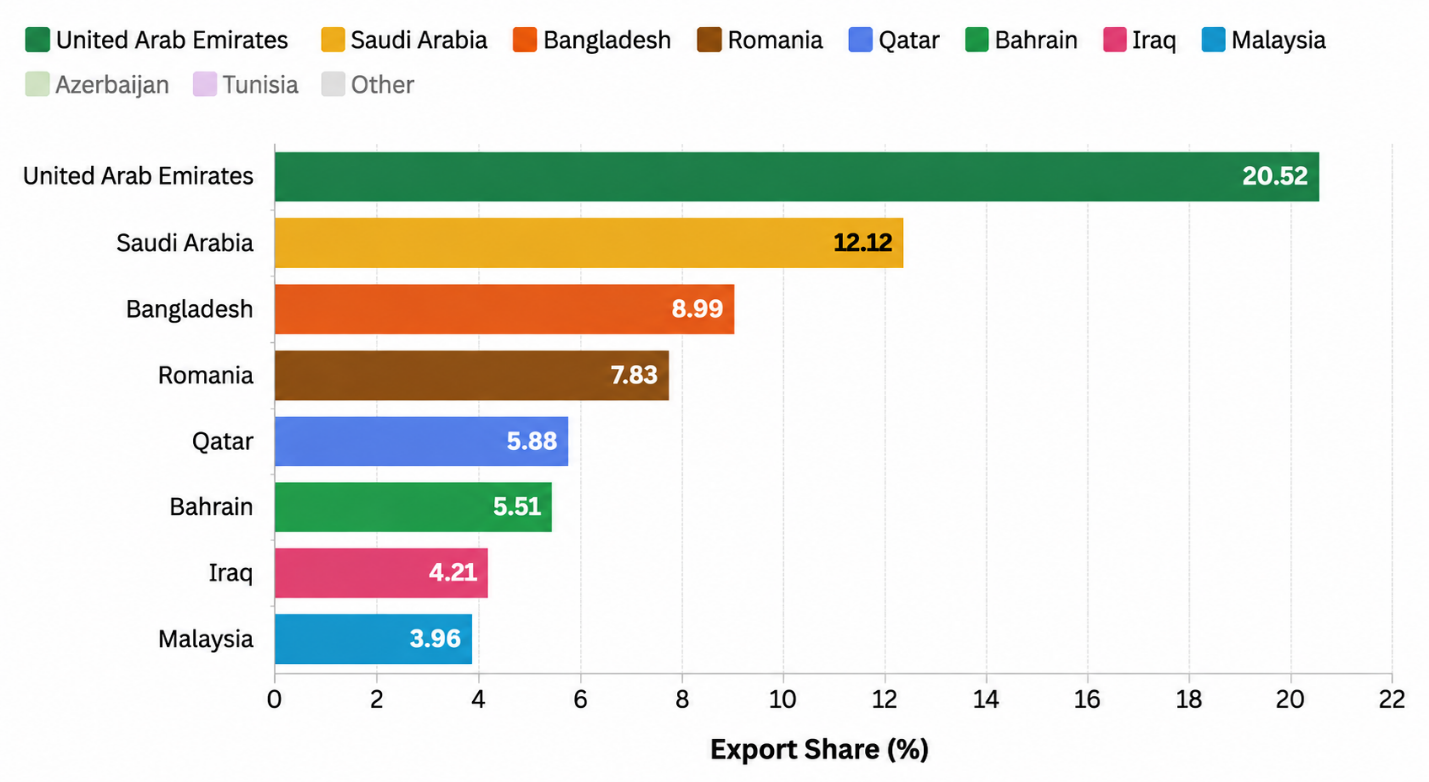
Figure 1. Türkiye’s Arms Export Destinations and Shares (2000–2025): Source: Adapted from “The Gulf’s Need for Arms in the Shadow of War and Türkiye’s Rising Defense Industry”, Foundation for Political, Economic and Social Research (SETA), 29 April 2026. Based on cumulative 2000–2025 data.


Türkiye’s Defence Exports to Individual GCC States


Türkiye’s defence engagement with the Gulf has expanded across all six Gulf Cooperation Council (GCC) States, although the scope and depth of cooperation vary considerably. While the UAE, Saudi Arabia and Qatar have emerged as the principal destinations for Turkish defence exports, Bahrain, Oman and Kuwait have also strengthened defence ties through selective acquisitions. Together, these partnerships illustrate the expanding geographical reach and growing strategic significance of Türkiye’s defence-industrial engagement across the Gulf.

United Arab Emirates

Turkish defence exports to the UAE began with the delivery of 136 AIFV Armoured Personnel Carriers (APCs) in 2000, followed by 14 Cobra APCs in 2005. Defence cooperation subsequently expanded to include artillery systems, including 48 T-122 multiple rocket launchers delivered in 2008, three T-300 multiple rocket launchers in 2010, and eight Canavar multiple rocket launchers in 2012, as well as 2,000 CIRIT air-to-surface missiles delivered in 2015. The partnership entered a new phase with the delivery of 193 Kirpi mine-resistant armoured vehicles in 2022 and 400 Rabdan infantry fighting vehicles (through a joint UAE–Türkiye co-development) in 2023. More recently, 20 Bayraktar TB2 armed drones were delivered in 2023 under a 2022 contract.[4] In addition, a further order for 60 Bayraktar TB2s in 2022 has yet to be delivered.


Türkiye–UAE defence-industrial cooperation has continued to deepen through expanded collaboration between Baykar and the UAE’s EDGE Group (a state-owned defence conglomerate). On 8 May 2026, the two companies signed agreements to integrate EDGE’s AL TARIQ family of precision-guided munitions with the Bayraktar AKINCI unmanned combat aerial vehicle (UCAV). They established a commercial framework to jointly market each other’s defence products in international markets.[5] These agreements build on their earlier collaboration to integrate the DESERT STING 16 guided-glide weapon onto the Bayraktar TB2,[6] and demonstrate a shift from conventional defence exports towards integrated capability development, technological collaboration, and joint market expansion, thereby strengthening the long-term strategic defence partnership between Türkiye and the UAE.

Qatar

Turkish defence exports to Qatar have expanded steadily across armoured vehicles, naval platforms, unmanned systems and missiles. The partnership initially focused on armoured vehicles, with Qatar receiving 100 NMS APCs and six Bayraktar TB2 armed drones in 2019. The same year also saw the delivery of 50 Kirpi APCs. Cooperation subsequently broadened to include naval platforms, with four MRTP-24 patrol boats delivered in 2021, followed by two Al Doha training ships, two Ishat landing craft, and one Fuwairit landing ship in 2022. In the land systems domain, 32 Ejder Yalçın armoured tactical vehicles were delivered in 2021, while deliveries of 310 Ejder Yalçın APCs (ordered in 2016) and an additional 50 vehicles (ordered in 2020) were completed in 2022. Moreover, Qatar placed orders in 2023 for the Sungur portable surface-to-air missile system, two Fast Attack Craft (FAC-50) missile boats, and 15 Çakır multi-role missiles,[7] with deliveries yet to commence, reflecting the continued diversification of bilateral defence cooperation.
Saudi Arabia

Turkish defence exports to Saudi Arabia initially centred on armoured vehicles, beginning with the delivery of 98 Cobra APCs in 2004. This was followed by 64 M-113A300 APCs in 2006; 10 ACV-S APCs and an additional 64 M-113A300 APCs in 2007; 300 M-113A300 APCs in 2010; 312 M-113A300 APCs in 2013; 320 M-113A300 APCs in 2015; and a further 350 M-113A300 APCs in 2017. Bilateral defence cooperation later expanded into the unmanned aerial systems domain with the delivery of three Karayel armed drones in 2020. More recently, Türkiye delivered 146 Cobra-2 APCs in 2024 under a 2023 contract.[8]

A notable milestone was reached in July 2023 when Saudi Arabia signed contracts with Baykar to procure the Bayraktar Akıncı UCAV, marking what Baykar described as the largest defence and aviation export agreement in Türkiye’s history.[9] Alongside the acquisition, the agreement included military and defence cooperation, technology transfer, joint production, training, technical support and logistics services, reflecting a shift from a buyer–seller relationship towards collaborative defence-industrial development. The deal also underscored Saudi Arabia’s objective of strengthening indigenous defence manufacturing capabilities while reinforcing Türkiye’s position as an emerging defence partner in the Gulf.

Bahrain


Turkish defence exports to Bahrain have been concentrated in the armoured vehicle sector, beginning with the delivery of 21 Cobra APCs in 2005, followed by 15 additional Cobra vehicles in 2008. Defence cooperation subsequently expanded with the delivery of 13 Arma 6×6 APCs in 2011 and a further 60 vehicles in 2012. More recently, Türkiye delivered 397 ZPT APCs and 216 CIRIT air-to-surface missiles in 2020, followed by 35 Cobra-2 APCs in 2022.[10] These procurements indicate the gradual expansion of Turkish defence exports to Bahrain from conventional land systems to include precision-guided missile capabilities.

Oman

Turkish defence exports to Oman have been limited but significant in the armoured vehicle sector. The partnership began with a 2015 contract for 27 Pars APCs, which were delivered in 2019. This was followed by the delivery of 145 Pars infantry fighting vehicles in 2020 under the same procurement programme.[11] Since then, no major additional Turkish defence exports to Oman have been recorded, indicating that bilateral defence cooperation has remained focused on land systems and has not yet expanded into other defence domains.

Kuwait

Turkish defence exports to Kuwait have so far been limited to the unmanned aerial systems domain. In 2023, Kuwait ordered 18 Bayraktar TB2 armed drones, with deliveries completed in 2025.[12] The acquisition marked Kuwait’s first major procurement of Turkish defence equipment and signalled the expansion of bilateral defence cooperation into advanced unmanned aerial capabilities.

Strategic Convergence

Türkiye is set to receive used Eurofighter Typhoons from the Gulf, marking the first time it has purchased combat aircraft from the Gulf States. In 2025, Türkiye ordered 24 second-hand Eurofighter Typhoon Tranche-3 fighter/ground-attack aircraft, with 12 each from Qatar and Oman, as an interim capability to strengthen its air force until the indigenous KAAN fifth-generation fighter enters service.[13] Deliveries have yet to commence. Once completed, these acquisitions are expected to strengthen the Turkish Air Force’s combat capabilities.

The 2021 Al-Ula Declaration[14] paved the way for Gulf reconciliation and created a favourable regional climate, allowing Türkiye, which had backed Qatar during the blockade, to repair its own ties with Riyadh and Abu Dhabi, among others. The subsequent improvement in political ties created a more favourable environment for defence-industrial cooperation, enabling Türkiye to expand strategic partnerships with key Gulf States.

Evidently, Türkiye is deepening cooperation with the Gulf States, particularly in defence, security and trade, reinforcing its role as an emerging actor in the Gulf’s evolving regional security architecture. Growing strategic convergence with Qatar and Saudi Arabia is seen as creating opportunities for closer policy coordination, while improving ties with the UAE, despite persistent differences on some regional issues, offers scope for expanded economic and security engagement. At the same time, heightened regional insecurity, uncertainty over traditional security partners, and the pursuit of more autonomous foreign policies by Gulf States are expected to encourage countries such as Oman and Kuwait to strengthen cooperation with Türkiye, especially in strategic sectors such as defence and the military industry.[15]

Conclusion

Türkiye’s expanding defence exports to the Gulf reflect more than commercial success; they underscore the growing strategic convergence between Ankara and the GCC states. The normalisation of regional relations following the 2021 Al-Ula Declaration, combined with Gulf States’ efforts to diversify their security partnerships and strengthen indigenous defence industries, has created favourable conditions for deeper defence-industrial cooperation. While the UAE, Saudi Arabia and Qatar have emerged as Türkiye’s principal defence partners, the gradual expansion of exports to Bahrain, Oman and Kuwait demonstrates Ankara’s broadening strategic footprint across the Gulf. Increasingly, Turkish defence cooperation has evolved beyond conventional arms sales to encompass technology transfer, joint production, training, and long-term industrial collaboration.


In the future, Türkiye is well-positioned to consolidate its role as an important defence partner in the Gulf, particularly as regional states seek greater strategic autonomy amid an evolving security environment. However, sustaining this momentum will depend on Ankara’s ability to maintain political stability in its relations with Gulf partners, deliver advanced indigenous defence platforms on schedule, and compete with established suppliers such as the United States, France, South Korea, and increasingly China. Türkiye’s relative advantage has rested on faster delivery timelines and fewer end-use restrictions than Western suppliers typically impose. However, this edge could narrow if Gulf States continue to hedge across multiple suppliers rather than consolidate around any single partner, or if reliance on Western-sourced components exposes Turkish platforms to third-party export controls. If these conditions are met, defence exports are likely to remain a key instrument of Türkiye’s regional influence, strengthening both its strategic partnerships and its position within the Gulf’s evolving security architecture.


Endnotes

:“About Us: Secretariat of Defence Industries”, Secretariat of Defence Industries (SSB), Presidency of the Republic of Türkiye, 2026.

Mathew George, Katarina Djokic, Zain Hussain, Pieter D. Wezeman and Siemon T. Wezeman, “Trends In International Arms Transfers, 2025”, Stockholm International Peace Research Institute (SIPRI), March 2026.

The Gulf’s Need for Arms in the Shadow of War and Türkiye’s Rising Defense Industry”, Foundation for Political, Economic and Social Research (SETA), 29 April 2026.
Arms Transfers Database”, SIPRI, 9 March 2026.

Jeremy Binnie, “Baykar Confirms Akinci Deliveries to UAE”, Janes, 2 January 2025.
Cem Devrim Yaylali, “Dearsan Launches Second Qatari Fast Attack Craft”, Janes, 18 February 2026; “Arms Transfers Database”, no. 4.  
Arms Transfers Database”, no. 4.

Gareth Jennings and Lale Sariibrahimoglu, “Update: Saudi Arabia Signs for Akinci UAVs in Record Deal with Turkey”, Janes, 20 July 2023; Ragip Soylu, “Saudi Arabia Signs Drone Deals with Turkey’s Baykar”, Middle East Eye, 18 July 2023.
Arms Transfers Database”, no. 4.

İsmail Numan Telci, “The Gulf: Redefining the Security Paradigm”, in ‘SETA Security Radar, Türkiye’s Geopolitical Landscape in 2026’, Foundation for Political, Economic and Social Research (SETA), 21 January 2026.


iews expressed are of the author and do not necessarily reflect the views of the Manohar Parrikar IDSA or of the Government of India.

About the author: Dr. Abhishek Yadav is a Research Analyst at the West Asia Centre, Manohar Parrikar Institute for Defence Studies and Analyses (MP-IDSA), New Delhi. He holds a PhD in International Studies from Jawaharlal Nehru University (JNU), New Delhi. He has completed M.Phil. in South Asian Studies and a Master’s in Politics (International Relations) from JNU. His research interests include international migration, West Asian geopolitics and Türkiye’s domestic politics and foreign policy.Prior to joining MP-IDSA, he served as a Consultant at the Ministry of External Affairs (MEA), Government of India, and as a Research Associate at the erstwhile India Centre for Migration (ICM), MEA in 2022. He was also a Visiting Fellow in International Relations at Sichuan University, China (2017–2018). Dr. Yadav has academically contributed to reputed journals, including Strategic Analysis, British Journal of Middle Eastern Studies, Journal of Defence Studies, CBW Magazine: Journal on Chemical and Biological Weapons, and Africa Trends, among others.

Source: This article was published by Manohar Parrikar IDSA


Russia overtakes Germany as Europe's biggest beer brewer

Russia overtakes Germany as Europe's biggest beer brewer
Sanctions have pushed Russian brewers to out-produce Germany for the first time on record. But brewing the most beer isn't the same as drinking the most of it — that title still belongs, by a wide margin, to the Czechs. / bne IntelliNewsFacebook
By bne IntelliNews July 22, 2026

Russia has overtaken Germany to become Europe's largest beer producer, brewing 9.01bn litres in 2025 against Germany's 7.92bn litres, according to the latest annual report from BarthHaas, the Nuremberg-based hop trader and brewing-industry analyst. The shift puts Russia in fifth place globally, behind only China, the US, Brazil and Mexico.

The rise is largely a product of the war. Cut off from many Western imports by sanctions, Russian brewers have ramped up domestic production every year since the 2022 invasion, while output in Germany slipped as the country's drinking population shrinks.

Producing the most beer is not the same as drinking the most of it. Czechia remains comfortably the world's biggest beer-drinking nation for a 32nd consecutive year, with the average Czech getting through around 150 litres a year — nearly triple the amount consumed per head in either Russia or Germany, according to Statista. Austria, Lithuania and Ireland round out the next places on the podium, the only other countries where per-capita consumption tops 100 litres a year.

Beer remains serious business in Czechia regardless of the global production rankings: state-owned brewer Budweiser Budvar, the country's best-known export, reported a profit of CZK356mn in 2025, IntelliNews reported.


Ukraine strikes more Wildberries warehouses

Ukraine strikes more Wildberries warehouses
Overnight drone strikes hit logistics hubs in Krasnodar and Nevinnomyssk, the latest in a wave that has now damaged four of the retailer's ten biggest distribution centres in days, prompting questions over how much longer Russia's largest e-commerce platform can keep operating. / bne IntelliNewsFacebook
By Ben Aris in Berlin July 22, 2026

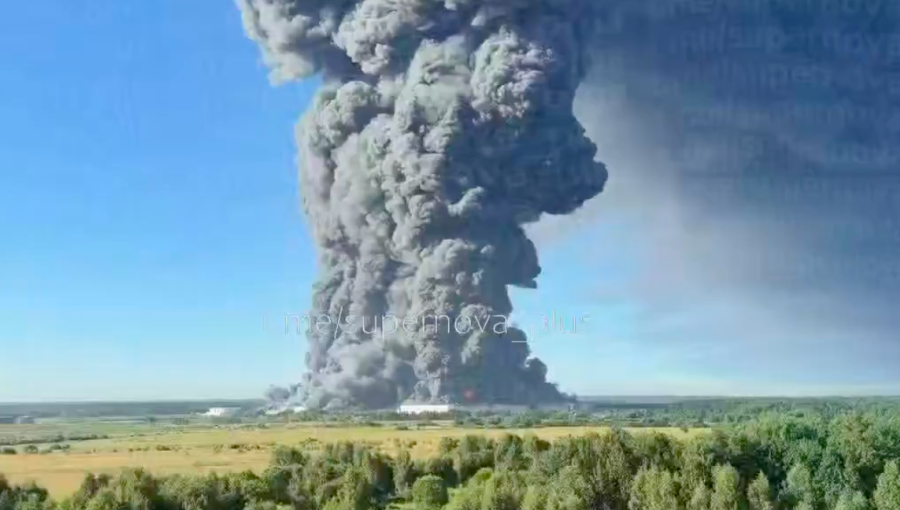
 Ukrainian drones struck Wildberries logistics hubs in Krasnodar and Nevinnomyssk overnight, with the Nevinnomyssk facility left fully ablaze, Wildberries founder Tatyana Kim said on Telegram on July 22, adding that staff had been evacuated and some workers injured.


The strikes are the latest in an escalating campaign that has now hit four of Wildberries' ten biggest logistics hubs within days, according to Yaroslav Trofimov, chief foreign-affairs correspondent at the Wall Street Journal, who wrote on social media he was "not sure how Wildberries can continue operating as a business much longer."

As IntelliNews reported, the campaign began with strikes on the company's two largest warehouses, in Tambov and Elektrostal, which together could leave sellers facing more than $1bn in losses and have already knocked 12% off the shares of parent company Ozon.

Russian state broadcaster RT reported that Ukraine has deliberately targeted Wildberries over alleged supply links to Russia's drone and military production, though this has not been independently confirmed.

As IntelliNews argued this week, hitting Wildberries is more painful for the Russian economy than it might look: the platform is the backbone of Russia's e-commerce sector and a critical distribution channel for the Turkish and other foreign apparel brands that replaced departed Western retailers after 2022.


Turkish readywear retailer Koton’s stock damaged by Ukrainian bombing of Wildberries warehouses in Russia

Turkish readywear retailer Koton’s stock damaged by Ukrainian bombing of Wildberries warehouses in Russia
Ukrainian drones overnight on July 17 killed seven employees of Wildberries at the company's logistics centre in Kotovsk in Russia's Tambov region. / Screenshot from social media footageFacebookTwitterLinkedIn

By Akin Nazli in Belgrade July 21, 2026

Inventory of Turkish fashion retailer Koton (KOTON) held at fulfillment centres belonging to Russian ecommerce giant Wildberries has been damaged by Ukrainian drone attacks, Koton said on July 20.

The apparel group said the damaged stocks at two major Wildberries logistics facilities was equivalent to 0.4% of its total assets as of end-Q1.

The logistics hubs operated by Russia’s leading ecommerce platform, owned by Ozon (Moscow/OZON), were struck during aerial attacks on July 17.

Koton said the incident would not exert a material impact on its financial position, ongoing operations or business continuity.

Wildberries is currently conducting comprehensive damage assessment procedures at the affected sites and it has pledged support measures for impacted vendor partners. Koton noted that it is actively pursuing indemnity claims under its existing property and cargo insurance policies, working in close coordination with local and regional insurance brokers to recover losses.

Exodus of Western brands

Following the exodus of Western retailers from Russia in the wake of the Kremlin's February 2022 full-scale invasion of Ukraine, Turkish apparel chains stepped in aggressively to expand into vacated commercial spaces and digital marketplaces across Russia.

Wildberries serves as the central digital distribution backbone for foreign apparel and consumer goods imported into Russia, making it a critical sales channel for Turkish brands navigating Russian consumer demand.

In April, Koton ended store operations by closing its two locations in Ukraine and decided to continue operations in the country via online channels.

War in the north, war in the south

Koton has also been expanding into the Gulf Cooperation Council (GCC) region, which is imperilled by the continuing Iran War. On July 16, the company said that it launched a third store in Oman in addition to a fourth store in Qatar.

The company also operates stores in Saudi Arabia, the UAE and Bahrain.

So far, the company’s GCC stores remain unaffected by the conflict.

In March, the company launched its seventh franchise store in Azerbaijan. In December, it opened its sixth store in Hungary.

As of end-March, Koton operated 464 stores, including 226 franchise stores. A total of 226 stores were abroad, including 76 franchise stores.

Koton, launched in 1988, opened its first stores in the Middle East, Russia and Balkans in 2002.