Matthew Chapman
July 23, 2026
RAW STORY
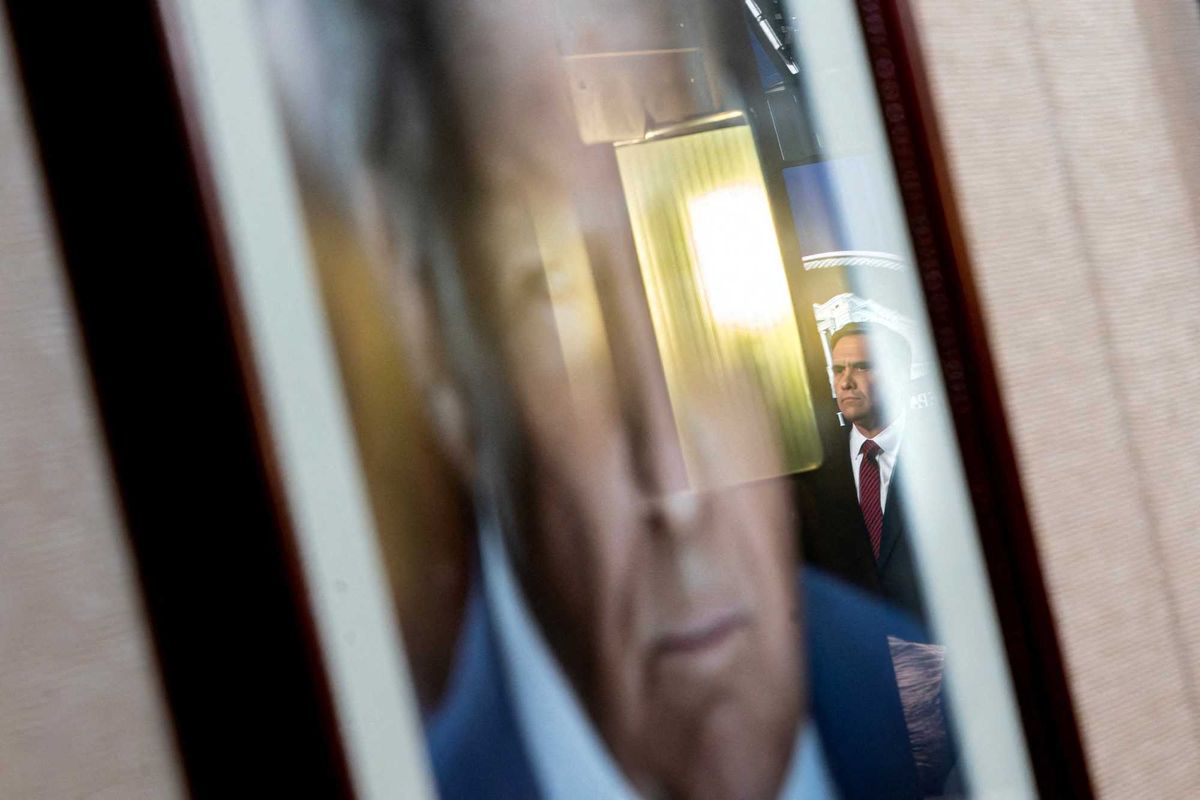
Acting U.S. Attorney General Todd Blanche is seen reflected in a photograph of U.S. President Donald Trump while announcing a second indictment of former FBI Director James Comey during a press conference at the Justice Department in Washington, D.C., U.S., April 28, 2026. REUTERS/Nathan Howard
Federal prosecutors in President Donald Trump's Justice Department have withdrawn a controversial set of subpoenas against New York Times reporters.
According to the Associated Press, the subpoena withdrawals "followed a remarkable back and forth between a visibly irritated Judge Arun Subramanian and government attorneys. They come at a time when the Trump administration is vigorously going after news organizations whose reporting and coverage it doesn’t like — and also trying to crack down on leaks inside the government."
The subpoenas applied to three New York Times reporters who broke news about security problems with the Qatari jet intended to be the president's new Air Force One.
The leak of that information prompted a massive scramble at the DOJ to find who was responsible for spilling it, which focused on trying to extract it from the reporters themselves, a move that some have argued likely violated the DOJ's own press freedom guidelines.
In the exchange in court, Subramanian "said he otherwise would have granted the newspaper’s request to reject the subpoenas because laws and regulations pertaining to subpoenas served on journalists maintain that they should be issued as a last resort in an investigation," forcing DOJ's hand to withdraw them.
Acting U.S. Attorney General Todd Blanche is seen reflected in a photograph of U.S. President Donald Trump while announcing a second indictment of former FBI Director James Comey during a press conference at the Justice Department in Washington, D.C., U.S., April 28, 2026. REUTERS/Nathan Howard
Federal prosecutors in President Donald Trump's Justice Department have withdrawn a controversial set of subpoenas against New York Times reporters.
According to the Associated Press, the subpoena withdrawals "followed a remarkable back and forth between a visibly irritated Judge Arun Subramanian and government attorneys. They come at a time when the Trump administration is vigorously going after news organizations whose reporting and coverage it doesn’t like — and also trying to crack down on leaks inside the government."
The subpoenas applied to three New York Times reporters who broke news about security problems with the Qatari jet intended to be the president's new Air Force One.
The leak of that information prompted a massive scramble at the DOJ to find who was responsible for spilling it, which focused on trying to extract it from the reporters themselves, a move that some have argued likely violated the DOJ's own press freedom guidelines.
In the exchange in court, Subramanian "said he otherwise would have granted the newspaper’s request to reject the subpoenas because laws and regulations pertaining to subpoenas served on journalists maintain that they should be issued as a last resort in an investigation," forcing DOJ's hand to withdraw them.
Jen Psaki throws Trump's words in his face over damning 'confession' about his Qatari jet
Matthew Chapman
July 20, 2026
Matthew Chapman
July 20, 2026
RAW STORY
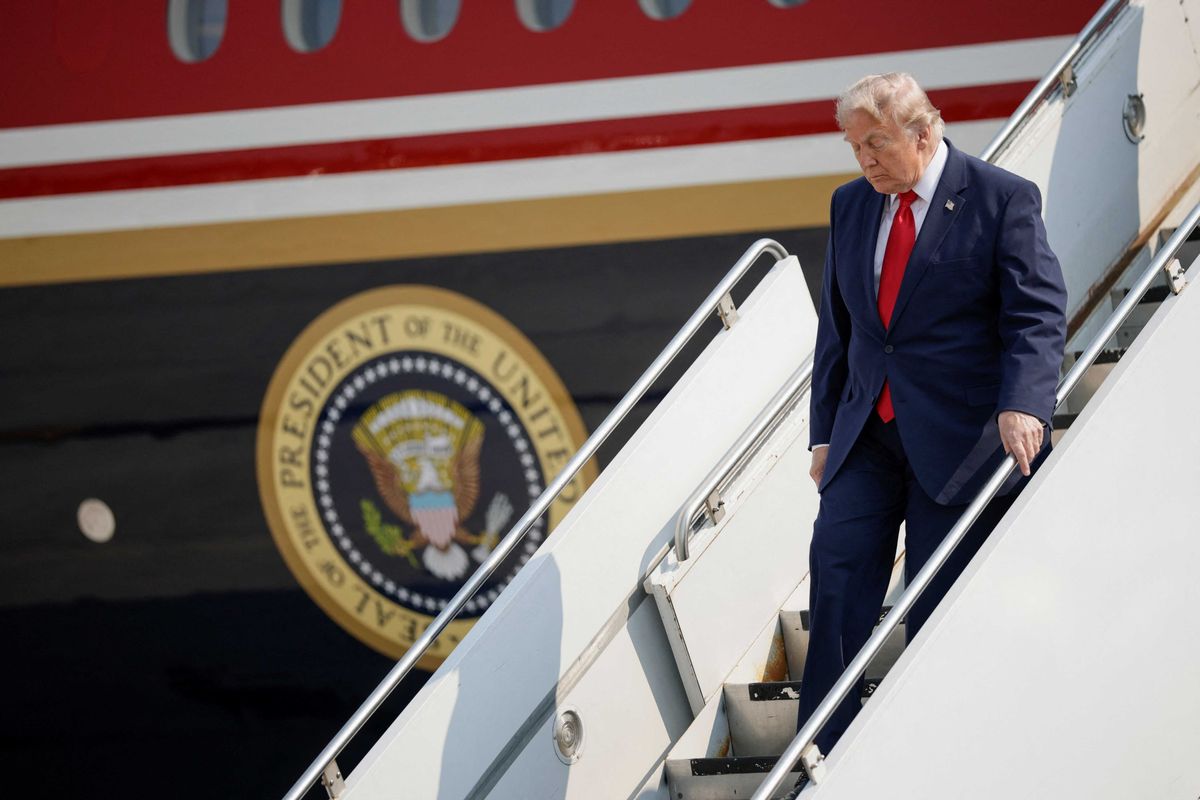
U.S. President Donald Trump disembarks the new Air Force One, a plane gifted by the Qatari government, as he arrives at Bismarck Municipal Airport in Bismarck, North Dakota, U.S., July 1, 2026. REUTERS/Evan Vucci
President Donald Trump is changing his story in real time about the temporary mothballing of his new Air Force One gifted to him by the Qatari government, MS NOW's Jen Psaki said on Monday evening — finally admitting that it had been a security issue all along while targeting the journalists who forced him to come clean.
"Remember that despite literally switching back to the old Air Force One plane before leaving the NATO summit earlier this month, despite the Secret Service telling reporters on that flight to keep their blinds down for safety, Trump denied to reporters that there were any safety concerns," said Psaki, playing a clip of the president from earlier this month.
In the clip, a reporter asked Trump, "So, you're saying there's no security concern?" and he replied, "No. Why would there be?"
"That was Trump being really cagey about the Qatari plane less than two weeks ago," said Psaki — an attitude completely different from what he told reporters yesterday.
In the second clip, when a reporter noted to Trump that the plane reportedly has no missile defense system, he replied, "Well, it has a lot. And it has a lot of capability. But as I understand it, in about a month or so, they're going to send it to have it be maxed out. So they're going to be sending it, and they'll have it maxed out. It'll take about a month."
"That's right — after insisting there were no security concerns, Trump now says the plane is going to be taken out of service so it can be 'maxed out,' as he called it, or upgraded," said Psaki — basically a confession that the New York Times story on the jet's vulnerabilities was spot on the money.
Despite this, however, "the administration has spent the past few weeks not just denying the New York Times reporting about the new plane, but trying to get the journalists behind it to out their sources," said Psaki. "A week and a half ago, federal agents showed up at the homes of the Times reporters who broke that story and served them with subpoenas. And today, we learned that the Trump administration has since sought the phone records of one of the reporters' mothers and two of the reporters' spouses."
U.S. President Donald Trump disembarks the new Air Force One, a plane gifted by the Qatari government, as he arrives at Bismarck Municipal Airport in Bismarck, North Dakota, U.S., July 1, 2026. REUTERS/Evan Vucci
President Donald Trump is changing his story in real time about the temporary mothballing of his new Air Force One gifted to him by the Qatari government, MS NOW's Jen Psaki said on Monday evening — finally admitting that it had been a security issue all along while targeting the journalists who forced him to come clean.
"Remember that despite literally switching back to the old Air Force One plane before leaving the NATO summit earlier this month, despite the Secret Service telling reporters on that flight to keep their blinds down for safety, Trump denied to reporters that there were any safety concerns," said Psaki, playing a clip of the president from earlier this month.
In the clip, a reporter asked Trump, "So, you're saying there's no security concern?" and he replied, "No. Why would there be?"
"That was Trump being really cagey about the Qatari plane less than two weeks ago," said Psaki — an attitude completely different from what he told reporters yesterday.
In the second clip, when a reporter noted to Trump that the plane reportedly has no missile defense system, he replied, "Well, it has a lot. And it has a lot of capability. But as I understand it, in about a month or so, they're going to send it to have it be maxed out. So they're going to be sending it, and they'll have it maxed out. It'll take about a month."
"That's right — after insisting there were no security concerns, Trump now says the plane is going to be taken out of service so it can be 'maxed out,' as he called it, or upgraded," said Psaki — basically a confession that the New York Times story on the jet's vulnerabilities was spot on the money.
Despite this, however, "the administration has spent the past few weeks not just denying the New York Times reporting about the new plane, but trying to get the journalists behind it to out their sources," said Psaki. "A week and a half ago, federal agents showed up at the homes of the Times reporters who broke that story and served them with subpoenas. And today, we learned that the Trump administration has since sought the phone records of one of the reporters' mothers and two of the reporters' spouses."

No comments:
Post a Comment