Thursday, July 02, 2026


Did The Simpsons really predict the final of the 2026 World Cup?

Did The Simpsons really predict the final of the 2026 World Cup?
Copyright Fox - Disney

By David Mouriquand
Published on

Some people believe that they know who will face off in the final of this year’s FIFA World Cup – all because of an episode of The Simpsons from 1997. The claim is going viral on social media, and many are affirming that this is the US animated sitcom predicting the future once more...

The belief that The Simpsons can predict the future has become something of a pop culture phenomenon over the years.

Frequently cited successful predictions include foretelling the Donald Trump presidency, the censorship of Michaelangelo’s David, Disney’s acquisition of 21st Century Fox, and the 2015 FIFA corruption scandal.

There were even viral posts this year suggesting that the show had warned viewers about Epstein island as far back as 2000.

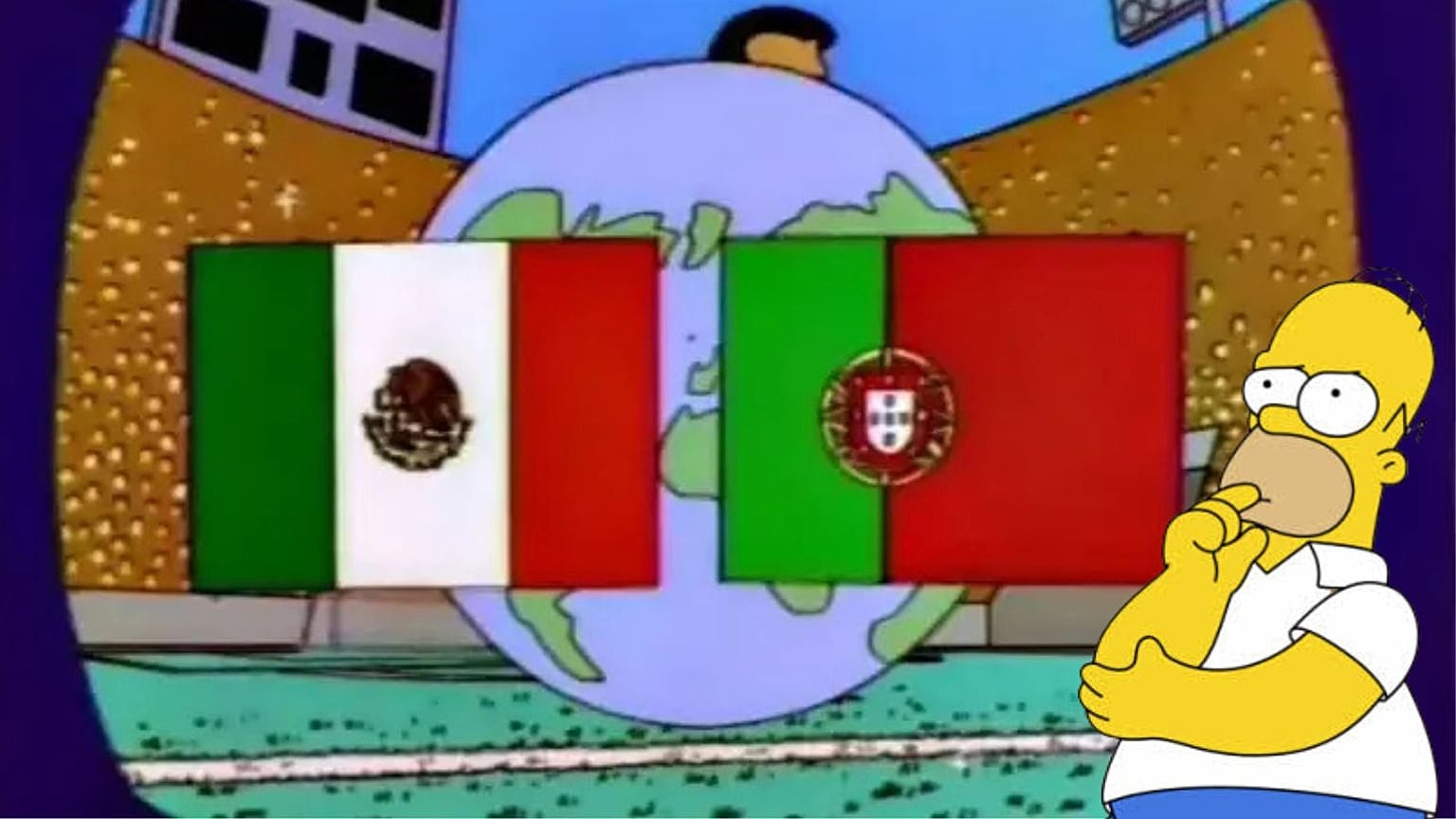
Now, a viral claim circulating on social media alleges that The Simpsons predicted the final of the 2026 FIFA World Cup in a 1997 episode titled “The Cartridge Family”.

In the Season 9 episode, a TV ad promotes a football – sorry, “soccer” - match to determine "which nation is the greatest on Earth". The game sees Mexico facing off against Portugal.

Many have run with this as evidence that the show’s hot streak of premonitions about actual real-life events continues.

In reality, the clip is real, but the claim is fake.

The segment in the 1997 episode does not mention the year 2026, nor does it make reference to the FIFA World Cup.

Also, the identical claim citing “The Cartridge Family” previously circulated during both the 2018 and 2022 World Cups. It seems to have gained more momentum this year simply because Mexico is one of the host nations - as well as the fact current fixtures could see both teams face off in the final.

There is also no reference to Cristiano Ronaldo in the episode, as many as asserting online... And for good reason, since Ronaldo was 12 years old when the episode aired.

In case you were wondering, The Simpsons' Mexico vs Portugal match is so tedious that the Springfield crowd riots and no winner is shown.

The 2026 FIFA World Cup final will be played at MetLife Stadium at the Meadowlands Sports Complex in New Jersey on Sunday 19 July. Expect mayhem online if it does turn out to be Mexico vs Portugal.


Babies should not use screens at all in the first two years, major review finds

Children under two should have zero screen time.
Copyright Cleared/Canva

By Marta Iraola Iribarren
Published on

Children under two should avoid screens entirely, according to a new review linking early exposure to long-term developmental risks.

Using screens during the first two years of life is associated with long-term impacts on health and quality of life, according to a new systematic review.

The analysis identified substantial evidence that digital media use — particularly TV, mobile phones and tablets — is widespread in children under two and may be associated with potential harm to child development.

Screen time leads to fewer opportunities to bond with their caregivers or play with other children, limited language development and increased overstimulation.

“We have learned that screen use among the under-twos is a global concern that in 2026 is not being adequately addressed,” said Rafe Clayton, senior lecturer at the University of Leeds.

As the first two years of life are essential to establishing the foundations of a child’s physical and mental health, screentime “has implications for a whole generation and their future quality of life,” he added.

Based on the findings, the researchers from four UK universities — the University of Leeds, Leeds Trinity University, Aston University and Loughborough University — recommend that under-twos should not receive any intentional, regular screen time.

They are calling to reconsider any guidance that points to shared screen time for under-twos or suggests that screen technology is suitable for “all ages”.

“We hope the findings can inform parents, practitioners and policymakers to support sustainable technology use and inform the development of relevant guidance for young children,” said Richard James, an expert in addictive behaviours at Loughborough University.

He added that parents, due to the lack of guidance, are “inadvertently teaching children and babies to develop unhealthy habits and relationships with screen devices”.

Screen use rising among children

The researchers said that by two years old, daily screen time use is nearly universal and exceeds recommended limits.

They noted that a major driver of early screen exposure is parental workload, which leads caregivers to rely on screens as a babysitting tool to occupy children.

“Families are navigating this challenge without the information and support they need. The responsibility cannot rest solely on their shoulders,” said Andrea Leadsom, Founder of 1001 Critical Days Foundation, which commissioned the review.

She added that technology companies must acknowledge their role, and parents should not be presented with content labelled or promoted as suitable for babies when the evidence points to the contrary.


Trump was paid over $10 million by Amazon for 'Melania' documentary

Donald Trump and Melania Trump at the premiere of 'Melania' at The John F. Kennedy Memorial Center For The Performing Arts - 29 January 2026
Copyright AP Photo

By David Mouriquand
Published on

Trump’s cryptocurrency earnings were disclosed this week, leading to scathing criticism online. Part of the financial disclosures reveal how much he was paid by Amazon for this year’s Melania documentary.

A 927-page disclosure released this week by the US Office of Government Ethics has caused outrage and led many to accuse Donald Trump of “brazen crypto corruption”.

The financial disclosures revealed that Trump had been paid more than $2.2bn last year in total - from real estate, branded merchandise like Trump-branded Bibles, licensing deals and court settlements – and that the Trump family’s cryptocurrency ventures generated more than $1bn in his first year back in the White House.

The disclosures also revealed that Trump received a licensing fee of $10.71 million for Amazon MGM’s Melania documentary.

It had previously been reported that Amazon paid around $40m for film directed by Brett Ratner – including $28m directly to the First Lady. Amazon MGM went on to spend another $35 million to market the film.

In May, Jeff Bezos insisted that his company’s dealings with Trump were non-partisan.

“You know that it did very well in theaters. It's done very well on streaming,” Bezos told CNBC. “People are very curious about Melania, so even though I had nothing to do with it, you know. It appears that the Amazon team made a very wise business decision.”

In Euronews Culture’s review of Melania, we called the film a “self-congratulatory portrait of privilege”, “a cynical attempt by Jeff Bezos to curry favour with Trump”, and an “anti-documentary cash-grab orchestrated by people who only care about money and the furthering of empty mythologies designed to feed the Trump brand.”

Read the full review here.

Donald Trump and Melania Trump at the premiere of 'Melania' at The John F. Kennedy Memorial Center For The Performing Arts - 29 January 2026
Donald Trump and Melania Trump at the premiere of 'Melania' at The John F. Kennedy Memorial Center For The Performing Arts - 29 January 2026 AP Photo

Following the release of the US Office of Government Ethics disclosure, many have demanded tighter rules on political figures’ crypto dealings.

“The crypto legislation heading to the Senate floor must prevent the president, vice-president, senior administration officials, members of Congress, and their families from profiting off the crypto industry,” said Elizabeth Warren. “If it does not, it will only turbocharge Donald Trump’s brazen crypto corruption.”

Minnesota governor and 2024 Democratic vice-presidential nominee Tim Walz called Trump “the most corrupt president in American history.”

White House spokesperson Anna Kelly defended Trump by saying: “Neither the President nor his family has ever engaged - or will ever engage - in conflicts of interest. President Trump proudly made the United States the crypto capital of the world through executive actions, supporting legislation like the GENIUS Act, and other commonsense policies to drive innovation and economic opportunity for all American

She added: “All actions by President Trump and his administration are taken in the best interest of the American people.”


Fast fashion: 69% of our clothes contain toxic chemicals

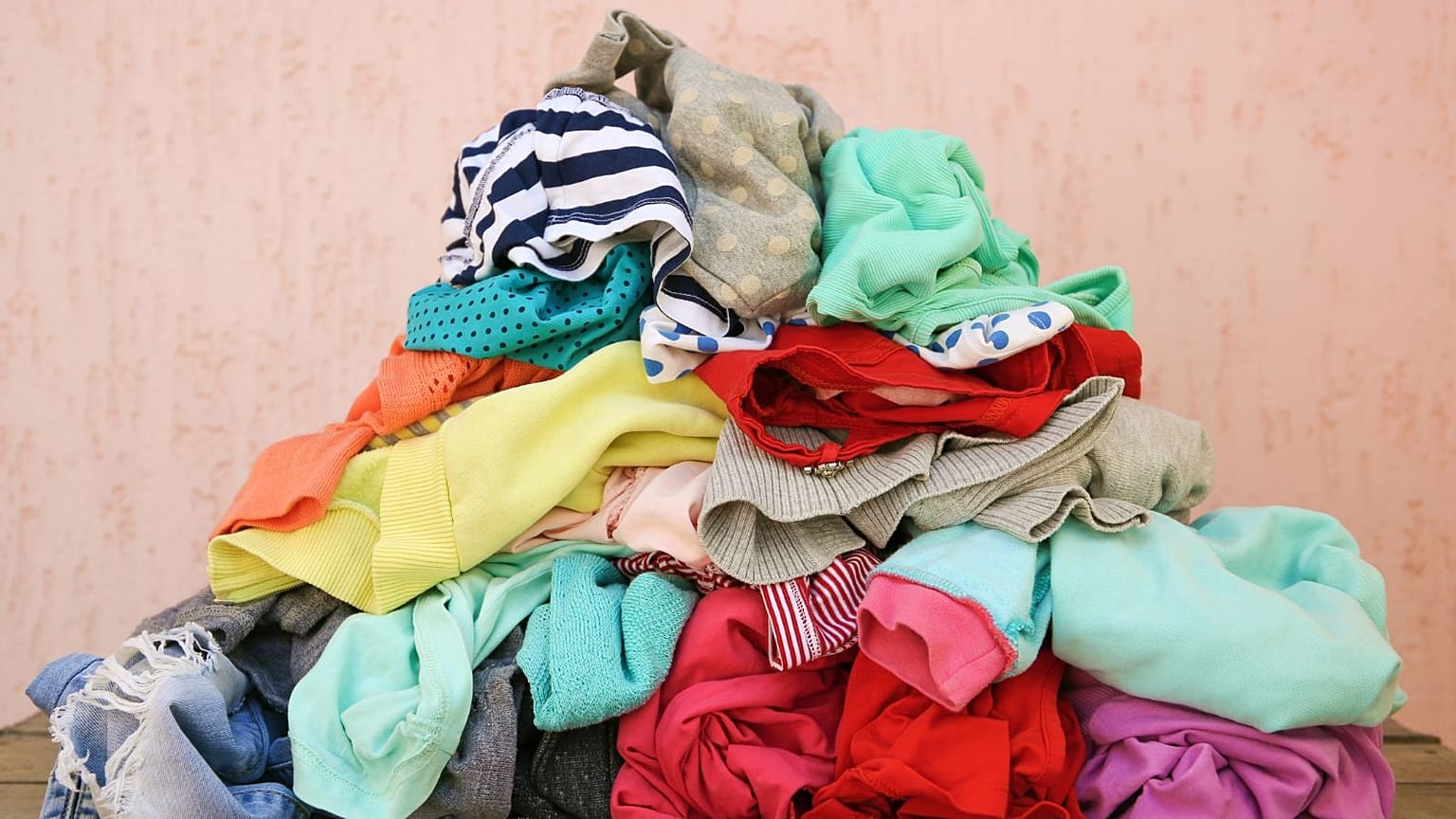
A pile of clothes
Copyright Canva

By Leticia Batista Cabanas
Published on

The European Union is implementing a new tax on imports, to limit purchases from fast-fashion e-platforms like SHEIN, Temu, and similar. Their bargain price tags hide a toxic reality, as testing reveals these ultra-cheap garments carry a hidden cost to human health.

The EU buys roughly 4.5 million tonnes of fast-fashion textiles each year. Over 5.8 million low-value e-commerce parcels enter the bloc every day, with brands like Shein, Temu and AliExpress attracting more than 400 million monthly shoppers

More than 90 per cent of these e-commerce clothing items are made from cheap synthetic polymers such as polyester, elastane and nylon. These garments are essentially soft plastics that do not biodegrade and eventually become microplastics.

Until now, these products were shipped directly from overseas factories to consumers, bypassing EU controls on harmful chemicals and components. The EU’s new customs directive will require electronic tracking data for every incoming package. Border authorities can screen shipments for illegal chemical levels and safety violations before they enter Europe.

According to Pelle Moos, chemical expert and policy officer at consumer group BEUC, “every second, around 200 products enter the EU. While we're having this conversation, almost a thousand products will have entered Europe, and only a fraction of them will have been inspected.”

Authorities and consumer groups repeatedly find what Moos describes as “astronomical” rates of non-compliance when investigating products sold through ultra-fast-fashion channels.

“We are talking in the range of 70–80 per cent,” he said.

Textile and fashion chemical alerts have risen sharply, with dozens of international alerts submitted each year to the EU Rapid Alert System. More than 72 per cent of these official textile alerts cite direct human health risks, including severe allergic reactions, chemical burns from excess formaldehyde and potential organ damage from heavy metals.

Consumer organisation Testachats also tested Shein toys and found concerning results.

“Only one was fully compliant. It's important to note that we did not specifically select products that looked unsafe on the website. We randomly selected 45 toys. Around 60 per cent presented a genuine safety risk, including small parts that could be swallowed or electronic components that were not properly enclosed,” said spokesperson Laura Clays.

Toxic textiles

“It's really the worst we are seeing,” said Moos. “These are chemicals we have known for decades are harmful. Chemicals that may cause cancer, infertility, developmental problems in children and that persist in the environment.”

A 2025 laboratory report published by Greenpeace found that 32 per cent of the Shein products tested exceeded EU Registration, Evaluation, Authorisation and Restriction of Chemicals (REACH) limits.

A June 2025 investigation by BEUC warned of “chemical bombs” in many children's products. Ten of 25 items tested contained hazardous chemicals, including what researchers described as a “bomb”, – a pair of children's slippers.

Body heat and sweat can act as natural solvents, allowing restricted substances to leach from garments into the skin. People also inhale textile fibres and chemicals released from fabrics, while small children often chew on clothing. Heat, sweat, prolonged wear and damaged skin can all increase absorption.

Among 56 garments tested, Greenpeace found concentrations of phthalates up to 200 times the EU limit. PFAS, or “forever chemicals”, were found in seven jackets, some exceeding EU limits by more than 3,000 times. Researchers also detected lead and cadmium in shoes, formaldehyde in a children’s costume and nonylphenol ethoxylates in a raincoat. BEUC reported similar findings, while Danish consumer group ForbrugerrÃ¥detTænk found restricted PFAS in several outdoor jackets.

What can these chemicals do to you?

Their names are complex, but their potential effects are straightforward:

  • Phthalates (including DEHP and DBP): Plastic-softening chemicals linked to hormone disruption, reduced fertility and developmental problems in children.
  • PFAS (“forever chemicals”): Persistent compounds that accumulate in the body and have been associated with immune-system suppression, organ damage and some cancers.
  • Formaldehyde: Used to make garments wrinkle-resistant; exposure can cause irritation, allergic reactions and increased cancer risk after long-term exposure.
  • Nonylphenol Ethoxylates (NPEs/APEOs): Endocrine-disrupting chemicals linked to reproductive and developmental concerns.
  • Aromatic amines: Chemical by-products from some dyes that include known and suspected carcinogens.
  • Dimethylformamide (DMF) and related VOCs: Industrial solvents linked to liver toxicity, reproductive harm and respiratory irritation.

“Phthalates are used to make plastics and synthetic materials softer, PFAS are added to make fabrics waterproof, formaldehyde is used to keep clothes wrinkle-free and protect them during transport, and cadmium can be added to cheap jewellery to give it more weight. Other substances, such as lead, are often not used intentionally but can appear because of poor manufacturing controls and contamination,” explained Moos.

Heavy metals

BEUC’s Polish member, Federacja Konsumentów, tested Shein clothing, underwear and jewellery. More than 50 per cent of the products tested contained unsafe levels of heavy metals.

One of these, lead, is a neurotoxin that can accumulate in the body and has been linked to impaired brain development, learning difficulties, behavioural problems, kidney damage and reproductive harm, particularly in children.

Cadmium is classified as a carcinogen and has been associated with damage to the kidneys, liver, lungs, cardiovascular system and nervous system, as well as reduced fertility and adverse effects on foetal development.

“Lead is a neurotoxin and there is no safe level of exposure,” said Moos. “Europe has spent decades trying to remove lead from everyday life, yet we continue to find it in consumer products.”

The broader safety picture remains concerning. BEUC’s cross-border marketplace audits found that 69 per cent of evaluated products, including apparel, accessories and toys, entering the EU from platforms such as Shein and Temu were legally non-compliant and failed basic European safety and health standards.
ARACHNOLOGY

New venomous spider species found in Portugal

Chilean recluse spider discovered in Porto
Copyright Francisco Gil / MHNC-U.Porto

By Ana Filipa Palma
Published on

The discovery of the Chilean recluse spider (Loxosceles laeta) in Porto is the first record of this venomous species in Iberia. Researchers say its discreet behaviour means the risk to the public is low.

A new species of venomous spider, the Chilean recluse spider, scientifically known as Loxosceles laeta, has been discovered in the city of Porto in northern Portugal.

Speaking to Euronews, one of the researchers behind the discovery, José Manuel Grosso-Silva, an entomologist at the Natural History and Science Museum of the University of Porto, stressed that, because of the species' shy behaviour and habits, there is no cause for alarm. "The likelihood of people coming across this species or being bitten by it is low," he says.

"It is a shy species, not inclined to bite, but its bite can cause significant damage to the skin, frequently resulting in necrotic skin lesions," the study (source in Portuguese) by biologists Francisco Gil and José Manuel Grosso-Silva on the first record of this species in the Iberian Peninsula explains.

The Chilean recluse spider, Loxosceles laeta, is native to the western region of South America and is usually found in countries such as Brazil and Argentina. However, it has managed to spread to regions far from its original habitat, driven by international trade.

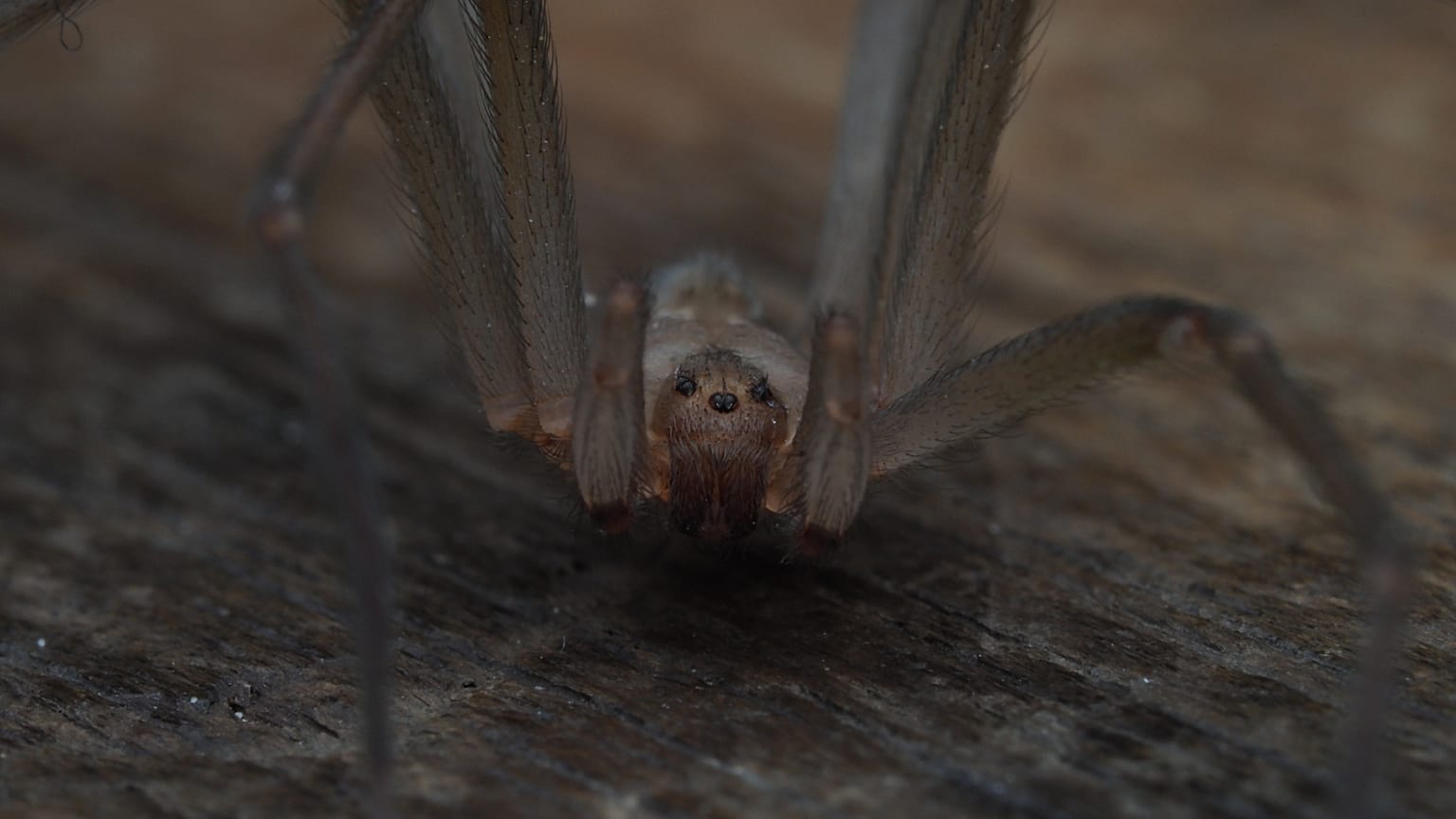
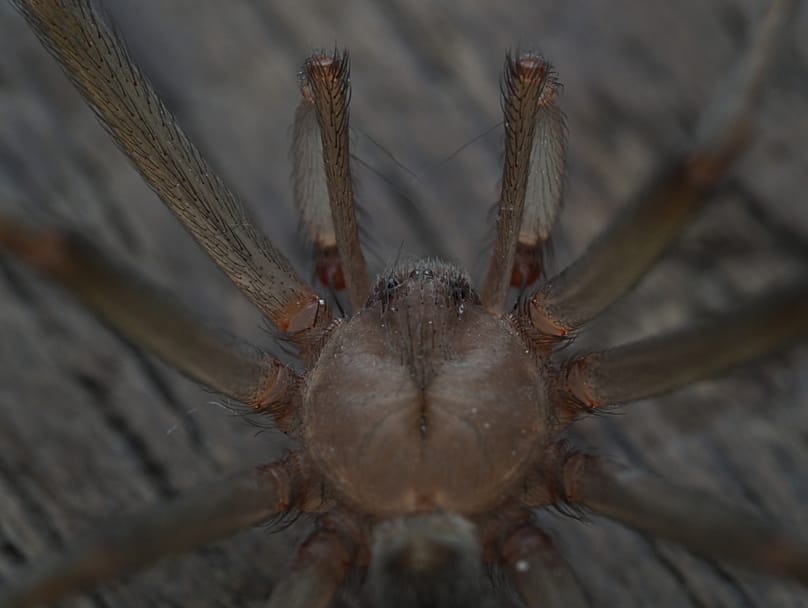
Chilean recluse spider observed by researchers in Porto Francisco Gil / MHNC-U.Porto

The first specimen was found by chance, the biologist recalls, on 10 September 2025, when a male was spotted on a wall in Campo dos Mártires da Pátria, in Porto. The second, also a male, was found on 10 January 2026; the specimen was collected dead from a sticky trap that had not been set for it.

Despite the discovery of this new species, another venomous spider from the same family has been living in Portugal for several decades and is widely distributed. This is Loxosceles rufescens, or the Mediterranean recluse spider, originally from North America and present in Europe for more than 200 years.

"We do not know whether this new species is confined to Porto or already more widespread. As the Chilean recluse spider can easily be mistaken for the Mediterranean recluse, it is possible that there are photographic records labelled as the latter which in fact show the newly identified species," the biologist notes.

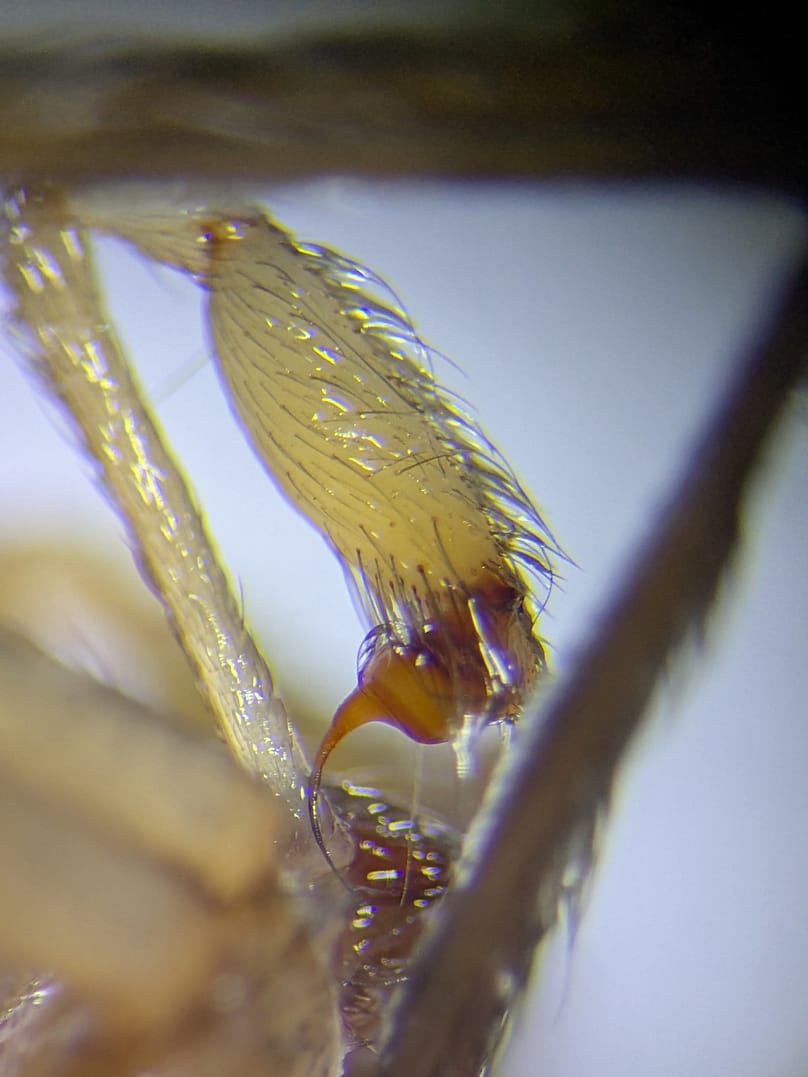
The main difference between the two species lies in the males' pedipalps, jointed appendages located at the front of male spiders' bodies, which have sensory and reproductive functions and are used to transfer sperm to the female during mating.

Pedipalp of a male Loxosceles laeta, whose anatomy allows the species to be reliably identified Francisco Gil / MHNC-U.Porto

In terms of morphology and behaviour, they are very similar. "They are uniformly brown, they do not have the colours that allow them to blend into vegetation, and they do not build the kind of webs we usually see on plants for catching insects. They construct webs on walls, in corners and in more hidden, darker places, and are more active at night," José Manuel Grosso-Silva explains.

There are different degrees of severity, from mild cases to severe ones, including some fatalities, as a result of bites by this type of spider. "There is a risk, but it seems low to me, so I try not to fuel panic or excessive alarm," the biologist stresses.

Bite causes necrosis

In 2023, Portugal recorded a case of loxoscelism, a syndrome caused by spider venom, triggered by the bite of Loxosceles rufescens, the Mediterranean recluse spider.

The journal SPMI Case Reports, the digital scientific publication of the Portuguese Society of Internal Medicine, reported the case of a 48-year-old woman who was bitten by this species while she was in an urban park.

After being bitten on the nape of the neck, the woman developed swelling without immediate pain. However, over the following 24 hours the symptoms worsened, with increasing headaches, malaise, feverishness, fatigue and the onset of necrosis with erythema at the site of the lesion. Subsequently, peeling of the skin was observed in other parts of the body, namely around the eyes, in the gluteal region, thighs, lips and oral mucosa.

The patient was discharged from hospital 16 days later with no remaining symptoms.

New species are increasingly common

In Portugal more than 300 species of insects from various regions of the world are now established, many of them introduced by humans through increased goods transport.

"We are increasingly changing the environment around us. We deliberately introduce many plants that often carry insects we did not intend to bring in," he explains.

The biologist recalls the case of the Asian hornet, introduced into Europe via France in a shipment of Chinese bonsais.

Also, "through urban development and monocultures such as eucalypts, which occupy vast areas, as well as extensive crops like maize, natural habitats have been reduced", which contributes to changes in ecosystems and favours the emergence of new species.

Rising temperatures on a global scale, with Europe warming at a particularly rapid pace, may favour the reproduction and spread of these exotic species.

"We do not know how it will evolve here in the Iberian Peninsula; this is a situation to be monitored over the coming years," says José Manuel Grosso-Silva.

Presence of the Chilean recluse spider in Europe

The first European record of this species dates back to 1972, in a building housing the Departments of Zoology and Genetics at the University of Helsinki in Finland.

It is thought that the species was transported by humans and settled inside the building to benefit from the higher temperatures, as it would hardly survive Finland's outdoor climate.

In 2025, Eberhard Karl University of Tübingen in Germany also identified a specimen of this species in the institution's basement.

There are also references to its possible presence in Italy. However, the website where this information was originally published is no longer available and that record therefore remains unconfirmed.

EU Court of Justice rejects Google’s appeal against record €4.1 billion fine

Google CEO Sundar Pichai has argued that the company's Android system has created "more choice, not less".


By Nathan Rennolds
Published on 02/07/2026
EURONEWS


The European Union Court of Justice on Thursday upheld Google's record €4.1 billion fine over alleged anticompetitive practices related to the company's Android operating system.

The European Commission hit the US tech giant with the penalty in 2018, alleging that the firm had abused its dominant market position, particularly by using pre-installation agreements with phone makers to give an unfair advantage to its search engine and Chrome browser.

An initial fine of €4.3 billion was imposed, but the EU's General Court reduced this to €4.1 billion in 2022.

Google CEO Sundar Pichai has argued that the Android system has created "more choice, not less".

Pichai said in 2018 that the Commission's decision to fine the company "misses just how much choice Android provides" to phone makers, app developers, and customers.

"Rapid innovation, wide choice, and falling prices are classic hallmarks of robust competition and Android has enabled all of them," he said.

Google has since appealed the penalty, but the EU's top court dismissed the appeal on Thursday.

"The Court of Justice dismisses the appeal brought by Google and Alphabet against that judgment of the General Court, thereby confirming the penalty imposed on them, as revised by the General Court, for their anticompetitive practices relating to the Android operating system," the court said in a press release announcing the decision.

In 2025, the Commission also slapped Google with a €2.95 billion fine over alleged breaches of antitrust practices.

It said the company had distorted competition in the advertising technology industry, "favouring its own online display advertising technology services to the detriment of competing providers of advertising technology services, advertisers and online publishers".


US job growth plummets as eurozone unemployment holds at record low

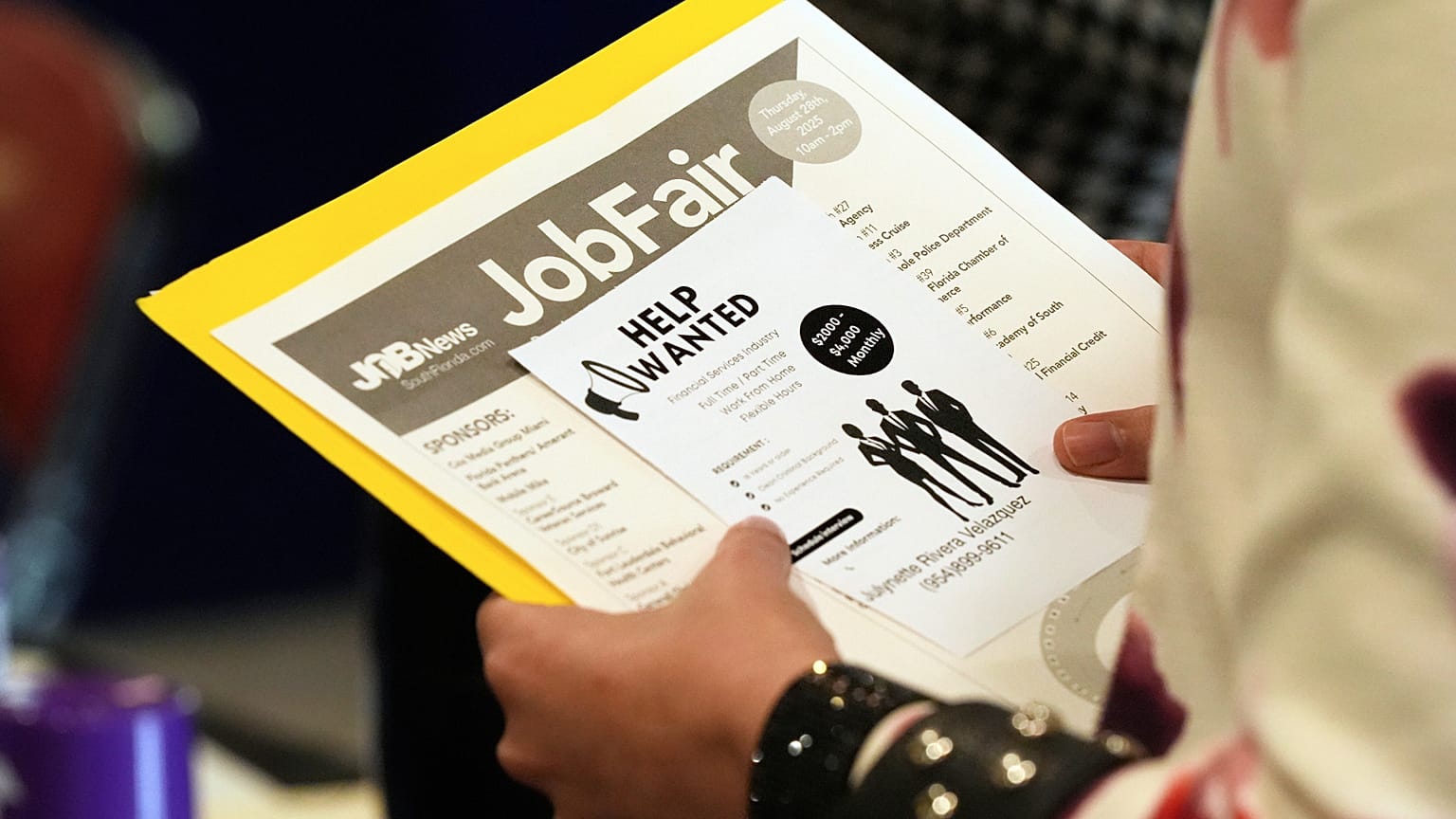
FILE. A job seeker waits to talk to a recruiter at a job fair in Sunrise, Florida, Aug. 2025
Copyright AP Photo/Marta Lavandier

By Quirino Mealha
Published on

New labour market data highlights a growing transatlantic divide, with US payroll additions slowing drastically, while the Eurozone unemployment rate remains anchored at an all-time low.

Fresh employment figures released on Thursday expose a diverging trajectory for the world's most prominent advanced economies, as severe hiring slowdowns in the US contrast with historic resilience in European labour markets.

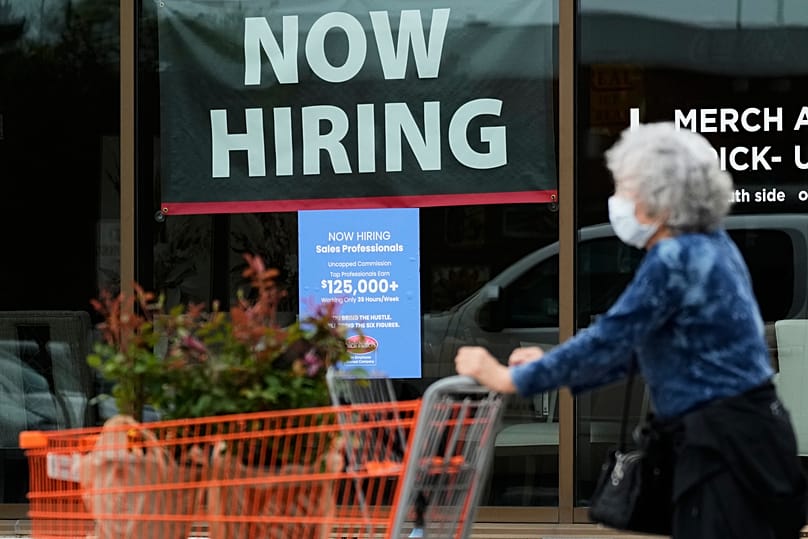
According to the US Bureau of Labor Statistics, nonfarm payrolls increased by a mere 57,000 in June. This figure drastically missed market expectations, which had anticipated an addition of 113,000 jobs, and it marks a steep decline from the 172,000 positions created in the previous month.

Despite the sharp cooling in overall job creation, the US unemployment rate unexpectedly ticked down to 4.2%, representing a slight improvement from the 4.3% recorded in May.

Other metrics present a nuanced picture of the American economy.

Initial jobless claims remained perfectly steady at 215,000 for the week, defying analyst estimates that predicted a slight increase of around 218,000. Meanwhile, continuing claims fell slightly to 1.814 million, dipping below the projected 1.820 million.

Hiring sign for sales professionals is displayed at a store in Vernon Hills, Illinois, Apr. 2026 AP Photo/Nam Y. Huh

Across the Atlantic, the European employment landscape continues to demonstrate remarkable steadfastness.

According to data published by Eurostat, the Eurozone unemployment rate remained stable at 6.2% in May, holding firm at a record low for the currency bloc.

This figure perfectly aligns with market projections and underscores the enduring tightness of the European job market, even as broader economic uncertainties linger across the continent.

Central bank implications

The latest employment reports arrive at a critical juncture for both the US Federal Reserve and the European Central Bank and their respective monetary policy outlooks.

In the US, the severe drop in nonfarm payroll growth provides compelling evidence that the labour market is finally softening under the weight of restrictive financial conditions.

The Federal Reserve opted to halt its interest rate hikes in June, keeping borrowing costs steady as policymakers evaluate the delayed impact of their previous tightening cycle.

While the drop in the headline unemployment rate to 4.2% paints a slightly mixed picture, the dismal 57,000 payroll figure is likely to reinforce the cautious stance.

Analysts suggest that if payroll numbers continue to print this low, the Federal Reserve might face pressure to discuss rate cuts later in the year to prevent a broader economic contraction in 2026, but for now a single soft print is likely not enough.

"The payrolls miss reads as a growth wobble, and the knee-jerk is to price cuts back in. That's the trap. Unemployment just fell to 4.2%, so a hawkish Fed has all the cover it needs to look through one soft payroll print, and relief may not come," said Iggy Ioppe, CIO at Theo.

"A soft print will immediately soften hike pressure, and you'll see it in the repricing before the headline settles, but weaker data is not automatically bullish. The Warsh Fed has put more weight on inflation credibility and less on forward guidance, so one soft report may not be enough to move a Fed still focused on inflation," concluded Fabian Dori, CIO at Sygnum Bank.

Conversely, for the European Central Bank there is no substantial doubt about whether there will be a change of course toward favouring rate cuts.

The unwavering 6.2% unemployment rate in the Eurozone highlights persistent domestic demand for workers and maintains inflation as a priority issue.

The ECB proceeded with another interest rate hike in June, citing stubborn price pressures. With employment hovering at historic highs, European policymakers may feel fully justified in maintaining a strict, hawkish posture.

The steadfastness of the European labour force gives the central bank a sturdy economic foundation to absorb tighter financial conditions without triggering an immediate recession.


Spain jobless total falls below 2.3 million for first time since January 2008

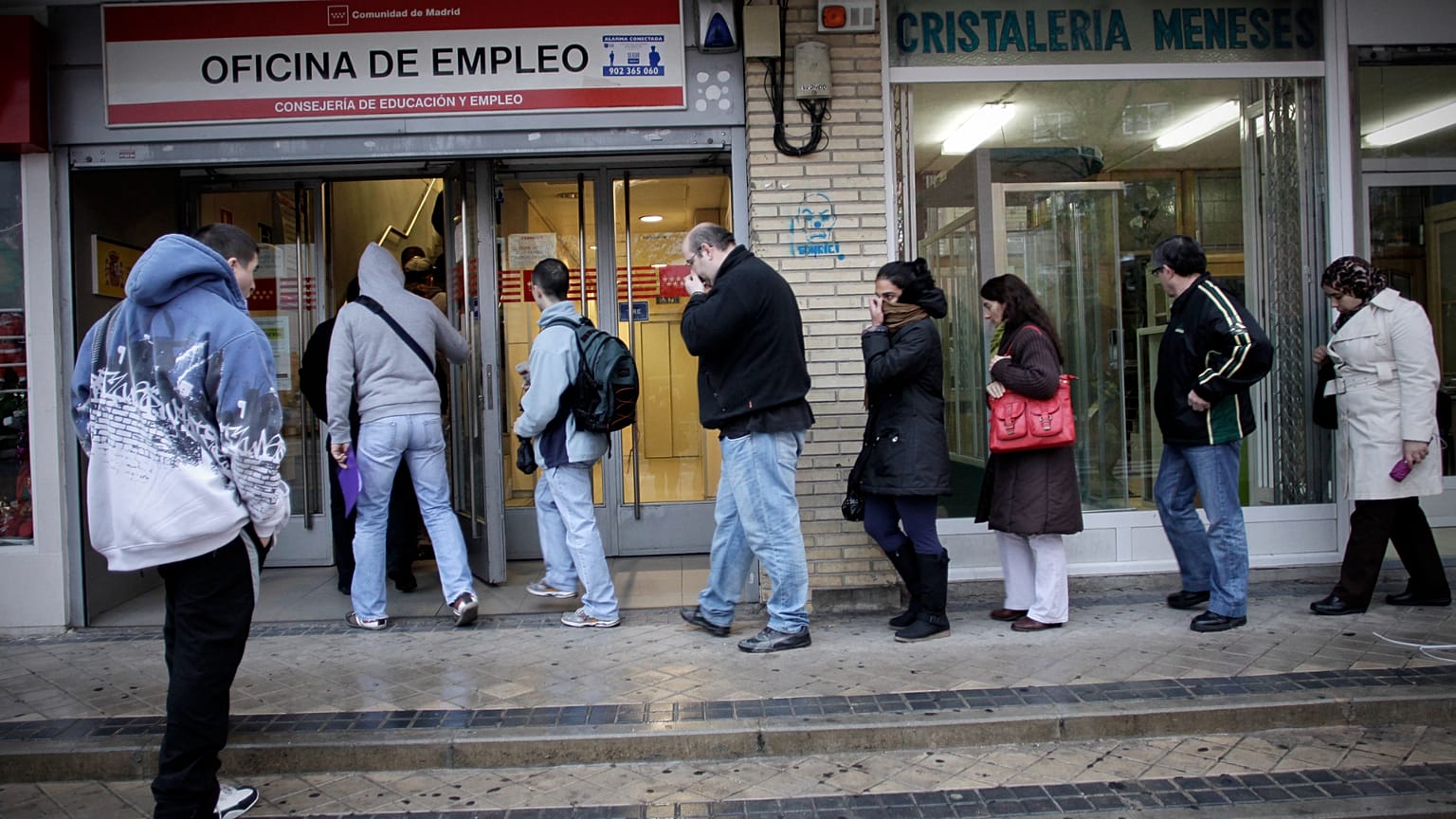
Unemployment in Spain drops to 2008 levels, file photo.
Copyright Copyright 2011 AP. All rights reserved.

By Jesús Maturana
Published on

The State Public Employment Service recorded 2,291,982 jobseekers in June, 28,739 fewer than in May, dropping below 2.3 million for the first time since January 2008. Social Security membership also hit a record high.

The figures released on Thursday by the Ministry of Labour confirm a trend that has been taking shape for months. Registered unemployment fell in June by 28,739 people compared with May, bringing the total number down to 2,291,982 unemployed people. Such a low figure had not been seen since January 2008, in other words, before the financial crisis hit.

The drop is not evenly spread across sectors. Services account for almost all of the adjustment, with 28,498 fewer unemployed, driven by the start of the tourist season.

Industry follows, with 2,829 fewer jobless, construction with 1,326, and agriculture, which records a decrease of 384. There is, however, one figure that breaks the trend: the number of people with no previous employment history has risen by 4,298, a sign that those looking for their first job, or trying to return to the labour market after time away, are finding it harder to get a foothold.

By age group, youth unemployment continues to fall: 5,155 fewer young people than in May and 6,907 fewer than a year ago, taking the total to 159,800, the lowest figure in the entire historical series for this group. The year-on-year decline is more pronounced among young women, with 4,090 fewer unemployed, than among men, with 2,817.

Women, the driving force behind the fall in unemployment

Female unemployment has fallen below 1.4 million for the first time since August 2008. There are currently 1.39 million women out of work, compared with 903,673 men. Over the past month the drop has been almost 16,000 women and 13,000 men; over the past year, 72,000 and 41,000 respectively.

Second Deputy Prime Minister and Minister of Labour, Yolanda Díaz, linked part of this improvement to the ongoing process of regularising workers’ status, which she said has allowed jobs that previously existed without legal recognition to "come to light" and now be counted both in affiliation figures and in the recognition of labour rights. In the case of women, the number of female contributors has increased by around 300,000 over the past year, bringing the total to 10.6 million, the highest figure ever recorded in Spain.

Among unemployed foreign nationals, the figure is also down: 342,086 people, 4,208 fewer than in May and 10,068 fewer than a year ago.

Social security registrations hit another record as retail drives the summer

Social Security recorded an average of 128,533 more contributors than in May, reaching 22.47 million, an all-time high. Once the calendar effect is stripped out, the seasonally adjusted figure also sets a record, above 22.2 million. Over the past 12 months the system has gained 600,595 contributors and shed 113,981 unemployed people.

Wholesale and retail trade lead monthly growth with 39,325 new registrations, ahead of hospitality, with 37,696, and administrative and support service activities, with 29,316. Looking at the full year, other sectors are providing the momentum: health and social services have added 78,373 members and construction, 66,280.

The number of self-employed workers continues to rise, reaching 3.47 million after adding 12,000 in the month and 50,800 over the year.

Affiliation of foreign workers has reached 3.45 million, more than half a million of them self-employed, with an increase of 86,630 people in June and 350,163 over the past 12 months; they now account for more than 15% of all contributors. The Minister for Social Security, Elma Saiz, pointed out that Spain has provided 54.5% of all the jobs created in the European Union during this period.