Sunday, July 26, 2026

IRONY

Major find in Hitler's birthplace: bone leads to mass graves

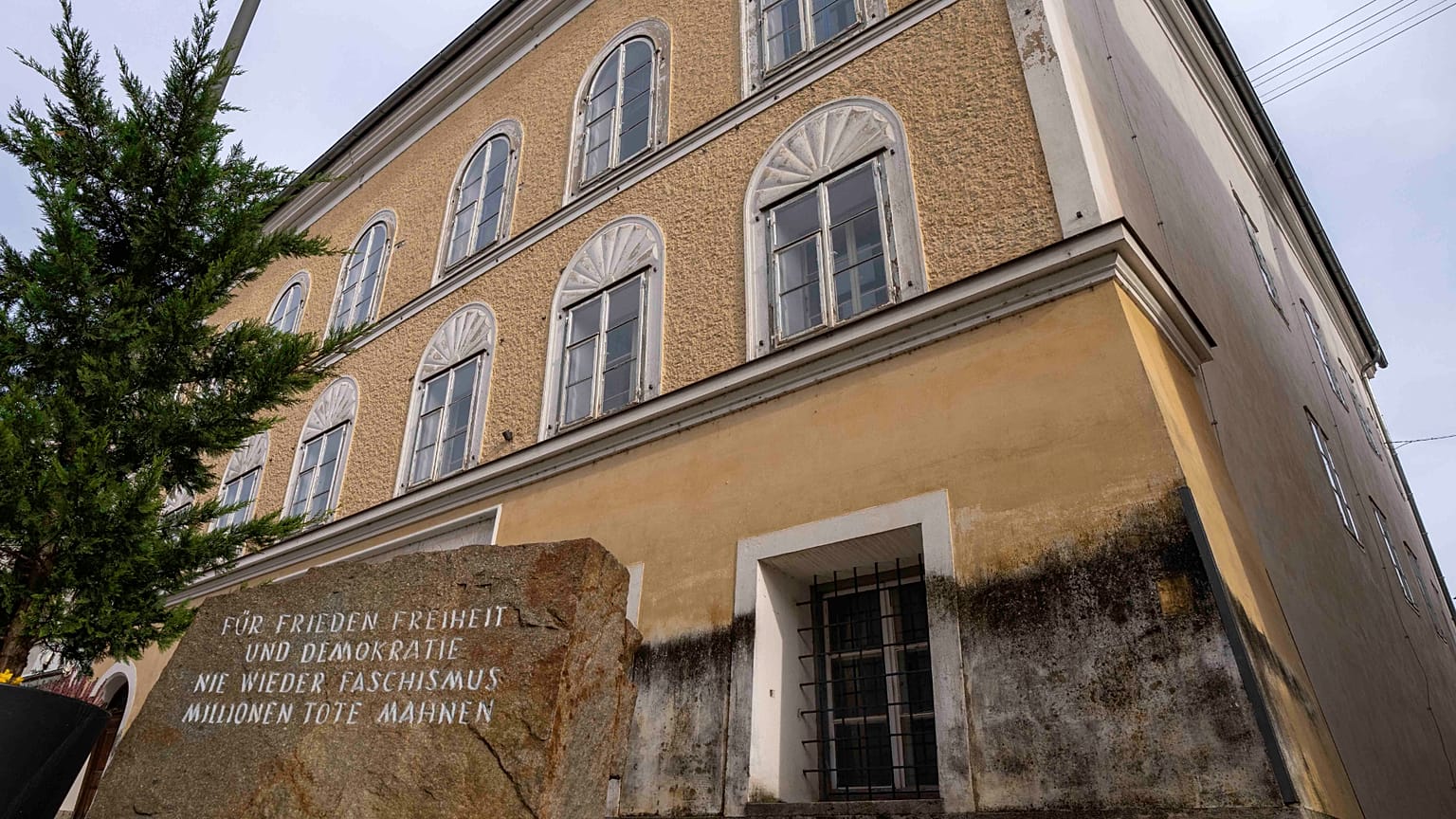
Hitler's birthplace in Braunau am Inn in Austria
Copyright AP Photo/Matthias Schrader

By Verena Schad
Published on

A girl finds a bone while playing. The discovery turns into an archaeological sensation: in Braunau am Inn, remains of at least 120 young men have been found. Experts call it an exceptional find for Central Europe.

In Braunau am Inn in Upper Austria, Adolf Hitler's birthplace, archaeologists have uncovered the remains of at least 120 people in recent months. Experts describe it as one of the most significant mass grave discoveries of recent decades.

The site is located in the Ranshofen district. After a girl discovered the bone in March, her mother notified the police. Initial examinations quickly confirmed that the remains were human. Austria's Federal Monuments Office was then brought in and an archaeological excavation was launched.

Nine mass graves uncovered

What at first looked like an isolated find quickly turned into a sensation. Archaeologists initially uncovered six mass graves, and later nine in total. The skeletons lay without any apparent order over an area of around 150 square metres. Experts believe the dead were apparently thrown hastily into the pits.

Project leader Michaela Binder described the find to the "Kronen Zeitung" as "unique in the whole of Central Europe". Heinz Gruber from the Austrian Federal Monuments Office also told the "Oberösterreichische Nachrichten" that it was an absolute exception. In more than 20 years of professional experience, he said, he had never seen a comparable discovery.

Who were the dead?

According to current findings, the remains are predominantly those of young men aged between roughly 15 and 25. How they died is still unclear. Researchers have so far found no evidence of gunshot wounds. In one case, however, they established that a lower leg had been amputated shortly before death – a possible indication of medical treatment under the conditions of the time.

Initial anthropological examinations, as well as the position of the graves, suggest that the men died during the so-called French Wars between 1792 and 1815. One possibility is that they died in a military hospital or field camp and were subsequently buried together. Further analyses, including DNA and isotope studies, are now expected to shed light on their origins, diet and possible causes of death.

Historically significant discovery

Archaeologists believe this could be one of the largest mass grave sites from the period of the Napoleonic Wars so far known in Central Europe. Such finds are extremely rare and provide valuable insights into the living and dying conditions of young soldiers at the start of the 19th century.

According to experts, the discovery has nothing to do with National Socialism. The dead were buried decades before Adolf Hitler was born. Nevertheless, the find is attracting attention because of its location: Braunau am Inn is internationally known as Hitler's birthplace. It is precisely there that a police station is now housed in the former birth house of the dictator.

The archaeological investigations on the site are continuing. Experts do not rule out that further graves may be discovered in the coming weeks.


Russian central bank cuts GDP growth forecast to zero, expects faster inflation

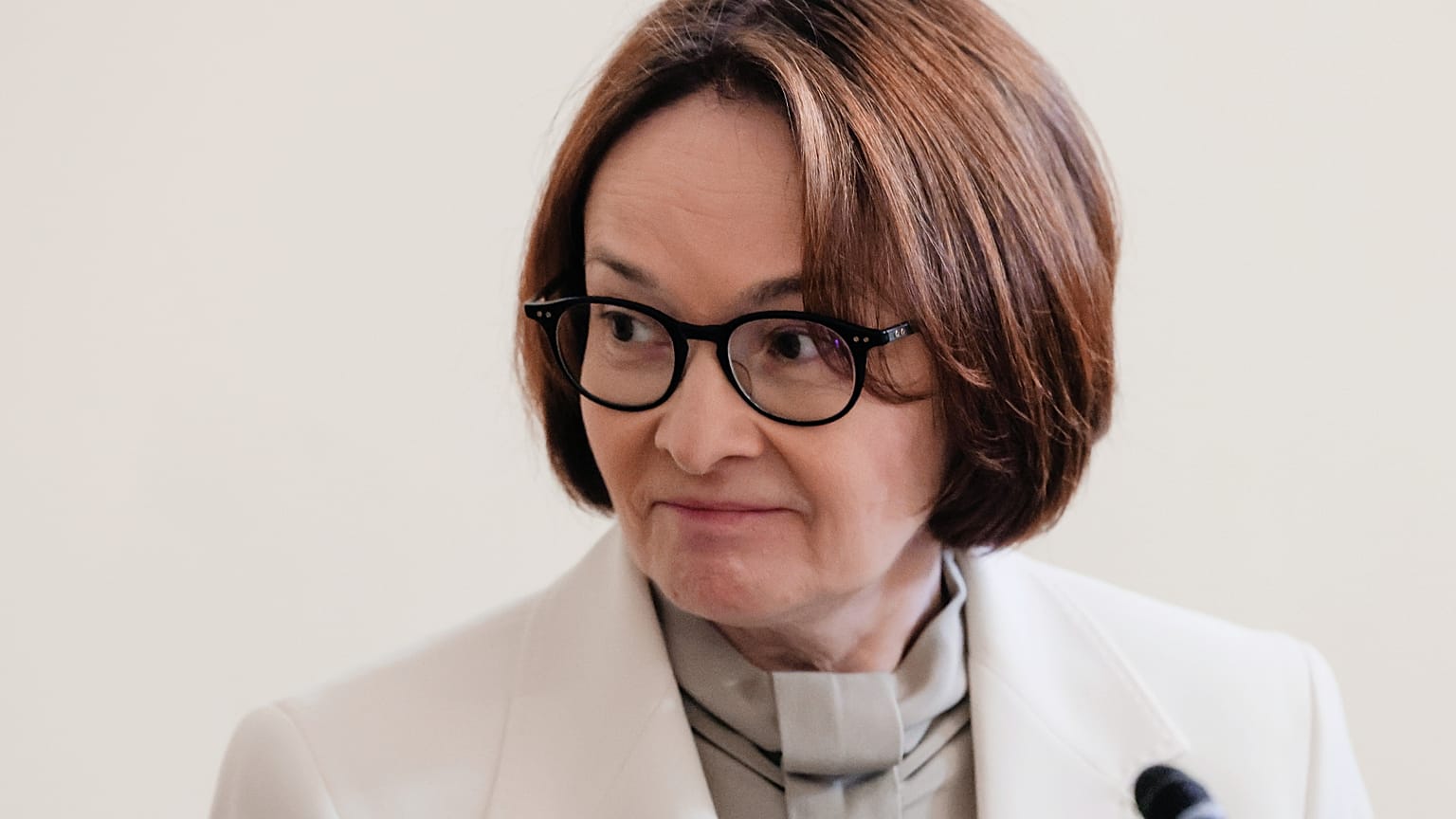
Governor of Russia's Central Bank Elvira Nabiullina expects the current acceleration of inflation in Russia to be temporary.
Copyright Sputnik

By Mihhail Salenkov
Published on

Russia's central bank has cut its 2026 GDP forecast to 0.0-1.0% and expects faster inflation as the fuel crisis drives up prices for many goods and services, its head Elvira Nabiullina said.

The Central Bank of Russia expects inflation at 6–7% in 2026 "due to the significant increase in fuel prices that has already occurred".

Previously, the regulator had expected it to slow to 4.5–5.5%.

Inflation expectations among households, businesses and financial market participants have risen. Their persistence at elevated levels may impede a sustained slowdown in inflation, the Bank of Russia said in a press release.

"The fuel situation falls into what is known as supply shocks," admitted Elvira Nabiullina, the head of the Bank of Russia, at a press conference on the same day.

Since mid-May, fuel price growth has accelerated, and in June several Russian regions faced shortages after Ukrainian strikes on oil refineries in Russia in response to the war launched by the Kremlin.

At the same time, some analysts forecast that by the end of the year inflation in Russia could turn out even higher, including as a result of strikes by the Ukrainian Armed Forces on Russian logistics centres.

The forecast for Russian GDP growth in 2026 has been cut from 0.5–1.5% to 0.0–1.0%, including the projection for the fourth quarter (from 1.0–2.0% to 0.0–1.5% year-on-year).

"Companies expect demand to slow, as follows from the real-time data. Taking into account the temporary reduction in capacity in the economy, we have lowered our GDP growth forecast," the head of the Bank of Russia commented.

The Central Bank expects that "fuel production capacity will gradually be restored by the end of the year", but Ukraine continues to use its "long-range sanctions" in response to Russian attacks.

On Saturday, Ukrainian drones struck an oil refinery in Tyumen, a logistics facility in Yekaterinburg and a fuel and lubricants depot in Rostov-on-Don.


Brazil's Flávio Bolsonaro to challenge Lula after winning party nomination

AP Photo/Ettore Chiereguini
Copyright Copyright 2026 The Associated Press. All rights reserved

By Manuela Scarpellini
Published on

Flávio Bolsonaro received backing from Argentine President Javier Milei and a message of support from Israeli Prime Minister Benjamin Netanyahu, while he seeks further endorsements from allies of US President Donald Trump

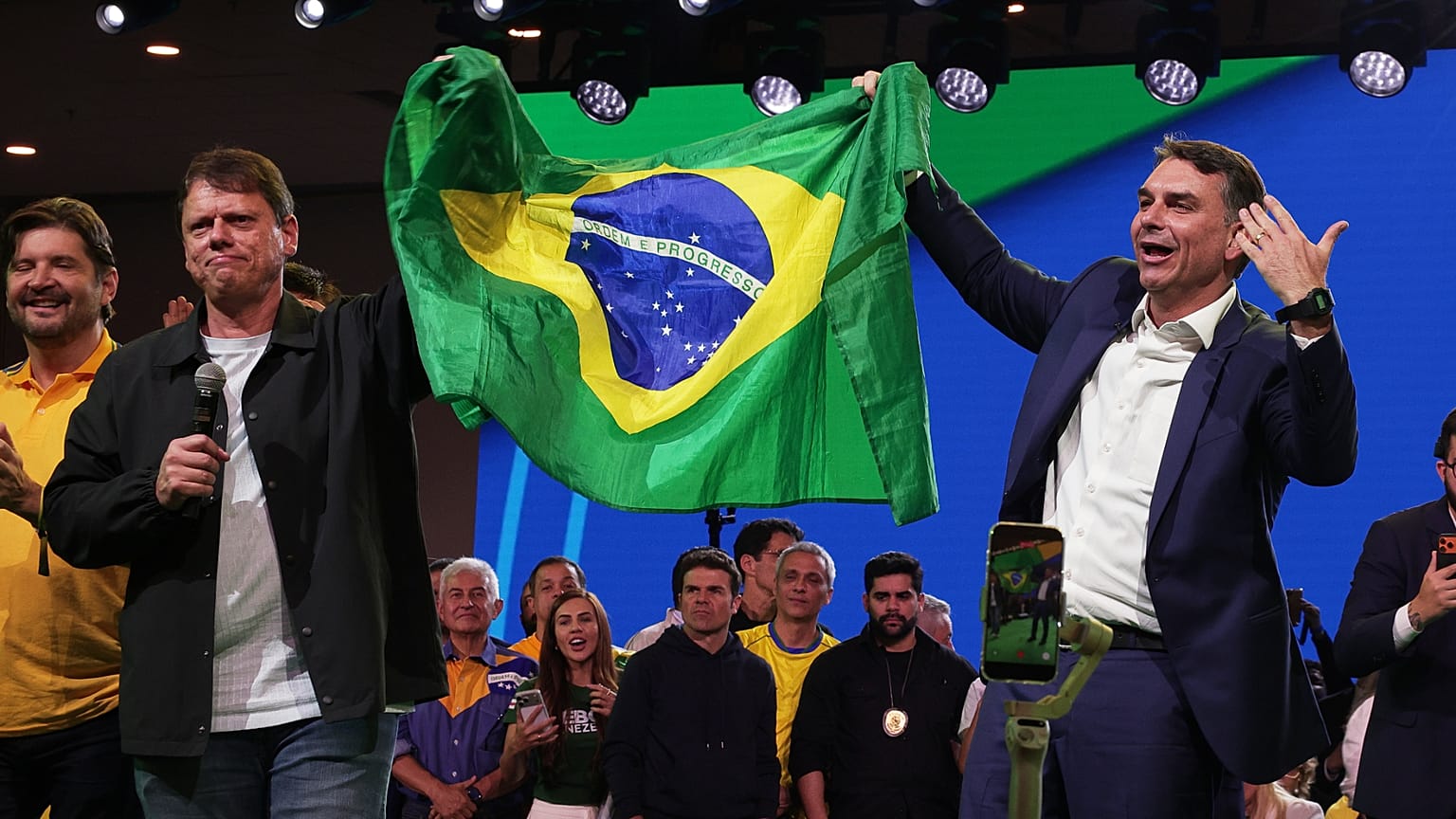
Brazilian Senator Flávio Bolsonaro, son of former President Jair Bolsonaro, was confirmed on Saturday as the presidential candidate of his father's Liberal Party, setting up a challenge against incumbent President Luiz Inácio Lula da Silva in October's election.

"Bolsonaro's blood flows here," he said at the party convention in São Paulo, as he paid tribute to his father, who is serving a 27-year prison sentence for plotting a coup after his 2022 election defeat.

The younger Bolsonaro faces a difficult campaign, with no running mate yet chosen and limited support from centrist parties that helped his father win in 2018. Several key figures were absent from the convention, including his stepmother Michelle Bolsonaro, a prominent voice among evangelical voters.

Flávio Bolsonaro received backing from Argentine President Javier Milei and a message of support from Israeli Prime Minister Benjamin Netanyahu, while he seeks further endorsements from allies of US President Donald Trump.

His campaign has already suffered setbacks, including criticism over his request for funds from a jailed banker to finance a film about his father and backlash after seeking US support as Washington imposed higher tariffs on Brazilian exports.

Jair Bolsonaro appeared at the event through an AI-generated video, as he remains under house arrest and barred from public statements.

Flávio Bolsonaro accused Lula and Brazil's Supreme Court of targeting his family, presenting the election as a battle over the country's future. Lula's Workers' Party is expected to formally confirm the 80-year-old president's re-election bid on August 2.


Venezuela’s twin earthquakes: the toll one month later

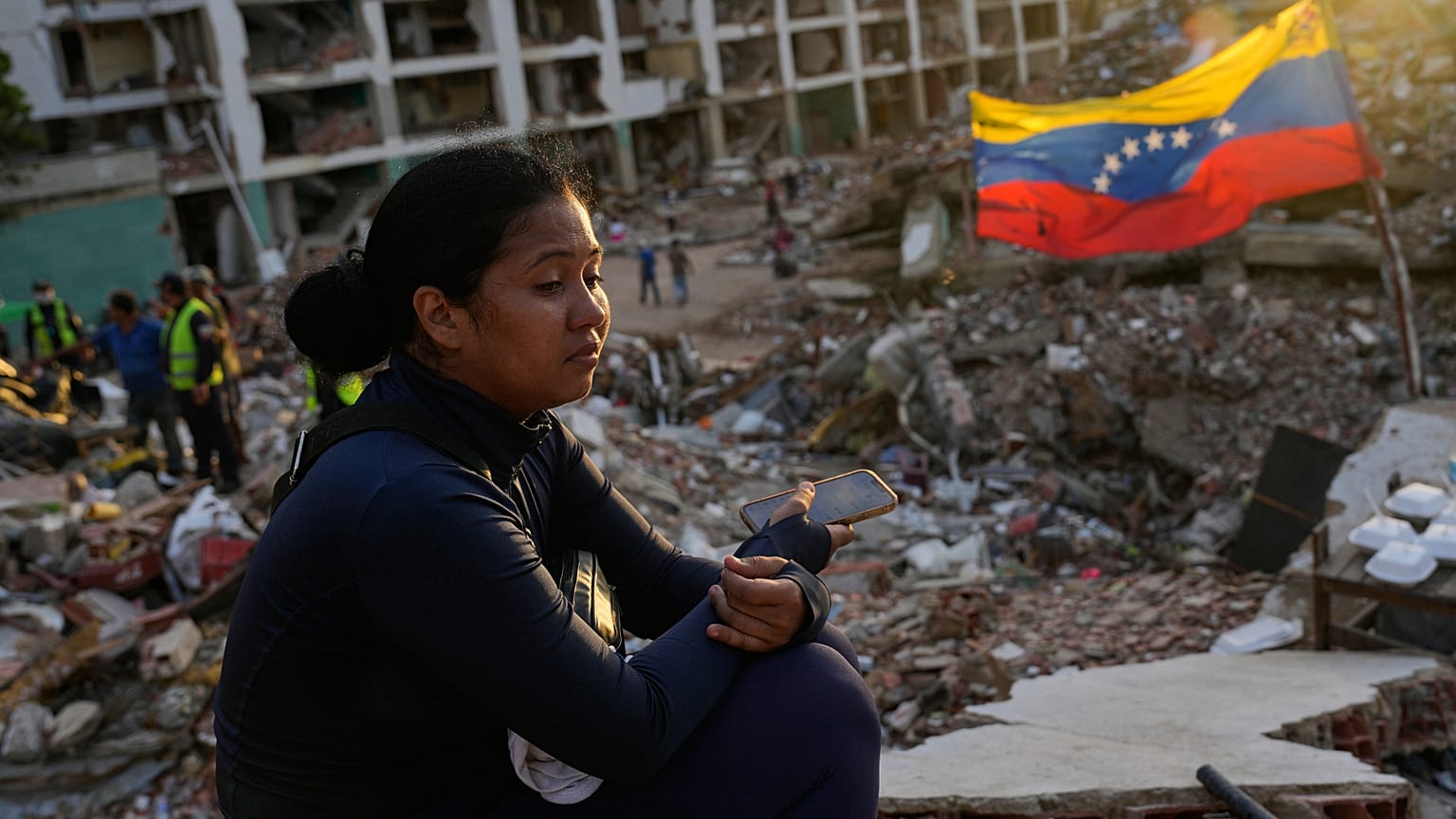
Earthquake figures in Venezuela, file image, July 2026
Copyright Copyright 2026 The Associated Press. All rights reserved

By Jesús Maturana
Published on

One month after twin earthquakes struck Venezuela, the official death toll has surpassed 5,500, with 16,700 injured. Damage is estimated at $19.6 billion, while thousands remain homeless and the number of missing people has not been updated since late June.

Thirty days have passed since the two earthquakes measuring 7.2 and 7.5 in magnitudestruck northern Venezuela just 39 seconds apart on the night of 24 June. What was described at the time as a rare seismic phenomenon**,** a seismic doublet, has turned into one of the worst natural disasters the country has experienced in more than a century.

A month on, the figures continue to evolve, although at a much slower pace than in the first few days, and there are still gaps the government has yet to fill. The most recent official toll, released last Friday by the president of the National Assembly, Jorge Rodríguez, puts the death toll at 5,546 and the number of injured at 16,740.

The figure has remained largely unchanged for weeks, which suggests medical teams are no longer receiving new serious cases, while the death toll continues to rise as debris removal work progresses and forensic teams continue identifying bodies, many of them buried unidentified in mass graves in cemeteries in La Guaira.

The most sensitive figure, however, is the one the Venezuelan government has stopped updating. Since 25 June, the day after the seismic doublet, the authorities have not provided a new official figure for the missing, which at that point stood at 157 people. In that vacuum, a citizens’ initiative has emerged, Desaparecidos del Terremoto de Venezuela, which centralises reports from relatives and keeps a register containing reports on nearly 29,500 people whose whereabouts have been reported as unknown. That gap between what the state acknowledges and what citizens themselves are documenting is one of the most questioned aspects of the way the emergency has been handled.

Material damage and displacement

Beyond the lives lost, the earthquake has left a significant economic scar. A World Bank report published last week estimates direct physical damage at around 19.6 billion dollars.

Of that amount, 9.3 billion correspond to homes destroyed or severely damaged, 5.2 billion to public infrastructure, including hospitals, schools and other essential facilities, and nearly 5 billion to commercial and industrial buildings.

On the ground, the latest official count records:

  • 856 buildings affected, 190 of which collapsed completely
  • The number of families left without housing stands at 17,907, while 23,122 people remain in 107 temporary locations set up in Caracas and La Guaira
  • 128,324 families have received some form of assistance from the authorities since the start of the emergency

Since the main shock, 1,405 aftershocks have also been recorded, some strong enough to complicate work on structures that had already been weakened.

One month on, life is trying to resume

As the weeks go by, the search-and-rescue phase has given way to debris clearance and reconstruction, a process which the authorities themselves acknowledge will take months, if not years.

Some basic services, such as electricity in certain parts of La Guaira, were restored about two weeks after the quake, but normality remains partial. Organisations such as Médecins Sans Frontières are keeping mobile clinics operating in the worst-hit areas to meet healthcare needs that the public system, already weakened before the earthquake, is unable to cover fully.

The tragedy also struck at a politically sensitive moment for Venezuela, which is undergoing a transition following the arrest of former president Nicolás Maduro at the beginning of the year, with Delcy Rodríguez heading an interim government that has yet to set a date for elections.

The way international aid is being managed, including cooperation from countries such as Israel and efforts to unblock Venezuelan assets with United States support, is emerging as one of the factors that will determine the pace of reconstruction in the coming months.


Spain's Galicia region bets big on AI and satellites to prevent summer 'megafires'

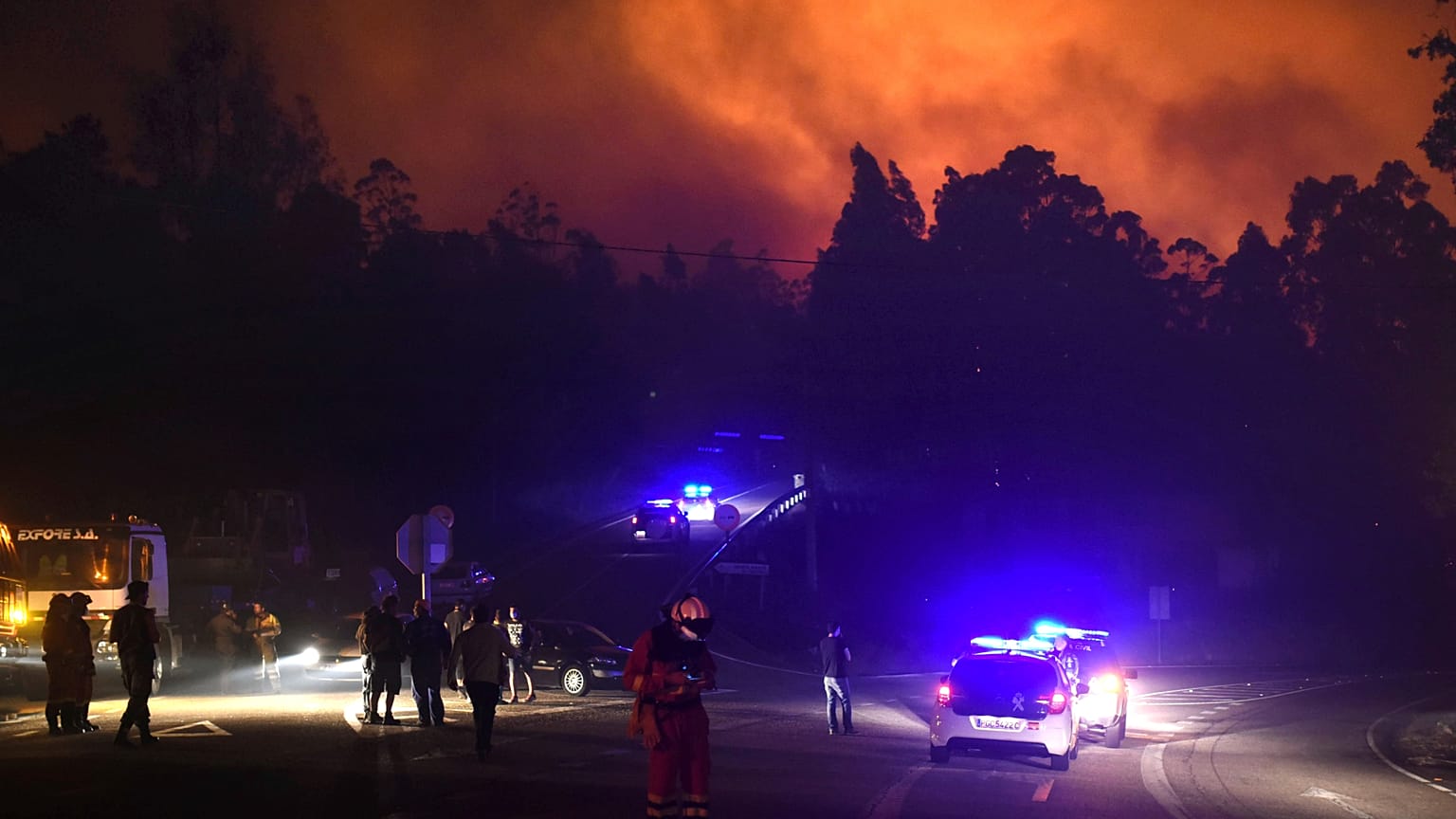
FILE - Police cars block the area as emergency vehicles responded to a wild fire in As Neves, Pontevedra, in the northwestern Spanish region of Galicia, Spain. Oct. 16, 2017.
Copyright (AP Photo/Alba Sotelo)

By Una Hajdari
Published on

Galicia is rolling out AI-powered cameras and satellites to detect wildfires within minutes, hoping to avoid a repeat of last August's devastating wildfire destruction.

Galicia is deploying artificial intelligence and an expanded satellite and camera network to detect wildfires earlier, after a region long considered one of Europe's most fire-prone areas suffered its most destructive season in decades last year.

The regional government is now implementing its "largest fire prevention plan in its history" with AI, a new app, more resources and a €213 million investment.

Wildfires burned more than 118,000 hectares across Galicia in 2025 — an area larger than Berlin, leading to them being referred to as "megafires" — according to figures released by the regional government, with the Larouco fire in Ourense becoming the largest single blaze in the region's recorded history.

Galicia's mix of dense forestry, an ageing rural population and land abandonment has long made it one of the most fire-affected regions in Europe, alongside Portugal and Greece.

How can AI help?

The AI systems work by feeding a constant stream of images, whether from ground-based cameras or, in some cases, orbiting satellites, into models trained to recognise the visual signatures of a fire starting: a rising column of smoke, a heat signature, or a specific pattern of colour and movement across the landscape.

When the system flags a possible match, it sends an automatic alert, which a technician then checks before crews are deployed.

The aim is to shrink the gap between ignition and detection from hours to minutes, since a fire caught within its first few minutes can often be contained to a small area, while one that burns unnoticed overnight or in a remote valley can spread across thousands of hectares before anyone responds.

Presenting the update to Galicia's wildfire prevention plan, regional president Alfonso Rueda said the changes were designed to "adapt to the new types of fires" of "enormous intensity" seen in recent summers, according to Galicia Press.

Galicia has built this capability into Xeocode, the region's internal fire management platform, ahead of the high-risk season that began on 1 July.

The system uses convolutional neural networks, a type of AI model suited to recognising patterns in images, to identify smoke rising from any of the 241 surveillance cameras installed in high-risk parishes across the region.

Two years of pilot testing found the system could detect a fire from more than 15 kilometres away, rising to 25 kilometres in favourable weather.

Other countries deploying AI

Galicia is not alone in turning to AI and space technology to fight fires.

The approach reflects a wider shift across fire-prone parts of Europe and beyond, as 2025 was the EU's most destructive wildfire season on record, with more than 1,079,000 hectares burnt across 25 of the 27 member states.

Greece has gone furthest, becoming the first country to integrate a dedicated satellite constellation into its national firefighting system.

Four nanosatellites, each smaller than a piece of carry-on luggage and built by German company OroraTech, scan the country twice a day, with thermal sensors designed to flag blazes as small as four metres across.

When a fire is detected, AI-processed data on its location, size and intensity is sent directly to national commanders, helping them prioritise resources when multiple fires break out at once.

The models are also trained to filter out false alarms, such as sun-warmed rock faces, solar panels or overheated factory roofs, before an alert ever reaches emergency services.

Portugal, which has the largest cumulative burnt area of any European country over the past two decades, has also begun integrating satellite-based detection into its national response, as fire-prone southern European states increasingly turn to the same combination of cameras, satellites and machine learning that Galicia is now rolling out.


Morrissey urges Sánchez to end bullfighting on return to Spain

FILE: Singer Morrissey on stage at the Anthem on 30 November 2017 in Washington DC.
Copyright 2017 Invision

By Rafael Salido
Published on

The British singer and veteran animal rights activist has sent a letter to Pedro Sánchez calling for an end to bullfights and bull runs.

Few figures in the performing arts have woven animal-rights activism as tightly into their career as Morrissey. Even before stepping on stage, the former Smiths frontman is already making waves in Spain. Just days before performing in Barcelona and Madrid, the British musician has sent a letter to the prime minister, Pedro Sánchez, urging him to help bring bullfighting to an end.

The singer, a vegetarian since his adolescence and one of the most combative voices in defence of animals for decades, asks the head of the Spanish government to use his "influence" to put an end to a tradition which, in his view, "still tarnishes" Spain's international image. "Please," he writes in the letter, "do something the whole world will love: end this barbarity".

The letter, released with the support of the animal-rights organisation PETA, comes at a time when bullfighting has returned to the centre of the political debate. On 15 July, a group of 52 MPs once again registered in the Congress of Deputies the citizens' initiative (source in Spanish) "Not My Culture", which calls for bullfights to be stripped of their status as protected cultural heritage. The proposal had already won the backing of more than 715,000 signatures.

PETA supports (source in Spanish) the campaign with an international petition addressed directly to Sánchez. The organisation says that each year thousands of bulls suffer "a slow and painful death" in Spanish bullrings and argues that public opposition to these shows continues to grow both inside and outside the country.

This cause, however, is not just a one-off reaction to his Spanish tour. It is part of Morrissey's artistic DNA. In 2014 he released "The Bullfighter Dies", one of the most talked-about songs on his album "World Peace Is None of Your Business". In it he uses irony to portray the bullfighter and repeats a refrain that went on to become a statement of intent: "The bullfighter dies and nobody cries" (in Spanish, 'El torero muere y nadie le llora').

Over the years, the musician has used interviews, concerts and statements to condemn meat consumption, factory farming, animal experimentation and bullfighting. He even, just as PETA itself did, went so far as to ask the late Pope Francis to issue a public condemnation of bullfighting.

For his followers, that commitment is an indivisible part of his persona; for his detractors, it is yet another example of his tendency to turn any public appearance into a controversy.

And he rarely goes unnoticed when he sets foot in Spain. Last March he cancelled the concert he was due to give in Valencia, claiming he was in a "catatonic" state after being unable to sleep because of the noise in the city, which was immersed in preparations for the Fallas festival. The explanation fuelled a reputation that has followed him for years: that of an artist as brilliant as he is unreliable.

It was not an isolated episode. In 2025 he also called off at the last minute his performance at Las Noches del Botánico in Madrid for medical reasons. According to specialist website Muzikalia, Morrissey has already clocked up more than 350 cancelled concerts over the course of his career. Now, even before his Spanish tour begins, he has once again managed to get people talking about him. And, once again, not just because of his music.


What is Spain's World Cup victory actually worth to the national economy?

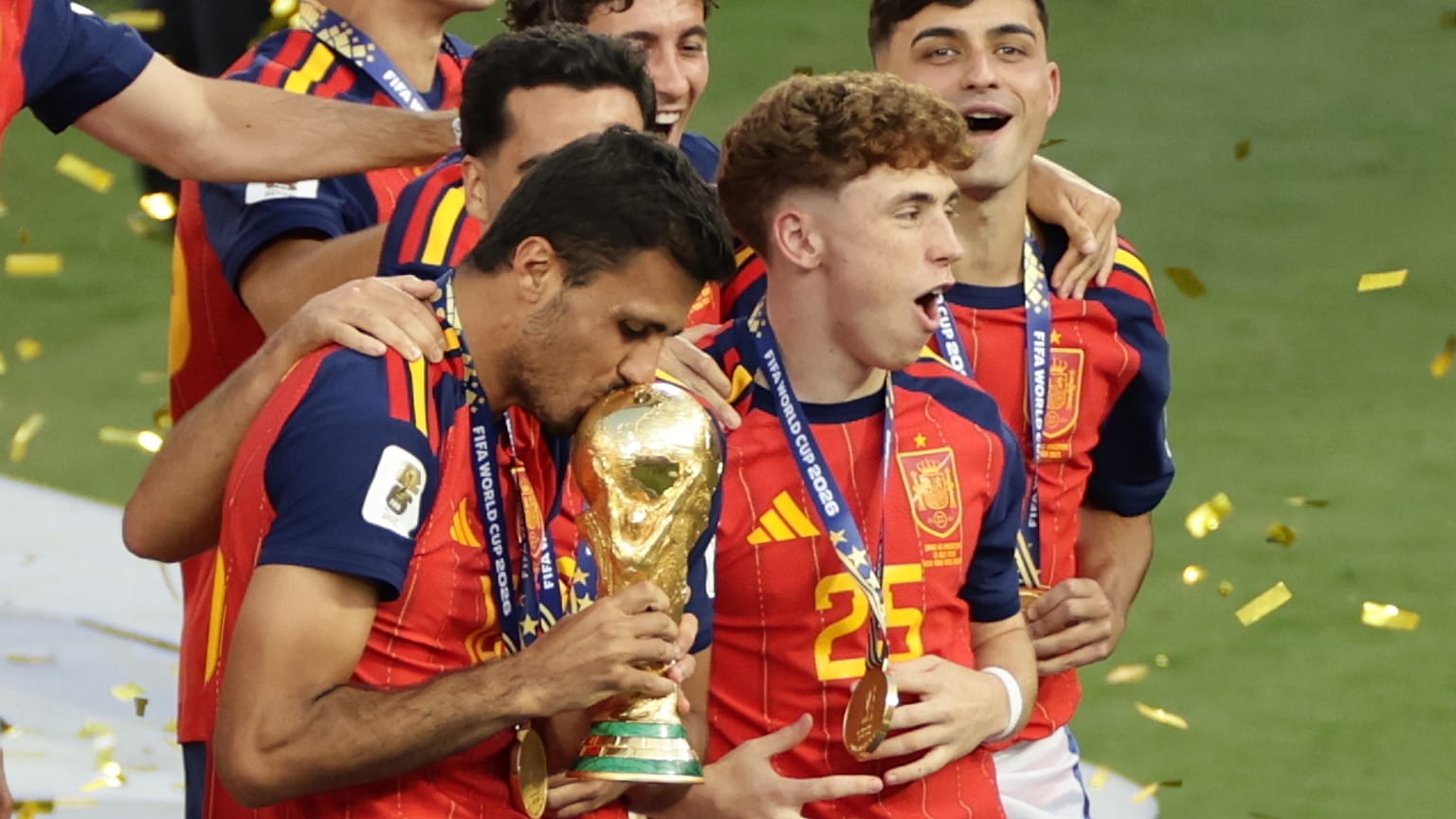
Spain's Rodri kisses the trophy as Spain celebrates after winning the World Cup final, New York, 19 July 2026


By Quirino Mealha
Published on

Spain's 1-0 victory over Argentina in Sunday's World Cup final brings a record $50 million (€43.7m) cheque from FIFA and, if past champions are any guide, a measurable but fleeting lift for the economy.

A 106th-minute strike from Ferran Torres gave Spain a second world title, 16 years after South Africa, and immediately revived a familiar question: does winning actually make a country richer?

The direct prize is simple enough.

FIFA pays the champion federation a record $50 million (€43.7m), up from the $42 million (€36.7m) Argentina collected in 2022, out of a $655 million (€572m) prize pool spread across the expanded 48-team tournament.

The Spanish federation decides how much to distribute among the squad, the coaching staff and the wider support team, while whatever is left over funds the RFEF's own running costs and development programmes, and every payment is taxed.

The Spanish authorities stand to collect around €6 million from the 17 squad members resident in Spain, most of it, some €4.4m, flowing to the state tax agency, with smaller shares to the Navarre and Basque treasuries.

The macroeconomic question is more difficult to answer.

According to a 2024 study by economist Marco Mello of the University of Aberdeen, published in the Oxford Bulletin of Economics and Statistics, winning the World Cup lifts a champion's year-on-year GDP growth by at least 0.48% over the two quarters after the final, before the effect fades, though the study's sample of champions is inevitably small.

Seemingly, the driver is not celebration spending but exports, which grow five to six percentage points faster as the title acts as a global advertising campaign for the country's goods and services.

What history says about the winners' windfall

Applied to Spain's €1.69 trillion economy, that estimated uplift is worth roughly €4 billion, according to Pedro Santa Cruz, director of Freedom24 Iberia, who nevertheless cautions that the FIFA prize itself equals about a quarter of an hour of national output.

The domestic party flatters to deceive too.

Bar and restaurant transactions jumped 36% during Spain's group games, with peaks of 66% in Seville, according to data from the payments platform Square cited by Santa Cruz, but much of that is spending displaced from elsewhere rather than new money.

The celebrations from the victory are anticipated to have a similar effect with over one million people expected on the streets of Madrid to welcome the winning team back.

Spain's own past offers the starkest warning against overclaiming.

The 2010 triumph arrived with unemployment around 20% and the economy sliding towards a banking bailout, and the trophy changed none of it.

Mello's research also finds no significant long-term growth effect for host countries.


Mexico's World Cup gains fall well short of official forecasts

Mexico's World Cup gains fall well short of official forecasts
Even for the US, which hosted most of the matches, "the World Cup is more likely to be a significant cultural event than a national economic game changer," S&P Global said. / xinhuaFacebook
By Julian DeLucia July 24, 2026

Mexico's staging of 13 matches in the 2026 World Cup has generated billions of pesos in economic activity, but will add only a fraction to national output this year, exposing a divide over how successful the tournament has been for the host country.

Moody's Local México, the ratings agency's Mexican unit, forecasts the tournament will generate about $1.03bn for the country, well below the government's own estimates. The agency expected the event to draw about 768,000 domestic and international visitors to Monterrey, Guadalajara and Mexico City, the three Mexican host cities, far short of the 5.5mn visitors projected by the tourism ministry in November 2025.

Moody's attributed the shortfall to the uneven distribution of matches between the three co-host nations. Mexico is staging just 13 of the tournament's 104 fixtures, against 78 in the United States, concentrating most World Cup-related tourism spending north of the border.

Hotels stand to benefit most, the agency said, with projected receipts of about $449mn, followed by transport operators at $257mn and bars, restaurants and beverage retailers at $156mn. Broadcasters are also expected to see higher revenue from expanded television and digital audiences.

Even so, Moody's estimated the World Cup will add just 0.13% to Mexico's real GDP growth this year. It cited ticket prices running as much as three times those charged at the 2022 tournament in Qatar, along with higher cross-border travel costs, as factors likely to further curb visitor numbers. The agency concluded that the tournament's benefits would be short-lived and would not meaningfully improve the credit standing of host municipalities or the banking sector.

S&P Global Market Intelligence reached a similar conclusion. In a research note, the firm put the likely boost to Mexico's GDP growth at 0.1-0.2 percentage points, adding that while public enthusiasm was likely to be strong, it did not expect the tournament to "have a material impact on the national economy."

Even for the US, which hosted most of the matches, "the World Cup is more likely to be a significant cultural event than a national economic game changer," S&P Global said.

Early booking figures support that cautious outlook. Data from the International Air Transport Association showed reservations to Guadalajara and Mexico City for June and July fell 3.4% and 2.2% respectively year on year, making them the only two of 16 host cities worldwide to record declines.

"These events tend to be negative for airlines because they disrupt business travel," said Willie Walsh, IATA's director-general, according to Mexico Business News. "People often believe they will create a major boom, but that is not usually the case."

Walsh said elevated hotel and match-ticket prices, along with price gouging, appeared to have curbed demand. "Hotel prices, combined with the cost of match tickets, may have discouraged people from travelling as much as expected," he said. "Traffic volumes will be lower. The overall impact is negative. It is not huge, but it is negative."

He added that the softness in the two Mexican markets had surprised him. "I have to be honest, I was surprised when I saw Mexico City and Guadalajara, and nobody has been able to explain it," he said, pointing to possible concerns over corruption and operational delays as contributing factors.

Business groups see stronger local activity

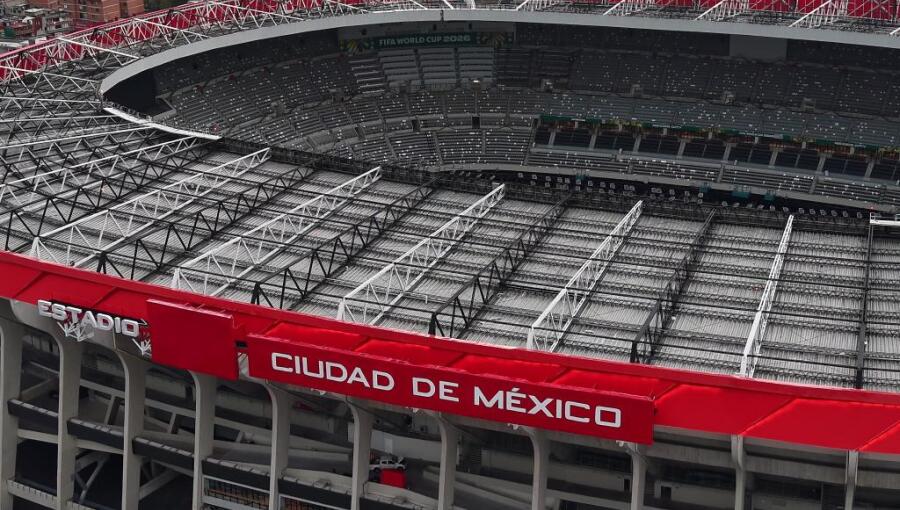
Industry bodies have painted a brighter picture at street level. The Confederation of National Chambers of Commerce, Services and Tourism, known as Concanaco Servytur, said the World Cup had generated more than MXN17.5bn ($1bn) in economic activity in its first two weeks, with the opening match at Estadio Azteca alone contributing over MXN1.2bn ($69.7mn) across Mexico City and its surroundings through demand for hospitality, dining and souvenirs, El País reported. The confederation projects total tournament-linked activity could reach MXN65bn (about $3.7bn), a figure well above Moody's estimate.

The confederation said the benefits had spread beyond the three host cities into the states of Zacatecas, Puebla, Oaxaca and Hidalgo. In Monterrey, local chambers of commerce forecast the tournament would deliver up to MXN2bn ($114.1mn) in direct state revenue, with hotel occupancy reaching 85% in the opening week and a Grupo Firme concert at the Fan Fest in Parque Fundidora drawing 150,000 people.

Restaurant and bar owners in Mexico City reported sharp swings in spending tied to the national team's results. Jorge Pascual, manager of La Cervatana bar in the capital's Zona Rosa district, said average table spending of around MXN500 ($28.56) before half-time could jump to MXN4,000-5,000 ($228-286) when Mexico was winning.

Martín Somilleda, who runs the nearby Tacontento restaurant, said staff had worked shifts of up to 15 hours on match days as the venue stayed open until 4am. "The World Cup has brought in a lot of people, a lot of work," Somilleda told El País. "I think the economy has improved a lot."

Not all analysts share that optimism. Gabriela Gutiérrez, president of the Mexican Institute of Finance Executives, cautioned that higher occupancy and consumer activity did not necessarily translate into new income for the country. "A significant portion of this impact will be the reallocation of Mexican household spending towards bars, restaurants, supermarkets, transportation and sporting goods," she told El País. "It's real economic activity, but not necessarily new income for the country; it's the same money moving faster, with more excitement, and with greater sectoral concentration." How much of that spending stayed within the domestic economy, rather than flowing to multinational chains or imported goods, remained unclear, she added.

Consumer spending data show little momentum

National statistics point to a more subdued consumer backdrop than the tournament's buzz might suggest. Mexico's National Institute of Geography and Statistics said on July 15 that household spending rose just 0.4% in May and 0.5% in June, according to its Timely Indicator of Private Consumption, El Economista reported. The readings followed a similarly weak 0.1% expansion recorded for April under the institute's Monthly Indicator of Private Consumption.

On an annual basis, the timely indicator showed private consumption rising 2.8% in May and 2.6% in June, against 2.1% annual growth logged by the monthly indicator in April. The institute said the year-on-year gains largely reflected weak spending at the end of 2024 and the start of 2025, rather than any fresh pick-up in demand.

Separately, the National Association of Supermarkets and Department Stores said comparable sales among its members fell 1.6% in nominal terms in June, even as World Cup festivities took place nationwide.

The statistics institute noted that the timely indicator offers an early approximation of the monthly indicator, with a first reading published two weeks after the reference month and a revised estimate six weeks later, while the monthly indicator itself is released nine weeks after the period it covers. Data for May under the monthly indicator are due on August 5. The institute's April estimate of 0.4% growth under the timely indicator was later revised down to 0.1% once the monthly figures were published, it said, underscoring the volatility of the preliminary data.

Cumulative private consumption rose 2.2% between January and April this year, reversing a 1.1% contraction over the same period in 2025, the institute said, adding that the expansion was driven chiefly by a 12.1% surge in imported goods purchases, while spending on domestically produced goods and services slipped 0.3%.

Airline and construction data point to gains

Some sectors have reported clearer benefits. Leobardo Ávila, chief executive of state-owned Mexicana Airlines, said on 14 July that passenger traffic rose 42% between June 1 and July 5 compared with the same period last year, as the carrier expanded its route network from Felipe Ángeles International Airport in the State of Mexico, La Jornada reported.

"From the beginning of June to July 5, when we were doing the analysis, Mexicana increased the number of passengers by 42% compared to the same period last year," Ávila told reporters, speaking after the airline launched a new route linking the airport with the northern city of Chihuahua. "We increased our capacity to generate greater connectivity during the World Cup series," he added.

The Chihuahua service extends Mexicana's network from the airport to 17 destinations, with routes to Hermosillo and the Bajío airport in Guanajuato due to follow later in July, after earlier launches to Acapulco and Tuxtla Gutiérrez. Ávila said the airline, reconstituted as a state carrier under a June 2023 presidential decree, was expanding its fleet with Embraer E195 and E190 aircraft and had carried more than 1.1mn passengers since starting operations in December 2023, reflecting monthly growth of about 23%. "Each new route is a catalyst for progress that brings markets closer together and contributes to the prosperity of the regions," he said.

Broader indicators suggest the tournament has bolstered second-quarter growth. Mexico's economy expanded 1.2% month on month and 2.2% year on year in April, underpinned partly by a 7.6% monthly surge in construction, its fastest pace since August 2020, which analysts linked in part to World Cup-related infrastructure works. Gabriela Siller, director of analysis at Banco Base, said in a written statement that construction, consumption and tournament-linked tourism pointed to a strong second-quarter GDP reading.