Sunday, July 26, 2026


Wealth per adult rankings: How does Europe compare with the world’s richest countries?
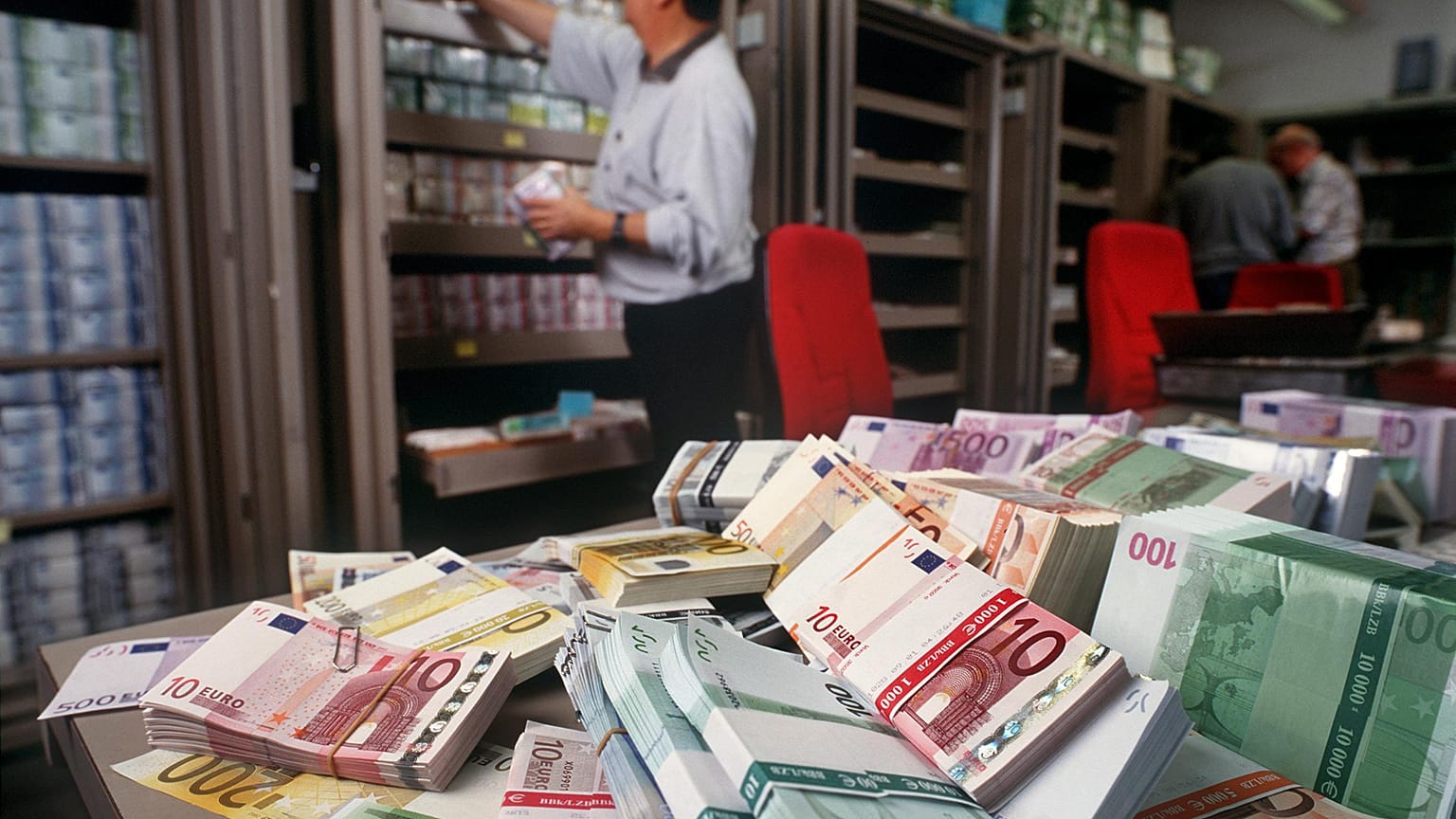
Euro banknotes are piled up on a table in the foreign exchange department of UBS bank in Zurich, Switzerland, in this Dec. 13, 2001
Copyright Copyright 2001 AP. All rights reserved.


By Servet Yanatma
Published on


The average wealth per adult in Western Europe is less than half that of the US. European countries perform better in median wealth, while the US drops significantly.

Wealth per person across the globe varies significantly as shown by the UBS Global Wealth Report 2026.

The US is home to 38.1% of personal wealth out of the 56 countries in the report which represent over 92% of the world's wealth.

Western Europe follows at 21.9%, while Eastern Europe accounts for only 3.3%.

Average and median wealth per adult also differ widely across countries with 18 of the global top 30 economies in average wealth per adult being in Europe. This rises to 19 markets for median wealth.

So which countries are the richest in terms of wealth per adult? And how much wealth per adult do Europeans have?

As of the end of 2025, Switzerland leads the global top 30 list with an average of €777,506 per adult. The US ranks second with €594,651 (or $696,277). Luxembourg (€559,170) is the EU country with the highest average wealth per adult.

Hong Kong, Australia and Singapore follow, with over €450,000.

Denmark (€446,959), Norway (€363,303) and the Netherlands (€354,673) are the other European countries in the top 10.

Average wealth per adult is also above the €300,000 level in Belgium (€348,382) and Sweden (€347,089)

No big gap among Europe's major economies

Europe's five largest economies also appear on the list.

Germany ranks highest at 14th, while Italy sits lowest at 23rd, but the average wealth levels are not too different.

Germany's average is €296,023 compared with €238,653 in Italy. France follows at €291,536, then Spain at €261,689 and the UK at €250,071.

Ireland (€268,312), Austria (€239,123), Finland (€178,610), Portugal (€167,188), Malta (€139,769) and Greece (€122,421) are the other European countries in the top 30 list.

Median wealth tells a different story

When wealth per adult is examined by median rather than average, both the amounts and the rankings change significantly. A median is the middle number in a list sorted from lowest to highest, or highest to lowest.

"The conclusion we can draw is that each market has a different distribution of wealth, therefore appearing wealthier or poorer depending on which segment of the adult population we look at," the report said.

Luxembourg leads the global median wealth list at €336,498. This is less than half of the top average wealth figure. Belgium ranks second but median wealth falls to €236,712.

Australia (€180,018), New Zealand (€176,460) and Hong Kong (€160,533) are also in the top 10, as they are in the average wealth rankings.

Denmark (€174,029), Switzerland (€124,310) and Norway (€119,569) are the other European countries in the top 10.

Big shift among Europe's five largest economies

The rankings change entirely among Europe's five largest economies. Italy has the highest median wealth per adult at €111,881, ranking 11th globally. Germany, in contrast, has the lowest figure at €45,679, ranking last globally.

The UK (€107,042), France (€104,106) and Spain (€95,290) are closer to Italy, making Germany's figure stand out as significantly lower.

When both lists are compared, Slovenia replaces the UAE in the median wealth ranking.

Heavy concentration of extreme wealth

The US ranks third from the bottom at €58,927, compared with second in the average wealth ranking. This is by far the largest single drop in the list.

Germany also dropped 16 places, from 14th to 30th. The drop is also above 10 places in Sweden and Singapore.

These countries rank significantly higher in average wealth than in median wealth, indicating a heavy concentration of extreme wealth at the top.

Japan climbs 14 places, from 24th to 10th. Malta, Italy, Belgium and the UK are other countries with significantly higher positions in the median rankings compared with the average. This points to a broader and more evenly distributed middle class.

The report emphasised that median wealth is known to paint a more accurate picture of the wealth levels prevalent in the middle of the scale.

However, all of these data tell us nothing about purchasing power.

Looking at broader regional terms, the US clearly has the highest average wealth per adult compared with other regions, including Europe.

It stands at €594,651 in the US whereas average wealth in Western Europe is less than half that. It is €287,884 Western Europe while this falls to €53,055 in Eastern Europe.


 

The majority of AI jobs now sit outside technological occupations in Europe

Dr. Frida Polli, co-founder and CEO Pymetrics, demonstrates AI technology used to assess job skills during an interview with The Associated Press at the Pymetrics headquarters
Copyright Copyright 2021 The Associated Press. All rights reserved

By Servet Yanatma
Published on

AI-labelled job titles in postings have been increasing rapidly across Europe. However, these opportunities are no longer limited to AI or data jobs as most are now in non-tech positions.

Jobs are evolving with some disappearing and others emerging. The internet previously brought a revolution in jobs but now it's the turn of artificial intelligence.

People are curious about the possible impact of AI on the future of jobs with many scared that it will take their jobs away.

While policymakers and experts discuss the role of AI in jobs, the share of AI-labelled postings is rising quickly. More importantly, the majority of AI-labelled jobs now sit outside technology occupations in major European economies, as per Indeed's data.

The adoption of AI tools has accelerated rapidly across Europe with 15% of people aged 16 to 74 in the EU using generative AI for work last year, according to Eurostat.

The shift began mainly in software and data jobs, but it has since spread to sales, HR, legal services, customer support and administrative roles.

This suggests that "AI-related skills, tasks and tools are becoming mainstream in the labour market," according to Pawel Adrjan, Director of Economic Research at Indeed.

The data of the global hiring platform shows how quickly this is happening as Indeed classifies a job title as "AI-labelled" when at least five postings under that label have AI in the employer's job title in a given calendar quarter.

Germany leads the way in AI job titles

For the first quarter of 2026, Germany led with 288 AI-labelled job titles, followed by the UK (160), France (138), the Netherlands (84) and Spain (81).

The growth is telling as in the first quarter of 2022, these figures were far smaller.

Germany rose from 72 to 288, Spain from 8 to 81, France from 35 to 138, the UK from 61 to 160, and the Netherlands from 21 to 84.

The share of AI job titles on the rise

These increasing figures are also reflected in the share of AI-labelled job titles in all job postings. As of Q1 2026, AI-labelled titles correspond to 4.2% of all titles in Germany. This was only 0.8% four years ago.

In France, 3.3% of all titles are AI-labelled, followed by the UK (2.7%). This is also above 2% in Spain (2.3%) and the Netherlands (2.2%).

As all these figures were below 1% in every country in 2022, even marginally smaller in some, as shown in the chart, the increase reflects a huge jump.

AI job titles spread far beyond tech roles

In four of the five European countries, more than half of all AI-labelled job titles are now beyond tech jobs.

Germany leads, with 59% of AI-labelled titles outside tech, closely followed by the Netherlands at 58%. In France and the UK, 54% of AI-touched job titles are now outside tech occupations.

Spain is the only exception. 64% of AI-labelled job titles still remain in tech roles, with 36% in non-tech.

“Employers are not only hiring AI specialists, but they are also adding AI to the titles of jobs where the use of AI tools is required – an indication of how AI is already reshaping jobs,” Adrjan wrote in his blog.

New non-tech job types have emerged. For example, in the UK, a sales executive posting seeks a "Solution Sales Executive - AI, Data and Analytics." A lecturer post is titled "Lecturer in Digital Business and AI."

Legal counsel roles now include "Legal Counsel, Privacy, Product & AI," while operations associate postings ask for an "Operations Specialist, AI Enablement."

In Germany, one HR manager posting looks for someone who can 'use AI in HR to increase efficiency.' In France, employers seek salespeople to sell AI products and solutions. In the Netherlands, postings call for marketing and advertising specialists who use AI.

"Including AI in the job title is a deliberate choice that likely means the employer considers AI as central to the role," Adrjan said.

Indeed emphasises that they focus on job titles rather than full job description text, because the main body of a posting can mention AI in many different contexts that aren't necessarily related to the role itself.


Euroviews. Are employers hiring for today's labour market or the one they already know?

Are employers hiring for today's labour market or the one they already know?
Copyright Copyright 2022 The Associated Press. All rights reserved.

By Sue Duke, Managing Director for EMEA and LATAM at LinkedIn
Published on
The opinions expressed in this article are those of the author and do not represent in any way the editorial position of Euronews.

Applications per role have roughly doubled since 2022, yet business leaders are telling me they can't find the talent they need. Something isn't adding up.

Most leaders I speak to think they have a talent problem, but that is only partly true.

AI is changing the skills people need at work and lowering the barrier to application for candidates, while many companies are still hiring and managing as if little has changed.

The result is a strange mismatch: two-thirds of recruiters say it's harder to find qualified talent than a year ago, while people with the right skills are still being missed. Fixing that means changing how companies hire, how managers lead, and how work is organised.

Let's start with hiring.

For decades, employers hired based on where you studied, where you worked before, and who you already knew. Even now, people are over three times more likely to be hired somewhere they already have a connection.

For a long time this way of hiring made enough sense. However, it always came at a cost: you overlook people who have the right ability but not the "right" CV, and it leaves recruiters competing for the same small pool of candidates.

Used well, AI should widen human judgement, not replace it. It can help employers cut through the noise and look beyond the traditional CV to spot people whose skills aren't obvious from a job title, degree or previous employer.

That means being clearer about the skills a role really needs, and stripping out unnecessary degree and experience requirements, so people with less conventional paths get a fairer chance to be seen.

Hiring the right people is only half the problem. If the organisation they're walking into hasn't changed, neither will the outcome.

Bolting AI onto structures that haven't changed

Many companies are adding AI to old ways of working. They keep the same job titles, the same hierarchies and the same decision-making processes — then expect technology to transform the business for them.

It doesn’t work this way. Most companies have bought AI tools and plugged them into how they already work. This means you only get a slightly faster version of an old way of working, not a better way of running an organisation.

Six in ten leaders say change is happening faster than their organisation can make decisions, and most are responding by doing the same things faster rather than asking whether those things still make sense. Leaders need to stop treating AI as a tool to bolt onto existing jobs.

They should look at the work itself: which tasks can be done faster, which decisions still need people, and which roles need to be rebuilt as a result. But that only works if managers are ready for this shift.

Managers are being asked to lead a change no one has explained to them

As AI absorbs more routine work, managers will need to spend less time checking work and more time helping people adapt, learn and make better decisions. They need to develop their team's judgement, creativity and empathy — exactly what AI can’t do.

Yet half of leaders admit they don't yet know how AI will reshape the roles inside their organisation, and eight in ten say their own role is being redefined in real time. That uncertainty is understandable, but it cannot become an excuse for standing still.

Some employers are beginning to respond by training managers differently, giving staff practical time to learn AI tools, and creating safer ways for teams to practise new skills.

For example, UNICEF UK is using AI-powered coaching to help managers practise difficult conversations with the AI providing realistic scenarios and honest feedback.

Workers cannot be expected to adapt to a changing labour market if the people leading them have not been trained for it either. All three shifts are connected. You can't hire skills-first into a structure that still rewards titles.

You cannot tell people skills matter, then promote only those with the most familiar career paths. You cannot ask workers to embrace AI, then leave managers unclear on how roles are changing. Finally, you cannot solve a skills shortage if your hiring process filters out people before their abilities are properly seen.

Employers need to stop hiring for the labour market they remember, and start looking for the skills people actually have.


The challenges companies face to launch robotaxis in Europe

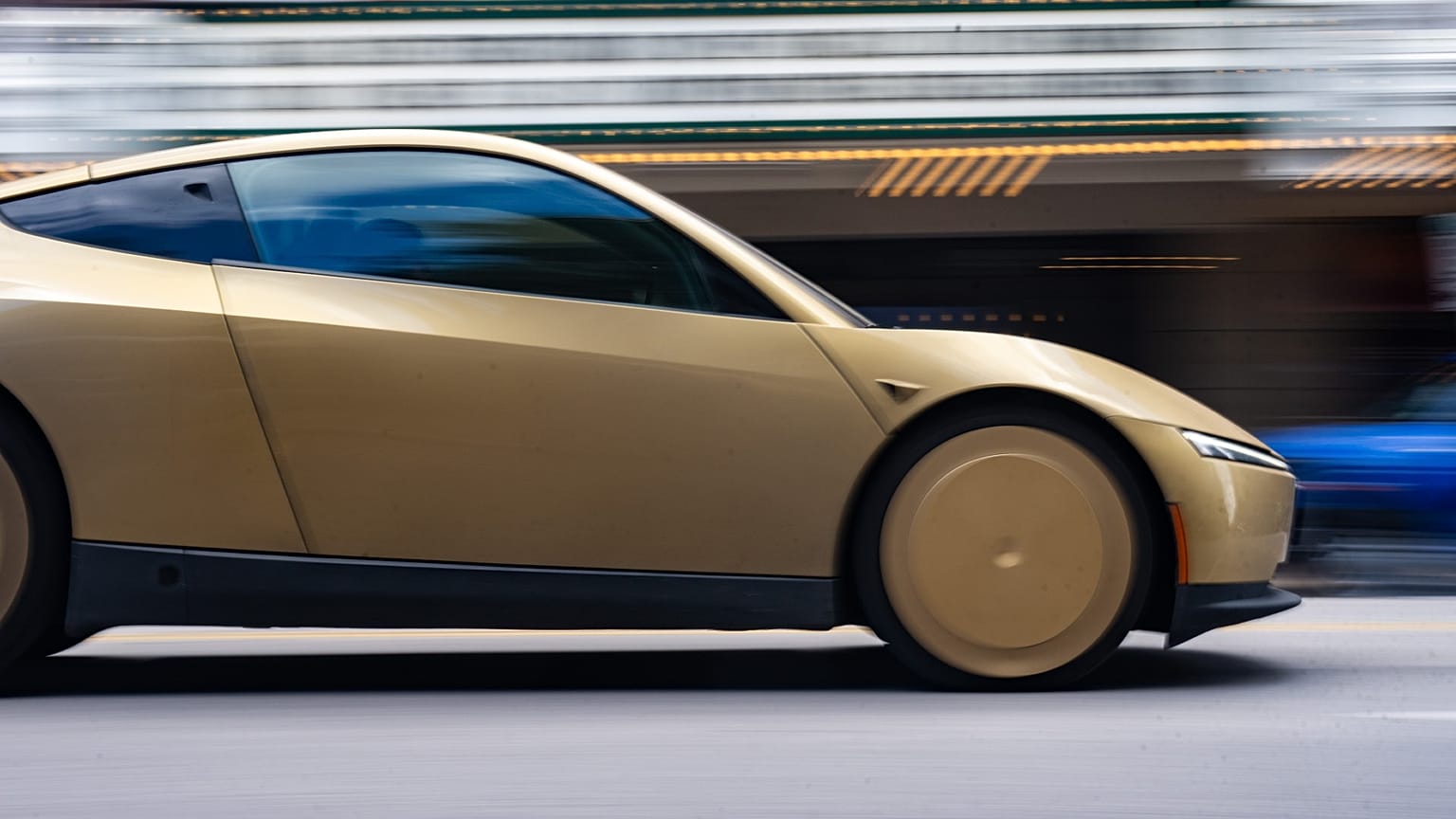
A Tesla Robotaxi travels down Congress Avenue in downtown Austin, Tuesday, June 16, 2026.
Copyright AP PhotoMikala Compton/Austin American-Statesman via AP

By Indrabati Lahiri
Published on


European carmakers like BMW, Volkswagen and Mercedes-Benz have continued to struggle significantly to roll out commercial robotaxi fleets, unlike Chinese companies, but why?

Several car companies across the world have attempted to launch robotaxis in the last few years. However, more often than not, these plans have been quickly abandoned, with companies doing quiet U-turns shortly after announcing them.

Tesla, one of the biggest poster companies for robotaxi promises, has faced a slowing rollout in the last few months, driven by the requirement to increase safety and unresolved operational and software challenges.

However, Tesla is hardly the only company facing these problems, with a number of European car companies like Volkswagen, BMW and Mercedes-Benz seeing considerable hurdles in their robotaxi plans as well.

Why is it so difficult for companies to launch robotaxis in Europe?

While legacy carmakers have seen minor advancements in robotaxis lately, progress still remains slow and uneven for widespread launches.

Volkswagen first announced its commercial robotaxi partnership with Uber back in April 2025. This was after it also introduced its autonomous driving subsidiary, VW ADMT in July 2023.

This July, the company finally launched its first actual pilot passenger robotaxi service via its subsidiary Moia in Hamburg.

Despite this pilot, full commercial rollout of Volkswagen’s robotaxis in Europe still faces considerable challenges, such as strict regulatory timelines, high hardware costs and mandatory safety monitor requirements, among others.

European and German road regulations require trained safety monitors to stay behind the wheel during public tests. This makes it highly unlikely for Volkswagen to receive fully driverless commercial certification until at least 2027.

Europe also continues to take a more cautious approach to unproven software, compared to the US and China. This risk-averse oversight means that real-world algorithm training is often delayed.

Local safety watchdogs and crash-investigation guidelines in Europe could also struggle to keep pace with rapid commercial robotaxi rollouts, adding another layer of complexity.

High hardware costs and software complexity have slowed rollouts further. BMW has paused its “eyes off” Personal Pilot Level 3 features on flagship models because of soaring costs and low demand.

Instead, it has now shifted focus toward advanced Level 2 Plus/DCAS assisted driving, where the driver remains responsible for the car and maintaining attention on the road.

Similarly, Volkswagen ended a prior joint development alliance with Bosch, due to higher costs.

Consumers are also increasingly unwilling to pay more for only limited autonomous features, which has stalled business cases for driverless fleets in many cases.

Rising competition between European players like Mercedes-Benz and tech-driven partnerships like the Uber-Autobrains/Wayve tie-up has squeezed the assisted and automated driving market further.

Strong existing urban public transport networks across most European cities has also moved the focus towards stronger transit integration rather than more ride-hailing options.

China's advantage

While Europe continues to struggle with autonomous driving features and commercial robotaxi rollouts, China already has robotaxis in several of its cities like Beijing, Wuhan, Shenzhen, Guangzhou and Shanghai.

These services operate mainly within specified geofenced pilot areas and suburban districts, rather than across entire metropolitan centres, with cities like Wuhan and Shenzhen even having extensive commercial fleets running 24/7.

Users can hail rides through mainstream platforms and booking apps such as WeChat and Alipay.

This has led to one key question: What is China doing right regarding robotaxis, that Europe still isn’t?

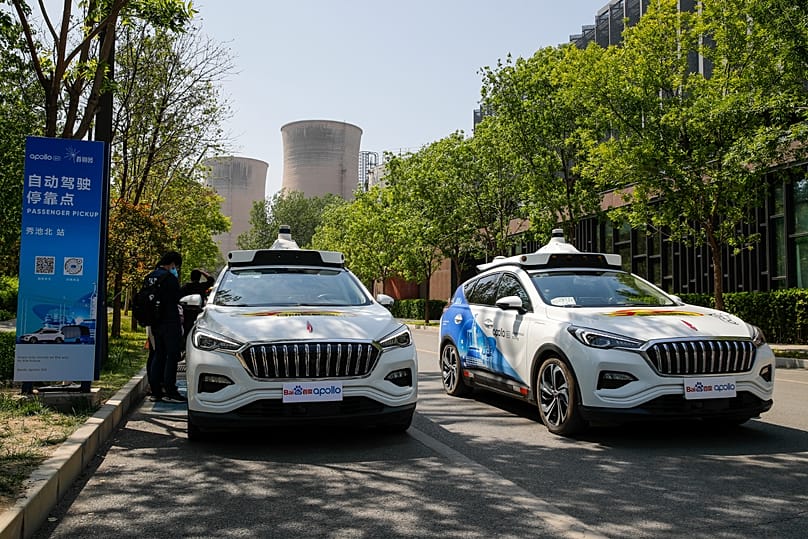
Baidu Apollo Robotaxis pass by a passenger pickup point setup at the Shougang Park in Beijing, China, 2 May, 2021
Baidu Apollo Robotaxis pass by a passenger pickup point setup at the Shougang Park in Beijing, China, 2 May, 2021 AP Photo/Andy Wong

One of the biggest reasons China is seeing explosive growth in robotaxis is due to widespread government support, as state policies back autonomous driving development under national tech goals.

Another reason is that even though they also face safety issues, such as a licensing pause following a technical traffic disruption in Wuhan in April this year, permit issuance is now steadily bouncing back, as of July.

As such, China is not letting occasional technical roadblocks slow the overall trajectory and growth of robotaxis across its cities.

The domestic car manufacturing sector and EV supply chain has also boosted significant opportunities to gain cheaper hardware and scale production.

Similarly, cities like Beijing and Guangzhou also provide plenty of opportunities to train software in chaotic urban centres and help algorithms understand unpredictable pedestrian and vehicle behaviour.

Chinese consumers have displayed a greater willingness to ride in and trust driverless vehicles compared to European and other Western markets too.

IRONY

Major find in Hitler's birthplace: bone leads to mass graves

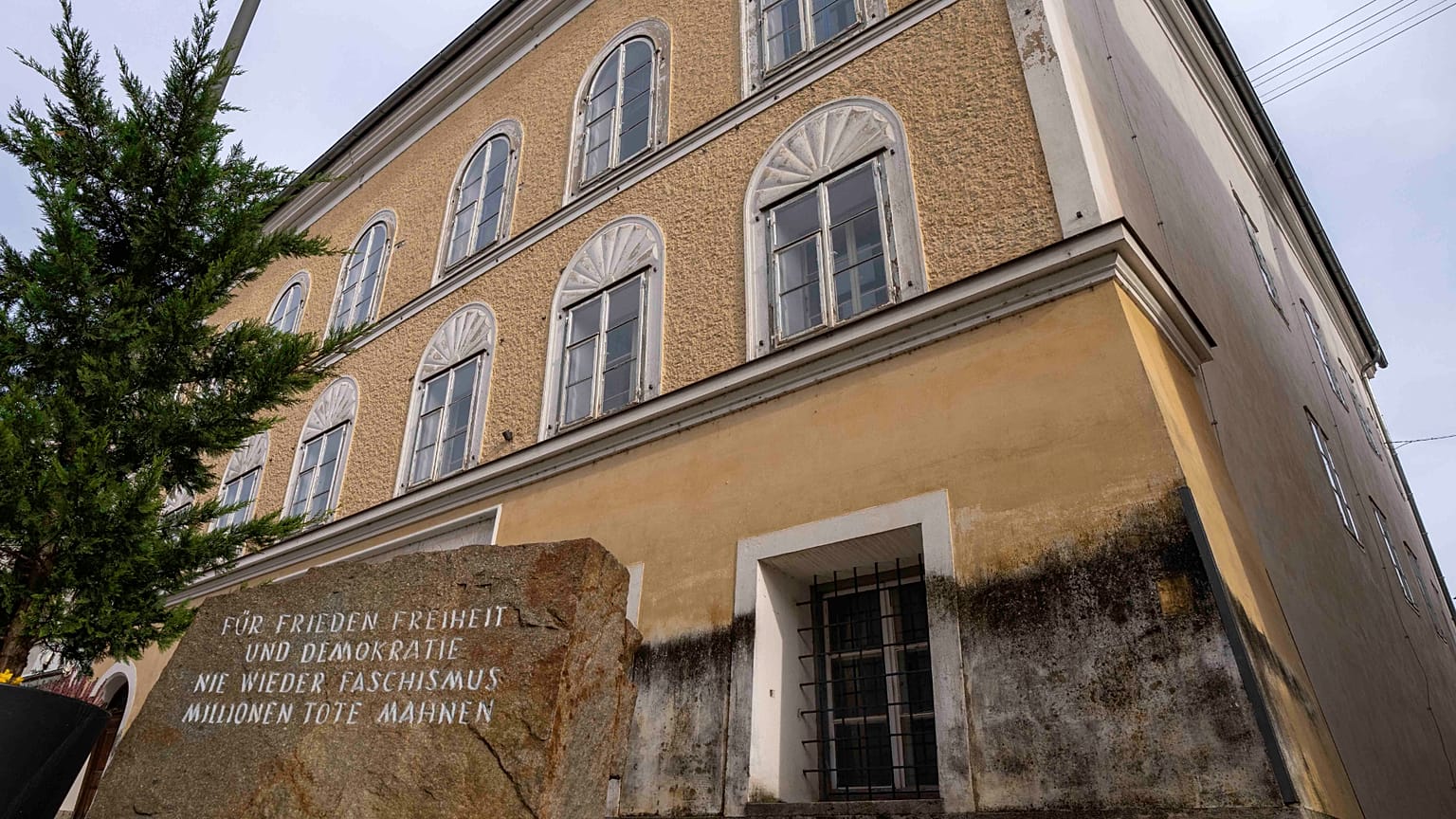
Hitler's birthplace in Braunau am Inn in Austria
Copyright AP Photo/Matthias Schrader

By Verena Schad
Published on

A girl finds a bone while playing. The discovery turns into an archaeological sensation: in Braunau am Inn, remains of at least 120 young men have been found. Experts call it an exceptional find for Central Europe.

In Braunau am Inn in Upper Austria, Adolf Hitler's birthplace, archaeologists have uncovered the remains of at least 120 people in recent months. Experts describe it as one of the most significant mass grave discoveries of recent decades.

The site is located in the Ranshofen district. After a girl discovered the bone in March, her mother notified the police. Initial examinations quickly confirmed that the remains were human. Austria's Federal Monuments Office was then brought in and an archaeological excavation was launched.

Nine mass graves uncovered

What at first looked like an isolated find quickly turned into a sensation. Archaeologists initially uncovered six mass graves, and later nine in total. The skeletons lay without any apparent order over an area of around 150 square metres. Experts believe the dead were apparently thrown hastily into the pits.

Project leader Michaela Binder described the find to the "Kronen Zeitung" as "unique in the whole of Central Europe". Heinz Gruber from the Austrian Federal Monuments Office also told the "Oberösterreichische Nachrichten" that it was an absolute exception. In more than 20 years of professional experience, he said, he had never seen a comparable discovery.

Who were the dead?

According to current findings, the remains are predominantly those of young men aged between roughly 15 and 25. How they died is still unclear. Researchers have so far found no evidence of gunshot wounds. In one case, however, they established that a lower leg had been amputated shortly before death – a possible indication of medical treatment under the conditions of the time.

Initial anthropological examinations, as well as the position of the graves, suggest that the men died during the so-called French Wars between 1792 and 1815. One possibility is that they died in a military hospital or field camp and were subsequently buried together. Further analyses, including DNA and isotope studies, are now expected to shed light on their origins, diet and possible causes of death.

Historically significant discovery

Archaeologists believe this could be one of the largest mass grave sites from the period of the Napoleonic Wars so far known in Central Europe. Such finds are extremely rare and provide valuable insights into the living and dying conditions of young soldiers at the start of the 19th century.

According to experts, the discovery has nothing to do with National Socialism. The dead were buried decades before Adolf Hitler was born. Nevertheless, the find is attracting attention because of its location: Braunau am Inn is internationally known as Hitler's birthplace. It is precisely there that a police station is now housed in the former birth house of the dictator.

The archaeological investigations on the site are continuing. Experts do not rule out that further graves may be discovered in the coming weeks.


Russian central bank cuts GDP growth forecast to zero, expects faster inflation

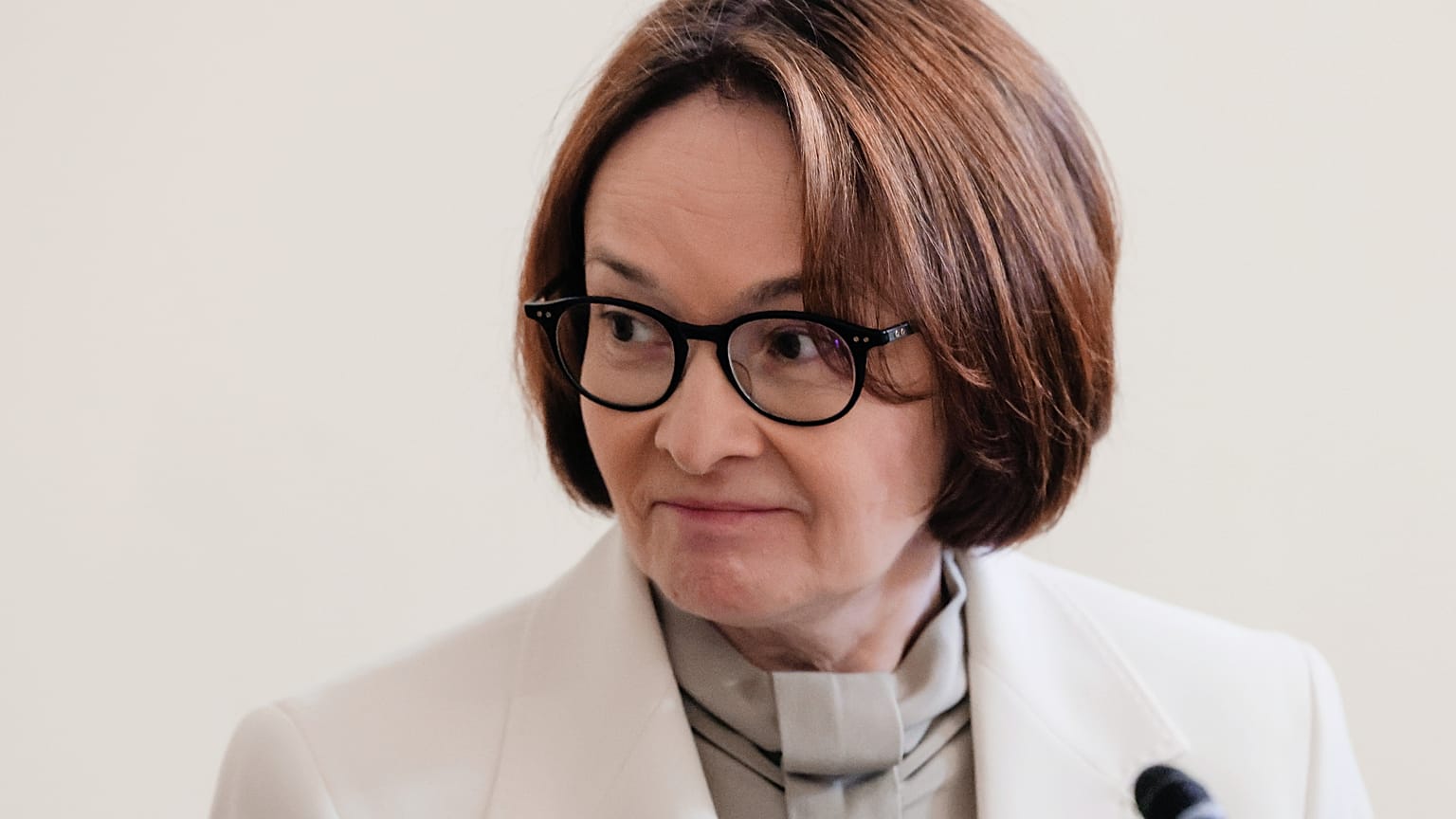
Governor of Russia's Central Bank Elvira Nabiullina expects the current acceleration of inflation in Russia to be temporary.
Copyright Sputnik

By Mihhail Salenkov
Published on

Russia's central bank has cut its 2026 GDP forecast to 0.0-1.0% and expects faster inflation as the fuel crisis drives up prices for many goods and services, its head Elvira Nabiullina said.

The Central Bank of Russia expects inflation at 6–7% in 2026 "due to the significant increase in fuel prices that has already occurred".

Previously, the regulator had expected it to slow to 4.5–5.5%.

Inflation expectations among households, businesses and financial market participants have risen. Their persistence at elevated levels may impede a sustained slowdown in inflation, the Bank of Russia said in a press release.

"The fuel situation falls into what is known as supply shocks," admitted Elvira Nabiullina, the head of the Bank of Russia, at a press conference on the same day.

Since mid-May, fuel price growth has accelerated, and in June several Russian regions faced shortages after Ukrainian strikes on oil refineries in Russia in response to the war launched by the Kremlin.

At the same time, some analysts forecast that by the end of the year inflation in Russia could turn out even higher, including as a result of strikes by the Ukrainian Armed Forces on Russian logistics centres.

The forecast for Russian GDP growth in 2026 has been cut from 0.5–1.5% to 0.0–1.0%, including the projection for the fourth quarter (from 1.0–2.0% to 0.0–1.5% year-on-year).

"Companies expect demand to slow, as follows from the real-time data. Taking into account the temporary reduction in capacity in the economy, we have lowered our GDP growth forecast," the head of the Bank of Russia commented.

The Central Bank expects that "fuel production capacity will gradually be restored by the end of the year", but Ukraine continues to use its "long-range sanctions" in response to Russian attacks.

On Saturday, Ukrainian drones struck an oil refinery in Tyumen, a logistics facility in Yekaterinburg and a fuel and lubricants depot in Rostov-on-Don.


Brazil's Flávio Bolsonaro to challenge Lula after winning party nomination

AP Photo/Ettore Chiereguini
Copyright Copyright 2026 The Associated Press. All rights reserved

By Manuela Scarpellini
Published on

Flávio Bolsonaro received backing from Argentine President Javier Milei and a message of support from Israeli Prime Minister Benjamin Netanyahu, while he seeks further endorsements from allies of US President Donald Trump

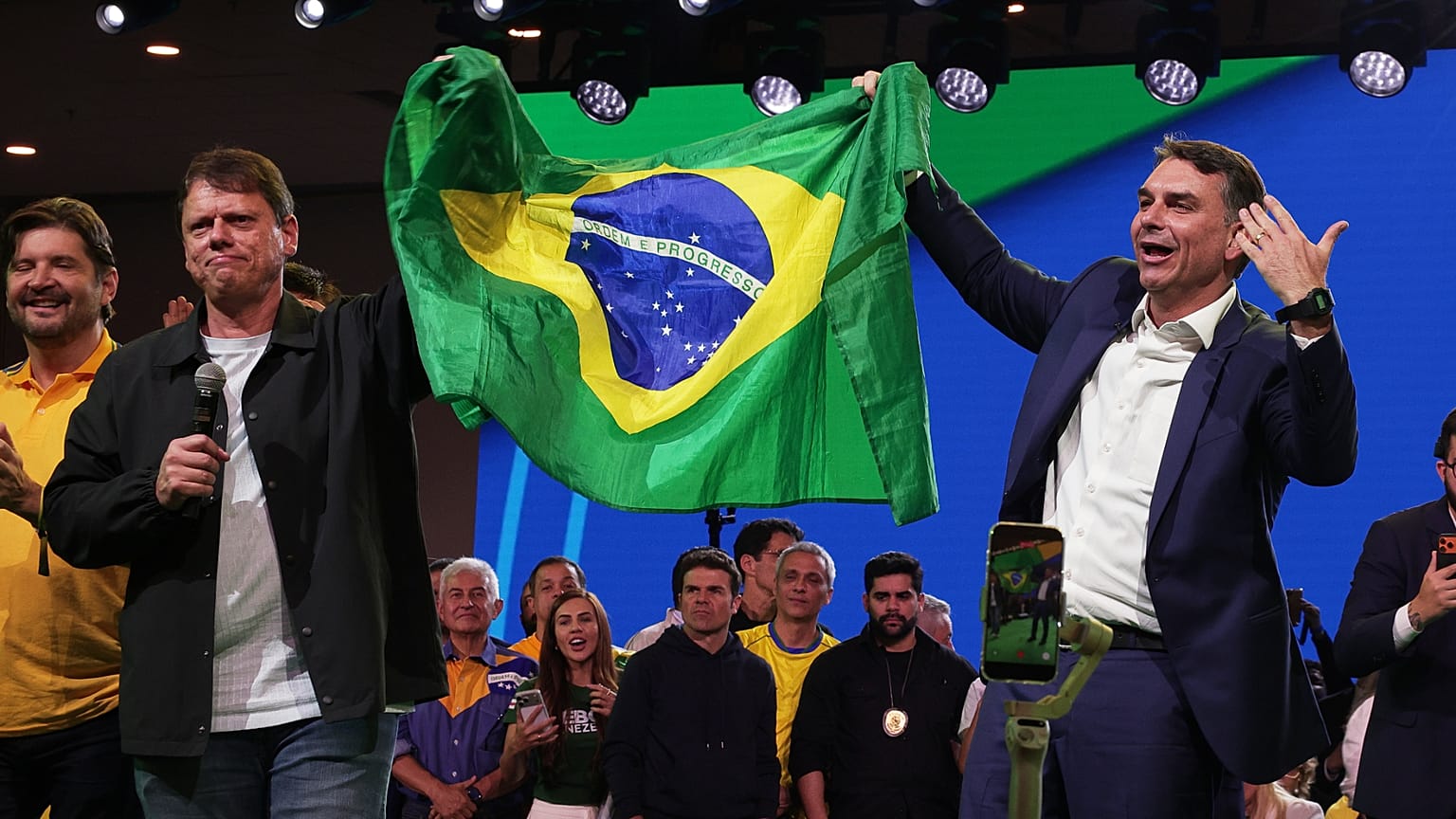
Brazilian Senator Flávio Bolsonaro, son of former President Jair Bolsonaro, was confirmed on Saturday as the presidential candidate of his father's Liberal Party, setting up a challenge against incumbent President Luiz Inácio Lula da Silva in October's election.

"Bolsonaro's blood flows here," he said at the party convention in São Paulo, as he paid tribute to his father, who is serving a 27-year prison sentence for plotting a coup after his 2022 election defeat.

The younger Bolsonaro faces a difficult campaign, with no running mate yet chosen and limited support from centrist parties that helped his father win in 2018. Several key figures were absent from the convention, including his stepmother Michelle Bolsonaro, a prominent voice among evangelical voters.

Flávio Bolsonaro received backing from Argentine President Javier Milei and a message of support from Israeli Prime Minister Benjamin Netanyahu, while he seeks further endorsements from allies of US President Donald Trump.

His campaign has already suffered setbacks, including criticism over his request for funds from a jailed banker to finance a film about his father and backlash after seeking US support as Washington imposed higher tariffs on Brazilian exports.

Jair Bolsonaro appeared at the event through an AI-generated video, as he remains under house arrest and barred from public statements.

Flávio Bolsonaro accused Lula and Brazil's Supreme Court of targeting his family, presenting the election as a battle over the country's future. Lula's Workers' Party is expected to formally confirm the 80-year-old president's re-election bid on August 2.


Venezuela’s twin earthquakes: the toll one month later

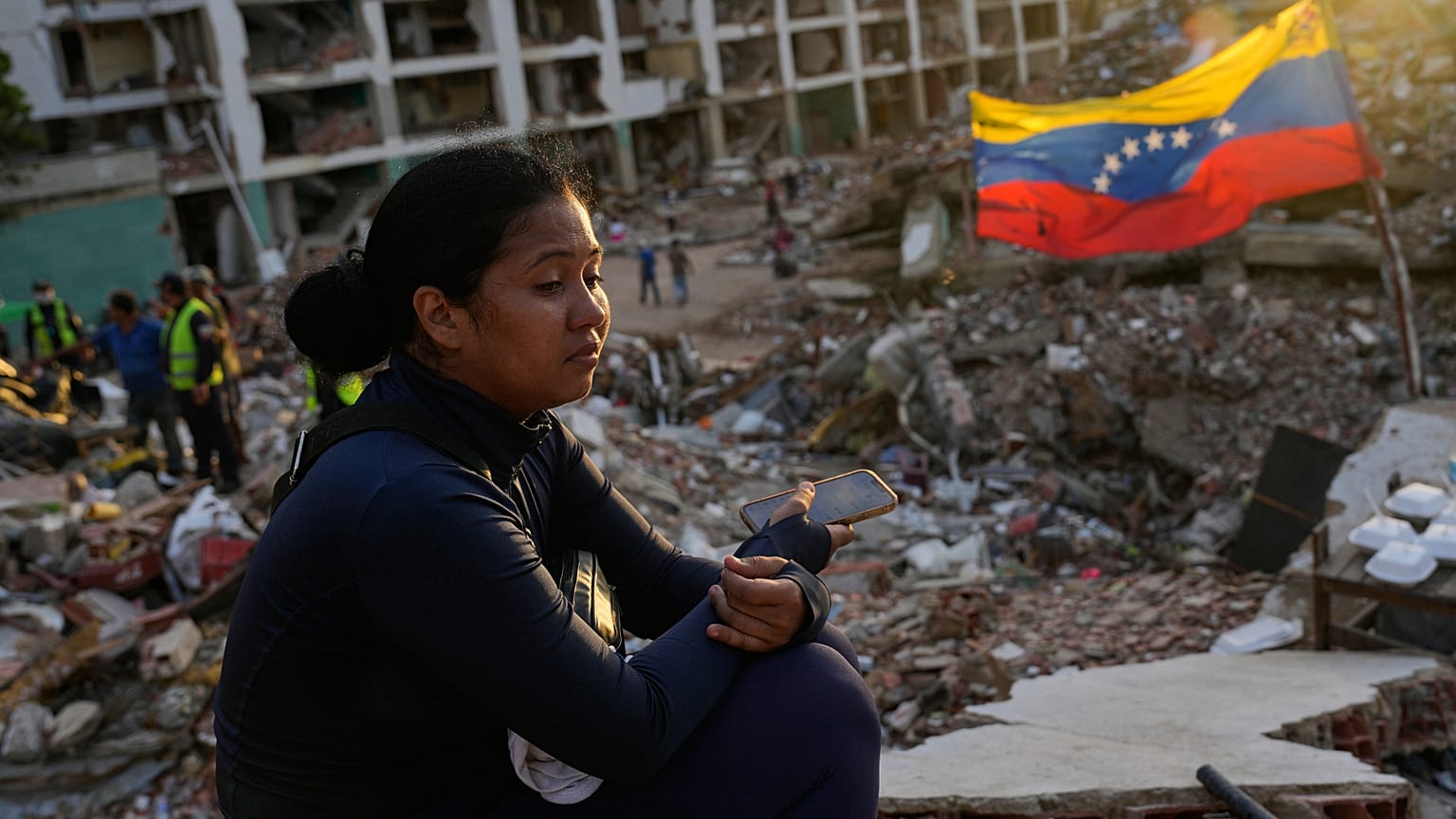
Earthquake figures in Venezuela, file image, July 2026
Copyright Copyright 2026 The Associated Press. All rights reserved

By Jesús Maturana
Published on

One month after twin earthquakes struck Venezuela, the official death toll has surpassed 5,500, with 16,700 injured. Damage is estimated at $19.6 billion, while thousands remain homeless and the number of missing people has not been updated since late June.

Thirty days have passed since the two earthquakes measuring 7.2 and 7.5 in magnitudestruck northern Venezuela just 39 seconds apart on the night of 24 June. What was described at the time as a rare seismic phenomenon**,** a seismic doublet, has turned into one of the worst natural disasters the country has experienced in more than a century.

A month on, the figures continue to evolve, although at a much slower pace than in the first few days, and there are still gaps the government has yet to fill. The most recent official toll, released last Friday by the president of the National Assembly, Jorge Rodríguez, puts the death toll at 5,546 and the number of injured at 16,740.

The figure has remained largely unchanged for weeks, which suggests medical teams are no longer receiving new serious cases, while the death toll continues to rise as debris removal work progresses and forensic teams continue identifying bodies, many of them buried unidentified in mass graves in cemeteries in La Guaira.

The most sensitive figure, however, is the one the Venezuelan government has stopped updating. Since 25 June, the day after the seismic doublet, the authorities have not provided a new official figure for the missing, which at that point stood at 157 people. In that vacuum, a citizens’ initiative has emerged, Desaparecidos del Terremoto de Venezuela, which centralises reports from relatives and keeps a register containing reports on nearly 29,500 people whose whereabouts have been reported as unknown. That gap between what the state acknowledges and what citizens themselves are documenting is one of the most questioned aspects of the way the emergency has been handled.

Material damage and displacement

Beyond the lives lost, the earthquake has left a significant economic scar. A World Bank report published last week estimates direct physical damage at around 19.6 billion dollars.

Of that amount, 9.3 billion correspond to homes destroyed or severely damaged, 5.2 billion to public infrastructure, including hospitals, schools and other essential facilities, and nearly 5 billion to commercial and industrial buildings.

On the ground, the latest official count records:

  • 856 buildings affected, 190 of which collapsed completely
  • The number of families left without housing stands at 17,907, while 23,122 people remain in 107 temporary locations set up in Caracas and La Guaira
  • 128,324 families have received some form of assistance from the authorities since the start of the emergency

Since the main shock, 1,405 aftershocks have also been recorded, some strong enough to complicate work on structures that had already been weakened.

One month on, life is trying to resume

As the weeks go by, the search-and-rescue phase has given way to debris clearance and reconstruction, a process which the authorities themselves acknowledge will take months, if not years.

Some basic services, such as electricity in certain parts of La Guaira, were restored about two weeks after the quake, but normality remains partial. Organisations such as Médecins Sans Frontières are keeping mobile clinics operating in the worst-hit areas to meet healthcare needs that the public system, already weakened before the earthquake, is unable to cover fully.

The tragedy also struck at a politically sensitive moment for Venezuela, which is undergoing a transition following the arrest of former president Nicolás Maduro at the beginning of the year, with Delcy Rodríguez heading an interim government that has yet to set a date for elections.

The way international aid is being managed, including cooperation from countries such as Israel and efforts to unblock Venezuelan assets with United States support, is emerging as one of the factors that will determine the pace of reconstruction in the coming months.