EGA ramps up recovery at aluminum complex damaged in Iranian strikes
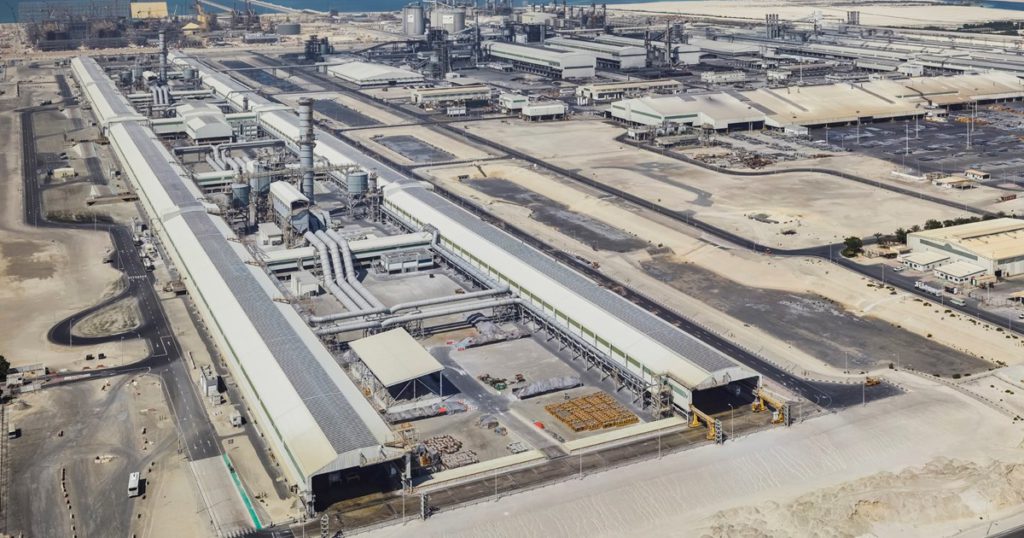
Emirates Global Aluminium said on Thursday it was restoring production sooner than expected at its Al Taweelah complex, which was damaged by Iranian missile strikes in March, although hot metal output may take up to a year to return to previous levels.

One of the world’s largest aluminum production sites, the complex suffered extensive damage when strikes hit the Khalifa Economic Zone Abu Dhabi on March 28, forcing an emergency shutdown.
EGA said two employees injured in the attack had left hospital.
The company said EGA must progressively restart each of the smelter’s 1,262 reduction cells to resume hot metal production.
Anode removal is complete across all cells, bath cleaning has been finished at around 90% of cells, and frozen metal has been cleared from more than 20%, the company said.
Since the first cell was restarted on May 26, 89 have now been brought back online, it added.
Cast metal production returning
The plant’s casthouse produced its first cast metal on May 4 and is remelting frozen metal recovered during the restoration alongside hot metal from restored cells.
The site’s recycling plant resumed cast metal production in early May, with full output expected within six months, subject to scrap availability.
First production is expected early in the third quarter at the Al Taweelah alumina refinery, with the pace of ramp-up dependent on bauxite supply chains.
EGA said hot metal output would not depend on the refinery reaching full production.
“All opportunities to accelerate the timeline further are being explored, and we will achieve our goal of emerging stronger than ever before,” CEO Abdulnasser Bin Kalban said in a statement.
EGA’s Jebel Ali site has continued operating at full capacity throughout the conflict. The company said it had secured sufficient raw material supplies for both Jebel Ali operations and the Al Taweelah restart, and is now selling more metal than Jebel Ali produces as it draws down inventories built up when outbound shipments were temporarily suspended.
The company did not disclose the financial impact of the damage or restoration costs.
Chief financial officer Pål Kildemo said stronger aluminum margins since the start of the year were helping offset losses from Al Taweelah’s reduced production, adding that the company’s financial position was very strong.
EGA is jointly owned by Abu Dhabi sovereign wealth fund Mubadala and the state company which holds Dubai’s most high-profile assets, Investment Corporation of Dubai.
(By Hadeel Al Sayegh; Editing by Kate Mayberry and Louise Heavens)
Magnitude 7 Metals plans partial restart of Missouri aluminum smelter
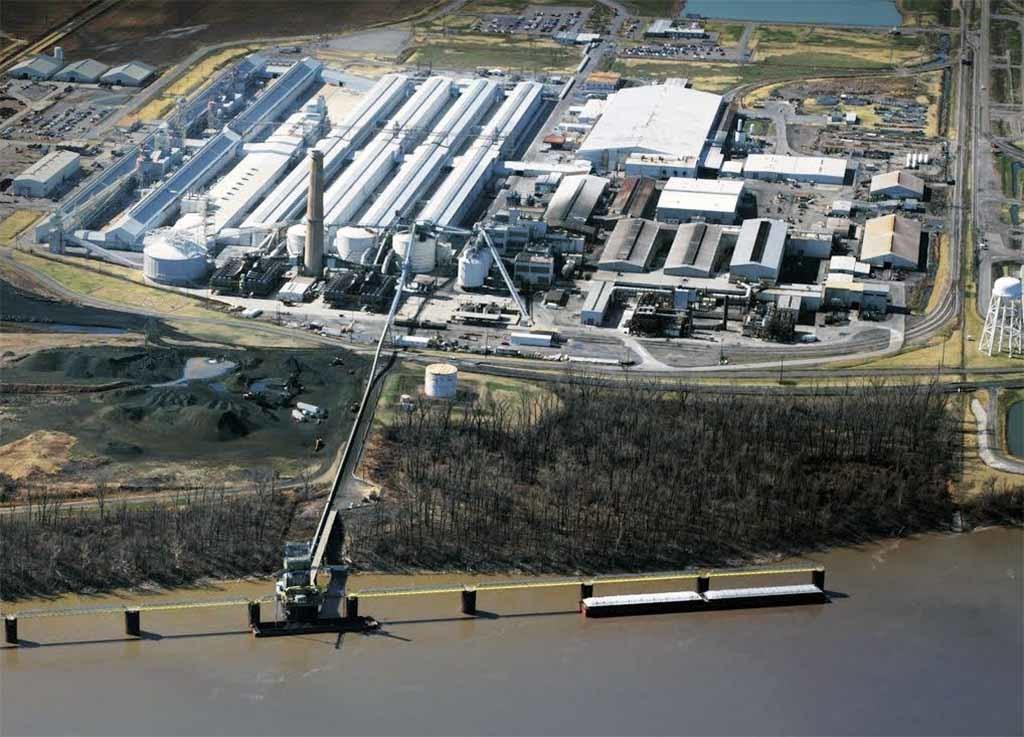
Magnitude 7 Metals said on Wednesday it plans to restart the first potline at its aluminum smelter in Marston, Missouri after its closure in 2024.
The partial restart is expected to expand US primary aluminum capacity and restore some jobs in the state’s Bootheel region.
The smelter’s shutdown in January 2024 resulted in the layoff of 500 workers, severely impacting the economy of the Missouri Bootheel region.
The facility has faced repeated cycles of closures and curtailments over the last decade, including under previous owner Noranda in 2016, despite federal Section 232 tariffs aimed at shielding domestic producers.
In statements responding to the announcement, coalition groups, including Industrious Labs and Renew Missouri, urged Magnitude 7 Metals to modernize the facility with cleaner, more reliable energy systems to prevent future “boom-and-bust” cycles.
(By Dharna Bafna; Editing by Vijay Kishore)
Norsk Hydro’s Slovak aluminum smelter to partially restart production
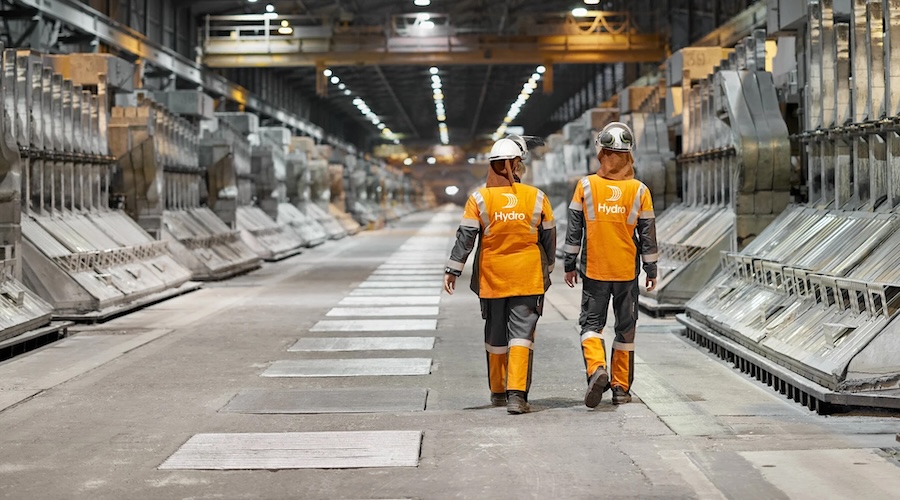
Norsk Hydro said on Wednesday its Slovalco aluminum joint venture had reached an agreement with the Slovak government to partially restart production after a four-year shutdown, including a new long-term power supply contract.
The deal paves the way for the restart of 75,000 metric tons per year of smelting capacity, with production expected to resume in the fourth quarter of 2026, Hydro said.
Restoring the remaining 100,000 tons of capacity would depend on conditions beyond 2030 and additional power contracts, it added.
The resumption of primary aluminum production at the plant, in Ziar nad Hronom in central Slovakia, would be a boost for the European market, which has been left short of metal by the closure of the Mozal smelter in Mozambique, the EU’s new carbon tax and war-driven supply constraints in the Gulf.
Slovalco – owned 55.3% by Norway’s Hydro and 44.7% by Central Europe-focused Penta Investments Group – was forced to stop primary aluminium production in September 2022 as high power prices left the joint venture facing financial losses.
The deal sets out the “long-term framework conditions” for aluminum production, including a power purchase pact with state-owned hydropower utility Vodohospodarska Vystavba and a compensation scheme for indirect carbon costs under the EU Emissions Trading System (ETS), Hydro said.
Cutting import dependence
Slovalco will invest €100 million ($114 million) to resume operations, which will support more than 200 jobs, it added after a signing ceremony in Bratislava on Wednesday.
“With a production capacity of 175,000 tons per year, Slovalco has the potential to restore a meaningful share of the EU’s domestic primary aluminum production,” Hydro CEO Eivind Kallevik said in a statement.
“Restarting the smelter will strengthen Europe’s industrial resilience, reduce dependence on imports and supply European customers with aluminum carrying significantly lower carbon emissions than the global average,” he added.
In a televised press conference, Slovakia’s Prime Minister Robert Fico described Slovalco as a strategic supplier to the country’s automotive industry and blamed its long absence on “overly ambitious” EU climate targets.
These had led to higher aluminum imports from China, where the metal is produced with a greater environmental impact, Fico said, adding that Slovalco’s power supply contract was for 10 years.
($1=0.8777 euros)
(By Tom Daly and Jan Lopatka; Editing by Elaine Hardcastle, Clarence Fernandez and Louise Heavens)
South32 sells nearly all its aluminum business to Alcoa for $5.6B
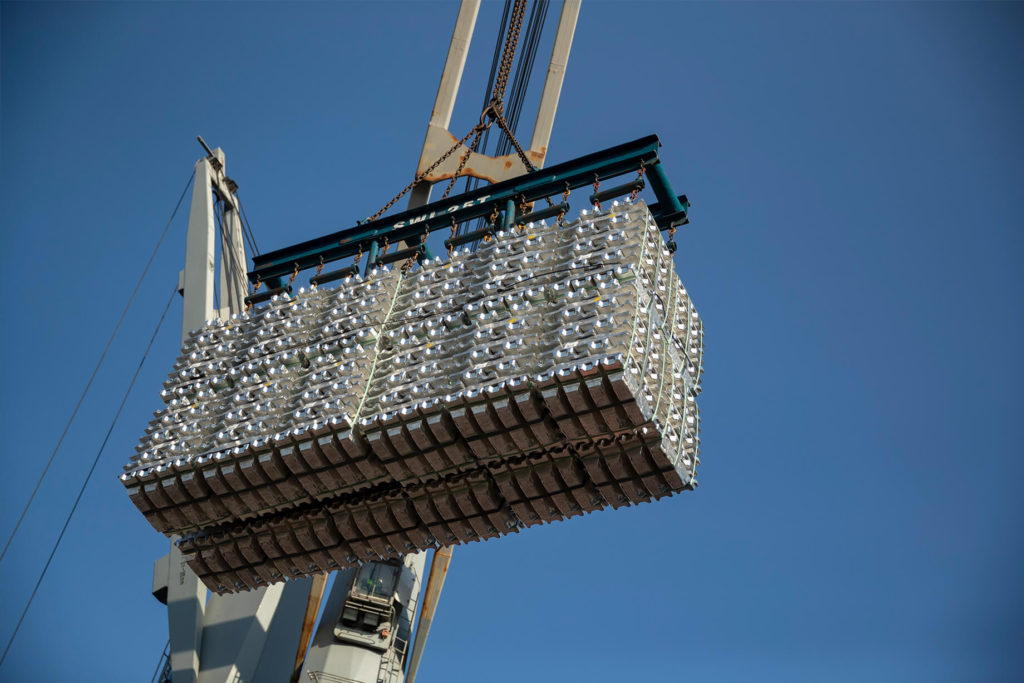
Australia’s South32 (ASX: S32) has agreed to sell nearly its entire aluminum portfolio to Alcoa (NYSE: AA, ASX: AAI) in a deal valued at up to $5.6 billion.
In an announcement on Wednesday, the Perth-based miner said it has entered into a binding conditional agreement to sell most of its global aluminum business, comprising interests in Worsley Alumina (86%), Hillside Aluminium (100%) in South Africa, and a trio of Brazilian assets — the MRN bauxite mine (33%), an alumina refinery (36%) and an aluminum smelter (40%).
The Mozal Aluminium operation in Mozambique, which is currently under care and maintenance, is excluded from the transaction, though its sale remains under active consideration, the company said.
As consideration, Alcoa will make an upfront payment of $3.1 billion in cash and $1 billion in stock equating to approximately 6% of its issued share capital.
The US aluminum giant would also assume around $750 million in liabilities related to the acquired assets, and could make a further $750 million payment tied to future aluminum prices to 2030.
Shares of Alcoa fell around 2% to just above $51 apiece during after-hours trading on the announcement, for a market capitalization of $13.75 billion. Earlier this month, the stock surged to a four-year high of $84.38, benefiting from the rise in aluminum prices driven by the US-Iran war.
South32 also fell 2% at market open in Australia, trading at a market capitalization of A$17.5 billion.
‘Simpler’ portfolio
The sale of the aluminum assets, says South32, allows the company to slim down its business to focus on the “high-margin copper, zinc, silver and lead operations” and to maintain its status as a major manganese producer.
The announcement also coincides with the official start of Matthew Daley’s tenure as the group’s new chief executive officer and managing director, succeeding Graham Kerr.
“This Transaction will unlock significant value for shareholders and repositions South32 as a leading upstream base-metals-focused company with high-margin assets and transformational growth,” Kerr said, as he departs from a role he has held since South32 split from BHP (ASX: BHP) over a decade ago.
“Following completion, our portfolio will be focused on high-quality, long-life assets leveraged to attractive market fundamentals, with approximately 85% of pro-forma EBITDA from base and precious metals,” incoming CEO Daley said.
“This will enable a leaner, lower-cost operating model that will deliver ongoing value through an anticipated $125 million per annum reduction in overhead costs as new support structures are implemented,” he added.
In the coming years, the company is expecting approximately a 55% growth in production from its Taylor zinc-lead-silver project in Arizona and a planned expansion at the Sierra Gorda copper mine in Chile.
$900M in synergies
For Alcoa, the transaction would “add a high-quality, low-cost, and globally diversified set of mining, refining and smelting assets, further strengthening Alcoa’s mine-to-metal platform,” it said in a press release.
The Pittsburgh-based company estimates that the assets are expected to generate significant synergies of approximately $900 million in net present value, further reinforcing its position as a leading pure-play upstream aluminum company.
“This is exactly the type of opportunity Alcoa is built to execute,” Alcoa CEO William Oplinger said. “These high-quality, globally relevant assets are a strong strategic fit within our portfolio.”
Alcoa currently holds positions in seven mines globally, including the Huntly mine in Australia, one of the world’s largest bauxite mines.

No comments:
Post a Comment