CU
CMOC Congo copper mine offers bonuses, threats to stop strike
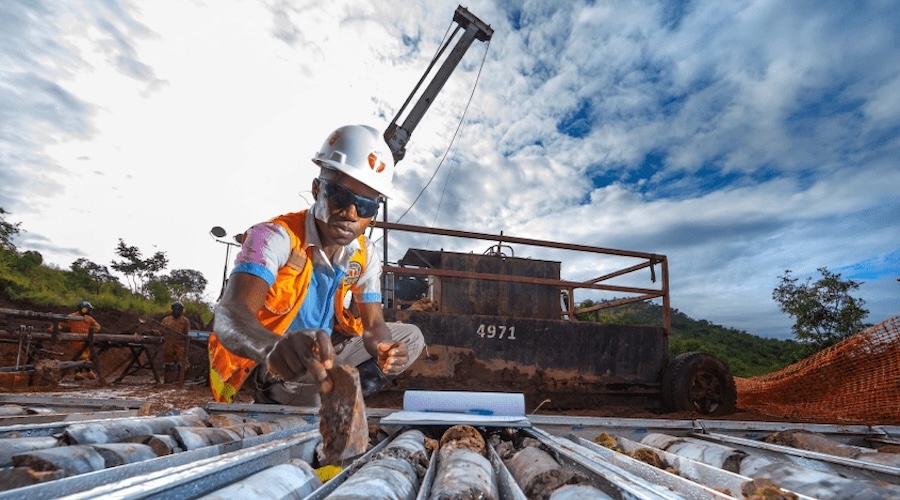
The Democratic Republic of Congo’s biggest copper mine said it would fire employees who refused to end strike action that briefly crimped output earlier this week, while promising bonuses to those who didn’t participate.

Workers at Chinese mining giant CMOC Group Ltd.’s Tenke Fungurume Mining unit began a strike on June 1. The vast operation produced 519,000 tons of copper last year – about 15% of total supply from the Central African country.
Employees at the mine decided to protest a new collective bargaining agreement negotiated between TFM and a labor union delegation, Radio Okapi reported this week. The workers said they were excluded from the discussions and are seeking better pay conditions, including a housing allowance and improved healthcare, according to the United Nations-backed news organization.
TFM, in a letter to employees and contractors seen by Bloomberg News, said that the “illegal” strike “has had a significant impact on the company’s operations, leading to a disruption of production.”
A wave of Chinese investment has driven a boom in Congo’s copper output over the last decade, helping the country become the second-largest supplier of the metal that’s currently trading near an all-time high. Demand is expected to grow fast in the years to come due to consumption from electric vehicles, renewable energy, power grids and AI infrastructure.
Workers that weren’t involved in the strike will receive a “loyalty bonus” of $500, while anyone who was attacked for declining to take part will get double that amount “in recognition of their courage and their devotion,” TFM said in the letter. It said workers’ “legitimate” demands would be considered with the “greatest seriousness.”
TFM gave employees a deadline of the night of June 3 to return to their posts, saying those who complied would face no sanctions, while those who didn’t would be “subject to immediate dismissal proceedings.”
Striking employees have resumed work and operations are back to normal, TFM said by email. A CMOC spokesperson confirmed the strike had ended, saying it only had a small impact on production.
TFM has begun an internal investigation to identify individuals responsible for aggression against colleagues and damaging company equipment, and will transfer findings to the Congolese authorities, according to the letter.
CMOC also owns a second mine in Congo called Kisanfu. Last year, the company extracted nearly 750,000 tons of copper from the pair of assets, which are also among the world’s top producers of battery metal cobalt.
(By William Clowes)
Antofagasta to spend $900M extending Zaldívar mine to 2051
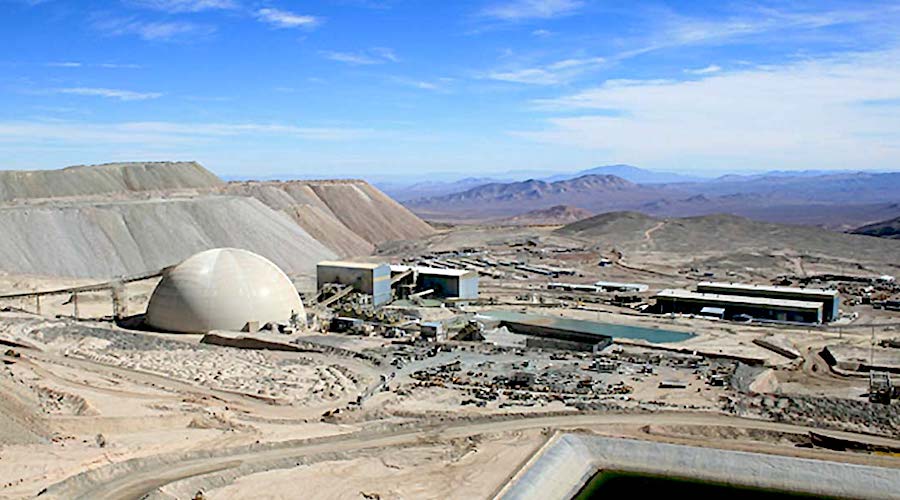
Antofagasta (LON: ANTO) has committed $900 million to extend the life of its Zaldívar copper mine in northern Chile to 2051, replacing freshwater use with treated wastewater as it pushes the operation toward a more sustainable future.
The mine, which Antofagasta operates and co-owns with Barrick (TSX: ABX, NYSE: B), announced the investment at the Exponor mining and energy conference.
The project includes construction of a new water conveyance and pumping system that will bring treated wastewater from sanitation company Econssa to the mine beginning in 2028. The change will allow Zaldívar to eliminate the use of continental water in its operations.
The investment will support construction work starting in the second half of this year and is expected to create as many as 5,000 jobs at peak activity. The extension secures another 25 years of production at a mine that has operated for more than three decades in Chile’s Antofagasta region.
“Today we not only celebrate Zaldívar’s 31-year history, but we also celebrate its future, the next 25 years, to continue developing mining responsibly and with ever-decreasing impacts on its environment,” Antofagasta Minerals president Iván Arriagada said, according to local newspaper La Tercera.
Limited water supply
The transition away from continental water addresses one of the mining industry’s biggest challenges in northern Chile, where water scarcity and stricter environmental standards are reshaping project development. The adoption of treated wastewater could provide a model for other operations across the country’s arid mining districts as producers seek to reduce pressure on freshwater resources.
“We are going to build a water conveyance and pumping system from the La Negra sector to the operation,” Arriagada said. “Construction begins now, in the second half of the year, and will generate up to 5,000 jobs at its peak, expanding opportunities for workers, suppliers and various productive sectors.
Economy and Mining Minister Daniel Mas said the project demonstrates how regulatory stability and innovation can support long-term investment in the sector.
“The extension of the useful life of Zaldívar demonstrates that, when there is legal certainty, technical innovation and a willingness to work together, the limits of development expand, not only in economic terms,” Mas said.
The decision also highlights industry confidence in Chile’s copper sector at a time when demand for the metal is expected to grow alongside electrification and the global energy transition.

No comments:
Post a Comment