Friday, July 31, 2026


'Crude language of MAGA’: Author Joyce Carol Oates defends 'The Odyssey' after translator's scathing review

'Crude language of MAGA’: Joyce Carol Oates defends 'The Odyssey' after translator's scathing review
Copyright Universal Pictures


By David Mouriquand
Published on

The cultural debate over Christopher Nolan’s ‘The Odyssey’ continues, with Pulitzer Prize-finalist Joyce Carol Oates defending the film following a scathing review by translator Emily Wilson, who wrote that the film had “nothing convincing to say.”

Christopher Nolan's The Odyssey is officially 2026's fourth highest-grossing film, having surpassed the $700 million mark at the worldwide box office after just over two weeks in cinemas.

While audiences continue to flock to theatres to watch Nolan's take on Homer's epic poem, the film has become something of a cultural lightning rod. It has sparked renewed interest in the source material and Greek culture, a positive side-effect tempered by Elon Musk taking against the film from the get-go, fuelling a culture war surrounding the film's diverse casting.

He even announced that his AI tool Grok Imagine would make a “historically accurate” full-length feature version of Homer’s text.

Then there are purists who have been left frustrated with Nolan's take on the source material – specifically the use of contemporary English language.

One recent criticism came from British-American translator Emily Wilson, whose 2017 translation of Homer's poem was the first by a woman into English verse. Wilson wrote a viral review for the London Review of Books in which she attacked Nolan's film, writing that it lacked “psychological, emotional, political and ethical depth” and had “nothing convincing to say.”

Wilson summed up her take with: “I would be ashamed to have written any part of this script.”

Now, American author Joyce Carol Oates has come to the defense of The Odyssey, taking issue with Wilson's language and tone, which Oates describes as one of "dismissal & haughty superiority".

“Rather than disagreeing with interpretations of Homer in a collegial manner, this person, who has benefited enormously from Nolan’s film, speaks in the crude language of MAGA folks attacking someone with ideas that differ from hers,” Carol wrote on X. “One would expect a translator, of all people, beholden to a text, in service to a text, to be just a wee bit more thoughtful & respectful of others who are acting in good faith just as (she would claim) she is.”

Nolan previously praised Wilson for her translation of the ancient text, telling Empire that he used the opening line of her version, “Tell me about a complicated man,” as inspiration when developing Matt Damon's role as Odysseus.

Oates, who has won the National Book Award, been a finalist for the Pulitzer Prize four times and is best known for her books "Blonde" and "We Were Mulvaneys" (both of which were made into films), added in separate posts on X that she highly recommended Nolan’s adaption and that she wasn’t a fan of Wilson’s translation.

“What I’d read of Emily Wilson’s translation was not for me,” she wrote, adding that she assumes it was “deliberately written to appeal to an audience comfortable with YA (young adult) directness & spareness of vocabulary - that is, with the intention of being marketable, adopted by high school classes."

"With a more poetic, elevated speech, you are naturally limiting your audience," continued the author, who added that there was nothing wrong with a direct, commercial approach. "Why not profit from a classic work not protected by copyright? A graphic novel of "The Odyssey" could be terrific, too.)"

Oates also responded to critics of the film’s modern dialogue.

“The most elegant translation of The Odyssey is by Daniel Mendelsohn; it is ‘poetic,’ each word chosen with care, precision; it is beautiful, melodic but if that translation had been used in Nolan’s film the charges would not be that the language is banal or boring but rather that the language is too elevated, ‘poetic.’ I do not think that Nolan’s film will be considered a great classic but really, it seems that whatever Nolan did, it would disappoint hordes of people. Most moviemakers/creators just try the best they can – it seems odd that this director has drawn such angry criticism.”

The author also noted that such criticism “is chilling, dampening for any creative artist. To attack a creative artist as if he were a criminal, had done something to harm, hurt, kill–this is alarming. If you hate a movie, fine – no need to recommend it. No one expects every work of art to be a classic, perfect… Rage seems just weirdly inappropriate.”

She also said she would “highly recommend both Nolan’s film & the 1997 miniseries co-produced by Francis Coppola."

While debate rages on, The Odyssey should continue its trajectory towards the $1 billion mark at the global box office – even if its numbers are expected to dip now that Spider-Man: Brand New Day (also starring The Odyssey cast members Tom Holland, Zendaya and Jon Bernthal) has hit cinemas.

Read Euronews Culture's full review of The Odyssey here, check out where it falls in our ranking of Nolan's filmography and in our ranking of the Best Movies of 2026 So Far. And when you're done with all that reading, find out what we think of Spider-Man: Brand New Day here.

  

How the heatwave is taking a toll on European industry as key waterways run low

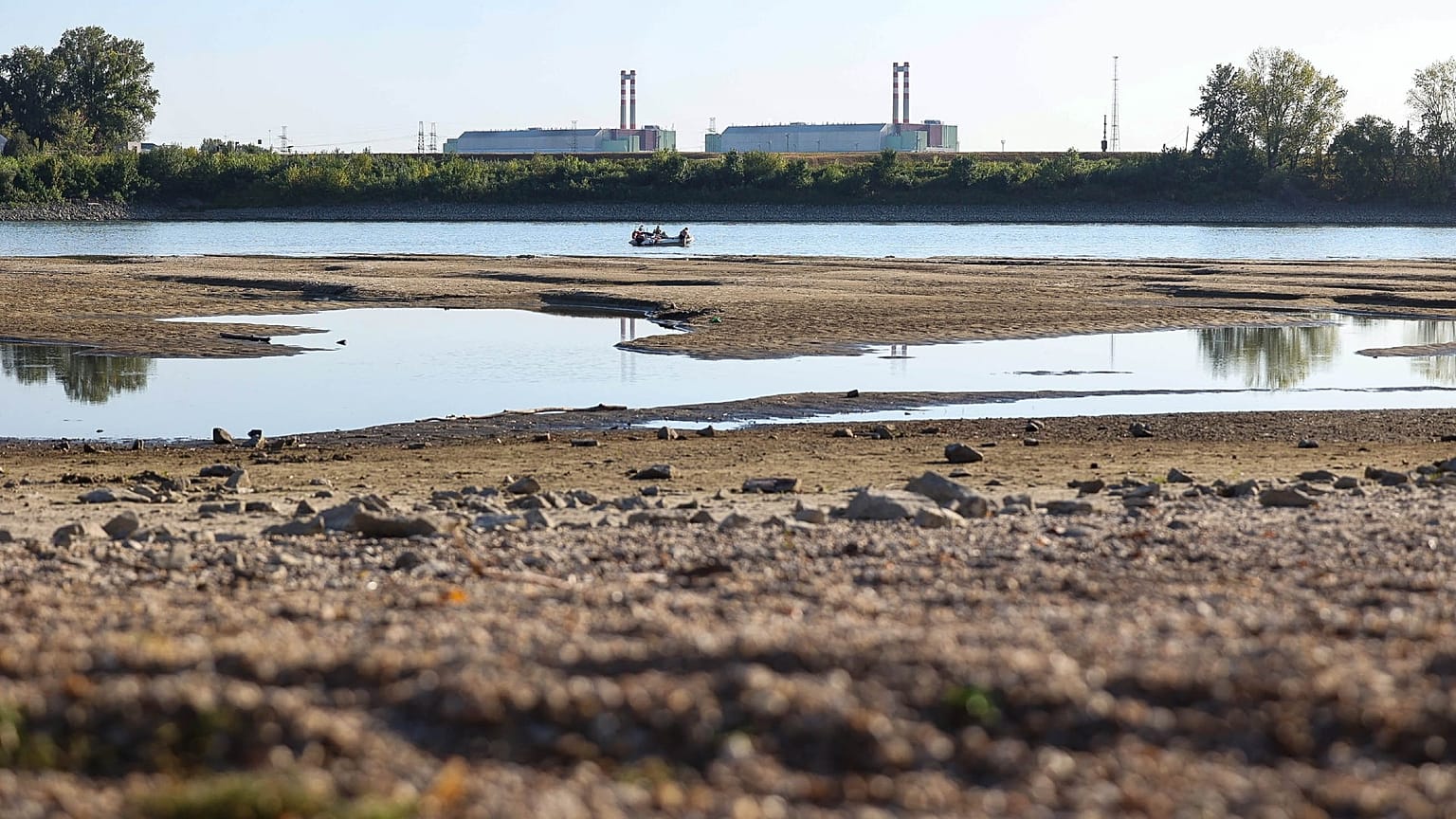
The MVM Paks Nuclear Power Plant, which had to close its Reactor 3 due to extremely low water levels on the Danube River, is seen in Paks, Hungary, Wednesday July 29, 2026.
Copyright AP Photo/Daniel Kiss

By Indrabati Lahiri
Published on

Prolonged low water levels have forced several European industries, including oil refining, nuclear power and chemicals, to reduce output because of raw-material and cooling-water shortages.

Europe has faced increasingly severe heatwaves in recent years, with the past few months bringing a number of extreme heat-related incidents, including droughts and wildfires across Spain, France, Italy and elsewhere.

But a further impact has been emerging in other parts of Europe, as key waterways such as the Rhine and the Danube have fallen to exceptionally low levels, in some places breaking records.

This could make cargo transport significantly more difficult, potentially forcing vessels to carry smaller loads, causing commercial shipping on parts of these routes to grind almost to a halt or requiring operators to adopt more cumbersome alternatives.

Major European industries, including oil refining and chemicals, could therefore face severe disruption.

How could drying waterways affect key European industries?

One of the main ways in which low water levels affect European industries is by preventing cargo ships from carrying full loads. Operators must instead divide cargo between several vessels or shift some freight to road or rail.

The key measuring point at Kaub, on the Rhine, dropped below the critical level of 30 centimetres. It was measured at 27 centimetres in late July this year, according to ICIS, and was forecast to fall further. The reading refers to the Kaub gauge, not the river’s total depth or the navigable channel depth.

The Rhine flows for about 1,230 kilometres, or 765 miles, from the Swiss Alps through or along Switzerland, Liechtenstein, Austria, Germany, France and the Netherlands before reaching the North Sea, making it a vital lifeline for transport, tourism and industry in these places.

Low water levels have severely disrupted Rhine shipping, with most inland vessels unable to pass the Kaub bottleneck by 27 July, shipowners told commodity-market intelligence provider Argus. Cargo volumes were heavily restricted for vessels still able to make the journey, driving freight rates to record levels. "In practice, the Upper Rhine and the Main rivers are now effectively cut off from the Amsterdam-Rotterdam-Antwerp (ARA) trade hub," Argus said in a report on Wednesday.

For the chemical and petrochemical industries, reduced navigable depths restrict deliveries of essential materials such as naphtha and liquefied petroleum gas (LPG) from North Sea ports to inland factories.

Commodity intelligence provider ICIS reported that LyondellBasell had declared force majeure on butadiene supplies from its Wesseling plant after low water levels disrupted feedstock deliveries. According to the media outlet, BASF also flagged possible force majeures (FMs) or product shortages as it relies on the river for transport.

Industrial cooling systems and cargo on the Danube are also impacted

Rising water temperatures have also made industrial cooling systems less efficient, further increasing operational pressures. This is especially important for nuclear and thermal power plants.

The oil and energy industries in this region have faced steep low-water surcharges and rising freight rates for shipping diesel and petroleum products upriver, threatening inland distribution. Similarly, coal-fired power stations are struggling to secure fuel supplies as barge loads drop considerably.

The steel and heavy manufacturing industries have not been spared either. Industrial giant Thyssenkrupp has slightly reduced blast furnace production at its Duisburg plant because barges carrying raw materials have struggled to navigate shallow chokepoints such as Kaub. The industrial company also suspended its own barge operations and chartered shallower-draught vessels, although it said customer deliveries were not at risk.

Capacity on nearby rail and road networks is already limited, meaning they cannot fully replace the lost barge capacity. This has increased the risk of further economic disruption, particularly as water levels are not expected to improve anytime soon.

Similarly, the River Danube, which flows through or borders ten countries, including Germany, Austria, Slovakia, Hungary, Croatia, Serbia, Bulgaria, Romania, Moldova and Ukraine, has seen historically low water levels this July.

Due to continued high temperatures and a lack of rainfall, the Danube fell to a record-low gauge reading of 23 centimetres in Budapest at 10 a.m. CEST on Thursday, 10 centimetres below the previous record in 2018, according to Hungary’s official water-monitoring service. The figure measures the water level against a fixed local reference point rather than the river’s physical depth. The authority forecast a further decline over the coming days.

The Hungarian Construction and Transport Ministry said in its latest update on Tuesday that most cargo vessels had been halted along the Hungarian section of the Danube, while those still operating were carrying only 10% to 20% of their normal loads. Around 15 hotel ships were also stranded.

The disruption is not uniform along the river. The Associated Press reported that cargo shipping had stopped in some affected areas, while vessels continued operating with sharply reduced loads elsewhere. In Serbia, for example, barges and tankers were carrying about 30% to 40% of their normal capacity.

Energy supplies are impacted in Hungary and Romania

The low water levels have also forced Hungary’s Paks Nuclear Power Plant to reduce output and shut down one of its four reactors, according to operator MVM. Hungarian media reported that it was the first-ever shutdown of a complete block at the nuclear plant. Combined with earlier reductions, the shutdown brought the plant’s output down to about 60% of capacity.

Similarly, Romania’s state-owned nuclear power producer, Nuclearelectrica, shut down Unit 1 at the Cernavodă power plant on Tuesday because of what it described as the “very low, unprecedented” level of the Danube. Romania’s energy ministry said Unit 2 would be disconnected early on Thursday, leaving both reactors offline simultaneously because of low water levels for the first time.

The shutdowns are increasing pressure on regional electricity supplies. Hungary is replacing the lost output with a combination of imports and domestic gas-fired generation, according to Mavir data cited by Hungary’s national news agency, MTI. Romania’s Energy Ministry said the loss of both reactors would increase its reliance on imports, putting further upward pressure on power prices, Reuters reported.

Fuel transport in Serbia has been affected too. The country received only 25% of its planned fuel imports in July because low Danube levels restricted barge deliveries, Energy Minister Dubravka Đedović Handanović said. The government subsequently authorised energy companies to draw on operational fuel reserves to safeguard supplies.

Low water levels have also affected agriculture, disrupting grain shipments and irrigation in Serbia, including in the northern agricultural region of Vojvodina. In Romania, the authorities have restricted irrigation as flows on the Danube fell to their lowest level since 1996, while river shipping has also been partially disrupted.

What measures can be used to counter low water levels?

One of the biggest challenges with the Rhine and some parts of the Danube is that they have rocky beds, which cannot be easily dredged.

As such, addressing low water levels requires a mix of engineering, technological and logistical measures to keep cargo ships moving.

German authorities are already planning the Optimisation of Load Draughts on the Middle Rhine project, which aims to deepen the shipping channel by 20 centimetres at critical bottlenecks between Mainz and St Goar, including Kaub. Similarly, modifying river walls and other barriers can direct more water into the navigation channel, helping to maintain sufficient depth.

Upgrading existing locks can help regulate upstream water retention during particularly severe dry spells on regulated sections of rivers.

Ship design and technology can also be adapted to these conditions through the use of shallow-draught vessels. Companies including HGK Shipping and BASF are already using or developing low-water vessels capable of carrying significant loads at reduced river depths.

Using lightweight materials such as high-tensile steel can help support these designs by reducing a vessel’s empty weight and allowing it to carry more cargo when water levels are low.

On the supply chain and logistics side, shifting freight between different forms of transport, such as moving time-sensitive goods to rail or road networks when river capacity drops, can help maintain smoother operations.

Building larger storage facilities at inland ports allows companies to stockpile raw materials during high-water seasons. Using networks of smaller, shallower vessels instead of single mega-barges can also distribute the cargo’s weight.

Hungary declared an emergency drought alert on Thursday after drought thresholds were exceeded in 66 of the country’s 84 water-management districts, Environment Minister László Gajdos said.

“This means that experts from the Water Management Authority will carry out drought relief measures at the highest alert level across 74% of the country,” he added, according to Hungarian news website Telex.


Europe's heatwaves are fuelling infectious diseases, health agency warns

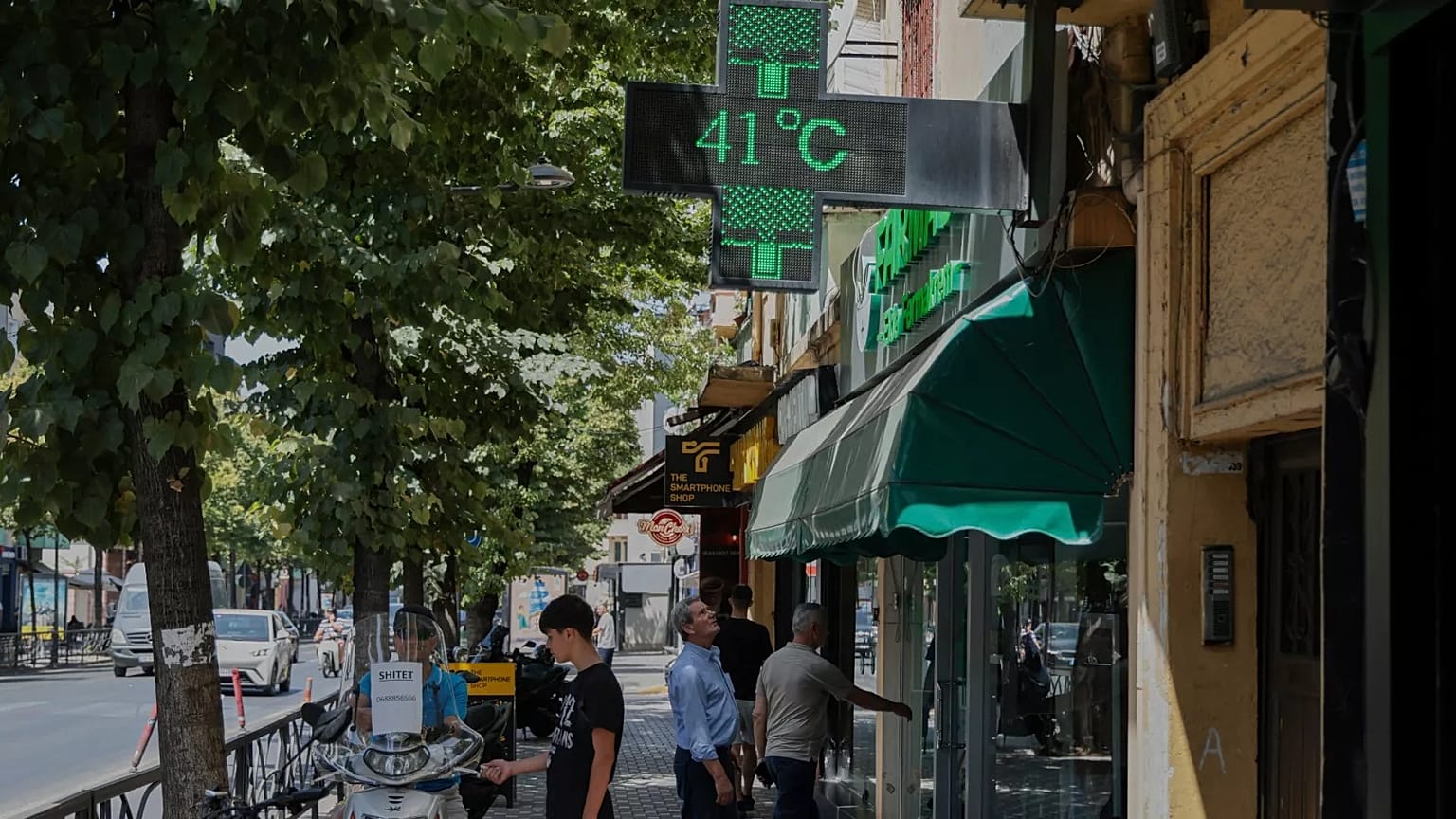
FILE: A man looks at a thermometer of a farmacy in Tirana, Albania.
Copyright AP Photo/Vlasov Sulaj

By Marta Iraola Iribarren
Published on

As summers are getting longer and hotter, health experts warn that higher temperatures are creating the perfect conditions for infectious diseases to spread across Europe.

The risk of infectious diseases is growing amid longer and warmer summers across Europe, the European Centre for Disease Prevention and Control (ECDC) has warned.

Close cooperation across borders and sectors is now vital to effectively predict, prevent and respond to these threats

“While the current heatwaves are making headlines, it is the continuously higher temperatures of an ever longer duration that create the conditions for many infections to spread,” the health agency said in a press release.

As climate change widens the range of public health threats, the ECDC added, there is a growing need for longer-term strategic collaboration across the human, environmental, and animal sectors.

There are four particular areas the ECDC is monitoring:

Foodborne diseases

These are among the most frequent summer illnesses, with rising temperatures accelerating bacterial growth in food, the agency warned.

According to the World Health Organization (WHO), hot and humid weather creates ideal conditions for germs to multiply quickly, making food unsafe – often without any obvious change in its appearance, taste or smell.

Good hygiene practices help reduce the risk: washing fruit and vegetables before eating them, keeping raw and cooked food separate, cooking food thoroughly, and storing it at safe temperatures.

Mosquitoes

Mosquito-borne diseases are becoming more common in Europe, as longer warm and humid seasons allow invasive mosquitoes to thrive in regions where they were previously rare or entirely absent.

Diseases such as dengue, chikungunya and West Nile virus are becoming an increasing public health concern in the region.

The West Nile transmission season typically runs from late spring to autumn, peaking between July and September, with cases reported this year in Greece, Italy, North Macedonia, Romania and Spain, according to the WHO.

Insect repellent, protective clothing and indoor precautions, including window screens, air conditioning or mosquito nets, offer good protection, the ECDC noted.

People should also make sure that water does not collect around their homes or in their gardens, as stagnant water can allow mosquitoes to breed.

Tick-borne diseases

Ticks are another insect commonly associated with summer, found across Europe.

Ticks do not cause disease on their own, but infected ticks can transmit viruses or bacteria through their bites, causing illnesses such as tick-borne encephalitis and Lyme disease, which can lead to long-term health complications.

Vaccination is also one of the most effective means of preventing tick-borne encephalitis, for which the European region reports an average of 3,000 cases every year.

The ECDC recommends wearing long sleeves and long trousers when hiking or spending time in parks, and checking for ticks and removing them after spending time outdoors.

Vibriosis

Vibrio is a species of waterborne bacteria that thrives in temperate and warm waters with moderate salinity.

The bacteria can cause vibriosis in people who are in contaminated waters or eat contaminated seafood.

Although Vibrio infections remain relatively rare in Europe, several northern countries bordering the Baltic Sea have reported increases in recent years, noted the ECDC.

According to the agency, this has been particularly evident during summers with extended heatwaves and higher water temperatures. Recommendations include avoiding swimming with open cuts, scratches or recent piercings, and making sure that seafood from these areas is well cooked helps reduce the likelihood of infection.

The ECDC tracks the bacteria's spread through an interactive map, updated daily with a five-day forecast.


Ireland unveils blueprint to electrify economy by 2050

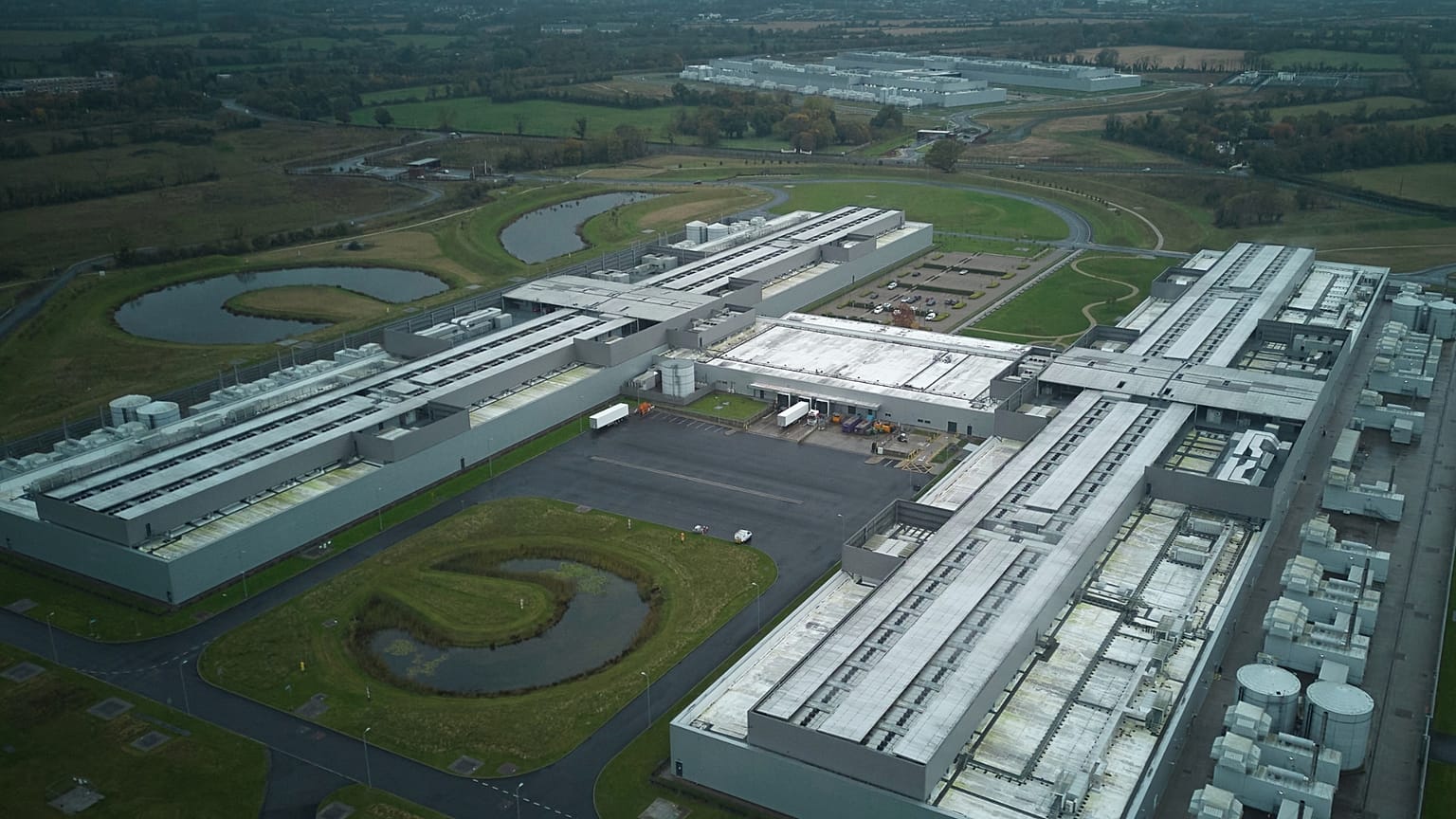
This photo shows a Meta data center in Dublin, Ireland, Wednesday, Oct. 16, 2024.
Copyright AP Photo/Bram Janssen

By Marta Pacheco
Published on

Dublin's plan takes into account a surge in electricity demand over the coming decades, driven by electric vehicles, industry and rapidly expanding data centres, which will place growing pressure on the national grid.

Ireland has announced a sweeping review of its electricity system, with the government promising a blueprint to reshape the country's power sector by 2050 as it races to meet climate targets and electrify its economy.

Irish Climate, Energy and Environment Minister Darragh O'Brien said on Wednesday that work is underway on a long-term strategy to set out how Ireland plans to generate, transmit and regulate electricity through to 2050.

The move from Dublin comes as Ireland has taken the helm of the rotating EU Council Presidency and vowed to make electrification a priority.

The disruption in the Middle East has also revealed how the EU's dependence on imported fossil fuels is leading to higher energy bills and inflation, with roughly an extra €50 billion spent on fossil fuel imports in just 111 days during disruptions to the Strait of Hormuz.

"Ireland's energy transition represents a momentous opportunity for us all, to help make our economy and industries more efficient and competitive, to open new opportunities for businesses, and create tangible benefits for our communities across Ireland," O'Brien said.

The new "Power Sector White Paper" is expected to become the cornerstone of future energy policy, guiding legislation, investment decisions and grid development as Ireland shifts away from fossil fuels towards an electricity-based economy.

The review comes as electricity demand is forecast to surge over the coming decades, driven by electric vehicles, heat pumps, industry and rapidly expanding data centres, putting growing pressure on the national grid.

Data centres, in particular, consumed 23% of Ireland's total metered electricity in 2025, scaling up from 5% in 2015. According to the Irish Central Statistics Office, total usage almost matched the electricity used by all urban and rural households combined (28%).

At the EU level, political talks are underway to agree on how to modernise the bloc's ageing power grid. More than a technicality, revamping the EU's grids is paramount for EU countries to fully utilise the vast amounts of renewable energy produced and ultimately electrify the bloc's economy.

Adding pressure to the race towards electrification, the European Commission has recently announced a 46% electrification target by 2040, in a bid to encourage EU countries to boost related investments.

A holistic approach to electrify Ireland's economy

The White Paper will examine some of the biggest questions facing the energy transition, the Irish government said. This includes how much electricity Ireland will need, where it will come from, how the grid should evolve and how the country can balance the competing priorities of affordability, security of supply and decarbonisation.

A statement from the Irish Department of Climate, Energy and the Environment said the strategy will be backed by detailed modelling of future energy scenarios, including risk assessments, demand forecasts, infrastructure needs and governance arrangements.

"This White Paper will be a key part of guiding the energy transition to clean, secure, affordable electricity. It will set a path to deliver — for this generation and future generations," O'Brien added.

"It will require national conversation and collaboration. Starting today, I invite all stakeholders across government and the public, private and voluntary sectors to work with us on this initiative."

The initiative forms part of Ireland's commitment to achieve climate neutrality by 2050 under EU law, with electrification remaining the government's central strategy for cutting emissions across transport, heating and industry.

France was the first EU country to announce its own electrification plan aimed at cutting reliance on fossil fuels. Other EU countries are likely to follow suit.

However, for the EU to fully succeed in electrifying the bloc's economy, the current high electricity prices must be addressed, or households and businesses won't have sufficient incentives to switch.

The Commission recently asked member states to ensure that electricity is not taxed more heavily than gas, while leaving governments free to determine the structure of their national tax systems under the EU's energy taxation rules.

Eva Schwab, energy poverty policy officer at the European Federation of National Organisations working with the homeless, said that electrification will only succeed if everyone is included.

Schwab regretted that the Commission plan, seen as a model for EU countries to emulate, makes no mention of energy poverty.

"Without targeted support, the households that stand to benefit most from lower energy bills will remain locked into expensive fossil fuels while better-off households capture most of the gains.”

Thursday, July 30, 2026


Canadian intern of Chinese origin appeals Belgian pre-trial detention regarding spy charge

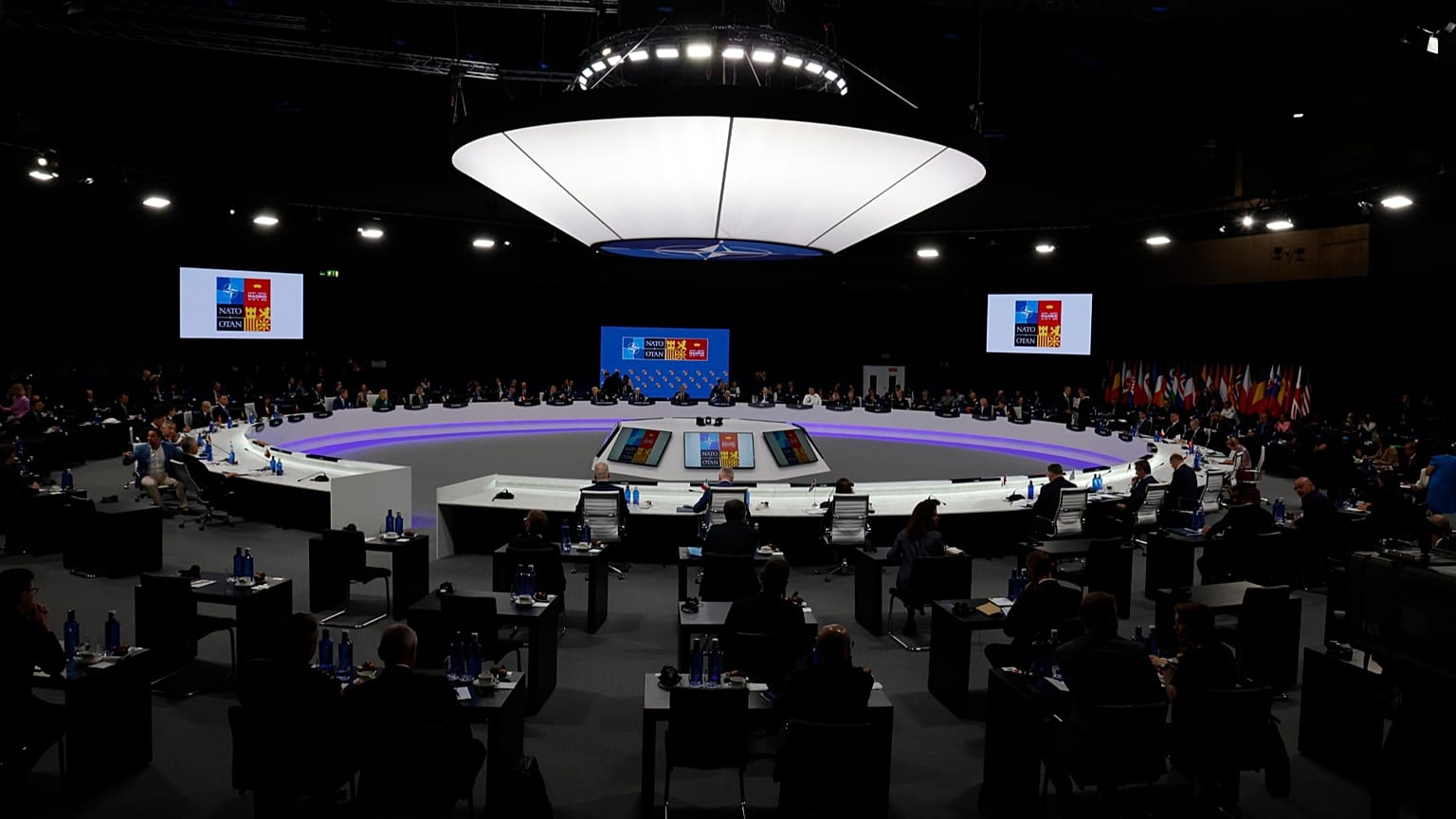
A general view of the Meeting of the North Atlantic Council Session with fellow heads of state at the NATO summit in Madrid, 30 June, 2022.
Copyright AP

By Angela Skujins
Published on

A Canadian national of Chinese origin has lodged an appeal against one-month pre-trial detention after being arrested last week on suspicion of spying for a third country while serving as an intern at a major NATO hub in Belgium.

A Canadian national of Chinese origin under investigation for allegedly conducting espionage activities while interning at a strategic North Atlantic Treaty Organization (NATO) centre in southern Belgium has appealed a one-month pretrial detention order, Belgium's Federal Prosecutor's Office said on Thursday.

The appeal was lodged with the Indictments Chamber, which must rule on the matter within 15 days, the prosecutor's office added.

The prosecutor's office said on Tuesday that the suspect would remain in pretrial detention. Under Belgian law, the deadline to appeal the detention order expired on Wednesday afternoon.

The individual is being investigated for suspicion of carrying out espionage activities for a third country and being a member of a criminal organisation while interning at the Supreme Headquarters Allied Powers Europe (SHAPE) in the Belgian city of Mons

The news agency Reuters, citing a security source, reported that the individual is a woman in her 30s identified as Claire Z who worked in the IT department at SHAPE.

Her apartment in Mons and office at SHAPE were raided by Charleroi police on Thursday, with the individual arrested on Friday.

The legal developments, including Tuesday's decision to place the suspect in one-month pretrial detention, underscore the seriousness of the allegations while raising questions about security procedures at NATO.

SHAPE is considered the Alliance's strategic military headquarters and the base of Allied Command Operations. It is where military officials plan and coordinate the Alliance’s operations.

A spokesperson from SHAPE told Euronews Belgium is leading the charge in the investigation.


EU's competition chief Ribera slams climate deniers as fires rage: 'They are lying'


Euronews
By Marta Pacheco
Published on

In her interview with Euronews, Ribera took aim at 'dangerous and stupid' European politicians who cast doubt on climate science and dismiss environmental policies as ideological rather than grounded in evidence.

European Commission Executive Vice-President Teresa Ribera launched a fierce attack against climate deniers, accusing politicians who dismiss the link between global warming and Europe's devastating wildfires of "lying to people" and putting lives at risk.

"We have lots of new parliamentarians in the European Parliament, political families and national politicians who are very vocal against climate science and climate action. This is dangerous, they are lying to people," Ribera told Euronews in an exclusive interview.

As deadly wildfires rage across Spain, France and Greece, Ribera warned that climate scepticism is undermining Europe's ability to prepare for increasingly destructive disasters. Speaking from Madrid, which has been badly impacted, she compared denying the role of climate change in wildfires to giving alcohol to alcoholics.

"The closest example would be someone in public office saying you can drink as much whiskey as you want and then drive because road accidents have nothing to do with alcohol, only with the condition of the road or the car," she said. "This is stupid."

Ribera dismissed claims that the fires are simply part of Europe's season cycle, arguing instead that climate change is creating "new types of wildfires" that are more intense and increasingly threaten communities, infrastructure, wildlife and human lives.

"This is just dangerous," she told Euronews. More than 10,000 excess deaths were recorded across Europe during late June's extreme heatwaves.

The Spanish commissioner, who oversees the EU's clean, just and competitive transition, made the remarks at a politically sensitive moment in Brussels.

Over the past year, the EU's political focus has shifted away from its once ambitious climate legislation — the hallmark of Ursula von der Leyen's first-term European Green Deal — towards competitiveness, industrial policy and cutting red tape for companies.

Several governments and political groups have urged Brussels to ease environmental rules even further, arguing it is the only way to remain competitive against the United States and China.

Some of the measures include watering down the bloc’s methane rules, which would require oil and gas producers to reduce and monitor their emissions, as well as the nature restoration law, which is seen as crucial for protecting forests and peatlands.

Ribera, however, warned against rolling back the bloc's climate agenda.

Europe cannot respond to one of its worst wildfire seasons by dismantling the very policies designed to reduce climate risks, she argued. While regulation can be simplified, she said, abandoning the foundations of the Green Deal would be a mistake.

"Providing the right answer is not just getting rid of everything that has been building these green roots to keep on building prosperity," Ribera said.


Fire crews tackle blaze close to major nuclear power sites in UK

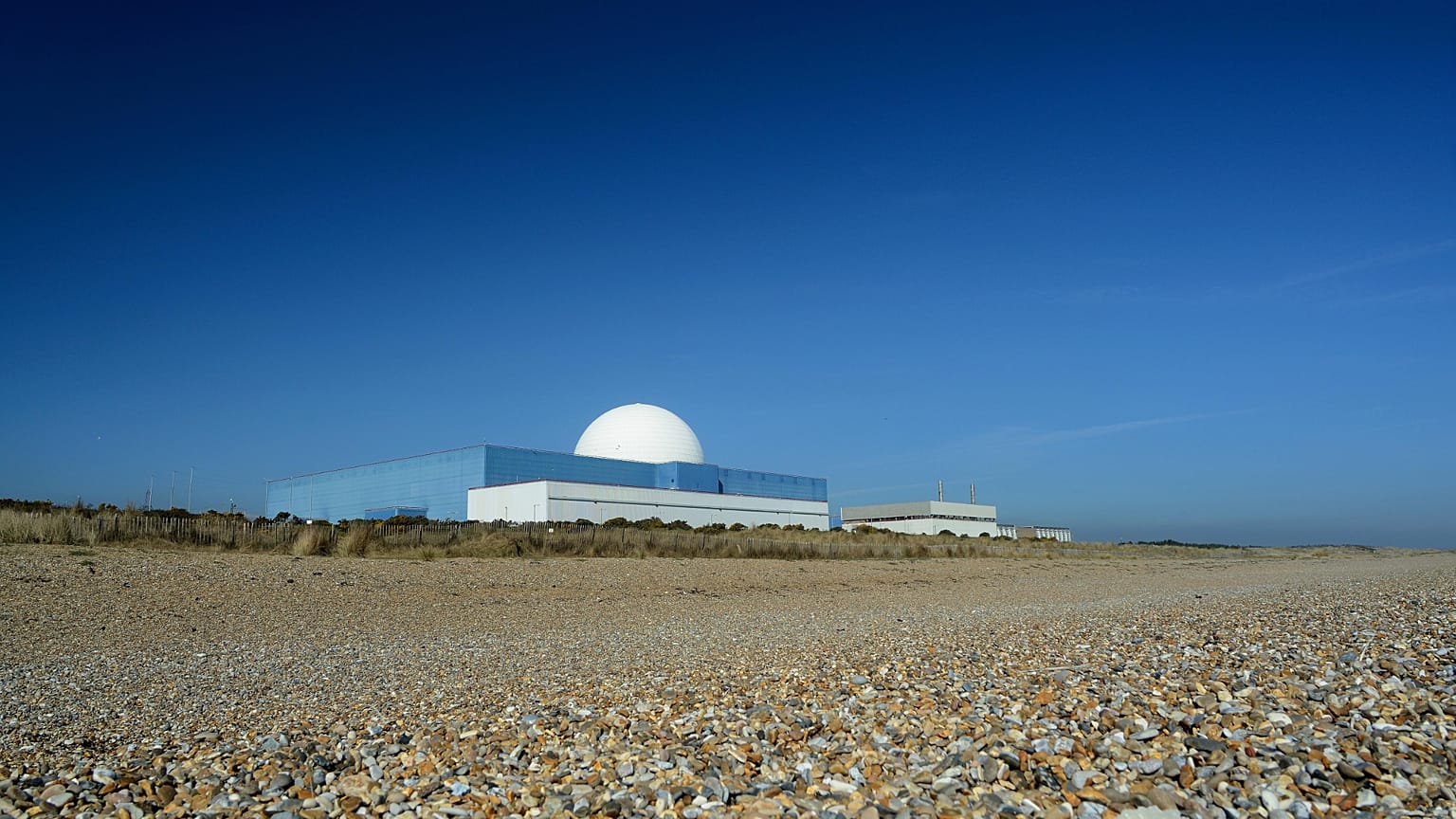
Sizewell B nuclear power station in Suffolk, United Kingdom
Copyright AP Photo

By Nathan Rennolds
Published on

A spokesperson for energy company EDF told Euronews that the fire "is not currently affecting operations at Sizewell B power station" but that the company was "continuing to monitor the situation."

Firefighters are continuing to battle a large wildfire close to three major nuclear power sites in the UK county of Suffolk.

The blaze broke out on Wednesday on Dunwich Heath on the UK's east coast before it spread quickly southwest. It is currently covering around 100 hectares.

A spokesperson for energy company EDF told Euronews that the fire "is not currently affecting operations at Sizewell B power station" but that the company was "continuing to monitor the situation."

"We are not on high alert," they added.

Sizewell B has a well-rehearsed emergency plan ready to go for emergency scenarios, including a fire on its site.

In a post on its official X account, the planned Sizewell C nuclear station said it was also "closely monitoring the fire at Dunwich Heath" but that it "currently poses a low risk to Sizewell C due to its distance from the site and the watercourses in between."

"Our sites and offices remain open and operating as normal," the post reads. "We are continuously assessing smoke conditions and any impacts on the road network to help keep people safe and ensure emergency services have priority access."

Residents and visitors have been told to avoid the area around the fire, with some locals evacuated from their homes to a rest centre.

Suffolk Fire and Rescue Service has deployed 18 fire engines as well as specialist equipment such as drones and 4x4 quad bikes to tackle the flames, amid what it called "challenging conditions." Officers from Suffolk Police are also supporting fire crews at the scene.

Angela Rayner, the UK Secretary of State for Housing, Communities and Local Government, thanked firefighters for their work and said the government was "ready to offer our support."

"My thoughts are with people who have been affected by the Suffolk wildfire," she added in a social media post.

Europe's wildfire battle

It comes amid a series of wildfires that have ravaged parts of Europe this month.

In southwestern France, a devastating blaze has burned through around 42,000 hectares over the last week, while Spain's Madrid region has also been hit hard.

Fires have also affected parts of Italy, Greece, Portugal and Turkey.


Southern Europe is dealing with fewer blazes but ‘greater’ wildfire risk. Is there a solution?

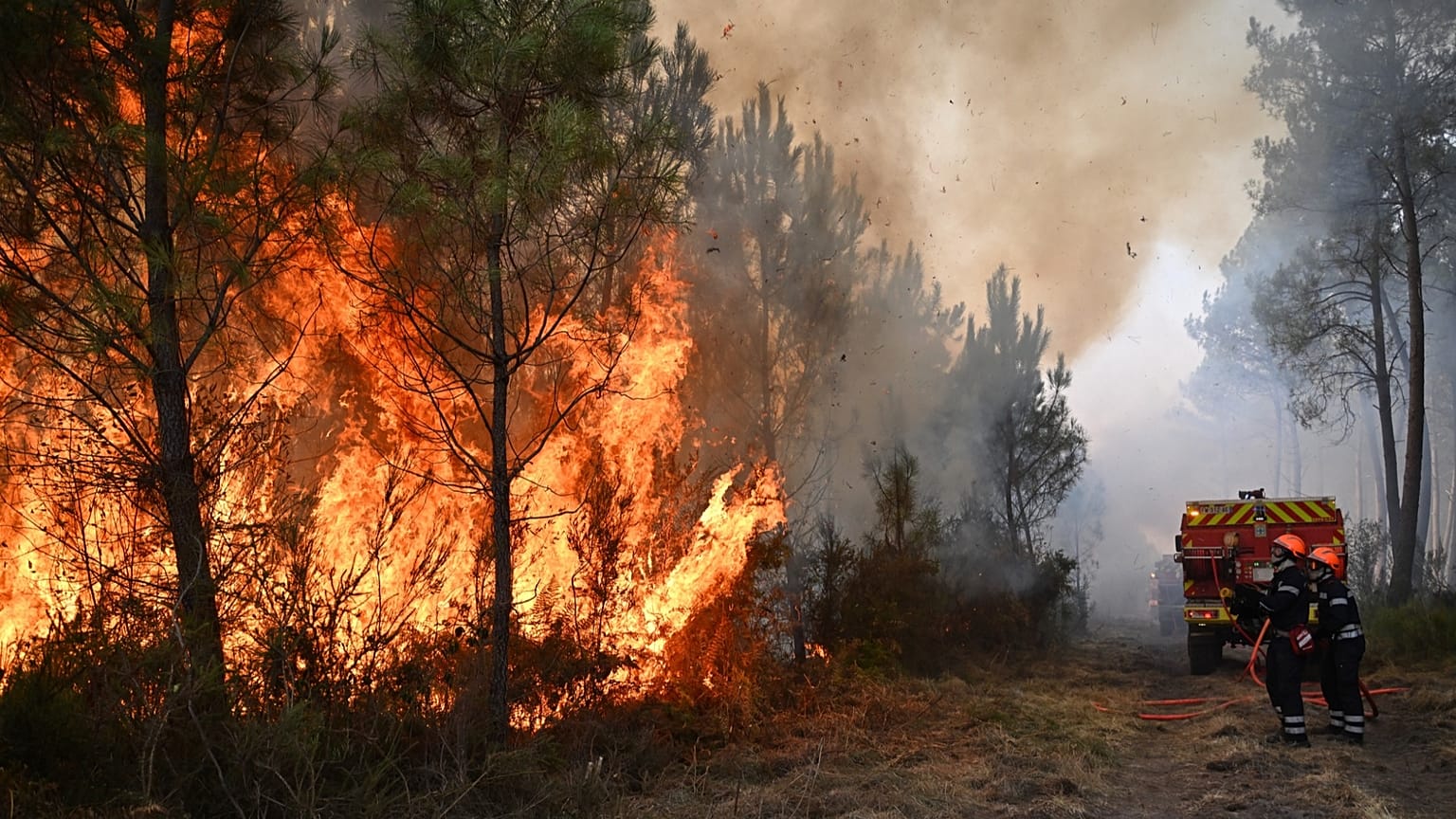
Firefighters work to extinguish a fire in the forest near Blagon, during wildfires in southwestern France, Wednesday, July 29, 2026.
Copyright Copyright 2026 The Associated Press. All rights reserved

By Liam Gilliver
Published on

A major new study warns that Portugal, Spain, France, Italy and Greece are experiencing more ‘fire-promoting’ weather.

Scientists have sounded the alarm over “major intensification” of fire-promoting weather in southern Europe, as large swathes of the continent continue to burn.

Uncontained blazes have swept across Spain and France in recent weeks, scorching more than 120,000 hectares across the two countries, and forcing more than 300,000 people to abandon their homes.

It’s the biggest evacuation effort since World War II, and means the EU is bound for its worst wildfire season on record.

While emergency response systems have helped control some of the spread, a fire four times the size of Paris threatened to surge again in southwest France yesterday (29 July), while three firefighters were killed on the Greek island of Crete.

The bloc’s firefighting capacity is struggling to keep pace with the increasing intensity of the fires, which have become so powerful they have triggered their own thunderstorm.

As Europe braces for yet another heatwave, fears of flare-ups remain high. Now, new research lifts the lid on how Europe is becoming increasingly exposed to deadly wildfires.

What’s behind Europe’s increased wildfire risk?

A new study, published today in the journal Scientific Reports, has analysed national wildfire records from Portugal, Spain, France, Italy and Greece alongside weather and climate data between 1981 and 2025.

Researchers found that in parts of France and Spain, the intensity of fire-promoting weather (hot, dry and windy conditions) had increased by up to 50 per cent between 2016 and 2025 compared with 1981 to 2010.

The number of days with “highly fire-promoting conditions” also increased from fewer than 10 days per summer in 1981 to 2010 to around 25 days over the last decade in parts of each country studied.

The report authors say that the frequency of fire-promoting weather reflects an increase in warm, dry days and is “linked to large-scale climate patterns” including the naturally occurring El Niño.

“Smaller air-pressure differences across the North Atlantic coincided with an increase in fire-promoting weather in parts of Greece, Italy, Corsica and Spain,” the report states.

“Sea-surface-temperature anomalies in the tropical Pacific, associated with El Niño, preceded fire-promoting weather in parts of northwestern Iberia, in Sicily, and southern Greece.”

It is worth noting that most El Niño events have temporarily increased global average temperatures by around 0.2℃. This is not as significant as human-made climate change, caused by the burning of fossil fuels, which has pushed the global surface temperature up by approximately 1.3 - 1.5℃ compared to pre-industrial levels.

According to the EU’s Copernicus Climate Change Service (C3S), Europe is the fastest-warming continent on the planet, with temperatures rising more than twice as fast as the global average.

An attribution analysis from World Weather Attribution (WWA) also found that Europe’s recent June heatwave – which saw temperatures climb to 40℃ in several countries – would have been “virtually impossible” as recently as 1976 – just 50 years ago.

Despite this, the annual number of wildfires during the past 10 years was around 40 per cent lower than the 1981 to 2010 period across the five countries – suggesting that fire management efforts are paying off, including improved training for fire brigades and better public awareness campaigns.

How Europe can lower its wildfire risk

Unless climate change is tackled, by weaning off fossil fuels and transitioning to clean energy, global temperatures will continue to rise – increasing the risk of extreme weather that fuels wildfires.

In the interim, there are many wildfire management practices that can help reduce the risk. This includes ‘prescribed burns’, which involve intentionally setting fire to a designated area of land under monitored weather conditions.

They are often used to clear out dead leaves and small trees, which can in turn lower the risk of larger wildfires that often break out in the summer. A 2025 study from Stanford University found that prescribed burns can reduce the severity of subsequent wildfires by an average of 16 per cent and net smoke pollution by an average of 14 per cent.

According to the World Wildlife Foundation (WWF), ensuring “sustainable land use management” can also help control deadly infernos – particularly in areas that are already high wildfire risk.

“It is important to regulate land-use change and update zoning guidance to ensure that development does not exacerbate fire risk,” the organisation states.

“The impacts of fires do not stop when they are put out, as floods and soil erosion can follow. After a fire, reduce the risk of further damage by ensuring that burned land is rehabilitated with vegetation adaptable to a changing climate.”

Experts from environmental organisations including WWF and Wetlands International Europe are also calling for the restoration of landscapes and healthy water systems to tackle drought and wildfires.

Wildfire risk can heighten after just a few days of scorching temperatures, as moisture evaporates from grass, shrubs and other vegetation. This makes them easier to ignite and harder to extinguish.

But wetlands and rivers absorb, store and slowly release water – making them natural fire breaks. However, depleting water levels and degradation are dwindling their ability to stop the spread of blazes.

Re-introducing species that have been proven to stop wildfire damage is also worth considering. Beavers, for example, have been described as natural firefighters due to their dam-building activity which has been found to halt the spread of blazes by keeping vegetation green during droughts.