Tuesday, July 14, 2026


Smart meters save money and prevent wasting renewables: Which country is leading Europe’s rollout?
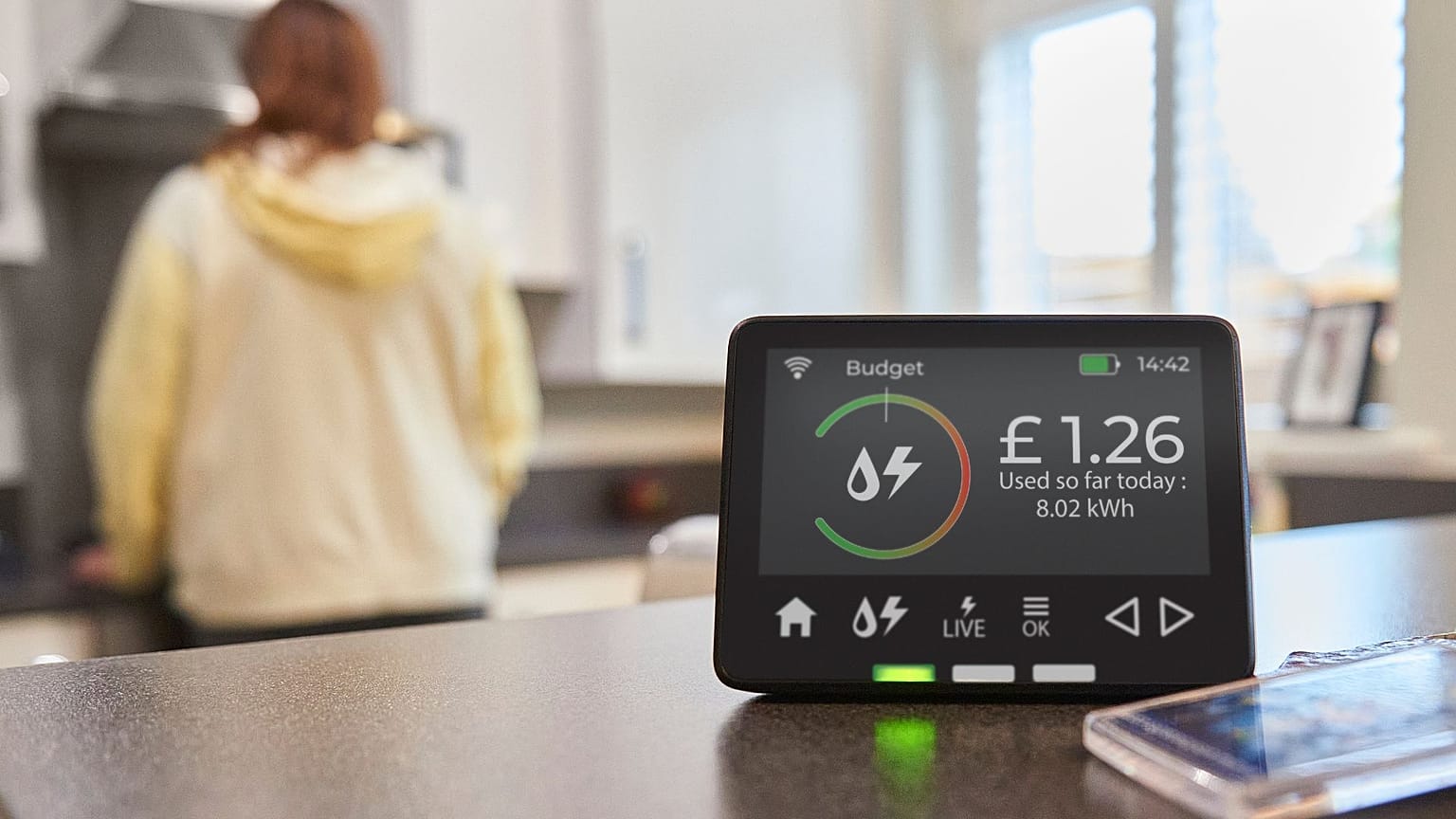
Smart meters give you more control over your energy use and allow you to take advantage of flexible ‘time of use’ tariffs.
Copyright Canva


By Angela Symons
Published on

Germany is falling far behind the rest of Europe when it comes to smart meter installation.

With the rise of renewable energy, Europe’s electricity systems have undergone a fundamental shift

In the past, electricity demand was largely met by controllable generation from coal, gas, nuclear and hydropower, which could be adjusted to match changing consumption.

But wind and solar don’t operate on a fixed schedule – they are dictated by the weather. Solar, for example, is generated during daylight hours – but energy consumption is lower in the day due to people being out of the house at work or school.

Adapting to these fluctuations is one of the biggest challenges facing Europe’s energy system today and smart meters are a key part of the puzzle.

To maintain stability on the electricity grid, supply and demand must be kept in a delicate balance. This is more complex to achieve as a greater share of electricity comes from variable renewable sources.

At present, Europe’s wind and solar capacity has grown faster than many forms of grid flexibility, including battery storage, making smarter management of the grid essential to prevent mismatches in supply and demand.

The International Renewable Energy Agency (IRENA) says that battery storage, when combined with wind and solar power, can provide reliable 24/7 electricity even when weather conditions aren’t optimal. However, the EU needs to scale its battery storage systems by tenfold to meet its 2030 targets.

How do smart meters work?

Smart meters automatically send electricity usage data to your energy supplier or network operator, removing the need for manual meter readings and enabling more accurate billing.

They also give you more control over your energy use and allow you to take advantage of flexible ‘time of use’ tariffs, which offer lower prices when demand is low or renewable energy generation is high.

This makes smart meters an important enabler of integrating intermittent renewables like wind and solar into the grid. By supporting flexible tariffs that encourage households to run energy-intensive appliances like washing machines when renewable generation is abundant, they help to better align electricity demand with supply.

This reduces the need for curtailment – when renewable generators are paid to reduce output or temporarily switch off plants because there is more electricity being produced than the grid can accommodate.

As more households adopt electric vehicles, heat pumps and home battery systems, smart meters will play an increasingly important role by helping to shift these much larger sources of electricity demand to periods when renewable energy is plentiful.

Europe’s delayed smart meter rollout

Despite this, the European Union’s rollout of smart meters has been fraught with delays and setbacks.

Back in 2009, the EU’s Third Energy Package required Member States that found a positive cost-benefit case for smart meters to aim for at least 80 per cent of households to have one installed by 2020. It’s now six years past that deadline, and rollout across the bloc stands at around 60 per cent.

New EU-wide rollout targets proposed in June are less ambitious: at least 50 per cent of end consumers should be equipped with smart meters by 2030 and 65 per cent by 2033, if adopted.

Across the EU and UK, households are generally not charged upfront for smart meter installation, although responsibility for rolling them out varies between countries. In some, including the UK, suppliers face penalties for missing rollout targets, while in France households that refuse installation may face charges for manual meter readings.

The costs are typically recovered through regulated network charges or other components of consumers’ energy bills, although the exact approach varies between countries.

How much money can a smart meter save you?

According to the European Commission, demand-side flexibility could save EU consumers more than €71 billion a year by 2030 in a best-case scenario – though that figure comes from an industry-commissioned 2022 study modelling widespread uptake of flexibility, rather than savings from smart meters alone.

More conservative EU estimates put typical smart-meter-enabled savings at two to 10 per cent of a household’s bill, particularly when combined with time-of-use tariffs.

Smart meters can also help reduce grid management costs by giving network operators better information to plan investments and manage demand. They can also reduce the need for renewable curtailment, the costs of which are ultimately borne by consumers through the electricity system.

In 2025, Germany paid around €435 million to renewable energy producers for curtailment, while the UK paid around £363 million (€424 million).

Smart meters also allow households to participate in energy communities and energy-sharing schemes by recording who generated, shared or consumed electricity.

These citizen-led initiatives allow communities to collectively generate and consume renewable energy, giving participants access to cheaper, greener electricity that is less exposed to the volatility of wholesale fossil fuel prices.

Which European countries are leading in the rollout of smart meters?

Around 60 per cent of European households had a smart meter installed as of 2024, according to the EU Agency for the Cooperation of Energy Regulators (ACER). In 15 EU countries, that figure exceeded 80 per cent.

Sweden and Italy were among the earliest movers. Italy began installing digital meters in 2001, reaching nearly universal coverage by 2011, while Sweden mandated monthly meter readings in 2003 and achieved virtually universal smart metering by 2009.

Denmark had also reached 100 per cent coverage by 2024; Estonia, Finland, Latvia, Luxembourg, Norway, Portugal and Spain had each reached around 99 per cent; Austria and Slovenia 97 per cent; France 94 per cent; Malta 93 per cent; the Netherlands 90 per cent; Ireland 84 per cent; Great Britain 70 per cent; and Lithuania 51 per cent.

Lagging behind were Belgium at 46 per cent; Poland (36 per cent); Croatia (34 per cent); Romania (27 per cent); and Hungary (11 per cent). At the time, Cyprus stood at zero per cent, but the island began a mass rollout in 2025.

Most striking of all, though, is Germany: just two per cent of households had an advanced smart meter installed as of 2024. Despite making smart meters mandatory for certain consumers in 2025, rollout has remained slow.

Stay tuned for an explainer on why later this month.


EU pushes to triple energy storage as renewable power goes to waste

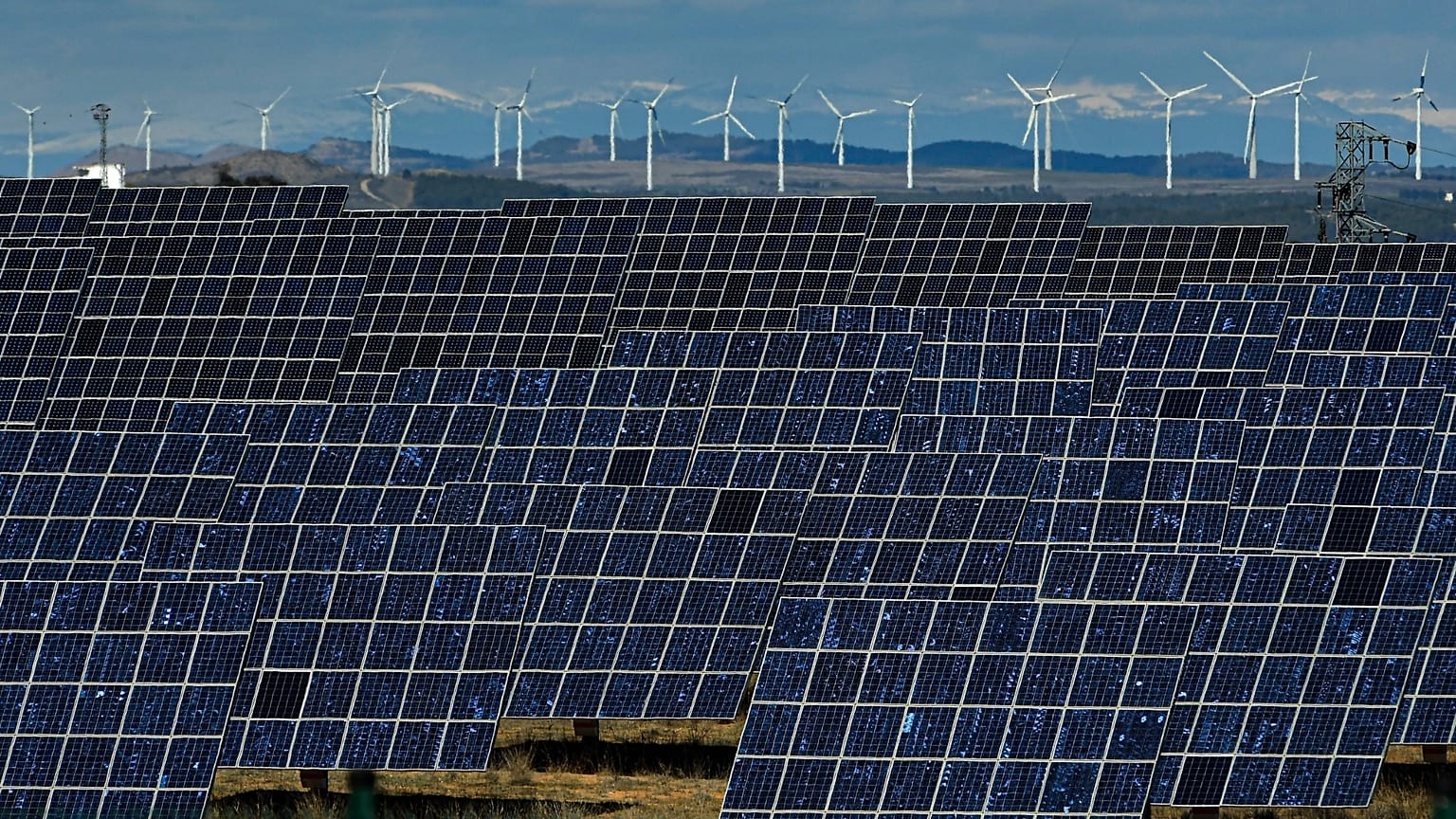
Solar panels work near the small town of Milagro, Navarra Province, northern Spain, Friday, Feb. 24, 2023.
Copyright AP Photo/Alvaro Barrientos


By Elisabeth Heinz & Leticia Batista Cabanas
Published on

EU energy ministers signed the first-ever tripartite agreement to boost the bloc’s energy storage capacity on 26 June. The EU needs 200 gigawatt (GW) of storage capacity by 2030, compared with the current 55. 22 member states promised to add around 30-35 GW of new capacity by 2028.

The agreement tackles a problem that has become urgent with Europe’s green transition: how to store growing energy surpluses from intermittent renewable sources, such as wind and solar.

While the share of renewable energy resources is growing (23 per cent in 2020 to 25.2 per cent in 2024), the bloc’s storage capacity remains too limited to absorb it all. Europe wastes renewable energy surpluses generated during seasonal peaks, forcing it to increase fossil-fuel power generation.

The deal expands the EU’s storage capacity to keep extra energy and maintain a reliable energy supply during sudden increases in demand, reduce dependence on imported fossil fuels, and stabilise energy prices.

Member states, financial institutions, clean energy producers, and energy-consuming industries are the main players, ensuring annual energy storage forecasts, stable energy demand, predictable energy costs, and access to finance.

“For the first time, the EU has established a clear political direction, turning storage from enabling technology to a delivery priority”, Walburga Hemetsberger, CEO of SolarPowerEurope said.

What the EU needs

Solar and wind generate electricity according to weather patterns, not peaks in human demand. Without optimised storage, the EU remains dependent on imported fossil gas to fill gaps when the sun sets or winds fade. Despite renewables supplying 44 per cent of EU electricity, the bloc still imports around 55 per cent of its total energy, including oil and gas.

Electricity demand is rising rapidly. The International Energy Agency projects AI and data centre consumption will double by 2030. These facilities already account for around 3 per cent of electricity supply and are expected to exceed 28 GW.

Data centres require constant 24/7 power. They cannot pause AI operations when renewable generation falls. Without 200 GW of storage by 2030, operators may have to rely on fossil-fuel plants to maintain reliability, undermining EU net-zero goals. Storage allows excess solar power generated during the day to supply digital infrastructure overnight.

Europe is also electrifying transport and heating, shifting two carbon-intensive sectors from fossil fuels to the grid. The EU aims to put more than 30 million electric vehicles on the road and install 50 million heat pumps by 2030. Meeting this demand will require large-scale storage to balance renewable supply.

"I think the biggest issue will be to not treat energy storage as essential infrastructure," said Jacopo Tosoni, Deputy Secretary General at Energy Storage Europe. "If we don't put flexibility at the heart of the energy system, we waste the cheap renewable electricity we already have while industry continues paying high energy prices."

By early 2026, Europe had seen record periods of negative electricity prices as solar and wind generation exceeded grid capacity. In the first quarter alone, EU day-ahead markets recorded 1,223 hours of negative prices, roughly twice previous levels, with Germany and Spain among the hardest hit.

When supply exceeds demand, grids must curtail renewable generation, wasting clean electricity and reducing project revenues. Storage addresses this by absorbing excess power when prices are low and returning it when demand rises.

"We already are in a version of gridlock," Tosoni said. "Negative prices are becoming common because we have a surplus of renewables and not enough storage to use that power later."

The agreement

The agreement scales up Europe’s capacity to store more solar and wind power and use it during a sudden increase in energy demand. It aims towards at least 20 per cent (45 GW) more capacity than the annual installed capacity in 2025 (12 GW) between 2026 and 2028. Storage supplies should cover around 10 per cent of peak demand, up from around 5 per cent in 2025. Greater energy security balances the grid and maintains grid stability while lowering energy prices.

Larger storage capacity means Europe can increasingly rely on in-house green energy and move towards its 2030 target of at least 42.5 per cent of renewable energy production. It also reduces dependence on imported fossil fuels, which the EU is working hard to cut but remains high. In 2024, oil and petroleum accounted for 67 per cent of energy imports, according to a March 2026 Eurostat report.

Number of energy storage projects by status, 2026

“If we want to get to the 200 gigawatt that the European Commission has set out in Accelerate EU, we need to see a bit more of an ambition. But it's a very good first step The real test is now in the implementation”, according to Hemetsberger.

In practice, the EU needs to expand its current storage facilities through increased market flexibility, Hemetsberger said. While it's important to expand all types of energy storage, batteries are the real “game changer”. They can be installed very quickly, are highly scalable and cut 55 billion euros per year on power system operating costs, along with reducing gas import and lower electricity prices, she explained.

The parties signing the agreement

Storage systems and renewable energy developers will provide annual estimates of new storage capacity. Energy-intensive industries will develop on-site storage projects, monitor electricity demand, and provide long-term forecasts. Financial institutions, including national and regional banks, will finance these initiatives and attract investment.

The European Investment Bank plans to expand its €500 million corporate power purchase programme. The goal is to include storage solutions and increase its €1.5 billion support for grid manufacturing to cover new storage technologies.

The Commission will monitor the agreement's progress annually, accelerate project finance, and support the decarbonisation of energy-intensive industries through the Industrial Decarbonisation Bank.

Member states' commitments

EU countries decide how much new storage to build. 22 national governments have signed the agreement, and 17 have submitted concrete commitments. Yet the agreement is not binding, making it all the more important that we really closely monitor and track progress”, Hemetsberger said.

Commitments range from 5,000 megawatts in Austria, 500 in Portugal, 11,000 in Poland, and 376 in Slovakia. Germany, the Netherlands, Greece, Finland, and Denmark will join by year-end. Overall, EU countries will add 30-35 gigawatts of storage capacity by 2028, increasing the bloc’s total capacity to approximately 65 gigawatts.

This amount remains well below the EU’s 2030 200-gigawatt target. Member states may need to double down on storage projects by accelerating permitting, opening up revenue streams, a predictable regulatory environment, and a quick connection to the grid infrastructure, Hemetsberger explained.

National governments also agreed to facilitate storage deployment by removing regulatory barriers and accelerate project approvals. They will also revise pricing rules, allowing national authorities to set non-discriminatory network tariffs. Storage deployment and manufacturing are supported through national and EU funds only if they comply with state aid rules. The Commission will accelerate state aid approval.

For member states, failing to meet the targets means missing out on competitiveness, including lower energy prices, Hemetsberger explained. “If we do not meet those storage targets, if we're not investing in battery storage, it means we will be using gas more frequently than we would want to, and gas sets the electricity price”, she added.

Storage power (GW) by project status

For citizens and for businesses

Electricity bills remain high and volatile, largely driven by gas prices. Households still pay more when gas-fired plants are needed to cover periods of low wind or solar generation.

Millions of homeowners with solar panels receive little value for excess electricity because the grid cannot absorb it all. Consumers have limited ability to respond to market fluctuations and remain passive participants in an outdated energy system.

If the agreement delivers 200 GW of storage capacity by 2030, households could benefit from lower and more stable prices.

"Electricity prices are currently set by the most expensive generator needed to meet demand, and that's gas," Tosoni said. "If you're able to remove gas from the equation by storing renewable electricity, electricity costs go down."

Stored renewable energy can replace expensive gas-fired generation during peak demand. Batteries and smart technologies would also allow consumers to become active participants, charging electric vehicles or home batteries when electricity is cheap and selling power back when prices rise.

Local and community storage would strengthen grid resilience, reducing the risk of outages during extreme demand or weather events.

Tripling storage-linked Power Purchase Agreements would help heavy industries secure 24/7 renewable power, meet sustainability targets, and protect operators’ revenues by reducing renewable curtailment during periods of oversupply. The Clean Industrial State Aid Framework could accelerate funding and permitting for clean technology manufacturers, improving competitiveness.

Tosoni warned that delaying storage deployment could intensify competition for electricity between households and expanding AI infrastructure. Without storage, new data centres may increasingly depend on fossil-fuel backup or add pressure to the grid. "If we do it right," he said, "the AI boom can actually be quite good for the energy system... lowering costs for households and industry."

Solar generated record 25% of EU power in June with Germany, Spain and Poland leading the race

By Ruth Wright
Published on

Solar was ahead of coal, gas, nuclear, wind and hydropower.

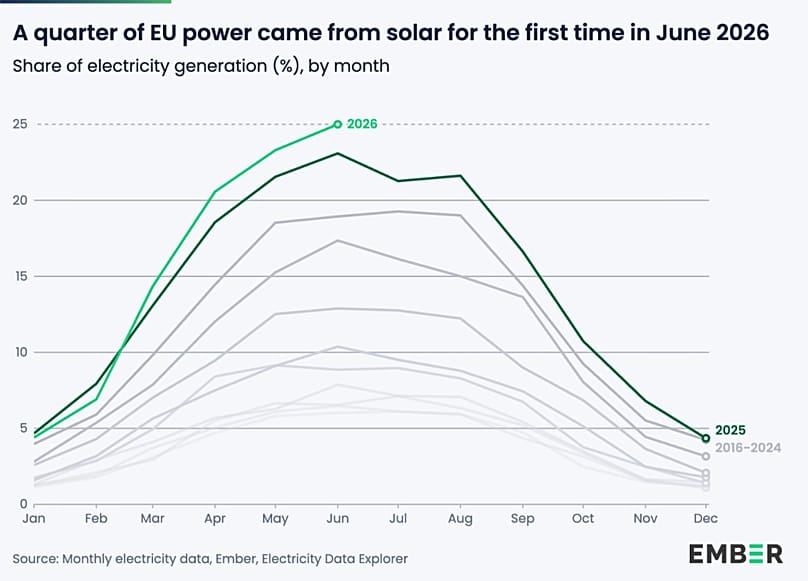
For the first month ever, solar power provided a quarter of the EU’s electricity this June.

Solar generated a record 52 TWh of EU electricity in June 2026, making up 25 per cent of monthly generation for the bloc. This beat solar’s previous monthly high of 47 TWh (23 per cent) in May 2026.

Solar was the EU’s largest single source of power for the month, ahead of nuclear (21 per cent), gas (15 per cent), wind (14 per cent) and hydro (12 per cent), with coal generating just 8 per cent. This is only the third month that solar has been the EU’s largest source of power, after June 2025 and May 2026.

“Solar’s rise has been truly stratospheric, beating prediction after prediction,” says Chris Rosslowe, senior analyst at Ember think tank which did the analysis. “In just a few years solar has gone from a small player to an essential part of Europe’s power system, as governments and citizens look for low-cost, quick-to-install domestic power sources.”

In June of 2021, solar generated just 10 per cent of the EU’s power (21 TWh).

Monthly electricity generated by solar power in the EU
Monthly electricity generated by solar power in the EU Ember

Solar is low cost and quick to install

Solar has grown by more than a fifth every year in the EU between 2021 and 2025 – the fastest growth of any power source. This is predominantly due to a high pace of installations, with 65.1 GW of new capacity installed in 2025.

Record solar output in June coincided with relatively high summer power demand, driven partially by demand for cooling due to record-breaking heatwaves. Solar helped sustain power supplies as other power sources struggled in hot and still conditions.

Spain is leading Europe’s renewables revolution

Solar’s growth is visible across the EU’s Member States. In 2026 so far, 18 EU countries have hit new monthly records for the percentage of power from solar.

In Spain, solar generated over a third of power in June 2026 for the first time (34 per cent). This is thanks to the country’s incredible investment in clean energy. Since 2019, it has doubled its wind and solar capacity, adding over 40 GW – more than any other EU country except Germany, whose power market is twice the size of Spain’s.

This is paying off for consumers. Spain’s electricity bills have fallen while many other countries have seen a rise since the energy crisis caused by the outbreak of the Iran war. Ember analysis shows that households have each saved €10 per month on their electricity bills since the Hormuz strait was effectively closed in March.

Spain did not use coal-fired power at all in August 2025. A far cry from just 10 years before, when coal accounted for a quarter of Spain’s power.

It shows how fast countries can change their energy sources – if they choose to. “You don’t need Spanish sunshine to achieve what Spain has done – every country in Europe could be making better use of its own wind and solar resources to reduce reliance on expensive gas,” argues Rosslowe.

This is all excellent news for emissions, too, of course. Spain relied on fossil fuels for just 25 per cent of its electricity in 2025 meaning its per capita emissions of 0.9 tonnes of CO2 equivalent were below the EU average of 1.3 tonnes of CO2e.

Balcony solar is very popular in Germany

In Germany, solar generated more than a third of electricity in May for the first time (33 per cent), reaching a 36 per cent share in June.

Germany is home to Europe’s largest operational solar park – which features more than 500 hectares of panels across a former coal mine. While ordinary Germans are also embracing the potential for solar power to cut their energy bills.

Commonly installed on balconies, terraces and shed roofs, plug-in solar uses small panels that can be attached to an external wall. In many European countries, these can be purchased from the supermarket or online. More than a million plug-in kits were installed in Germany between 2022 and 2025.

The power generated from plug-in solar can be used directly through a mains socket like any other device (such as a mobile phone charger) without any installation costs.

Experts say it takes an average of two to six years to recoup the cost of the system, depending on what you paid for it, its size and where it is positioned. But once up and running, plug-in solar reduces the amount of electricity taken from the grid, cutting your energy bills.

Balcony solar panels in Germany have halved in price over the last few years, with small models now costing around €200.

Consumers can make further savings by adding a battery to store the energy generated by their balcony panels. As solar relies on sunlight to generate electricity, energy is only generated during the day. However, energy consumption tends to be lower during these hours, as many people are out of their homes due to work or school. In the evening, when solar panels cannot generate electricity, demand for energy increases – as people return home.

Batteries can help level out Germany’s uneven supply and demand by storing solar energy produced in the day and allowing households to use it in the evening. This prevents day-time generation from being wasted and can help relieve strain on the grid.

Poland has traditionally been coal-powered but the landscape is shifting

Poland generated nearly a quarter of electricity from solar in June (24 per cent). Despite being one of the EU’s largest coal users, Poland has also seen some of the most rapid solar growth in Europe.

In June 2025, Poland hit a major milestone when renewables provided more energy than coal. 44.1 per cent of electricity came from renewable sources while coal and lignite plants produced 43.7 per cent, according to the think tank Energy Forum.

In 2025, Poland had 23 GW of photovoltaic power installed. Just five years ago there were only 2 GW of PV installations in Poland.

A key challenge for Poland is the removal of barriers delaying the energy transition. “The development of onshore wind energy, which was virtually completely halted by the government in 2016 and only two years ago started to liberalise these regulations, is still very limited,” Dr Maria Niewierko from the Energy Forum explains.


‘Victory’ as Türkiye ends major coal plant expansion – but still lacks phaseout plan

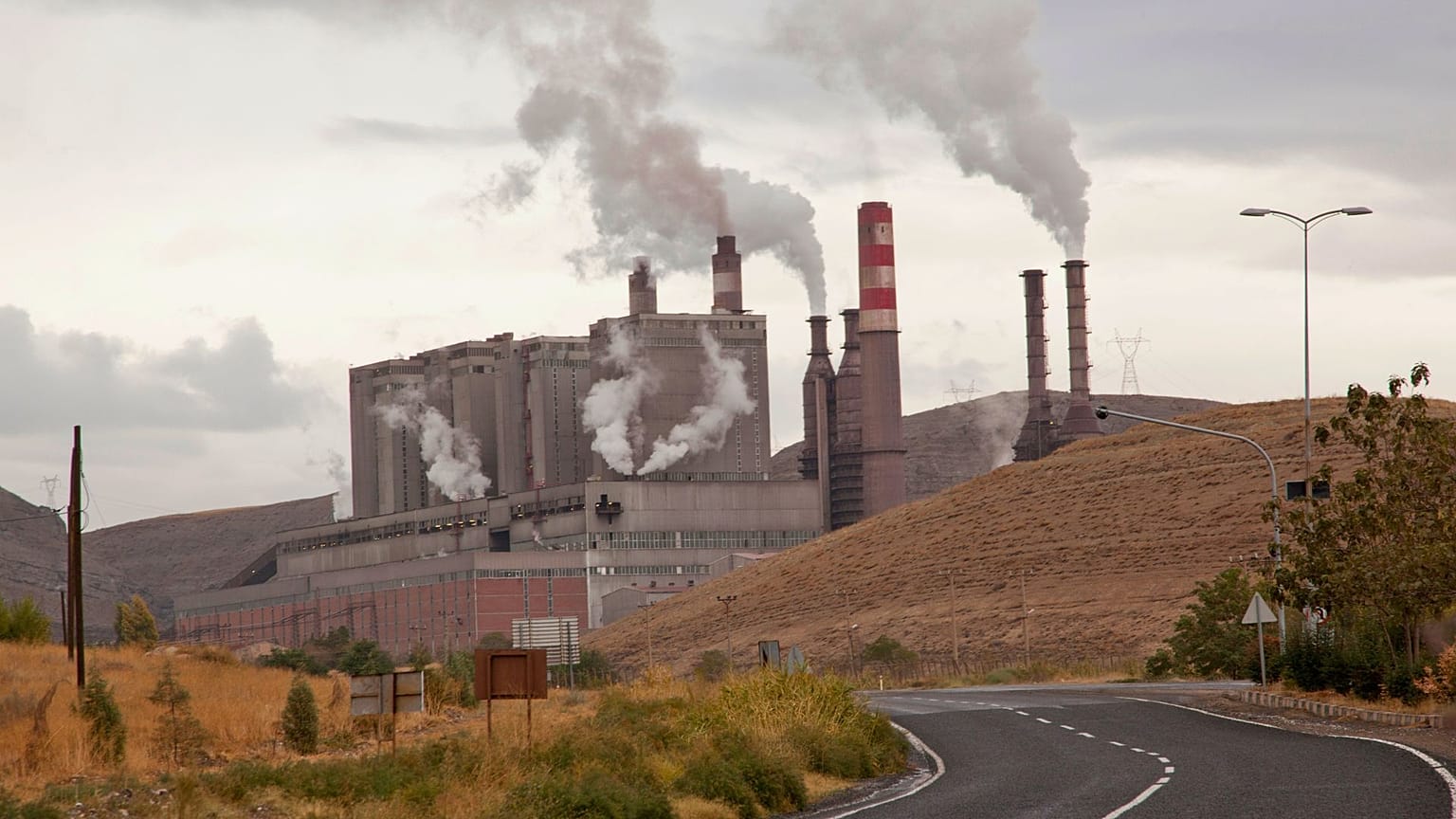
A coal power generator in Ankara, Türkiye.
Copyright Canva

By Angela Symons
Published on


Türkiye’s last planned coal project was cancelled due to public pressure – but a new one has been announced.

Environmental activists in Türkiye have declared a “victory for the people” after the expansion of the country’s largest coal-fired power plant was struck down by a court ruling.

Local residents joined Greenpeace Türkiye in fighting the construction of two additional units at the Afşin-Elbistan A Thermal Power Plant in the southeastern Kahramanmaraş Province.

Their lawsuit complained of the potential impacts of the expansion on human health, agricultural lands, water resources and local ecosystems.

Last week (8 July), the court revoked the Environmental Impact Assessment (EIA) granted to the project in late 2024, concluding that “the potential negative environmental impacts of the project cannot be demonstrated to be at acceptable levels”.

“For years, we have been fighting for clean air, fertile land, and the future of our children. This court decision is a victory for the people of AfÅŸin and Elbistan,” says Mehmet Dalkanat from the AfÅŸin Elbistan Life and Nature Protection Platform, which fought alongside Greenpeace.

“Now it is time to ensure the closure of all existing coal power plants through a fair transition process that protects both people and nature.”

Can Türkiye end its coal addiction?

The 688 MW AfÅŸin-Elbistan expansion was one of just two active coal plant proposals in Türkiye, down from 95 proposed units representing 57.5 GW in 2015. The decision brings the cancellation rate for proposed coal projects in the country to 97 per cent – a global record.

Yet the country still lacks a national coal phaseout plan. The other project still in the pipeline – a 1,050 MW expansion of the 1,320 MW Cenal Coal Power Plant –

was just announced in June, despite Turkiye’s upcoming role as co-host of the UN’s COP31 climate summit in November.

“Expanding coal power is incompatible with hosting the world’s largest climate summit and sends the message that climate action is not being taken seriously,” says campaign group Beyond Fossil Fuels.

Coal remains an important part of Türkiye’s power mix, accounting for nearly one-third of electricity generation.

The country’s 20.5 GW operating coal fleet has an average plant age of 24 years and no known planned retirement dates, CAN Europe warns in its ‘Boom and Bust Coal 2026’ report.

Türkiye produces more coal-fired terawatt-hours than any European country and its generation has not yet peaked, it adds. Policy support for coal in the country is propping up the industry, including a guaranteed-rate power purchase plan for coal plants through 2030, announced last September.

Türkiye’s coal project ‘not in the public interest’

The AfÅŸin-Elbistan expansion was stalled throughout 2025 as litigation was underway. Last September, a court-appointed expert committee compiled a report on the negative impacts of the project, concluding that it was not in the public interest.

It found that necessary assessments were not conducted, mining license information was outdated, cumulative impacts on groundwater were not studied, and the livelihoods and cultural values of the local community were threatened.

In particular, public health risks, especially for vulnerable groups, had not been properly considered.

Elsewhere, some Turkish coal plants have been accused of operating without proper filtration systems, while inefficient plants emit high levels of CO2 and air pollutants such as sulfur dioxide and particulate matter.

Opposition to the country’s coal sector continues to grow, with civil society organisations warning that separate plans to expand coal mining to supply the southwest could threaten olive groves, residential areas and cultural sites.

Could renewables offer a brighter future for Türkiye?

Reallocation of coal subsidies toward clean energy and grid modernisation would better support energy and job security in coal-dependent regions, CAN Europe argues.

As financing and subsidies for coal wane, jobs in the sector are disappearing. At the same time, the cost of generating coal-fired electricity is rising.

Renewables, on the other hand, are becoming progressively cheaper: the cost of solar and wind production has dropped by 69 per cent and 40 per cent respectively in the country over the last decade, according to CAN Europe.

A report published by Greenpeace Türkiye in May 2025 suggests that renewable energy investments could create thousands of new jobs in the Afşin-Elbistan region alone.

Türkiye is one-third of the way to reaching its renewable energy capacity target of 120 GW by 2035, according to the Ministry of Energy and Natural Resources.

“At this critical juncture, Türkiye can use its moment as COP host and president to establish an energy transition pathway that meets its existing renewable energy targets, supports communities impacted by pollution, and transitions its workforce toward a coal-free future,” says CAN Europe.


Full ban on Israeli settlement trade gets ‘most support’ from EU countries, Kallas says

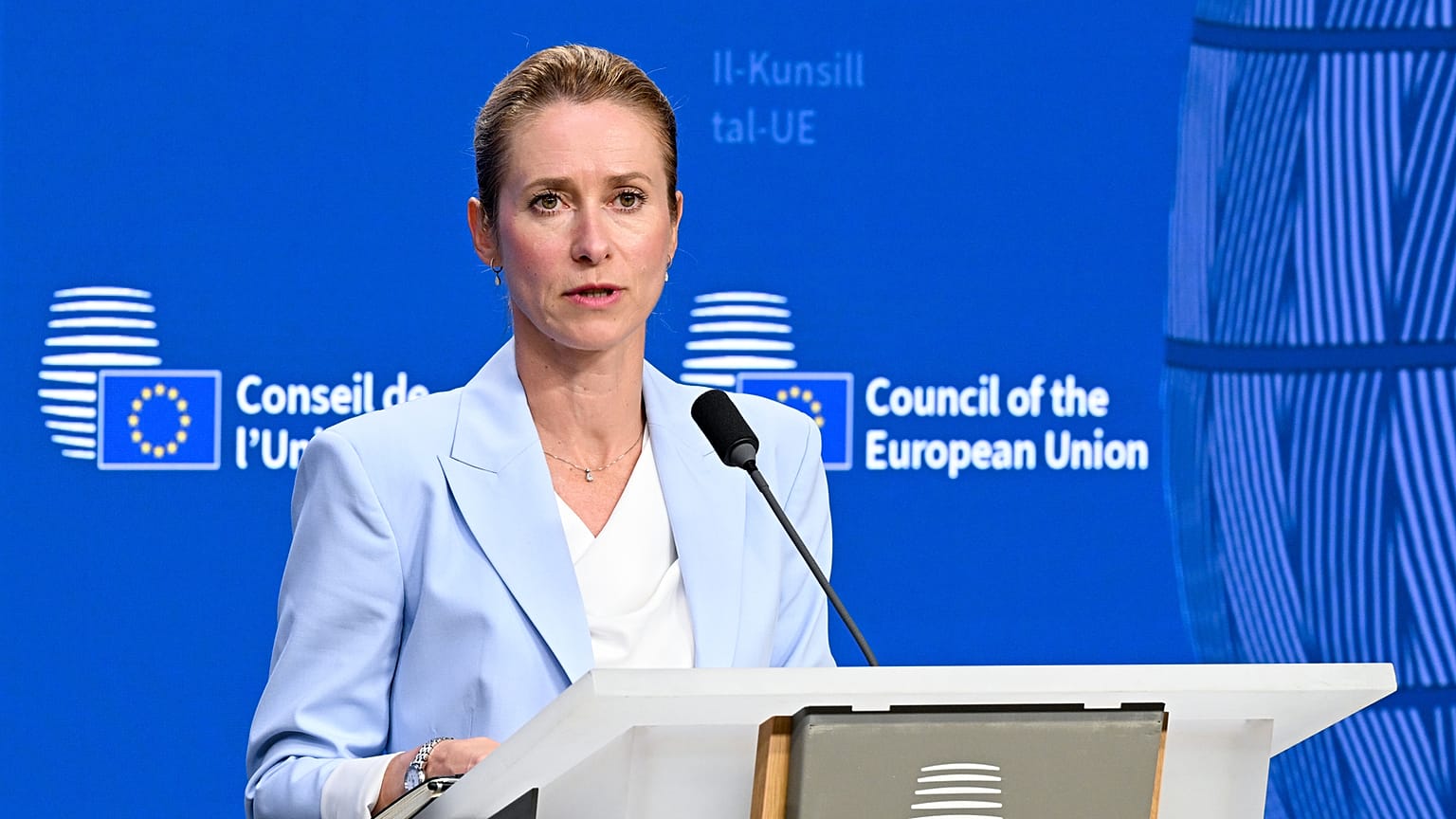
The EU's High Representative for Foreign Policy, Kaja Kallas, 13 July 2026
Copyright FREDERIC SIERAKOWSKI/

By Mared Gwyn Jones
Published on

EU foreign ministers overwhelmingly backed clamping down on EU trade with Israeli settlements during closed-door discussions on Monday, with an official source saying the biggest cohort of countries supported passing new measures without requiring the unanimous backing of all member states.

A full ban on EU imports of goods made in Israeli settlements extracted "most support” from EU foreign ministers during a meeting on Monday, the EU’s foreign policy chief Kaja Kallas has said, after the European Commission last week presented a range of options to restrict settlement trade, the boldest of which was a full trading ban.

“The option that got the most support was banning the trade with the illegal settlements,” Kallas told reporters in Brussels on Monday evening. Israeli settlements in the occupied Palestinian territories are considered illegal under international law and by the EU.

EU ambassadors will now be tasked with putting meat on the bone of the Commission’s initial proposal, a two-page “options paper” shared with EU capitals last week and first reported by Euronews.

Kallas also said that an extraordinary meeting of foreign ministers could be convened to ensure further progress. The next formal ministerial gathering is scheduled for October, weeks before Israel is due to hold legislative elections, with several diplomats expressing fear that the sensitive timing could further scupper any progress.

Italy’s Foreign Minister Antonio Tajani, whose backing is considered pivotal if any proposal is to reach the necessary support threshold, suggested that no measures should be taken in advance of the ballot ealier on Monday.

Crucially, on Monday a majority of member states also backed framing the measures as a trade rather than as a foreign policy tool, which would avoid the need for all EU governments to unanimously back the move.

Proponents of the trade ban – including Belgium, France, Ireland, Luxembourg, the Netherlands, Spain and Sweden – had pushed back against the European Commission for arguing that any measures taken should be framed as a foreign policy tool, requiring the unanimous backing of all member states.

These countries say such trading restrictions should instead inevitably be considered trade policy, therefore requiring the backing of 15 member states representing 65% of the EU population, known as qualified majority – a benchmark that many feel could be achieved.

“These are trade measures, so that means that, as far as we are concerned, that should be possible with a qualified majority,” Dutch Foreign Minister Tom Berendsen said earlier on Monday.

Ministers earlier on Monday also expressed frustration at the EU executive led by Ursula von der Leyen for the lack of detail in the proposal, and the delay in its presentation.

“It gives me the sense that it’s more a bone to chew on, than a desire to really move forward,” Belgian Foreign Minister Maxime Prévot told reporters earlier on Monday.

“I am concerned that we are engaging in delay tactics, debating endlessly without taking action, when such debate is not actually necessary. A decision not to trade would simply be an application of international law,” Spain’s Foreign Minister José Manuel Albares said.

The EU already pursues a policy of "differentiation" when it comes to settlement-manufactured goods, meaning they are exempt from preferential tariffs given to products made within Israel and fall outside the scope of the EU-Israel trade and cooperation agreement, known as the Association Agreement.

But political calls to fully ban such trade have been gaining momentum given the deteriorating situation in the occupied West Bank.

A 2024 International Court of Justice (ICJ) advisory opinion on the illegality of the Israeli settlements, which obliges states to abstain from economic dealings that could entrench the unlawful situation, has also added legal weight to those calls.

The European Commission President, Ursula von der Leyen, has been accused by critics of obstructing a decision on banning settlement trade, by suggesting that the ban needs the unanimous backing of member states.

Kallas, however, cited an oral opinion by the Council of the EU's legal services, which found that member states could restrict or ban the trade of settlement goods with qualified majority support.

Asked about the clash of opinions, Kallas said: "We need to have a unified position, and so far we have not been able to have that unified position."

There is a legal opinion that we can do this also with the qualified majority," she added "And, you know, if there is a will, then we can move forward."

Future of the VW Osnabrück plant: Is the Iron Dome missile deal at risk of collapse?

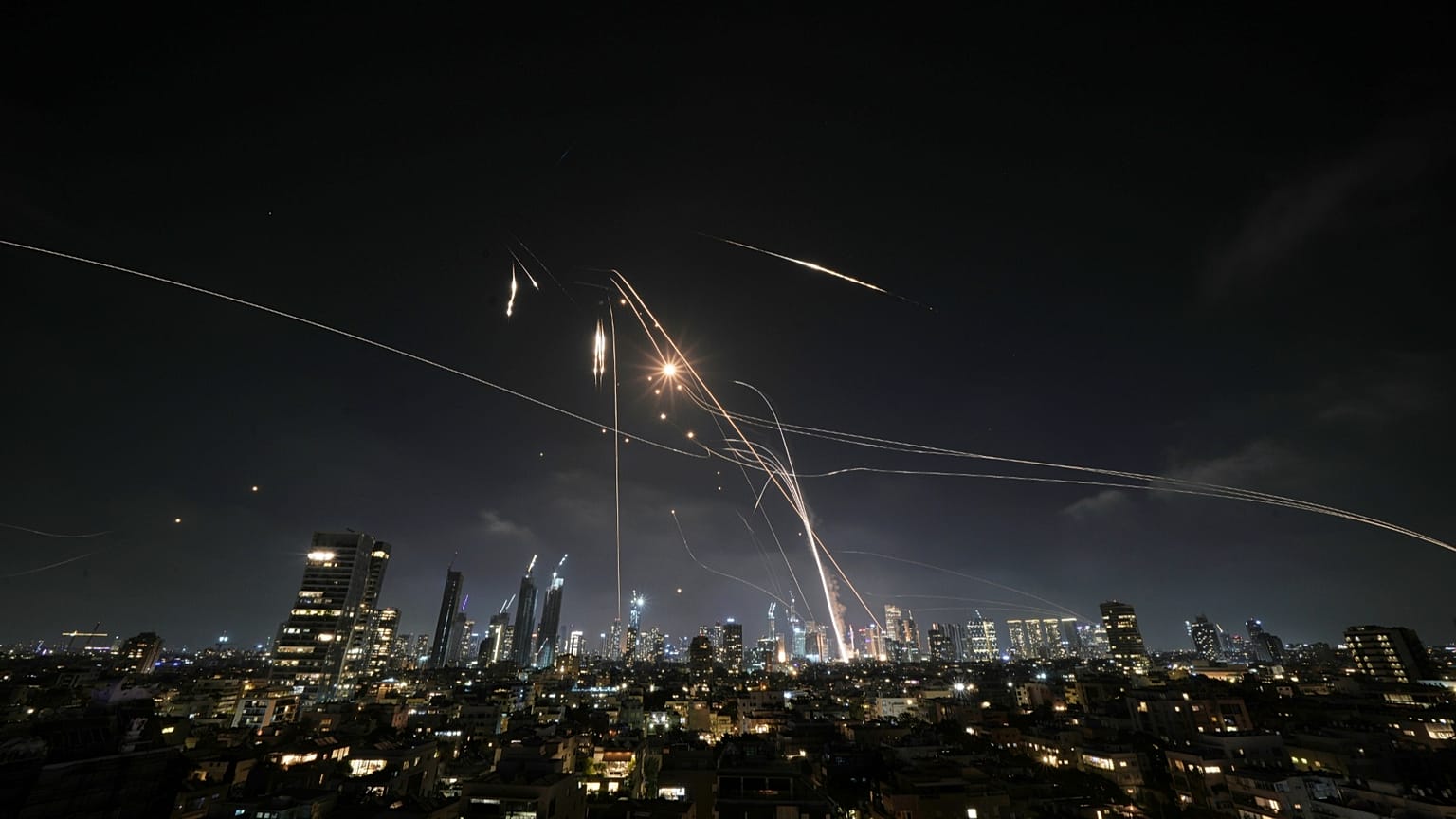
Illustrative image: Israel’s Iron Dome launches missiles over Tel Aviv on 13 June 2025, attempting to intercept incoming rockets.
Copyright AP Photo/Leo Correa


By Johanna Urbancik
Published on

Vehicle production at VW in Osnabrück is scheduled to end in 2027, meaning around 2,300 jobs depend on a follow-up solution.

Israeli defence company Rafael Advanced Defense Systems is reportedly considering setting up production of Tamir interceptor missiles for its Iron Dome air defence system in India, the Bild daily said citing company sources.

The move could mean that Volkswagen’s plant in Osnabrück may no longer be in the running as a production site for Iron Dome components.

In the spring, Volkswagen confirmed that it was in talks with defence industry companies about the future of the plant in Osnabrück.

According to Reuters, Rafael signed a memorandum of understanding for the site in April. The plan was to manufacture components for the Israeli missile defence system there.

Vehicle production at VW in Osnabrück is scheduled to end in 2027, meaning around 2,300 jobs depend on a follow-up solution.

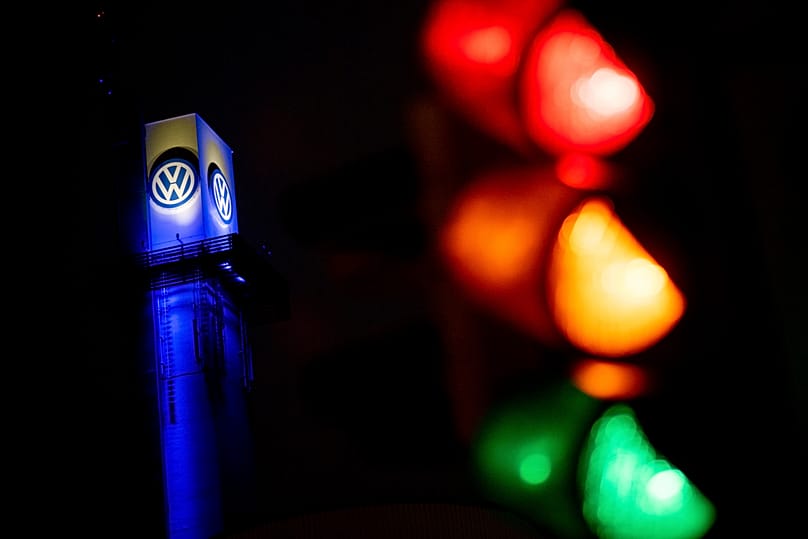
A traffic light shines in front of a Volkswagen logo at the Volkswagen plant in Osnabrück, 29 October, 2024
A traffic light shines in front of a Volkswagen logo at the Volkswagen plant in Osnabrück, 29 October, 2024 AP Photo

Qatar said to be complicating talks

According to Bild, the project has met with resistance from within the VW group. The report says the Qatar Investment Authority (QIA), one of Volkswagen's largest shareholders, has reservations about working with the Israeli state-owned company.

Reuters also reported in June, citing several people familiar with the talks, that the Qatari sovereign wealth fund was making the negotiations more difficult.

QIA holds around 17% of Volkswagen’s voting rights and has two seats on the supervisory board.

India gaining in importance

According to information obtained by Bild, Rafael could therefore push ahead with setting up production in India. The decision has not yet been officially confirmed.

India is a key growth market for international defence companies. With its "Make in India" strategy, the country aims to locate a larger share of defence production on its own soil.

From Israel’s perspective too, India has for years been regarded as one of its most important defence partners. In addition, Rafael already operates a production line for Tamir interceptor missiles in the US state of Arkansas together with American company Raytheon.

Volkswagen is still looking for a long-term perspective for the Osnabrück plant. Most recently, business magazine Capital reported that the state of Lower Saxony is even considering taking a stake in the site to support the transition to possible arms production. A decision on the plant’s future has yet to be taken.