Saturday, August 29, 2026


RS virus admissions among infants fall sharply following vaccine rollout


A new study from the University of Copenhagen and Nordsjællands Hospital suggests that Denmark's new RSV vaccination programme for pregnant women may have dramatically reduced the number of infants hospitalised with the virus.


University of Copenhagen


Thousands of infants contract respiratory syncytial virus (RSV) every year. While most experience mild symptoms, the virus can cause severe breathing difficulties in newborns and young infants and may require hospital treatment. Since autumn 2025, pregnant women in Denmark have been offered an RSV vaccine to help protect their babies during the first months of life. New findings from the University of Copenhagen and Nordsjaellands Hospital now point to a substantial reduction in hospital admissions among the youngest children.

During the 2025/26 RSV season, the number of hospital admissions among infants aged 0 to 5 months fell by 75 per cent compared with the average of the previous three seasons. While admissions averaged 1,128 in those years, only 296 infants were admitted between October and April in the most recent season.

"That’s more than 800 infants who avoided hospital admission over the winter. For these very young children, RSV can be particularly serious and may cause severe breathing difficulties. It is a major strain on both children and their families, so this is a remarkable development," says Thea Kølsen Fischer, Clinical Professor at the Department of Public Health and co-author of the study.

Findings mirror international experience

The researchers emphasise that the study cannot establish a direct causal link between vaccination and the decline in admissions. Changes in transmission patterns, testing activity and other factors may also have influenced the trend.

Even so, the findings are consistent with experiences from countries including Belgium, Spain, the Netherlands, France and England, all of which have introduced RSV vaccination programmes.

"I work in a hospital every day, and colleagues from paediatric departments across the country tell me that the RSV season often place enormous pressure on their services. This year, they have not seen the usual surge in admissions," says Thea Kølsen Fischer.

Infants are particularly vulnerable

RSV can cause inflammation and mucus build-up in the smallest airways of the lungs. It is one of the most common causes of respiratory infection during the winter months and affects both children and adults. For most people, symptoms are mild.

Infants and babies born prematurely are particularly vulnerable because their airways are small and their immune systems are still developing. As a result, inflammation and mucus can quickly lead to serious breathing problems.

RSV follows a clear seasonal pattern in Denmark, with most hospital admissions occurring between October and March. For that reason, the vaccine is offered to women due to give birth during or shortly before this period. In the first season, 72 per cent of eligible pregnant women accepted the offer of vaccination.

"It is encouraging that so many women chose to be vaccinated in the first season," says Thea Kølsen Fischer.

Thea Kølsen Fischer has studied RSV for many years, including before the first vaccines were approved in 2023. For her, the results reflect the impact of a long period of research. The findings were equally welcome for Caroline Klint Johannesen, a PhD student at Nordsjaellands Hospital and first author of the study.

"It is incredibly rewarding to see that what we have been researching does not simply work on paper, but can make a real difference in practice," she says.

Bringing the virus under control

Despite the sharp decline in admissions, RSV is unlikely ever to disappear completely because it is both widespread and highly infectious. However, researchers believe it may be possible to reduce the burden of severe disease to a much lower level than in previous years.

"I expect at least as many people to accept the vaccine next season, both because of these early results and because it is a very safe vaccine with very few side effects," says Thea Kølsen Fischer.

Older adults at increased risk, including people over 60 with conditions such as chronic obstructive pulmonary disease (COPD), can also receive financial support for vaccination. Thea Kølsen Fischer expects this to have a longer-term impact on the burden of disease.

"If fewer older people become seriously ill, I believe we will move much closer to controlling a virus that has traditionally caused a large number of sick days and hospital admissions," she says.


About the study

  • The study is based on surveillance data from the Statens Serum Institut, combining hospital stays of more than 12 hours with a positive RSV test
  • It includes children aged 0 to 5 months
  • There were 296 RSV-related admissions among infants between 1 October 2025 and 29 April 2026
  • The average number of admissions during the previous three seasons was 1,128


Powered by sunshine: London fruit and veg market now home to the city’s largest rooftop solar project


By Angela Symons
Published on


A sprawling London fresh produce market is producing its own power thanks to record-breaking rooftop solar.

One of the UK’s largest fruit, vegetable and flower markets, New Spitalfields stocks London restaurants with green goodness every day.

Now it’s got a green power source of its own: London’s largest rooftop solar installation.

Spread over five roofs, the 2,730-panel project will help slash energy costs and emissions at the sprawling 13-hectare market in Leyton, East London.

With a total capacity of 1.4 megawatt-peak (MWp), the system is expected to generate around 1.27 gigawatt-hours of electricity each year, enough to power approximately 470 homes.

Carbon-cutting green power for a major London food market

Housing 130 traders selling more than 15,000 products, New Spitalfields Market is managed by the City of London Corporation. It operates overnight and around the clock, making it one of the city’s most energy-intensive markets.

Powering its lighting and refrigerators with electricity generated onsite will reduce the market’s reliance on grid power and its carbon footprint. The solar installation is expected to cut emissions by around 225 tonnes each year – equivalent to the electricity used by around 50 homes annually.

It will also help the City of London achieve its goal of reaching net zero across its own operations by 2027.

A £1 million renewable energy investment

Costing £1 million (€1.17m), the solar installation is one of the city’s most significant renewable energy investments to date.

It is hoped it will act as a blueprint for integrating large-scale renewable energy into critical commercial infrastructure across the capital.

“As the UK experiences periods of extreme heat and rising electricity demand for cooling, this project demonstrates the value of investing in local renewable energy generation,” says Chris Hayward, Policy Chairman at the City of London Corporation.


Temperature extremes can increase risk of heart failure hospitalization


Study shows environmental stressors can lead to acute increase in illness severity


American College of Cardiology


MUNICH (Aug. 28, 2026) — Heart failure hospitalization risk increases after short-term exposure to cold spells, lower ambient temperatures and higher ambient temperatures, according to a study published in JACC, the flagship journal of the American College of Cardiology, and simultaneously presented at ESC Congress 2026. The increase in hospitalizations, seen in Sweden, shows how temperature extremes can contribute to sudden worsening of illness and the need for health systems to respond to and prepare for environmental stressors.

“To the best of our knowledge, no previous study has examined the short-term associations between extreme temperature events (cold spells and heat waves) or continuous non-optimal ambient temperatures and heart failure hospitalizations within a Nordic population,” said Wenli Ni, PhD, lead author of the study and a postdoctoral research fellow at the Center for Climate, Health, and the Global Environment at Harvard T.H. Chan School of Public Health. “This represents a critical knowledge gap, given that high-latitude settings such as Sweden are characterized by frequent cold exposure while simultaneously facing an emerging, unacclimatized vulnerability to heat as the global climate warms.

In this study, researchers looked at 482,000 heart failure hospitalizations in the Swedish National Patient Register between 2006-2021. Cold spells were defined as two or more consecutive days with daily temperatures less than or equal to the 5th percentile (October-March) and heat waves were defined as greater than or equal to the 95th percentile (April-September), using municipality-specific temperature distributions.

Cold spells were associated with a higher risk of heart failure hospitalization within two to six days, reaching statistical significance between three and five days. Lower ambient temperature exposure was associated with a higher risk of hospitalization within three to six days, reaching statistical significance between three to five days. Higher temperature exposure was linked to a higher risk of heart failure over zero to three days. There was no association between heat wave exposure and heart failure hospitalization.

According to the authors, the delayed risk of hospitalization after cold temperatures and immediate risk seen with hot temperatures underscores the need for time-sensitive management, including monitoring following cold alerts and more urgent response strategies during heat.

In an accompanying editorial comment, Tiantian Li, PhD, deputy director of the National Institute of Environmental Health, Chinese Center for Disease Control and Prevention in Beijing, said, “We can no longer practice cardiovascular medicine in a meteorological vacuum.”

“The evidence linking non-optimal temperature to cardiovascular harm is now substantial. The scientific mission can no longer rest on accumulating further epidemiological associations alone; it is time to translate these robust data into an actionable early-warning capability,” Li said.

The corresponding presentation, Cold spells, heat waves, and non-optimal air temperature and risk of heart failure hospitalization in Sweden, will be presented at a moderated poster session Saturday, August 29 from 5:15 p.m. – 6 p.m. CEST.

The impact of environmental stressors on cardiovascular health, including temperature extremes, will be discussed in an ESC and JACC Joint Session: Environmental cardiology: from exposure to action on Monday, Aug. 31, at 11:15 a.m. CEST.

The American College of Cardiology (ACC) is a global leader dedicated to transforming cardiovascular care and improving heart health for all. For more than 75 years, the ACC has empowered a community of over 60,000 cardiovascular professionals across more than 140 countries with cutting-edge education and advocacy, rigorous professional credentials, and trusted clinical guidance. From its world-class JACC Journals and NCDR registries to its Accreditation Services, global network of Chapters and Sections, and CardioSmart patient initiatives, the College is committed to creating a world where science, knowledge and innovation optimize patient care and outcomes. Learn more at www.ACC.org or connect on social media at @ACCinTouch.

The ACC’s JACC Journals rank among the top cardiovascular journals in the world for scientific impact. The flagship journal, the Journal of the American College of Cardiology (JACC) — and specialty journals consisting of JACC: Advances, JACC: Asia, JACC: Basic to Translational Science, JACC: CardioOncology, JACC: Cardiovascular Imaging, JACC: Cardiovascular Interventions, JACC: Case Reports, JACC: Clinical Electrophysiology and JACC: Heart Failure — pride themselves on publishing the top peer-reviewed research on all aspects of cardiovascular disease. Learn more at JACC.org.

###


ACS report reveals Native Hawaiian women in U.S. have highest breast cancer incidence; wide variation in cancer risk among Asian American, Native Hawaiian and Pacific Islander population


American Cancer Society

AAN HPI Cancer Statistics Report 2026 

image: 

ACS Report Reveals Native Hawaiian Women in U.S. Have Highest Breast Cancer Incidence

view more 

Credit: American Cancer Society


ATLANTA, August 27, 2026 — Cancer data for Asian American and Native Hawaiian and Pacific Islander (NHPI) people are usually combined, hiding vast differences in cancer risk. New disaggregated data analyzed by researchers at the American Cancer Society (ACS) shows that Native Hawaiian women have 27% higher breast cancer incidence than White women, and have the highest rates in the U.S. when Asian American and NHPI women are not combined. Disaggregated data breaks down differences among Asian American and NHPI ethnic groups that would not have been apparent if the data were combined.

These findings are reported today in Cancer Statistics for Asian American, Native Hawaiian, and Pacific Islander People, 2026. The study is published in CANCER, an interdisciplinary international journal of the American Cancer Society.

"Behind aggregated Asian American and NHPI data are populations experiencing some of the highest cancer incidence rates in the country,” said Dr. Nikita Wagle, principal scientist, cancer surveillance research at the American Cancer Society and lead author of the study. “Korean people have the highest stomach cancer incidence of any racial-ethnic group in the U.S. Similarly, Vietnamese people have the highest liver cancer incidence, and Samoan women have the highest uterine corpus cancer incidence."

For the study, researchers examined population-based cancer registry data from the National Cancer Institute’s Surveillance, Epidemiology, and End Results program, containing information on Asian American and NHPI ethnic groups from 2000 through 2022, to report on cancer incidence and survival.

Other key findings in the report include:

  • Overall cancer incidence varied by more than twofold across the 11 Asian American and NHPI ethnic groups in the U.S.
  • Cambodian people had the lowest cancer incidence rate (218.3 per 100,000), and Native Hawaiian people had the highest rate (474.5 per 100,000), which was 1.5 times the rate when Asian American and NHPI people are combined (307.3 per 100,000).  
  • Female breast cancer incidence is on the rise in almost all Asian American and NHPI ethnic groups, ranging from 1% per year in Native Hawaiian and Filipino women to 3%-5% per year in Guamanian/Chamorro, Chinese, Vietnamese, and Korean women. Native Hawaiian women had the highest breast cancer incidence rate among Asian American and NHPI ethnic groups, exceeding that in Asian American and NHPI women combined by 57% and in White women by 27%.
  • Colorectal cancer incidence among Native Hawaiian people is 37% higher than among Asian American and NHPI people combined and 11% higher than among White people.
  • Among Asian American and NHPI men, prostate cancer incidence is 6 times higher in Native Hawaiian men, who have the highest rate, than in Laotian men, who have the lowest rate.

“You can’t fix a problem you don’t know is there. Favorable rates in the Asian American and NHPI population as a whole mask the highest national burden for many cancers, including breast and endometrial cancers in women,” said Rebecca Siegel, senior scientific director, surveillance research at the American Cancer Society, and senior author of the report. “Especially in these communities, successful interventions must be tailored, not a one-size-fits-all approach.”

“These startling statistics underscore the need for disaggregated data to help reveal disparities across communities and cancer types,” said Lisa A. Lacasse, president of the American Cancer Society Cancer Action Network (ACS CAN), ACS’s advocacy affiliate. “We urge lawmakers to support funding and policies that promote timely and accurate collection and publication of disaggregated, demographic data, which will help ensure policy solutions are designed to address each community’s unique needs and reduce the cancer burden for everyone.”
 

Other ACS authors participating in this study include Angela Giaquinto, MSPH, Dr. Hyuna Sung, Tyler Kratzer, MPH, Jessica Star, MA, MPH, and Dr. Ahmedin Jemal.

Additional ACS Resources:

# # #

About the American Cancer Society
The American Cancer Society is a leading cancer-fighting organization with a vision to end cancer as we know it, for everyone. For more than 110 years, we have been improving the lives of people with cancer and their families as the only organization combating cancer through advocacy, research, and patient support. We are committed to ensuring everyone has an opportunity to prevent, detect, treat, and survive cancer. To learn more, visit cancer.org or call our 24/7 helpline at 1-800-227-2345. Connect with us on Facebook, X, and Instagram.

Friday, August 28, 2026

Is global warming supercharging El Niños? New study may reveal the answer

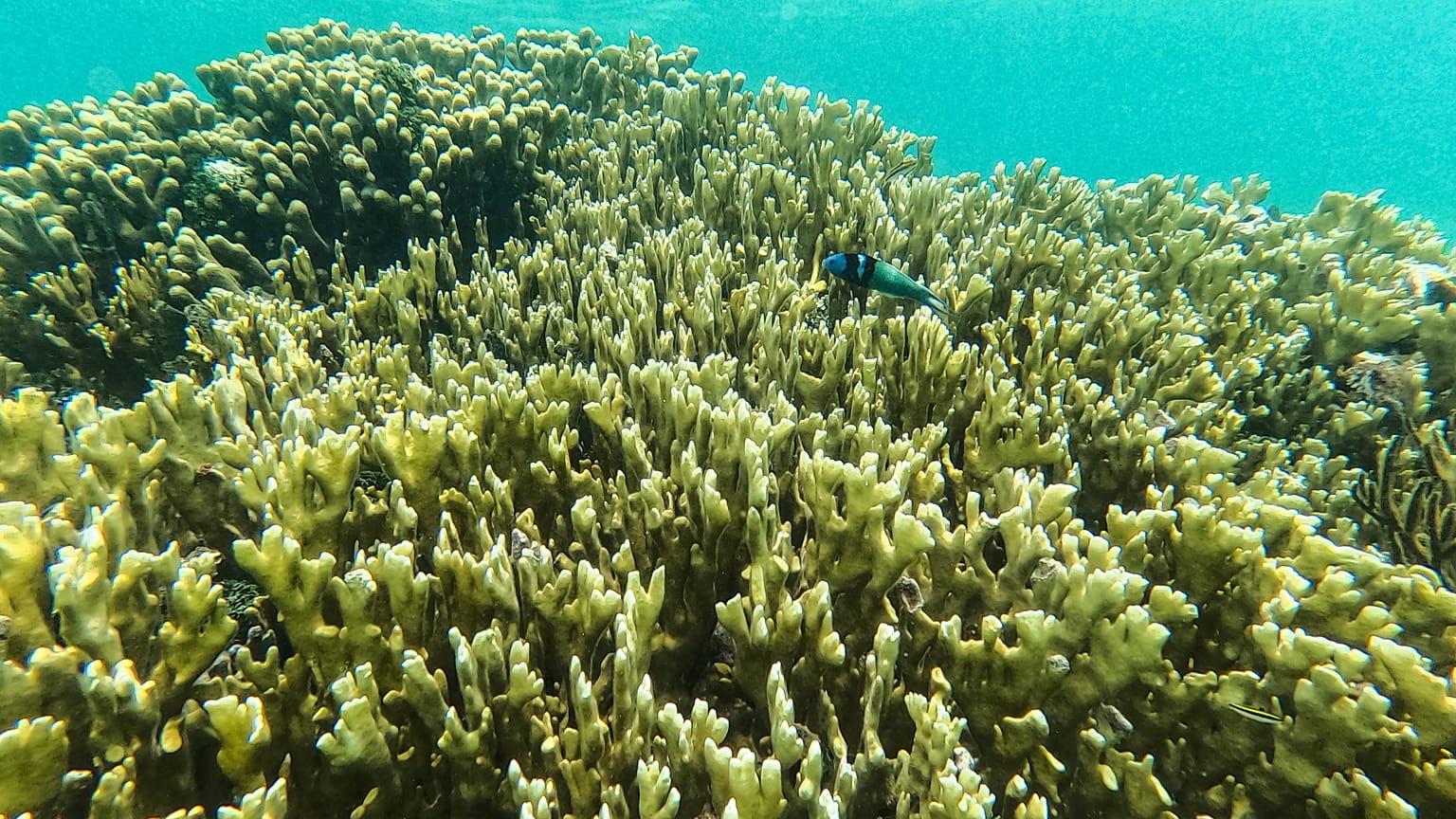
FILE - A fish swims through a coral reef in the Dutch Cays of Guna Yala on Panama's Caribbean coast, Aug. 25, 2026.
Copyright AP Photo/Matias Delacroix, File

By Angela Symons with AP
Published on

El Niño can supercharge the impacts global warming. But burning fossil fuels could also be strengthening the destructive climate phenomenon.

A new study suggests that El Niños – the natural climatic chaos agent that pops up periodically and spikes global temperatures – are getting stronger because of human-caused climate change.

El Niños are more than 36 per cent stronger than they were before the industrial age began in the mid 1800s, with a 16 per cent jump in just the last 40 years showing that the increase is accelerating, according to a study published on 27 August in journal Science.

The findings come as a strong El Niño that formed a couple of months ago is forecast to be the biggest on record in the coming months. El Niños, which are a temporary warming of parts of the equatorial Pacific, warp weather worldwide and increase extreme events, including heatwaves, floods in some places and droughts in others. They can cost trillions in damage.

“That’s important because strong El Niños have much stronger impacts on climate hazards and extremes worldwide," says study lead author Julia Cole, a paleoclimate scientist at the University of Michigan in the US.

"When we set out to answer the question of why this might be happening, we set our data up against a record of global temperature, and we found that the increase in El Niños' strength closely parallels the rise in global temperature that is due to human causes such as the burning of fossil fuels."

Her study looks back at El Niños going back around 900 years.

FILE - Woodhead reservoir is visible amid a drought near Manchester, England, Thursday, Aug. 13, 2026.
FILE - Woodhead reservoir is visible amid a drought near Manchester, England, Thursday, Aug. 13, 2026. AP Photo/Jon Super, File

Aggravating already nasty El Niños

“El Niño is the most violent aspect of climate variability worldwide, with effects ranging from local fisheries collapse, to widespread coral die-offs to severe droughts and food shortages around the world,” says Dalhousie University marine scientist Boris Worm, who wasn't part of the study.

Worm quotes the late climate scientist Wallace Broecker who warned “the climate system is an angry beast and we are poking it with sticks.” And then Worm adds: “Human emissions are the stick and El Niño is [one] of the ‘angry’ outbursts that can be so threatening to our collective safety.”

An El Niño's strength is determined by measuring water temperature in a region of the central Pacific around the equator and comparing a three-month average to normal. If it's 0.5 degrees Celsius warmer than normal, it's becomes an El Nino. The top of the scale is 2 degrees Celsius and is called “very strong".

The most recent weekly El Nino figure is at 2.7 degrees and is expected to keep growing for another two to four months, according to Columbia University's El Niño tracker.

Scientists have long theorised that as the world warms, El Niños would get stronger because they are based on ocean temperature differences compared to average. But observational records only go back about 75 years, so scientists have previously said the data is too spotty for a trend.

So scientists have looked for clues that indicate an El Niño without measuring water temperatures directly. Scientists, for example, have looked back at historical records of changes in weather around the world and figured out past El Niños – such as the super-sized one in 1877 – due to the changes they cause across the globe.

FILE - A woman uses a fan to cool off while riding a bus on a hot day in Bucharest, Romania, Aug. 6, 2026.
FILE - A woman uses a fan to cool off while riding a bus on a hot day in Bucharest, Romania, Aug. 6, 2026. AP Photo/Vadim Ghirda

Using coral fossils to study temperature

Cole's team took a novel approach by looking at at what happened to coral over the centuries to act as “a time machine to look into the past”, she says. Cole says measurements of the ratio of calcium and strontium in coral skeletons and of different oxygen isotopes create two independent readings of the seawater in which the coral formed. Another measurement of uranium and thorium tell when those skeletons were formed.

Cole looked at 29 coral fossils in the Galapagos Islands – 14 from before the industrial era, 14 after the modern era began and one more from about the time the industrial era was starting up. The oldest was from around the year 1100.

The temperatures she derived from the fossils over more than 900 years are patchy, with gaps, but when charted, she says it looks like a hockey stick, the same description used for a 1990s landmark study of past global temperatures.

She and other scientists say it's only going to get worse.

“It raises the spectre of a future where larger El Niño and La Niña events are dialling up the pace and severity of weather and climate extremes,” says Kim Cobb, a coral and climate scientist at Brown University, who wasn’t part of the study.

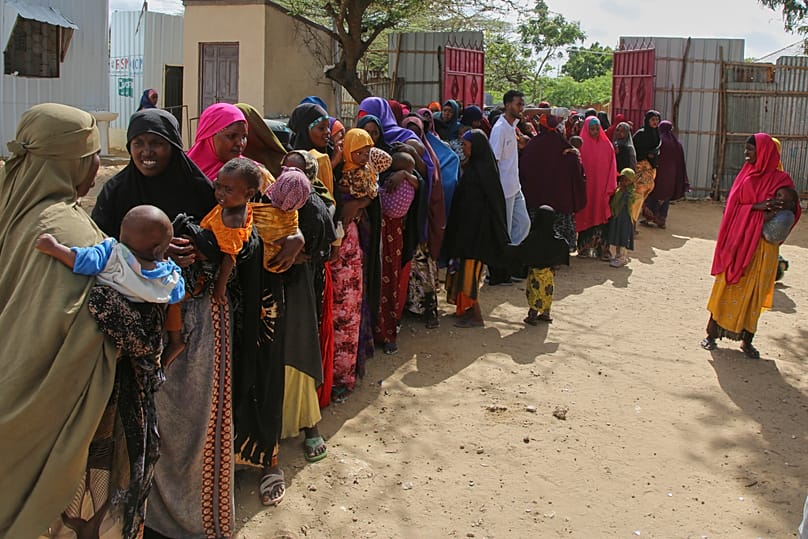
FILE - Somali women displaced by drought line up at Feynuus Nutrition Centre on the outskirts of the capital, Mogadishu, Somalia, Aug. 19, 2026.
FILE - Somali women displaced by drought line up at Feynuus Nutrition Centre on the outskirts of the capital, Mogadishu, Somalia, Aug. 19, 2026. AP Photo/Farah Abdi Warsameh, File

Outside scientists split on the research

Outside scientists are split on the research with some hailing it as important and trustworthy and others saying they don't buy it because it clashes with some recent observations.

“Corals are the gold standard for El Niño reconstruction, and this brings a goldmine of new material to the table,” Cobb says. “We can either wait many many decades for the instrumental record to get long enough to detect a shift in El Niño properties, or we can use centuries of El Niño reconstructions provided by paleoclimate records. Taken together, the paleoclimate data that we have, from across the Pacific, is fairly consistent in pointing to an intensification of El Niños with global warming.”

Both University of Pennsylvania climate scientist Michael Mann – originator of the temperature hockey stick – and University of North Carolina marine scientist John Bruno say that the coral data conflicts with recent observations of water temperature in the Galapagos. Data shows “a substantial decline in recent decades” of El Niño related variations near the Galapagos during the time greenhouse gases increased temperatures the most, Mann says.

What’s being reflected by the coral is not a change in El Niño as much as the warming from greenhouse gases, Bruno says.

Cole says the huge 1997-1998 El Niño and then small ones until 2023-24 created a situation where it seems like El Niños aren't strengthening because measurements are based on a 20-year time period and there were a few years that fell between super El Niños that skewed data. She says El Niño varies in strength so much and that up-and-down nature doesn’t go away just because it is responding to warmer conditions.

But the scientists all agree that climate change is a problem, with or without El Niño worsening.

“It's important to point to this as one more reason why we need to get off fossil fuels,” Cole says. “There isn't a magic bullet that's going to slow El Niños down.”