Tuesday, September 01, 2026

Lithium Miners Cash In as Battery Storage Demand Surges

Lithium miners are reporting strong profits for the first half of the year thanks to stronger demand for battery storage, Bloomberg reported today, noting some of them are planning production ramp-ups and capacity expansion.

Two Chinese lithium majors - Tianqi Lithium Corp. and Ganfeng Lithium Group - reported their biggest profits in three years for the first six months of the year, the report said. U.S. Albemarle said global lithium demand had risen 45% year over year through May, driven largely by strong demand for battery storage. Supply has grown more slowly, creating a gap benefiting lithium miners.

“Overseas supply may be affected by policy and logistics, and some production restarts will take time for actual supply to return to the market,” Tianqi Lithium Corp. officials warned, as quoted by Bloomberg, suggesting there was further upside potential for lithium prices down the road.

Earlier this year, the world’s top battery maker, Chinese CATL, said it expected energy storage to account for about half of its global sales by 2030 as the buildout of wind and solar drives demand for batteries that can store excess electricity for later use.

The war in the Middle East has served as an additional catalyst for demand for battery storage - and lithium - as energy-importing countries double down on their alternative energy plans to reduce their dependence and vulnerability to Middle Eastern oil and gas.

Battery storage has become increasingly important for grids with large amounts of weather-dependent wind and solar generation. Because output from these sources does not always coincide with electricity demand, batteries can store excess power and release it when needed. They are one of several tools available to balance electricity systems, alongside flexible generation, transmission links, demand response and other forms of energy storage.

By Irina Slav for Oilprice.com


Enabling the Next Wave of Marine Electrification

How high-efficiency permanent magnet motor technology is helping shipowners cut emissions and solve real design constraints

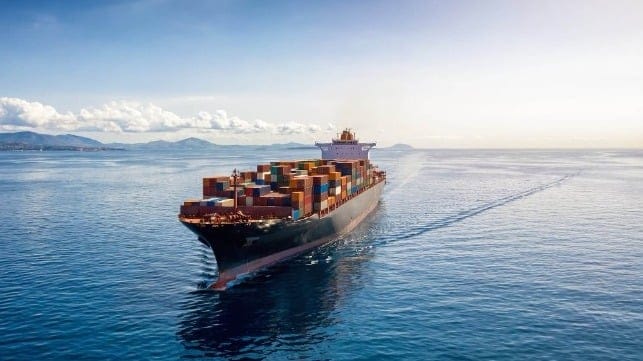
Box Ship
iStock

Published Aug 29, 2026 12:42 PM by Juha-Pekka Kivioja


Across the maritime industry, operators are under growing pressure to reduce carbon emissions without compromising vessel performance, uptime or cost. Decarbonization targets set by the International Maritime Organization (IMO), including a 40% reduction in carbon intensity by 2030 and net-zero emissions by or around 2050, are now impacting procurement decisions and newbuild specifications. With other policy considerations such as the EU's Emission Trading System, FuelEU Maritime regulation in force and the IMO's Carbon Intensity Indicator — which rates vessels annually on emissions performance — driving annual performance scrutiny, the business case for cleaner, more efficient propulsion has never been clearer.

Vessel operators today can choose from a range of proven motor technologies for propulsion systems, thrusters and auxiliary equipment. Induction motors are widely used across the maritime industry, valued for their robustness, simplicity, and cost-effectiveness. Synchronous motors offer dynamic overloadability and are well suited to applications with demanding load profiles.

However, as electrification accelerates across vessel segments — from harbor tugs to offshore support vessels and hybrid ferries — a growing number of operators are evaluating permanent magnet (PM) motor technology for applications where high efficiency across variable loads, compact footprint and reduced weight are critical requirements.

In these particular operating environments, induction motors face inherent efficiency constraints. Rotor losses and reduced performance at partial loads, which are common in hybrid configurations and frequent maneuvering, directly affect fuel consumption, battery endurance, and total cost of ownership.

PM motor technology offers an alternative approach for these use cases. By eliminating rotor losses and the need for external excitation, PM motors maintain high efficiency and performance across the full operating range, not just at rated load. These advantages are particularly relevant to marine propulsion, thrusters, and shaft generators, where equipment rarely operates at a constant output.

Aligning efficiency with operational reality

This shift matters because even vessels designed for steady-state operation rarely run at constant load. Propulsion demands fluctuate with weather, currents, cargo and operational mode. Thrusters cycle between standby and full output during dynamic positioning. Ferries repeatedly accelerate, decelerate and maneuver in port. In each case, efficiency losses at partial load create higher energy consumption.

High-power permanent magnet motors paired with variable speed drives address the challenge created by variable conditions by adjusting speed and torque directly to match real-time demand. Rather than operating at fixed output and managing variations through mechanical controls or accepting efficiency losses at off-design conditions, variable speed PM configurations allow propulsion motors to run closer to their optimal operating point across all conditions.

The efficiency gains are substantial. The latest generation of high-power PM motors now delivers premium efficiency of up to 98%, with energy losses reduced by up to 50% compared with equivalent induction motors. In the marine context, this translates directly to lower fuel burn in hybrid configurations, extended battery range in electric modes, and reduced generator sizing requirements.

Based on a comparison between a 1,500 kW permanent magnet motor and an equivalent induction motor — assuming electricity costs of $0.1/kWh and 8,000 operating hours per year — annual energy savings of approximately $38,000 are achievable, representing a payback period of less than 18 months on the motor investment. This also avoids some 80,000 kg of CO2 emissions annually. With equipment lifecycles spanning 25 years, these gains compound significantly over time.

Solving design constraints in cramped machinery spaces

Beyond efficiency, PM motor technology addresses one of the most immediate practical challenges in modern vessel design: physical space. Machinery rooms are increasingly congested as shipyards work to accommodate energy storage systems, power electronics and alternative fuel infrastructure alongside propulsion components.

Power density is a critical consideration in these applications. Advanced PM motors with water-jacket cooling can reduce mounting volume by up to 60% and vertical height by 30-40% compared with conventional motor technologies. Weight reductions of 5-15% ease structural requirements further. For applications such as L-drive azimuth thrusters on electric tugboats, compact ferry engine rooms or offshore support vessels with constrained layouts, these reductions can significantly simplify vessel integration and save costs.

Water-jacket cooling eliminates the need for external fans or separate cooling structures, streamlining installation and reducing auxiliary system complexity. Flexible horizontal or vertical mounting options give naval architects greater freedom to optimize layouts for both newbuilds and retrofits.

Reliability as a prerequisite for adoption

Performance improvements only deliver value if matched by operational reliability. Marine environments are inherently unforgiving, with equipment exposed to salt air, humidity, vibration, temperature extremes and the expectation of continuous operation with minimal downtime. Any propulsion technology must prove itself capable of withstanding these conditions before operators will trust it in mission-critical applications.

Today's advanced permanent magnet motor technologies are designed to meet these demands. Fully enclosed rotors, advanced magnet protection and water-jacket cooling systems stabilize internal temperatures and reduce stress on components, enabling quieter and more resilient operation. Modern PM motors withstand direct two-phase short circuits at rated temperatures without risk of demagnetization, with mechanical structures capable of enduring up to three times rated torque during fault conditions. Combined with more than 35 years of continuous PM technology development and class-ready documentation, this solution provides operators with confidence that improved efficiency does not come at the expense of operational robustness.

A foundation for future-ready vessels

Unlike vessels constrained by single-fuel configurations, electrified propulsion architectures can draw power from multiple sources, such as diesel-electric generators, battery systems and shore power. As energy systems evolve and increasingly rely on renewable energy, this flexibility helps operators adapt to changing regulations and market conditions.

From tugboats and ferries to offshore support vessels and hybrid ships, high-efficiency permanent magnet motors provide a proven route to modernizing propulsion systems while maintaining the reliability the maritime industry demands. For operators facing tightening emissions regulations and demanding operating conditions, PM technology is not simply a technical upgrade — it is a strategic enabler of long-term performance and regulatory compliance.

Juha-Pekka Kivioja is Senior Global Product Manager at ABB Motion High Power.

The opinions expressed herein are the author's and not necessarily those of The Maritime Executive.

DEGREASERS AND DETERGENT SURFACANTS 

‘Soap Cocktails’ Help U.S. Shale Boost Oil Production

  • U.S. shale producers are increasingly using advanced chemical surfactants to release more oil from tight rock and boost recovery from existing wells.

  • Chevron has deployed its proprietary treatment in more than 600 wells, while Ovintiv says surfactants have helped improve Permian oil productivity by around 9%.

  • Combined with AI, longer laterals and improved stimulation techniques, surfactants could help sustain U.S. shale growth despite declining well productivity and fewer rigs.

U.S. shale innovation is not limited to drilling techniques and engineering breakthroughs. Producers are testing and already getting more oil out of existing wells in the shale formations with the use of advanced chemicals.

The mixture of cocktails of various chemicals, the so-called surfactants, helps release oil from the tight and shale formations. And shale drillers, including supermajors and independent producers, are increasingly perfecting the right cocktail mix to release more oil from the rocks.

These advanced chemical mixtures, together with the drilling of longer laterals and other technological breakthroughs, are helping producers get more oil out of the ground with the same or fewer number of rigs.

Chevron, for example, has developed a proprietary chemical technology to address the problem that only about 10% of the oil trapped in the shale and tight formation ever reaches the surface with fracking only.

“A simple way to think about this chemical treatment is like washing grease off your hands with soap and water,” Johannes Alvarez, Chevron’s enhanced oil recovery manager, says.

“The right chemical mixture can help loosen oil from the rock and fractures so it can move more easily toward the well.”

This extraction method with surfactants helps loosen oil from the rock, make it easier for oil to move through tiny spaces, and improve the flow of production, Chevron notes.

As of July 2026, the U.S. supermajor was using these advanced chemicals in more than 600 wells, with the first use tested in the Permian, of course, the biggest shale field in the U.S. and Chevron’s key upstream asset, where the company produces about 1 million barrels of oil-equivalent per day.

After the Permian, Chevron has expanded the use of its proprietary advanced chemical solutions to the Bakken, in the Rockies, and in Argentina.

Last month, Chevron even moved to commercialize its proprietary technology under a technology licensing agreement with ZL Chemicals, which works in enhanced oil recovery chemistry. Under the licensing agreement, ZL may commercialize Chevron-developed chemical surfactant technology. ZL plans to offer products and services utilizing the licensed technology under the Vantis™ brand.

“Technology creates more value when it can be applied broadly,” said Chevron’s chief technology and engineering officer Ryder Booth.

“Through this licensing agreement, we’re creating a pathway for ZL to bring this technology to a broader market, and at scale.”

Advanced chemicals, AI, and stimulation technologies have the potential to keep the Permian Basin production growing further, Chevron’s CEO Mike Wirth said on the Q2 earnings call last month.

“When you’re leaving 90% of the molecules in the ground, there's a huge incentive to figure out how to unlock all of that,” the executive added.

Chevron will get licensing revenue from the licensing agreement with ZL, “but in a company our size, the real opportunity is on the application of the chemicals,” Wirth said.

It’s not only Chevron that is testing various surfactant cocktails to boost oil recovery in shale formations.

Ovintiv, for example, said at the Q2 earnings call that it had completed about 400 Permian wells with surfactants since 2019, and has seen about a 9% improvement in oil productivity versus a non-surfactant-treated well.

“We think surfactants account for roughly half of the productivity uplift we've seen over the last few years. At a cost of only $100,000 per well, these custom treatments are generating impressive returns,” Greg Givens, EVP and COO at Ovintiv, said.

Surfactants are a real “needle mover” for boosting well productivity, Ovintiv’s chief executive Brendan McCracken told Bloomberg in an interview

This year, almost every well in the Permian is going to have a surfactant treatment, McCracken said on the earnings call, adding that the company is now just starting to deploy the surfactant cocktail to the Montney shale play in Canada, too.

Diamondback Energy also tests ways to increase recovery using surfactants and other enhanced oil recovery methods, CEO Kaes Van't Hof wrote in a letter to stockholders early this year.

“We invested approximately $30 million in late 2025 on a pilot project testing 60 wells with surfactants. These results have been positive, and we expect to build on our learnings with more testing planned this year,” the executive added.

As well productivity in the shale wells drops dramatically after several months of exploitation, advanced chemicals and various surfactant ‘cocktails’ have the potential to boost U.S. shale production more than analysts and industry had expected just a year ago.

By Tsvetana Paraskova for Oilprice.com


Klaipeda Port’s Largest-Ever Expansion Project Begins Construction

Klaipeda

Published Aug 30, 2026 7:37 PM by The Maritime Executive

[By Klaipeda Port’]

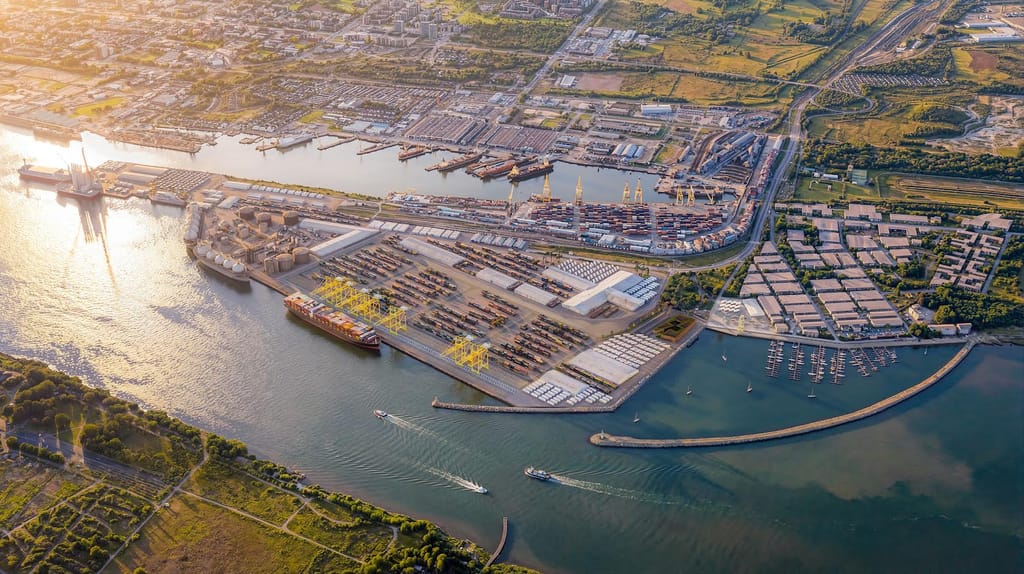
The Port of Klaipeda is moving into a new phase of the largest expansion project in its history, with the first works now getting underway. Site preparation has started in the southern part of the port, where a major new port area will be developed in the coming years.

“We are now very close to the start of the southern port expansion. After a long period of planning and preparation, work on site is beginning. Once the site is ready, construction of the southern breakwaters will start this autumn, marking the first stage of the largest expansion project in the history of the Port of Klaipeda. This project shows that we are steadily moving forward with our plans to build a stronger port for Lithuania. It will make the country more attractive to investors, strengthen our competitiveness in international markets and support military mobility needs that are important not only for Lithuania, but for the wider region,” says Algis Latakas, CEO of the Klaipeda Port Authority.

The southern breakwaters will be built by Tilsta, which won the tender launched earlier this year. The contract signed with the Klaipeda Port Authority is worth EUR 24.5 million excluding VAT. Construction is expected to begin this autumn.

The new breakwaters will also serve an important environmental purpose by helping to limit the flow of salt water into the Curonian Lagoon.

The southern port expansion will create new space and significantly increase the Port of Klaipeda’s capacity for port operations and cargo handling. Nearly EUR 600 million – the largest share of the Port’s investment programme for 2026–2029 – is planned for the project. Together with investment expected from future investors, the total value of the development will exceed EUR 1 billion, making it one of the largest investment projects currently being developed in Lithuania. 
 

The products and services herein described in this press release are not endorsed by The Maritime Executive


La Spezia Container Terminal’s Development Plan Continues

La Spezia Container Terminal

Published Aug 30, 2026 7:56 PM by The Maritime Executive

[By Contship Italia S.P.A]

Contracts have been signed for the supply of 4 ship-to-shore cranes and 18 yard cranes, representing a total investment of 90 million euros 

Ahead of the start of construction work on the new Ravano Terminal, La Spezia Container Terminal (LSCT) has signed contracts for the supply of 4 ship-to-shore cranes and 18 yard cranes - RTGs and RMGs – representing a total investment of 90 million euros. The supply agreement has been awarded to a leading Chinese manufacturer following a comprehensive selection process involving the assessment of technological and quality requirements; delivery is scheduled to take place within the next 24-28 months. 

This milestone represents one of the strategic initiatives paving the way for the development of the new quay and forms part of the wider modernization plan for the terminal. The plan involves a total investment of 350 million euros, earmarked for upgrading equipment, enhancing infrastructure and increasing LSCT’s overall operational capacity. 

The four new ship-to-shore cranes will enable the terminal to handle the latest generation of container ships, including vessels of up to 24,000 TEU. 

 The planned configuration will allow for the simultaneous handling of three ultra-large container vessels (ULCVs), expanding service capacity on the main international routes. The ship-to-shore cranes will be designed to integrate technological systems; the planned solutions include automatic container identification via OCR (Optical Character Recognition), digital tracking of truck positions during loading and unloading, and vessel profile scanning. Finally, the new yard cranes will feature a cabinless design for remote controlled operations. 

 All equipment will be powered by electricity, and, in particular, the terminal’s first electric RTGs will be introduced. This decision is in line with the Contship Group’s decarbonization and gradual electrification of operational activities, which involves the adoption of energy-efficient solutions and the transition to renewable energy sources. 

The double C-RMG cranes will be installed at the rail yard being developed as part of the Ravano project, which will feature five sets of tracks. The project aims to strengthen the integration of terminal activities with Contship’s intermodal operations. With this configuration, LSCT expects to increase its share of intermodal traffic from the current average of 33% to 50%, meaning that one in every two containers would be transported by rail. 

 The investment in equipment represents a further step in the development of the new Ravano Terminal. While awaiting the start of construction, the Group is carrying out all the necessary preparations for the project, which aims to support LSCT’s operational capacity and strengthen its links with the national and European logistics networks, thereby consolidating the role of the La Spezia Container Terminal as a strategic gateway in the Mediterranean.
 

The products and services herein described in this press release are not endorsed by The Maritime Executive.


Galveston Wharves Adds $28,000 to Maritime Education Endowments

Galveston

Published Aug 30, 2026 7:26 PM by The Maritime Executive

[By Galveston Wharves]

Port funds Texas A&M, Galveston College maritime, trade scholarships with Maritime Day sponsor proceeds

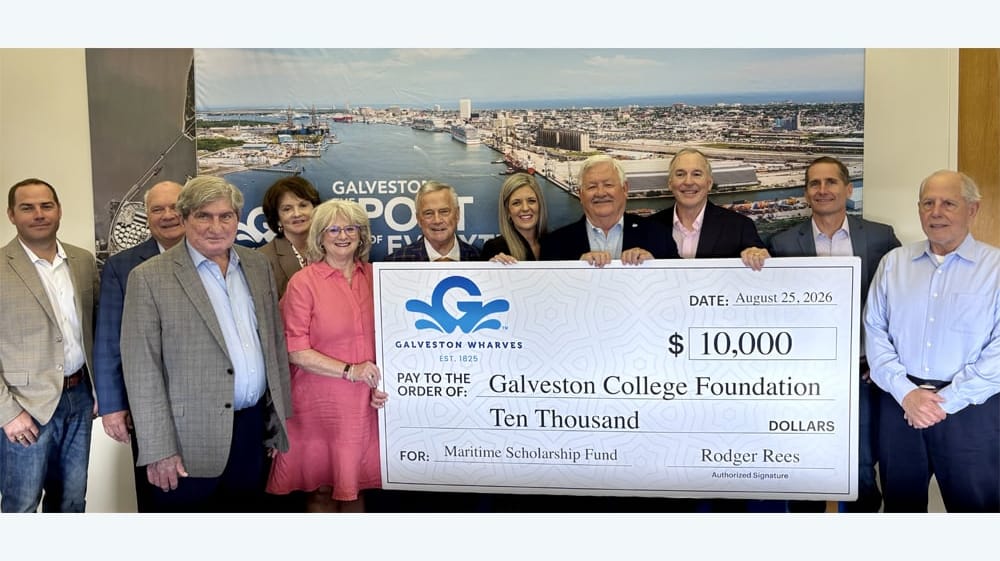
The Galveston Wharves Board of Trustees is continuing its investment in the future of the maritime industry with $28,000 in additional contributions to maritime education endowments at Texas A&M University at Galveston and Galveston College.

The Wharves Board recently contributed $18,000 to its endowment at Texas A&M and $10,000 to its endowment at Galveston College. The funds are net proceeds from the port’s Maritime Day and scholarship luncheon fundraisers held on May 22.

The endowments were initially funded with net proceeds from the port’s bicentennial sponsorships in 2025. The Texas A&M endowment was established with more than $300,000 to provide scholarships for students pursuing maritime-related degrees. The Galveston College endowment was established with an initial $40,000 to support students pursuing maritime-related degrees and technical certifications.

Rodger Rees, Galveston Wharves port director and CEO, said the additional contributions reinforce the port’s ongoing commitment to building a strong maritime workforce.

“As one of the Gulf Coast’s leading deepwater ports, the Port of Galveston depends on a strong pipeline of skilled professionals to sustain and grow our maritime economy. These additional contributions demonstrate our continued commitment to helping students gain the education and training they need to build successful careers and strengthen the maritime industry for generations to come.”

The A&M endowment provides $3,000 annual scholarships to four undergraduate students pursuing degrees in Maritime Business Administration, Marine Transportation or Marine Engineering Technology. Scholarships begin in fall 2026, with preference given to students from Galveston County.

“Strong partnerships between education and industry are essential to preparing the next generation of maritime professionals,” said Col. Michael E. Fossum ’80 (Ret.) USAFR, vice president of Texas A&M University and chief operating officer of Texas A&M University at Galveston. “Building this endowment demonstrates the port’s long-term commitment to our students and its investment in the future of the maritime industry.”

At Galveston College, the endowment supports students pursuing maritime-related degrees, including global logistics and supply chain management, as well as technical certifications such as welding and ship fitting.

Galveston College President Tracee Watts, Ed.D., said the college greatly appreciates the Wharves Board’s continued support.

“Galveston College is grateful to the Galveston Wharves Board of Trustees for this continued investment in our students and the future of the region’s maritime workforce. These contributions will help open doors for students pursuing high-demand careers in maritime industries and skilled trades that are vital to the economic success of Galveston and the Gulf Coast.”

Galveston Harbor is a major economic engine with a $7.3 billion economic impact and nearly 24,000 direct and indirect jobs. The maritime industry supports a wide range of careers, including ship pilots, mariners, barge and tugboat crews, stevedores, ship repair workers and shipfitters, cruise staff, truck drivers, railroad workers, construction workers, logistics professionals and administrative staff. 
 

The products and services herein described in this press release are not endorsed by The Maritime Executive.


Panama Canal Adjusts Booking System to Ensure Equitable Slot Access

Panama Canal
The Panama Canal is adjusting its reservation system as the wait grows for transits (ACP)

Published Aug 30, 2026 12:04 PM by The Maritime Executive


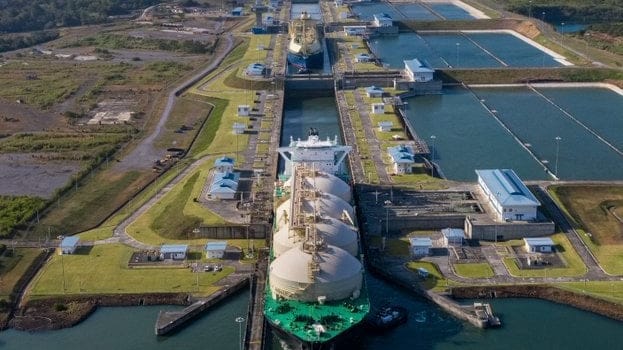
The Panama Canal Authority announced a series of immediate adjustments to its booking system for Neopanamax vessels, which it says will ensure equitable slot access and increase flexibility for the operators of the largest ships. The changes come after reports of skyrocketing auction prices for slots and ahead of the planned reduction in the number of daily transit slots.

The authority said the changes were being made based in part on customer feedback and the current operating conditions as it continues to deal with the drought caused by the El Niño phenomenon in the Pacific. It said the goal is greater flexibility and improved distribution of slots.

Among the changes that were implemented immediately, as of today, August 30, for booking dates beginning September 13, they are making it possible for Neopanamax operators to obtain more than one reservation slot for the same day and to obtain slots for two or more consecutive days. Customers will also retain the flexibility to swap or substitute vessels, and vessels operating under alliances or vessel-sharing agreements may also participate in eligible swaps or substitutions. Booking date changes are also being permitted as long as a customer does not exceed the maximum number of slots.

A total of 63 Neopanamax reservation slots will be offered each week, which corresponds with the previous announcement that the number of daily transits in the Neopanamax Locks would be reduced by one to nine per day as of September 3. The authority also announced a distribution system for the daily slots, with five for container vessels, three each for LPG and LNG carriers, and three per week for vehicle carriers/Ro-Ros, bulkers, and other segments. 

Slots can be reassigned to other segments based on demand to reduce the risk of available capacity going unused. Customers can also exceed the limit on the number of slots when no other customers in the same segment are competing for available capacity. 

The authority is continuing to recommend advance reservations, saying that a confirmed reservation is the only means of guaranteeing a specific transit date. However, it will continue the auctions of remaining capacity, and slots awarded through the auctions are not subject to customer limits.

It came as the authority confirmed to AFP (Agence France-Presse) the reports of a record $5.3 million bid at the auction. The South Korean operator SK Gas is said to have placed the bid for its carrier G. Spirit to transit the canal on September 1. AIS signals show the vessel has been in the Panama Anchorage off Balboa since August 19. The bid topped another record in early August, also from the South Korean company, for $4.6 million for a transit slot.

The authority said the median auction price between October 2025 and February 2026 averaged $55,000. It, however, emphasized that the prices reflect market fluctuations and not tariff increases.

“Auction values are determined by multiple factors, including each client’s urgency and commercial priorities, as well as broader supply and demand conditions,” the Panama Canal Authority said.

The online dashboard shows that there are currently 107 vessels with reservations waiting for transit and a further 11 vessels without reservations waiting. The average wait time over the past 28 days has risen to over 10 days northbound but fell to under four days southbound.

Ship operators are reportedly scrambling to find alternatives as it is anticipated the waits will grow when the slots are reduced on September 3. A further reduction of two more slots, to a daily total of 23, is scheduled for September 15 at the Panamax Locks. Bloomberg reports that, as a result, at least two LPG carriers were combining their cargoes in a ship-to-ship transfer off Balboa. It also says that at least one LPG carrier returning from China is taking an unusual routing around South  America to reach Houston.

Water conservation remains the goal at the canal based on the forecasts for declining water levels in the Gatun reservoir. The canal’s online dashboard shows the water level has been holding steady at unst under 84 feet over the last week. The forecast, however, shows it could decline by more than a foot by the end of October to 82.6 feet. 


Iran Targets Tankers Inbound to the Persian Gulf

tanker struck in the Strait of Hormuz
UKMTO received a reprot of another attack from military authorities (UKMTO)

Published Aug 30, 2026 3:38 PM by The Maritime Executive


In a series of reports, Iran appears to have turned its attention to inbound tankers heading toward the Persian Gulf. It could be, in part, a response to the U.S. claims that the Strait has been demined and that momentum is building, or an effort to strangle off oil and gas exports by making it difficult to get vessels into the Gulf.

UK Maritime Trade Operations issued a delayed report on Sunday, August 30, regarding another vessel strike. It did not provide details about the incident or the vessel, but said it had received the information from military authorities. 

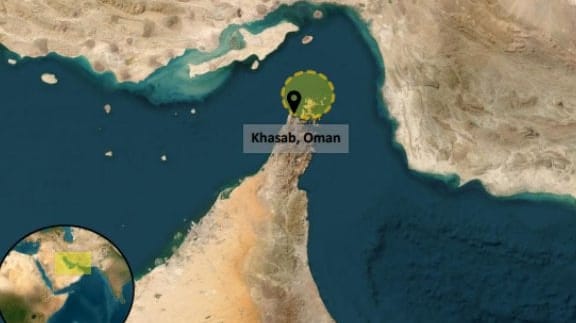
The strike happened late on August 29. The tanker was 12 nautical miles off Khasab, Oman. Notably, they said the vessel was inbound when it was struck by an unknown projectile. It said there was no information about casualties or environmental pollution.

It was the first report from UKMTO since August 25, when it advised that the Kuwaiti product tanker Al Salam II (69,790 dwt) was struck in the Strait of Hormuz. That vessel had been eastbound, with the report saying that it was struck just above the waterline, causing a small hole and a small fire extinguished by the crew. Tug assistance was expected for the vessel.

Iran’s WANA news agency, closely linked to the IRGC, however, has also issued a series of reports claiming that Iranian forces have turned back tankers attempting to enter the Gulf. In its latest unconfirmed report, WANA says the Liberian-flagged crude oil tanker Ellie (also known as Lila Marseille) “abruptly reversed course last night after entering the southern transit corridor of the Strait of Hormuz, turning back toward its point of origin.” It is also pointing out that the vessel had gone dark, turning off its AIS transmission.

The 156,557-dwt crude oil tanker was last reporting a position in the Fujairah anchorage after returning from China. Its transmission said, “For order unknown.” WANA said the reason for the vessel’s U-turn was unclear.

WANA had also reported on Thursday that an Indian-managed LPG carrier was turned back. It claimed the IRGC had warned the Marshall Islands-flagged LPG tanker Haana (54,368 dwt) and that it had turned back and anchored off the Port of Ras Laffan in Qatar. 

Martin Kelly, Head of Advisory at EOS Risk Group, is reporting that the IRGC is using small boats to identify ships transiting the Strait of Hormuz. 

“During a recent Strait of Hormuz transit, an Iranian small craft used a searchlight to identify a vessel by reading its name from the hull whilst underway via the Omani route,” writes Kelly. “Iranian forces subsequently called the vessel by name, stated that it was 'locked in their system’ and being monitored, and ordered it to abort the transit or face action.”

Last week, Iran’s so-called Persian Gulf Strait Authority issued a fresh warning to shipping. It said it had identified “violations by certain vessels of the Iranian arrangements for transiting the Strait of Hormuz.” It listed 46 vessels and also told charters not to be involved with those ships.


Houthi's Unmanned Attack Boat Base Destroyed by Yemeni Forces

Houthi unmanned attack boat
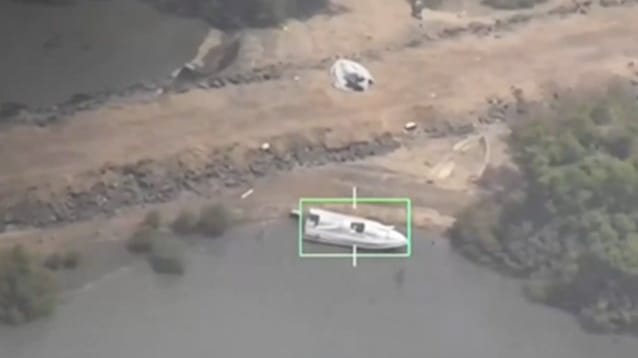
A Houthi Tufan-1 unmanned attack boat moments before its destruction (Yemen Armed Forces)

Published Aug 30, 2026 6:06 PM by The Maritime Executive


National Resistance Forces, fighting for the Internationally Recognized Government (IRG) in Yemen, destroyed a Tufan-1 unmanned attack boat at a Houthi naval outpost on the Yemeni Red Sea coast. The  video of the drone attack appears to also show that another Tufan-1 and the Houthi naval outpost at the end of a causeway had already been destroyed in a previous attack.

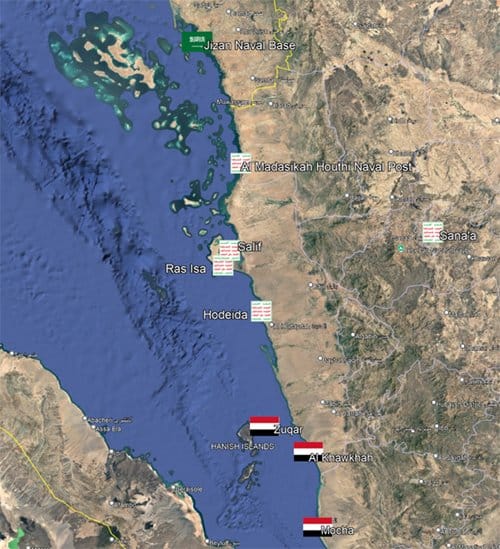
The position of the Houthi outpost in the north of the coastal strip, which the Houthis hold, clearly indicates that the Tufan-1s were intended to be used against targets to the north, off the Saudi coast.


A Tufan-1 was used to attack the Greek-owned bulk carrier Transworld Navigator (IMO 9469924) on June 23, 2024. Despite a massive explosion, the Transworld Navigator remains in service, now sailing as the Bahamas-flagged Lonnie. The Tufan-1 had also been used by the Houthis in the attack carried out on June 12, 2024, against the Liberian-flagged bulk carrier MV Tutor (IMO 9942627), which eventually sank with the loss of one Filipino crew member.

Houthi propaganda videos show a Tufan-1 being steered towards a target by a two-man crew, who abandon their boat once the final target course is set and are recovered by an accompanying boat. The Tufan-1 is claimed to have a 150kg warhead with radio-controlled steerage, and a closing speed of 35 knots. The Houthis have a long history of building their own radio-controlled attack boats, and used one in January 2017 to attack the Royal Saudi Naval Force frigate HMS Al Madinah (F702), killing two Saudi sailors.


Location of Houthi ports and the Al Madasikah naval outpost (Google Earth/©CJRC)


In another incident earlier in the week, NRF naval forces intercepted a small dhow south of the Hanish Islands which had sailed north through the Bab el Mandeb on August 24. The dhow had on board a large quantity of Chinese and Iranian electrical components, sufficient for the manufacture of hundreds of drones, with associated radio-control equipment, along with documentation linking the consignment to the IRGC.
 

Arabian Gulf Nations Possess Expertise In Postwar Reconstruction – OpEd


August 30, 2026

By Unipath


Key Takeaways:

The article presents Gulf states as major regional donors even toward rivals, citing Saudi and UAE food aid to Iran after 2019 floods and 2003 quake help.

Country examples: UAE “Chivalrous Knight 3” as ~46% of cited Gaza aid plus Syria/Turkey quake work; Saudi KSRelief $4.8 billion in Yemen and $1.1 billion for Syria and Gaza; Qatar Charity, Afghan evacuations, and Gaza prosthetics in Jordan; Kuwaiti charities; Bahrain housing and schools for Syrian refugees in Jordan.

It frames this as humanitarian work separate from politics and a shift toward longer-term development; the tone is promotional, not an independent audit of totals or motives.

Humanitarian assistance and crisis response have been important pillars of the foreign policies of Arabian Gulf nations. In light of recent conflicts in the region, the world will continue to call upon the generosity of these countries to relieve suffering beyond their borders.

Arabian Gulf countries’ magnanimity isn’t limited to friendly nations. For example, Saudi Arabia and the United Arab Emirates donated 95 metric tons of food to Iranian victims of floods in the spring of 2019. Financial support from Gulf nations also supported Iranians victimized by an earthquake in 2003.

Although the extent of this generosity is too much to list, here are other examples of how Arabian Gulf countries have promoted reconciliation by investing in their neighbors.


United Arab Emirates: A humanitarian operation called Chivalrous Knight 3 has brought healing to millions of Gazans facing deprivation. Chivalrous Knight 3 has supplied 1,000 days of uninterrupted humanitarian assistance and accounts for about 46% of the total international aid that Gaza has received.

Through air, sea and land routes, the UAE has supplied Gazans with food, medicine and water. It has established bakeries, central kitchens and hospitals, rebuilt damaged infrastructure, installed water pipelines and desalination plants, and supported schools.

An earlier charitable mission called Chivalrous Knight 2, which lasted five months in 2023, provided medical treatment, medicine, food and shelter for earthquake victims in Syria and Türkiye.

The UAE prides itself on creating what it calls a “new model of humanitarian relief” — one that separates humanitarian assistance from political calculations and hidden agendas.

Saudi Arabia: The country’s King Salman Humanitarian Aid and Relief Centre has focused many of its efforts on helping Yemeni victims of the country’s long civil war. It has spent $4.8 billion on 1,219 projects focused on food, healthcare, education and public works. Another $1.1 billion was invested in Syria and Gaza to relieve hardship.


The Saudi Joint Forces Medical Support Center — whose main function is providing medical care to Saudi troops — has opened nine Yemeni hospitals staffed by 355 personnel from various medical specialties that provide humanitarian assistance to Yemenis across various regions. These hospitals and clinics treat tens of thousands of patients every month.

Qatar: Through its humanitarian arm called Qatar Charity, Qatar operates 30 field offices around the world that have directed aid to 22 million beneficiaries. One notable contribution is its support for a physical rehabilitation and prosthetic limb fitting project in Jordan that restores mobility and dexterity to child amputees from Gaza.

Also noteworthy was Qatar’s central role in helping evacuate vulnerable Afghans in September 2021, including students from a girls school facing persecution. As His Highness Emir Sheikh Tamin bin Hamad Al Thani said in a speech to the U.N.: “It was our humanitarian duty.”

Kuwait: Kuwait’s well-developed charitable sector provides humanitarian aid such as food, shelter and medical infrastructure and equipment. It has focused on countries stressed by internal conflict such as Syria, Lebanon, Yemen and Somalia.

The Kuwait Times newspaper noted that Kuwaiti humanitarian agencies, with an eye toward the long-term resilience of vulnerable populations, are shifting focus from providing emergency relief to investing in sustainable development projects that will continue to provide benefits even after foreign aid workers have left.

Bahrain: When the civil war in Syria triggered a refugee crisis that strained the resources of neighboring Jordan, Bahrain was among the chief partners to come to the aid of its brothers. Bahrain’s Royal Humanitarian Foundation stepped in to support 100,000 Syrian refugees living mostly in camps in Jordan.

In the Zaatari refugee camp, Bahrain built four schools that served more than 4,000 students, 500 residences to house 3,000 Syrian refugees and a field hospital. Azraq refugee camp received a housing complex totaling 1,000 units. In the city of Irbid near the Syrian border, Bahrainis paid for a school for girls.

Arabian Gulf nations are generous benefactors for less fortunate nations in the region, investing billions of dollars in resources and thousands of personnel to improve the lives of neighbors stricken by crises.


This article was published by Unipath


About Unipath
Unipath is a professional military magazine published quarterly by the Commander of the United States Central Command as an international forum for military personnel in the Middle East and Central Asia region.
View all posts by Unipath →