Sunday, September 06, 2026

US drafting post-war plan for the Middle East, report says
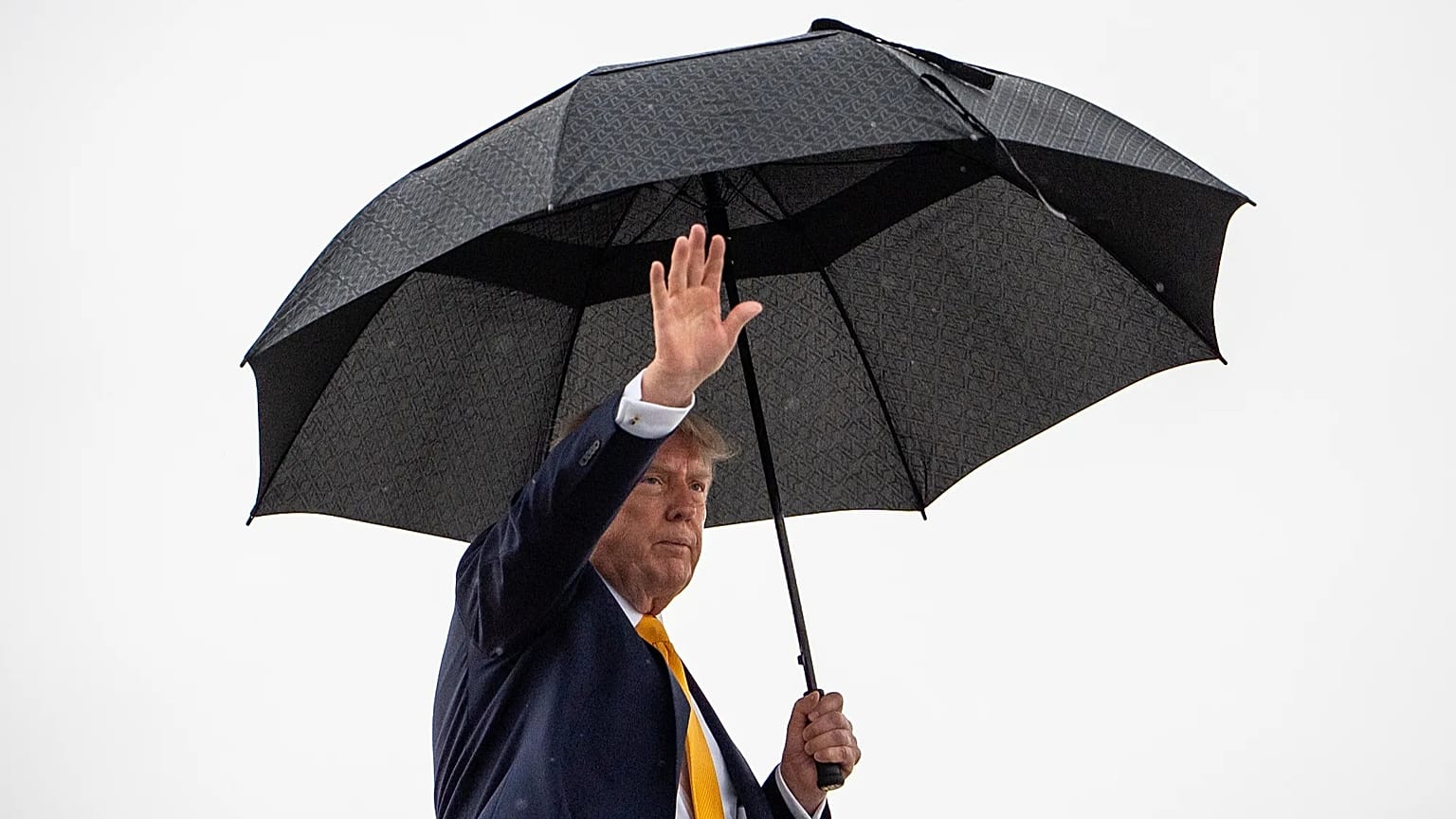
President Donald Trump waves while boarding Air Force One, Friday, Sept. 4, 2026, at Joint Base Andrews, Md.
Copyright Copyright 2026 The Associated Press. All rights reserved.

By Chaima Chihi & يورونيوز
Published on

Axios reported that the plan remains in its early stages but that it could set out US policy towards the Middle East for the remainder of Trump's term.

The Trump administration has begun working on a post-war strategy for the Middle East, aimed and reshaping the balance of power in the region by tightening pressure on Tehran and expanding normalisation between Israel and neighbouring countries, Axios reported, citing two US officials and two other sources familiar with the matter.

The US outlet said that the plan remains in its early stages but that it could set out US policy towards the Middle East for the remainder of US President Donald Trump's time in the White House.

The unnamed sources told Axios that three key pillars had been discussed as part of the plan - building "regional alignment" among US allies to deter and constrain Iran, working to wind down the regional consequences of the 7 October 2023 attacks on Israel, and broadening the Abraham Accords while pursuing normalisation of relations between Israel and Saudi Arabia.

Discussions over the plan, which are likely to be impacted by the US' upcoming midterm elections as well as Israel's October legislative elections, have also looked at the possibility of the US acting as a guarantor for the so-called regional alignment, working towards a security agreement between Israel and Syria, and implementing the next part of Trump's Gaza plan.

The regional alignment strategy would not represent a major shift in US policy, as successive administrations since the 1979 Iranian Revolution have sought to curb Tehran's regional influence by strengthening relations and alliances with Gulf states.

But Washington may seek to turn these efforts into a more structured framework that includes closer defence and security coordination among allies, against the backdrop of what the US sees as a shift in the regional balance of power amid the Iran war.

A push for a normalisation agreement between Saudi Arabia and Israel is a goal Washington has been pursuing for years but which has stalled as Riyadh has tied any move in such a direction to tangible progress towards resolving the situation in Gaza and the creation of a Palestinian state.

These efforts build on the "Abraham Accords" agreed to in 2020 under Trump's first administration, which normalised relations between Israel on the one hand and the United Arab Emirates, Bahrain, Morocco and Sudan on the other.

Since then, Washington has worked to widen the circle of countries joining these accords, seeing them as one of the tools for reshaping relations and alliances in the Middle East and reducing the influence of Iran and its allies in the region.

The other pillar, which focuses on addressing the regional repercussions of the Hamas militant group's 7 October attack and the ensuing war in the Gaza Strip, could see the issue tackled in three main ways.

Firstly, moving to the next phase of Trump's plan for Gaza, which, according to previous reports, includes arrangements for the reconstruction of the Strip, the disarmament of Hamas and the establishment of a transitional administration.

The second could be an effort to reach a security agreement between Israel and Syria, which would come amid sweeping political changes in Syria since the fall of Bashar al-Assad's regime at the end of 2024 - as well as new authorities' attempts to recast the country's regional and international relations.

And thirdly, implementing an agreement between Israel and Lebanon that would limit Hezbollah's military capabilities. This comes as part of efforts linked to the ceasefire deal reached by Israel and the group in 2024, which provided for the withdrawal of Hezbollah fighters to north of the Litani River and the deployment of the Lebanese army in the south of the country.

Israel has since accused Hezbollah of trying to rebuild its military capabilities, however, while Lebanon has continued to report Israeli air strikes on its territory.

A final plan has yet to take shape

While the planning continues, one of the sources told Axios that it had not yet fully come together.

"They are cooking it, but it is not yet cooked," they said, adding: "The idea is to tie a whole lot of things in the region together — how you create a regional alignment after the war. It is still unclearif all U.S. allies in the region will be on board."


 

New Zealand approves party-drug MDMA for treating patients with PTSD

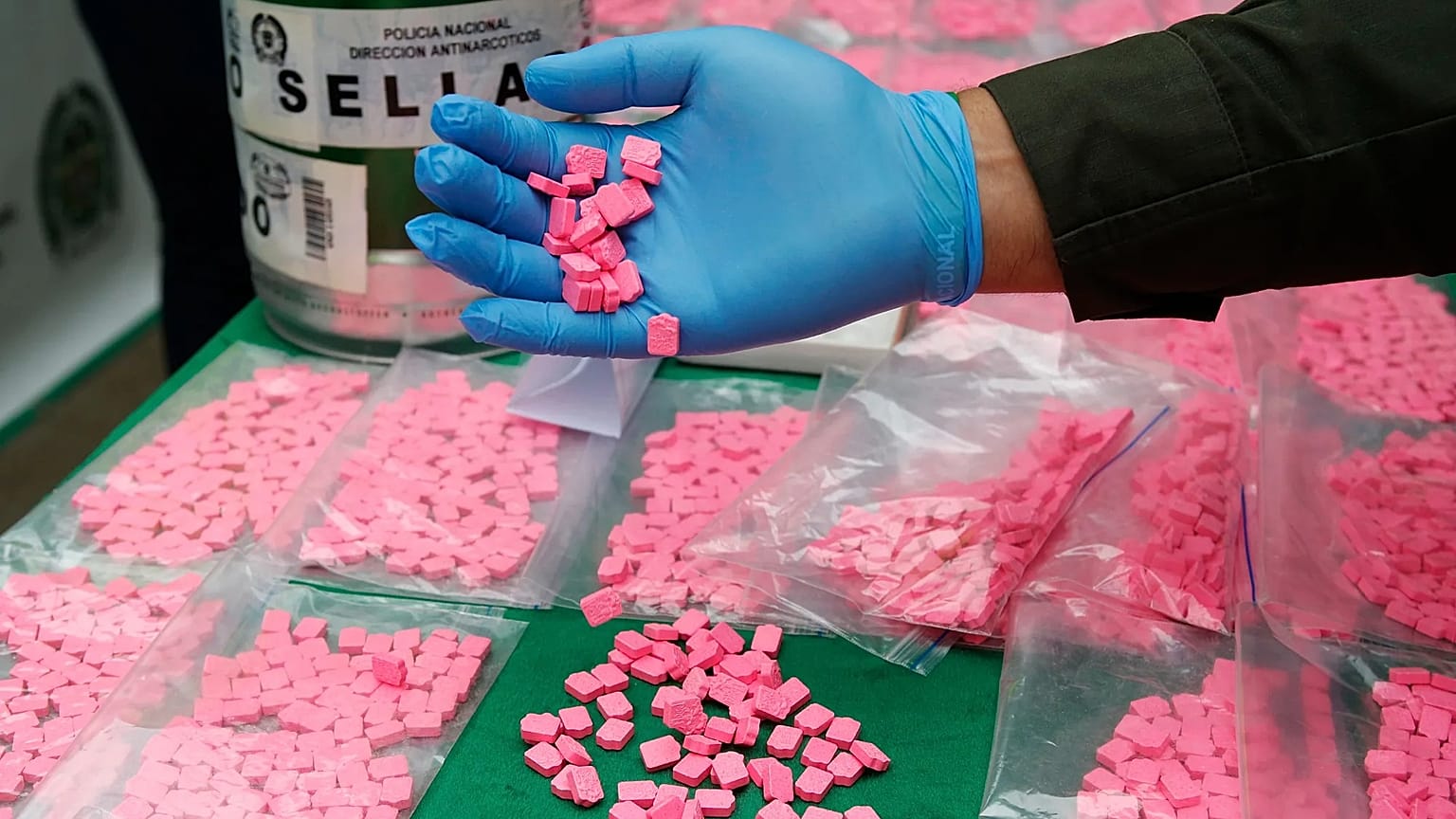
MDMA is a well known party-drug.
Copyright AP Photo

By Simon Ormiston
Published on

Two psychiatrists in New Zealand can now prescribe MDMA in controlled clinical settings, built on trial results that have been challenged in the US.

Two New Zealand psychiatrists have won approval to prescribe pharmaceutical-grade MDMA to patients with severe post-traumatic stress disorder, making the country only the second in the world - after Australia in 2023 - to authorise the party drug for clinical use

New Zealand's medicines regulator, Medsafe, granted the approvals to Wellington's Dr Gary Wynn and Auckland's Dr Tom Paterson, who spent more than a year passing the regulatory process.

"PTSD ruins lives and is difficult to treat," said Deputy Prime Minister David Seymour, who last year backed a similar approval for psilocybin, the active compound in magic mushrooms, to treat severe depression.

"MDMA can be very effective at treating it through psychedelic-assisted therapy," he said, adding that New Zealand remains committed to opening access to "innovative treatments."

PTSD develops after a person experiences or is threatened by traumatic events such as combat, sexual assault or sudden death.

Existing pharmaceutical options in most countries are limited to two antidepressants that can take three months to take effect and produce uneven results.

The evidence behind the approval — and why the US said no

The approval draws on evidence from two pivotal international Phase 3 trials, run by the US-based Multidisciplinary Association for Psychedelic Studies (MAPS) and sponsored by its public benefit corporation arm Lykos Therapeutics.

In the first, published in 2021, 88% of participants with severe PTSD who received MDMA-assisted therapy showed clinically significant improvement, and 67% no longer met the diagnostic criteria for PTSD.

A second trial in 2023, involving participants with moderate-to-severe PTSD, found 71.2% of those treated with MDMA no longer met PTSD diagnostic criteria by the end of the study.

Despite those results, the US Food and Drug Administration rejected the therapy's approval in 2024, citing insufficient evidence of its safety and effectiveness.

Regulators raised concerns that participants who had taken MDMA before produced an expectancy bias, complicating the trial data.

New Zealand's Ministry of Health said the new treatment would be tightly controlled, combining MDMA with psychotherapy in a clinical setting rather than take-home doses.

"Treatment takes place in a controlled clinical setting under the care of an authorised psychiatrist and forms part of a comprehensive treatment plan," the ministry said, adding that patients must be aged 18 or older.


German far-right AfD wins by a landslide in Saxony-Anhalt: exit polls

Michael Kappeler Source DPA
Copyright Copyright 2026 The Associated Press. All rights reserved

By Manuela Scarpellini & Maria Tadeo
Published on

If the AfD manages to form a government, it would be the first far-right party to lead a German state since World War II

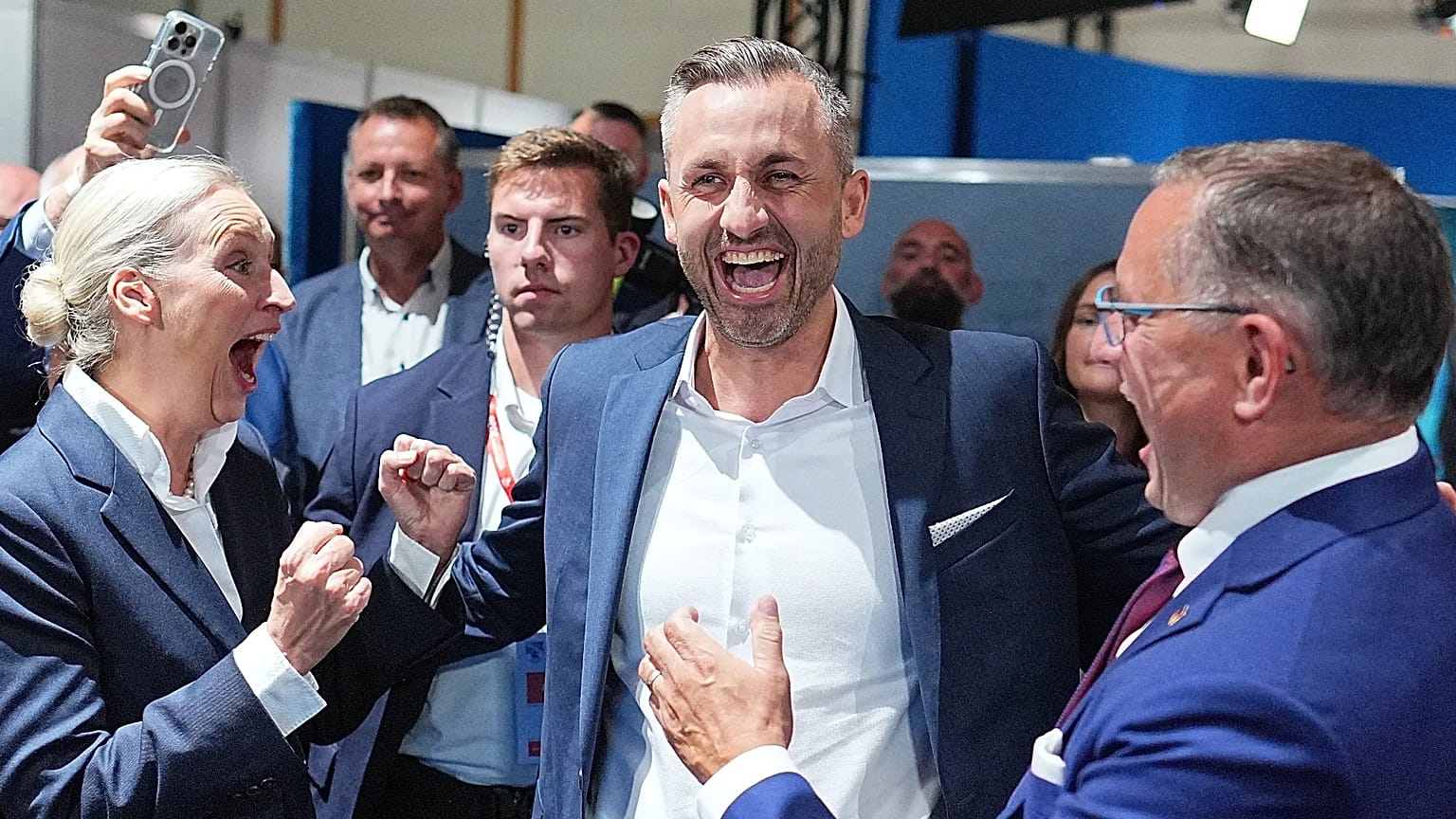
German far-right party AfD has taken a commanding lead in Sunday's Saxony-Anhalt vote, but it remains unclear whether it will be able to form a government, according to exit polls.

According to ARD projections, the far-right AfD is leading the election in Saxony-Anhalt with 44.5% of the vote, followed by the CDU on 18.5%, Die Linke on 9.5% and the SPD on 8%.

The result could significantly reshape the political landscape in eastern Germany, with the AfD emerging as by far the strongest force in the new state parliament.

The party looks on track to accomplish its election goal: emerging as the biggest force. Lead candidate Ulrich Siegmund said the AfD had "made history" in Saxony-Anhalt.

The CDU, led by Sven Schulze, suffered a major setback, finishing a distant second. The BSW is projected to win 5%, leaving its entry into the state parliament uncertain.

More than 1.7 million voters cast their ballots in an election seen as an important test for Chancellor Friedrich Merz's federal coalition, already under pressure in Berlin.

Voter turnout reached a record high, with 80% of eligible voters casting their ballots. That was significantly higher than in the previous election in 2021, when turnout stood at 60.3%.

According to Infratest dimap, four issues were decisive for voters: declining confidence in established parties, social security, the economy and migration.

If the AfD succeeds in forming a government, it would become the first far-right party to lead a German state since the Second World War.


FIFA chief Gianni Infantino to stand for re-election

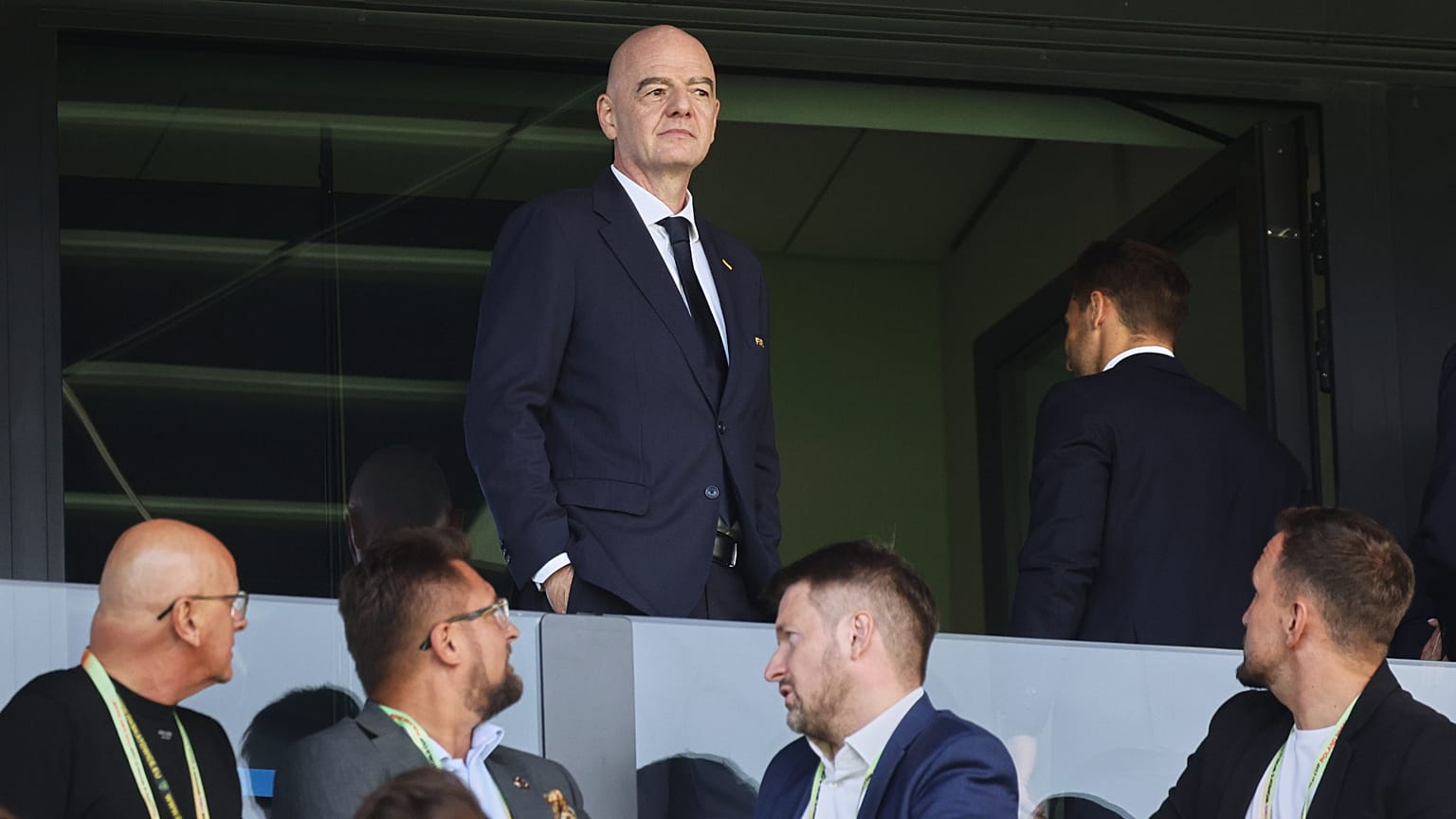
FIFA President Gianni Infantino attends the opening game of the Women's U20 World Cup opening match between Poland and Argentina in Katowice, Poland, Saturday, Sept. 5, 2026.
Copyright Copyright 2026 The Associated Press. All rights reserved

By Nathan Rennolds
Published on

The next FIFA presidential election is due to take place at the 77th FIFA Congress on Thursday, 18 March 2027 in Rabat, Morocco.

FIFA President Gianni Infantino will stand for re-election next year.

In a statement, a spokesperson for the world football governing body said: "The FIFA President announced in April that he will stand for re-election in 2027. Of course, nothing has changed. Mr Infantino will be standing for re-election.”

Infantino, who was first elected as president in 2016, has been under huge pressure since FIFA announced a highly controversial - and since scrapped - private investment plan in late July, which would have seen third-party investors invited to take stakes in a commercial subsidiary dubbed the FIFA Forward Enterprise (FFE).

The proposal drew fierce pushback from across the football community, with some accusing FIFA of looking to "sell" the sport.

A major divide quickly opened up in world football over Infantino's position as head of the governing body, with regional confederations and individual nations split over whether he should continue.

In August, European nations withdrew a threat to boycott FIFA competitions after UEFA said it had received "assurances" that the FFE plan had been “irrevocably and permanently withdrawn” and that it “will not re-appear in any other shape, construction, name or form."

UEFA has nevertheless continued to push for Infantino's removal.

The next FIFA presidential election is due to take place at the 77th FIFA Congress on Thursday, 18 March 2027 in Rabat, Morocco.

Speaking at the 76th Congress in Vancouver, Canada earlier this year, Infantino vowed to re-run for the presidency.

“I want to tell you first – the 211 (FIFA) Member Associations – that I will be (a) candidate for the election of FIFA President next year,” he said to assembled delegates. “Thank you for your support over the last 10 years, your support today, your work, your progress, your love for the game, your commitment, and your passion.”


Berlin planning 'protective shield' to defend against sabotage, report says

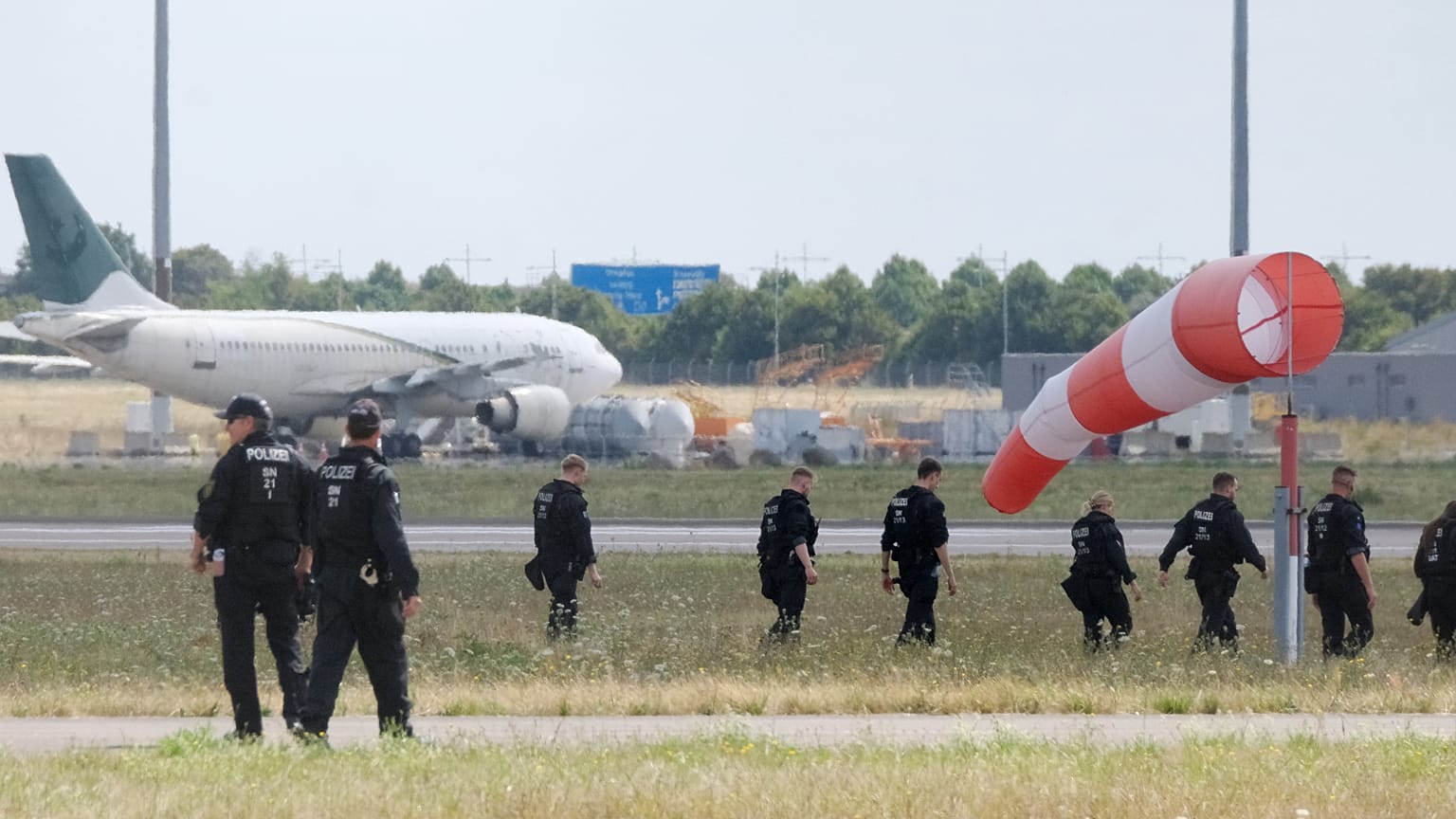
Police officers walking across a field on the grounds of Leipzig Airport, in Schkeuditz, Germany, Friday, Aug. 7, 2026, searching for a drone.
Copyright (c) Copyright 2026, dpa (www.dpa.de). Alle Rechte vorbehalten


By Nathan Rennolds
Published on

The new plan would see the creation of a "Cyberdome," a network of digital sensors that would help seek out and intercept hacking attempts, Bild reported.

Germany is planning to develop a "protective shield" to combat sabotage attempts following an attempted drone attack at Leipzig airport last month, Bild newspaper reported on Sunday

Alexander Dobrindt, Germany's Interior Minister, told the outlet that Russian hybrid attacks had become a "daily reality" and would likely increase, but he said there were ways the country can defend itself.

Bild reported, citing information from the German Interior Ministry, that the new plan would see the creation of a "Cyberdome," a network of digital sensors that would help seek out and intercept hacking attempts.

The plan would also involve the expansion of the German police's mobile drone defence capabilities, with "rapidly deployable units" based in key cities such as Berlin, Munich and Hamburg to protect airspace above major transport centres.

The use of AI technology, such as facial recognition, would also be ramped up to help seek out potential attackers, while companies would be given the rights to detect drones and "actively defend against them," the report added.

The Leipzig/Halle Airport incident

It comes after the German government formally blamed Moscow for an attempted drone attack in Leipzig in August.

On 4 August, a drone carrying explosives was found at Leipzig/Halle Airport - a major cargo hub - forcing runway closures and flight diversions.

In a press conference on Tuesday, German Foreign Minister Johann Wadephul announced that Berlin would be taking action against Russia "as the perpetrator of the hybrid attack in Leipzig," with Russia's consulate in Bonn and its Berlin cultural centre to be closed.

"The Russian general consulate in Bonn will be closed by 18 September," he said, adding that there would also be tighter border controls for Russian nationals and increased pressure on Russia's shadow fleet.

The Russian embassy in Germany later issued a statement denying Berlin's claims and threatening "consequences" for the sanctions.

Sergey Nechayev, the Russian ambassador to Germany, "categorically rejected the accusations made by Berlin as unsubstantiated, absurd, and contrary to common sense," the statement said.

Referring to the German sanctions, it added: "He noted that the measures announced by the German side represent an unprecedented escalation in Russian-German relations and will not remain without consequences, for which the German government will bear full responsibility."

Speaking earlier this week, European Commission President Ursula von der Leyen expressed "full solidarity" with Germany over the attempted attack, which she said had used "military-grade material" and had been "carried out by Russian operatives on European Union soil."

"If the intention was to make us think twice about supporting Ukraine, I can tell you it has only strengthened my resolve," she added.

Germany's satellite rocket marks first successful launch from continental Europe

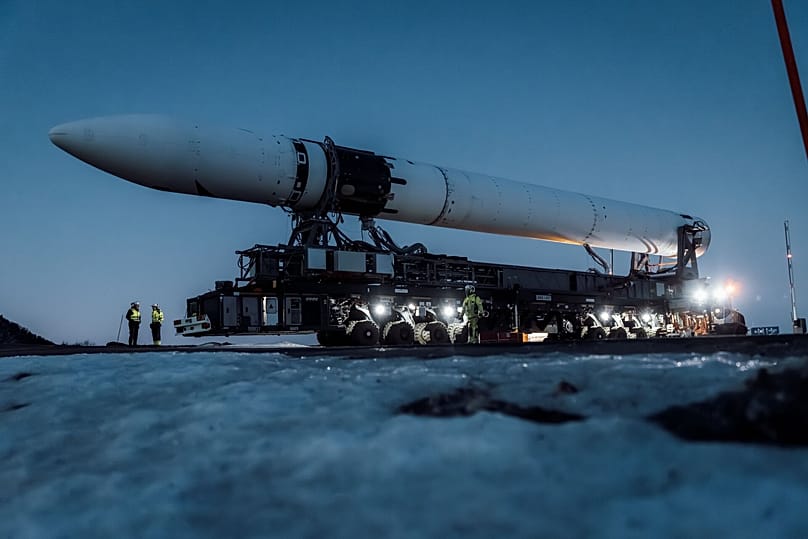
Isar Aerospace’s Spectrum rocket being moved to the launch pad, 23 March 2026 ESA

By Jesús Maturana
Published on

German company Isar Aerospace has placed its Spectrum rocket in low Earth orbit at the second attempt, becoming the first European firm to do so with its own launcher and hitting the first milestone of ESA's European Launcher Challenge.

The Spectrum launcher, developed by German company Isar Aerospace, has lifted off from the Andøya spaceport in Norway and placed its payload into low Earth orbit. This was the rocket’s second flight; the first, carried out in 2025, managed only to clear the launch pad for 30 seconds before crashing into the sea.

Spectrum is 28 metres tall and 2 metres in diameter. It is powered by ten engines, nine on the first stage and one on the second, and is designed to carry payloads of up to 1,000 kilogrammes to low Earth orbit (LEO).

Unlike the first flight, which carried no passengers, this mission, named "Onward and Upward", included six commercial and educational payloads, among them several CubeSats and an experiment designed to test new technologies in space and give European students practical, hands-on experience.

A milestone for the European Launcher Challenge

The Director General of the European Space Agency, Josef Aschbacher, described the launch as historic and hailed it as the first time a European competitor in the launcher sector has reached orbit. He said that Isar Aerospace, founded only eight years ago, has taken an important step towards a more diverse and autonomous European space sector.

The mission was supported by ESA’s Boost! programme, which funds commercial space transport initiatives. Isar Aerospace had already received backing through the agency’s Business Incubation Centre, and also won the first Microlauncher Competition organised by the German Space Agency (DLR), a contest that determined the selection of the payloads carried on this flight.

In 2025, Isar Aerospace was selected, along with other companies, to take part in the European Launcher Challenge, a programme that requires providers to achieve an orbital launch before 2027. With this flight, the company has become the first to reach that initial milestone of the programme.

Géraldine Naja, ESA’s Director of Space Transportation, stressed that this is the first European company to reach orbit with its own launch vehicle and congratulated the teams involved, while pointing to the expectation of seeing more launches from Andøya in the near future.

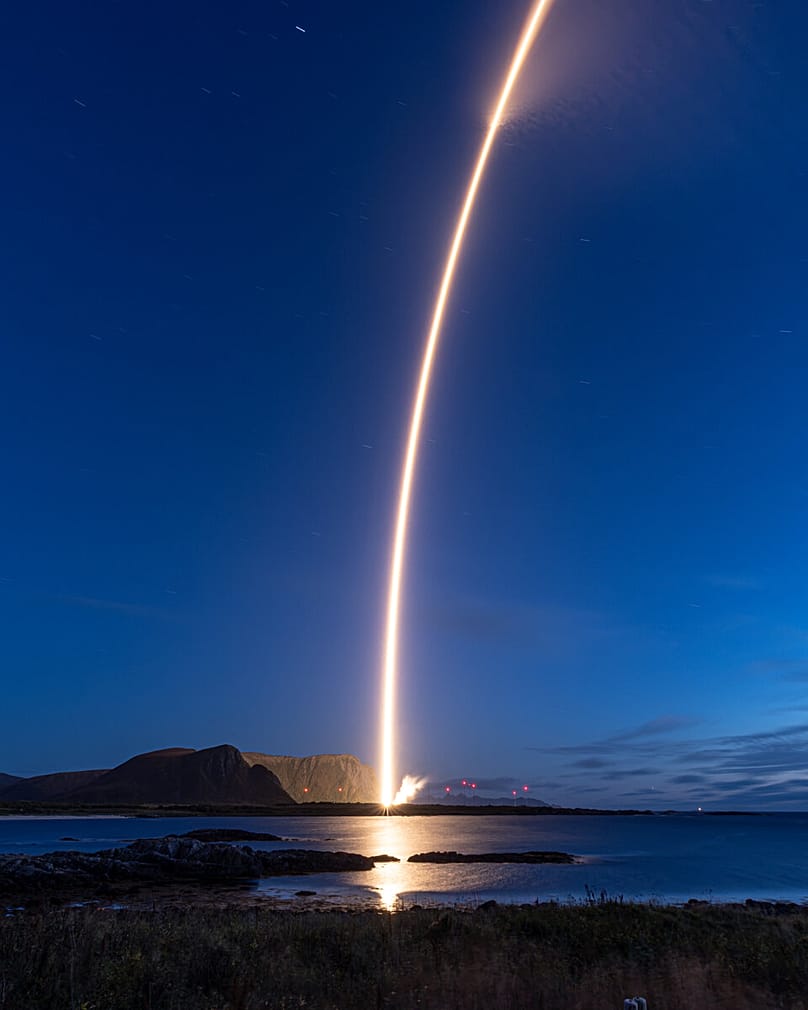
First successful launch of the Spectrum rocket with satellites from continental Europe, 5 September 2026 ESA

A fast-growing sector

Isar Aerospace’s success comes at a time of strong momentum for Europe’s microlauncher ecosystem, with companies such as Spain’s PLD Space also beginning to secure contracts under the same European Launcher Challenge.

At the end of August, ESA signed a 158.9 million-euro contract with the Alicante-based company to increase the launch rate of its MIURA 5 rocket, in a move designed to serve the same objective: reducing Europe’s dependence on foreign launchers to put satellites into orbit.

 'We are family', says EU chief Ursula von der Leyen at start of Greenland visit


European Commission president Ursula von der Leyen arrived in Greenland on Sunday for a two-day visit aimed at reaffirming the bloc's support for the Arctic island coveted by the US President Donald Trump.


Issued on: 06/09/2026 - RFI

Denmark's Prime Minister Mette Frederiksen (left) and Greenland's head of government Jens-Frederik Nielsen (centre) met European Commission president Ursula von der Leyen (right) at the start of her two-day visit to Greenland. 
Mads Claus Rasmussen/Ritzau Scan - 


"We are family," she said on her arrival in the island's capital, Nuuk, where she was welcomed by Greenland's Prime Minister Jens-Frederik Nielsen and his Danish counterpart Mette Frederiksen.

Throughout her trip, von der Leyen will send the message that the Danish autonomous territory belongs with Europe rather than the US.

Her agenda includes a boat outing amid the icebergs, meetings top Greenlandic and Danish officials and signing a joint statement between Greenland and the EU.

US security plan for Greenland


Trump insisted earlier this year that Washington needed to control Greenland for national security reasons, though he ultimately ruled out annexing it by force.

A Danish-Greenlandic-US working group has since met regularly to find a way of cooperating in the future.

Following Trump's threats, European countries as well as Canada backed Denmark and Greenland.

In January, von der Leyen vowed there would be massive EU investment in Greenland to step up security in the Arctic.

Brussels has proposed doubling direct EU aid to Greenland to €530 million under the 27-nation bloc's next budget for the 2028-2034 period.

According to the British newspaper Financial Times, von der Leyen is expected to propose an additional €200 million in support during her visit on Sunday and Monday.

"Europe is delivering," she said. "We are expanding our cooperation to new areas, from better, faster connectivity and clean energy to critical raw materials."
10-nation military exercises

Von der Leyen's visit coincides with the start of Nato's Arctic Shield military exercise, bringing together soldiers from 10 countries.

The Trump administration has repeatedly accused Denmark of neglecting Greenland and Arctic security.

However, Copenhagen has since reinvested in the region, as has Nato, which launched its Arctic Sentry mission at the start of the year.

"Greenland is becoming increasingly important to the EU as a gateway to the Arctic and because of its geopolitical location, critical raw materials and role in Arctic security," Marc Jacobsen, a researcher at the Royal Danish Defence College, told the French news agency AFP ahead of the visit.

"We've been getting 'postcards' from Trump or those close to him about Greenland every month, showing that they haven't forgotten," said Mikaa Blugeon-Mered, a geopolitics researcher at the University of Quebec.

One such image Trump posted on social media in May showed him peering over the island, with the headline: "Hello, Greenland!"

Last month, media reports of an American oil company's preparatory operations in a remote region of eastern Greenland rekindled concerns on the island.

The project, run by a Texas-based company with licences granted before a 2021 moratorium on oil and gas exploration and extraction, has left locals and authorities uneasy.

Authorities have yet to grant the company approval for exploratory drilling, citing procedural reasons.

Greenland, home to 57,000 inhabitants, is also struggling to develop its mining industry, which could help it fund its independence from Denmark.

But turning Greenland's geological potential into reality is proving more difficult than expected. Around 135 mining permits are held by more than 60 companies, but only two mines are currently in operation.

EU chief von der Leyen heads to Greenland in show of support for the island


By Nathan Rennolds
Published on

Speaking at the World Economic Forum's annual meeting in Davos this year, von der Leyen said the EU was working on a "massive European investment surge" in Greenland in a bid to ramp up Arctic security.

European Commission President Ursula von der Leyen is visiting Greenland on Sunday and Monday as the bloc signals its continued support for the island amid US President Donald Trump's repeated calls for the United States to acquire it.

As part of the visit, von der Leyen is expected to sign a joint declaration between the EU and the Danish autonomous territory on Monday.

Since his return to the White House in January last year, Trump has claimed the US needs to take control of Greenland for its "national security," arguing that either China or Russia would otherwise seize the island.

Von der Leyen and European Council President António Costa issued a joint statement in January in which they highlighted the importance of "territorial integrity and sovereignty" and said the EU stood "in full solidarity with Denmark and the people of Greenland."

Speaking at the World Economic Forum's annual meeting in Davos this year, von der Leyen said the EU was also working on a "massive European investment surge" in Greenland in a bid to ramp up Arctic security.

The Commission has proposed allocating €530 million to Greenland under its budget for the 2028–2034 period, which it said reflected its "growing geostrategic importance in the Arctic."

The Financial Times reported that von der Leyen is set to announce an additional €200 million in funding for the island during her visit.


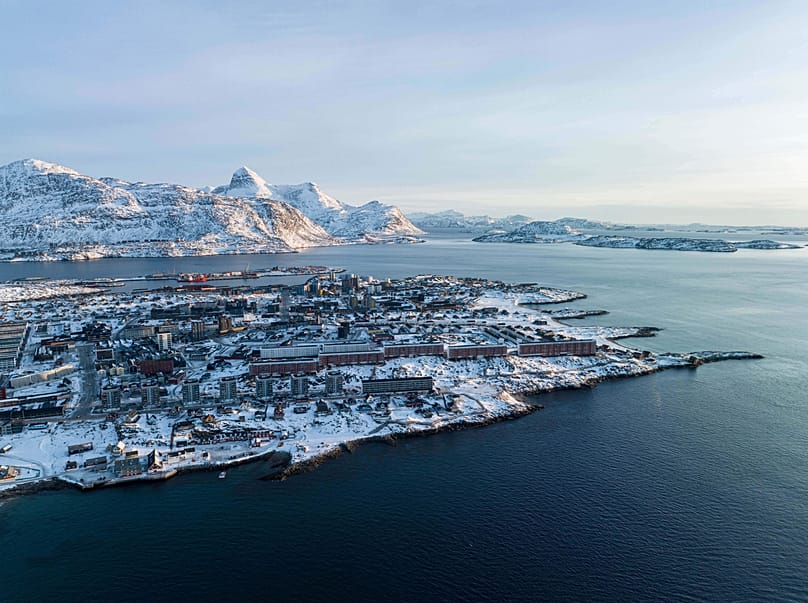
Houses are seen near the coast of a sea inlet of Nuuk, Greenland, on Sunday, Jan. 25, 2026. Copyright 2026 The Associated Press. All rights reserved

In May, Trump's special envoy to Greenland, Jeff Landry, said it was time the US "puts its footprint back" on the territory.

Landry, who is also the governor of Louisiana, made the comments during a trip to the territory, his first since his appointment to the special envoy role in December 2025.

Speaking from Greenland's capital, Nuuk, Landry told Agence France-Presse: "I think that you're seeing the president talk about increasing national security operations and repopulating certain bases in Greenland."

"Everyone that I've talked to in Greenland would love to see the US repopulate those bases," he continued, adding that the territory "needs the US."

In January, the leaders of five political parties in Greenland’s parliament released a joint statement with a clear message to the US.

"We do not want to be Americans, we do not want to be Danes; we want to be Greenlanders," it read.

The US is reported to have had 17 military facilities and more than 10,000 troops on Greenland at the height of the Cold War. It currently operates just one base on the island, the Pituffik Space Base - the US Department of Defense's northernmost installation.

Pituffik is used for missile warning, missile defense and space surveillance missions, according to the US Space Force.


Mediterranean Sea now at spa temperature, daily average 28.54°C on 13 August

Mediterranean Sea temperature, file image of a beach in Cyprus
Copyright Copyright 2026 The Associated Press. All rights reserved


By Jesús Maturana
Published on


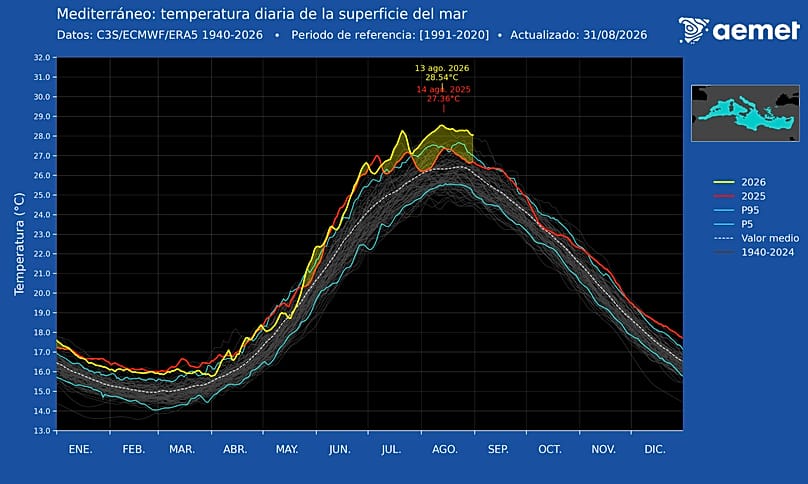
On 13 August the Mediterranean averaged 28.54°C, its highest level since comparable records began in 1940, Aemet reports, capping a summer with the warmest July on record at sea and in mainland Spain.

Surface waters across the Mediterranean Sea reached an average temperature of 28.54ºC on 13 August, the highest recorded since at least 1940, Spain's State Meteorological Agency reported on Sunday.

Aemet itself noted on social media that throughout almost the whole of August the sea was breaking daily temperature records, one after another, with barely any respite.

The warning comes just weeks after Mercator Ocean International, which implements the Copernicus marine service, confirmed that July had already been the hottest month ever measured in the Mediterranean. The average that month was 27.07ºC, with a margin of uncertainty of ±0.27ºC, beating the previous maximum, set in July 2025 (26.68ºC), by four tenths of a degree.

Mercator Ocean's comparison series begins in 1993, meaning that both bodies, despite using different methods and reference periods, concur in describing a sea that has entered a thermal regime not seen before.

Daily average sea temperature in the Mediterranean, 2026

Daily average sea temperature in the Mediterranean, 2026 Aemet

This pattern has been in place for months

Data from late June were already pointing that way. Aemet (source in Spanish) warned at the time that Mediterranean temperatures had reached levels more typical of the second half of August, when the sea is usually at its warmest.

At the start of the summer, temperatures rose to 2.6ºC above normal, to the point that the sea exceeded the average usually seen in mid-August while it was still June, an anomaly the agency itself described as exceptional.

On a planetary scale, the phenomenon is not confined to the Mediterranean. July 2026 was the month with the highest global ocean surface temperature in the entire record, with an average of 21ºC between 60º north and 60º south.

Across the Mediterranean basin, 27% of the sea experienced its warmest July since 1993 and around 70% of the surface ranked among the four hottest Julys ever measured, ruling out the idea that the record can be explained by just a few exceptional locations.

It is important to stress that the sea-temperature record cannot be singled out as the direct cause of the high temperatures recorded on land, as many different factors come into play in the atmosphere. It can, however, alter conditions along the coast: water releases heat more slowly than the land surface, so a Mediterranean this warm makes it harder for temperatures to fall at night, increases humidity and leads to hotter nights near the shore.

The build-up of energy in the sea also affects ecosystems. Prolonged marine heatwaves subject organisms adapted to specific thermal ranges to considerable stress and can alter species distribution, increase mortality and change the functioning of entire coastal communities.

With the figure recorded on 13 August, the Mediterranean has once again surpassed the record it had set only a few weeks earlier, in a summer which, on land and at sea, keeps breaking its own records.


Ukraine's prosecution cyber chief is detained over scam call centres

Ukraine's prosecution cyber chief is detained over scam call centres
Serhii Kropyva ran the Prosecutor General's Office cyber department. NABU says he protected a network of fraudulent call centres and laundered the proceeds, and recordings released from the case have him discussing Audemars Piguet watches and a Porsche / social media: @HavryshkoMa
By Ben Aris in Berlin September 6, 2026

Ukraine's anti-corruption agencies have detained Serhii Kropyva, head of the cyber department at the Prosecutor General's Office, and accuse him of shielding a network of fraudulent call centres and laundering what they earned.

The National Anti-Corruption Bureau (NABU) and the Specialised Anti-Corruption Prosecutor's Office announced the operation on September 4. The Kyiv Post reported that Kropyva was appointed to the post in 2022 without a competitive selection process by the then prosecutor general Iryna Venediktova, having previously headed the Kyiv cyber police and then served as first deputy head of the national cyber police force, and before that as a deputy head of the Odesa Oblast State Administration under governor Oleh Kiper.

That career path is the story. The official accused of protecting online fraud rings came out of the police unit set up to stop them, and was given the prosecution service's cyber brief without a competition.

The case sits inside Operation Forrest Gump, announced on August 19, which targets criminal organisations involving senior officials and which prosecutors have linked to the earlier Operation Midas. Nobody senior to Kropyva has been charged.

Recordings released from the NABU file have put the money on display. On the tapes the voice attributed to Kropyva discusses buying Audemars Piguet watches and spending on Loro Piana and a Porsche, and instructs his girlfriend to delete photographs of expensive watches and a Van Cleef bracelet from Instagram, according to Marta Havryshko, a Ukrainian historian who has been publishing extracts. She also reports the line "if you're gonna steal, steal a million" and says the call centres were defrauding European pensioners of millions of euros a month.

The Prosecutor General's Office said on September 4 that it would cooperate fully with the investigation and that the employee under investigation would be suspended for the duration of the pre-trial inquiry. It denied that prosecutor general Ruslan Kravchenko's own office had been searched; Ukrainska Pravda later reported that his whereabouts had been unknown since the operation began.

What the call centre market has to do with the shootout

The detention has revived an argument that has been circulating in Ukrainian military Telegram channels since the gunfight between Security Service and military intelligence officers in Kyiv on September 2: that the fight between the two agencies is at bottom a fight over the call centre business rather than a counter-intelligence case.

The argument, set out in a widely reposted 4 September post from a channel run by military intelligence fighters, strings together the kidnapping and killing of a Ukrainian citizen named Komarov in Bali, in which the victim spoke before his death about people providing cover for call centres; the Monaco case; the bombing outside the home of the businessman Vadym Yermolaiev, whose elder son had featured in a European case involving a call centre network; the charging of a serving military intelligence officer over the killing of the alleged hitwoman in that case; and NABU's case against MP Mykola Tyshchenko, which investigators put at more than $1mn for influence over the operation of specific call centres.

"Where have these call centres been operating for years?" the post asks. "Who was providing cover for them? Who shut them down? Who negotiated with them? Who received the information? Who used the coercive apparatus? Why, in stories involving call centres, murders, assassination attempts and kidnappings, do people from different security structures keep appearing?"

None of that is established, and the channel is a partisan one that says openly it is defending its own. It is set out here because it is the frame in which a large part of Ukraine's own security community is reading the case, and because the Kropyva detention is the first time an official has been arrested at the point where the two stories meet.