'Human zoos': Europe struggles to confront its racist past

Ferenc Gaal
DW
Hamburg, Lisbon and Brussels are just some of the European cities where racist ethnographic exhibitions were once frequent events. Today, there is still a reluctance to acknowledge the trauma they caused
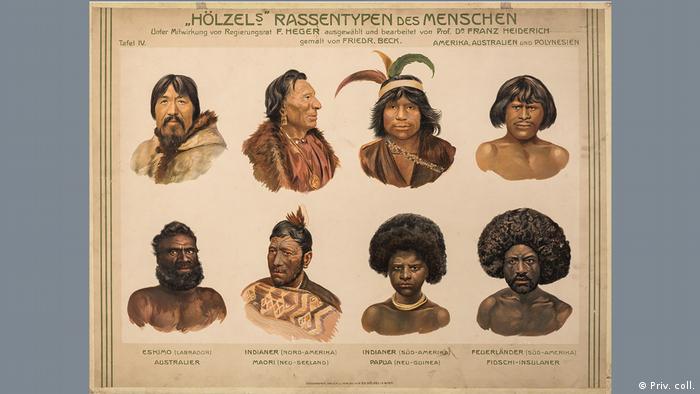
In colonial Europe, ethnological exhibitions of "exotic" people and "human zoos" were widespread. As early as the 15th century, people were kidnapped in colonized areas and brought to Europe for show. In the late 19th century, racist human displays became particularly lucrative. They were also used to demonstrate the supposed "superiority" of European civilization.
People from European colonies were lured to Europe under false pretenses and forced to work in degrading circumstances. They were often presented to onlookers as "savages" or cannibals.
Across Europe, there has been little official acknowledgement of the crimes of the colonial era, and there is still very little public awareness.
'Human zoos' in Hamburg
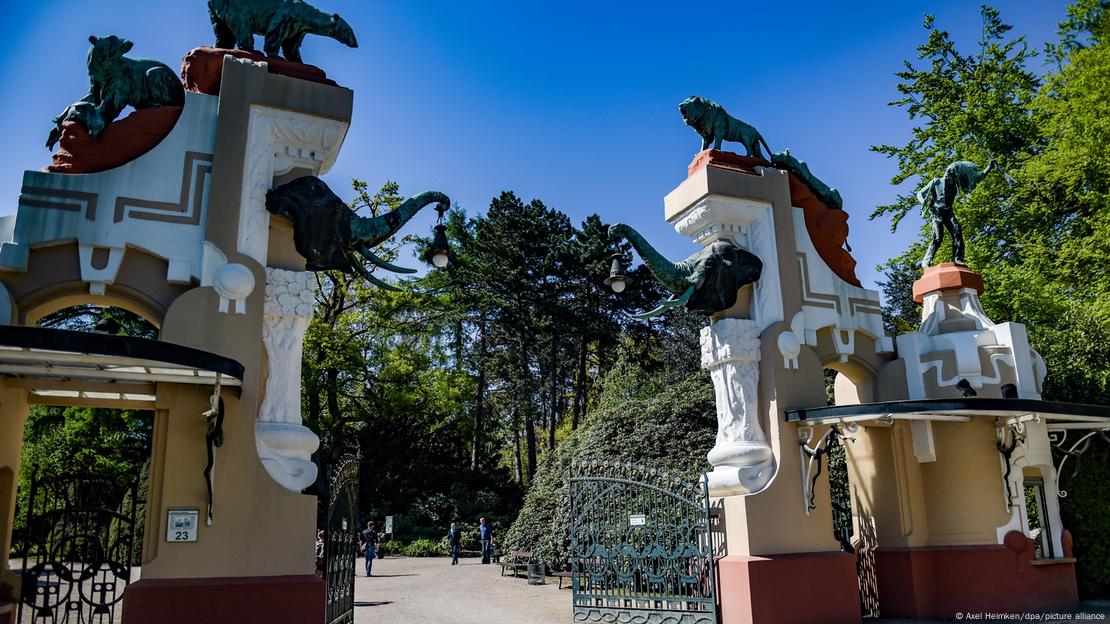
In 1874, the Hamburg merchant Carl Hagenbeck was one of the first to display humans alongside animals in zoos, and he quickly became a successful "ethnography showman." His Hagenbeck company, which still exists under the same name today and runs the main zoo in Hamburg, in northern Germany, made money with human exhibitions until the 1930s.
The historian Jürgen Zimmerer recently told German broadcaster NDR that in these zoos, people were shown in "an environment that was deliberately staged as being primitive." For his part, Claus Hagenbeck, the great-grandson of Carl, downplayed the harm of the exhibitions and described them as an "art form" of the time.
The Hamburg zoo has since said that it is re-examining its past, but there is currently no indication highlighting that humans used to be displayed on the site or any attempt to commemorate them.
'Human zoo 2.0'
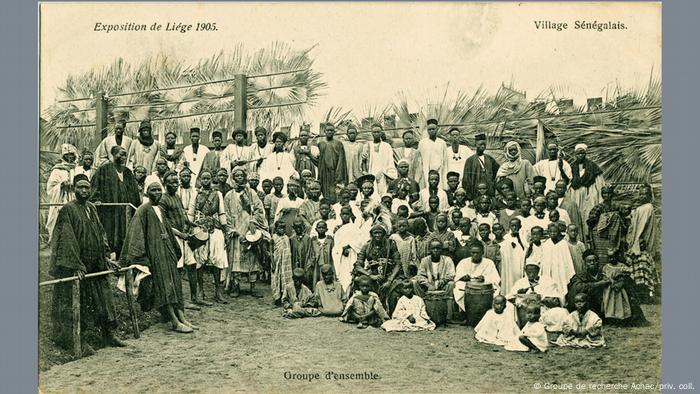
In Belgium, which put people on display in a "human zoo" as late as 1958 at the Brussels World Fair, the debate about the country's colonial crimes has become particularly animated over the past few years.
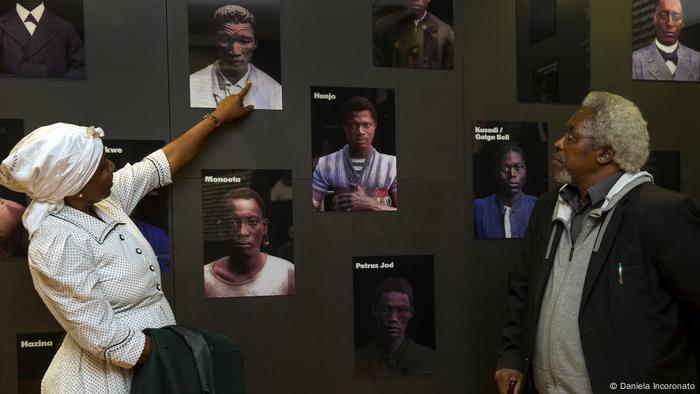
The activist and anthropologist Stella Nyanchama Okemwa from the European Network Against Racism (ENAR) has criticized the use of exhibitions to explore this chapter of Belgium's past and commemorate its victims. She says that displaying pictures of ethnographic exhibitions can reproduce racist practices. "For me, it was 'human zoo' 2.0," she said. "It triggered a lot of trauma."
She thinks that it is imperative that Belgian society acknowledge the trauma of the colonial past but says that there seems to be little willingness to do so. According to a 2020 survey, half of the country thought that colonialism had had more positive consequences for Belgian Congo than negative ones.
In the 1950s and 1960s, the spread of film, television and mass tourism changed the way of viewing "exotic" people. "People no longer brought adventure into their own country, but could afford to travel after it," said historian Anne Dreesbach.
Belgium has not apologized for its colonial crimes. "People don't want to engage in this conversation because it will open Pandora's box," said Stella Nyanchama Okemwa.
This article was translated from German.
Ferenc Gaal
DW
Hamburg, Lisbon and Brussels are just some of the European cities where racist ethnographic exhibitions were once frequent events. Today, there is still a reluctance to acknowledge the trauma they caused
In colonial Europe, ethnological exhibitions of "exotic" people and "human zoos" were widespread. As early as the 15th century, people were kidnapped in colonized areas and brought to Europe for show. In the late 19th century, racist human displays became particularly lucrative. They were also used to demonstrate the supposed "superiority" of European civilization.
People from European colonies were lured to Europe under false pretenses and forced to work in degrading circumstances. They were often presented to onlookers as "savages" or cannibals.
Across Europe, there has been little official acknowledgement of the crimes of the colonial era, and there is still very little public awareness.
'Human zoos' in Hamburg
In 1874, the Hamburg merchant Carl Hagenbeck was one of the first to display humans alongside animals in zoos, and he quickly became a successful "ethnography showman." His Hagenbeck company, which still exists under the same name today and runs the main zoo in Hamburg, in northern Germany, made money with human exhibitions until the 1930s.
The historian Jürgen Zimmerer recently told German broadcaster NDR that in these zoos, people were shown in "an environment that was deliberately staged as being primitive." For his part, Claus Hagenbeck, the great-grandson of Carl, downplayed the harm of the exhibitions and described them as an "art form" of the time.
The Hamburg zoo has since said that it is re-examining its past, but there is currently no indication highlighting that humans used to be displayed on the site or any attempt to commemorate them.
The Hamburg zoo is still run by the Hagenbeck company, which first put humans on display alongside animals
Axel Heimken/dpa/picture alliance
Portuguese World Exhibition in Lisbon
In Lisbon, the capital of another vast European colonial power, humans were also displayed in 1940 at the Portuguese World Exhibition. People were brought from colonized countries to live in an environment that had been built to simulate their supposed habitat. They were used as "indigenous extras" to confirm colonial stereotypes.
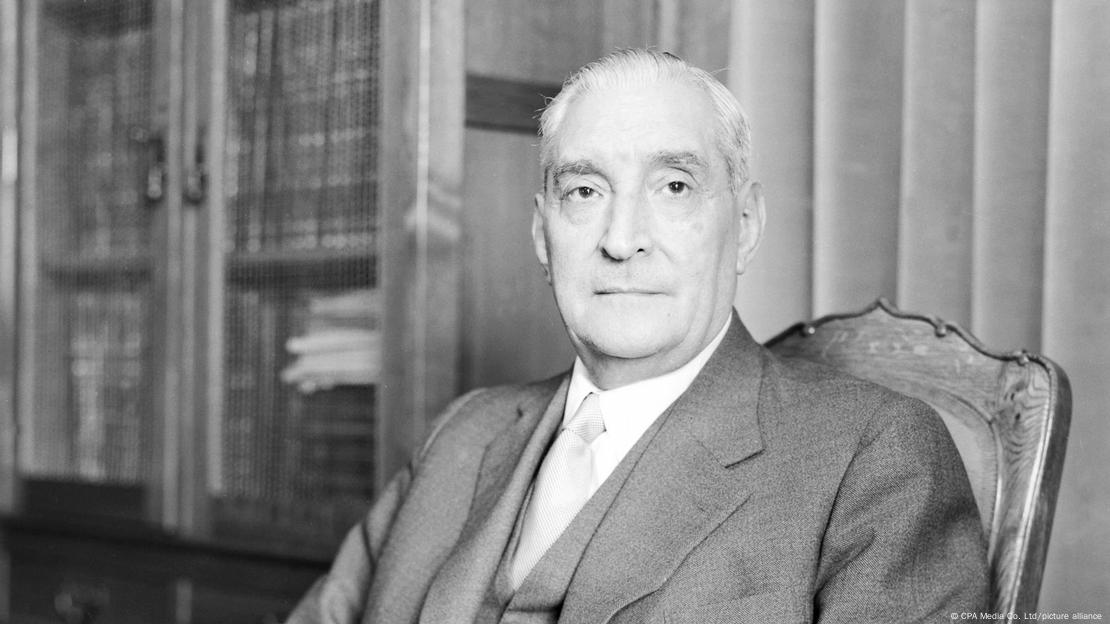
The Portuguese dictator Antonio de Oliveira Salazar used the 1940 World Exhibition to glorify the colonial era and strengthen his own regime, and today the debate about Portugal's colonial past often centers on him. But Elsa Peralta, a historian at Lisbon University, believes that this is inadequate: "The leading narrative of the democratic period is that the crimes of the colonial period were linked to the dictatorship," she said. "It does not reflect the long duration of Portugal's colonial history." Peralta added that even the commemorative plaque that pays tribute to the victims of the "human zoo" in the city's botanical gardens today referred explicitly to the Salazar period.
She pointed out that many Portuguese people remained unaware of the racist exhibitions but said that there had been a growing public debate about the country's colonial past in recent years, albeit at a slower pace than in other former colonial states. "Portuguese society is slowly waking up to this issue; it has not yet been dealt with," she noted.
In Lisbon, the capital of another vast European colonial power, humans were also displayed in 1940 at the Portuguese World Exhibition. People were brought from colonized countries to live in an environment that had been built to simulate their supposed habitat. They were used as "indigenous extras" to confirm colonial stereotypes.
The Portuguese dictator Antonio de Oliveira Salazar used the 1940 World Exhibition to glorify the colonial era and strengthen his own regime, and today the debate about Portugal's colonial past often centers on him. But Elsa Peralta, a historian at Lisbon University, believes that this is inadequate: "The leading narrative of the democratic period is that the crimes of the colonial period were linked to the dictatorship," she said. "It does not reflect the long duration of Portugal's colonial history." Peralta added that even the commemorative plaque that pays tribute to the victims of the "human zoo" in the city's botanical gardens today referred explicitly to the Salazar period.
She pointed out that many Portuguese people remained unaware of the racist exhibitions but said that there had been a growing public debate about the country's colonial past in recent years, albeit at a slower pace than in other former colonial states. "Portuguese society is slowly waking up to this issue; it has not yet been dealt with," she noted.
The Portuguese dictator Antonio de Oliveira Salazar used colonial exhibitions in Lisbon to strengthen his own power
CPA Media Co. Ltd/picture alliance
'Human zoo 2.0'
In Belgium, which put people on display in a "human zoo" as late as 1958 at the Brussels World Fair, the debate about the country's colonial crimes has become particularly animated over the past few years.
The activist and anthropologist Stella Nyanchama Okemwa from the European Network Against Racism (ENAR) has criticized the use of exhibitions to explore this chapter of Belgium's past and commemorate its victims. She says that displaying pictures of ethnographic exhibitions can reproduce racist practices. "For me, it was 'human zoo' 2.0," she said. "It triggered a lot of trauma."
She thinks that it is imperative that Belgian society acknowledge the trauma of the colonial past but says that there seems to be little willingness to do so. According to a 2020 survey, half of the country thought that colonialism had had more positive consequences for Belgian Congo than negative ones.
In the 1950s and 1960s, the spread of film, television and mass tourism changed the way of viewing "exotic" people. "People no longer brought adventure into their own country, but could afford to travel after it," said historian Anne Dreesbach.
Belgium has not apologized for its colonial crimes. "People don't want to engage in this conversation because it will open Pandora's box," said Stella Nyanchama Okemwa.
This article was translated from German.
How colonial powers presented people in 'human zoos'
'Human zoos' were vectors for racism, a Belgian exhibition shows