THE STATE IS ADDICTED TO SIN TAXES
Could the EU ban smoking? Commission to re-write rules for the next generation
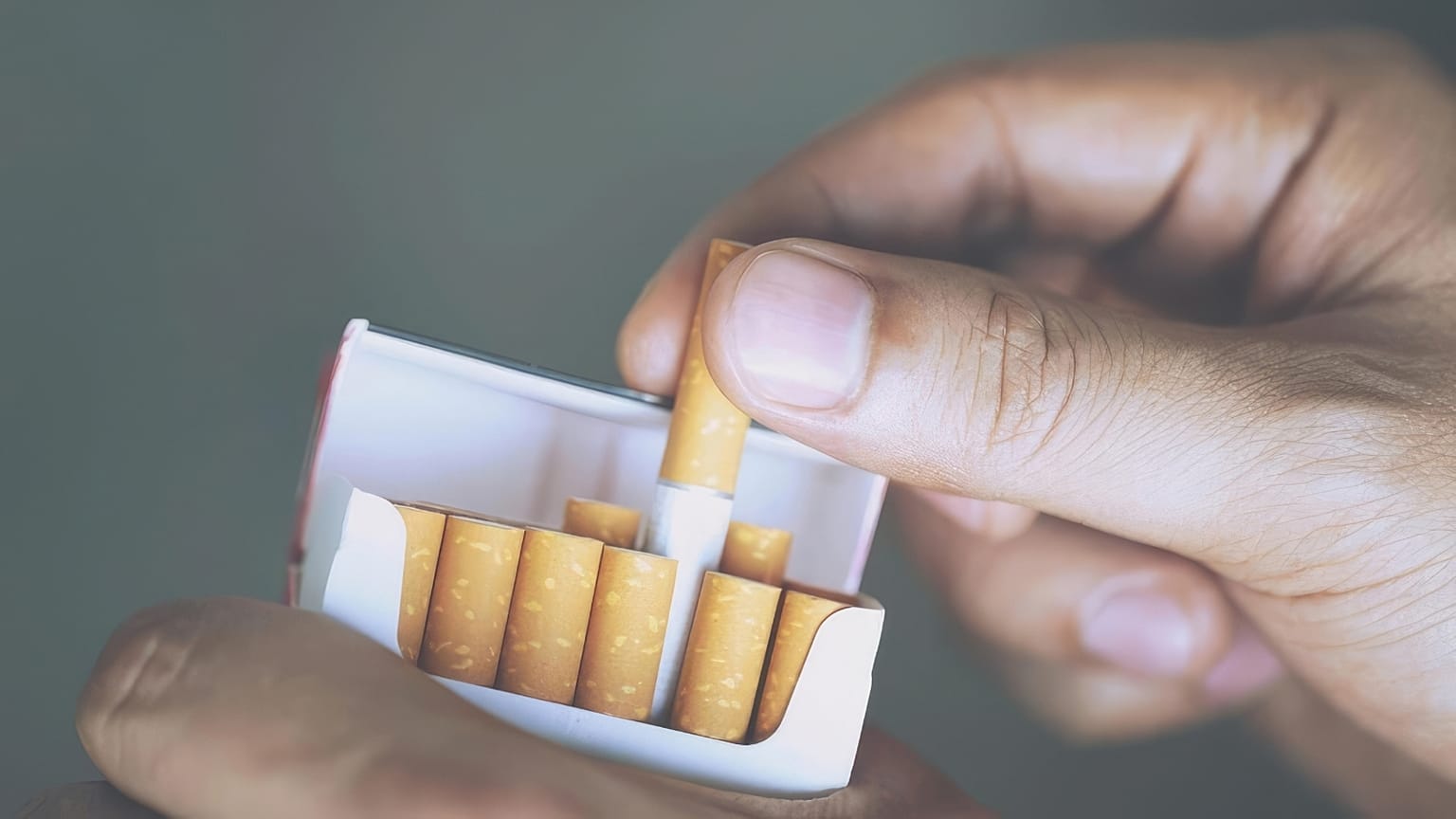
The EU is pursuing its biggest overhaul of tobacco taxation in a decade. The proposed Tobacco Taxation Directive (TTD) raises taxes on cigarettes and introduces taxes on vapes, heated tobacco products, and nicotine pouches. After the Parliament rejected its position, Council negotiations continue.
As part of its Tobacco Control Framework Evaluation, the European Commission reviewed current tobacco laws and found that, while older rules successfully lowered traditional cigarette consumption, they are nowcompletely outdated and failing to stop a massive surge in digital marketing and novel nicotine products.
As a result, the Commission proposed a revision of the Tobacco Taxation Directive (TTD) to implement fresh rules and curb tobacco use. It remains under negotiation after the Parliament failed to adopt a formal position in June 2026, leaving the final decision to the Council of the European Union, where unanimous agreement among member states is required.
Roughly one in four Europeans still smoke or use tobacco regularly. And the problem is increasingly urgent among young people, with data showing that over 11 percent of teens aged 13 to 15 now regularly consume tobacco or trendy nicotine alternatives like flavoured disposable vapes.
“The EU continues to experience roughly 700.000 tobacco-related deaths annually. It remains a leading preventable cause of cancer and cardiovascular disease. From a public health perspective, lower taxes effectively subsidise consumption of a product that kills up to half of long-term users when used as intended”, Professor Martin McKee, Strategic Advisor at the European Public Health Association, told Euronews.
Does the EU have a cigarette problem?
300 billion cigarettes are sold annually in the EU; 24 percent of Europeans smoke, with higher rates among men than women. This massive consumer market is sustained internally, as European factories manufacture more than 220 billion cigarettes each year to meet demand.
Who smokes the most? Eurostat shows ranges from just 8 percent in Sweden up to 37 percent in Bulgaria. Regional disparities are particularly visible among males, with nearly half of the men in Bulgaria (49 percent) and Latvia (48 percent) smoking regularly, compared to less than 10 percent in Sweden.
For women, the highest use is in Greece at 32 percent, while Sweden again reports the minimum at 8 percent. Southern and Eastern European nations consistently report the highest tobacco use, with Croatia and Greece keeping overall smoking rates above 35 percent. Western and Northern European countries like the Netherlands and Denmark have driven their use down to 11 percent and 14 percent respectively.
Smoking poses huge pressures on health sectors. Chronic exposure to tobacco and nicotine results in millions of avoidable hospital admissions every year for respiratory failure, stroke, and ischaemic heart disease. Treating these long-term cardiovascular and chronic obstructive pulmonary diseases drains an estimated €25 billion annually directly from public healthcare budgets.
"Even a delay of a few years in major tobacco-control measures translates into millions of additional smokers, preventable diseases and deaths over time”, warned McKee.
The rise of vapes and IQOS
The peak of traditional tobacco consumption is among citizens aged 25 to 54. However, the market is shifting as younger generations pivot away from traditional cigarettes and towards other products.
These include e-cigarettes or vapes (which heat a liquid with nicotine and flavourings into an inhalable aerosol) and heated tobacco products, such as IQOS, which warm processed tobacco without burning it. Nicotine pouches deliver nicotine orally without containing tobacco leaf.
Health authorities consider these products less harmful than conventional cigarettes, but not risk-free. Studies by several health organisations identified potentially harmful substances, including formaldehyde, acetaldehyde and acrolein, while nicotine itself remains highly addictive. Public health experts also warn that nicotine exposure during adolescence can affect brain development and increase the risk of long-term dependence.
According to the World Health Organization, 11.6 percent of teens aged 13 to 15 in the European region use these products. "Marketing and product design are important drivers. Common features include flavours attractive to young consumers, heavy social-media promotion, lifestyle branding, claims that products are modern, cleaner or safer, and discreet designs that are easy to conceal”, said McKee.
The EU wants smokers to quit
The EU wants to create a “Tobacco-Free Generation” by 2040, where less than 5 percent of the population smokes. This is a cornerstone of Europe’s Beating Cancer Plan. But Brussels lacks the authority for a blanket ban on smoking, because health policy remains a sovereign right for states. Instead, the EU can use its fiscal and regulatory powers to dictate how tobacco is sold and promoted around the bloc.
Over the past decade, it implemented several landmark laws. The 2014 Tobacco Products Directive (TPD II) mandated graphic warnings covering 65 percent of packages and capped e-cigarette nicotine concentration at 20 mg/ml. The Tobacco Advertising Directive (2003) banned tobacco advertising, and the 2001/37/EC Directive completely banned misleading product descriptors like "light," "mild," or "low tar", forcing manufacturers to write bold, black-and-white health warnings on all cigarette packs.
The Tobacco Control Framework Evaluation found these measures successful at lowering traditional smoking rates, which fell from 28 percent to 24 percent among adults. However, it warns that these older laws left gaping loopholes that allowed high-tech nicotine alternatives, like novel products, to thrive unregulated.
The new directive
The Commission's proposed revision of the Tobacco Taxation Directive wants to make tobacco and nicotine products significantly more expensive by raising minimum duties across the EU. For example, it targets a dramatic 139 percent increase in minimum excise duties for standard cigarettes, instantly driving up the baseline retail price.
It also establishes mandatory EU-wide minimum excise taxes on vapes, heated tobacco, and nicotine pouches for the first time, and includes raw tobacco leaf in the EU's electronic tracking system to shut down underground black markets and cross-border tax evasion.
The Commission presented the proposal in July 2025. In June 2026, however, the European Parliament rejected its own advisory report on the file after political groups from across the spectrum voted against a heavily amended compromise text. Because tax legislation follows the EU's special legislative procedure, Parliament's opinion is not binding. The proposal therefore remains under discussion in the Council of the European Union, where unanimous approval from all 27 member states is required before it can become law.
"Many people think the European Parliament is deciding the future excise tax rates. We're not. We're giving an opinion that is not legally binding on the Council”, said Patriots for Europe MEP Tomas Kubin, the report’s rapporteur.
Although the Parliament failed to adopt a formal position, the legislative process continues because taxation is decided by the Council under the EU's consultation procedure.
In parallel, countries are implementing national bans within their own borders. Belgium became the first EU nation to outlaw the sale of disposable electronic cigarettes. France followed by passing its own single-usevape ban, alongside strict legislation that outlaws smoking in public parks, beaches, and school areas. The Netherlands has enforced one of Europe's toughest flavour bans by completely prohibiting every vape liquid except for basic tobacco profiles, while simultaneously drafting laws to raise the legal nicotine purchase age from 18 to 21.
What could change if the directive is adopted
If adopted, the revised directive would place huge pressure on tobacco companies by targeting their profits. The industry remains an economic giant in Europe, with total annual sales reaching approximately €130 billion across the bloc. Companies like Philip Morris International and British American Tobacco would face a direct threat to their business models as the EU introduces these new minimum taxes.
Logistically, manufacturers will no longer be able to use novel products as low-tax loopholes to offset declining traditional cigarette revenues. Furthermore, including raw tobacco into the EU's electronic tracking system will force companies to comply with strict supply chain audits, increasing their administrative and operational costs.
If the proposal is ultimately approved by all member states, European consumers would see significant changes in both the pricing and availability of nicotine products.
Public space restrictions are also tightening across several member states through separate national legislation. Belgium, France and the Netherlands have already introduced stricter rules on vaping and smoking in public places. If the revised TTD is eventually adopted, smokers across the EU would also face significantly higher prices for cigarettes and many alternative nicotine products.
Is nicotine a good pesticide?

Is Nicotine a Good Pesticide? Exploring Its Efficacy and Risks
Is nicotine a good pesticide? The answer is complex: while nicotine was an effective early pesticide, its high toxicity to humans and other non-target organisms has largely relegated it to niche applications or historical interest, making it generally not recommended as a good pesticide in modern agriculture

A Historical Look at Nicotine as a Pesticide
Nicotine, derived from the tobacco plant, Nicotiana tabacum, was one of the first widely used insecticides. Its insecticidal properties were recognized centuries ago, and it became commercially available in the late 19th century. Before the advent of synthetic pesticides like DDT, nicotine filled a crucial role in crop protection. Its natural origin and relatively rapid breakdown compared to later synthetic options were initially seen as advantages. However, understanding its limitations and significant risks is essential.

How Nicotine Acts as a Pesticide

Nicotine is a potent neurotoxin. It works by mimicking acetylcholine, a neurotransmitter critical for nerve function in insects. When an insect is exposed to nicotine, the substance binds to acetylcholine receptors in the insect’s nervous system. This disrupts normal nerve impulses, causing overstimulation, paralysis, and ultimately, death. This mode of action is similar to that of some modern neonicotinoid insecticides, although with a far less targeted approach and much higher risk.
Forms and Application Methods
Nicotine-based pesticides were traditionally available in several forms, including:
- Nicotine sulfate: This was a common salt form of nicotine used in sprays.
- Nicotine alkaloid: The pure alkaloid form, often mixed with soap or other surfactants to improve its effectiveness.
- Dust formulations: Nicotine mixed with inert carriers for dusting directly onto plants.
Application methods varied depending on the crop and the target pest:
- Spraying: The most common method, involving the application of a nicotine solution to foliage.
- Fumigation: Used in enclosed spaces like greenhouses to control pests in the air.
- Soil application: Less common, but sometimes used to control soil-borne pests.
The Dark Side: Risks and Drawbacks
While effective against many pests, nicotine’s high toxicity presents significant risks:
- High Toxicity to Humans: Nicotine is acutely toxic to humans through inhalation, ingestion, and skin absorption. Symptoms of nicotine poisoning include nausea, vomiting, seizures, and respiratory failure.
- Non-Target Effects: Nicotine is toxic to beneficial insects like bees and ladybugs, disrupting ecological balance.
- Environmental Persistence: While nicotine degrades relatively quickly compared to some synthetic pesticides, its breakdown products can still persist in the environment and pose risks.
- Pest Resistance: Some insect populations have developed resistance to nicotine, reducing its effectiveness over time.
- Regulation and Availability: Due to its toxicity, nicotine-based pesticides are heavily regulated or banned in many countries.
Modern Alternatives
Given the risks associated with nicotine, safer and more effective alternatives are widely available. These include:
- Synthetic Pyrethroids: These are synthetic versions of naturally occurring insecticides derived from chrysanthemums.
- Neonicotinoids: A class of insecticides that act on the insect nervous system, similar to nicotine but with (ideally) more targeted action, although their environmental impacts are also of concern.
- Biological Controls: Using natural predators, parasites, or pathogens to control pests.
- Insecticidal Soaps and Oils: These are less toxic alternatives that work by suffocating insects.
- Integrated Pest Management (IPM): A comprehensive approach that combines various pest control methods to minimize pesticide use.
Comparing Nicotine to Modern Pesticides
Frequently Asked Questions (FAQs)
What is nicotine’s toxicity level compared to other pesticides?
Nicotine is considered highly toxic compared to many modern synthetic pesticides and especially biological controls. Its LD50 (lethal dose, 50%) is significantly lower, meaning it takes a smaller amount of nicotine to cause death.
Is nicotine allowed for use as a pesticide in organic farming?
Generally, no, nicotine is not permitted for use in certified organic agriculture in most countries. Organic farming emphasizes natural and sustainable pest control methods, and nicotine’s toxicity goes against those principles.
Can I extract nicotine from tobacco for use in my garden?
While technically possible, it is strongly discouraged. Extracting nicotine without proper equipment and expertise can be extremely dangerous, and homemade nicotine solutions can be highly unpredictable in terms of concentration and effectiveness, posing a significant risk to yourself and the environment. Furthermore, such use may be illegal.
What are the symptoms of nicotine poisoning in humans?
Symptoms of nicotine poisoning can range from mild to severe, depending on the dose. Mild symptoms include nausea, vomiting, dizziness, and increased heart rate. Severe symptoms can include seizures, respiratory failure, and even death. Immediate medical attention is crucial if nicotine poisoning is suspected.
Does nicotine only affect insects?
No, nicotine is toxic to a wide range of organisms, including humans, mammals, birds, amphibians, and aquatic invertebrates. Its lack of selectivity is a major drawback compared to more targeted pesticides.
How quickly does nicotine break down in the environment?
Nicotine degrades relatively quickly compared to some synthetic pesticides, with a half-life in soil ranging from a few days to a few weeks, depending on environmental conditions like temperature and moisture. However, its breakdown products can still pose risks. Care must still be taken to minimize environmental exposure.
Are there any situations where nicotine might still be a preferable pesticide?
In very limited circumstances, such as research settings where controlled experiments are conducted and stringent safety precautions are in place, nicotine might be used. However, safer alternatives are almost always available, making nicotine a last resort even in these situations.
How does nicotine compare to neonicotinoids in terms of environmental impact?
While both are neurotoxic insecticides, neonicotinoids are generally considered to have a lower acute toxicity to mammals compared to nicotine. However, neonicotinoids have been linked to significant negative impacts on bee populations and other non-target insects, leading to restrictions on their use in many regions. The environmental impact of both is a serious concern.
Can nicotine-resistant pests become resistant to other pesticides?
Resistance mechanisms can sometimes be cross-resistant, meaning that pests resistant to nicotine might also be resistant to other insecticides with similar modes of action. This underscores the importance of rotating different classes of pesticides and employing IPM strategies to prevent resistance development. Careful planning and varied methods are key.
What is Integrated Pest Management (IPM), and how does it relate to the use of nicotine?
Integrated Pest Management (IPM) is a holistic approach to pest control that emphasizes prevention, monitoring, and the use of multiple control methods in a way that minimizes environmental risks. The use of nicotine is generally incompatible with IPM principles due to its high toxicity and non-selectivity.
Is it legal to sell tobacco dust as a pesticide?
The legality of selling tobacco dust as a pesticide varies depending on local regulations. In many regions, it is illegal to sell unregistered pesticides, including tobacco dust. Even if it is legal, it is generally not recommended due to the risks associated with nicotine exposure.
What are some safer alternatives to nicotine for controlling aphids?
Safer alternatives for aphid control include insecticidal soaps, horticultural oils, introducing natural predators like ladybugs, and using strong jets of water to dislodge aphids from plants. These methods are generally much safer for humans, beneficial insects, and the environment.

No comments:
Post a Comment