Wednesday, August 19, 2026


Hellish scenes in Cyprus as Turkey’s problem with mountains of imported plastic waste washes ashore

Hellish scenes in Cyprus as Turkey’s problem with mountains of imported plastic waste washes ashore
Pristine beaches are being turned into open-air dumps. / @CyprusNewspaperFacebookTwitterLinkedIn
By Akin Nazli in Belgrade August 18, 2026

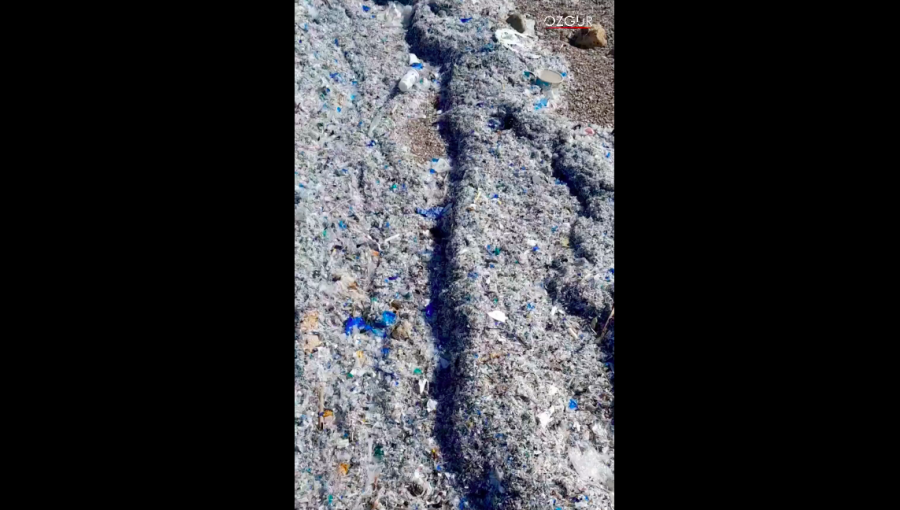
Dense mats of synthetic waste have washed ashore on Balalan Beach in Northern Cyprus, painting a graphic picture of the damaging regional environmental fallout from Turkey’s booming plastic recycling industry, Ozgur Gazete Kibris (@CyprusNewspaper) reported on August 8.

Video footage shared by the local daily shows that current-driven flotsam traced back to processing hubs in the southern Turkish provinces of Adana and Mersin has turned the scenic shoreline into an open-air dump. The incident underscores the growing cross-border liability for Ankara as its ambition to become Europe’s primary scrap-plastic processing centre collides with ecological limits.

Video: The video footage shared by the local newspaper (@CyprusNewspaper).

A similar situation is observed on Turkey’s Mediterranean coast, just across from Cyprus. Mustafa Ozturk, a Turkish professor of environmental engineering, shares videos from the Turkish coast on his social media accounts.

“Depending on the recycling plant stage, plastic waste type, contamination levels such as labels, caps and contents, in addition to the technology used, processing losses typically range from approximately 100 to 300-kg per tonne, corresponding to recovery or yield rates generally in the 70% to 90% range,” Ozturk wrote on August 18 in a LinkedIn post.

The 10-30% in question is washed into the sea in addition to proliferating unprocessed plastic packages.

Turkey’s zero waste business

In September 2017, Turkey’s environment ministry launched the so-called Zero Waste project in the country under the patronage of the country’s first lady, Emine Erdogan.

In January 2018, China banned plastic waste imports. Other countries in East Asia, including Malaysia, Thailand and Vietnam, soon imposed similar restrictions.

Since 2018, Turkey has become Europe’s biggest plastic importer or, in other words, the continent’s biggest dumping ground.

In 2025, European Union plastic waste exports to Turkey reached an all-time annual high of 503,000 tonnes. Additionally, the UK exported 675,000 tonnes of plastic waste in total in the year, its highest volume in eight years, with almost 140,000 tonnes sent to Turkey.

When summed up, the Europeans exported a total of 640,000 tonnes of plastic waste to Turkey last year. The official data provided by the Turkish statistical institute (TUIK, or TurkStat) suggest around 699,000 tonnes of plastic waste imports received during the year.

Chart: Turkey’s plastic waste imports per year / @inanmutlu1.

Chart: EU’s plastic waste exports to Turkey per year / @ozturk_mustafa.


Europe's warmer seas are appealing to swimmers – but what lies beneath is ‘alarming’, study warns

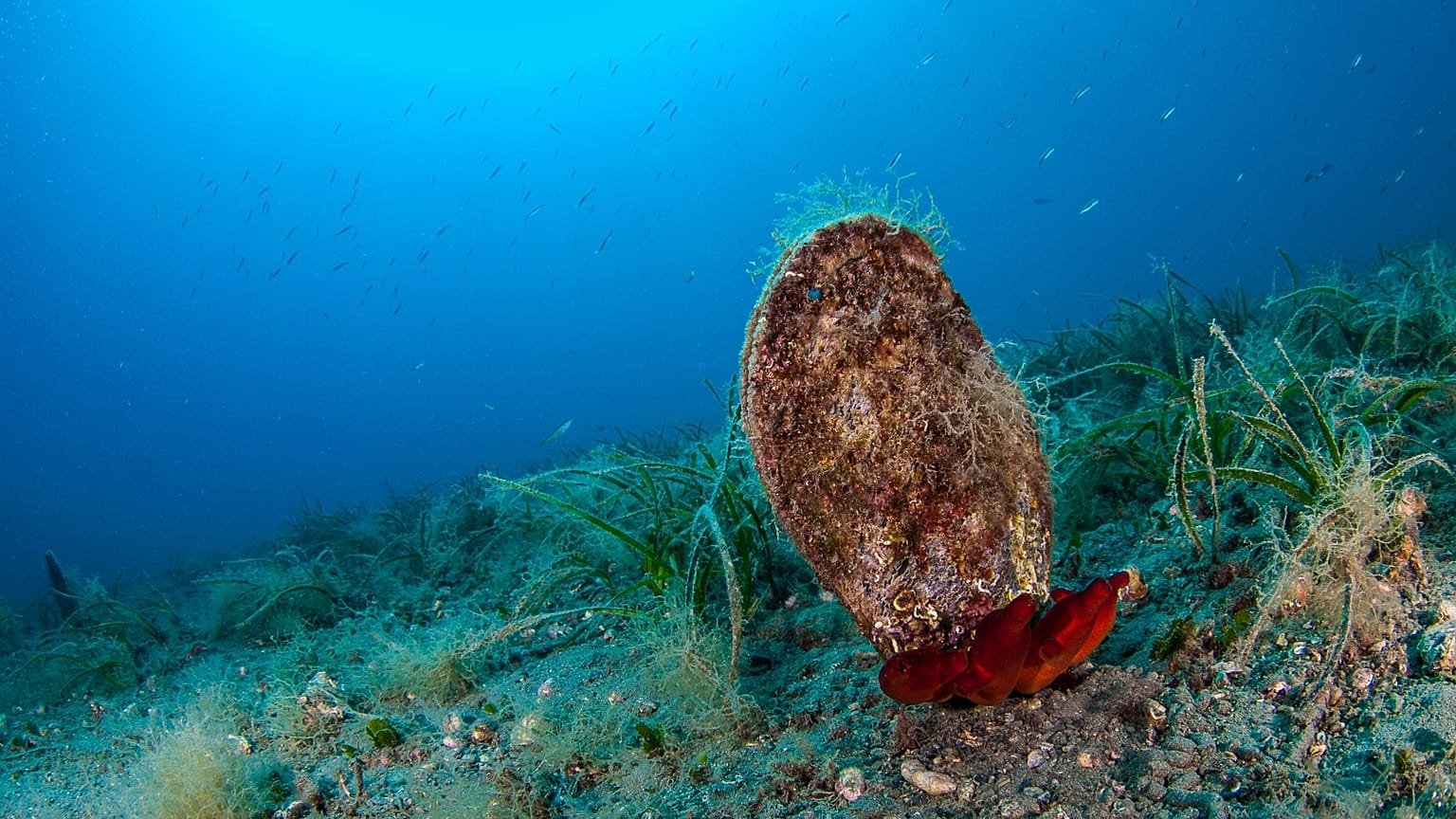
 FILE - A pen shell stands on the seabed of the Aegean Sea, July 22, 2016.
Copyright Yiannis Issaris / AP Photo

By Angela Symons with AFP
Published on

Europe’s rapidly warming oceans have ‘severe ecological impacts’ and a clear cause, study finds.

Climate change is the main driver of Europe's rising sea temperatures, according to a new a study. It has directly added around 2°C of warming in the Mediterranean this summer and severely impacted ecosystems, researchers found.

"From the Atlantic waters off Ireland to the Mediterranean Sea, Europe's seas are experiencing an alarming surge in temperatures," says co-author Thomas Frolicher, an environmental physicist at the University of Bern, Switzerland.

"Our research shows clearly that this is being driven by climate change, in particular by the continued burning of fossil fuels," he adds.

Scientists from World Weather Attribution (WWA) group estimate that climate change added about 2°C of warming to the Mediterranean, and over 1.3-1.4°C to Western European seas.

They arrived at the figures by combining observational data and climate model simulations.

What' the impact of Europe's warming seas?

WWA says there is "evidence of severe ecological impacts", with species "shifting northwards to cooler waters, disrupting food chains, coastal fisheries and aquaculture".

"Impacts can spill into land too, with higher sea surface temperatures driving up humidity for coastal areas increasing the risks of extreme heat," the group says in a statement.

Marine ecologist John Bruno says it's surprising "how little warming it actually takes to tip organisms past that threshold to kill them".

"It's only about 1°C on coral reefs, for example."

He adds that some organisms benefit from heatwaves because of a preference for warmer temperatures or the disappearance of their natural enemies.

There is a "kind of reshuffling, reorganisation of communities. So we have what we call winners and losers", he says.

Oceans worldwide are facing record-high heat

According to the European Union's global warming monitor, the Copernicus Climate Change Service, the world's oceans hit record-high temperatures for a second straight month in July.

WWA says that some Mediterranean areas had recorded sea surface temperatures more than 6°C hotter than normal over the hottest two weeks of the month.

The group adds that climate change has driven marine heatwaves to spread across a larger part of European regions.

This year 90 per cent of the Bay of Biscay and Iberian coast region and 80 per cent of the Western Mediterranean have experienced marine heatwaves, it says.

Without the current 1.4°C of human-caused warming, only around 40 per cent of those areas would have been affected, it predicts.

Claire Bergin, study co-author and researcher at Maynooth University in Ireland, notes that "warmer waters for swimming may sound appealing to beachgoers in cooler countries like mine".

However, "the impacts on marine life beneath the surface are more serious".


India’s green energy InvITs boom is waiting to happen

India’s green energy InvITs boom is waiting to happen
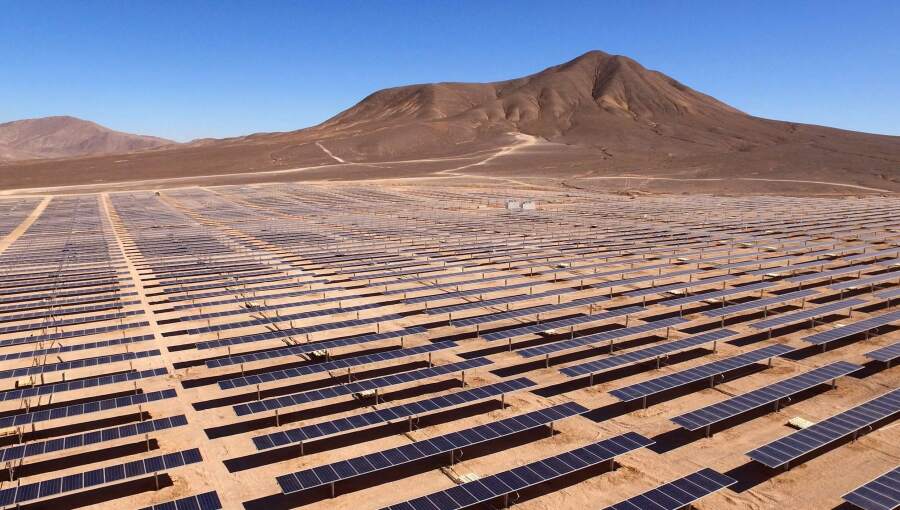
/ Antonio Garcia - UnsplashFacebook
By IntelliNews - Mumbai bureau August 18, 2026

The Indian renewable energy sector offers significant opportunities for Infrastructure Investment Trusts (InvITs) to deepen capital mobilisation in the space despite the limited existence of InvITs at present, according to a recent report by Knight Frank.

The adoption of InvITs for the renewable energy sector is still at an early stage despite India emerging as one of the world's largest renewable energy markets. The renewable energy assets possess many of the characteristics that make infrastructure assets suitable for InvIT structures, including long operational lives, stable contracted revenues, low operating expenditure, and predictable cash flow generation, the report states.  

As of June 2026, India has an installed renewable energy capacity of 291 GW (excluding large hydro). However, only about 3.6 GW of solar assets, equivalent to 2.7% of the operational utility-scale solar assets, have been monetised through InvIT structures, indicating considerable untapped potential. The report argues that the limited penetration of renewable InvITs does not reflect a lack of suitable assets; rather, it reflects the relatively recent maturation of renewable portfolios, evolving regulatory frameworks, and the continued preference of many developers to retain operational assets on their balance sheets.

The gradual evolution of renewable InvITs is therefore best viewed as a function of market maturity. During the initial phase of renewable energy development, developers prioritised rapid portfolio expansion supported by project finance and private equity capital. As these portfolios have matured, financing priorities have shifted towards balance sheet optimisation, deleveraging, and capital recycling, creating favourable conditions for increased adoption of InvIT structures.

As per the report, the existing renewable InvITs comprise utility-scale projects backed by long-term power purchase agreements (PPAs) with central government agencies such as SECI and NTPC, or with state distribution companies. The contracted nature of revenues, coupled with relatively low operating expenditure, makes operational renewable assets well suited for yield-oriented investment structures.

While Sustainable Energy Infra Trust is the only pure renewable energy InvIT in India, IndiGrid Infrastructure Trust, originally established as a power transmission InvITs has expanded its portfolio through acquisitions of operational solar assets alongside its transmission business, illustrating the growing convergence between transmission and renewable infrastructure. As of FY 2026, the trust's portfolio comprised 15% solar assets, reflecting investor appetite for diversified energy infrastructure platforms.

More recently, market interest in renewable infrastructure investment platforms has continued to strengthen. Strategic investors and existing InvITs have actively evaluated acquisitions of large operational renewable portfolios, indicating that competition for mature renewable assets is increasing as the operational asset base expands. This suggests that the market is gradually transitioning from isolated transactions towards a broader ecosystem of capital recycling through both InvITs and private infrastructure investment vehicles, the report says.

Reasons for limited renewable energy InvIT adoption

The first reason for limited adoption is the fragmented asset ownership structure that increases portfolio aggregation complexity. In sectors such as roads and power transmission, individual assets are typically large, generate predictable revenues and command high valuations, allowing InvITs to achieve the necessary scale with a relatively limited number of assets. Road InvITs, for instance, can be established with a portfolio of a few large toll or Hybrid Annuity Model (HAM) concessions, while transmission InvITs aggregate a modest number of regulated transmission Special Purpose Vehicles (SPVs) that benefit from stable, availability-based tariffs.

Renewable energy portfolios, however, are inherently more fragmented. Utility-scale solar and wind assets are generally developed as multiple project SPVs across different states, each varying in capacity, commissioning period, tariff structure, counterparty profile and resource characteristics. Although these assets generate predictable cash flows under long-term PPAs, their relatively smaller project sizes require the aggregation of a substantially larger number of operational assets to create an investment-grade portfolio of sufficient scale.

According to the report, beyond achieving scale, portfolio aggregation also plays a critical role in mitigating concentration risks. A diversified renewable portfolio reduces exposure to site-specific generation variability, single-offtaker risk, tariff concentration, technology-specific risks and asset performance fluctuations. Consequently, successful renewable InvITs are typically built around large, geographically diversified portfolios rather than a handful of individual projects. This structural requirement for greater portfolio aggregation partly explains why renewable energy InvITs have evolved more gradually than their counterparts in the roads and transmission sectors.

The second reason is that it requires greater complexity when renewable energy assets are valued. Renewable energy assets require considerably more granular valuation than many traditional infrastructure sectors. While projects generally operate under long-term PPAs, their enterprise value depends on several technical and commercial variables that differ from one project to another. For solar assets, valuation is influenced by factors including contracted tariff levels, remaining PPA tenure, off-taker credit quality, historical generation performance, capacity utilisation factors (CUFs), solar irradiation, module degradation and curtailment risks. Consequently, two projects with identical installed capacities may exhibit materially different cash flow profiles and valuations. For instance, two 100-MW solar projects may have similar installed capacities, but a project backed by a 25-year SECI PPA, operating at a CUF of 24–25%, with timely payment realisation is likely to command a higher valuation than a project selling power to a financially weaker state DISCOM under a lower tariff with prolonged receivable cycles. In comparison, road and transmission assets generally benefit from more standardised valuation methodologies.

Looking ahead, the report says that India's renewable energy sector is now moving towards a phase where efficient capital mobilisation will be as important as capacity creation. InvITs can emerge as an important enabler of this transition by transforming mature renewable assets into institutional-grade investment platforms. By providing developers with an avenue to monetise operational assets and reinvest capital into new generation capacity, storage and hybrid projects, InvITs can improve capital efficiency across the renewable ecosystem.


Indonesia brands LGBTQ culture a security threat

Indonesia brands LGBTQ culture a security threat
/ Mercedes Mehling - UnsplashFacebook
By IntelliNews - Jakarta Bureau August 19, 2026

A small administrative directive hidden deep within an Indonesian national defence regulation has reignited a nationwide controversy over identity, civil liberties, and the legal limits of state power. Signed in October 2025, Presidential Regulation No. 111/2025 on the General National Defence Policy formally categorised the "spread of LGBTQ culture" as a non-military threat to national security, Sindo News reports.

Tucked away in an appendix alongside severe global and domestic hazards such as international terrorism, illicit trafficking, environmental plunder, and radicalism, the provision went largely unnoticed for over eight months. However, a recent sequence of public altercations has dragged the obscure directive into mainstream socio-political discourse, forcing the state to defend its ideological boundaries while civil rights advocates warn of a dangerous precedent.

The legal instrument itself—a presidential decree published in the official State Gazette—is an executive document that carries legally binding force, primarily designed to formulate national defence strategies. Because technical policies of this nature rarely cross into public scrutiny, the initial publication caused little immediate ripple.

As reported by CNA, the catalyst for the current national debate emerged around mid-June, sparked by a Pride Month tribute posted online by Suara Mahasiswa, a student-led publication at the University of Indonesia. The post sparked fierce online backlash, with critics asserting that celebrating sexual diversity directly violated Indonesia’s foundational state ideology, Pancasila—specifically its core principles of belief in a singular God and unified national morality. The resulting public outcry compelled university authorities to disavow the student publication and initiate internal administrative proceedings.

Escalating tensions

The momentum gathered pace when religious authorities intervened. The Indonesian Ulema Council (MUI) is drafting an academic paper and legislative proposal for Parliament's National Legislation Programme aimed at criminalising LGBTQ activities, the religious body announced in late June, according to CNA.

MUI Deputy Chairman Muhammad Cholil Nafis argued that moral persuasion alone was insufficient to curb the public display of non-normative sexual orientations. He asserted that formal statutory penalties were essential to prevent the normalisation of what the council considers social deviance.

As public debate intensified, legal scholars and news outlets including Antara, Kumparan, and Tempo began auditing existing legal frameworks, in the process dragging the overlooked October directive back into the spotlight.

The sudden escalation in state and religious rhetoric has heightened fears of vigilante justice across the archipelago. A proliferation of hostile statements by prominent figures has fuelled widespread anxiety amongst marginalised communities, particularly following a surge of online videos depicting public harassment and extrajudicial violence against individuals suspected of belonging to sexual minorities. Rights observers note that public vilification by state officials often serves as an informal licence for vigilante groups to target vulnerable individuals under the guise of public morality.

This hostility contrasts with Indonesia’s cultural history. As BBC Indonesia highlighted, indigenous traditions across the archipelago have long embraced fluid gender concepts. South Sulawesi's Bugis people have recognised five distinct gender roles since before the 16th century: makkunrai (feminine woman), calabai (feminine man), calalai (masculine woman), oroané (masculine man) and bissu (transgender spiritual priests). This suggests modern pushback against gender diversity is a political construct rather than a traditional value.

Legal scholars emphasise that the current regulation marks a fundamental shift in how the state addresses sexual orientation. Human rights attorney Asfinawati said to CNA that while the 2008 Pornography Law previously referenced "lesbian" and "homosexual" conduct within its explanatory notes to define prohibited material, Presidential Regulation No. 111/2025 goes significantly further. It disconnects the issue from specific explicit acts, framing the mere identity and cultural dissemination of LGBTQ individuals as an inherent security risk.

Security analysts argue that this framework stems from Indonesia’s expansive defence doctrine, which categorises state threats into military, non-military, and hybrid vectors. Security studies lecturer Tangguh Chairil explained to CNA that because the non-military category is defined so broadly, non-traditional issues are frequently "securitised", allowing the state to divert administrative focus and public resources towards social engineering under the banner of national resilience. Coordinating Minister for Legal Affairs Yusril Ihza Mahendra defended the executive stance, arguing that the regulation focuses on curbing political campaigns and propaganda aimed at altering the nation’s socio-cultural morality, rather than encouraging the persecution of individual citizens.

Impacts on human rights

Despite state assurances that fundamental human rights regarding education, healthcare, and employment remain legally protected, human rights organisations report a very different reality on the ground. Nearly 150 members of the queer community have suffered physical or emotional harm over a two-year stretch starting in 2024, based on figures logged by advocacy body Arus Pelangi.

Human Rights Watch monitor Andreas Harsono cautioned that branding any minority an enemy of the state merely feeds ingrained bias and provides cover for unfair treatment. This heavy-handed approach is increasingly creeping onto university campuses, with around a dozen public institutions stepping in to censor student journalists reporting on queer issues.

This surge in abuse underscores how exposed sexual minorities remain in a country where the legal system fails to offer clear safeguards. Apart from in Aceh province in North Sumatra, where Islamic religious codes apply, adult same-sex relationships carry no explicit criminal penalties under standard national statutes, yet the lack of statutory rights leaves citizens completely unprotected against harassment from authorities, officers, and local mobs.

Legal commentators stress that central government decrees, such as Presidential Regulation 111/2025, are thus escalating the danger by giving regional leaders a green light to intervene. Local councils in areas such as Solo and Malang have already started rolling out local rules and school initiatives intended to wipe out queer representation altogether.

As political scientists point out, converting identity into a state security risk reinforces an unequal system of citizenship, institutionalising marginalisation while abdicating the state's responsibility to protect all citizens equally.


Bougainville’s independence battle reaches boiling point

Bougainville’s independence battle reaches boiling point

image used for illustration purposes only / Keith Kasaija - UnsplashFacebook
By IntelliNews - Surabaya Bureau August 17, 2026

Twenty five years after the signature of the historic 2001 Bougainville Peace Agreement, the autonomous region is looking at the future of full statehood. Started off as a bloody civil war sparked by resource exploitation and regional marginalisation in the 1990s, the region has evolved into one of the Pacific's most crucial constitutional tests.

Autonomous Bougainville Government (ABG) President Ishmael Toroama delivered an unequivocal ultimatum to Papua New Guinea (PNG) following intense deliberations at the Joint Supervisory Body (JSB) meeting in Port Moresby recently. The meeting reminded Prime Minister James Marape of PNG that the overwhelming 2019 independence vote is non-negotiable and cannot be diluted by parliamentary manoeuvres.

Both governments are now in preparation to table the historic referendum results before PNG’s National Parliament. The political temperature between Port Moresby and Buka has reached a defining peak with a momentous parliamentary debate scheduled for August 27. The collision between PNG’s constitutional mechanics and Bougainville’s moral mandate for self-determination has set the stage for a geopolitical shift in the South Pacific.

Blood-sealed mandate

The foundation of Bougainville's push for full sovereignty is based on the landmark referendum conducted between November 23 and December 7, 2019. Under the international oversight of the United Nations and guaranteed by the 2001 Peace Agreement, 97.7% of Bougainvillean voters chose full independence over continued autonomy within Papua New Guinea.

President Toroama emphasised during the JSB meeting that the legitimacy of this vote is absolute and legally incontestable, as reported by Radio New Zealand (RNZ). In the wake of the polling, a mandatory 40-day petition window passed without a single formal objection, dispute, or legal challenge raised by the national government, local parties, or international observers. Bougainville also completed its required weapons disposal programme, which was formally verified and certified by the UN.

For the people of Bougainville, the political direction was then reaffirmed through the July 2026 Kuri Resolution, passed by the ABG House of Representatives after extensive regional consultations. Addressing the PNG leadership, President Toroama rejected any suggestion that Bougainville should accept a delayed timeline or trade its vote for future concessions. Pointing out that thousands of lives were lost during the decade-long civil war, Toroama stated that the question of statehood was not open to corporate-style performance reviews.

"The National Government is asking us to trade a constitutional, internationally witnessed referendum result for an ambiguous promise of future political charity. We do not need a 'clear pathway' to revisit the question. The question has been asked, answered, and sealed in ink and blood,” he insisted.

Constitutional veto vs. moral justice

Despite the overwhelming mandate, the legal mechanism for implementing the referendum result has become a decisive flashpoint. Under Section 342 of the Papua New Guinea Constitution, the national parliament holds the authority to ratify or reject the referendum outcome following a period of joint consultations.

As highlighted in coverage by the Pacific Media Network (PMN), a deep rift opened during the JSB co-chaired by Prime Minister James Marape. The PNG National Government put forward a formal position suggesting that Parliament retains unfettered discretion to issue a non-affirming decision, effectively voting no to independence and resetting Bougainville’s status back to the existing autonomy framework.

President Toroama delivered a scathing critique of this stance, labeling Port Moresby’s position as a masterpiece of bureaucratic evasion and historical revisionism. He warned that treating self-determination as an administrative review subject to the shifting political tides of Waigani (PNG's seat of government) represents a dangerous legal fiction that directly threatens the peace process.

The ABG leadership made it explicitly clear that Bougainville has permanently moved past the autonomy space and will not accept being frozen in a dead-end framework. Toroama criticised PNG’s national parliament for unilaterally altering voting thresholds and sessional orders without mandatory joint consultation required under previous bilateral pacts.

The peace agreement was intended to reach a definitive conclusion in good faith, not to create an endless loop of consultations where Port Moresby holds a permanent veto over the popular will. While Prime Minister Marape framed the relationship as a family dialogue governed by strict constitutional processes, Toroama drew a sharp distinction between legalistic procedural hurdles and fundamental justice. "In the eyes of my people, there is legal justice and there is moral justice," Toroama told the JSB. "Bougainville demands both."

Revenue decentralisation, transitional pacts

Despite the rhetorical clash over sovereign status, the JSB meeting yielded significant administrative breakthroughs regarding fiscal decentralisation and transitional governance. As reported by both Pacific Media Network and RNZ, both governments formally endorsed two core compliance documents: the Joint Consultation Report and the Melanesian Framework.

These frameworks lay out the operational pathway for managing cross-border relations, administrative handovers, and economic governance regardless of immediate parliamentary friction. Both parties agreed upon transitional frameworks such as 100% revenue transfer for revenue generated within Bougainville, including fisheries, mining, forestry, and land taxes, directly to the ABG by the end of 2026. A complete drawdown of remaining Section 290 executive power from Port Moresby to Buka is also in the pipeline.

The adoption of the Melanesiaon framework as a guide positions the referendum, diplomatic and economic cooperation as bilateral architecture for the transition. The parliamentary submission also includes formal tabling of the Referendum Result, Joint Consultation Report, and Melanesian Framework in PNG's Parliament on August 27.

The transfer of 100% of locally generated revenue by the end of 2026 represents a further step toward establishing the financial self-reliance necessary for a functional state. With enormous economic assets, including tuna fisheries, forestry reserves, and the potential redevelopment of the massive Panguna copper and gold mine, fiscal autonomy provides the foundation for Bougainville's institutional transition.

As PNG MPs attend formal briefing sessions ahead of the decisive August 27 parliamentary debate, the Pacific region watches closely.

Prime Minister Marape has urged calm, emphasising that dialogue must continue peacefully within the constitution's framework. However, for President Toroama and the people of Bougainville, the upcoming vote is not an exploratory exercise, it is the final ratification of a historical promise. Any attempt to reject the 97.7% vote risks dismantling twenty-five years of delicate peacebuilding, making the August 27 session one of the most consequential moments in modern Pacific history.
 

The 'geoid': Why NASA’s gravity model makes Earth look like a potato

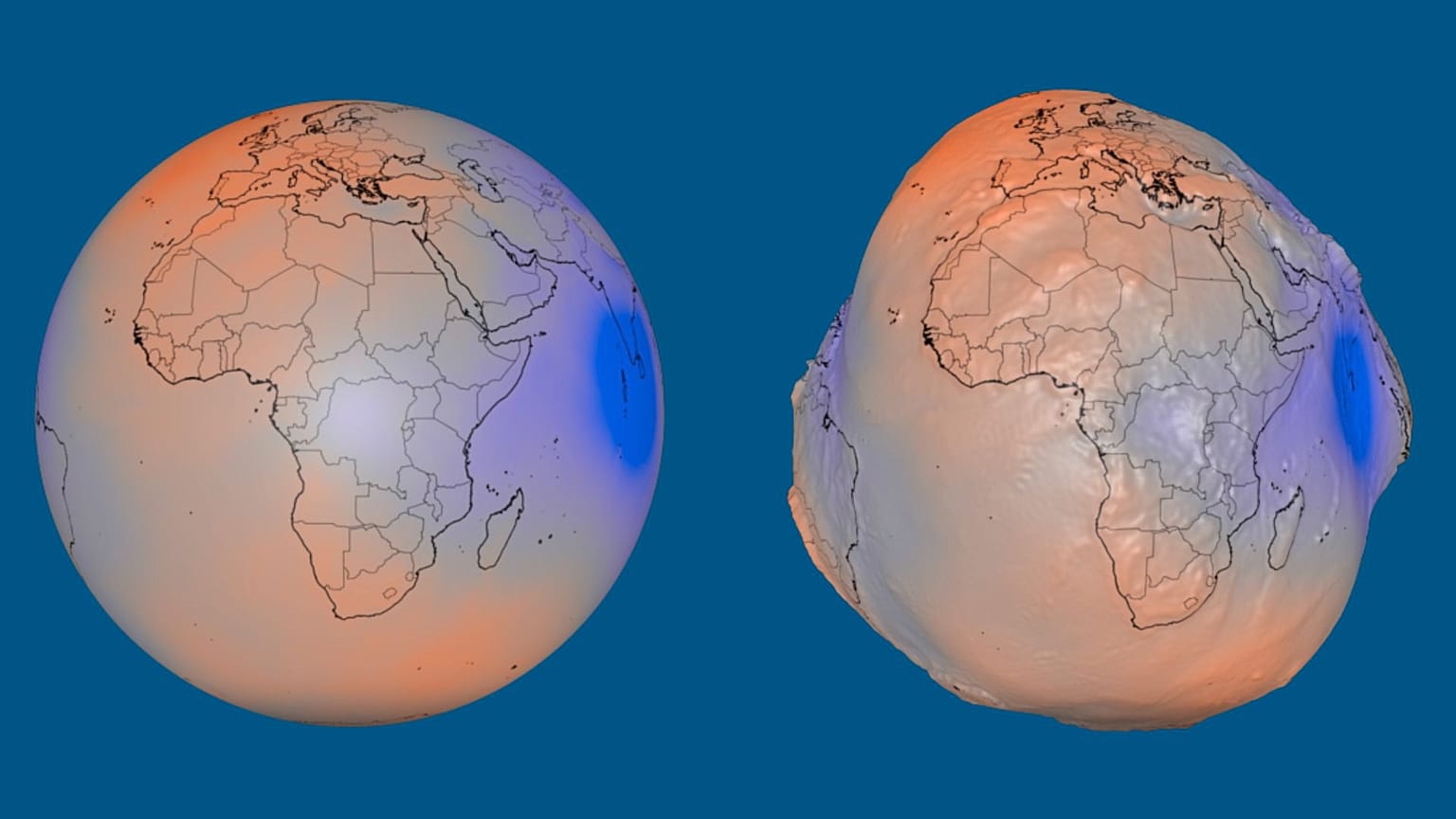
NASA visualisations show the geoid at true scale (left) and with variations in its height exaggerated 10,000 times (right).
Copyright Mark SubbaRao (NASA/GSFC)

By Doloresz Katanich
Published on

Mapping Earth’s gravity, NASA has released a visualisation of the geoid — the apparent real shape of our planet given the global ocean surface if it were exclusively under the influence of gravity and Earth’s rotation.

Gravity does not pull equally across the Earth and that has a visible impact on the shape of our planet

This summer, NASA released an eye-catching visualisation reflecting these differences across Earth.

If the world’s oceans had no tides, waves, winds or currents, and were shaped only by gravity and Earth’s rotation, their surface would look slightly different. Rather than forming a perfectly smooth sphere, it would have subtle bulges and depressions.

NASA’s visualisation magnifies these differences by a factor of 10,000 making Earth appear like an uneven potato.

The geoid as it is called, a mathematical model of Earth’s gravitational field, represents an imaginary sea level across the entire planet, including beneath the continents. It is not the actual shape of Earth’s physical surface.

As mass is distributed unevenly within and across Earth, its gravitational field is also spread uneven.

Mountains, ocean trenches and differences in the density of material inside the planet all affect its gravitational field. Areas with additional mass attract water towards them, creating imaginary rises in the geoid. Elsewhere, the theoretical sea level is lower, producing depressions.

The geoid’s lowest point lies south of India

In the visualisation, variations in the geoid’s height have been exaggerated by a factor of 10,000. In reality, the difference between its highest and lowest points is 191 metres.

The geoid reaches 85 metres above the reference level around Iceland and 106 metres below it south of India. The reference level is a smooth, slightly flattened mathematical model of Earth used as a baseline for measuring these variations.

The visualisation is based on more than one billion observations collected by 19 satellites over 15 years. These include NASA’s Gravity Recovery and Climate Experiment and the European Space Agency’s Gravity Field and Steady-State Ocean Circulation Explorer.

Scientists use the geoid to study Earth’s gravitational field and how it changes as water, ice and other masses move around the planet. According to NASA, this information is also important for mapping, surveying and navigation.