Monday, September 07, 2026


Hollywood blacklisting: Susan Sarandon shares her support for Palestine has cost her film roles
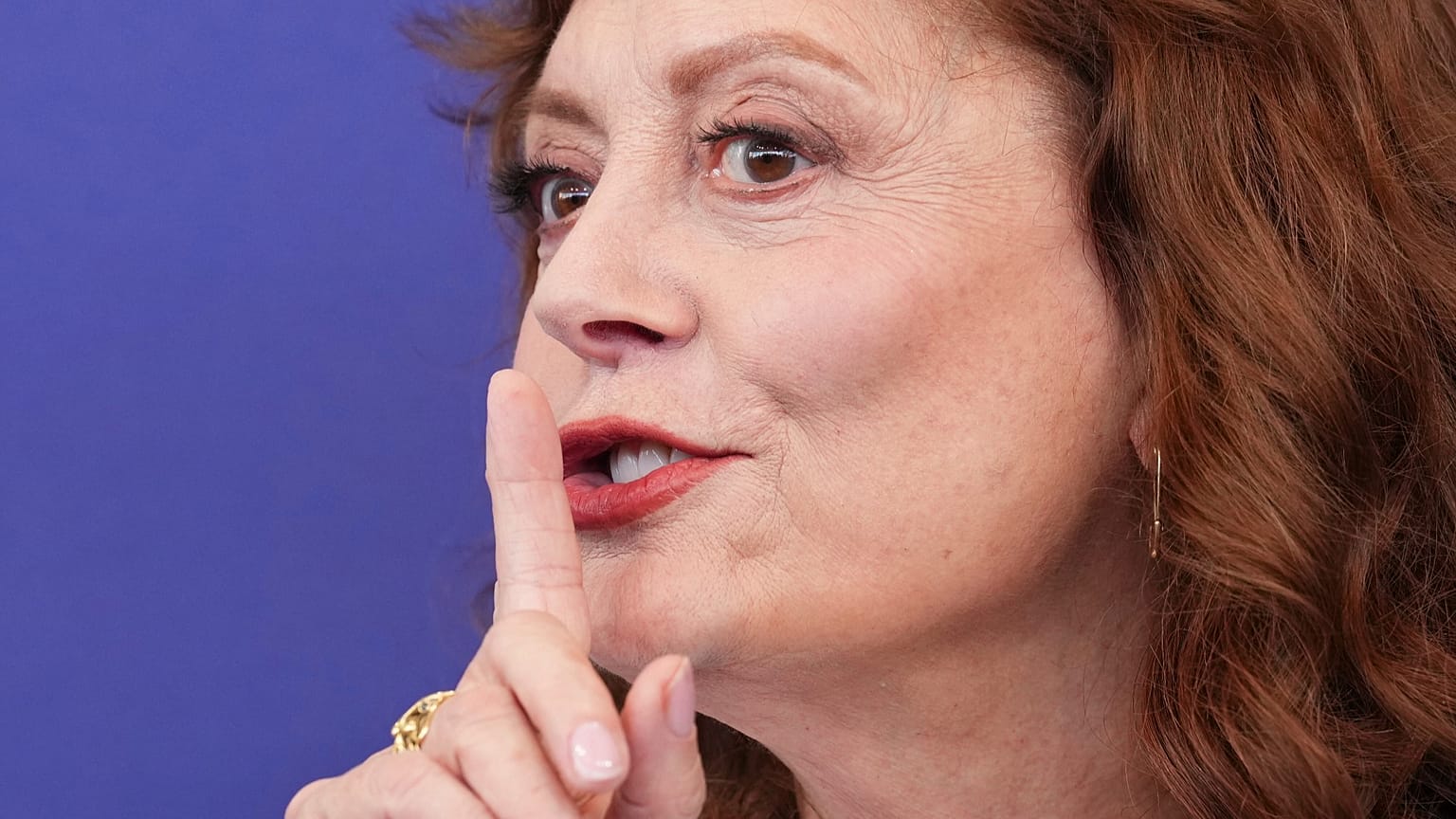
Susan Sarandon shares her support for Palestine has cost her roles
Copyright AP Photo


By David Mouriquand
Published on

The 79-year-old actress has been vocal with her support for Palestine amid the ongoing conflict in Gaza and shared that her activism carries professional consequences. Her comments follow several artists coming to the defence of actor Mark Ruffalo, who has also been the victim of a "smear campaign".

Susan Sarandon has shared that her support for Palestine has led to her losing film roles and that parts of the film industry continue to ⁠shun her over her activism.

The 79-year-old American actress spoke at the Venice Film Festival about how her stance on Israel’s actions in Gaza has affected her work: "In terms of the power structure, I’ve still had movies taken away recently because there are agencies that are telling people not to hire me still.”

The Oscar-winning actress noted that despite losing out on film roles she feels "the narrative has completely changed in terms of the historical relevance of Palestine and the ties of Zionists with America in our politics".

She added: “That has been a major revelation for people, how much money the United States gives to Israel, nobody really understood that.”

Recent opinion polls have shown a distinct softening in US support for Israel since the start of the Gaza war in 2023. According to a July survey from Pew Research Center, US public opinion toward both the Israeli people and the Israeli government has grown increasingly negative and Americans now view the Palestinian people nearly as favourably as they view the Israeli people.

Sarandon was attending a press conference for her upcoming film The Echo Chamber, and thanked director Andrea Pallaoro for not "listening to the warnings" from those opposed to her working in cinema.

The veteran star of The Rocky Horror Picture Show, Thelma & Louise and Dead Man Walking has been one of Hollywood's most outspoken pro-Palestinian campaigners, alongside others like Joaquin Phoenix, Javier Bardem, and Marc Ruffalo, and was dropped by her talent agency UTA in 2023 after ‌remarks she made while attending pro-Palestinian rallies one month after the Hamas attack on Israel.

Susan Sarandon on the red carpet for the film 'The Echo Chamber' - Sunday 6 September 2026 AP Photo

Her words anchor themselves in growing fears regarding Hollywood blacklisting,and follow comments made by George Clooney, who came to the defence of Mark Ruffalo following accusations of antisemitism.

Speaking at the Venice Film Festival, where he received the festival’s Golden Lion for Lifetime Achievement, Clooney defended Ruffalo’s right to criticise the proposed $111bn Paramount takeover of Warner Bros Discovery.

“I worry when a big company swallows up another company,” Clooney said. “I always worry whenever big companies are consolidating because it means a lot of people are going to lose their jobs.”

He continued: “I support Mark Ruffalo’s ability to speak freely. We’re not going to ban speech. I believe in free speech even when I completely disagree with it. That’s important, right? In fact, it’s part of how a democracy works.”

He added: “There are going to be people tonight in the room that are going to disagree with most everything I say or stand for. Fair enough. That’s how it’s supposed to be. We’re supposed to argue these things out and come to a conclusion based on the information that we take in … I will always support Mark Ruffalo’s ability to speak freely. I like him. He’s a good man.”

Ruffalo had previously expressed concern regarding the proposed studio merger over its potential consequences for Hollywood, while also turning his criticism on the family behind Paramount. David Ellison, the company’s chief executive, is the son of Oracle co-founder Larry Ellison. Ruffalo accused the Ellison family of being complicit the “genocide” of Palestinians, arguing that it was “built on an apartheid system of oppression powered by Oracle”.

Ruffalo highlighted Oracle’s ties to the Israeli military, and his comments prompted a backlash from Paramount, which accused him of invoking antisemitic tropes.
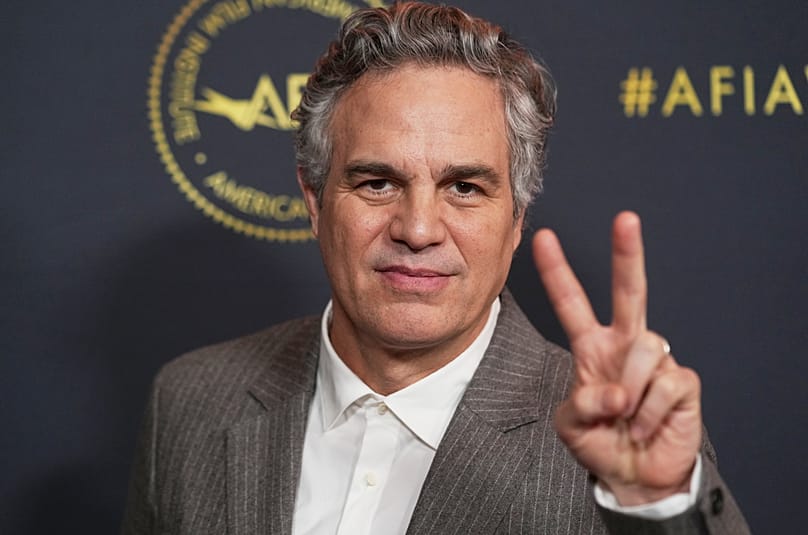
Mark Ruffalo
Mark Ruffalo AP Photo

Ruffalo rejected the accusation and more than 170 Jewish artists, academics and public figures subsequently signed an open letter defending the actor, warning against attempts to silence criticism of Israel or the proposed merger.

The open letter titled “Enough!”, signed by the likes of Joel Coen, Joaquin Phoenix, Ilana Glazer, Todd Haynes and Hannah Einbinder, read: “We are Jewish artists, writers, creative professionals, faith leaders and thinkers who have, in response to the outrageous smear campaign against our respected colleague Mark Ruffalo, a simple message to share with the world: Enough!”.

“Enough with the false and dangerous weaponization of charges of antisemitism against those who are brave enough to point out the obvious: that the assault on the Palestinian people and the assault on our liberties at home are deeply interconnected, and there is nothing antisemitic about recognizing that fact.”

The letter notes that the proposed merger of Paramount and Warner Brothers Discovery will “destroy thousands upon thousands of livelihoods” and “further consolidate the oligarchic control of our media” as part of a “larger project of tech-driven domination.”

“Larry Ellison and his partners have never been shy about trumpeting - and one they themselves have explicitly linked to their support for the ongoing depredations being visited on the people of Palestine and their silencing of critics of those horrors,” the letter reads.

The letter ends with the signatories stating that they “stand proudly with Mark Ruffalo, and with all decent people who are bravely rising and speaking truth to power.”

Susan Sarandon stars in The Echo Chamber, which is one of 21 films competing for Venice’s Golden Lion award. The prize will be presented on 12 September.

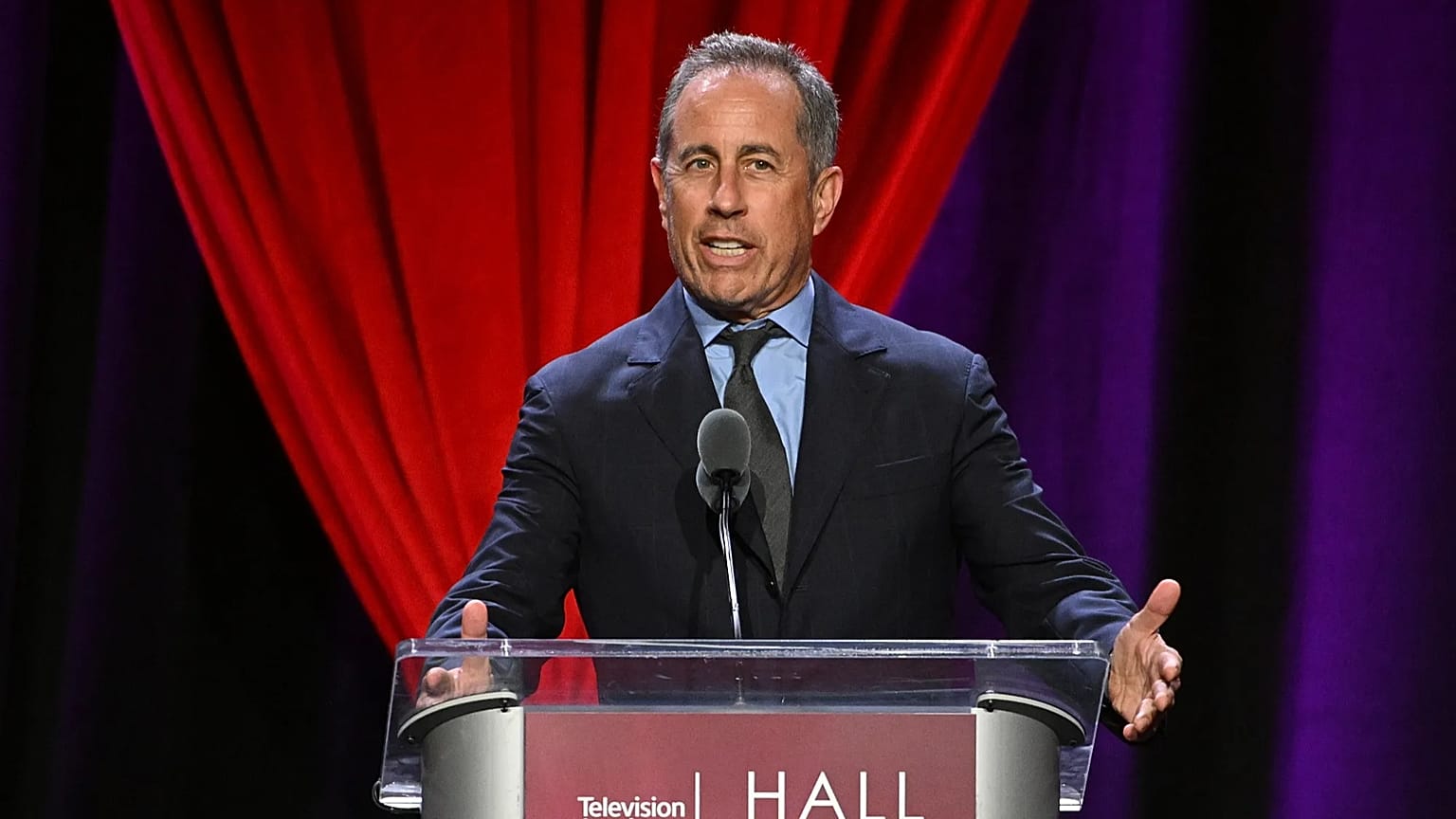
 

Boycott? Portuguese artists cancel shows at Seinfeld-headlined comedy festival

GENOCIDE IS NOT FUNNY
Boycott
Copyright Phil McCarten/Invision for the Television Academy/AP Content Services


By Diana Rosa Rodrigues
Published on


Several performers have pulled out of an October comedy festival, apparently in protest at headliner Jerry Seinfeld's pro-Israel stance on the Gaza war.

A comedy festival in Portugal is currently giving people little reason to laugh. The 1st edition of the Lisbon International Humour Festival, Commedia a La Carte Fest, is being overshadowed by controversy, with several Portuguese artists cancelling their shows.

The most recent case is that of actress Inês Aires Pereira, who announced on Saturday that her show "Namastê" was being removed from the comedy festival's line-up.

The performer wrote on social media that "one of the names persistently defends ideas and acts that I consider indefensible." She added: "We cannot relativise or normalise a genocide."

Her criticism did not explicitly mention anyone, but the apparent target seems to be Jerry Seinfeld, the American comedian headlining the event, who has publicly expressed his support for Israel.

The Portuguese actress was not the first to announce she was pulling out. Also on Saturday, the comedy duo Cebola Mol, made up of Eduardo Madeira and Filipe Homem Fonseca, said they would not be taking part in the festival.

"We will celebrate justice, freedom and joy with you on another occasion," they wrote on social media.

The accompanying image shows an illustration of the comedians and a watermelon, a symbol widely recognised as expressing solidarity with the Palestinian cause, especially on social media.

The concert "Tributo Pop" (Carolina Deslandes, Tatanka and Bárbara Tinoco) and the group Conjunto Cuca Monga were the first to withdraw. Comedian Pedro Tochas and visual artist Vhils (Alexandre Farto) followed.

"Thank you to everyone who asked. My name was announced on one of the festival's posters. I asked for it to be removed and it was. As some people still think I'm taking part, let me be clear: I will not be at MEO Commedia a La Carte Fest," the artist said on Instagram.

The artists have only announced the cancellation of their shows and their presence, without giving any explanation.

The 1st edition of the Lisbon International Humour Festival, Commedia a La Carte Fest, is scheduled to take place between 29 October and 1 November. Calls for boycotts and cancellations have multiplied, especially on social media.

So far, the organisers have kept the bill unchanged, still featuring names such as Herman José, Clarice Falcão, Matilde Breyner and the quartet César Mourão, Vasco Palmeirim, Pedro Ribeiro and Vera Fernandes, with no public indication that they might reconsider Seinfeld's presence.

The comedian's views have become more visible since the 7 October 2023 attacks. Seinfeld met families of victims abducted by Hamas and defended Israel, aligning himself clearly with the Israeli cause during the current conflict.

This change in attitude, after decades in which he avoided commenting on political issues, has become one of the most debated aspects of his recent career.

During an event last year at Duke University in North Carolina, the comedian even compared the Free Palestine movement to the Ku Klux Klan (source in Portuguese) (KKK), a white supremacist organisation.

"When you say 'Free Palestine' you are not admitting what you really think. So actually, compared with the Ku Klux Klan, I think the Klan is even a little better in this respect, because they can say openly: 'We don't like black people, we don't like Jews.' OK, that's honesty."

The Hamas attack on Israeli soil left around 1,200 people dead and more than two hundred hostages. It triggered an escalation of the conflict in the region, with more than 73,000 deaths and over 174,000 people injured, according to Hamas, which does not distinguish between fighters and civilians.

Jerry Seinfeld will perform at MEO Arena (source in Portuguese) on 1 November, with tickets priced between 60 and 250 euros and some sections already sold out.


Trial begins in Finland of man accused of abusing 361 children online over three years

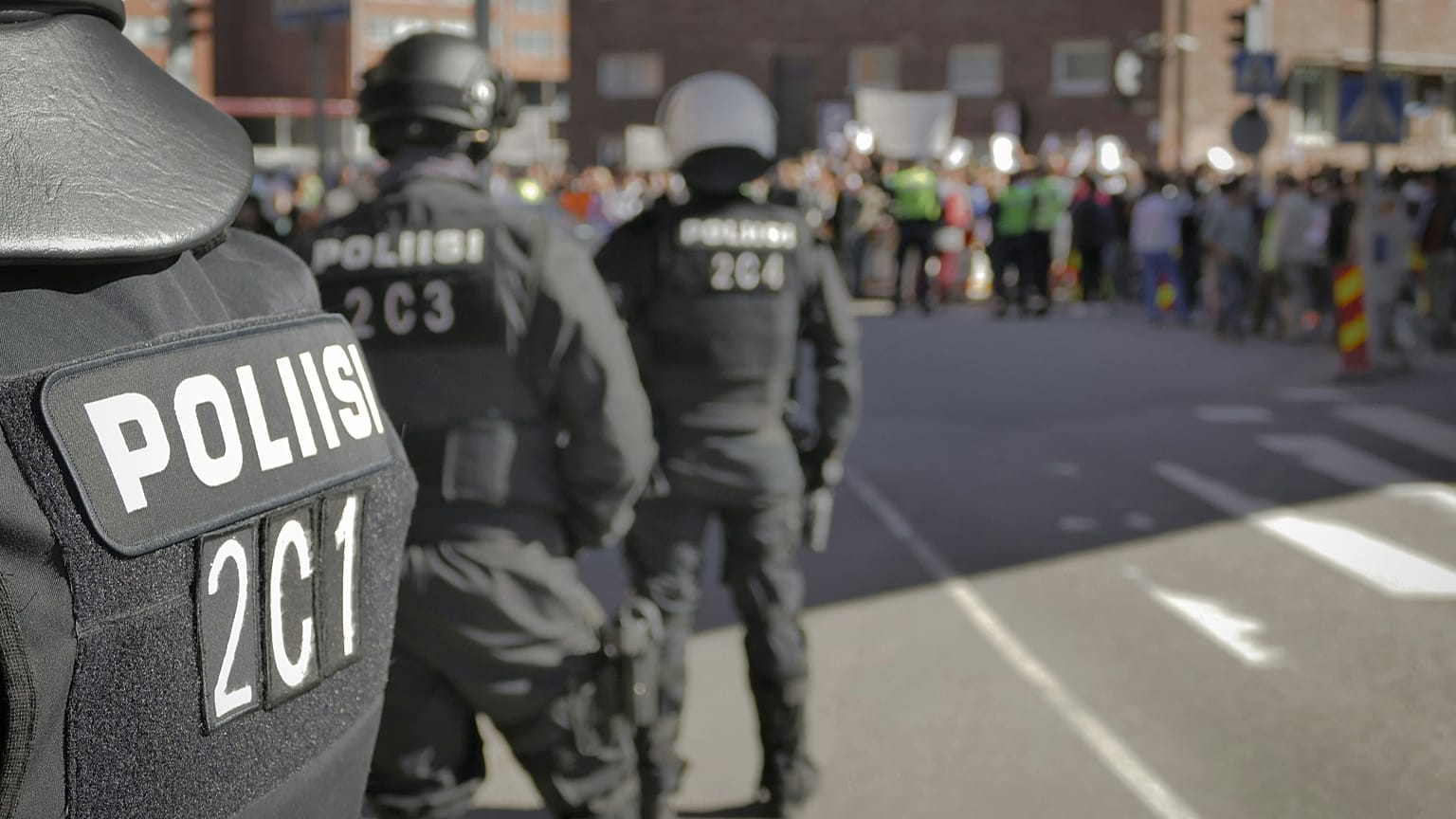
Police on the street of Helsinki, 12 September, 2016
Copyright Unsplash/Harri Kuokkanen

By Gavin Blackburn
Published on

Thousands of videos and images of unidentified children had been found on the man's mobile phone in 2022, when police searched his phone in connection with another criminal case, police said in December.

A man goes on trial in Finland on Monday charged with sexually abusing hundreds of children aged nine to 15 on social media platforms including Snapchat.

A public presentation of the case was to take place at the Pirkanmaa district court on Monday, before continuing behind closed doors on Tuesday.

The man has been charged with carrying out various sexual offences on 361 children between 2019 and 2022.

According to Finnish public broadcaster Yle, the victims were boys living across the country.

In December 2025, Finnish police announced they were investigating a 27-year-old man suspected of 364 sexual offences against children.

The National Prosecution Authority then said in June that prosecutors had decided not to press charges in three of the cases.

The introduction page for Snapchat shown in a mobile phone displayed at Apple's App Store in Chicago, 30 July, 2019 AP Photo

Thousands of videos and images of unidentified children had been found on the man's mobile phone in 2022, when police searched his phone in connection with another criminal case, police said in December.

The man had allegedly contacted the children via Snapchat, asking them to take and send him photos or videos of themselves wearing very little clothing or naked.

He had also asked them to perform sexual acts, police said.

The main charges against him were aggravated sexual abuse of children, sexual abuse of children and aggravated distribution of an image depicting children in a sexual manner, the prosecutor told the AFP news agency ahead of the trial.

The man partly admitted to the offences during the investigation.

With approximately 45 hearing days dedicated to the case, the proceedings are expected to last "at least until the end of this year," according to the court.


'This is not a film': Bullet-riddled Ukrainian ambulance displayed at Russian embassy in Lisbon

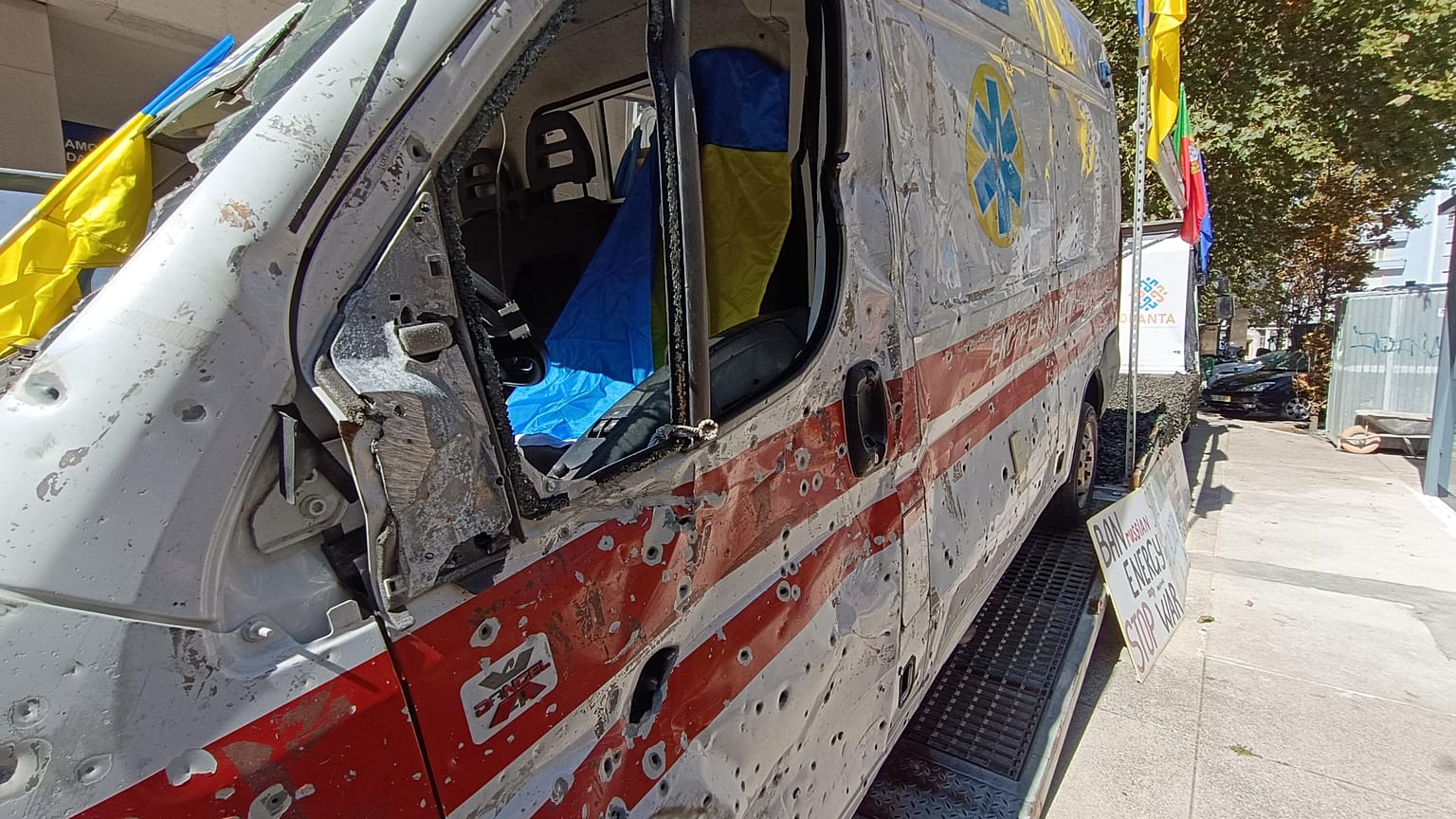
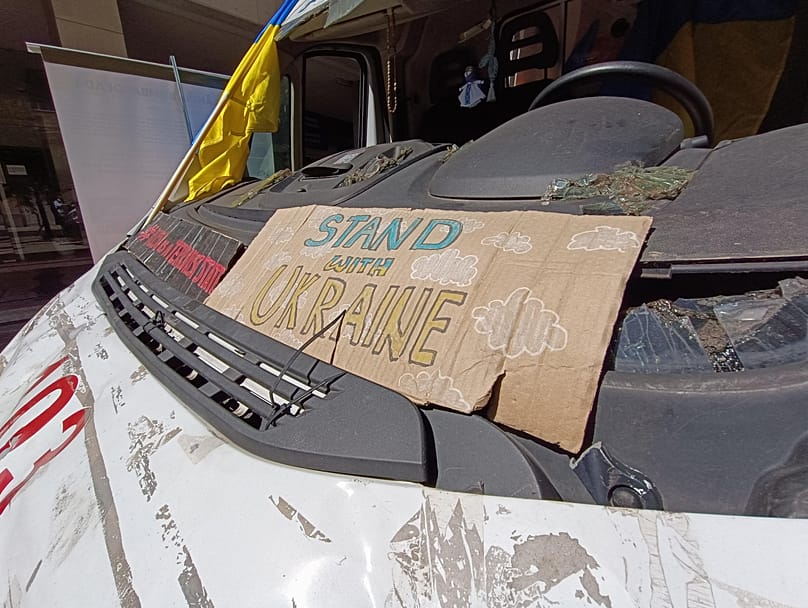
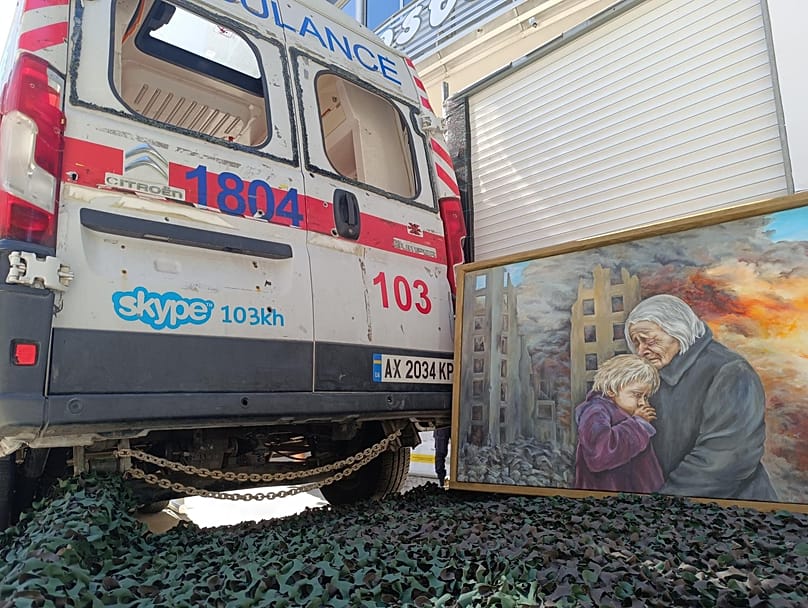
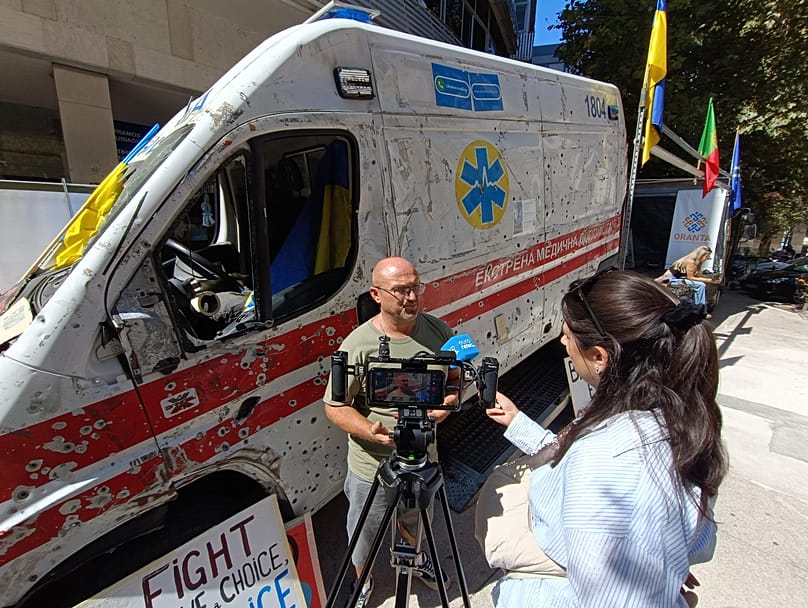
Bullet-riddled Ukrainian ambulance displayed outside the Russian embassy in Lisbon
Copyright Euronews/Bruno Figueiredo

By Diana Rosa Rodrigues
Published on

Totally wrecked, this vehicle, parked for a day outside the Russian embassy in Lisbon, highlights the reality of the war in Ukraine. The exhibition aims to raise funds to send medical vehicles there.

Many people walking the streets of Lisbon will be greeted by an unusual sight: an ambulance riddled with bullets, completely out of action. The story of the vehicle, now on display in the heart of the Portuguese capital, goes back to 2022 during a rescue operation in Kharkiv, Ukraine.

"A medical team was called out to rescue a woman injured in a bombing. After they had entered the building to rescue her, this ambulance came under fire," Roman Grymalyuk, president of the Portuguese-Ukrainian association ORANTA, tells Euronews.

For this Portuguese-Ukrainian citizen, although the vehicle stands as evidence of Russian attacks on civilians in Ukraine, the story has a bright side.

"The only thing that was destroyed was the metal," Roman says, stressing that at least in this case no human lives were lost.

Bullet-riddled Ukrainian ambulance displayed outside the Russian embassy in Lisbon Euronews/Bruno Figueiredo

Once a medical emergency vehicle, it is now an exhibit which, according to the association, lays bare the horrors of the conflict and of Russian attacks on civilians. For Roman, who describes Russia as a "terrorist state," the ambulance is a tangible, irrefutable piece of evidence of war crimes.

The vehicle has toured several European countries and has only recently arrived in Portugal. Before reaching Lisbon, it had already been shown in several Portuguese cities.

"This ambulance already has a long story behind it. This is not the first place where it has been exhibited. It has been travelling around Europe since 2023, starting out from the European Parliament," he tells Euronews, stressing that the vehicle, together with the accompanying paintings and photographs, is intended to bring Ukrainian reality to places far removed from a real warzone.

"Here you can come up close, touch it, and grasp the pain, the scale and the problem we are facing today. This is not a film. It is a reality that is unfolding in Europe," the ORANTA president stressed.

Bullet-riddled Ukrainian ambulance displayed outside the Russian embassy in Lisbon Euronews/Bruno Figueiredo

'One of the most hostile countries in Europe'

In the capital, the ambulance has been parked just a few metres from the Embassy of the Russian Federation. For Roman Grymalyuk, this is yet another act of resistance, especially after the embassy's attaché recently said that Portugal was one of the most hostile countries in Europe.

"If Portugal is the enemy of a terrorist country, we can say it is on the right side of history, on the right side of the world and of the defence of humanity," Roman said.

The ambulance and the exhibition that goes with it are part of the international "Ukraine is Calling" campaign run by LUkraine, which has already toured 11 European countries.

Winner of the European Citizen's Prize in 2023, the campaign aims to raise funds for more than 100 medical vehicles for Ukraine.

Roman Grymalyuk, president of the ORANTA association, speaking to Euronews Euronews/Bruno Fiqueiredo

ORANTA, the Association for the Support of the Ukrainian Community in Portugal, has been active in the Algarve since 2022, is one of the partner organisations, and has already sent 31 medical and rescue vehicles to the country.

The association is in regular contact with municipalities and fire brigades in order to secure decommissioned vehicles in Portugal that can be refurbished and sent to Ukraine.

"Some we manage to buy, others we manage to obtain," Roman explains. "Among the fire services, there are many ambulances that can no longer be used to provide services here in Portugal, but for us, they are extremely important."

EAST GERMANY; FROM STALINISM TO FASCISM

Could an AfD victory put Germany’s economic recovery at risk?

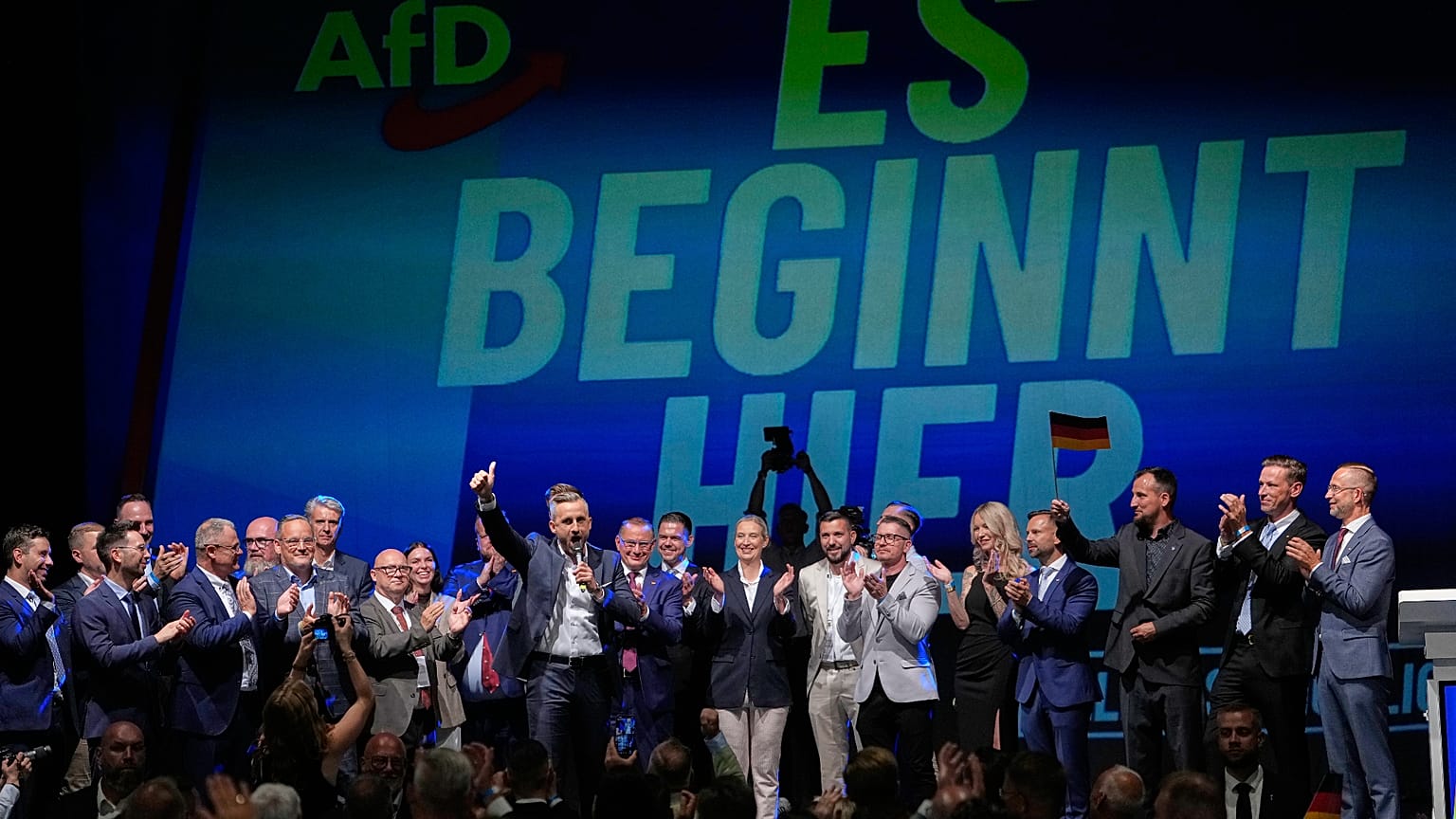
Top AfD candidate Ulrich Siegmund speaks in front of a reading "it starts here" at an election party of the "Alternative for Germany" (AfD) after the Saxony-Anhalt state elect
Copyright Copyright 2026 The Associated Press. All rights reserved


By Piero Cingari
Published on


AfD’s historic Saxony-Anhalt victory adds a potential new political risk to Germany’s fragile recovery, raising fears that fragmentation in Berlin could delay reforms needed to sustain growth.

Germany crossed a line on Sunday that had held since the Federal Republic was founded in 1949.

The Alternative for Germany (AfD) took 43.8% of the vote in Saxony-Anhalt, the first outright win for a far-right party in a German state since the war.

It secured 39 of the 83 seats in the Magdeburg parliament, three short of a majority.

The result was equally striking for what happened to Chancellor Friedrich Merz’s Christian Democratic Union (CDU). Its vote share collapsed to 17.2% from 37.1% in 2021.

The Social Democrats, Greens and Left Party each secured eight seats.

The immediate economic consequences should be small. Saxony-Anhalt accounts for less than 2% of German output.

The bigger risk lies in what happens next in Berlin.

The real political risk is in Berlin

The AfD more than doubled its 2021 vote and became the first far-right party to win a German state election since the Second World War.

At the national level, the result reinforces an already dramatic erosion of support for Merz.

Only 13% of Germans are satisfied with the chancellor’s performance, matching the lowest reading for any incumbent chancellor in the history of the ARD-DeutschlandTrend survey.

The AfD leads nationally on 27%, six points ahead of the CDU/CSU at 21%, according to the latest polling average compiled by DAWUM.

That matters because Germany’s economic strategy increasingly depends on a federal government capable of implementing politically difficult reforms.

“We see an increasing risk of a political stalemate at the national level that would derail necessary reforms and could prompt us to revise Germany’s potential growth downwards,” Oxford Economics economist Alexander Valentin said.

The direct economic impact of the eastern state elections should remain limited.

Oxford Economics estimate that Saxony-Anhalt, Berlin and Mecklenburg-Western Pomerania, the three states voting this autumn, account for only around 8% of German GDP.

Together, they hold just 11 of the 69 votes in the Bundesrat, Germany’s upper house.

Valentin said none of the likely election outcomes would alter the national balance of power, assuming the federal coalition survives.

The risk is therefore less about an immediate economic shock and more about political contagion.

Heavy losses for mainstream parties could intensify internal pressure on the CDU and Social Democrats.

That could make compromises over pensions, labour markets and energy policy harder.

Corporate Germany now needs reform, not just spending

Germany’s industrial difficulties were never simply caused by insufficient government spending.

Slow permitting, high energy costs, labour shortages, ageing infrastructure and weakening competitiveness have all complicated long-term investment decisions.

Intel’s abandoned semiconductor project in Saxony-Anhalt became a symbol of that problem.

The US chipmaker was going to spend €30 billion on a chip complex, backed by roughly €10 billion of federal subsidy and promising 3,000 direct jobs. Intel cancelled the project in July 2025.

The challenge is even clearer in Germany’s most important industrial sector.

Volkswagen AG is implementing the biggest restructuring in its 89-year history.

On 3 September the supervisory board approved Future Plan 2030, adding 50,000 job cuts to the 50,000 already under way.

That is close to 100,000 positions by the end of the decade, around 15% of the group's workforce.

Four German plants, at Emden, Zwickau, Hanover and Neckarsulm, have no secured car production beyond 2031.

Shares of Volkswagen AG have fallen by 78% since their 2020 highs.

The broader German car industry tells a similar story.

Germany produced 2.65 million passenger cars during the first eight months of 2026, 4% fewer than a year earlier and 16% below 2019 levels.

Political fragmentation make fixing these problems harder.

Markets are cautious, not panicking yet

The market reaction to Sunday’s regional election was relatively muted.

The DAX index traded 0.3% lower.

The 10-year Bund yield rose by just 1 basis point to around 3.35% on Monday, close to levels not seen in 15 years.

The rise from June’s 2.8% Bund yield has been driven mainly by higher energy prices, renewed inflation concerns and expectations of tighter European Central Bank policy, rather than by Germany’s political turmoil itself.

Still, persistently higher borrowing costs increase the price of policy mistakes.

There is light, and there is a deadline

The irony is that Germany’s underlying economic data are beginning to strengthen.

The S&P Global manufacturing PMI jumped from 52.2 in July to 54.3 in August, its highest in 51 months.

New orders increased at the fastest pace since February 2022, helped by defence spending, data-centre construction and stockpiling.

“The recovery in the German manufacturing sector kicked up a gear in August,” S&P Global Market Intelligence economics associate director Phil Smith said.

That leaves Germany at an economic crossroads.

Sunday’s election does not kill the recovery. Defence spending, infrastructure investment and improving factory orders could keep growth moving higher.

Germany no longer lacks fiscal firepower.

What Sunday put in doubt is whether it still has the political cohesion to spend it well, and the two years in which that question gets answered have already begun.


Belgian prosecutors detain former reasearcher and probe alleged Chinese espionage at bankrupt chipmaker

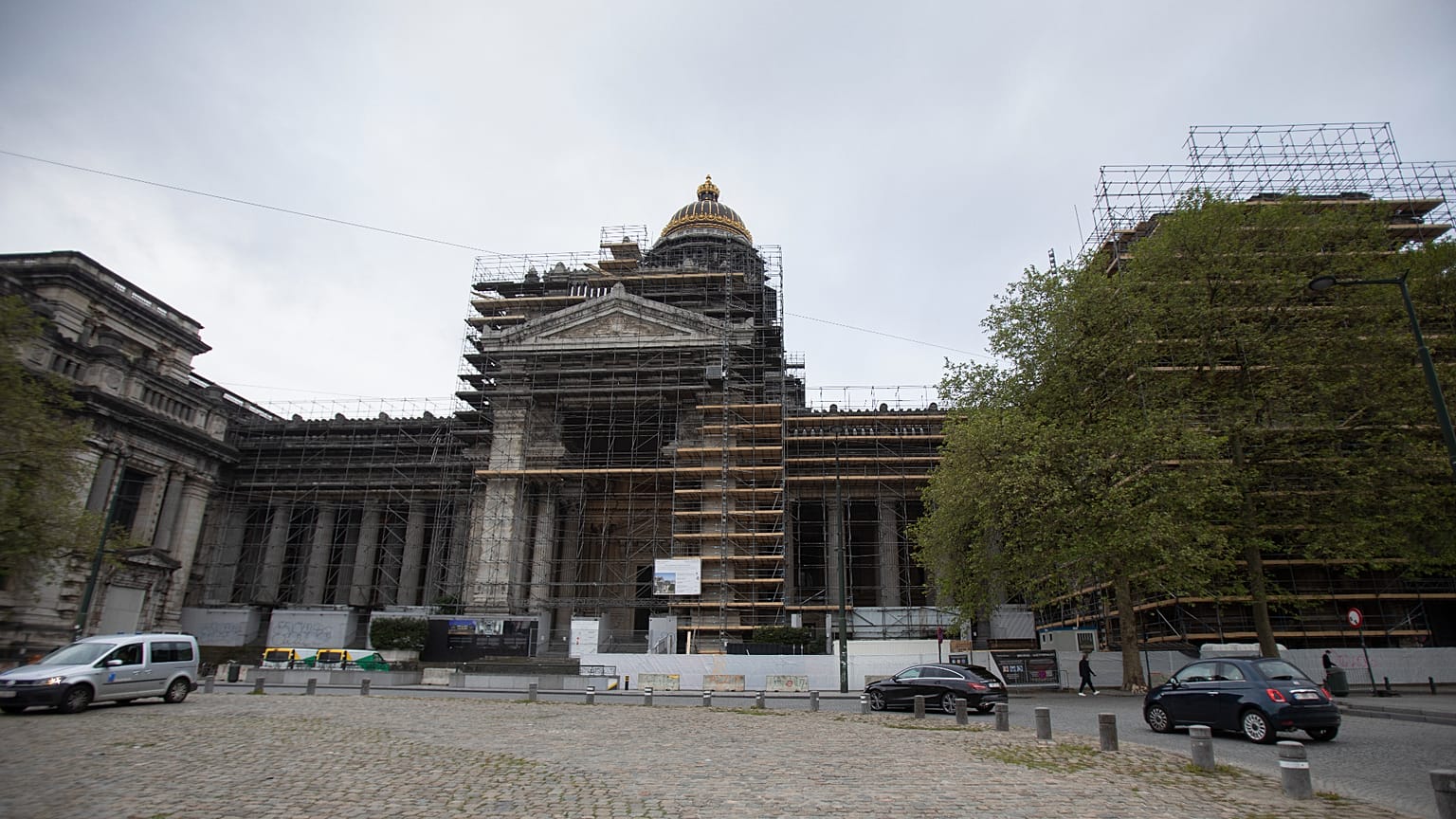
Construction workers reinforce scaffolding on the Palace of Justice in Brussels.
Copyright AP Photo

By Sandor Zsiros
Published on

The suspected leak of gallium nitride chip technology from bankrupt firm BELGAN to a China-based rival comes amid a wave of investigations into suspected Chinese espionage across Europe.

Belgian prosecutors have detained a Chinese-Belgian national in connection with an espionage investigation linked to China, the Federal Prosecutor's Office has announced.

The suspect was detained in May, as he was about to board a flight to Beijing, though authorities disclosed the arrest only now.

Prosecutors are investigating charges of espionage, participation in a criminal organisation, misuse of company assets and unlawful disclosure of trade secrets in connection with Belgian semiconductor company BELGAN BV, which went bankrupt in 2024, leaving 400 employees without jobs.

According to prosecutors, the 52-year-old suspect held a senior research position at BELGAN while also serving as a director of a Chinese company with similar manufacturing activities, financed by a Chinese investment fund.

"The investigation may point to the unlawful transfer abroad of specialised intellectual property and trade secrets relating to the production of gallium nitride chips," the Federal Prosecutor's Office said in a statement.

The technology is used in electric vehicles, aerospace and military applications.

Prosecutors confirmed to Euronews that a second suspect is being sought in the case. Authorities have carried out searches and seized data storage devices. According to Belgian public broadcaster RTBF, the detained man denies the charges against him.

Belgian authorities had already begun investigating BELGAN's 2024 bankruptcy. The company, which was developing a new generation of chips, was partially acquired by Hong Kong-based Chinese investors, who appointed managers to the Belgian firm.

The same investors reportedly set up a similarly focused company in China, GaNkool, and transferred sensitive licences and technologies to it.

Chinese espionage cases on the rise

Several China-related espionage investigations have been launched across Europe in recent months. In June, a Canadian intern of Chinese origin was arrested in Mons, Belgium.

The suspect worked in IT at NATO's Supreme Headquarters Allied Powers Europe and had access to sensitive data.

In 2025, Jian Guo, a former assistant of Chinese origin to German far-right lawmaker Maximilian Krah at the European Parliament, was sentenced to five years in prison for passing sensitive EU documents to Beijing.

And in the United Kingdom, two British-Chinese dual nationals were convicted and jailed this summer for surveilling exiled Hong Kong dissidents on British soil.


EU races to rethink Arctic policy as the global power grab continues

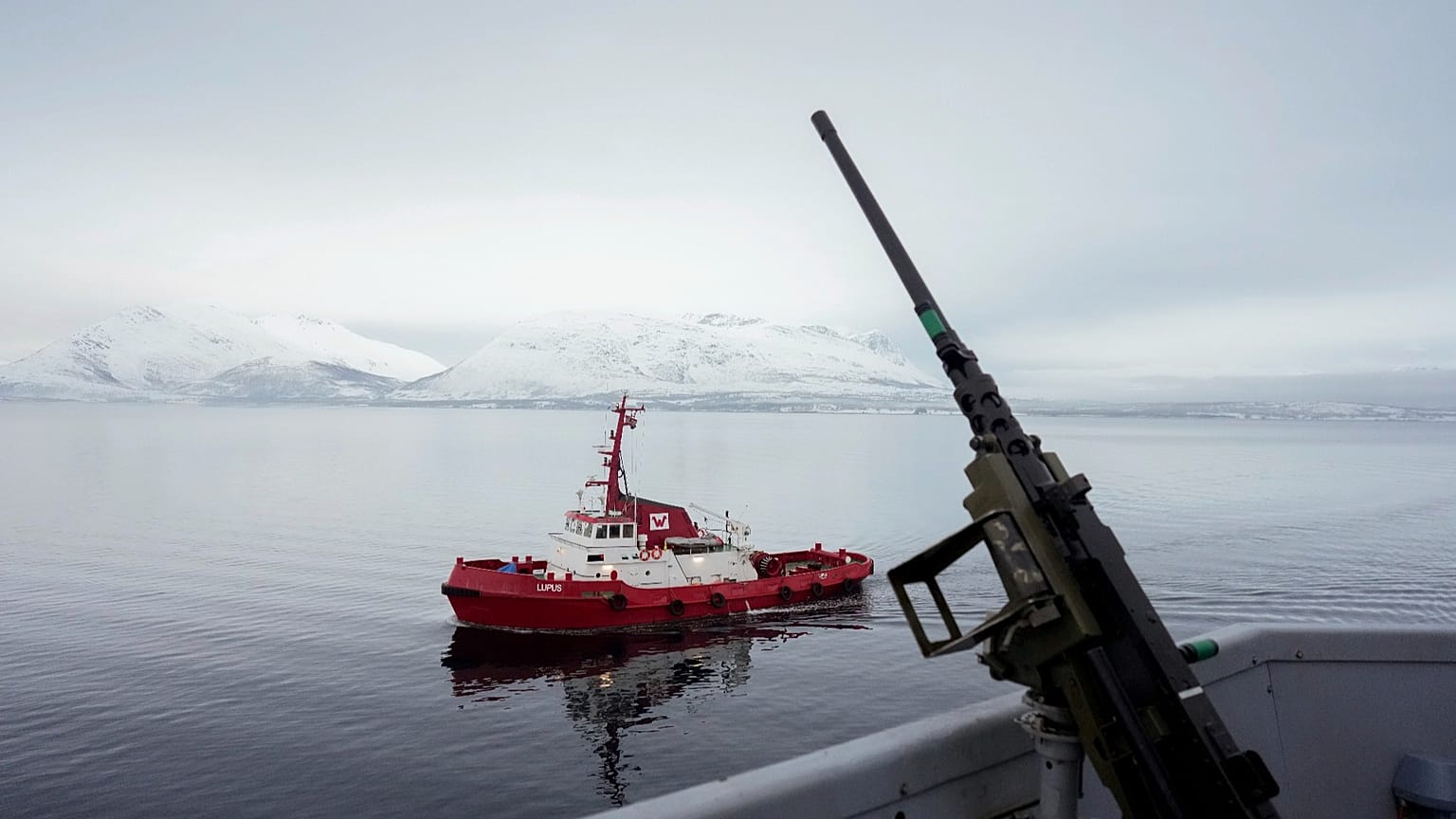
A tugboat sails alongside the French navy frigate Normandie before it docks during a patrol in a Norwegian fjord, north of the Arctic circle, Friday 8 March 2024.
Copyright AP

By Angela Skujins
Published on

European Commission President Ursula von der Leyen is in Greenland to discuss the Arctic's growing importance among allies. The visit comes as Brussels is busy preparing a reviewed Arctic policy, with experts warning it must have security and defence at its core.

European Commission President Ursula von der Leyen is completing her two-day whistlestop tour of the Greenlandic capital, Nuuk, on Monday to further European Union-Arctic relations — and gather intelligence as the European Union maps out a new Arctic Policy.

When the policy's first iteration was published in 2021, it made little reference to growing security threats. Instead, the then-EU foreign policy chief Josep Borrell emphasised climate change, raw materials and geostrategic influence as central to the document.

But in the years since, the European Commission has admitted the policy needs an urgent revamp to address the changing security and defence environment in the region — a more militarised Russia, for one thing, as well as China's effort to expand its economic footprint as melting ice opens new Arctic Sea routes.

A European Commission spokesperson told Euronews that the updated document will aim to promote “peace, stability, and sustainable development in the region”, and that Brussels is committed to playing a constructive role in the territory.

They said the Arctic had gained “significant global attention” due to its unique environment and role in international dynamics.

“This update is necessary to maintain that the policy is relevant and effective in addressing the evolving challenges and opportunities in the Arctic region,” they said.

However, various people involved have told Euronews the publication of the policy has been “delayed”, and the Commission spokesperson was unable to provide a date.

As the wait continues, experts have warned Euronews there is much at stake if the EU executive does not get this new version right — particularly when it comes to security and defence.

Who is in the Arctic?

Russia and China have become increasingly active in the resource-rich High North. The United States and Canada are also present in the area, as are three EU member states: Finland, Sweden and Denmark.

“If you look at the Arctic, this is the place where all the superpowers meet,” Estonian MEP Urmas Paet told Euronews. Paet has drafted several high-profile reports regarding EU foreign policy, including one on the Arctic.

In a 2025 report, he strongly urged the European Commission to update its Arctic strategy, stressing that Russia’s militarisation and China’s Polar Silk Road have transformed the region into a major geopolitical flashpoint.

If the new strategy does not rise to the moment, he said, Europe will be “more and more” marginalised in the Arctic, with other superpowers potentially gaining the upper hand.

“The Americans, Chinese, and Russians will be more and more active, and well, Europe, less and less relevant,” he said.

Paet has urged Europe to work more closely with Greenlandic partners when it comes to critical raw materials and energy, and has called for the EU’s next long-term budget to earmark funds for a range of economic activities in the region, such as fishing, icebreakers, and infrastructure investments.

“The important point for this new strategy is that it clearly reflects adequately what is ongoing, and also shows the way how the European Union, also through its budget should react to all those changes we have witnessed."

The major issue now, Paet said, is publication. “They are very delayed,” he said.

What do these foreign powers want?

Arctic warmingis nearly four times the global average, with more than 10,000 cubic kilometres of sea ice lost in the region over the last 40 years. This continued warming has accelerated glacier melt, making the region increasingly attractive to countries by opening up new shipping routes in previously inaccessible areas.

In 2018, Chinese President Xi Jinping articulated his Polar Silk Road initiative. This is Beijing’s official vision to establish shipping infrastructure through the Arctic Ocean to link Europe and Asia.

In August, Russian Foreign Minister Sergey Lavrov trumpeted the news that a container ship from China had arrived at the Russian city of Murmansk via a once-impassable Arctic route. He celebrated the development while outlining Russia’s plans to develop other international cooperation in the region.

Meanwhile, the EU’s foreign policy chief Kaja Kallas said in February that given US President Donald Trump’s annexationist rhetoric toward Greenland, and these other geopolitical issues, the Arctic can no longer be considered a quiet corner of the map.

“It is the front line of the global power competition,” she said, while attending an Arctic-oriented conference in Tromsø, Norway.

Kallas warned that hybrid threats are growing in intensity and frequency in the region and are tied to Russia’s “enduring military build-up” in the High North.

“In response, European allies are stepping up on Arctic security, and the European Union is ready to do its part,” she said.

How do you secure the Arctic?

North Atlantic Treaty Organisation (NATO) Secretary-General Mark Rutte cautioned that in the face of China's growing interest in the High North and Russia's increased military activity, "it was crucial that we do more,” he said.

As a result, NATO launched Arctic Sentry in February. The multi-domain activity aims to strengthen the Alliance’s posture in the area by bringing together allies under one overarching operational strategy. A senior NATO official told Euronews the criteria for success would depend on how Russia and China respond to NATO’s increased footprint in the region.

Linda Solstrand Dahlberg, a senior representative of the Arctic University of Norway, told Euronews that the policy could incorporate a blueprint for greater EU and NATO coordination regarding the Arctic. This would safeguard subsea cables connecting Norway to mainland Europe, as well as coordination against the growing militarisation by foreign powers, such as Russia.

“A secure Arctic is inextricably linked with European security,” she said.

Dahlberg also suggested the document should explore the possibility of greater defence industry cooperation, which could benefit European countries looking for weather-tested capabilities.

“We've got competence and expertise in this area of the world, and we have stress testing capabilities for cold climates."

European Policy Centre defence analyst Maria Martisiute said the major shortcoming of the 2021 policy is that it does not mention military defence. She reiterated that the EU's geopolitical agenda has clearly changed since then, with Russa’s full-scale invasion of Ukraine.

But there have been developments outside of this, with Europe developing Security and Defence Partnerships with Canada, Iceland, Norway and the UK.

“These partnerships have to also be reflected in the new EU Arctic strategy,” Martisiute said.

Together, Martisiute and Dahlberg published a paper with dozens of recommendations for the EU's forthcoming policy. The most important thing that the European Commission must consider when finalising the document, according to them, is that they are cognisant that Arctic defence impacts European defence.

“The Arctic doesn’t exist in a vacuum,” Martisiute said. “It’s very closely integrated into the wider security landscape.”