Friday, July 31, 2026

Where you live could decide how well you breathe, French study finds

Repeated heatwaves in France are taking a toll on people's lungs, doctors say, with young patients with no prior respiratory issues increasingly being admitted to hospital, a leading pulmonologist has told RFI.


Issued on: 31/07/2026 - RFJ

According to an international consortium of researchers, global warming caused by human activity could reach 1.5C around 2030. REUTERS - Temilade Adelaja

"Extreme heat causes the bronchi to constrict. This bronchoconstriction leads to breathing difficulties," Professor Colas Tcherakian, a pulmonologist and consultant at Foch Hospital near Paris, told RFI. "You may feel unwell, even without having a respiratory condition."

"With the succession of heatwaves, we are learning that anyone can end up in hospital with a respiratory infection," Tcherakian added.

"It has now been clearly demonstrated that, when a heatwave lasts more than three days, the risk of developing this type of infection increases by 70 percent: that’s enormous."

Heat affects the range and circulation of bacteria, viruses, mould and other pathogens, while also reducing the body’s ability to fight infection.

"The first effect is that it inhibits our immune defences, which function less effectively above a certain temperature," Tcherakian said. "We become less able to defend ourselves against infection."

Heat also interferes with the development of a protein known as CFTR, which helps the body regulate fluid and electrolyte levels. In the lungs, it plays an important part in controlling the thickness of mucus.

That mucus normally traps infectious agents, dust and pollution before being moved out of the bronchial tubes by tiny hair-like structures. When it becomes too thick, it can no longer perform that function properly.

"All of this accumulates in the lungs, along with bacteria, viruses and an immune system that isn’t functioning properly," Tcherakian said. "Ultimately, this leads to more frequent lung infections."

Up to 10 million people in France have a respiratory condition such as chronic obstructive pulmonary disease, pulmonary fibrosis or lung cancer. Heat can quickly make breathing more difficult for them and increase the risk that their condition will worsen.

Children under 15, people over 75 and women are also more sensitive to heat, Tcherakian said.


Heat and pollution

High temperatures are not the only danger. Heatwaves generally occur during periods of strong sunshine and increased road traffic pollution, creating higher concentrations of ozone.

Sunshine, heat and exhaust fumes combine to produce the gas, which irritates the respiratory system. People are therefore exposed to both the direct effects of heat and increased air pollution.

France has experienced a sharp rise in emergency admissions during its recent heatwaves, particularly among older people. But the number of younger patients with respiratory infections has also surprised doctors.

"I was extremely surprised by the frequency of respiratory infections in people I wouldn’t have expected: young people with no risk factors being hospitalised for infections," Tcherakian said.

"I also saw a patient hospitalised with flu at this time of year, which points to quite significant changes in viral circulation and susceptibility to infections."

Recent heatwaves appear to be affecting a different range of patients from those seen during previous episodes.

"These heatwave episodes are really very different from what we’ve seen before," Tcherakian said. "This is probably due to better management of patients who are already vulnerable. But we’re still seeing a change in the profile of people affected during heatwaves."


People ride the ferry to Toronto Island, as wildfire smoke from northwestern Ontario, combined with an intense heat wave, fills the sky, prompting health warnings and calls for residents to limit outdoor activity in Toronto, Ontario, Canada, 15 July 2026.
 © Carlos Osorio / Reuters

Wildfire smoke adds another respiratory threat. It can travel hundreds or even thousands of kilometres, meaning fires in southern France can affect people in Paris – smoke from Canadian wildfires has previously reached France.

The smoke contains gases and extremely fine particles known as PM2.5, which are also found in vehicle exhaust fumes. Measuring about 2.5 microns, they can penetrate deep into the lungs and enter the bloodstream.

"They are extremely toxic, capable of penetrating deep into the lungs, and can even enter the bloodstream, causing cardiovascular effects," Tcherakian said. "This increases the risk of heart attacks and can cause neurological disorders, such as the onset of dementia. And, of course, it triggers respiratory diseases."

Particles released by wildfires are more toxic to the bronchial tubes than particles from conventional pollution, he added. More frequent fires could therefore produce a lasting rise in pollution and respiratory illness.

Pollution is already linked to 300,000 new cases of asthma each year in Europe, Tcherakian said.

Environmental factors

A national study led by Tcherakian and published in the British Medical Journal in December 2025 examined the health records and living environments of 660,000 patients in France.

The researchers studied several social and environmental risks at the same time, including temperature, pollution, climate, pollen and viral outbreaks. They then compared people’s exposure with their risk of hospital admission for respiratory illness.

Previous studies had generally considered those risks separately or focused on particular diseases and population groups.

"No one had looked at all the risk factors at the same time, and no one had done so on a national scale," Tcherakian said.

The study found that densely built cities with large amounts of concrete were areas of particular vulnerability, especially for people with asthma. Green spaces and wetlands appeared to offer some protection against hospital admission.

But rural and mountain areas were not automatically healthier. People living near vineyards treated with pesticides, livestock farms or homes using wood-burning heating could also face increased respiratory risks.


Research by the French National Institute of Health and Medical Research, INSERM, in Bordeaux had previously found that children living near vineyards treated with pesticides were more likely to experience worsening asthma. The national study found a similar effect across the wider population, regardless of whether people already had a respiratory condition.

The healthiest model appeared to be a green city combining access to healthcare with a balance of built-up areas, vegetation and possibly water.

"Ultimately, our model suggests that a green city is best for health," Tcherakian said. "Because you’re likely to have access to healthcare, you’re not exposed to too many risk factors, you have a good balance of built-up areas and green spaces, and possibly a body of water."

Prevention could also reduce the growing cost of treating respiratory illness, particularly by lowering temperatures in the areas facing the greatest risks.

"If we were to invest in high-risk areas to bring temperatures down, we’d make significant savings because what’s very costly in the management of respiratory diseases is hospitalisation, not the treatments given to patients," Tcherakian said.

This article has been adapted from an interview in French by RFI's Géraud Bosman-Delzons.
Cats, dogs and horses: Rescuing the pets caught in France’s wildfires

An uncontained wildfire four times the size of Paris has forced thousands to evacuate their homes in the fire-ravaged region of Gironde in southwestern France. Many of the evacuees were forced to leave their pets behind amid the ensuing chaos. Our special correspondent in Gironde reports on the volunteers dedicated to rescuing the four-legged victims of the catastrophic wildfires.


Issued on: 29/07/2026 - FRANCE24
By: Cyrielle CABOT


David Avril takes care of Alaska, whose owners were evacuated due to the fires in Gironde, on July 27, 2026. © Cyrielle Cabot, France 24

The "Cabanes de Tchanquées" – a canine boarding facility in the town of Créon on the northern outskirts of Bordeaux – is packed to the brim. Dogs bark on its grounds and occasionally, a few meows pierce through the din. The facility doesn’t normally house cats but the raging wildfires in the Gironde region have seen the kennel transformed into a vast refuge for pets.

Rapidly moving wildfires four times the size of Paris have burned their way through forests and homes in the area, forcing thousands to evacuate without much warning.

Amid the panic of the evacuations, many owners of cats, dogs and horses grappled with the dilemma of what to do with their pets. Leave them behind, at the risk of them being poisoned by the fumes and without knowing when it would be possible to collect them? Or take them with them, even though they didn’t know where to go or what the conditions would be like.

In the scramble to evacuate, many left their pets behind.

The owners of "Cabanes de Tchanquées" saw what was happening and stepped in. On July 25, David Avril and his wife Mary-Line – the owners of the property – converted the facility into a refuge for the animal victims of the fires. The couple wanted to help in any way they could. When they saw evacuations surge, David posted a message on social media offering to rescue animals off the streets or help anyone who had been separated from their pet.

His phone began ringing immediately and hasn’t stopped since.

'We had to tear everything down'

David has a large, well-equipped vehicle that he filled with litres of water and kibble. “The police let me through to get as close as possible to the area where the fire had passed," he explained. "I could immediately help and rescue some animals that needed it."

For the first 48 hours, he made countless trips back and forth between the Cap Ferret headland and Biscarosse – both popular regions with tourists – scouring the scorched roads in search of the animals affected. He and Mary-Line weren’t alone – a large network of volunteers, which included veterinarians, colleagues, and friends of the couple was set up in record time to join in the rescue efforts to retrieve, treat and care for the animals.

David Avril with a Belgian Malinois belonging to one of his clients who was evacuated due to the fires in Gironde, on July 27, 2026. © Cyrielle Cabot, FRANCE 24

"We managed to rescue about a hundred cats, dogs, horses – even a hedgehog and a squirrel," said David. "Some are with us, others are with people who volunteered to take them in and a few have already returned to their owners.

Among the dozens of rescues, one made a particular impression on him. "A couple called us because they had to evacuate while they were at work. Their four dogs were trapped inside their home," David said he had to rush to their home immediately – the fire was close and moving fast. “We had to tear everything down to be able to free them, just as the flames were closing in,” said David. The dogs were rescued and returned to their owners. “Everyone was so happy when they were reunited."


Relief for pet-owners


A small ginger cat hidden within a pink carrier lets out a worried meow at the back of David’s rescue van. It’s clearly a little unsettled by its neighbours – a setter and a Belgian Malinois.

Happily for the cat, who was picked up along a country road connecting Bordeaux and Lacanau, his family are due to come and collect it this afternoon

The Belgian Malinois, however, would have to wait a little longer. "He’s a regular boarder with us, so we know him well. The owner was evacuated and he preferred to leave him with us because taking a guard dog, even a friendly one, to an emergency shelter can be tricky."

Cover image: French wildfires: FRANCE 24 goes on the ground with firefighters 
© France 24
04:23


Alaska, a large white mountain dog, will also be apart from his family for a while longer. His family was evacuated and one of the owners – a doctor – was called in to help at the local hospital. "It's difficult to take care of a dog like that in these circumstances. Especially as he's young and a bit boisterous," explained David.

"It isn’t just about the rescues in fire-affected areas, it's also important to help take the burden off in this way," said David. "It's already difficult enough to be housed in an emergency shelter and to find somewhere to live while waiting for this crisis to pass. Not having to worry about your pet, and to know that it’s cared for and safe, can be a huge relief.

Preparing for the long haul

Authorities in Gironde have confirmed that the wildfire is now under control. But even if the sense of urgency has passed, David and Mary-Line must now face a new challenge: preparing for the long haul. The fires aren’t spreading at the same rapid pace they were before, but they show no signs of dying down just yet.

David and his wife have had to make the most of the space available. Everything has been reorganised. Dogs are kept three or four to a pen at the kennels instead of the typical two. “We know it’s not the legal standard, but exceptional circumstances call for exceptional measures,” David said firmly.

David Avril had to expand the premises of the boarding facility to accommodate more animals due to the fires in the Gironde © Cyrielle Cabot, FRANCE 24

More animals mean more mouths to feed and more care to provide. While David is off on his rescue and feeding trips to the disaster areas, 21-year-old Abigail – an employee at the kennels – makes sure all the pets are taken care of. She has worked at the facility for a year and has remained on duty since the boarding kennel started its rescues. "There's so much to do, day and night, with all these animals," she said. "Thank goodness all this didn’t happen last year when I was just starting out!” she joked.

David's phone rings relentlessly. It’s impossible for him to rescue all the pets left behind in the region. "We're trying our best to help everyone, but unfortunately we can't do it all. There's been a wonderful show of solidarity, but in the end, we're short on space and equipment. That's the hardest part," he lamented. "We can't save everyone. If there are any more evacuations, it's going to become a real problem."

The equestrian refugees

On the other side of the property, David’s wife Mary-Line, calmly attends to another kind of animal refugee. While David mainly took charge of the dogs and cats, Mary-Line has devoted herself to rescuing the horses.

A rider herself, she said it was easier to rescue horses than smaller animals. "Everything was much easier for the horses," she said. "The equestrian community organised itself very quickly, and connected threatened or abandoned animals with anyone who could take them in."

David and his wife Mary-Line are tending to their horse, Traviata © Cyrielle Cabot, FRANCE 24

Most horse owners used an online platform – "SOS O Paddock" – which allowed anyone needing to evacuate their horse to find a place to shelter it and arrange transport.

Like many others across France, Mary-Line was struck by videos of horses galloping through the streets of Biscarosse, in the Landes region, fleeing the fire that had broken out just a few hours earlier. "Horses have a very strong survival instinct. Letting them out of the field was the best thing to do. But I can’t imagine how heartwrenching that must have been. Fortunately, we now know that all of them have been rescued and are safe and sound," she said with a smile, stroking her mare Traviata, with affection.

Unfortunately, while several pets were saved thanks to the efforts of volunteers like David and Mary-Line, the toll on wildlife looks set to be devastating.

Several mammals, amphibians, insects and reptiles were unable to escape the rapidly advancing flames. Those who did manage to stay safe may no longer have an ecosystem to go home to.

The fires are now expected to move east – towards Italy and Greece, threatening further disaster for both humans and wildlife.

This article has been translated from the original in French.

Prepare, don't just react: EU advisers warn after 16,000 excess deaths due to heatwaves

Europe — the world's fastest-warming continent — is not adequately prepared to address soaring temperatures.
Copyright Copyright 2026 The Associated Press. All rights reserved

By Giedre Peseckyte
Published on

As Europe counts over 16,000 excess deaths due to this summer’s soaring temperatures, the European Union’s health security committee is calling for a fundamental shift in how governments prepare for heatwaves — moving away from reacting to emergencies towards systematic, long-term planning.

The recent spell of extreme heat has claimed thousands of additional deaths across Europe. With climate change expected to make heatwaves more frequent and more intense, the committee, which coordinates preparedness and responses to serious cross-border health threats, has set out recommendations aimed at strengthening Europe's resilience.

The message is stark: Europe — the world's fastest-warming continent — is not adequately prepared.

Public health systems in many EU countries remain "insufficiently prepared" to cope with prolonged periods of extreme heat, according to the committee's opinion, adopted on 30 July. It argues that tackling the growing threat requires "a cross-sectoral, whole-of-government and whole-of-society approach", combining short-, medium- and long-term measures.

The health impacts extend well beyond heatstroke. Prolonged periods of high temperatures increase mortality, exacerbate existing medical conditions and place additional strain on healthcare systems. They also affect plant and animal health, with knock-on effects for livelihoods and mental wellbeing.

Extreme heat also raises the risk of wildfires, bringing further consequences for public health through deteriorating air quality, damage to critical infrastructure and environmental degradation.

Older people, children, pregnant women, people with chronic illnesses, outdoor workers and other vulnerable groups are among those most at risk.

The committee is urging member countries to strengthen coordination across government departments and public authorities, ensure Heat-Health Action Plans are regularly updated and developed jointly by public health and civil protection agencies, and improve information sharing through the EU's Early Warning and Response System. It also calls for evidence-based measures to better protect children, workers exposed to high temperatures, and people attending large public events.

The opinion also highlights the need to better equip healthcare professionals through dedicated training to recognise and manage heat-related illnesses, while improving public communication with multilingual advice aimed at tourists and seasonal, cross-border and transport workers. At the same time, it calls for efforts to close persistent data gaps and build a stronger evidence base on the health impacts of heatwaves through the European Climate and Health Observatory.

The recommendations come as the European Commission prepares a European Integrated Framework for Climate Resilience, due before the end of 2026, which is expected to strengthen the bloc's preparedness for climate-related risks, including extreme heat.


EU crisis chief calls for prevention funding as wildfire crisis rages on

As firefighters continue to battle major blazes in France, the European Union's crisis management chief is calling for more investment in prevention, forest management and emergency response.


Issued on: 30/07/2026 - RFI

An Italian Canadair firefighting plane, deployed to help battle wildfires in France. 
AFP - PHILIPPE LOPEZ

The EU must invest more in preventing wildfires and educating the public about fire risks as climate change makes blazes more frequent and severe, the bloc’s crisis management chief has said.

Hadja Lahbib, the EU Commissioner for Crisis Management, has called for greater funding, improved forest management and stronger public awareness campaigns.

“Climate change is accelerating. So our response must evolve just as quickly,” said Lahbib. “We must prepare for risks before disasters strike, and not simply react afterwards.”

Her comments came as more than 2,200 firefighters and 20 aircraft remained mobilised against a vast wildfire in France’s south-western Gironde department on Wednesday.

Although the fire did not spread overnight, authorities warned that temperatures of around 40C, dry conditions and strengthening afternoon winds could reignite smouldering areas and carry embers beyond existing firebreaks.

“We strike quickly and strike hard at any new smoke emissions,” Gironde fire commander Matthieu Jomain said.

A Canadair plane dropping water on a wildfire near Ares, southwestern France, 28 July. AFP - BAZ RATNER


'Not out of the woods'


Firefighters are continuing to monitor three particularly vulnerable areas – northern Cap Ferret, a wooded corridor around Marcheprime, Cestas and Saint-Jean-d’Illac, and a military site near Martignas.

The advance of other major fires in the Landes and Var departments has been halted, leaving Gironde as France’s biggest remaining wildfire emergency, according to Interior Minister Laurent Nuñez.

The blaze forced around 220,000 people to leave homes and holiday sites at the height of the crisis. Tens of thousands have since been allowed to return, although officials stressed that the danger was far from over.

“The situation remains complicated. That’s clear. We’re not out of the woods,” Gironde prefect Sophie Brocas said.

Authorities ordered a further 4,000 people to leave tourist sites along the Atlantic coast on Tuesday, while allowing 60,000 evacuees to return to three Bordeaux suburbs that had escaped the flames.

Smoke from fires in Gironde and the neighbouring Landes department has also raised particulate pollution levels, while the disruption is affecting Bordeaux’s busy summer tourism season and the surrounding wine industry.

Météo-France said Wednesday was expected to be the hottest and driest day of the week, with elevated fire danger across every region of France.

Drought conditions are affecting mainland France and Corsica, with soil moisture approaching the record lows recorded in August 2022.

More than 1,160 square kilometres have burned across France since the start of the year, according to the Interior Ministry.

Coordinated response

The EU plays a coordinating role during major wildfires, although national governments remain primarily responsible for prevention and firefighting.

Brussels can organise the deployment of aircraft, helicopters and ground crews supplied by member states when a country requests assistance.

It also operates the RescEU emergency reserve, which currently includes 22 firefighting aircraft and five helicopters contracted from European countries.

By Tuesday, the EU had coordinated the deployment of seven aircraft and four helicopters to France, as well as six aircraft and three ground firefighting teams to Spain.

The bloc also stationed more than 770 firefighters in countries considered at particularly high risk before the summer began – the largest such deployment to date.

Lahbib said governments should not focus solely on purchasing aircraft and other firefighting equipment. They should also devote more EU funding to clearing vegetation, managing forests and teaching people which activities can trigger fires.

Around 90 percent of wildfires are linked to human activity, including abandoned campfires and discarded cigarettes.

“The scale and intensity of these disasters mean we will need to confirm strengthening our collective capacity,” Lahbib said.

The European Commission has proposed more than doubling EU crisis-response funding to €10.7 billion under the bloc’s next long-term budget. EU governments have suggested reducing that figure to €9.1 billion during negotiations.

The EU is also creating its own permanent firefighting fleet, with 12 Canadair aircraft and five helicopters expected to be delivered between 2027 and 2030.

(with newswires)


Drought grips Central Europe, disrupting nuclear power, shipping and agriculture

Drought grips Central Europe, disrupting nuclear power, shipping and agriculture
The Danube between Romania and Bulgaria. / IntelliNewsFacebook
By IntelliNews July 31, 2026

Europe's worst drought in decades is rippling through the continent's transport, energy and agricultural sectors, bringing shipping on parts of the Danube to a standstill, threatening nuclear power generation and exposing growing vulnerabilities as climate change pushes temperatures to unprecedented levels.

The immediate crisis is centred on the Danube, where record-low water levels have forced partial closures of nuclear power plants in Hungary and Romania, while severely disrupting one of Europe's most important inland shipping routes, with knock-on effects stretching from Germany to the Black Sea.

Paks shutdown looms

Hungary has activated a three-tier contingency plan to maintain electricity supplies after warning that the Paks nuclear power plant could be forced to close completely within days because there is insufficient water in the Danube to cool its reactors. Paks, which has four reactors with a combined capacity of around 2 GW, normally supplies almost half of Hungary's electricity consumption during peak summer periods.

The Paks nuclear power plant could be completely shut down for the first time in its 42-year history within the next two to three days, Prime Minister Peter Magyar said after hosting Bavarian Minister-President Markus Söder in Budapest. State utility MVM later confirmed the announcement, saying the shutdown, which does not constitute a nuclear safety emergency, would be carried out gradually and in accordance with nuclear safety protocols. The cooling of the plant while offline is guaranteed, it added.

The crisis has been driven by exceptionally low water levels on the Danube. At Paks, the river had fallen to a historic low, around 24 cm below the previous record set in 2018, creating an unprecedented operational challenge for both the nuclear station and Hungary's electricity system. Water levels are expected to decline further as another heatwave develops over the region, making a restart unlikely in the short term.

The situation has been compounded by an unrelated technical failure at the Dunamenti Power Plant, removing a further 400 MW of generating capacity from the grid. Magyar said electricity demand during the current heatwave was expected to reach around 7,200 MW during the evening peak, roughly 20% above a normal summer evening, although still below the all-time summer record.

To maintain supplies, the government has activated a three-stage emergency plan that includes maximising domestic generation and increasing electricity imports; reducing industrial demand and cutting electricity consumption in government buildings. Magyar also appealed directly to households to delay energy-intensive activities such as electric vehicle charging and air conditioning until after the evening peak. He pointed out that Hungary also has an existing rotational load-shedding plan that could be activated if all other measures fail.

"Given the gravity of this unprecedented situation, we ask both major consumers and the public to act responsibly. It is in all our interests to avoid unplanned outages and an unexpected but previously experienced system collapse in Western Europe."

Magyar also criticised previous governments for failing to prepare for a risk that experts have highlighted for years. He said construction of a new pumping station costing HUF10bn (€28mn) would have enabled the nuclear plant to continue drawing cooling water from the Danube even under exceptionally low river conditions, potentially delaying the shutdown by days or weeks and avoiding billions of forints in electricity import costs. Instead, he alleged, MVM had spent "hundreds of billions of forints" on politically motivated advertising, sponsorships and sports clubs, adding that those decisions would be investigated.

Hungary is not alone. At Romania’s Cernavoda nuclear power plant, Unit 1 was taken offline on July 28 because of the low flow of the Danube, leaving only one reactor generating electricity. Together, the two units normally provide around 20% of Romania's electricity demand during the summer. The company warned that the second reactor could still be shut down at any time if river conditions deteriorate further.

Romania's state nuclear operator Nuclearelectrica (BVB: SNN) said it managed to keep the remaining reactor operating after overnight monitoring showed stable conditions, delaying what could otherwise have become a complete shutdown.

Further upstream, Bulgaria's Kozloduy nuclear power plant has so far remained operational despite the drought. The station's location and engineering have helped shield it from the worst effects of the falling river. Its pumping station was designed with 34 high-capacity pumps capable of drawing water through deep suction channels even during exceptionally low river levels, allowing both reactors to continue operating.

The problems in the nuclear sector are not confined to Central and Eastern Europe. As well as the damage to agriculture across much of Europe, earlier this month, France temporarily shut down three nuclear reactors and reduced output at eight others because cooling water discharged back into rivers would otherwise have exceeded environmental limits during the heatwave.

Record-breaking temperatures

The prospect of simultaneous disruption to nuclear generation across several Danube countries has heightened concerns about regional electricity security just as Europe experiences another summer of record-breaking temperatures.

Scientists say this summer's extreme temperatures have broken the normal "Bell curve" distribution of temperature variations and shifted it sharply towards unprecedented highs, as reported by IntelliNews.

Researchers say temperatures are now moving beyond the range of historically observed climate variability, while a rapidly developing super El Niño has pushed global ocean temperatures to fresh records. The warmer oceans disrupt atmospheric circulation patterns by causing hot air to rise, altering wind systems around the world and contributing to floods in some regions, violent storms elsewhere and prolonged drought across large parts of Europe.

For governments across the continent, the immediate priority is maintaining electricity supplies, keeping freight moving and protecting harvests. But the scale and breadth of the current crisis are also fuelling a broader debate over whether infrastructure built around historical climate patterns is equipped to cope with a future in which record-breaking heat, prolonged drought and extreme weather events become increasingly frequent rather than exceptional.

Danube shipping disrupting

In Central and Southeast Europe, the consequences have already extended well beyond the electricity sector. The Danube, Europe's second-longest river and one of its most important inland transport corridors, has become increasingly difficult to navigate as water levels continue to fall to historic lows across much of Central and Southeast Europe.

The Danube is a crucial export route for agricultural commodities from Central Europe, linking Germany, Austria, Slovakia and Hungary with Romania's Black Sea port of Constanța.

In Budapest, the river fell to just 26 cm on July 28, breaking the previous record low of 33 cm set in 2018, while river flow has dropped to around 60% below its long-term average.

The Hungarian authorities say the combination of prolonged heat across both the Alps and the Carpathian Basin and the absence of significant rainfall across the Danube and Tisza catchments means water levels are likely to continue falling over the coming days, with little immediate relief in sight as another heatwave approaches.

Much of Hungary's wheat, maize and oilseed harvest is transported by barge downriver before being loaded onto ocean-going vessels for export to international markets. However, with river depths falling below navigable levels in several sections, barges are operating at only a fraction of their normal capacity. Industry estimates suggest grain vessels are carrying 20-40% less cargo than usual, while some barges have been forced to reduce loads to just 10-20% of capacity, sharply increasing transport costs because more voyages are needed to move the same volume of freight.

Although exporters can switch cargoes to rail or road, both alternatives are significantly more expensive and risk undermining the competitiveness of Central European grain on world markets.

In Serbia, water levels near Bezdan have fallen to minus 131 cm, prompting the provincial government to declare a state of emergency in Sombor and the municipalities of Kula and Vrbas. Officials warned earlier this month that critically low water levels could halt navigation on parts of the Danube altogether.

The Danube at Bratislava measured only 217-218 cm on July 27, a 30-year low. Authorities have introduced water-saving measures at the Gabčíkovo dam complex and warned that river transport could be suspended altogether if levels continue to fall.

Boat operators have already been instructed to assess whether vessels can navigate safely based on their draft.

"Boat captains have to assess whether they are still able to cross considering their weight and draft. If not, they are required to dock somewhere and wait for the situation to improve," Peter Molda, chief executive of state water company Vodohospodárska výstavba, told Slovak broadcaster STVR.

Fuel supplies disrupted

The river's problems are affecting fuel supplies. Barges carrying petroleum products from Austrian, Slovak and downstream Danube refineries have been delayed, raising concerns over shortages for smaller fuel distributors if low water levels persist.

Serbia’s Energy Minister Dubravka Đedović Handanović said barges were carrying only 30-40% of their normal cargoes, with only around one quarter of planned July petroleum imports reaching the country.

Alternative deliveries by road and rail have increased costs but cannot fully replace river transport, officials said.

The Serbian government has sought to offset the disruption by relying more heavily on domestic refining at the Pančevo refinery while maintaining strategic diesel reserves.

Moldova has declared a 30-day state of alert in its energy sector after commercial diesel inventories fell to the equivalent of just under seven days of consumption. The government said low Danube water levels had reduced the carrying capacity of fuel barges by around half and restricted access by larger vessels to the country's Giurgiulești river port, forcing importers to rely more heavily on costlier road transport. The shortages have coincided with peak agricultural demand during the harvest and winter sowing season.

"It is important to act proactively to prevent a diesel shortage, particularly during the agricultural season, and ensure that the country continues to receive fuel," Prime Minister Vasile Tofan said.

Ukraine routes squeezed

The disruption comes at an especially sensitive time for regional trade. Ukraine has increasingly relied on Danube shipping routes since Russia's attacks on Black Sea port infrastructure reduced the country's maritime export capacity. At the same time, restrictions at Russia's Black Sea port of Novorossiysk and continuing security risks across the region have diverted additional freight towards the Danube, placing further strain on an already constrained transport corridor.

Grain traders have begun diverting some wheat shipments towards the Danube as Russian attacks intensify against Black Sea port infrastructure. However, most exporters remain reluctant to abandon the main maritime corridor through Greater Odesa because alternative routes lack sufficient capacity. Greater Odesa handled almost 97.2mn tonnes of cargo in 2024, dwarfing the Danube's estimated capacity of around 1.3mn tonnes per month. Rail and road exports to the European Union are also constrained by border crossings and railway infrastructure.

The problems are compounded as the Danube now faces mounting bottlenecks from low water levels, limited storage facilities, shortages of barges and increasing congestion at Romania's port of Constanța, reducing its ability to compensate for disruptions elsewhere.

Agriculture suffers

Across Europe, agriculture is emerging as another major casualty of one of the hottest summers on record.

A June heatwave destroyed more than €2bn worth of grain crops, with France and Hungary among the hardest-hit countries, according to economic analyst and former National Bank of Ukraine governor Kyrylo Shevchenko, IntelliNews reported.

Within weeks, EU and UK grain production forecasts were reduced by almost 9mn tonnes after extreme heat struck wheat during its critical grain-filling stage across central and southern France, southern Germany, Austria, Poland and Hungary. Spring barley suffered even greater damage than winter varieties. The losses threaten to add another source of inflationary pressure to European food markets at a time when global agricultural supply chains are already under strain from conflicts in Ukraine and the Middle East.

Poland is also experiencing one of its most severe droughts in decades. After an exceptionally dry start to the year, cumulative rainfall by the end of May was more than 100 millimetres below the 1991-2020 average, according to the country's meteorological service. By July 20, drought conditions were affecting spring cereals across nearly two-thirds of Poland's municipalities, while hydrological drought warnings had expanded nationwide by the end of the month.

The prolonged water deficit has also increased wildfire risks. More than 300 hectares of the Solska Forest in eastern Poland were destroyed in the country's largest fire of the season, while much of the country remains under medium to high fire-risk warnings.

The Moldovan government declared a hydrological alert after water levels in the Dniester basin fell sharply, warning that reduced flows could eventually affect public water supplies.

Tourism has also suffered. Around Budapest, sightseeing boats and hydrofoil services have been operating reduced schedules, while several international cruise operators have shortened or cancelled itineraries, transferring passengers by bus where navigation has become impossible.


How the heatwave is taking a toll on European industry as key waterways run low

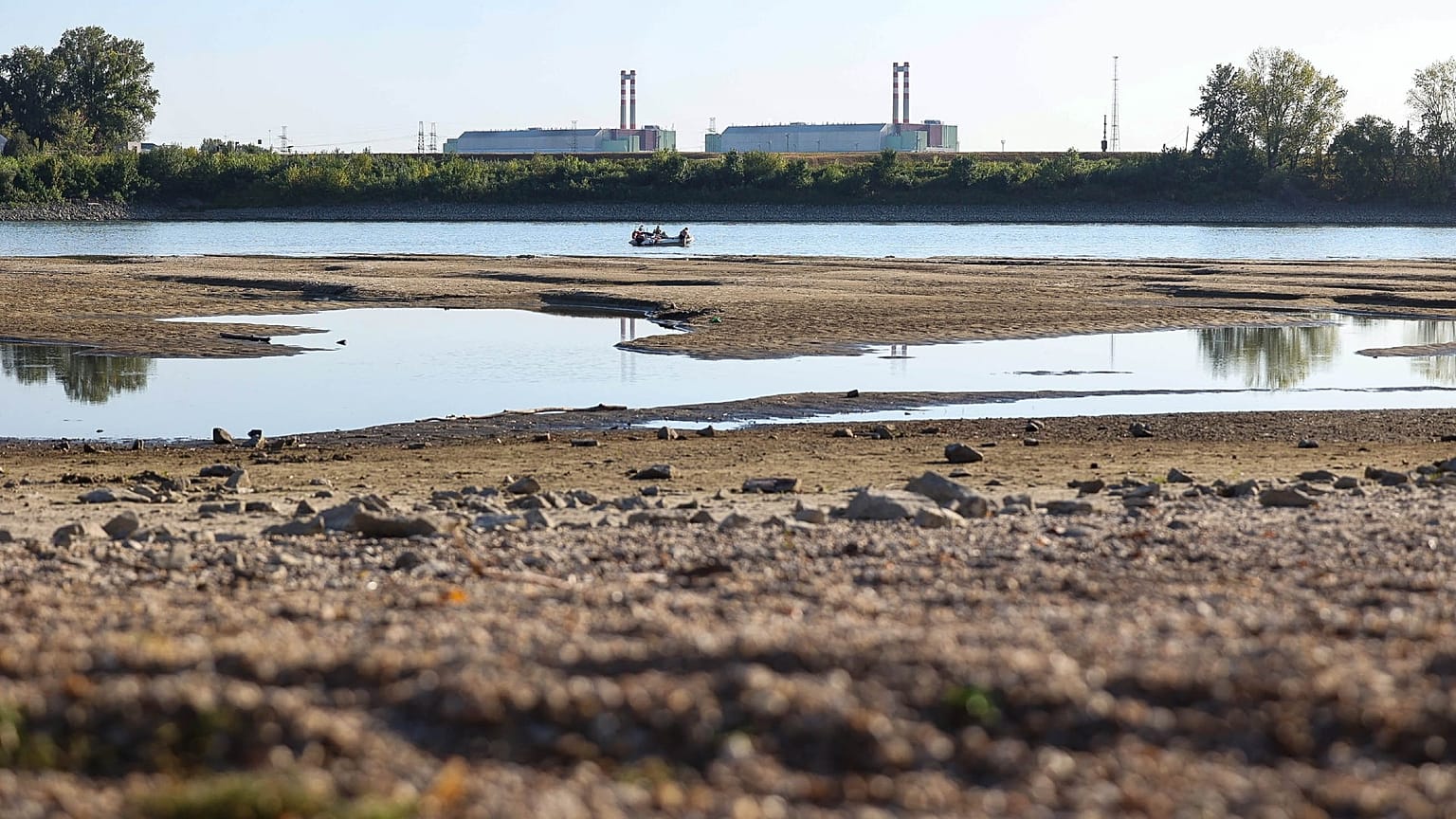
The MVM Paks Nuclear Power Plant, which had to close its Reactor 3 due to extremely low water levels on the Danube River, is seen in Paks, Hungary, Wednesday July 29, 2026.
Copyright AP Photo/Daniel Kiss

By Indrabati Lahiri
Published on

Prolonged low water levels have forced several European industries, including oil refining, nuclear power and chemicals, to reduce output because of raw-material and cooling-water shortages.

Europe has faced increasingly severe heatwaves in recent years, with the past few months bringing a number of extreme heat-related incidents, including droughts and wildfires across Spain, France, Italy and elsewhere.

But a further impact has been emerging in other parts of Europe, as key waterways such as the Rhine and the Danube have fallen to exceptionally low levels, in some places breaking records.

This could make cargo transport significantly more difficult, potentially forcing vessels to carry smaller loads, causing commercial shipping on parts of these routes to grind almost to a halt or requiring operators to adopt more cumbersome alternatives.

Major European industries, including oil refining and chemicals, could therefore face severe disruption.

How could drying waterways affect key European industries?

One of the main ways in which low water levels affect European industries is by preventing cargo ships from carrying full loads. Operators must instead divide cargo between several vessels or shift some freight to road or rail.

The key measuring point at Kaub, on the Rhine, dropped below the critical level of 30 centimetres. It was measured at 27 centimetres in late July this year, according to ICIS, and was forecast to fall further. The reading refers to the Kaub gauge, not the river’s total depth or the navigable channel depth.

The Rhine flows for about 1,230 kilometres, or 765 miles, from the Swiss Alps through or along Switzerland, Liechtenstein, Austria, Germany, France and the Netherlands before reaching the North Sea, making it a vital lifeline for transport, tourism and industry in these places.

Low water levels have severely disrupted Rhine shipping, with most inland vessels unable to pass the Kaub bottleneck by 27 July, shipowners told commodity-market intelligence provider Argus. Cargo volumes were heavily restricted for vessels still able to make the journey, driving freight rates to record levels. "In practice, the Upper Rhine and the Main rivers are now effectively cut off from the Amsterdam-Rotterdam-Antwerp (ARA) trade hub," Argus said in a report on Wednesday.

For the chemical and petrochemical industries, reduced navigable depths restrict deliveries of essential materials such as naphtha and liquefied petroleum gas (LPG) from North Sea ports to inland factories.

Commodity intelligence provider ICIS reported that LyondellBasell had declared force majeure on butadiene supplies from its Wesseling plant after low water levels disrupted feedstock deliveries. According to the media outlet, BASF also flagged possible force majeures (FMs) or product shortages as it relies on the river for transport.

Industrial cooling systems and cargo on the Danube are also impacted

Rising water temperatures have also made industrial cooling systems less efficient, further increasing operational pressures. This is especially important for nuclear and thermal power plants.

The oil and energy industries in this region have faced steep low-water surcharges and rising freight rates for shipping diesel and petroleum products upriver, threatening inland distribution. Similarly, coal-fired power stations are struggling to secure fuel supplies as barge loads drop considerably.

The steel and heavy manufacturing industries have not been spared either. Industrial giant Thyssenkrupp has slightly reduced blast furnace production at its Duisburg plant because barges carrying raw materials have struggled to navigate shallow chokepoints such as Kaub. The industrial company also suspended its own barge operations and chartered shallower-draught vessels, although it said customer deliveries were not at risk.

Capacity on nearby rail and road networks is already limited, meaning they cannot fully replace the lost barge capacity. This has increased the risk of further economic disruption, particularly as water levels are not expected to improve anytime soon.

Similarly, the River Danube, which flows through or borders ten countries, including Germany, Austria, Slovakia, Hungary, Croatia, Serbia, Bulgaria, Romania, Moldova and Ukraine, has seen historically low water levels this July.

Due to continued high temperatures and a lack of rainfall, the Danube fell to a record-low gauge reading of 23 centimetres in Budapest at 10 a.m. CEST on Thursday, 10 centimetres below the previous record in 2018, according to Hungary’s official water-monitoring service. The figure measures the water level against a fixed local reference point rather than the river’s physical depth. The authority forecast a further decline over the coming days.

The Hungarian Construction and Transport Ministry said in its latest update on Tuesday that most cargo vessels had been halted along the Hungarian section of the Danube, while those still operating were carrying only 10% to 20% of their normal loads. Around 15 hotel ships were also stranded.

The disruption is not uniform along the river. The Associated Press reported that cargo shipping had stopped in some affected areas, while vessels continued operating with sharply reduced loads elsewhere. In Serbia, for example, barges and tankers were carrying about 30% to 40% of their normal capacity.

Energy supplies are impacted in Hungary and Romania

The low water levels have also forced Hungary’s Paks Nuclear Power Plant to reduce output and shut down one of its four reactors, according to operator MVM. Hungarian media reported that it was the first-ever shutdown of a complete block at the nuclear plant. Combined with earlier reductions, the shutdown brought the plant’s output down to about 60% of capacity.

Similarly, Romania’s state-owned nuclear power producer, Nuclearelectrica, shut down Unit 1 at the Cernavodă power plant on Tuesday because of what it described as the “very low, unprecedented” level of the Danube. Romania’s energy ministry said Unit 2 would be disconnected early on Thursday, leaving both reactors offline simultaneously because of low water levels for the first time.

The shutdowns are increasing pressure on regional electricity supplies. Hungary is replacing the lost output with a combination of imports and domestic gas-fired generation, according to Mavir data cited by Hungary’s national news agency, MTI. Romania’s Energy Ministry said the loss of both reactors would increase its reliance on imports, putting further upward pressure on power prices, Reuters reported.

Fuel transport in Serbia has been affected too. The country received only 25% of its planned fuel imports in July because low Danube levels restricted barge deliveries, Energy Minister Dubravka Đedović Handanović said. The government subsequently authorised energy companies to draw on operational fuel reserves to safeguard supplies.

Low water levels have also affected agriculture, disrupting grain shipments and irrigation in Serbia, including in the northern agricultural region of Vojvodina. In Romania, the authorities have restricted irrigation as flows on the Danube fell to their lowest level since 1996, while river shipping has also been partially disrupted.

What measures can be used to counter low water levels?

One of the biggest challenges with the Rhine and some parts of the Danube is that they have rocky beds, which cannot be easily dredged.

As such, addressing low water levels requires a mix of engineering, technological and logistical measures to keep cargo ships moving.

German authorities are already planning the Optimisation of Load Draughts on the Middle Rhine project, which aims to deepen the shipping channel by 20 centimetres at critical bottlenecks between Mainz and St Goar, including Kaub. Similarly, modifying river walls and other barriers can direct more water into the navigation channel, helping to maintain sufficient depth.

Upgrading existing locks can help regulate upstream water retention during particularly severe dry spells on regulated sections of rivers.

Ship design and technology can also be adapted to these conditions through the use of shallow-draught vessels. Companies including HGK Shipping and BASF are already using or developing low-water vessels capable of carrying significant loads at reduced river depths.

Using lightweight materials such as high-tensile steel can help support these designs by reducing a vessel’s empty weight and allowing it to carry more cargo when water levels are low.

On the supply chain and logistics side, shifting freight between different forms of transport, such as moving time-sensitive goods to rail or road networks when river capacity drops, can help maintain smoother operations.

Building larger storage facilities at inland ports allows companies to stockpile raw materials during high-water seasons. Using networks of smaller, shallower vessels instead of single mega-barges can also distribute the cargo’s weight.

Hungary declared an emergency drought alert on Thursday after drought thresholds were exceeded in 66 of the country’s 84 water-management districts, Environment Minister László Gajdos said.

“This means that experts from the Water Management Authority will carry out drought relief measures at the highest alert level across 74% of the country,” he added, according to Hungarian news website Telex.


Europe's heatwaves are fuelling infectious diseases, health agency warns

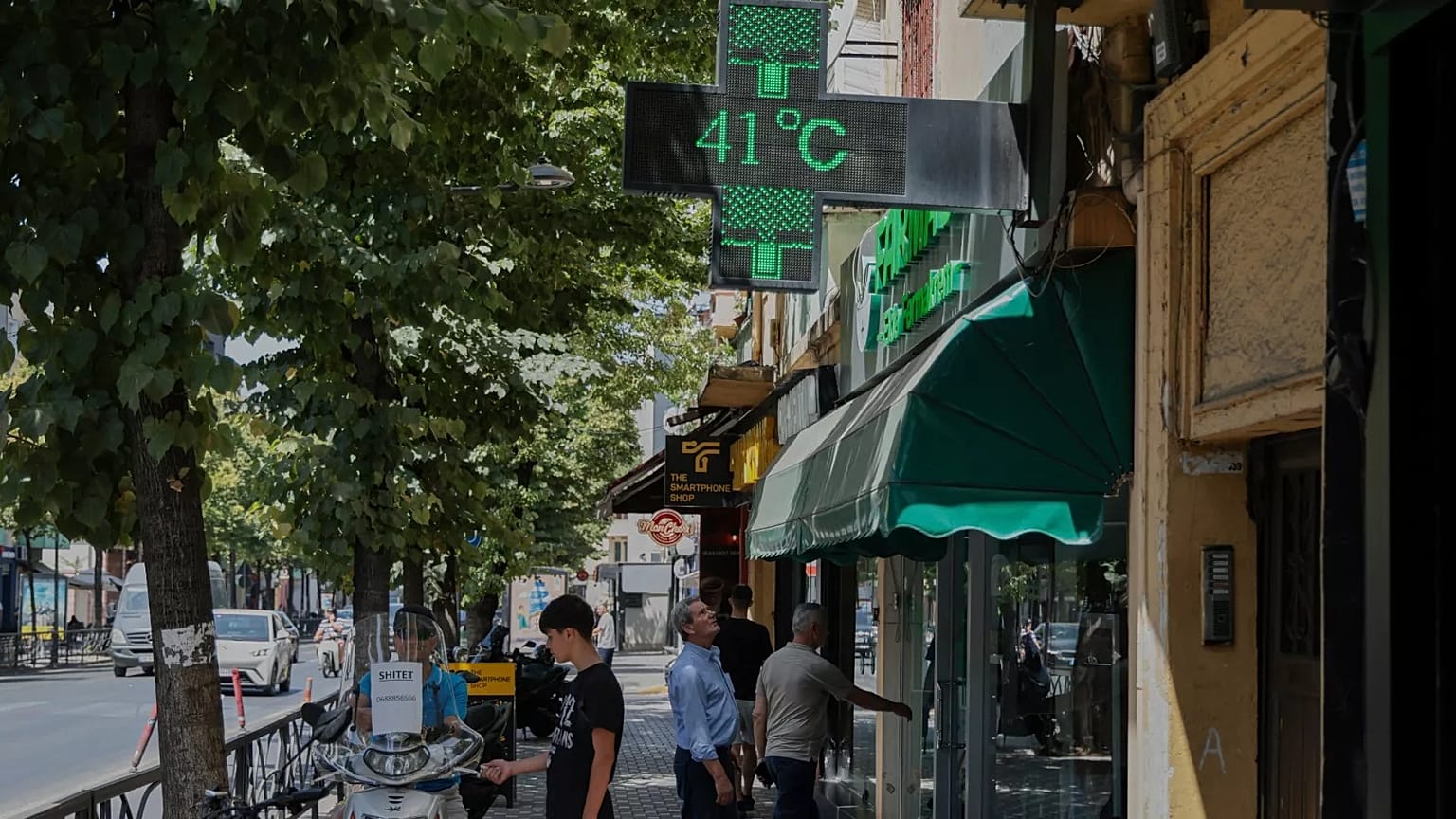
FILE: A man looks at a thermometer of a farmacy in Tirana, Albania.
Copyright AP Photo/Vlasov Sulaj

By Marta Iraola Iribarren
Published on

As summers are getting longer and hotter, health experts warn that higher temperatures are creating the perfect conditions for infectious diseases to spread across Europe.

The risk of infectious diseases is growing amid longer and warmer summers across Europe, the European Centre for Disease Prevention and Control (ECDC) has warned.

Close cooperation across borders and sectors is now vital to effectively predict, prevent and respond to these threats

“While the current heatwaves are making headlines, it is the continuously higher temperatures of an ever longer duration that create the conditions for many infections to spread,” the health agency said in a press release.

As climate change widens the range of public health threats, the ECDC added, there is a growing need for longer-term strategic collaboration across the human, environmental, and animal sectors.

There are four particular areas the ECDC is monitoring:

Foodborne diseases

These are among the most frequent summer illnesses, with rising temperatures accelerating bacterial growth in food, the agency warned.

According to the World Health Organization (WHO), hot and humid weather creates ideal conditions for germs to multiply quickly, making food unsafe – often without any obvious change in its appearance, taste or smell.

Good hygiene practices help reduce the risk: washing fruit and vegetables before eating them, keeping raw and cooked food separate, cooking food thoroughly, and storing it at safe temperatures.

Mosquitoes

Mosquito-borne diseases are becoming more common in Europe, as longer warm and humid seasons allow invasive mosquitoes to thrive in regions where they were previously rare or entirely absent.

Diseases such as dengue, chikungunya and West Nile virus are becoming an increasing public health concern in the region.

The West Nile transmission season typically runs from late spring to autumn, peaking between July and September, with cases reported this year in Greece, Italy, North Macedonia, Romania and Spain, according to the WHO.

Insect repellent, protective clothing and indoor precautions, including window screens, air conditioning or mosquito nets, offer good protection, the ECDC noted.

People should also make sure that water does not collect around their homes or in their gardens, as stagnant water can allow mosquitoes to breed.

Tick-borne diseases

Ticks are another insect commonly associated with summer, found across Europe.

Ticks do not cause disease on their own, but infected ticks can transmit viruses or bacteria through their bites, causing illnesses such as tick-borne encephalitis and Lyme disease, which can lead to long-term health complications.

Vaccination is also one of the most effective means of preventing tick-borne encephalitis, for which the European region reports an average of 3,000 cases every year.

The ECDC recommends wearing long sleeves and long trousers when hiking or spending time in parks, and checking for ticks and removing them after spending time outdoors.

Vibriosis

Vibrio is a species of waterborne bacteria that thrives in temperate and warm waters with moderate salinity.

The bacteria can cause vibriosis in people who are in contaminated waters or eat contaminated seafood.

Although Vibrio infections remain relatively rare in Europe, several northern countries bordering the Baltic Sea have reported increases in recent years, noted the ECDC.

According to the agency, this has been particularly evident during summers with extended heatwaves and higher water temperatures. Recommendations include avoiding swimming with open cuts, scratches or recent piercings, and making sure that seafood from these areas is well cooked helps reduce the likelihood of infection.

The ECDC tracks the bacteria's spread through an interactive map, updated daily with a five-day forecast.